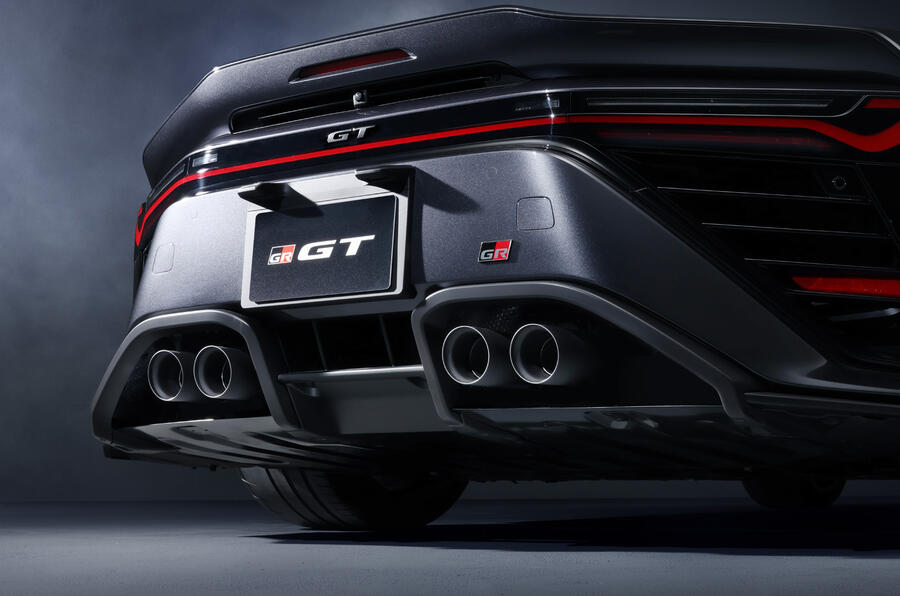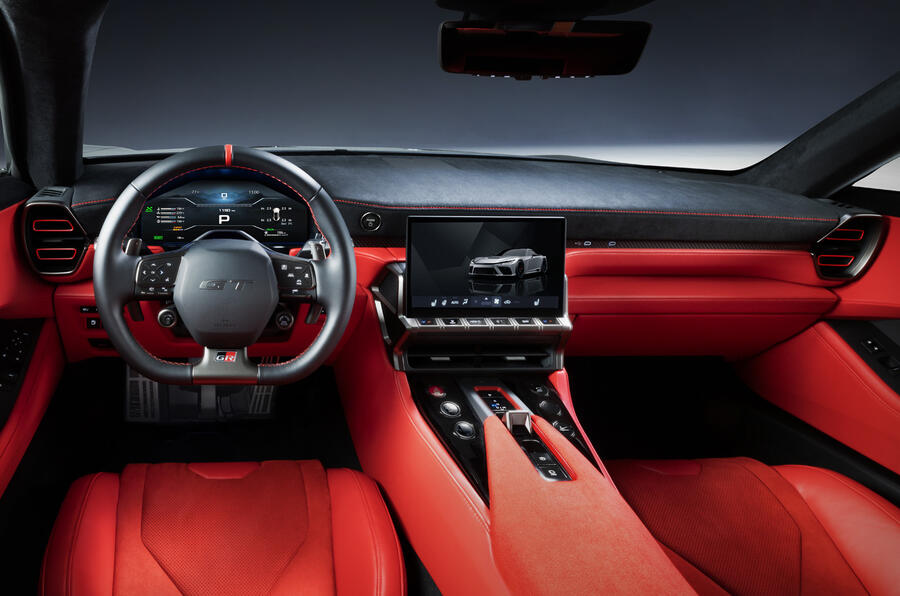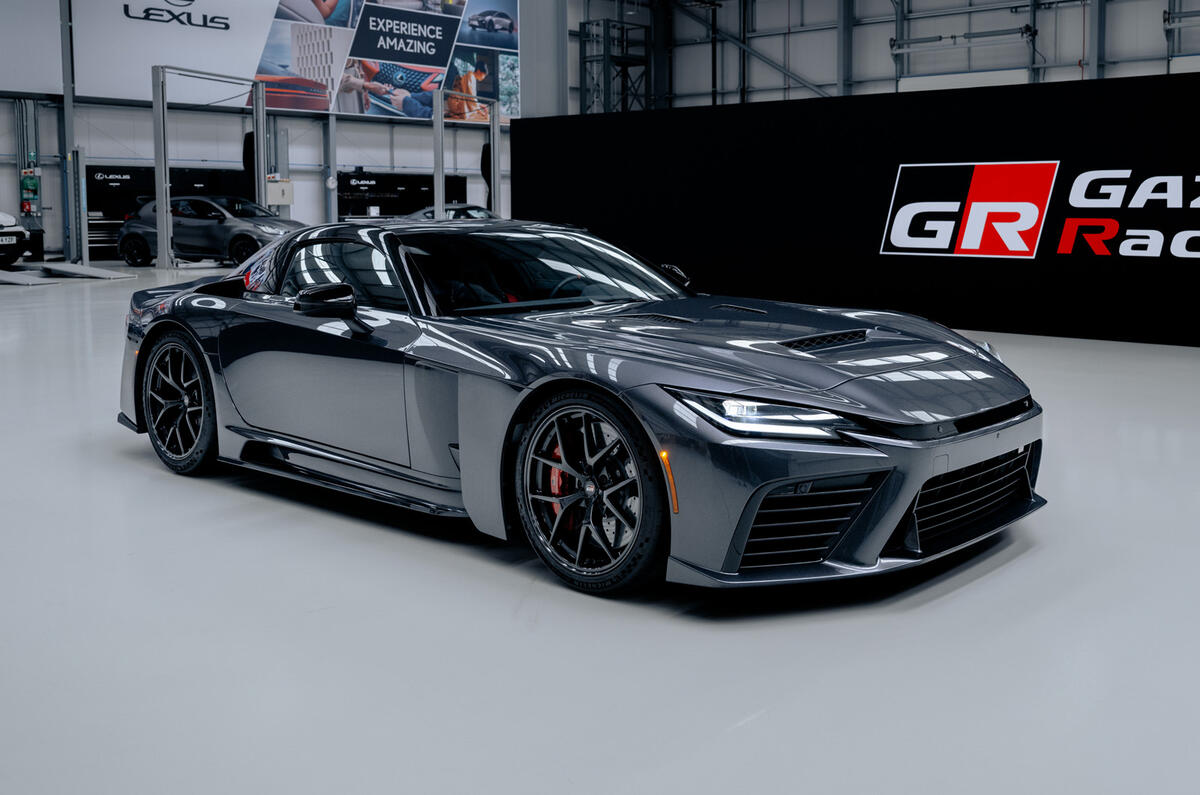

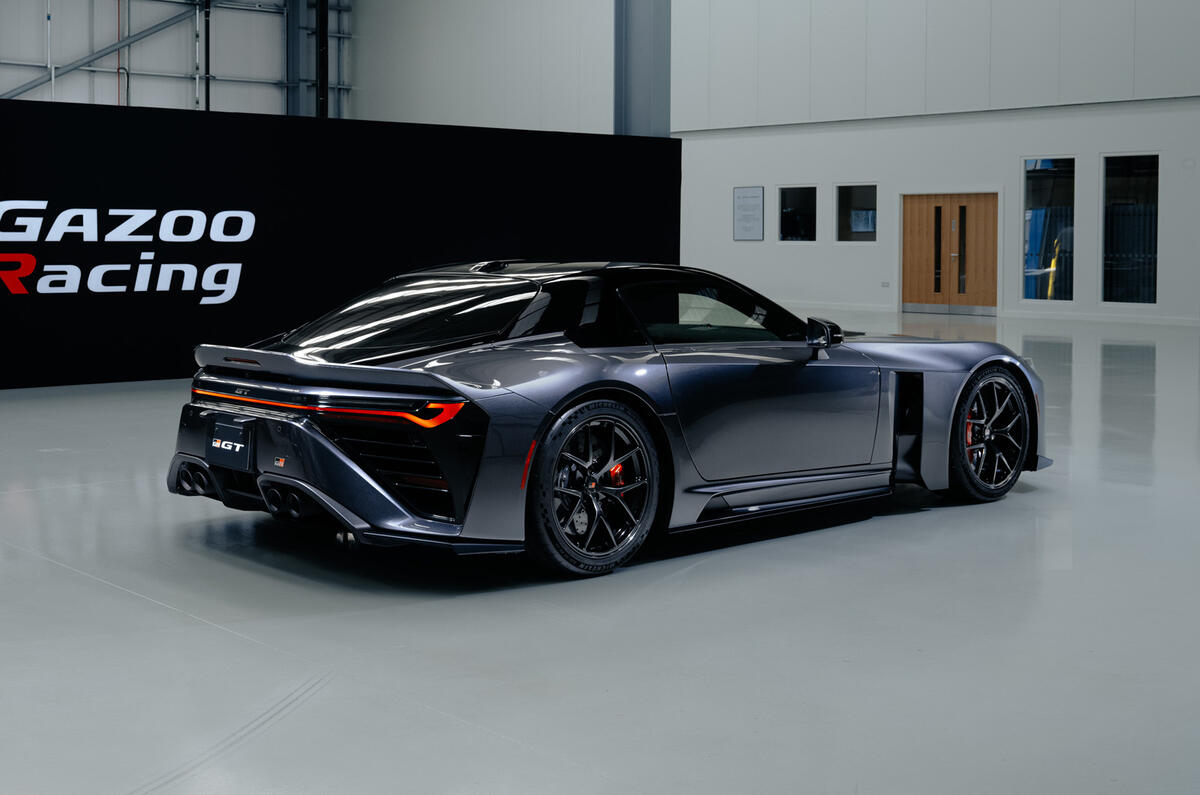
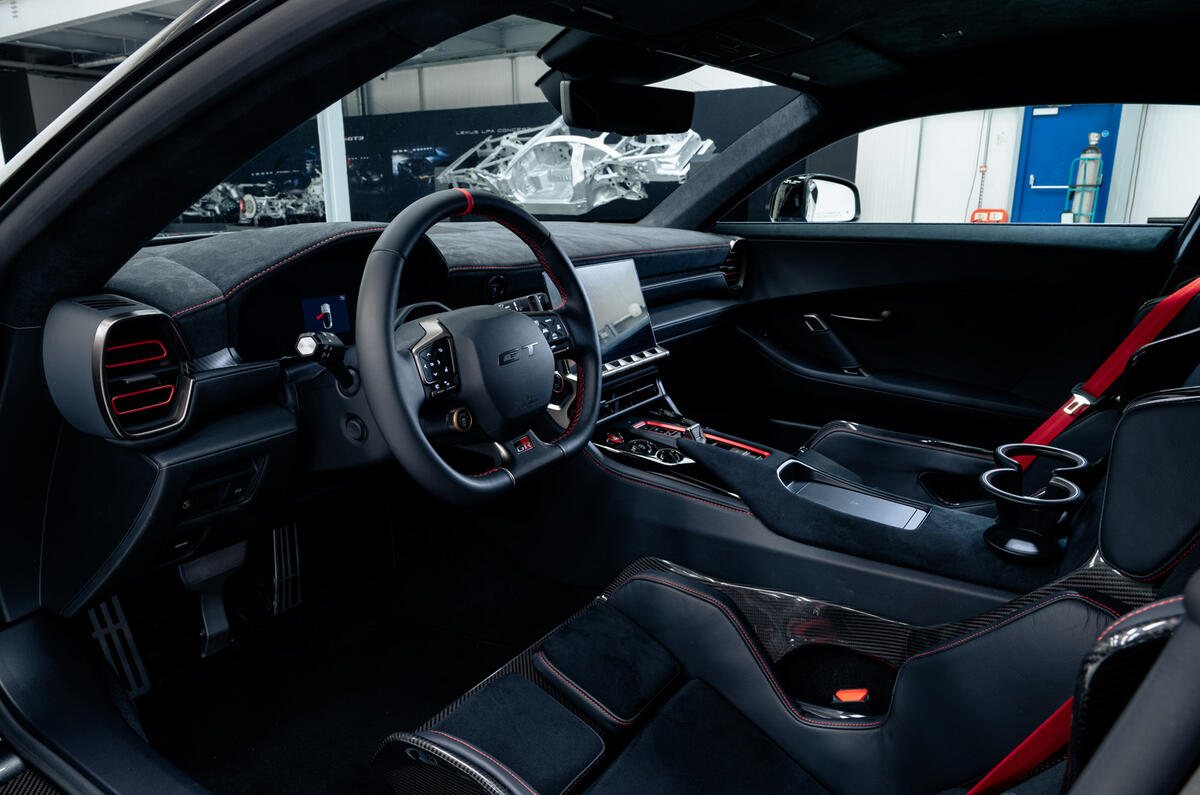


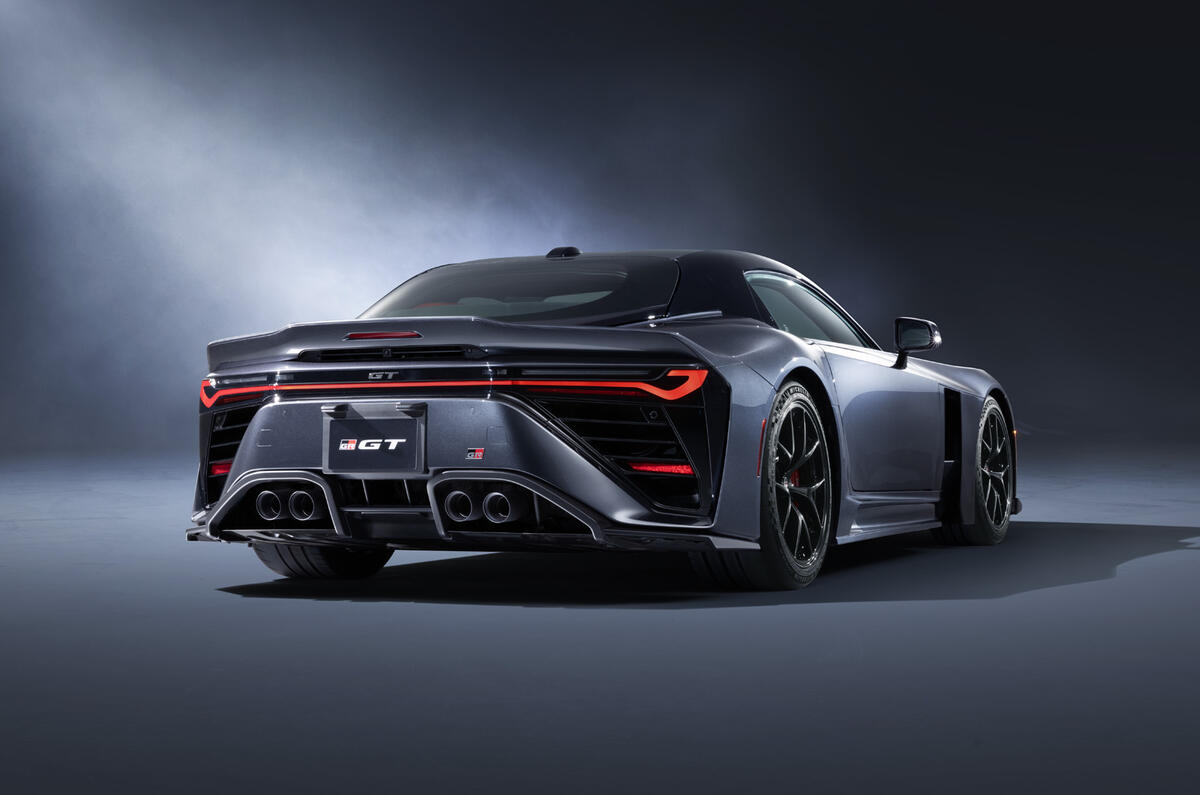
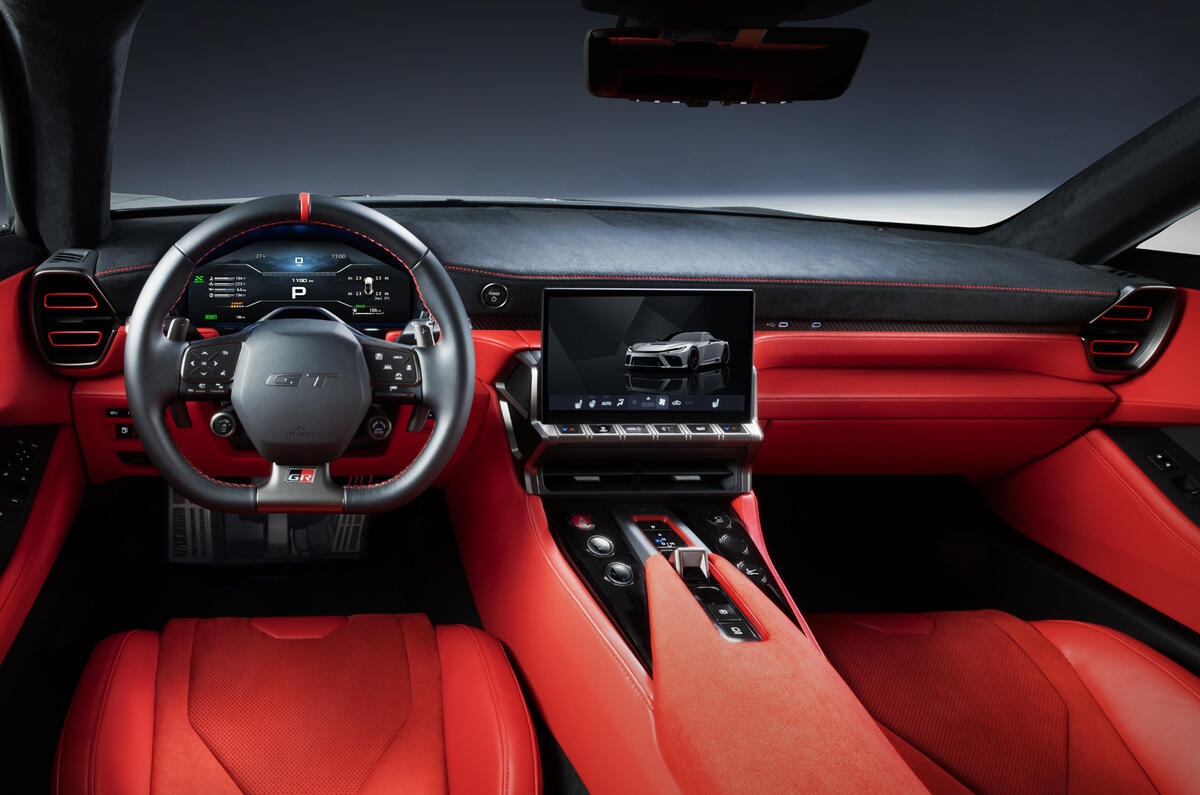
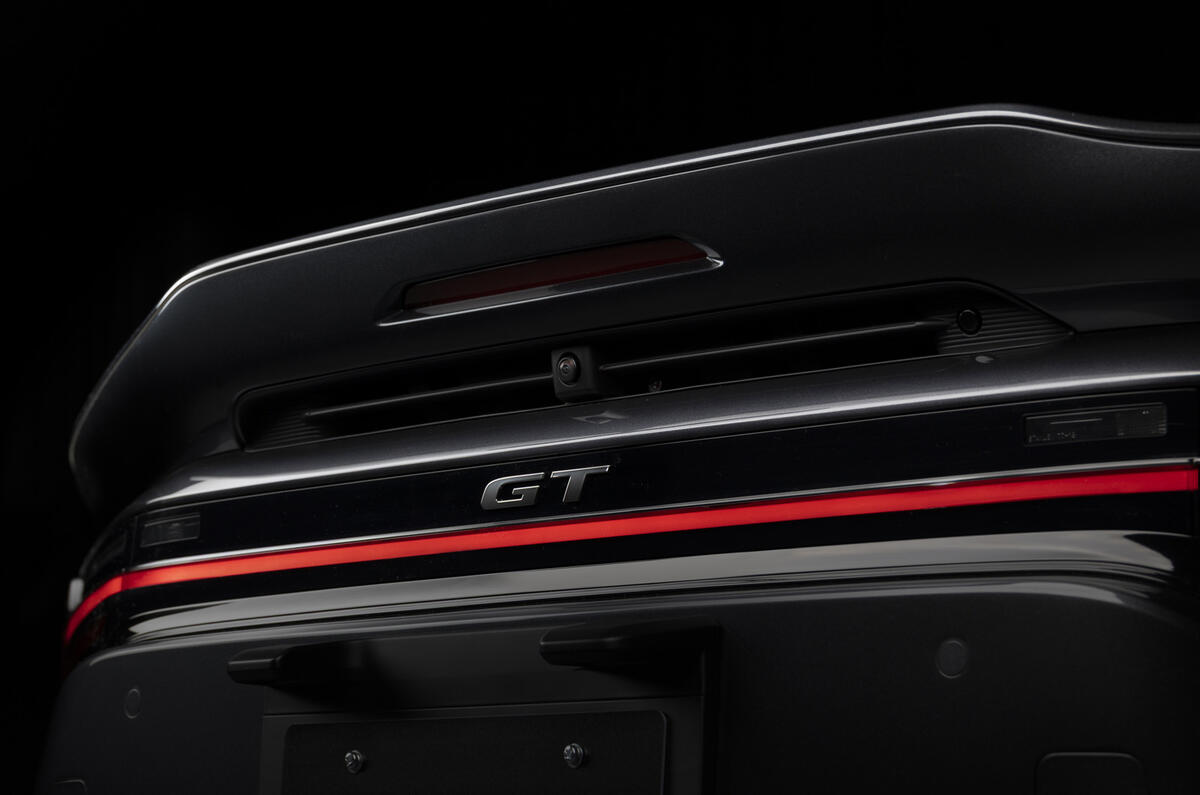
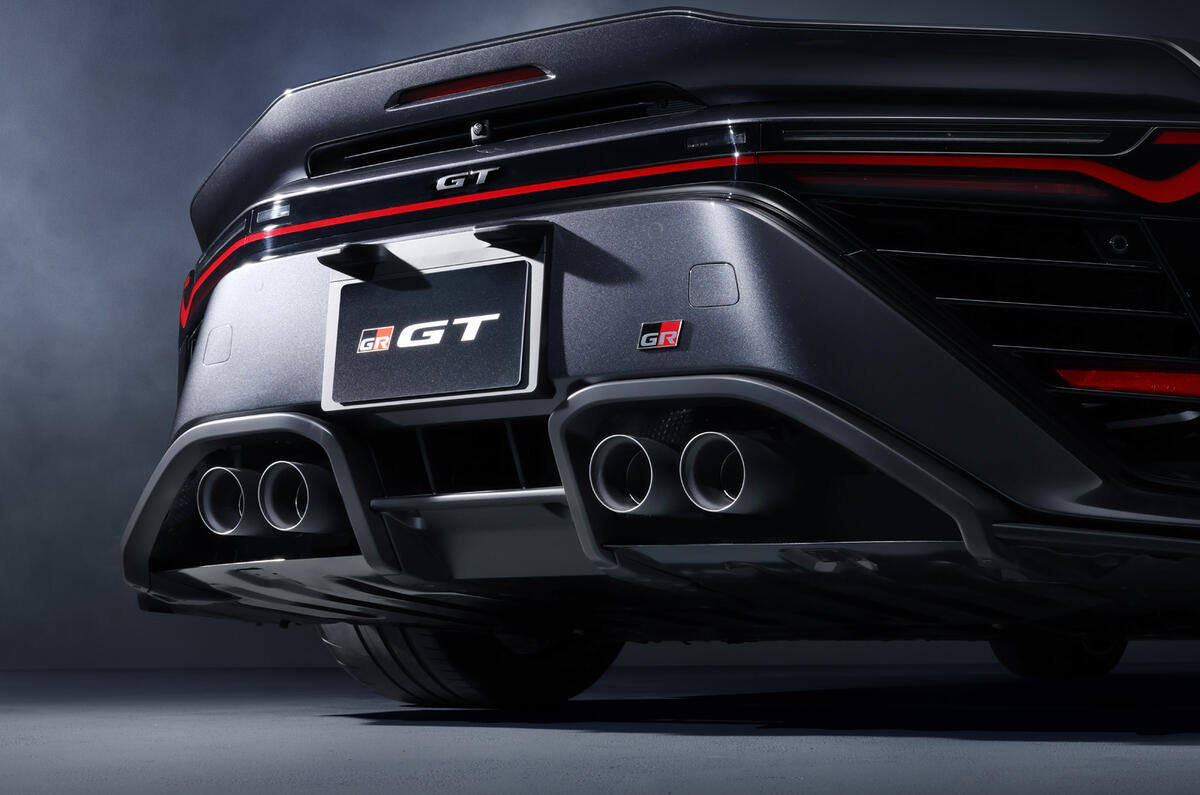
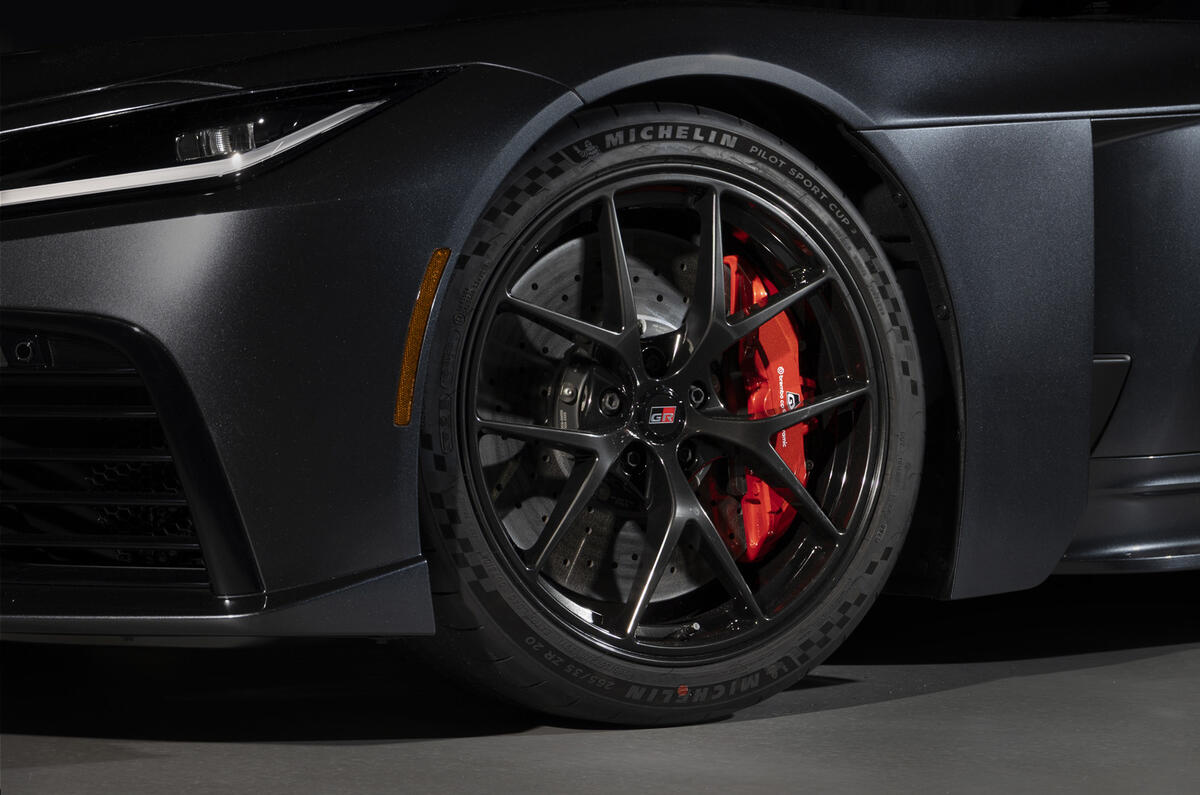

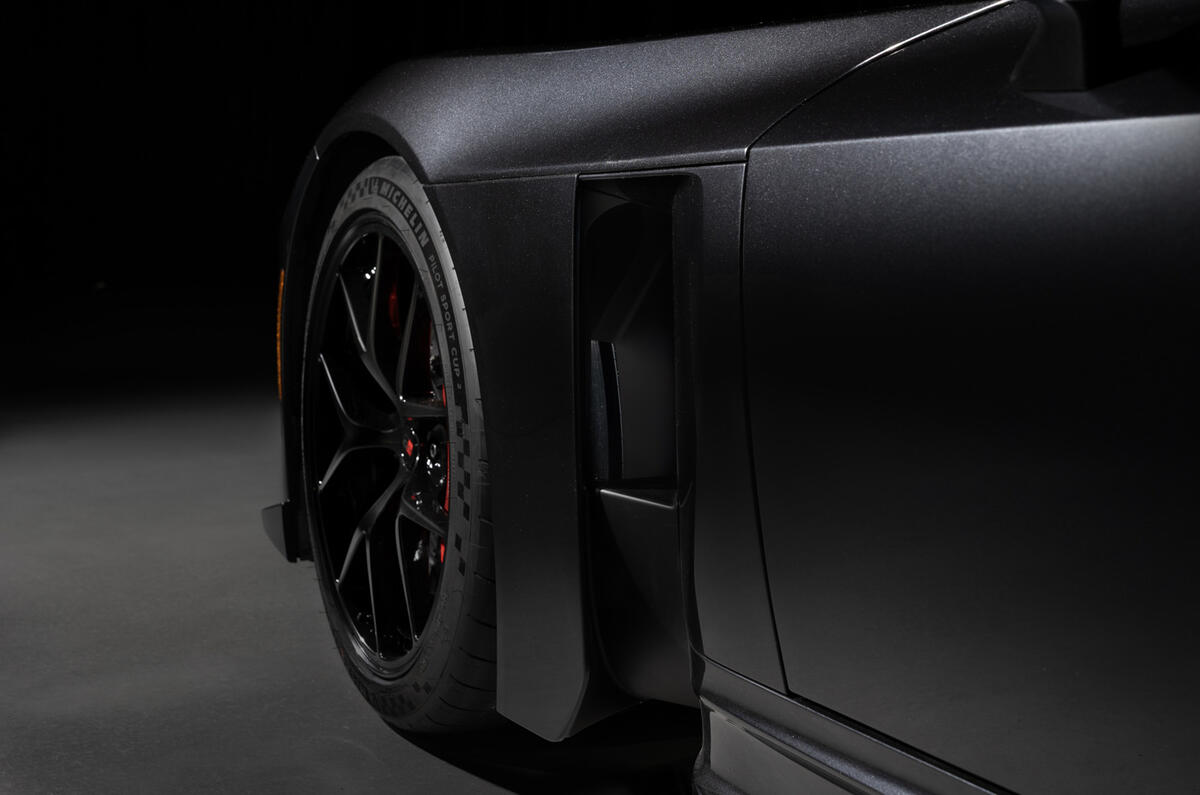



















Toyota has brought its new flagship V8 supercar to the UK, before it goes on sale next year a storming, 641bhp rival to the Mercedes-AMG GT and Aston Martin Vantage.
The GR GT – named for Toyota's Gazoo Racing performance division – is described as having been conceived as a "road-legal race car". Indeed, the road-going and GT3-spec racing versions have been revealed simultaneously, reflecting the fact that they were engineered completely in parallel.
The supercar made its public dynamic debut at the Goodwood Festival of Speed last week, but Autocar had a chance to get up close beforehand and check out all the important details. And – of course – hear that thumping V8 motor fire up for the first time, which you can enjoy below.
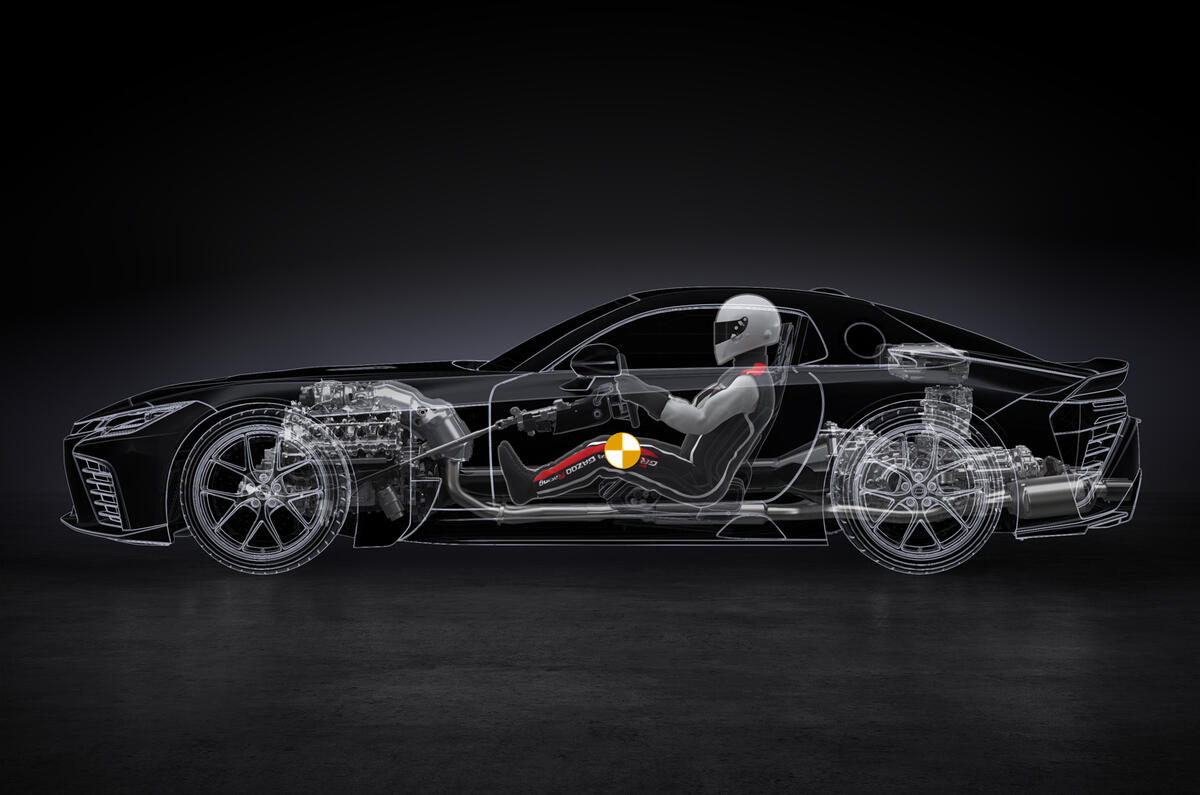
The main focus when developing the GR GT, says Toyota, was to "endow the car with a high level of dynamic performance but also to achieve a sense of car-driver unity". To that end, company chairman and 'Master Driver' Akio Toyoda worked closely with the car's developers, with assistance from some of Japan's most accomplished racers.
Together with the related but pure-electric Lexus LFA, the new Toyota supercars form what the company calls a 'trinity' of high-performance flagships aimed at emphasising its engineering prowess and technical capabilities – honed on the race track.
Another priority during development was to pass on "the secret sauce of car making" to the next generation of Toyota engineers, so people who worked on the original LFA programme were actively involved in the conception of the new supercars.
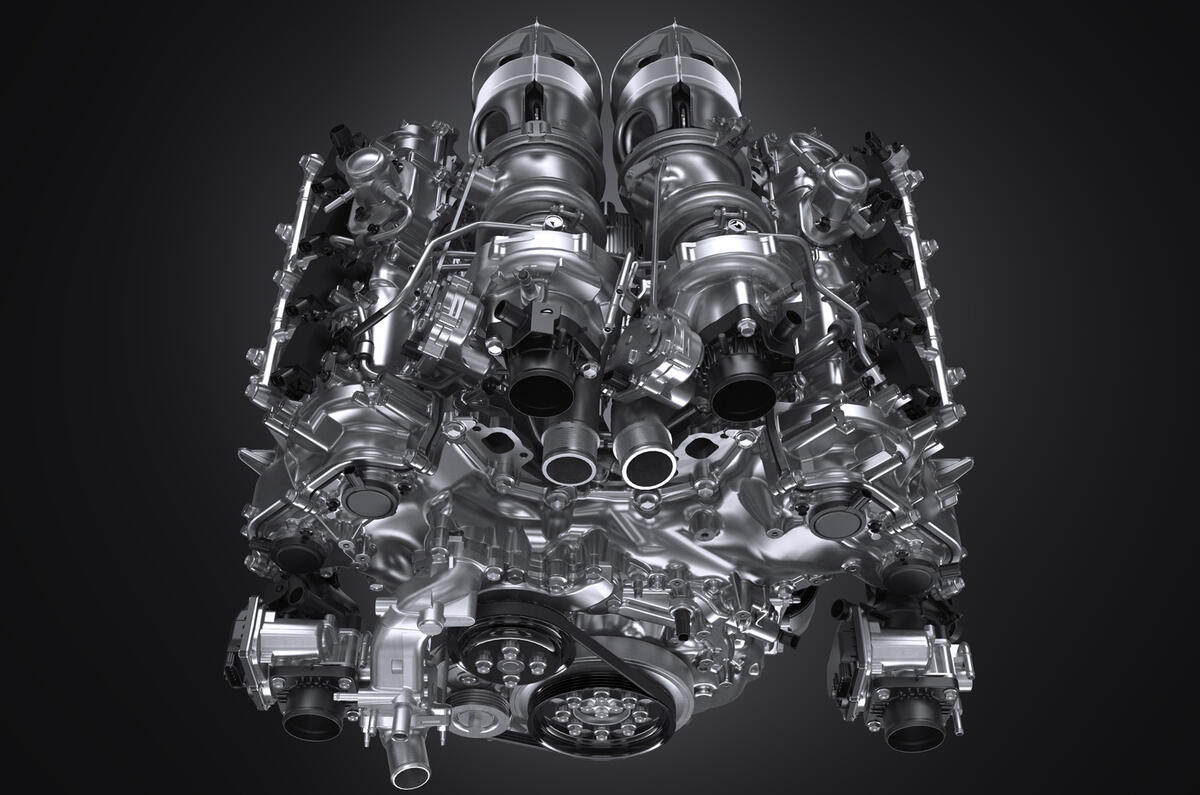
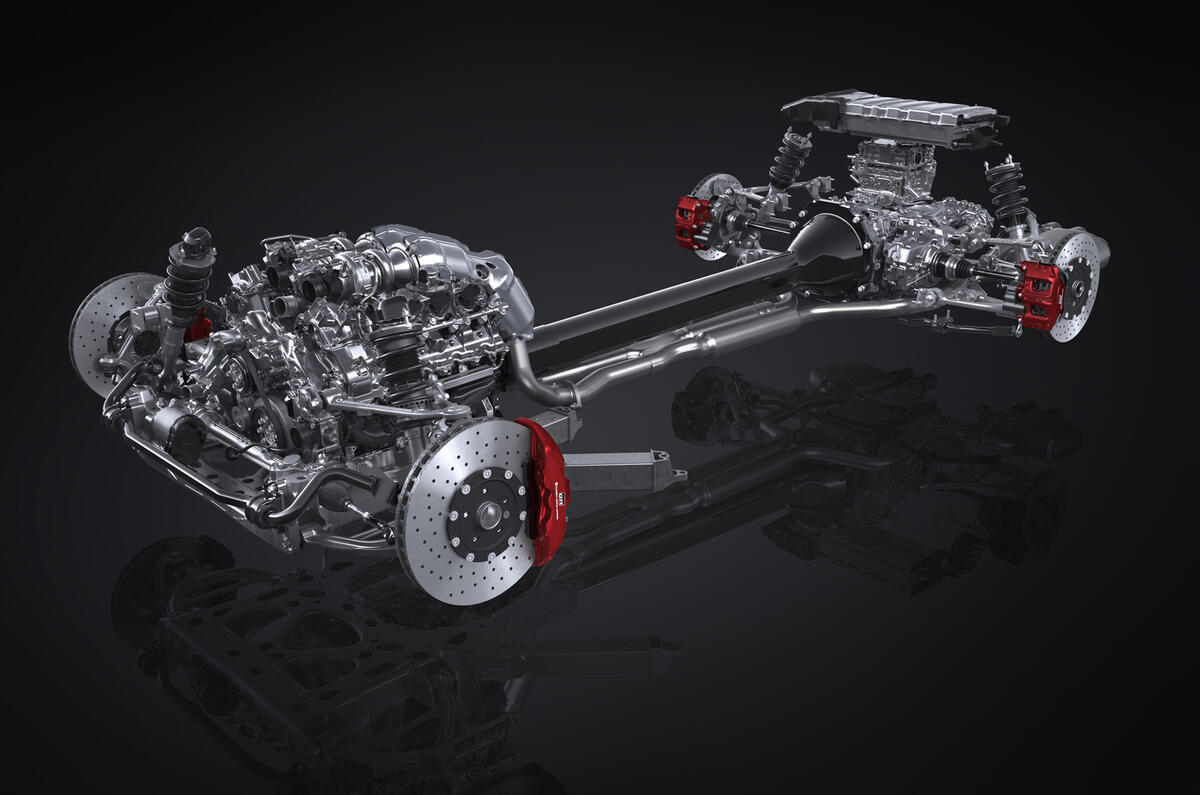
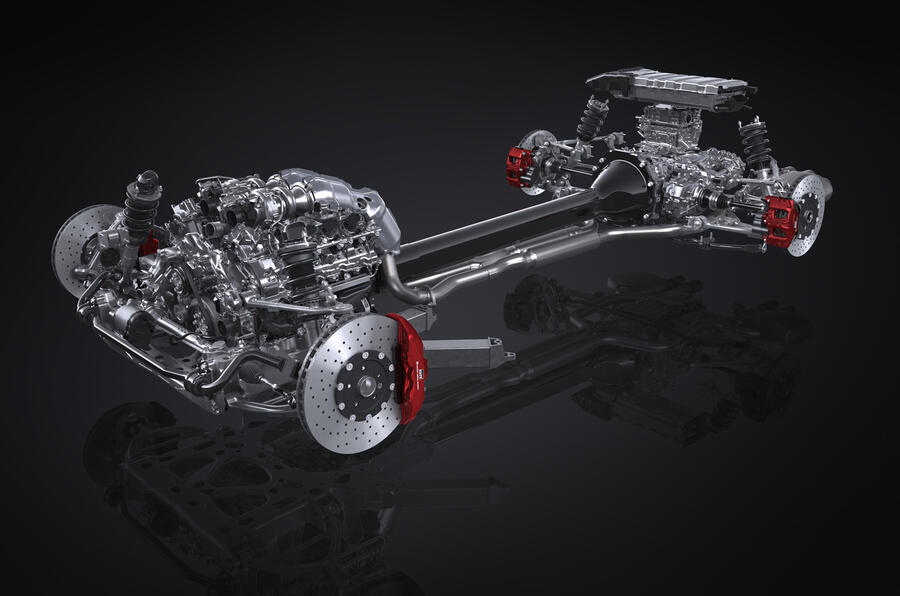
Japan's answer to the Mercedes-AMG GT and Porsche 911 Turbo uses a new 4.0-litre twin-turbo V8 as part of a hybrid drivetrain that pumps a targeted 641bhp and 627lb ft to the rear wheels through a carbonfibre-reinforced torque tube – though the company says development is still ongoing and the final figures could be higher.
No performance figures have been disclosed yet beyond a target top speed of at least 198mph, but a 0-62mph time in the region of 3.5sec is well within reach.
The engine itself is described as "thoroughly light and compact", courtesy of its 'hot vee' arrangement – with the turbos mounted inside the cylinder banks – as well as the dry-sump lubrication system and slimline oil pan.