Currently reading: Opinion: GM got the Chevrolet Volt wrong

Chevrolet has axed the Volt from its line-up amid a clampdown on saloons, but why wasn't it the pioneer it should have been?

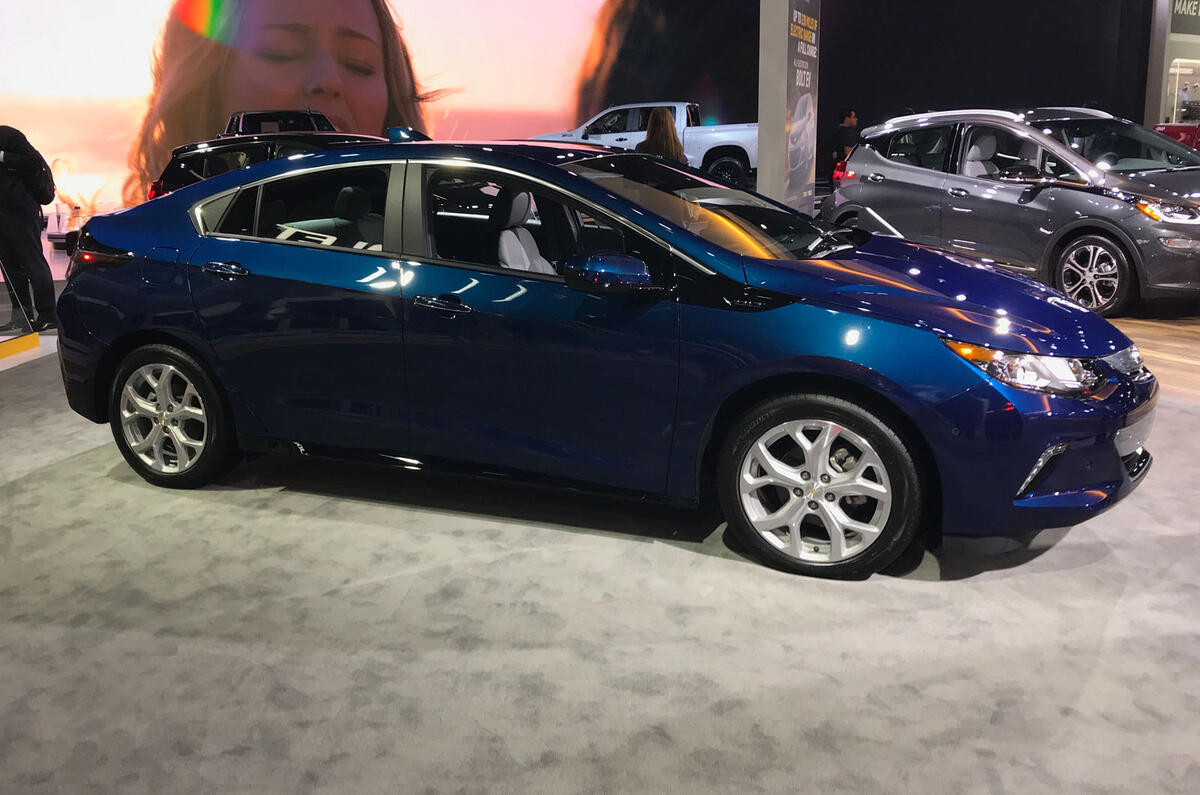
‘The future starts here’ read the headline of the Autocar magazine news story when Chevrolet first revealed the Volt almost a decade ago.

The range-extender hybrid was a pioneer, and seen as the future of the car – yet now it’s been axed from the General Motors line-up as part of sweeping cuts designed to future-proof the company and ensure its long-term survival, and relevance.

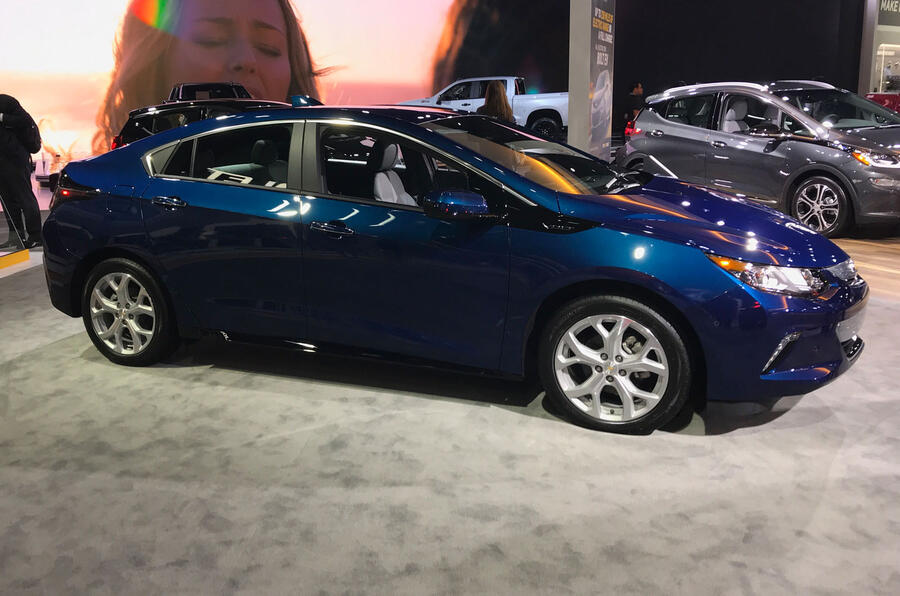
There’s an irony in the Volt, which remains on show at the LA motor show today, being part of the GM cuts, the official line of which is that saloons simply don’t sell anymore, particularly small ones. And being a small, compact saloon, the Volt has not been spared the axe, no matter how relevant its drivetrain might be to the future of the motor car.
Chevy volt 1

For the Volt, in its ethos and what it stands for, remains absolutely relevant. Now in its second generation, it is clever and efficient, and exactly the kind of car GM should be making.

Keep up to date with everything happening in Los Angeles

The buzz around the Volt was huge. In the build-up to its launch in 2010 after its reveal a year or so earlier, there was a constant drip-feed of information on it, and an excitement surrounding its arrival.

It was the car to not only save General Motors at a time when it was being bailed out by the US government, but also to save Detroit. It was proof the city’s Big Three could still lead the world in new technology and relevant products. It should have been a Toyota Prius or Tesla moment for GM.

Yet clearly GM got the execution wrong with the Volt. While efficient, the drivetrain, and the range-extender concept, now feels like a bit of a halfway house in carrying so much ‘old’ technology. So while the ethos is great, the execution is what’s lacking; the drivetrain lacked refinement when the battery power ran out (and it quickly did), leaving an engine whirring away noisily.

Plug-in hybrids do it better in not needing the engine to allow the batteries to work, and full, big-range electric cars better yet still – which is why GM is keeping its own big-range electric car in the Chevrolet Bolt.
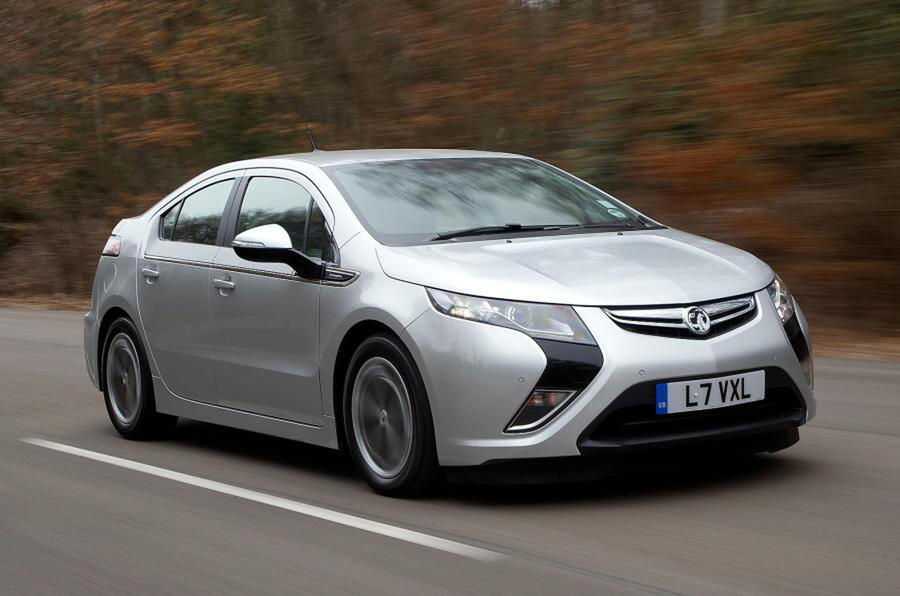
Vauxhall ampera 2 2

Back to top

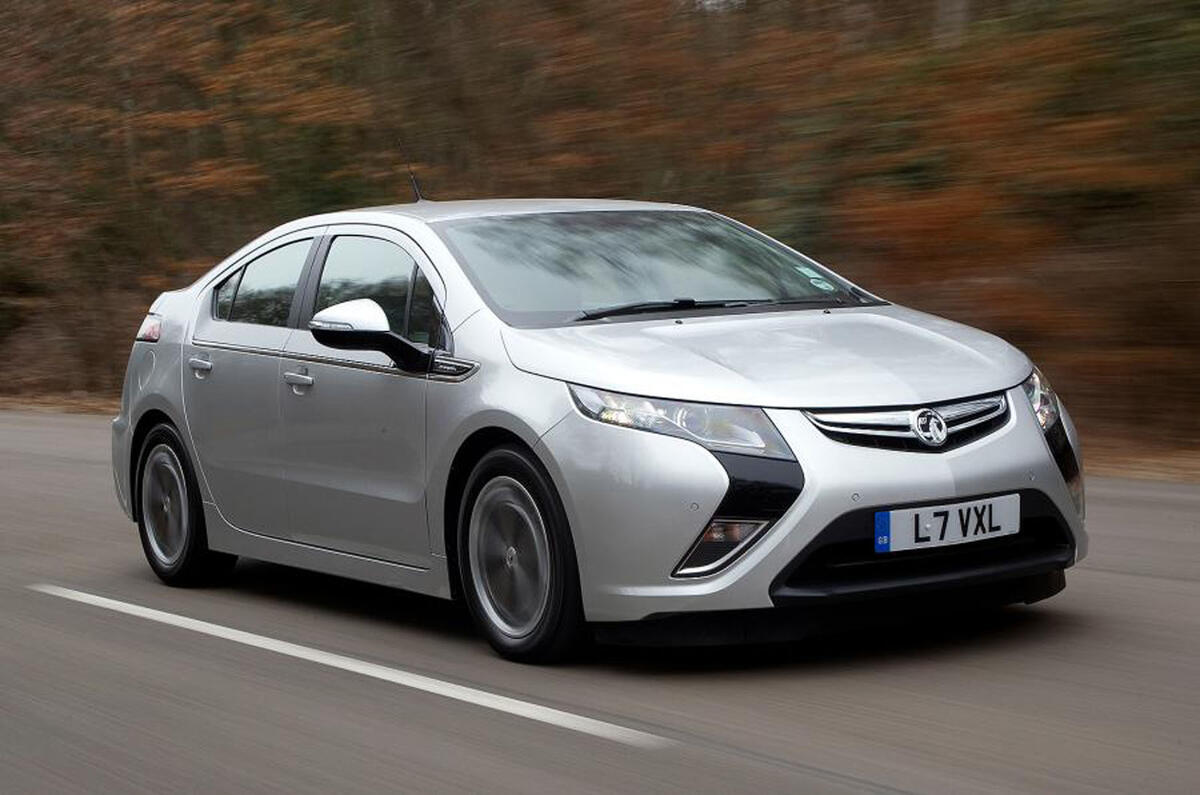
GM wasn’t global enough in its thinking on the Volt. While sold in Europe as a Volt, and also as a rebadged Vauxhall/Opel Ampera, it was the US where it was aimed. But the US wasn’t really ready for such a car as it didn’t yet want one, with gas prices still cheap and the Volt too small for most buyers at the start of the boom away from saloons of any size to SUVs. The Volt wasn’t different enough, in the way a Tesla was.

The badge on the bonnet didn’t have the cachet to carry it around the world, too, even if GM had gone on the offensive with the Volt elsewhere.

The surprise in the decision on the Volt is less that it has been taken, but more that it has been taken now. The new, second-generation model is only a couple of years old, and has not been a sales success.

GM could have switched the Volt from being a range-extender to a more conventional plug—in hybrid, or better yet a full electric car of its own for the second-generation when it saw that the market simply wasn’t going the way of range-extenders.

But now the Volt will be consigned to history, something that’s likely to be viewed as a footnote in the development of the electrified car, rather than the pioneer we all thought it would be.

Read more

Tesla: will the fairytale end this year?​

General Motors to close seven factories, axe 15% of workforce​

The golden age of General Motors design​

Join our WhatsApp community and be the first to read about the latest news and reviews wowing the car world. Our community is the best, easiest and most direct place to tap into the minds of Autocar, and if you join you’ll also be treated to unique WhatsApp content. You can leave at any time after joining - check our full privacy policy here.

Mark Tisshaw

mark-tisshaw-autocar
Title: Editor

Mark is a journalist with more than a decade of top-level experience in the automotive industry. He first joined Autocar in 2009, having previously worked in local newspapers. He has held several roles at Autocar, including news editor, deputy editor, digital editor and his current position of editor, one he has held since 2017.

From this position he oversees all of Autocar’s content across the print magazine, autocar.co.uk website, social media, video, and podcast channels, as well as our recent launch, Autocar Business. Mark regularly interviews the very top global executives in the automotive industry, telling their stories and holding them to account, meeting them at shows and events around the world.

Mark is a Car of the Year juror, a prestigious annual award that Autocar is one of the main sponsors of. He has made media appearances on the likes of the BBC, and contributed to titles including What Car?Move Electric and Pistonheads, and has written a column for The Sun.