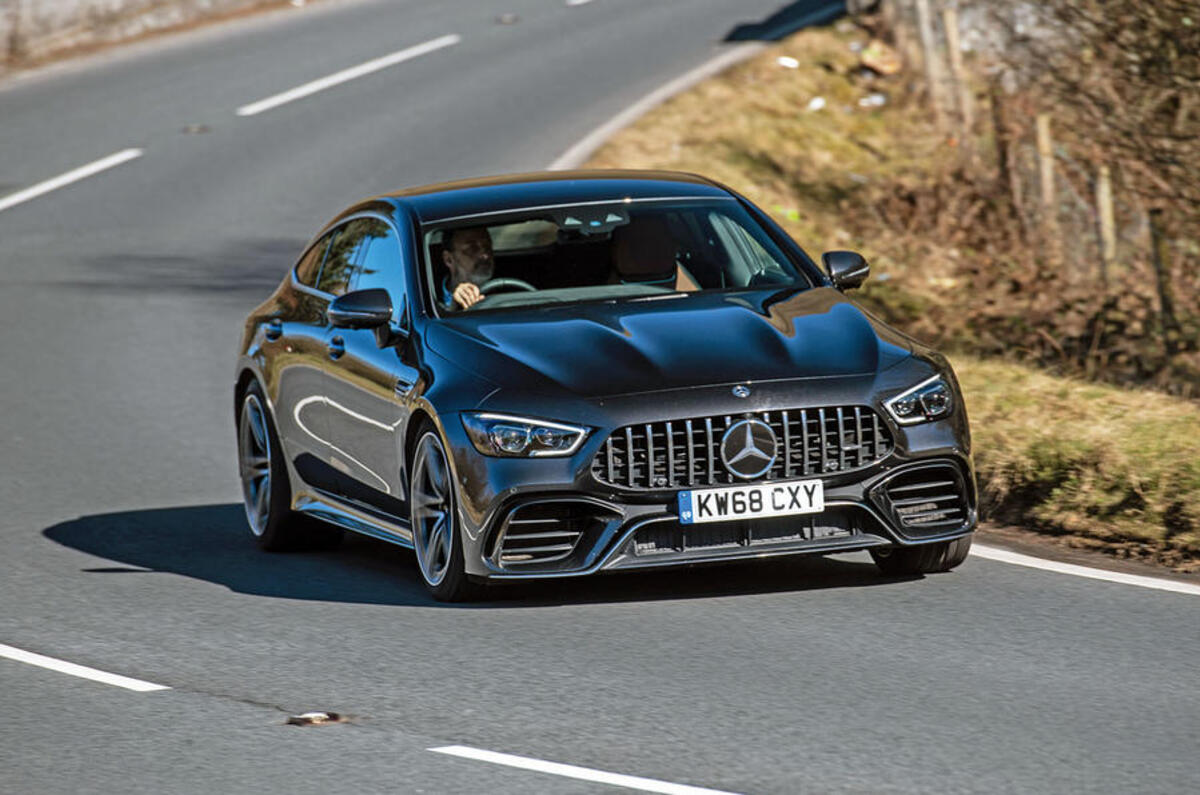

Mercedes could axe around three quarters of its AMG performance range to meet strict CO2 targets.
According to the Financial Times, the downsizing of Mercedes’ performance offering could be the manufacturer’s only choice if it is to bring its current fleet emissions rating of 138g/km down to a target of 100g/km. AMG models are among the brand’s most polluting, typically using much larger, more inefficient powertrains than their Mercedes-Benz-badged counterparts.
The FT reports that several Mercedes dealers expect a 75% reduction in the availability of AMG models, which industry analyst Max Warburton claims would be a “catastrophe for profitability”. Mercedes’ performance models command a significant premium over standard cars, but threaten the car maker’s ability to bring its CO2 average down.
Such a move could even be extended to Mercedes’ mainstream line-up, where the firm could restrict sales of cars equipped with 3.0-litre engines, said the FT. This could force powertrain alterations for models such as the new GLE Coupe, which is available exclusively with a 3.0-litre straight-six, even in standard form.
Responding to the report, a Mercedes spokesman said that "Mercedes-AMG is a significant strategic pillar for Mercedes-Benz cars with a clear powertrain strategy for the future," but did not respond directly to the comments allegedly made by some of the firm's retail representatives.
He added: "Starting with the first plug-in hybrids coming to the market in 2020 and followed by a new model range equipped with electrified powertrains, Mercedes-AMG will also contribute to lowering the average fleet emission of Mercedes-Benz Cars."
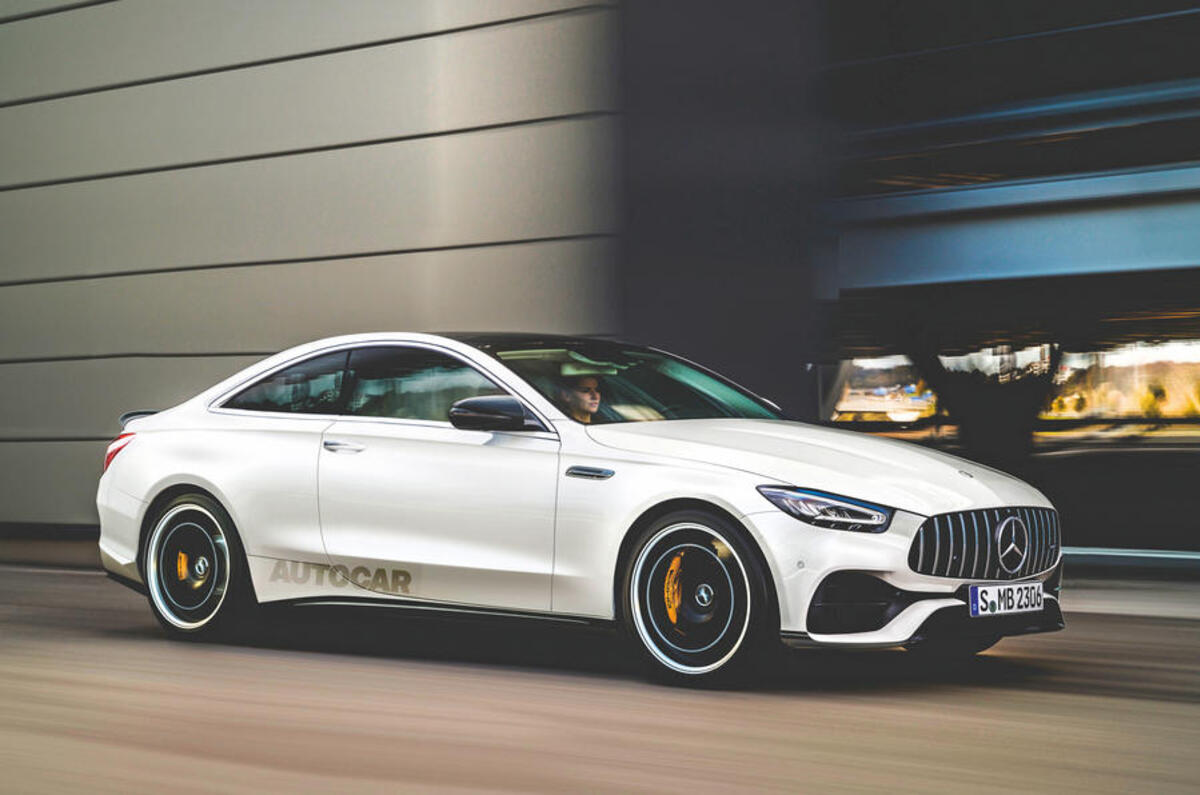
Earlier this year, Autocar reported that the next-generation Mercedes-AMG C63 performance saloon, arriving in 2022, will swap the current model’s 503bhp 4.0-litre V8 for a hybridised 2.0-litre four-pot. The motor will be largely based on the new M139 unit featured in the latest A45 hot hatchback, which is the most powerful four-cylinder production engine on sale.
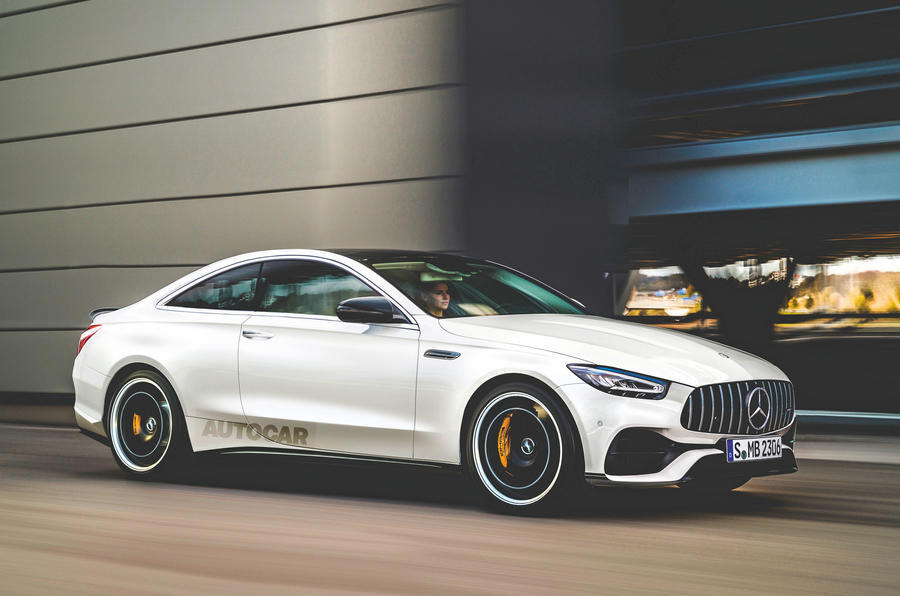
Next AMG C63 to ditch V8 for hybrid four-pot
It is also possible that Mercedes could bring another manufacturer on board in order to enjoy a lower combined fleet average and avoid EU-imposed fines. Fiat Chrysler and Tesla signed a similar agreement in April, which allows FCA to count Tesla’s EV-only models as part of its fleet, thereby lowering its average CO2 output.