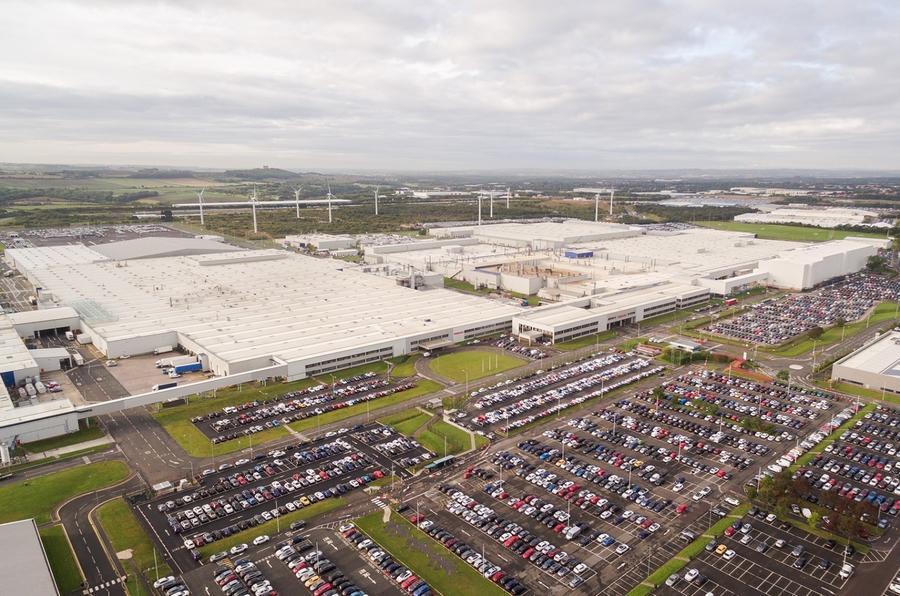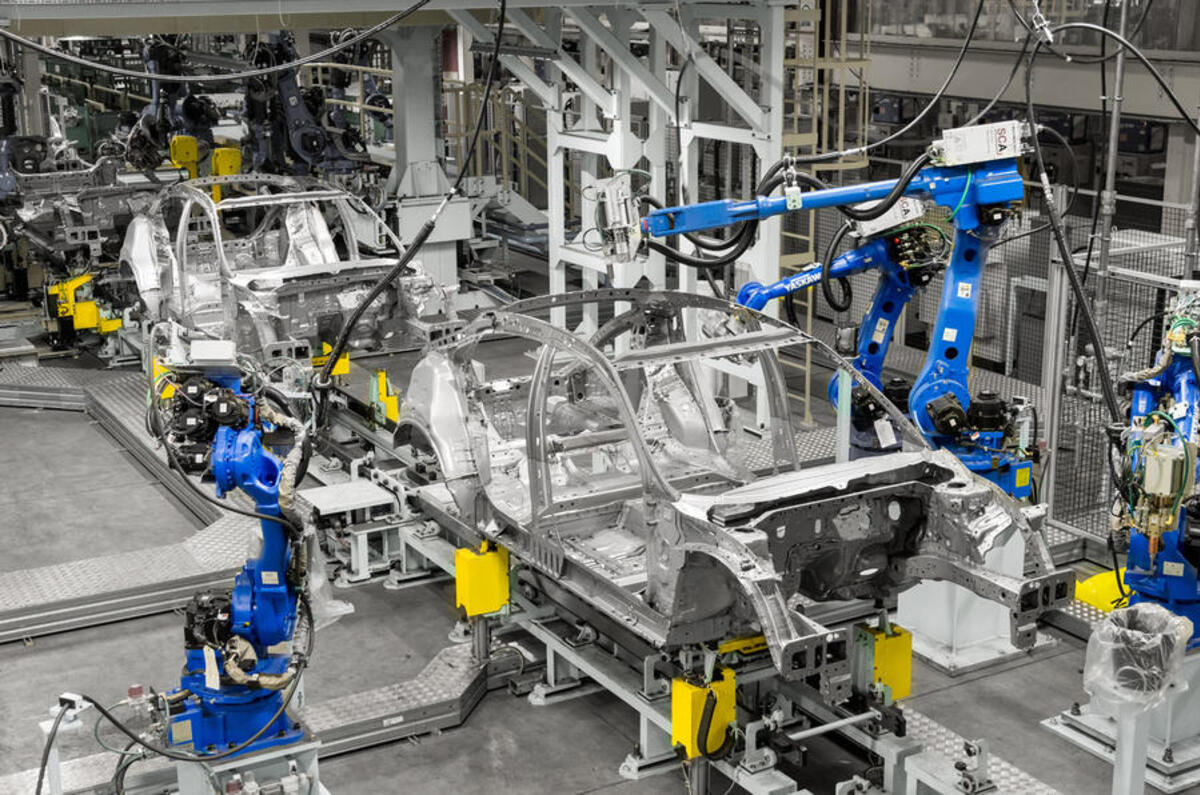

UK car production has fallen 42.8% in the first six months of this year, with just 56,594 units made - the lowest number since post-war materials rationing was lifted in 1954.
The dramatic, coronavirus-led drop-off has led to urgent warnings from the Society of Motor Manufacturers and Traders (SMMT) that there could be dire consequences for the automotive industry’s estimated 820,000 workers, around 168,000 of which are directly employed in manufacturing.
To date, the SMMT estimates that more than 11,000 jobs have been lost in the automotive sector, following cut-backs at manufacturers including Aston Martin, Bentley, McLaren and Nissan and retailers including Jardine Motors Group and Lookers.
However, SMMT chief executive Mike Hawes warned that the worst cuts were likely to come from October onwards, when the Government’s job retention furlough scheme is set to end.
“Nobody has a crystal ball, but it looks like we find out the true scale of the issues in the fourth quarter,” he said. “These figures are yet more grim reading for the industry and its workforce, and reveal the difficulties all automotive businesses face as they try to restart while tackling sectoral challenges like no other.
“Recovery is difficult for all companies, but automotive is unique in facing immense technological shifts, business uncertainty and a fundamental change to trading conditions while dealing with coronavirus.”

Why are fewer cars being manufactured?
Around 285,000 fewer cars have been made this year than last in the UK, with a combined estimated value of £7.8bn. Commercial vehicle production for the same period is down 24.8% and engine production down 38.8%.
The decline is chiefly the consequence of four factors in the wake of coronavirus: a reduction in global demand to buy cars, the ongoing closure of factories, the reduced production capacity of reopened factories to meet social distancing guidelines, and a focus from manufacturers and retailers to sell stock prior to making more cars.
“The outlook for the full year is now 880,000 units, which puts us below a million for the first time since the heights of the recession in 2009, and back to a level that was last consistently seen back in the 1980s,” said Hawes.
June’s figures do mark an upturn from April and May, during which just 5511 cars were made. However, Hawes also conceded that stock produced but ultimately unsold for the peak sales month in March was still filtering through the retail system, constraining the need to ramp up production in some quarters.