







You might remember Tomorrow’s World, the prime-time BBC science and technology TV programme that offered viewers a weekly peek into the future.
A staple of the broadcasting schedule during the last four decades of the previous century, it covered the up-and-coming gadgets and gizmos that, it reckoned, would become indispensable in the years to come. More often than not, though, these devices disappeared without a trace after the grand claims of their life-changing significance proved somewhat wide of the mark.
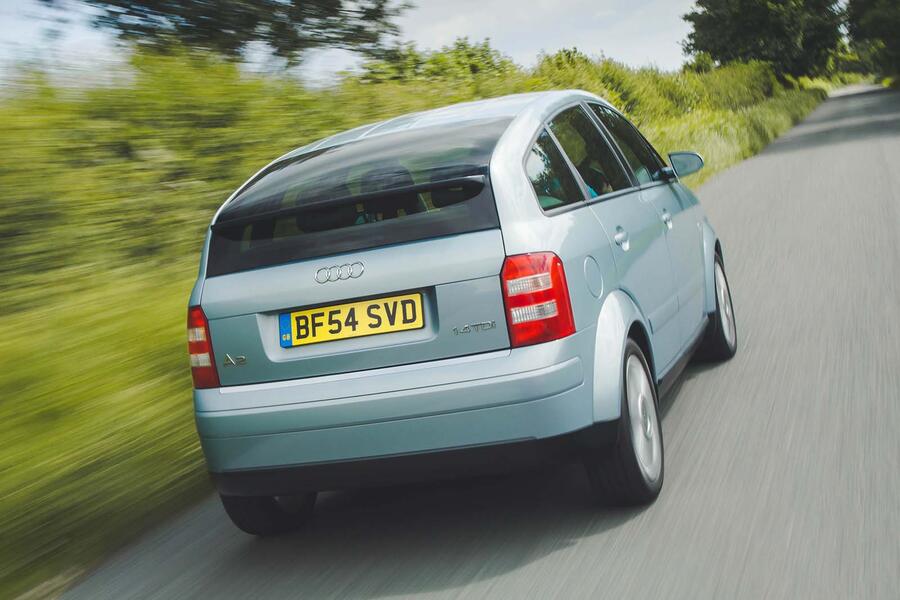
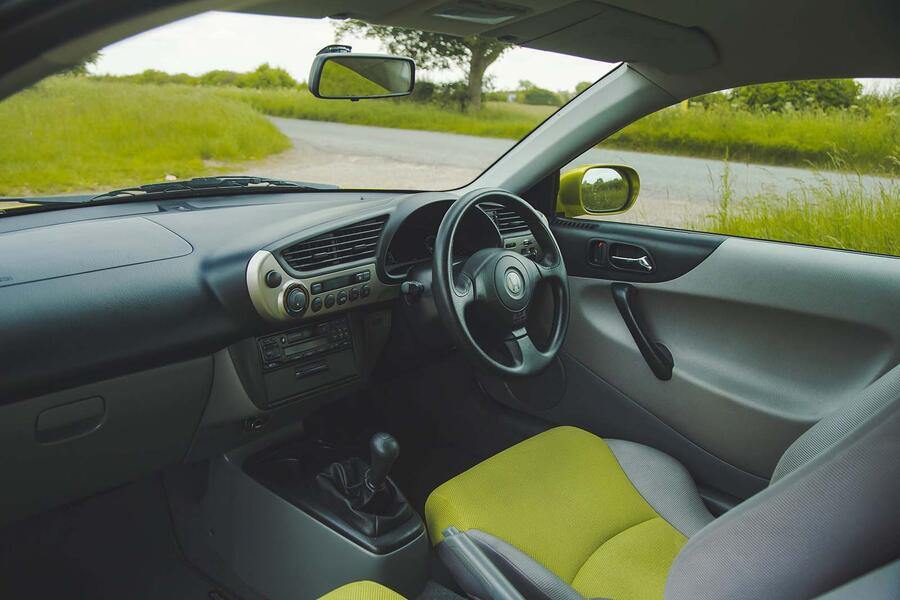
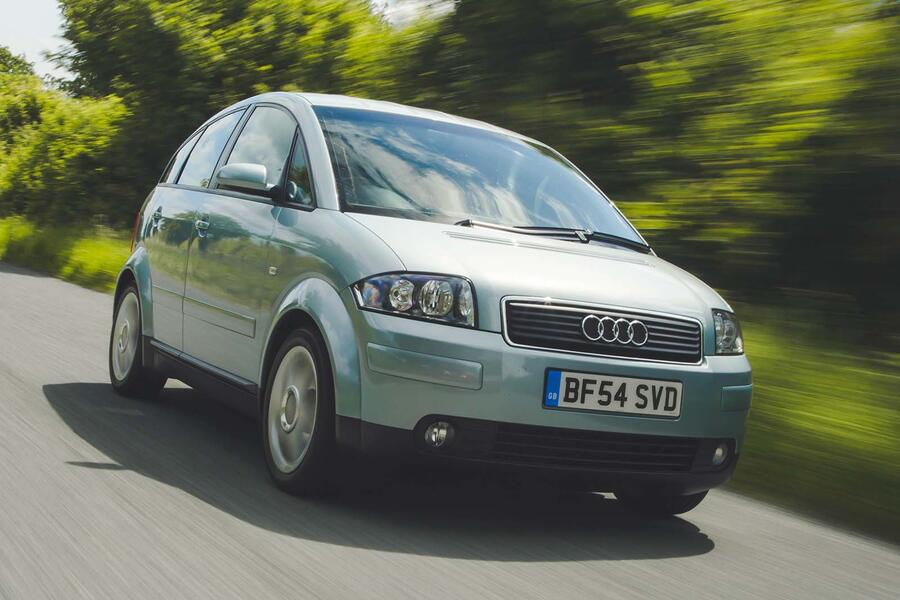
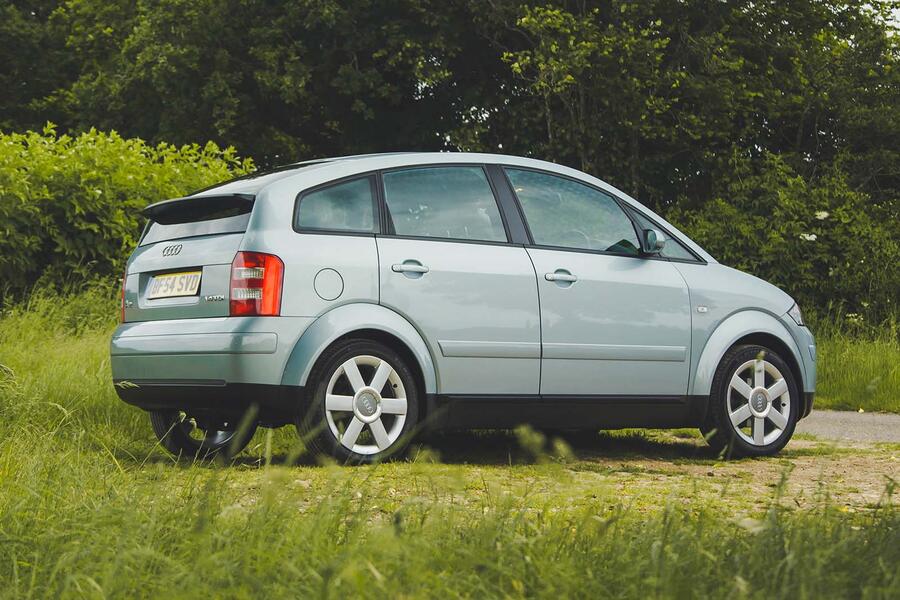
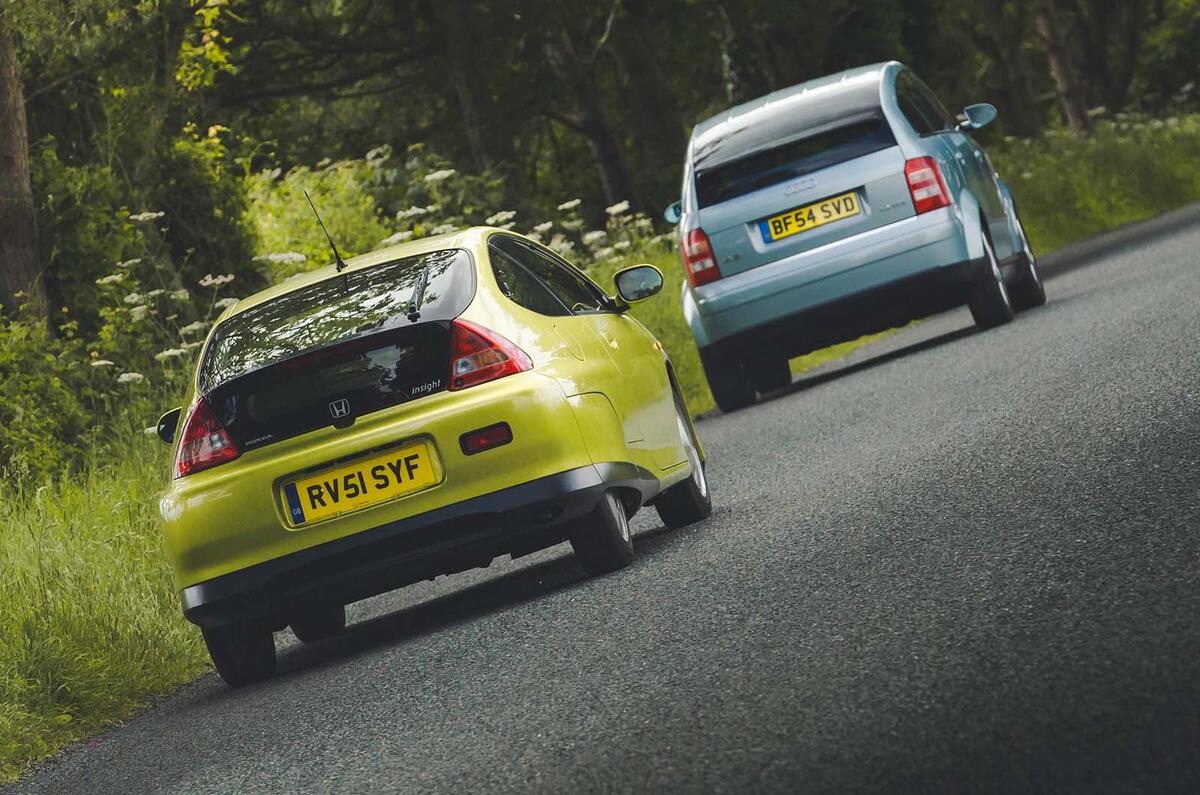
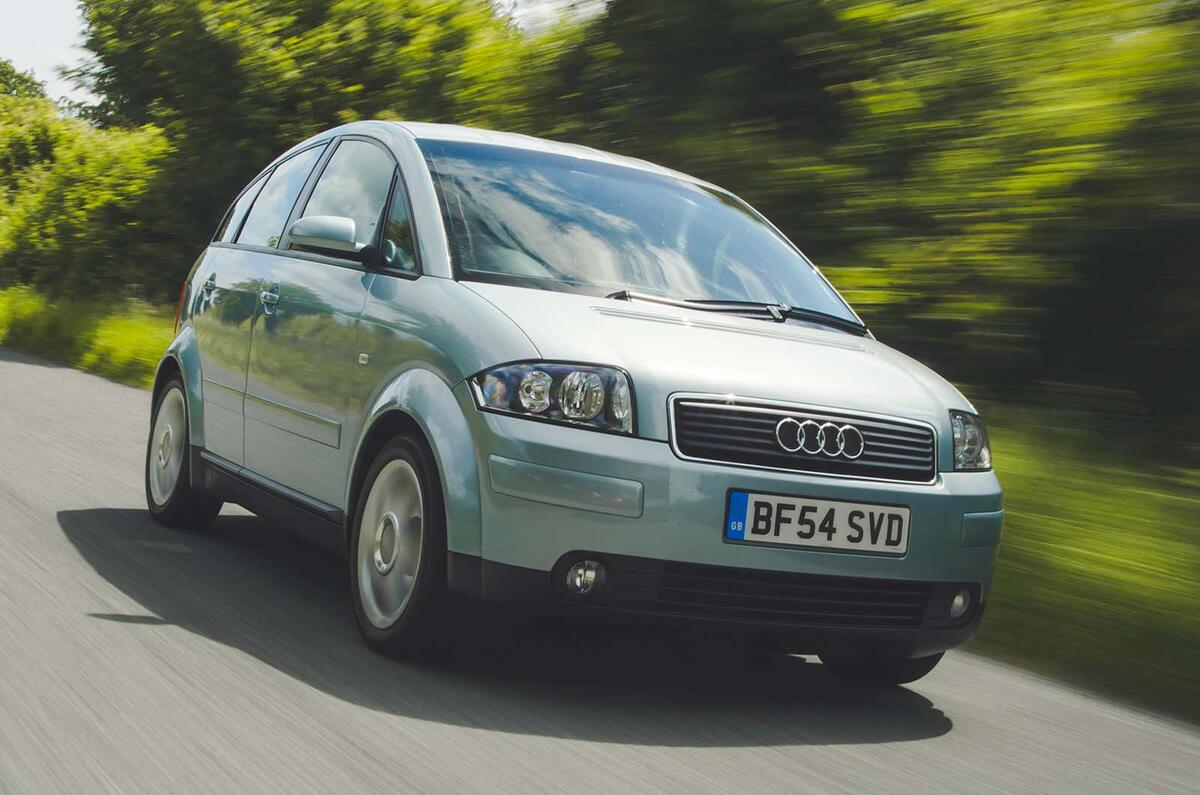
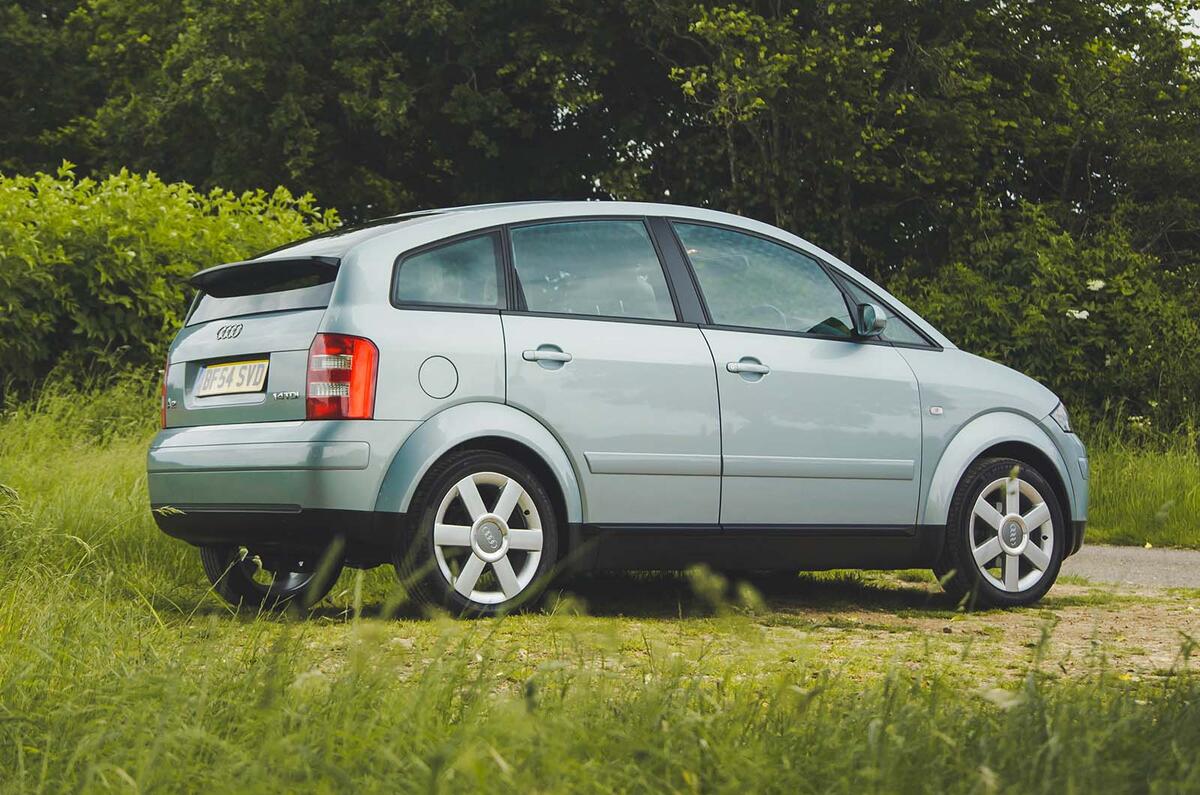
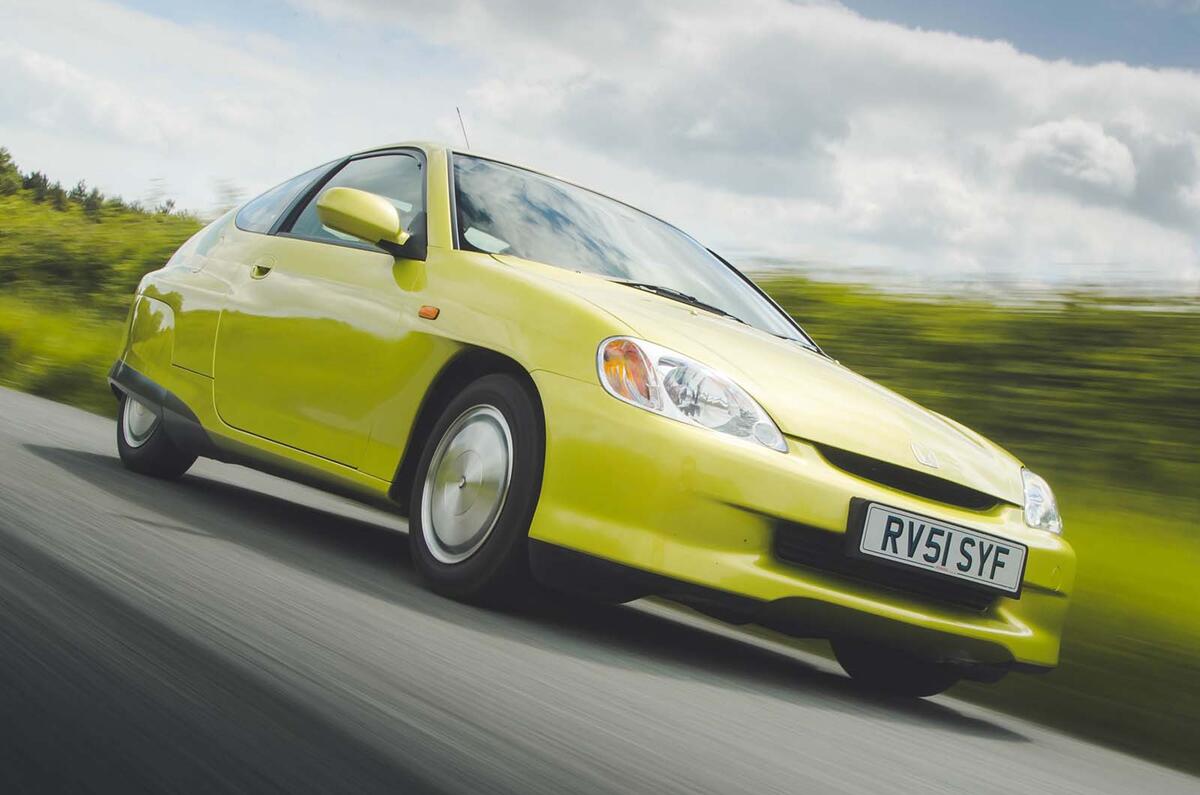
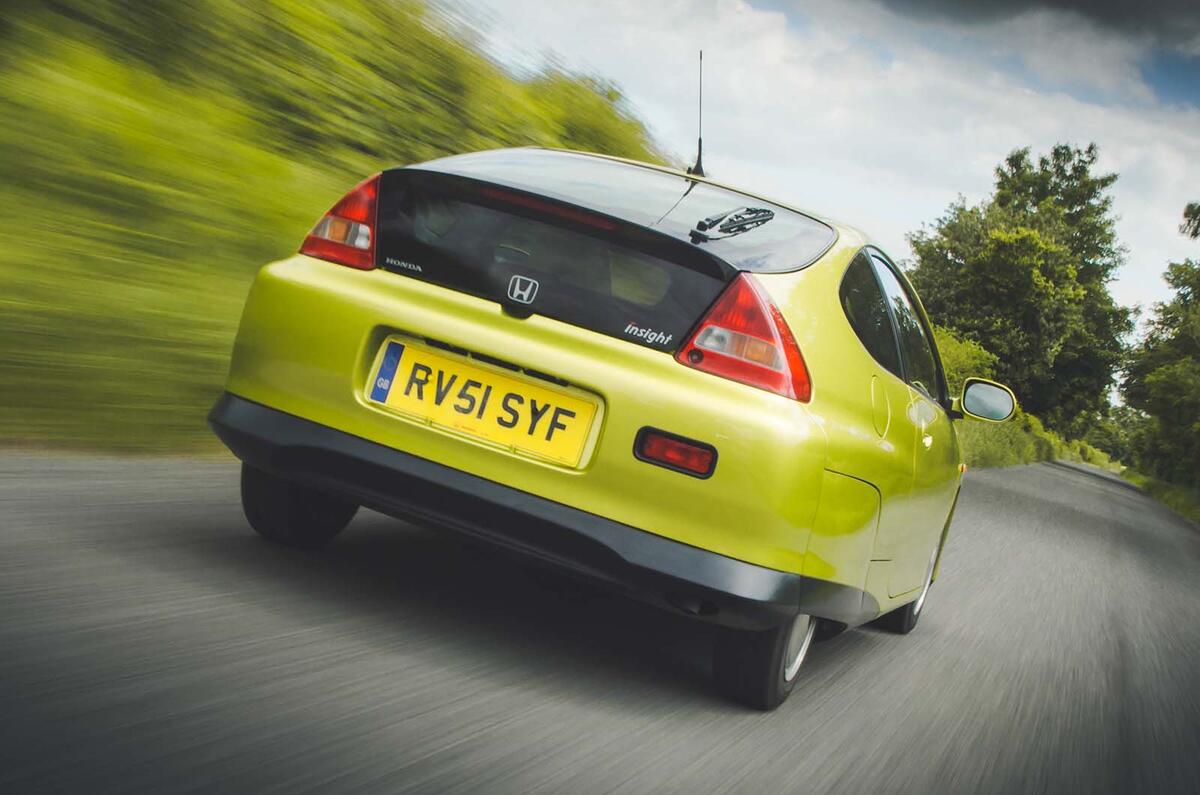
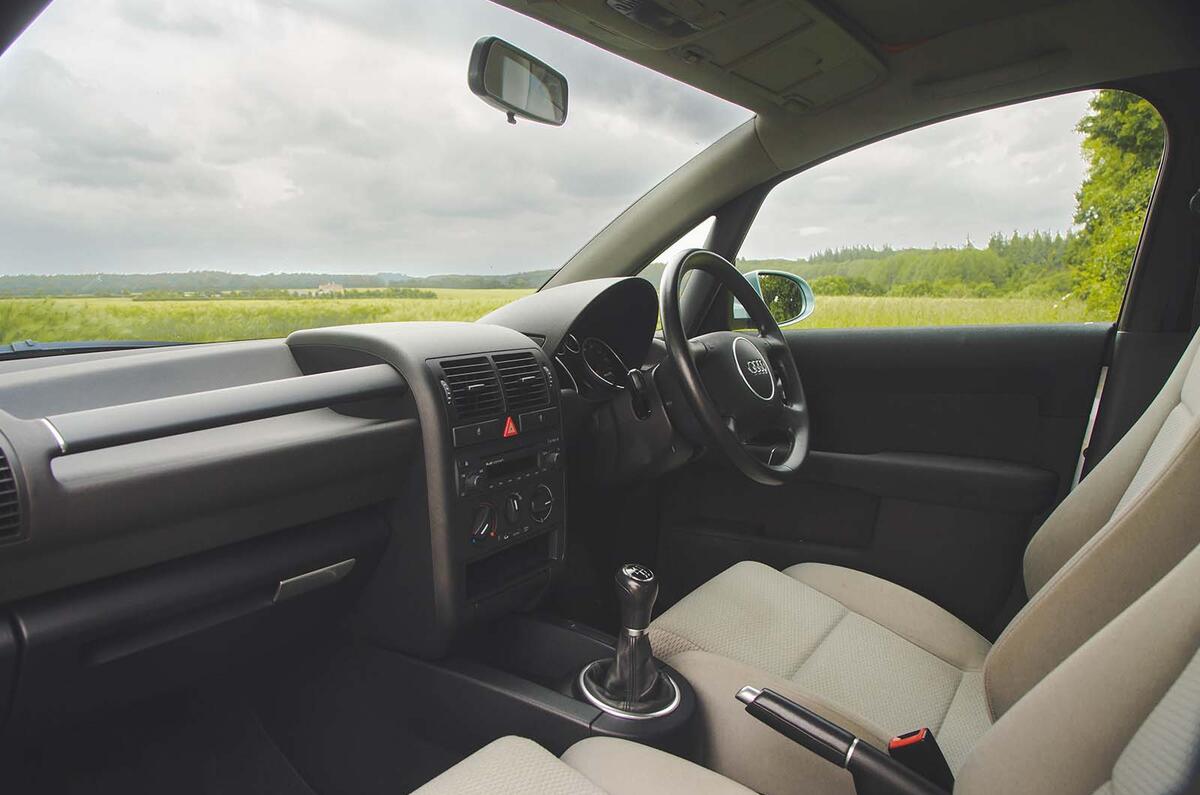
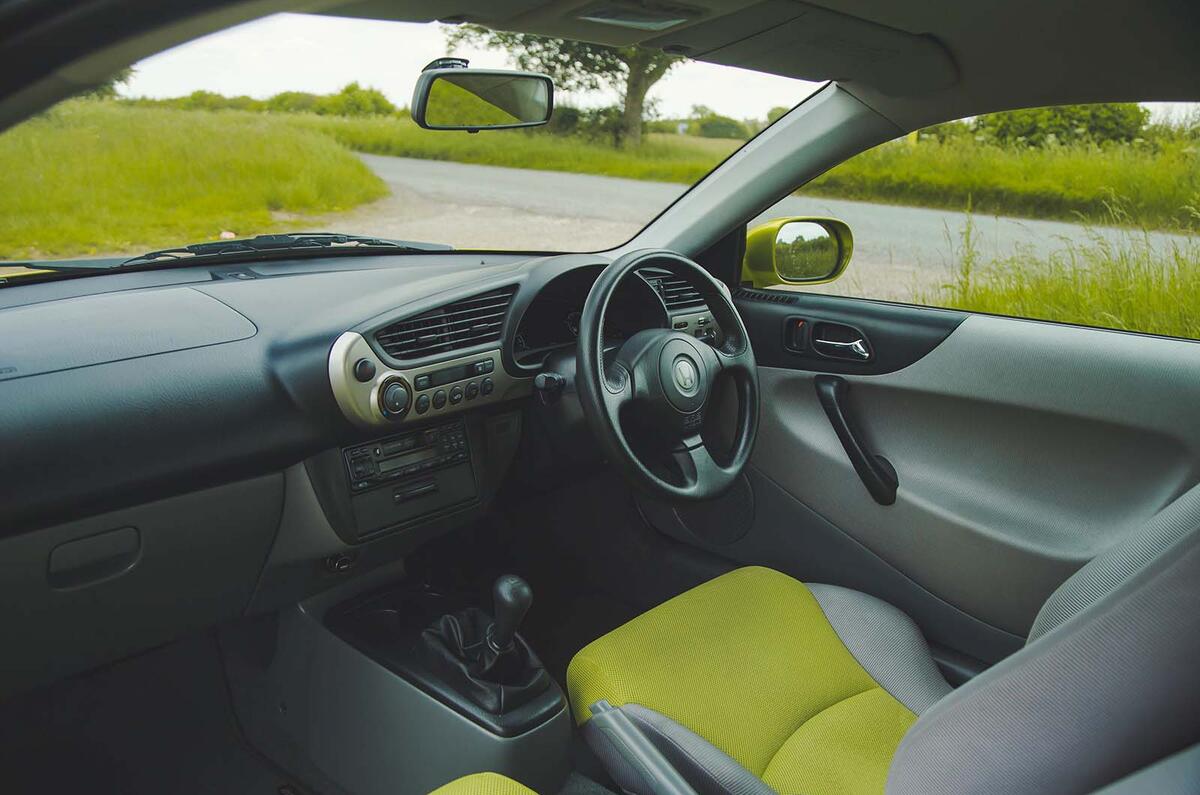
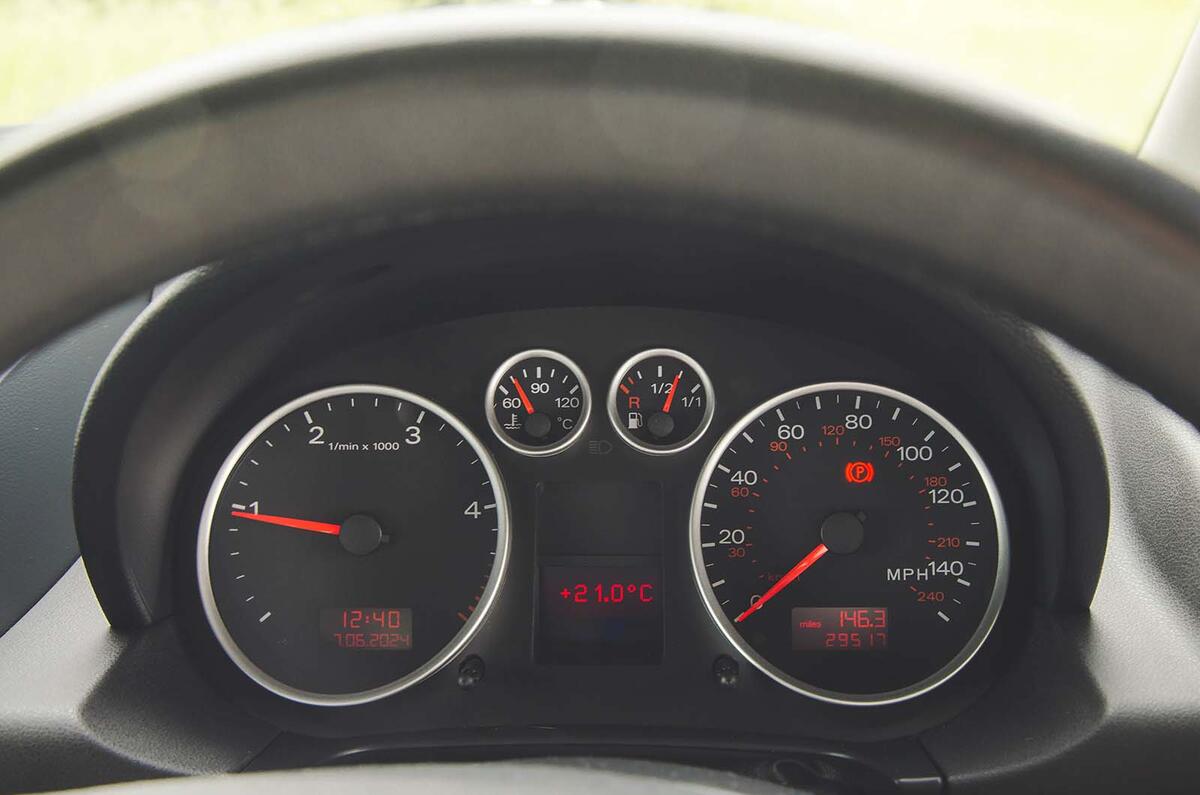
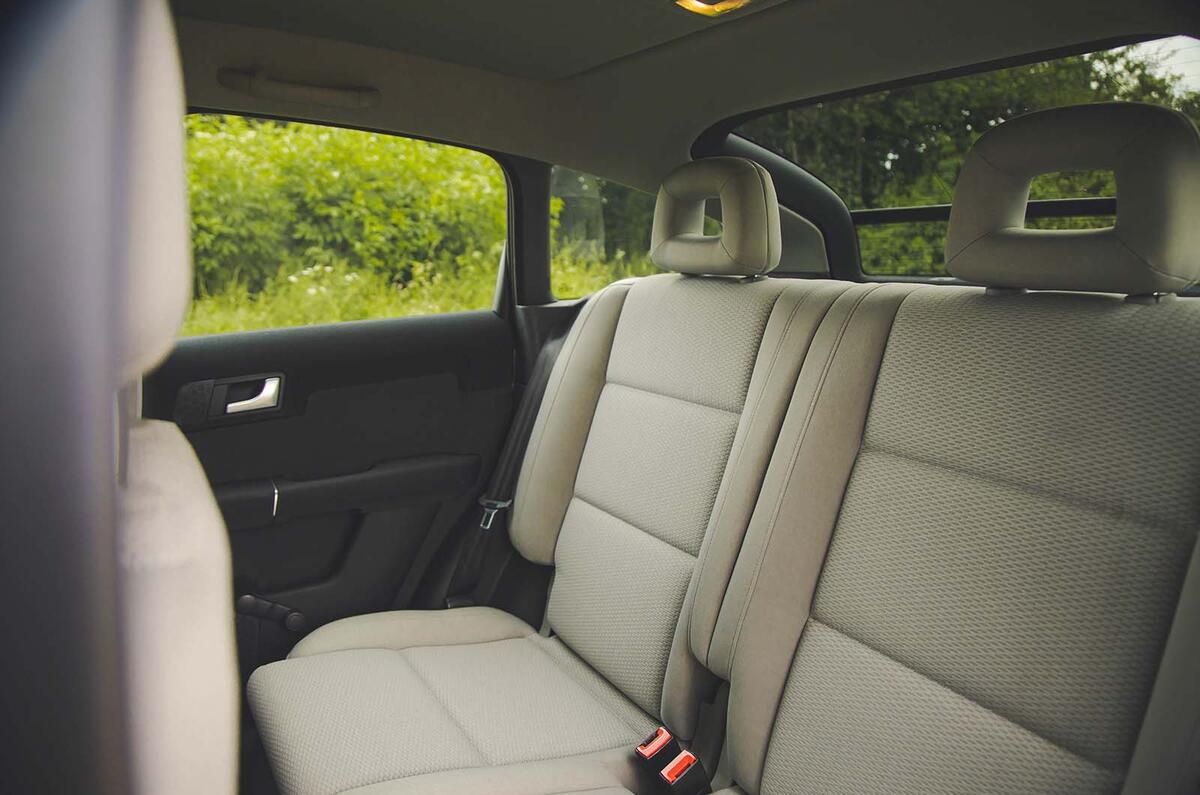
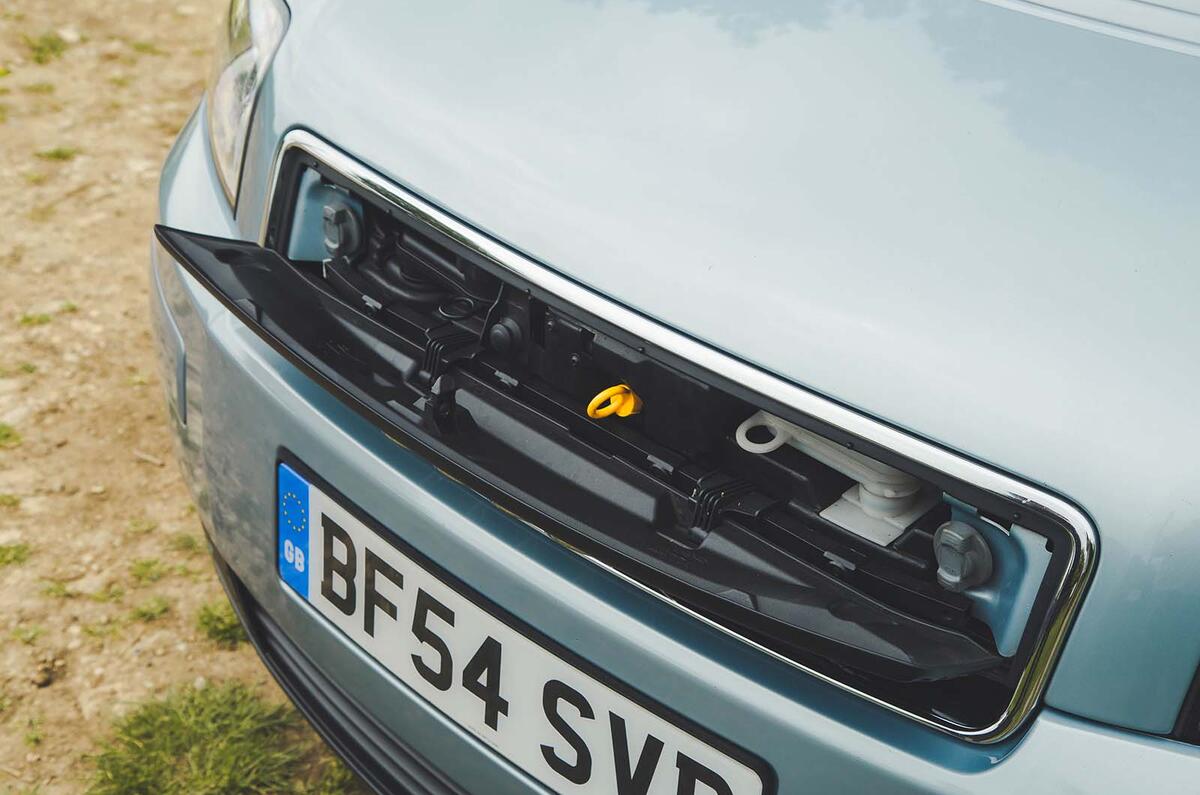
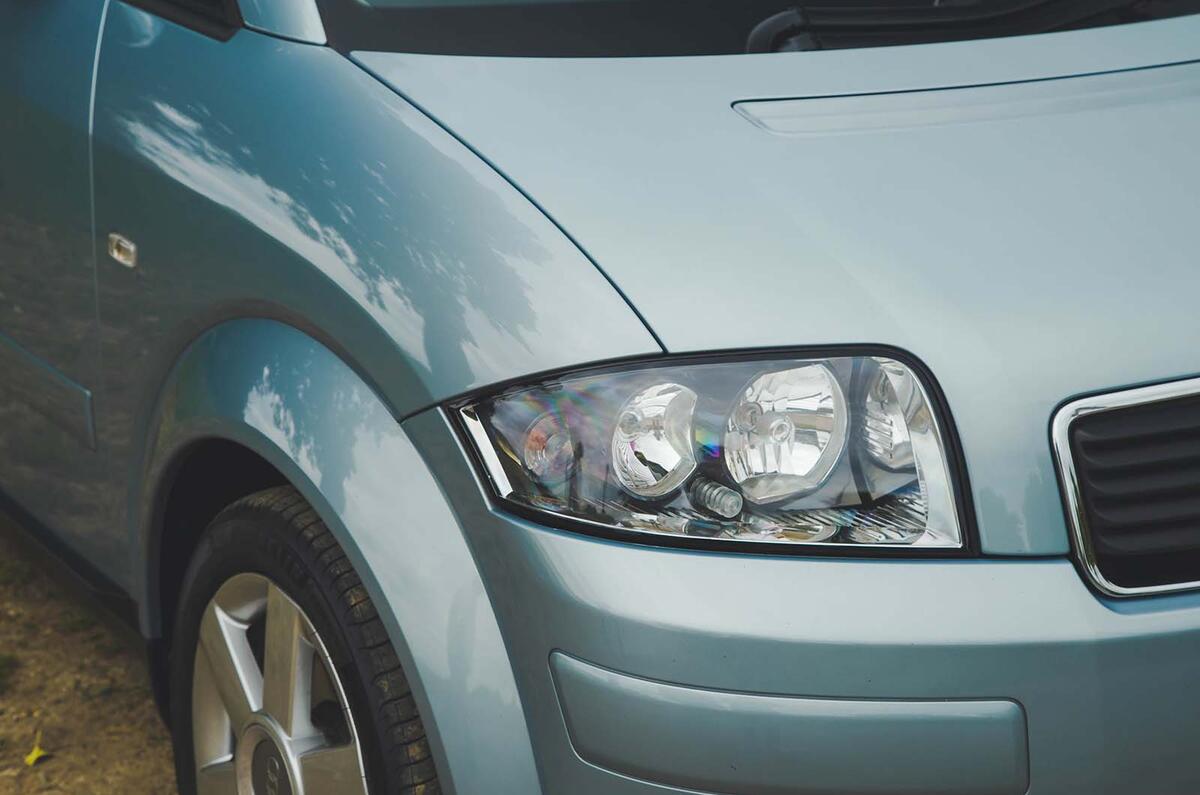
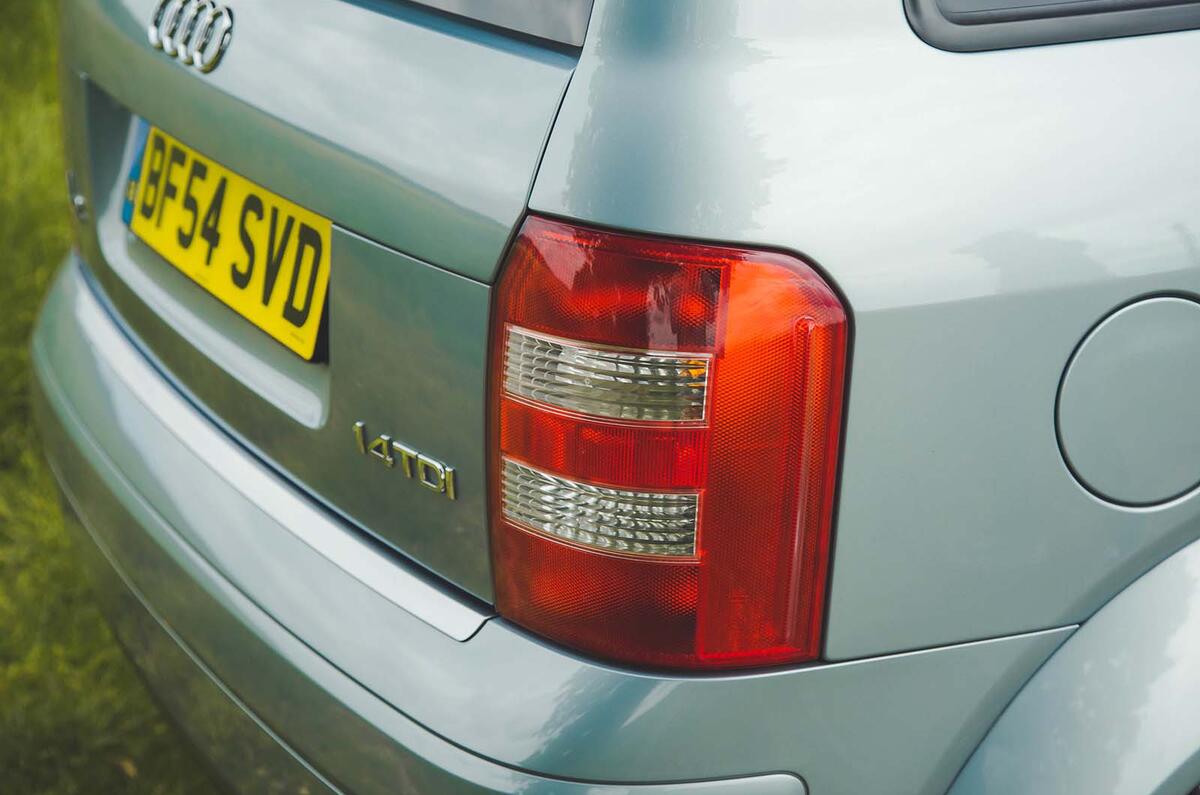
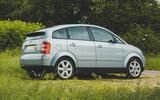
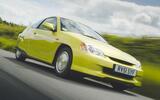
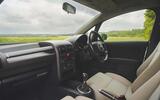
The Audi A2 and Honda Insight would have been perfect fodder for the show’s presenters back in the day. Both models celebrate their 25th birthdays this year, and when they were launched (within months of each other at the tail end of 1999) they promised to herald the dawn of a new efficiency-chasing automotive era when advanced tech and high-minded ideals met to deliver money-saving motoring for the masses.
Yet despite being intensively engineered and packed with innovative design, this silver-jubilee duo proved to be four-wheeled follies. They sold in tiny numbers, lost their manufacturers more money than they ever made and, like Tomorrow’s World, were quietly dropped in the mid-noughties. But was it a case of the right idea, just the wrong time?
Introducing the Honda Insight and Audi A2
Quick links: Design and dimensions - Interior - Powertrains and performance - Fuel economy - Driving dynamics - Verdict - Specs
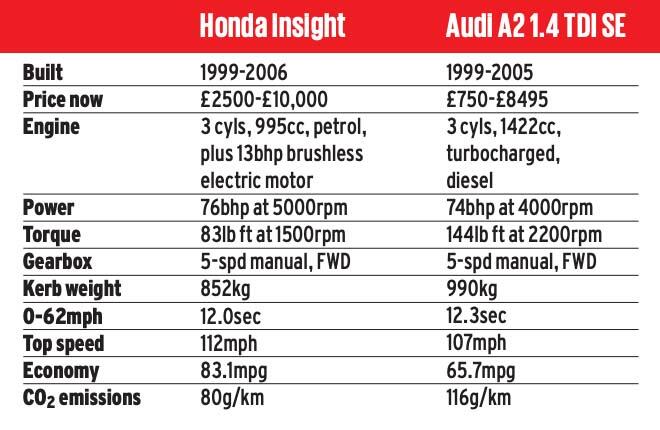
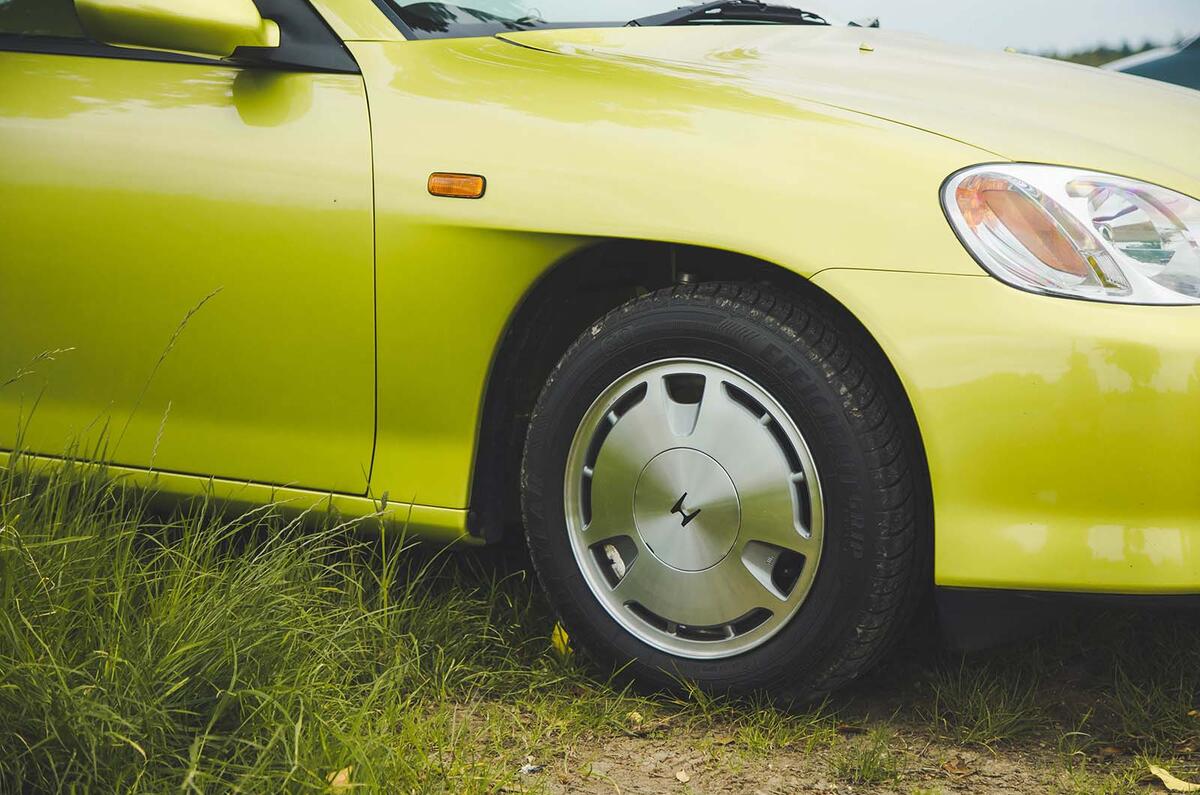
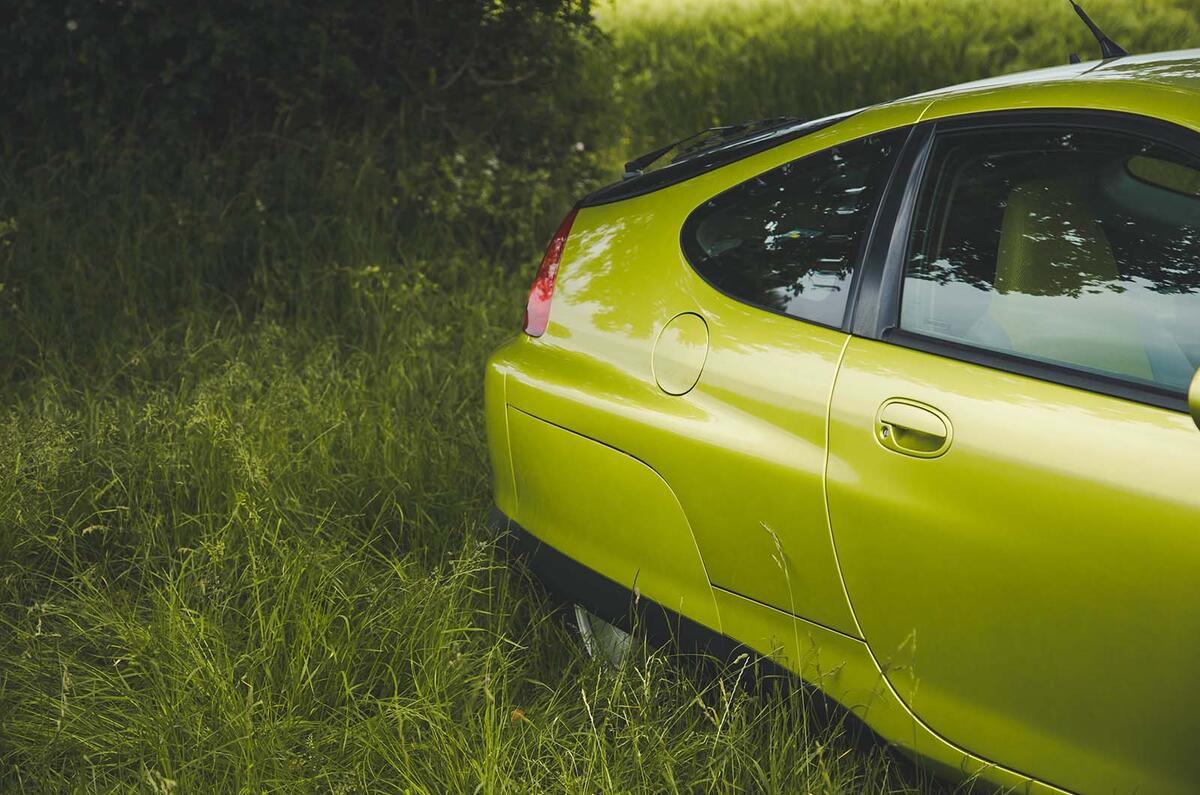
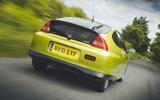
With today’s ever greater focus on the cost of living and conserving the world’s natural resources, this parsimonious pair are arguably more relevant than ever. And despite their disparate outward appearances – one’s a conventionally powered compact five-door family hatchback and the other a slinky, hybrid-assisted coupé – they both pursue a minimal mass and low drag path in their quest to deliver fuel-sipping progress.
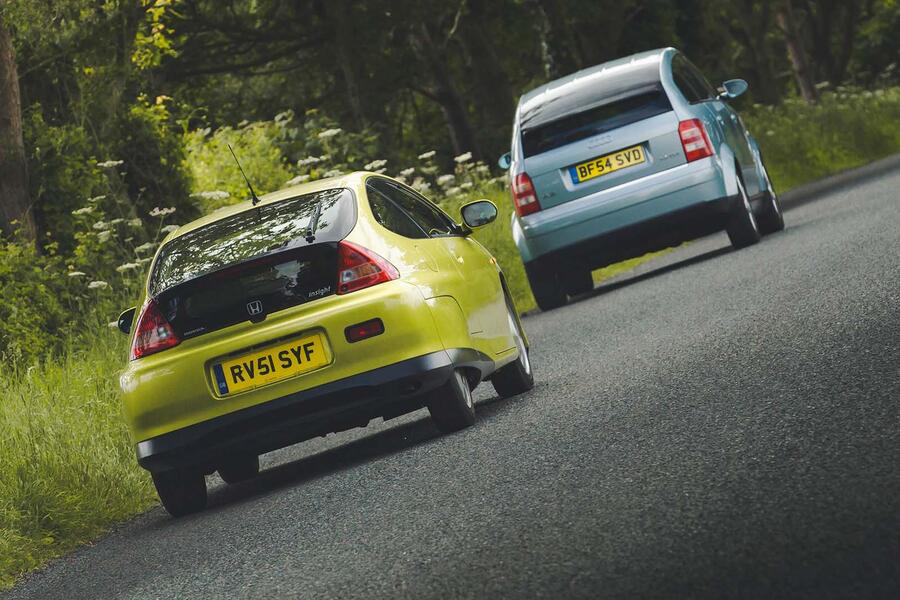
It was the two-seat Honda that arrived first, making its debut a month or so before the A2, and in many respects it had the longer-lasting impact, thanks in no small part to its hybrid powertrain. Beating the Toyota Prius to the punch (outside Japan at least), the Insight was one of the first mass-produced (in the loosest sense) petrol-electric cars and helped to set a trend that’s greater now than it has ever been.
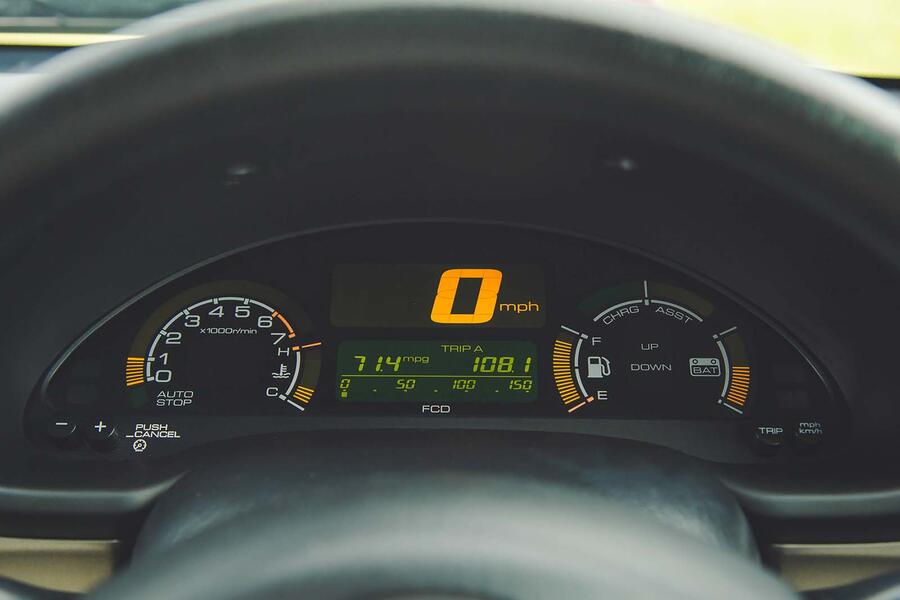
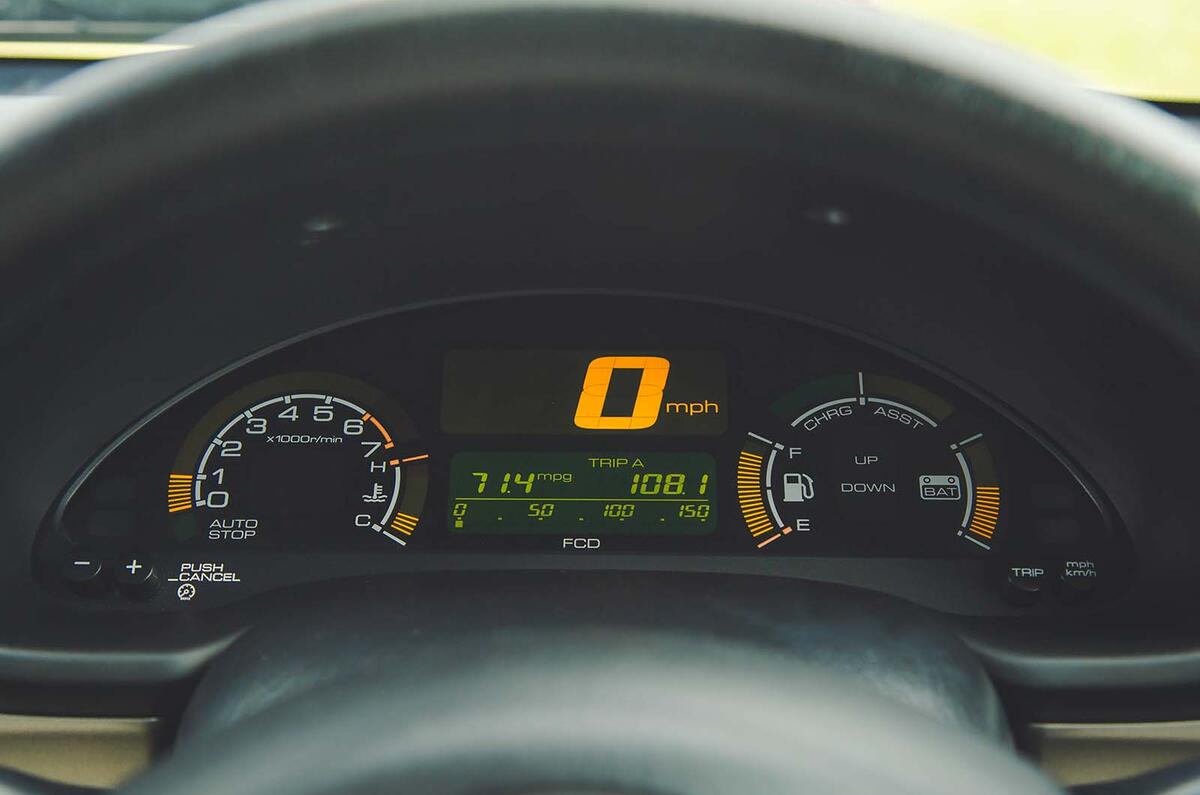
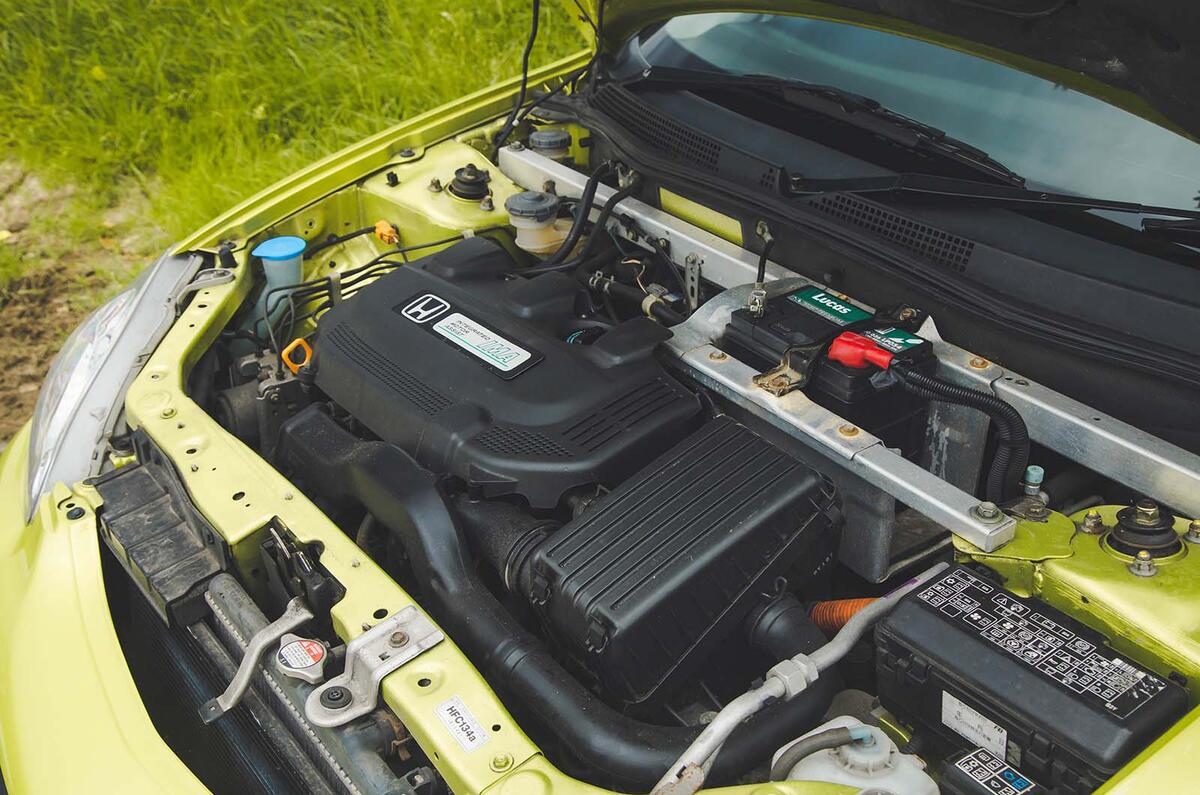
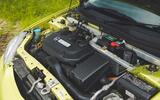
Even by today’s standards, its novel Integrated Motor Assist (IMA) set-up is fairly advanced. It features a thin (60mm) 13bhp electric motor bolted to the crankshaft of the car’s lean-burn 67bhp 1.0-litre three-cylinder petrol engine. Like today’s mild-hybrid units, the brushless motor delivers a slug of low-speed torque, captures otherwise lost energy when slowing and acts as the combustion engine’s starter motor, enabling a stop-start function. If all that sounds familiar, it’s because you’ve probably driven a car recently that has a similar set-up, although it will be called a mild hybrid now.