














In Orkney, so much electricity is generated by wind, waves and the power of tides that the islands struggle to find a use for it all.
In theory, it could be transferred to mainland Scotland, except that the seabed cable required to achieve this would apparently cost around £250 million. So instead, some of this surplus electricity is used to split water into its constituent parts, the hydrogen element stored in pressurised gas canisters and ferried to Kirkwall, the capital of Orkney. Once there, the hydrogen is used to produce... electricity.
If that sounds rather a wasteful thing to do, well, welcome to the world of energy generation, and the awkward challenge of storing and transporting that energy to the place you want it, at the time you want it.
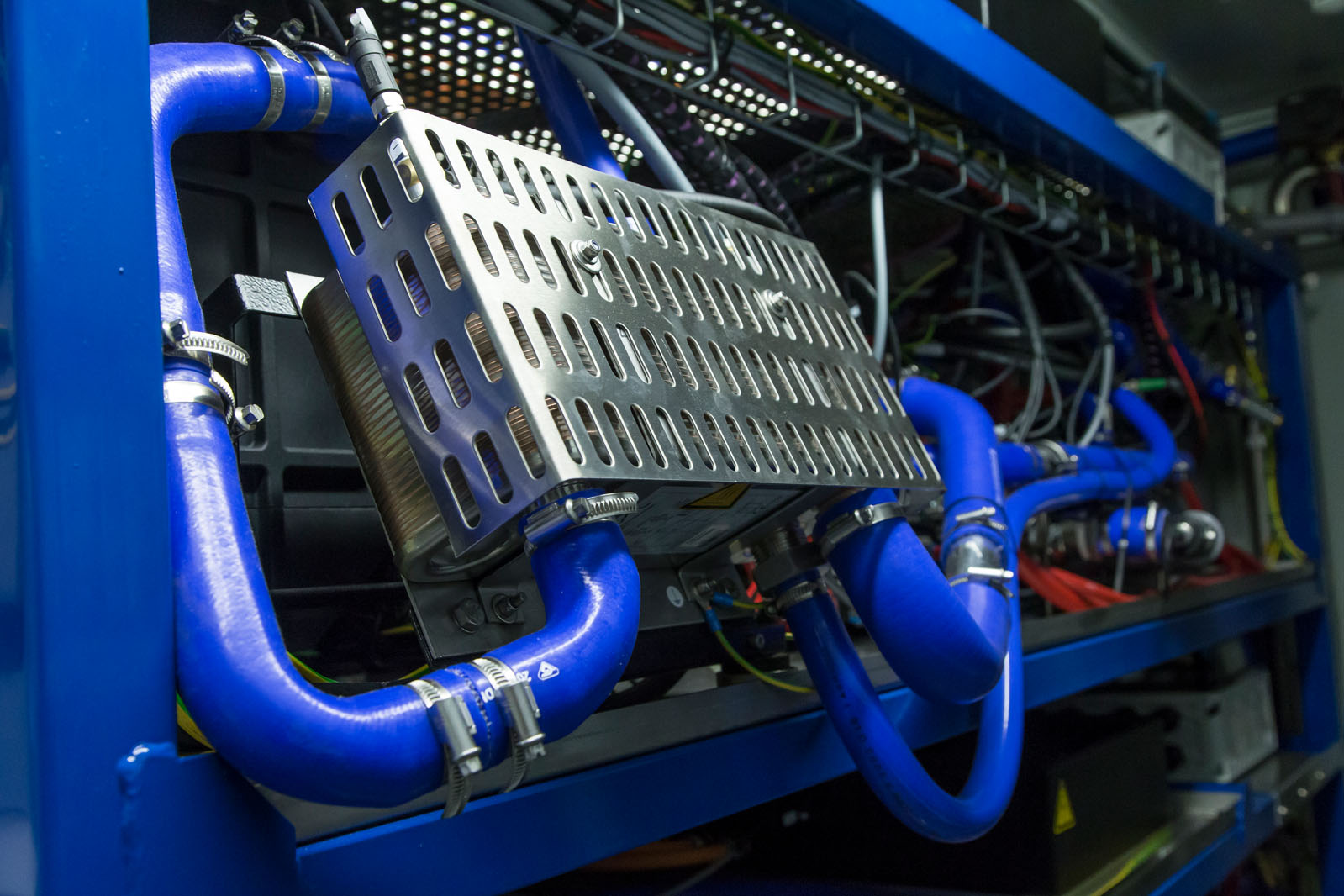
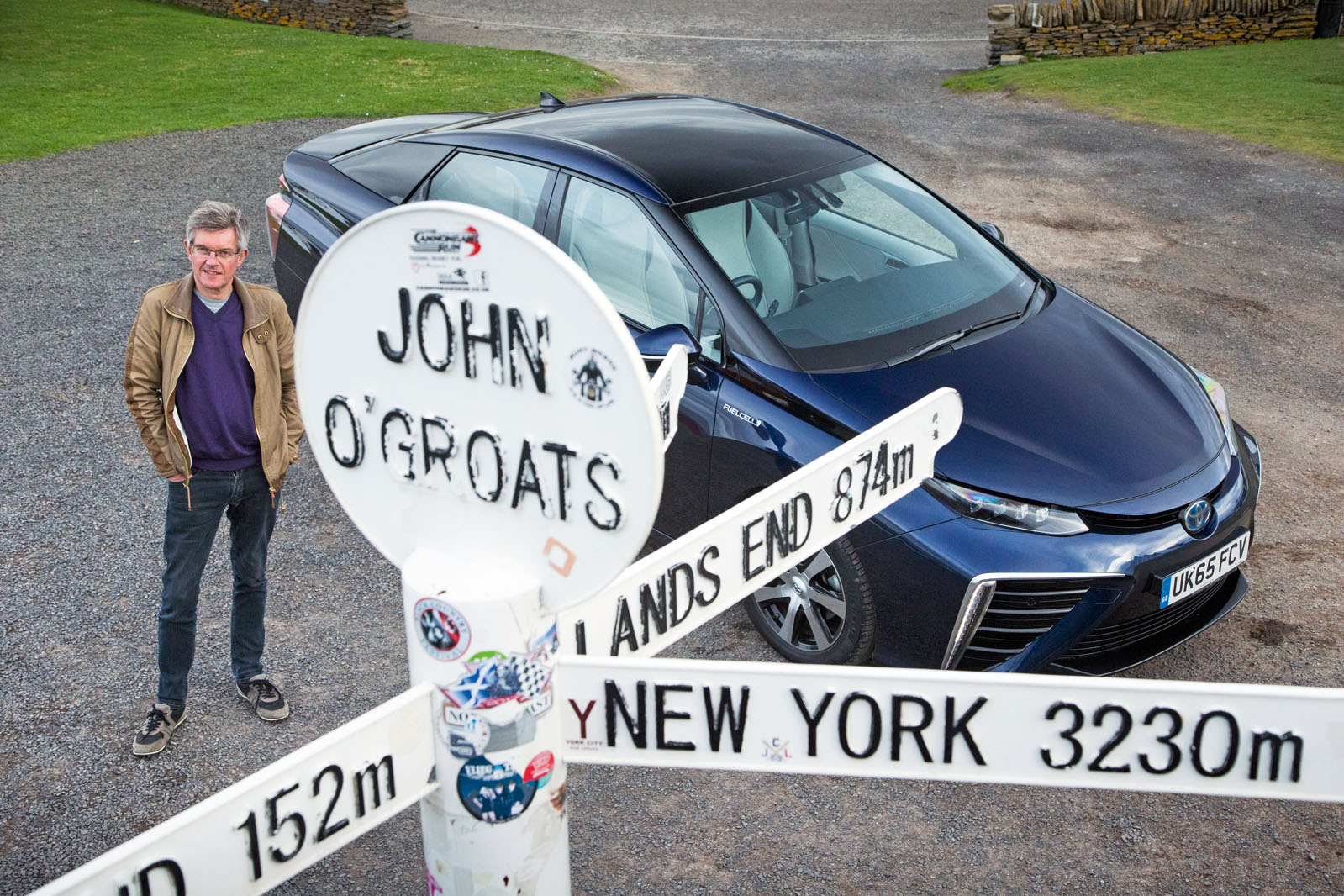
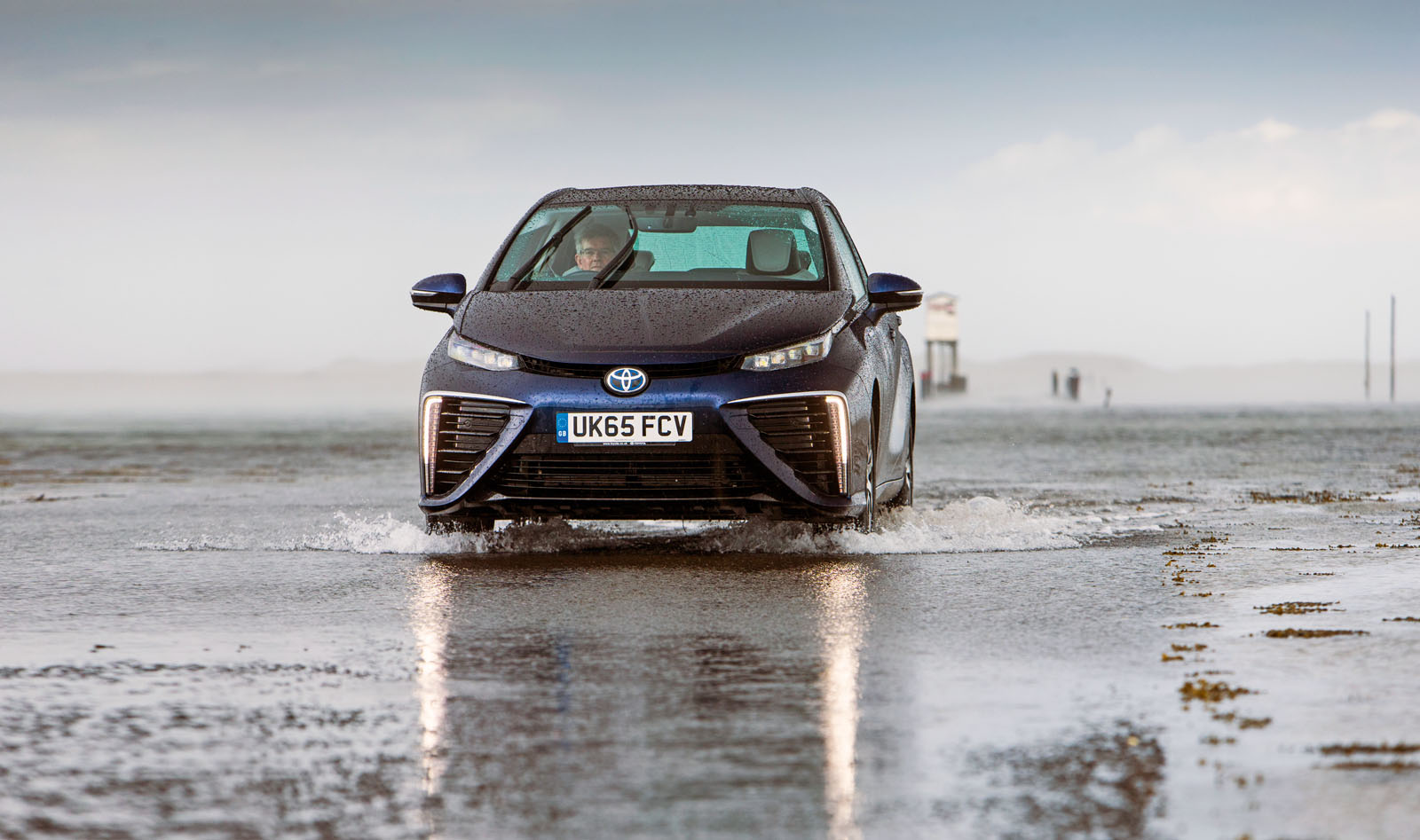
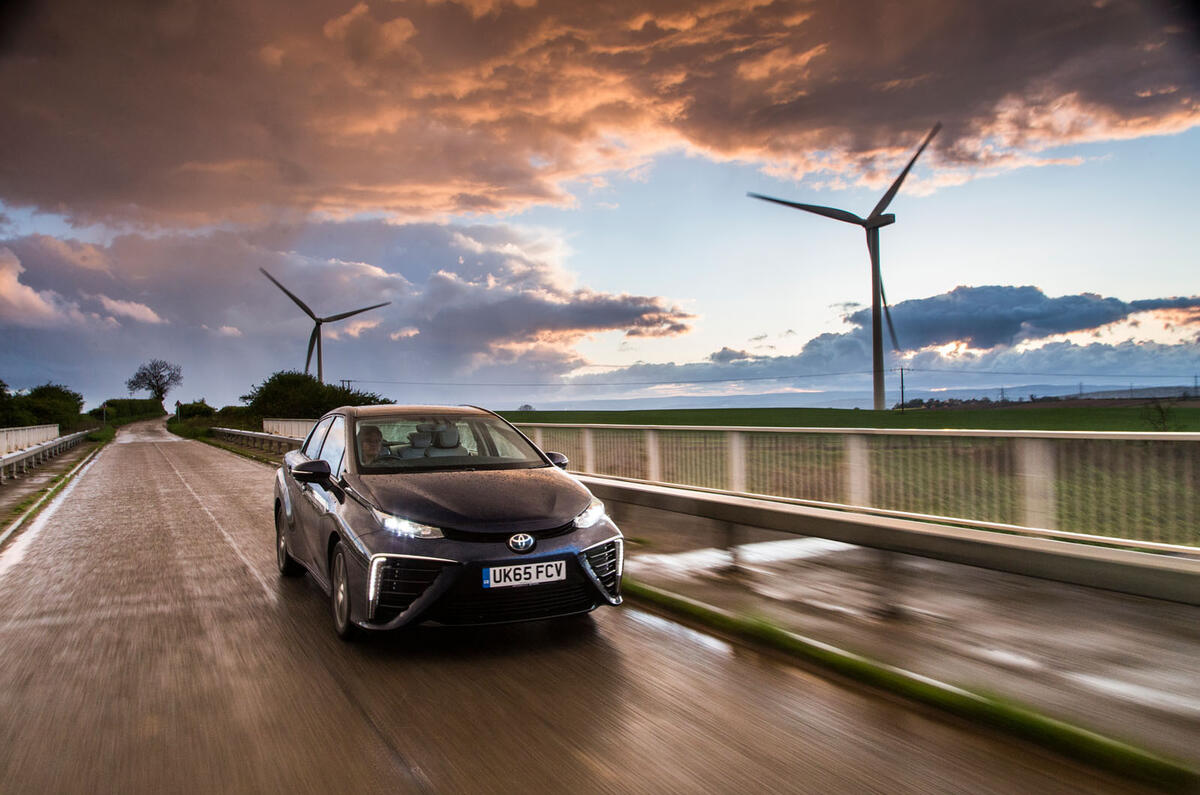
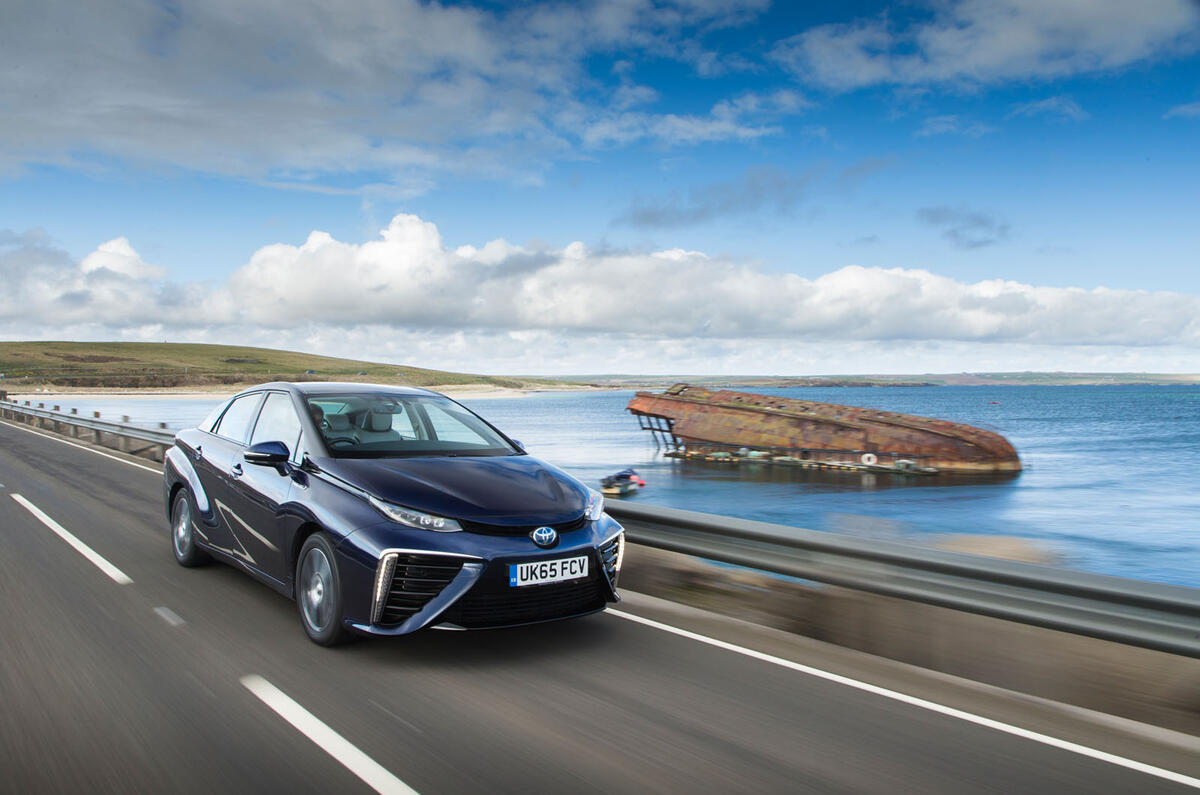
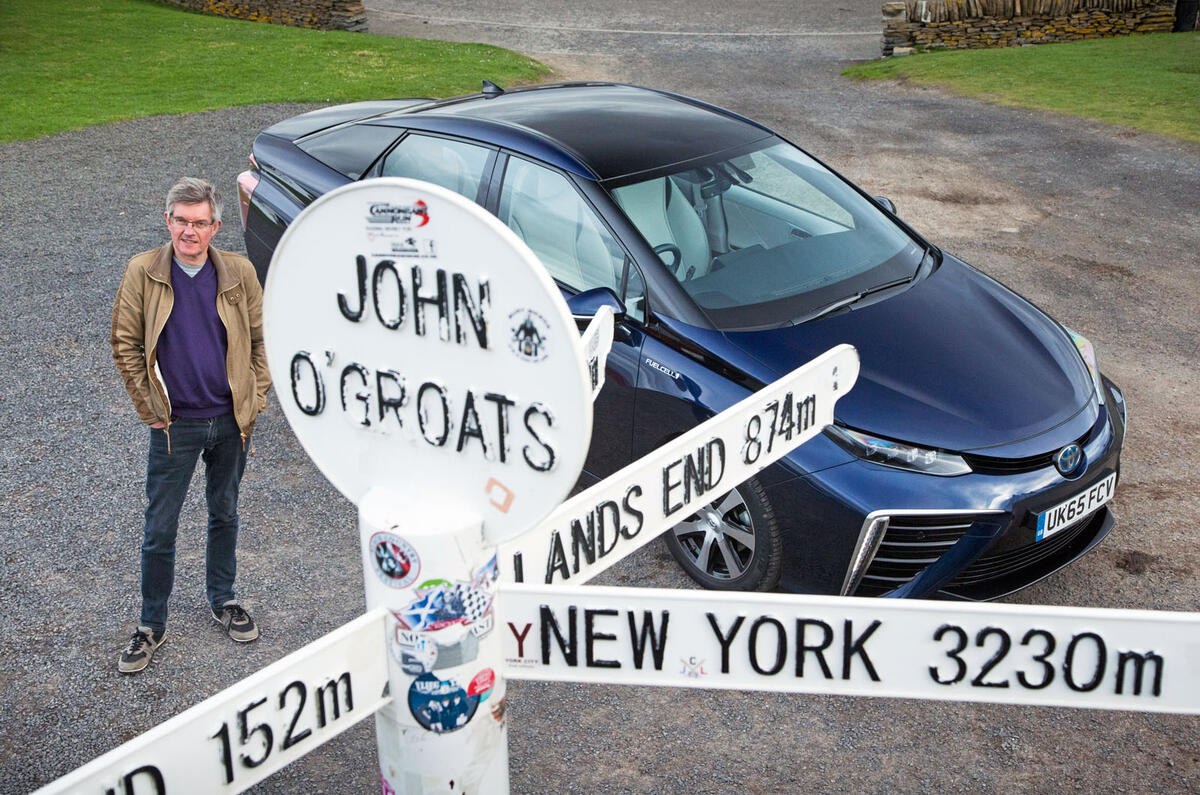
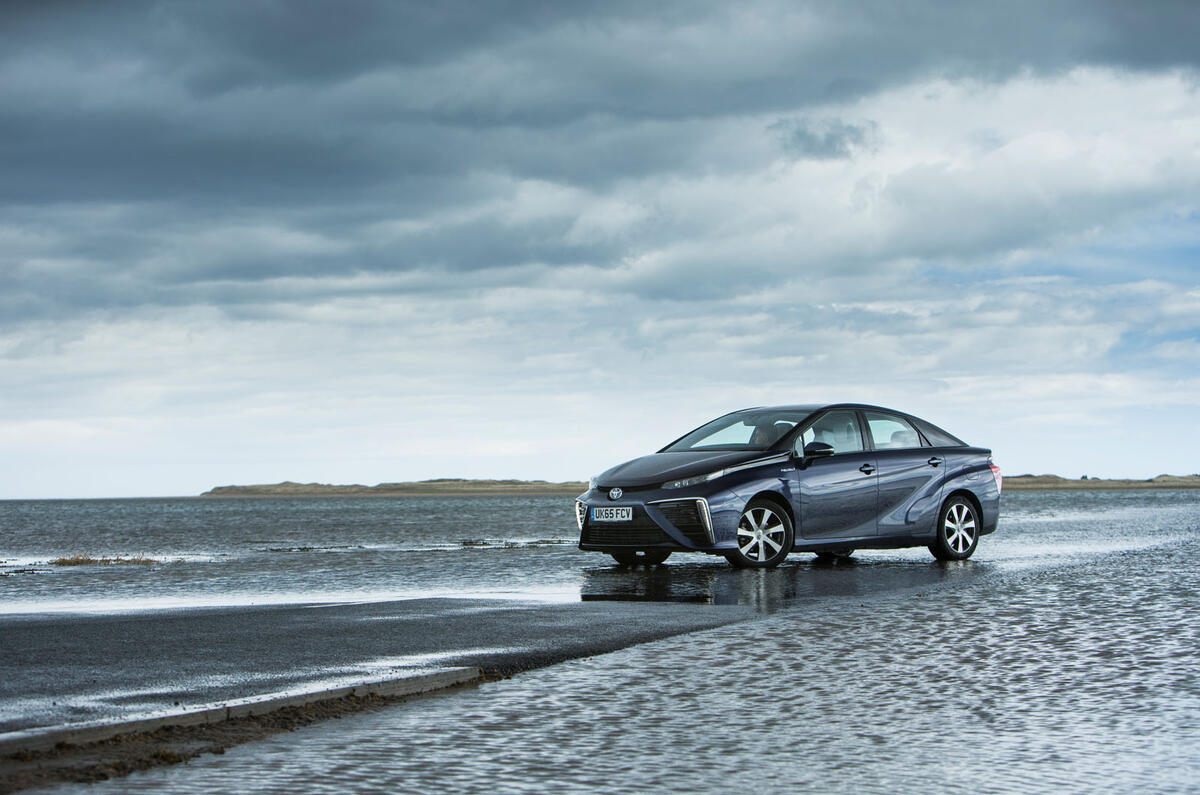
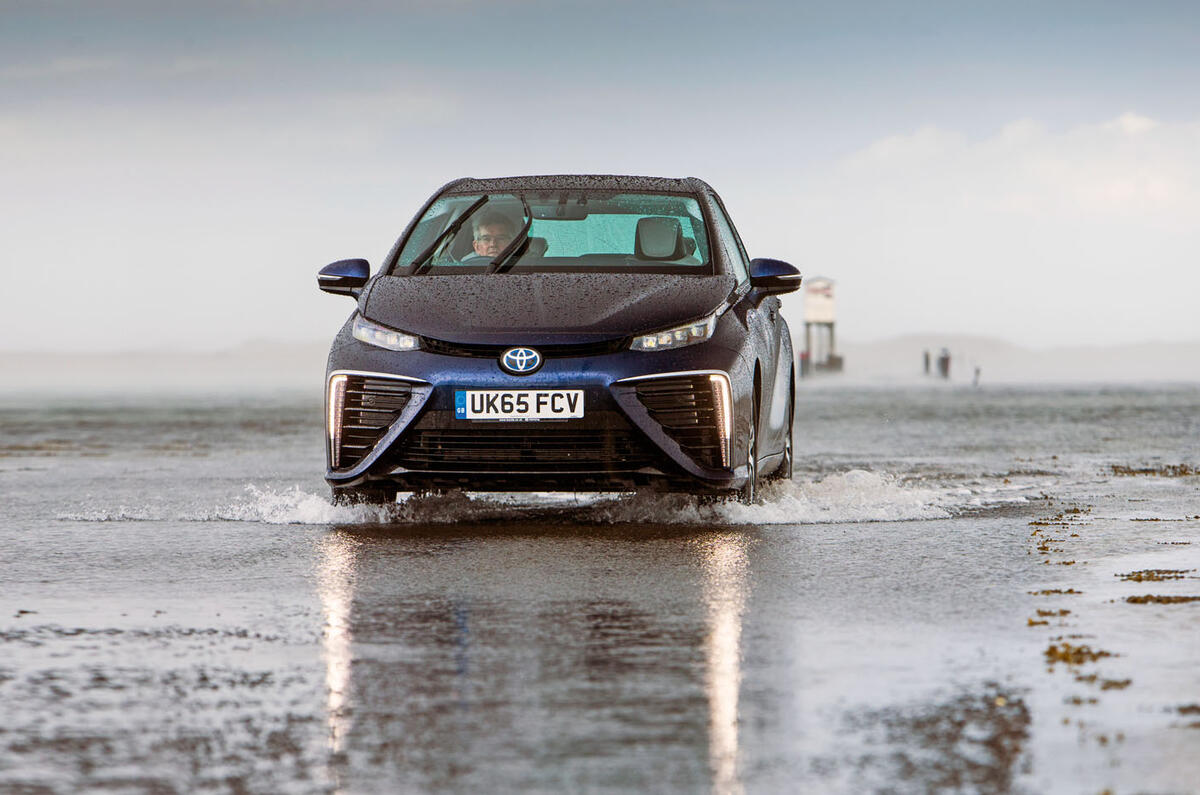
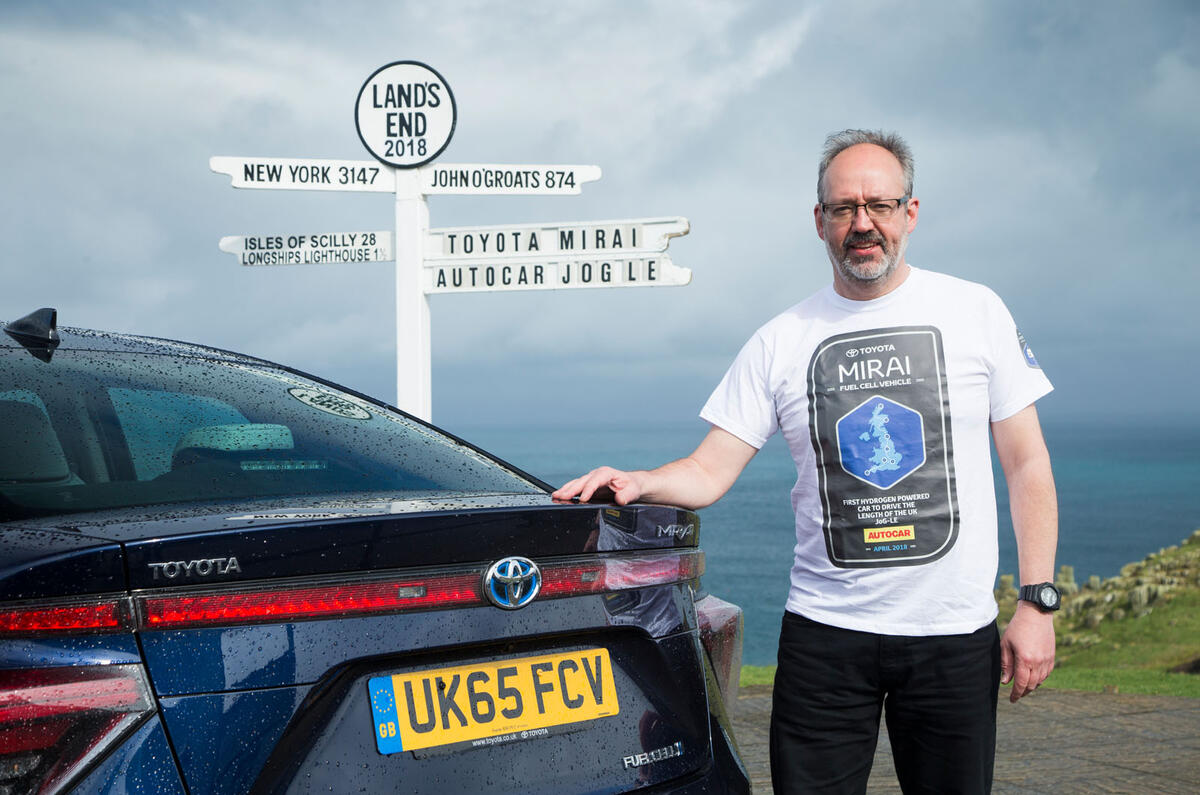
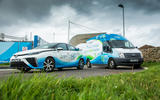
What has this got to do with driving a fuel cell Toyota Mirai from John O’Groats to Land’s End? A lot more than you might think, and in ways that may eventually affect not only the way that your car is propelled, but also how your house is heated too.
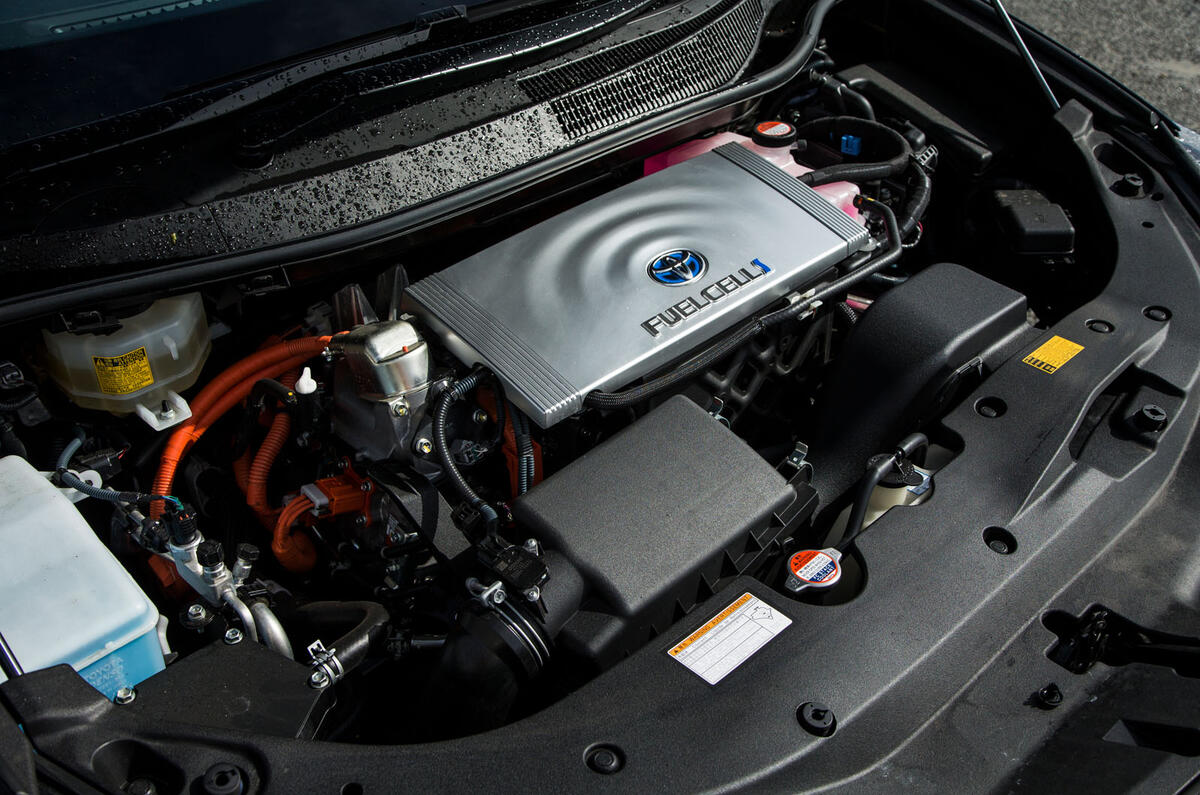
The way to look at a fuel cell electric car, explains Jon Hunt, Toyota GB’s alternative fuels manager, is to see it as one component within a cycle of future energy generation and usage. Fuelling a car – and your house, heating and hi-fi – is going to get a lot more complex than an energy company piping volts to your junction box. Instead, it’s going to become a world of give and take, of energy generated by a mix of intermittent renewables and less desirable, but reliable, fossil fuels.
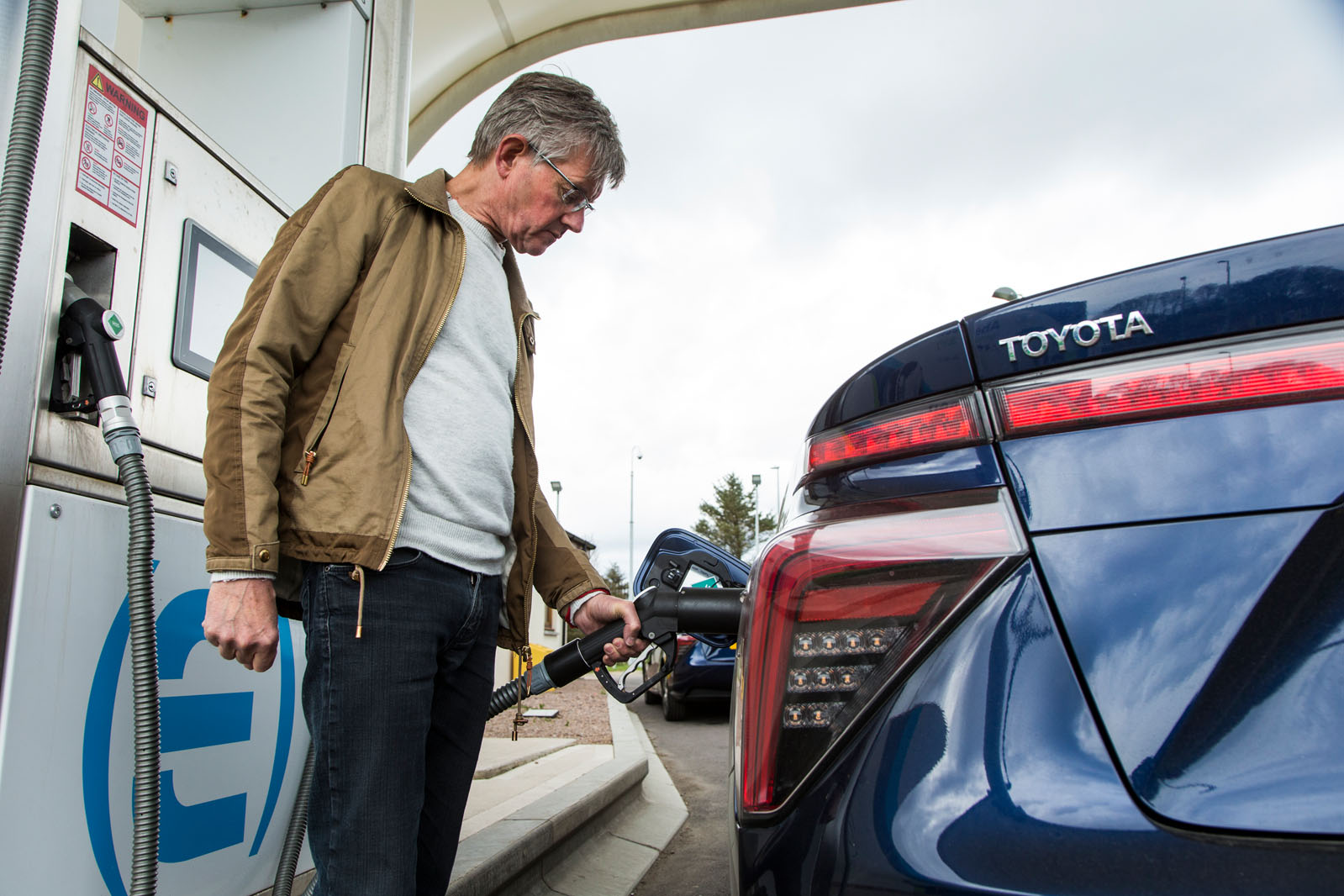
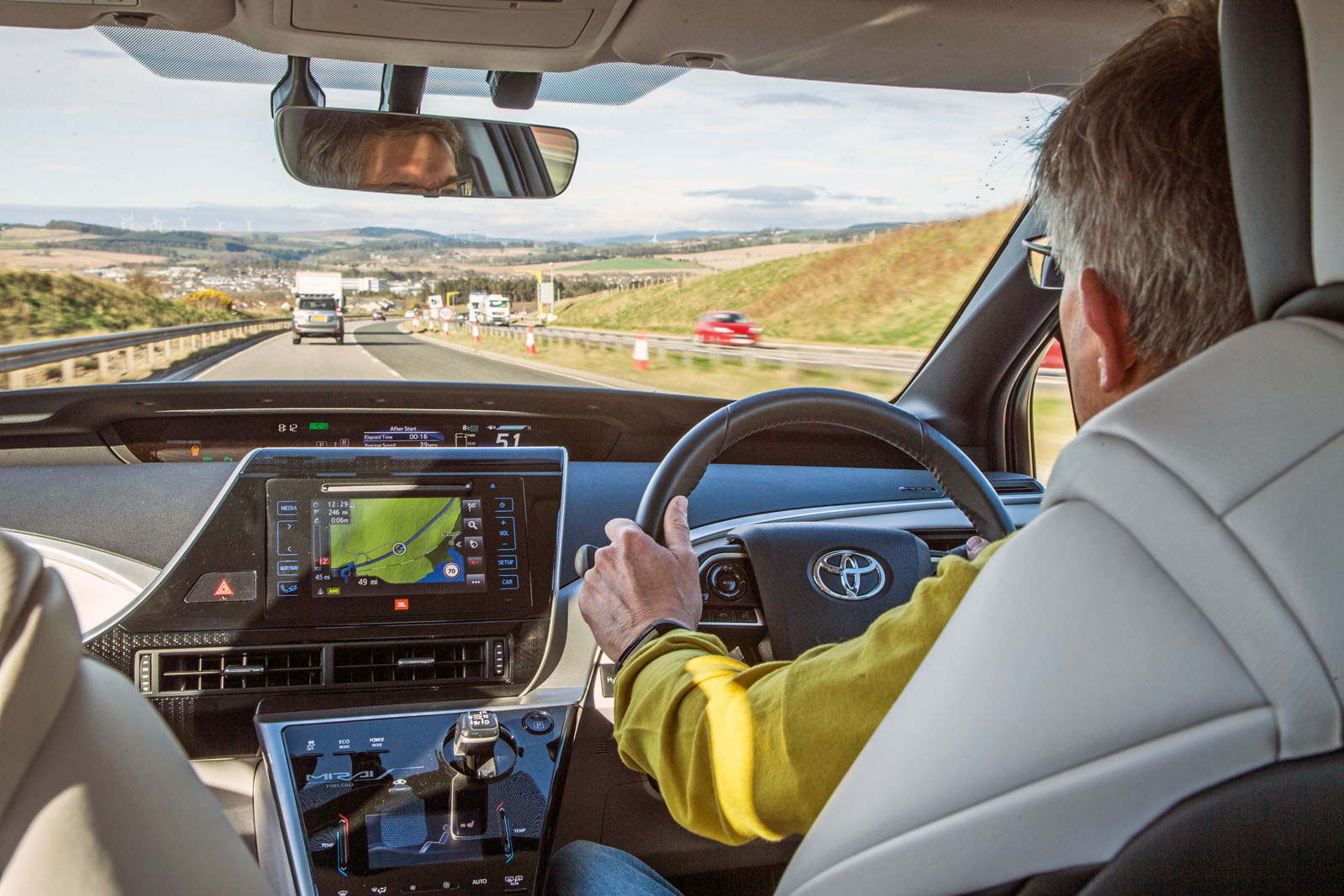
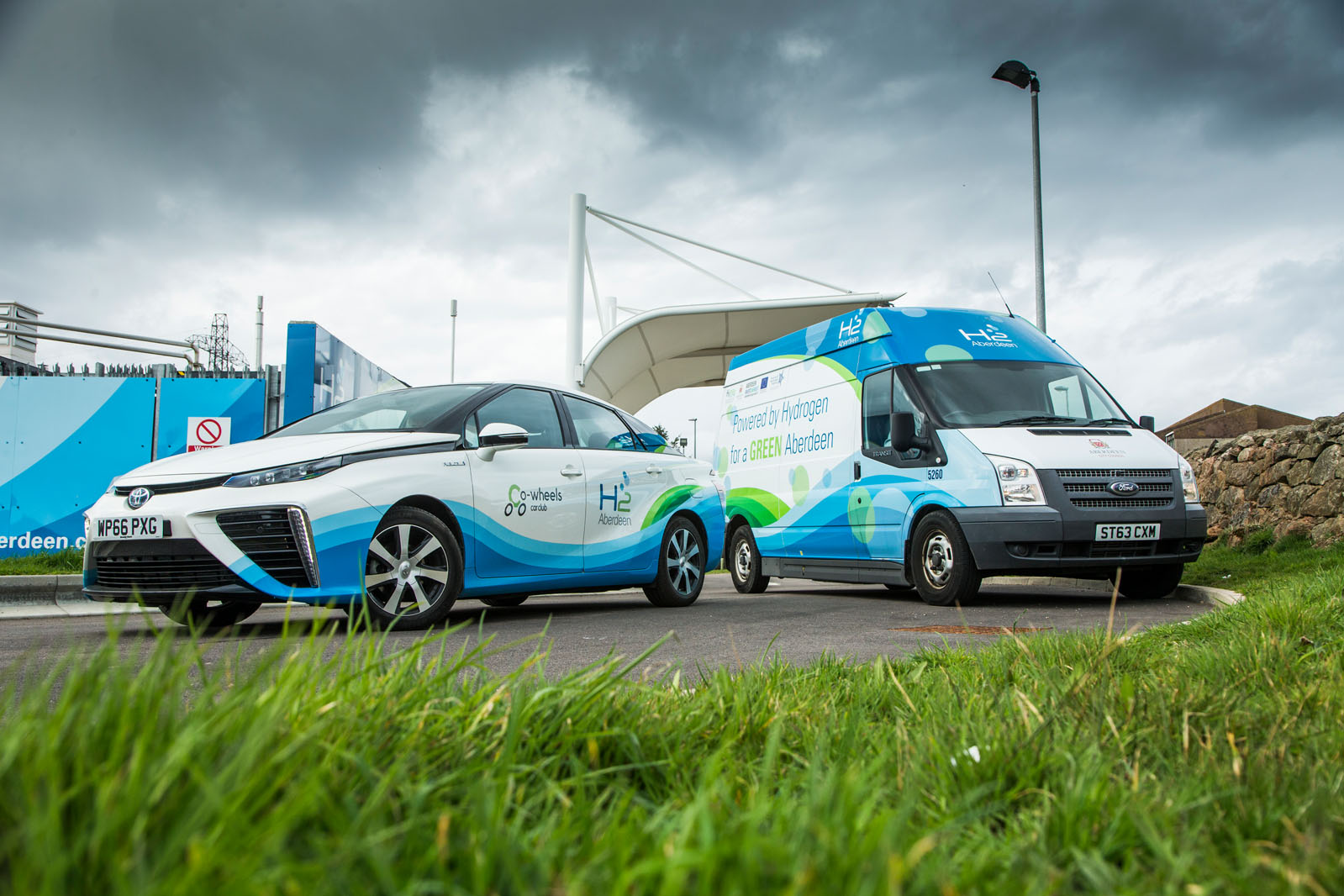
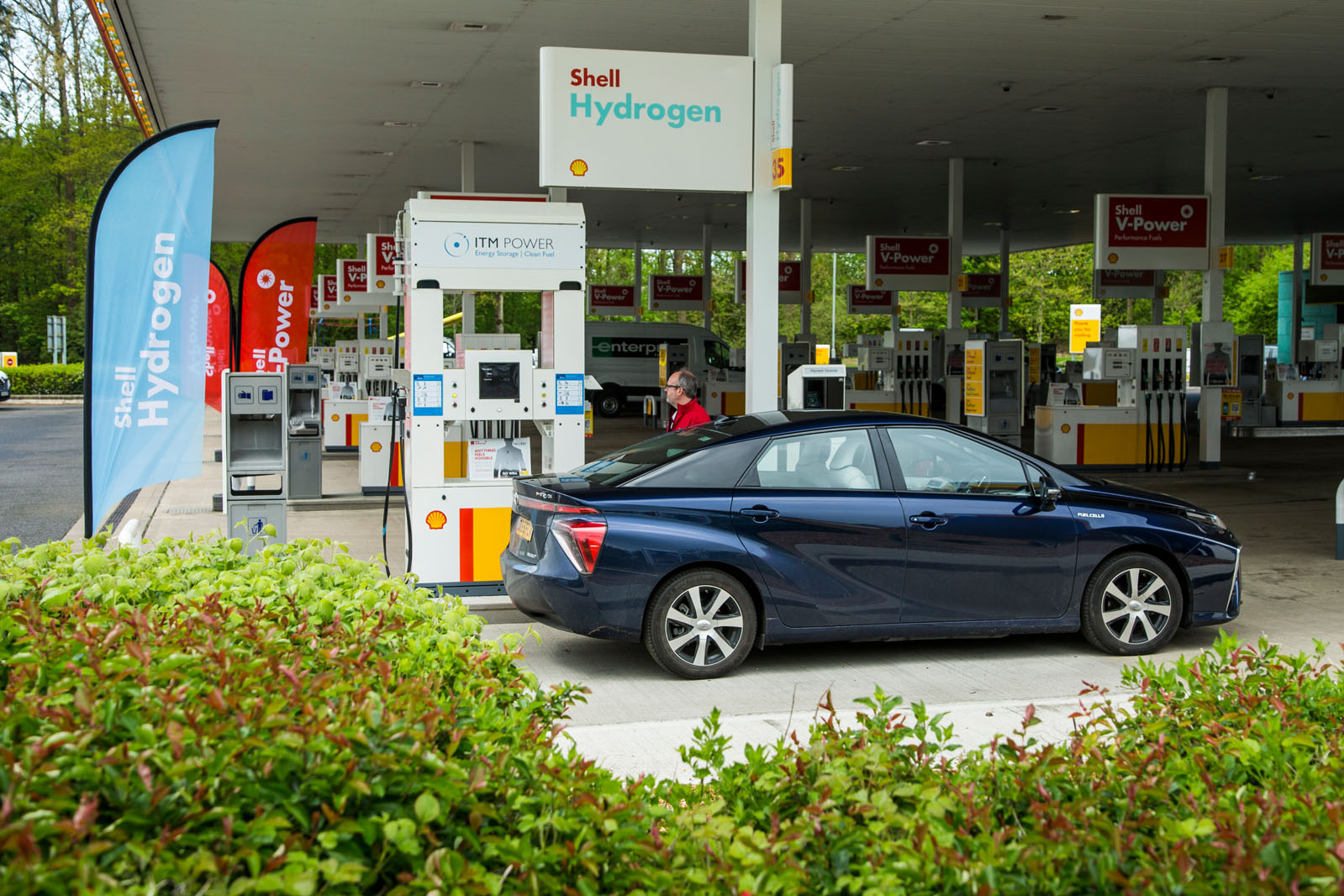
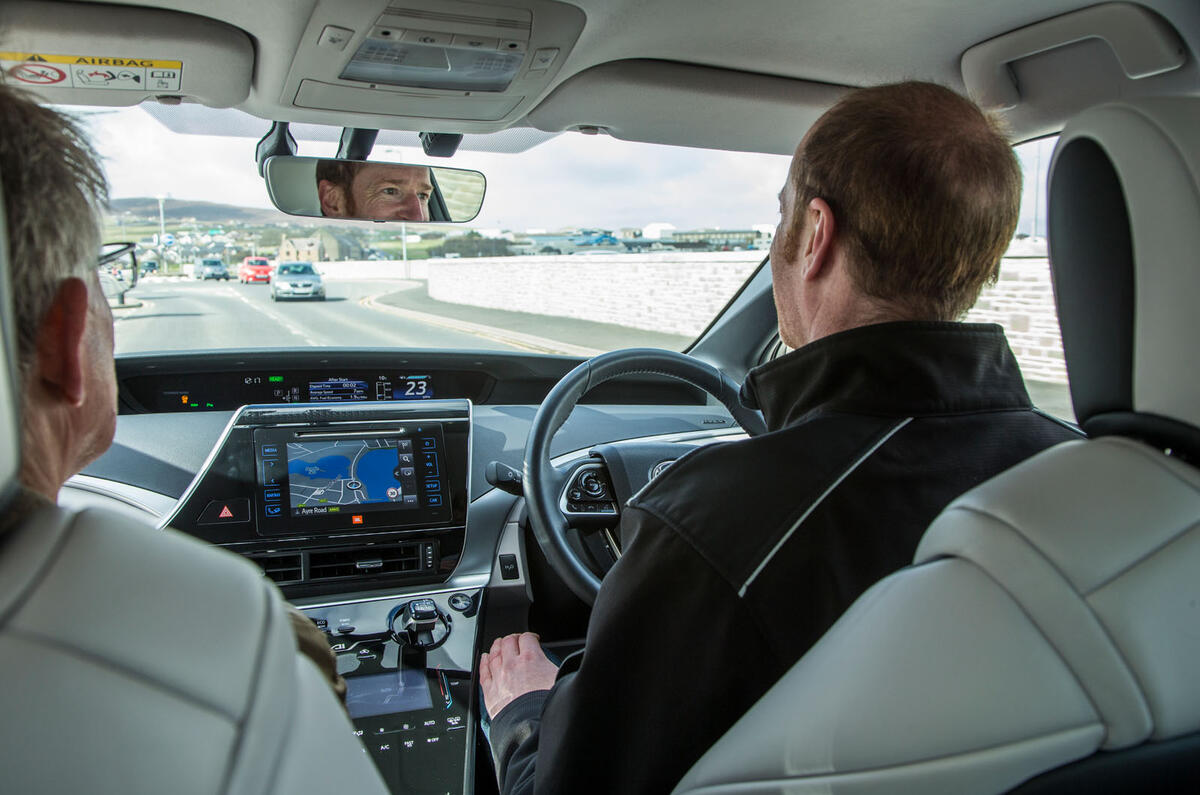
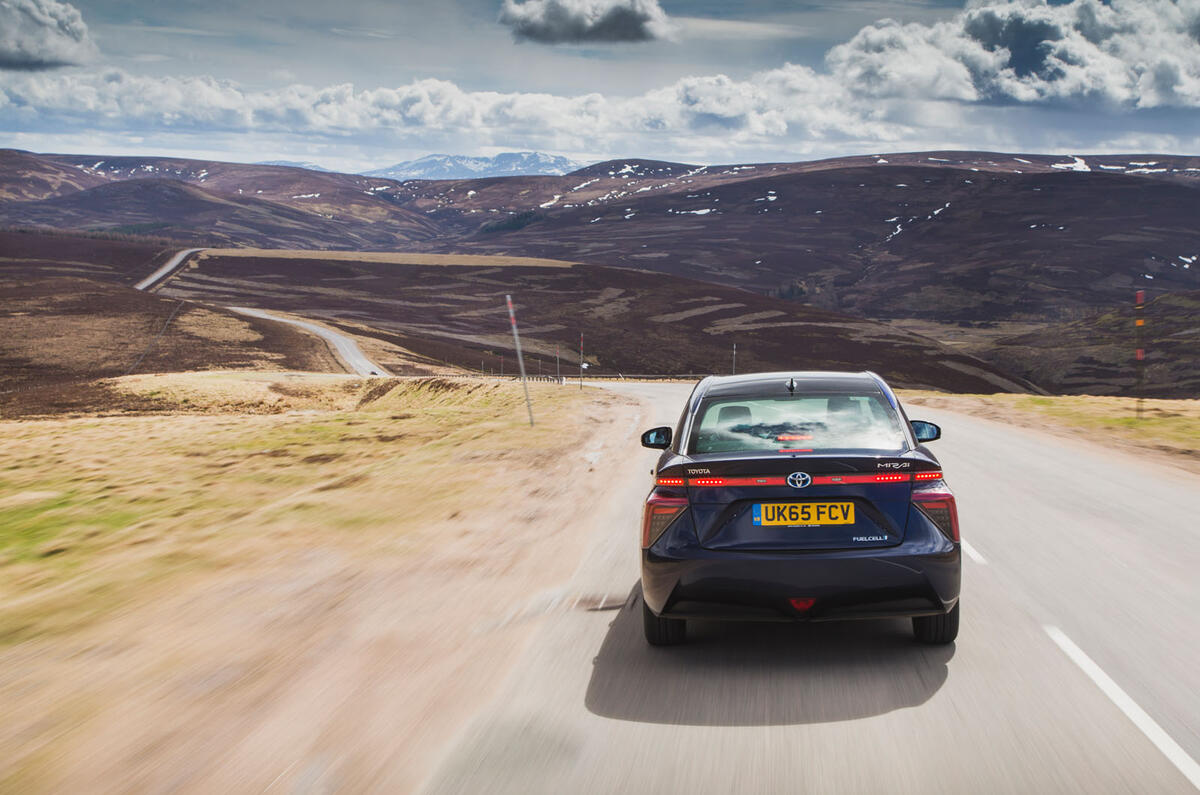
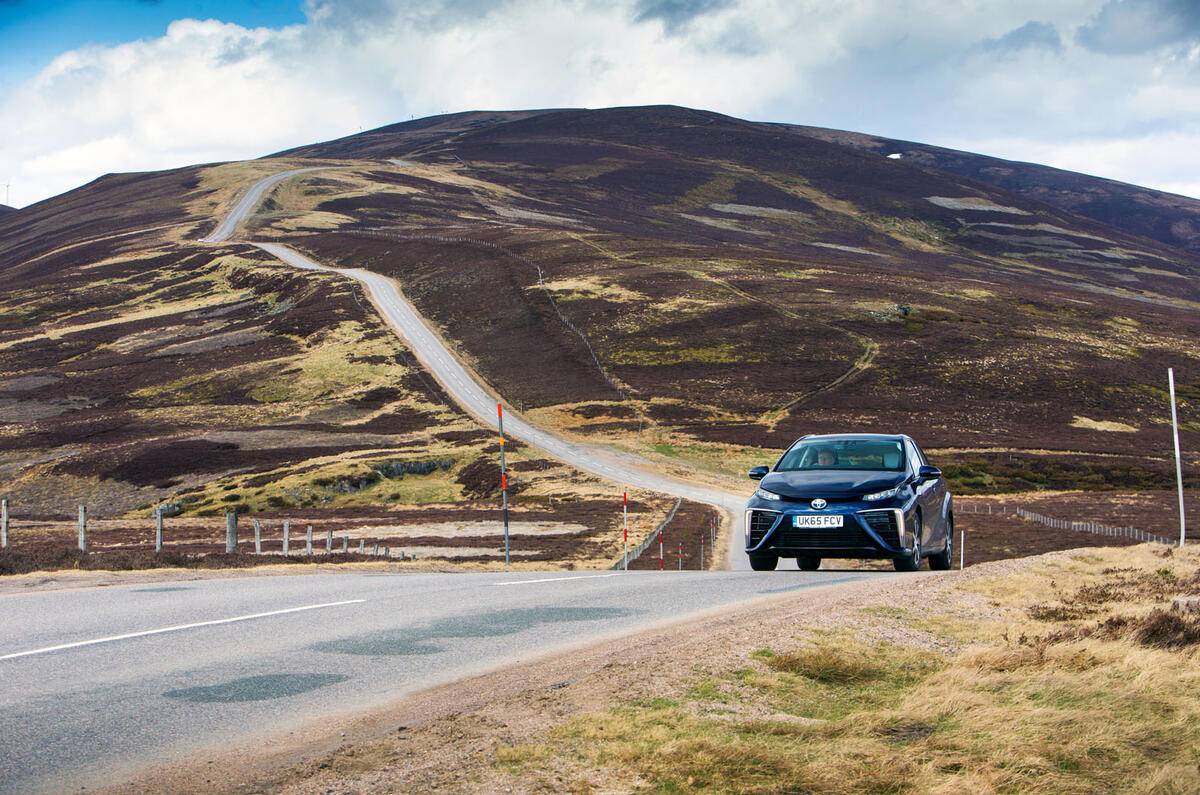
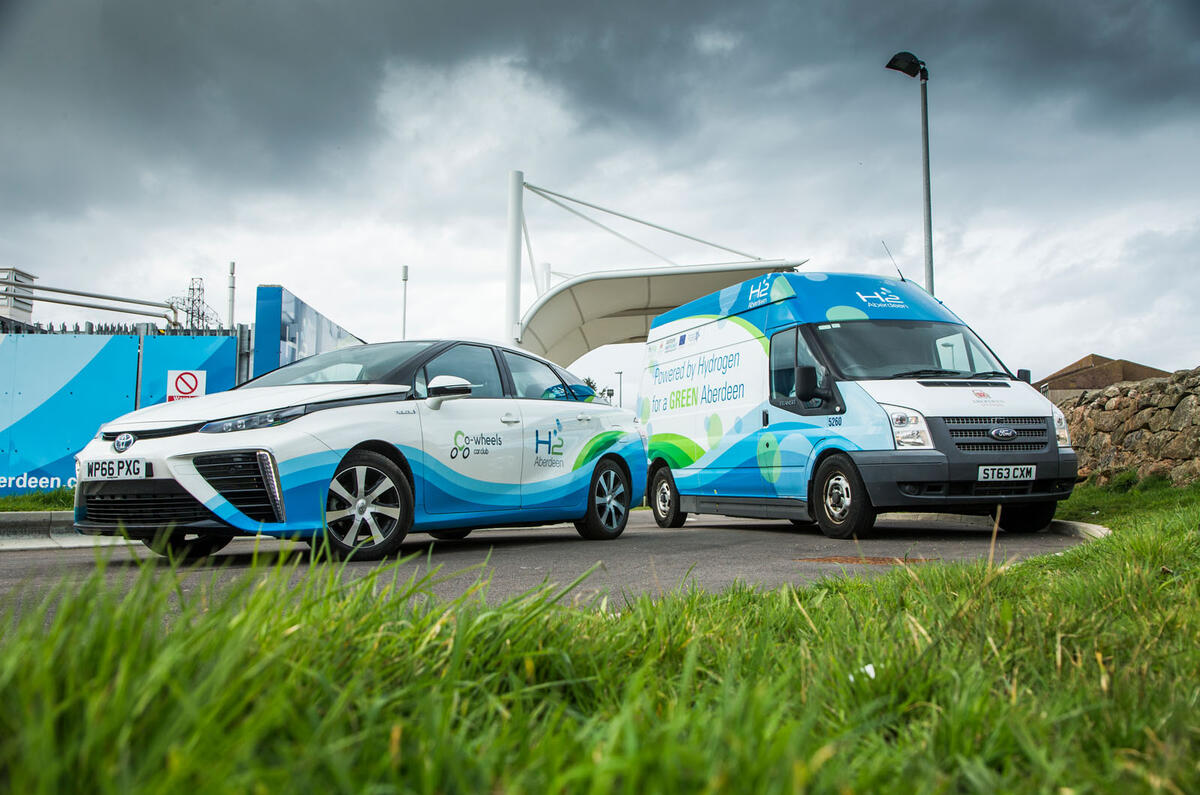
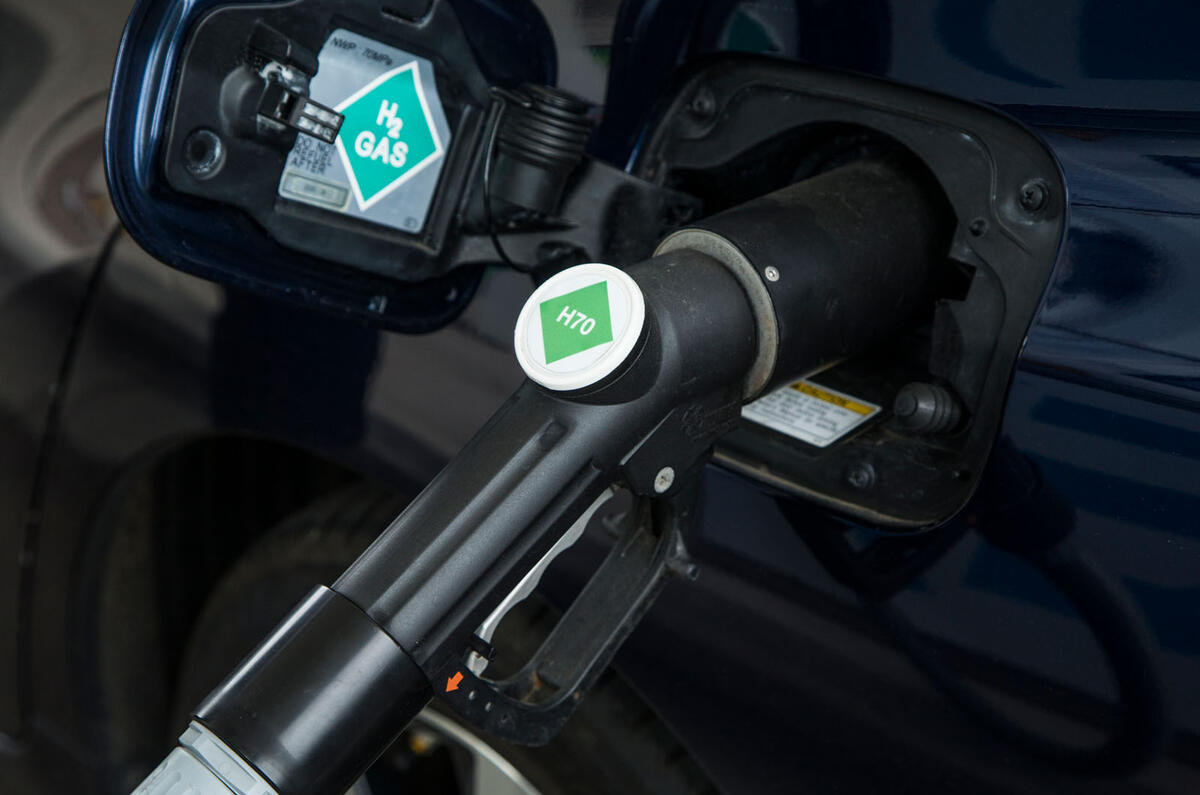
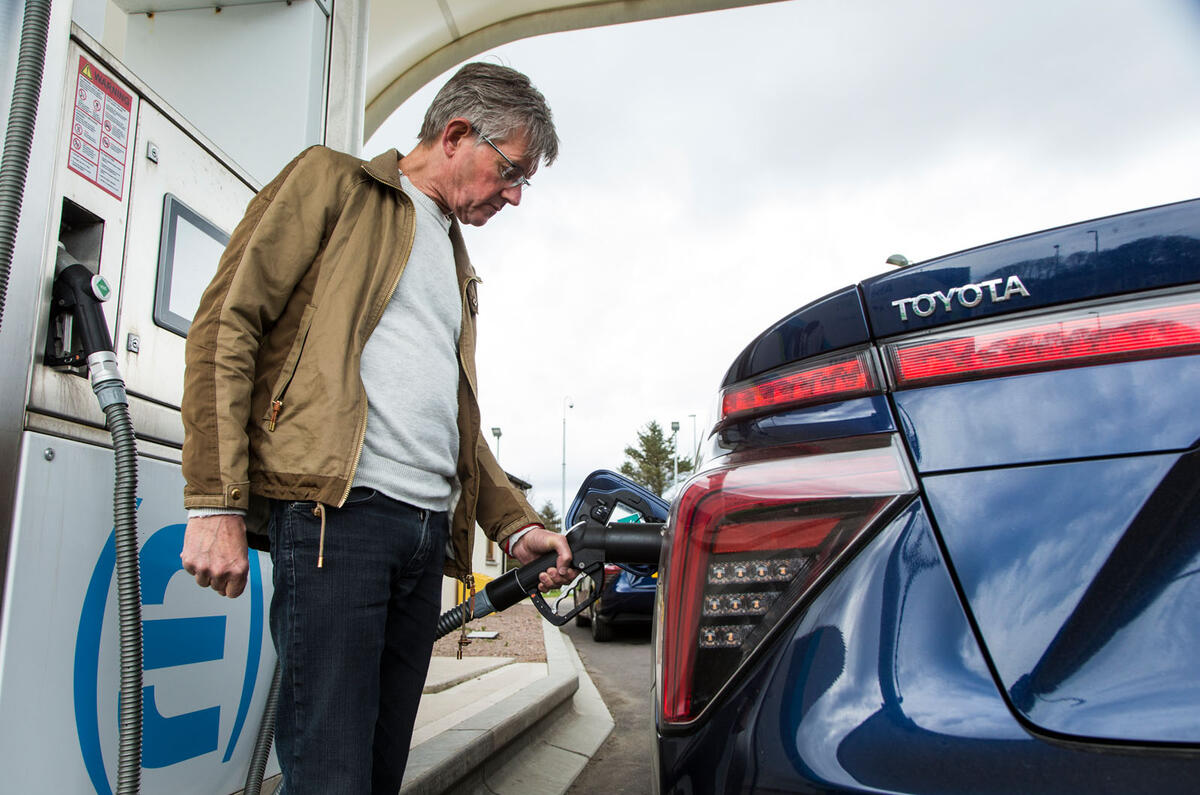
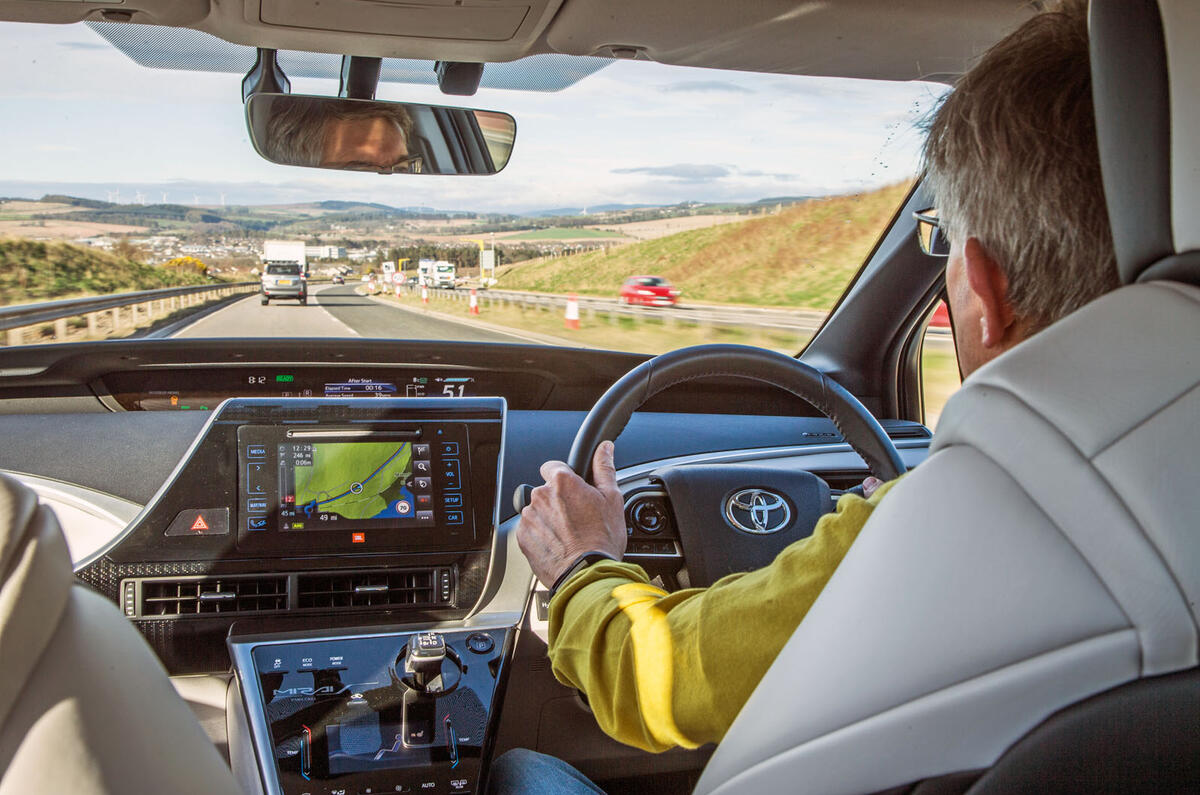
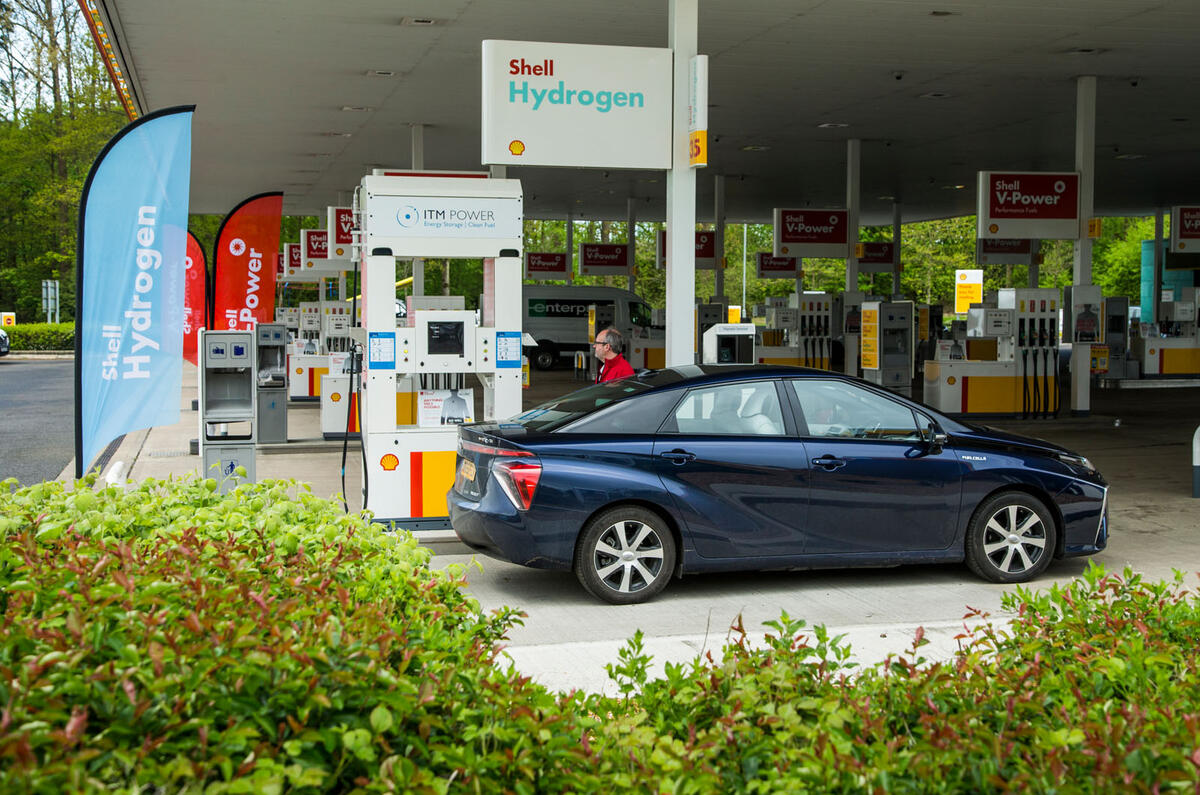
But enough, for now, of the potential energy cycles of tomorrow. Right now, our task is to drive the 230-odd miles from John O’Groats to Aberdeen. Not usually a problem with a conventional car, of course, or even a pure electric car if you plan some recharging stops, but in a fuel cell car, the challenge lies in the fact that there are presently only nine hydrogen refuelling stations in the UK.