




Car enthusiasts are counting down to 2030 with apprehension. What will become of our beloved engines, our cherished classics and time-honoured mechanical skills? New cars will shun fossil fuels entirely, which means the second-hand market will be radically reshaped in the years to come, too – so now is the time to start putting some ticks on your ‘must-own cars’ list.
Over the next 12 pages, we’ll consider the shape of the market, highlight what’s on offer and take a look at the used car community – because there’s gold in them there hills if you want to find it, and when you’re taking out a subscription for an electric, autonomous runaround, you might regret not having taken the plunge on the car of your dreams.
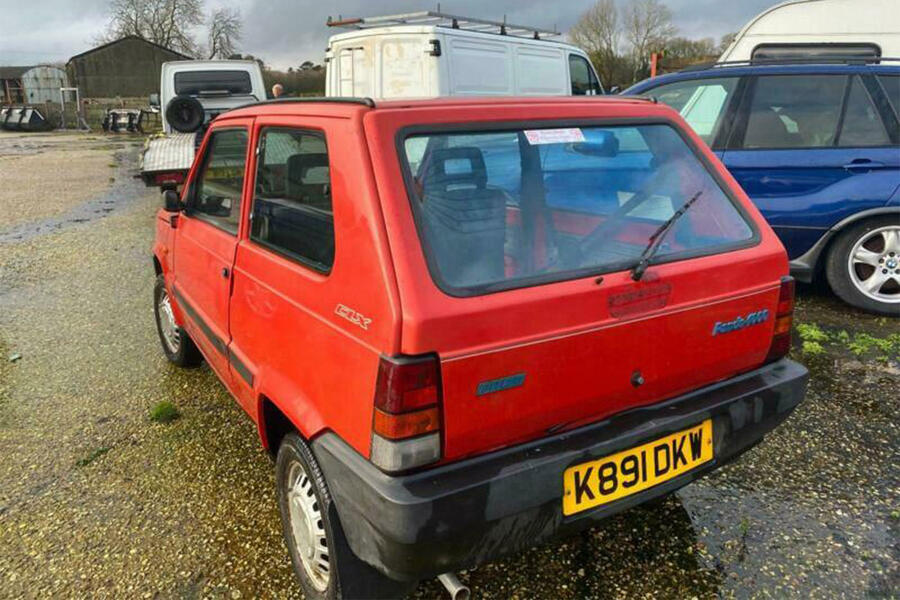
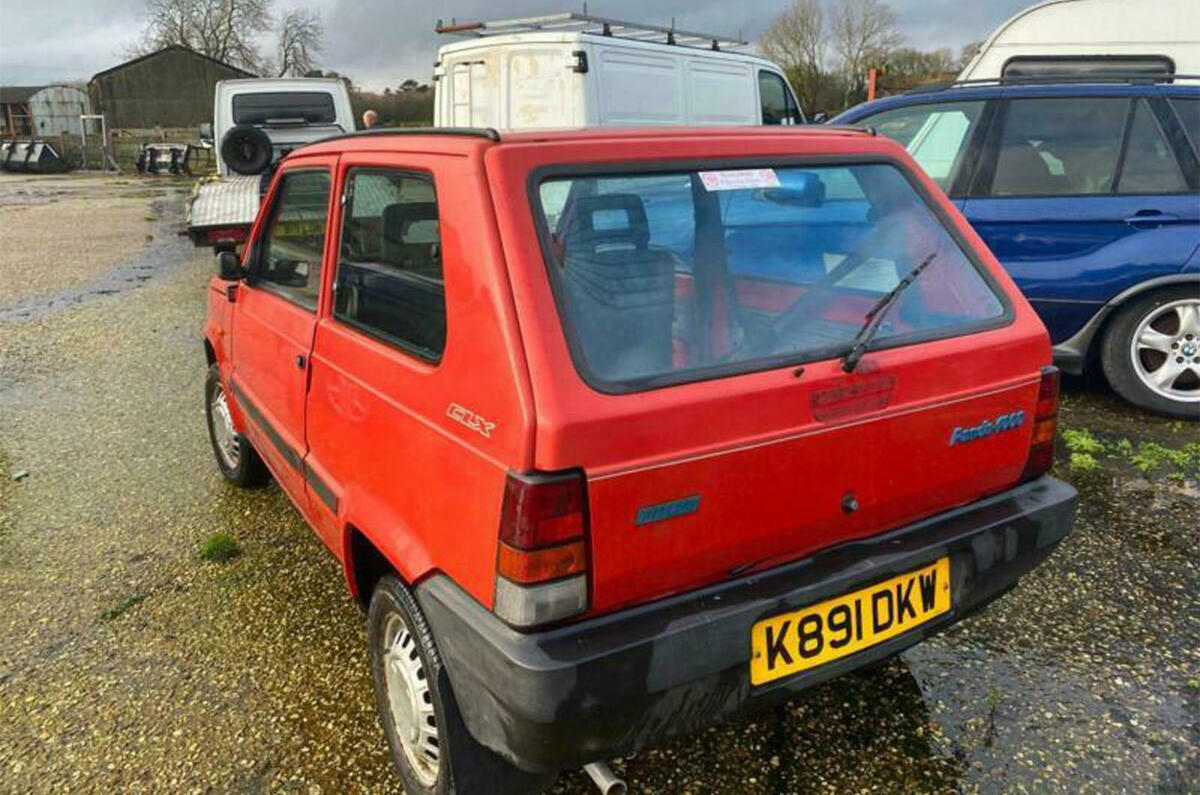
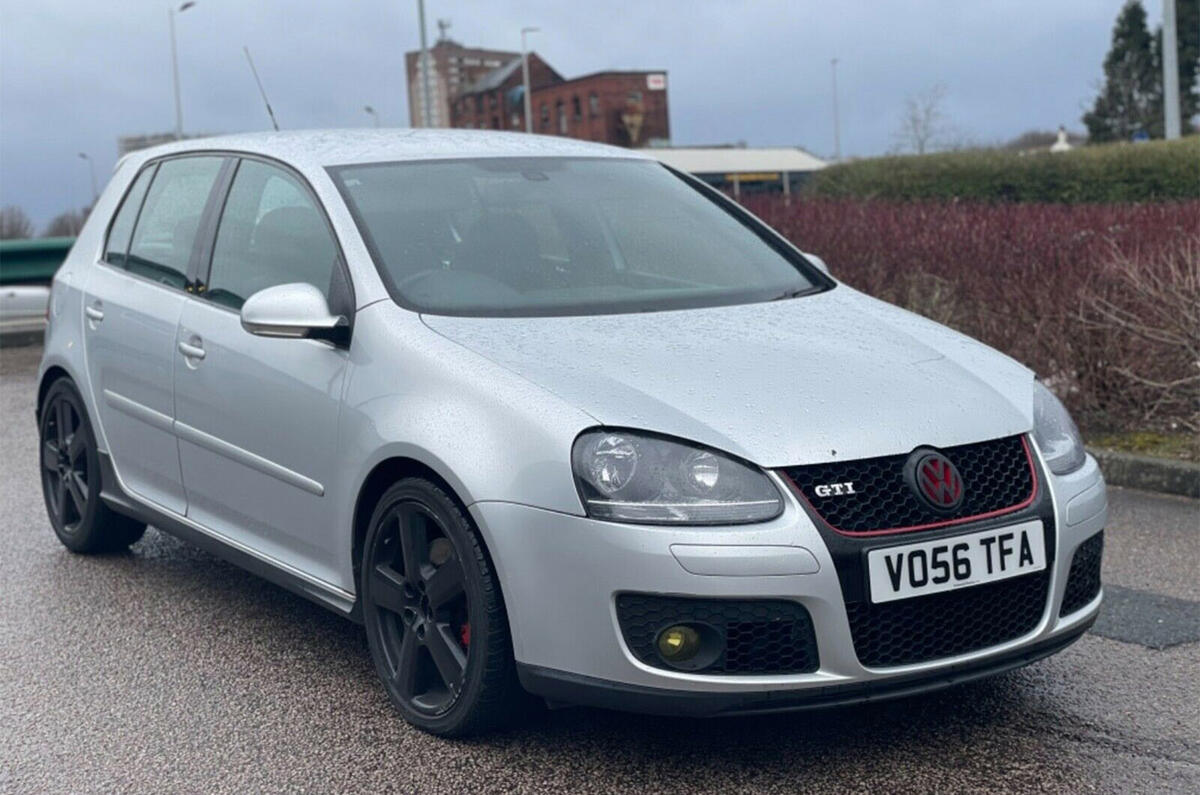
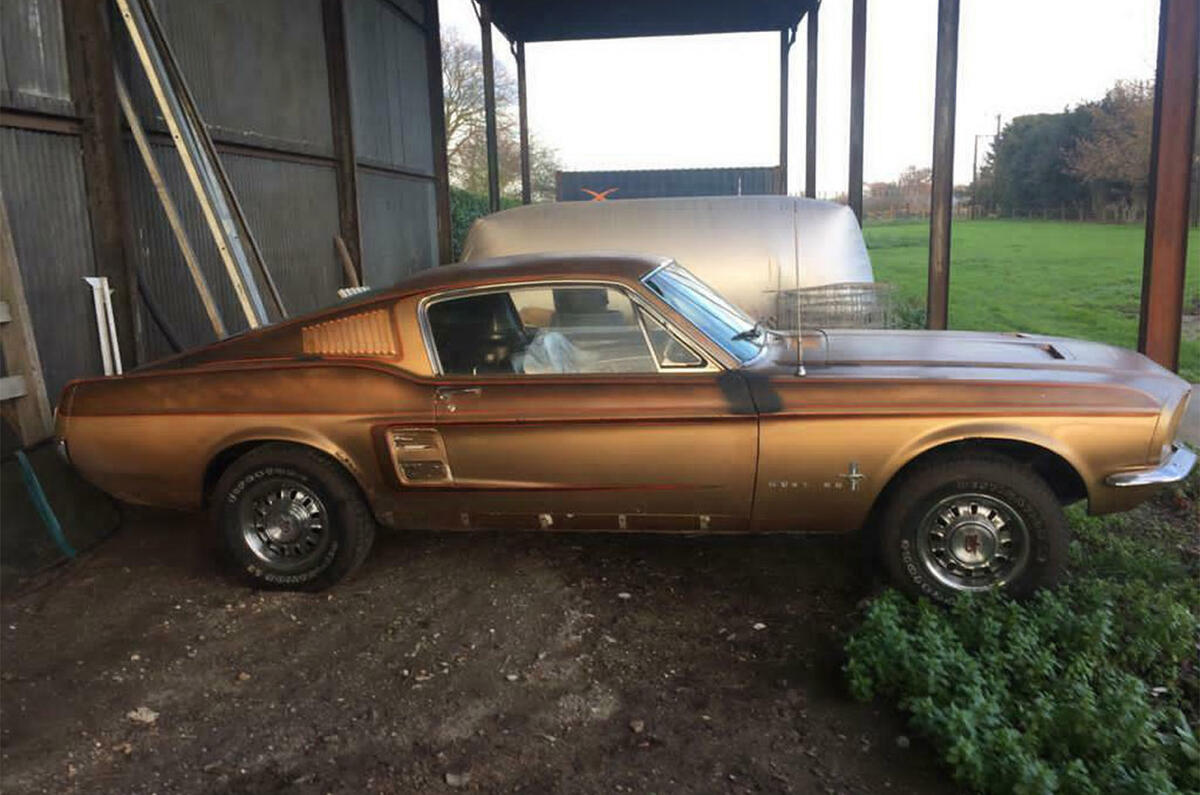
There are icons, exotica and bedroom poster cars to choose from, but if your ideal second-hander is out of reach, you might have to get your hands dirty. So first, welcome to the wonderful world of the project car, where you can grab the motor you’ve always wanted for a song – but it won’t be ‘factory fresh’. Here’s a few points to consider when you’re picking up a banger, so you know what you’re letting yourself in for.
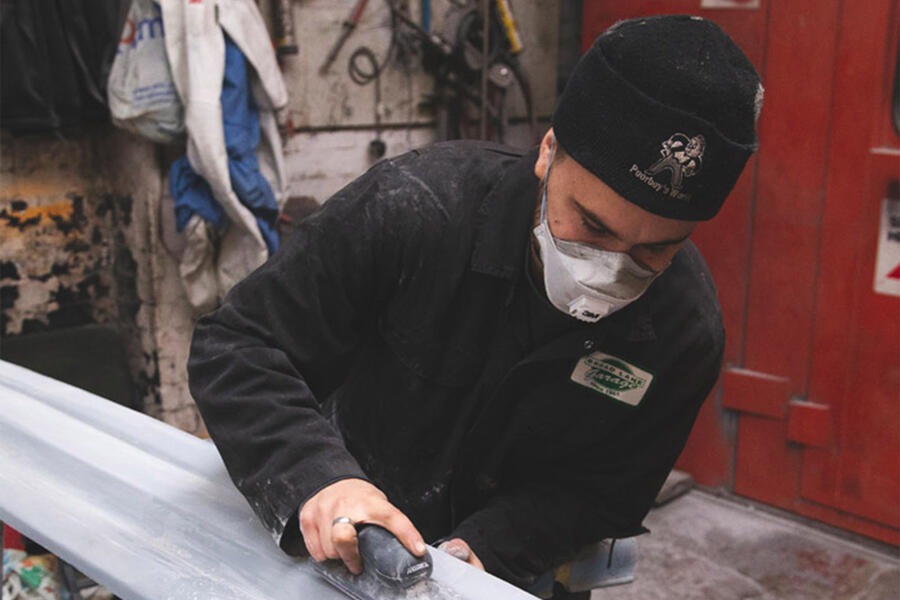
Bodywork
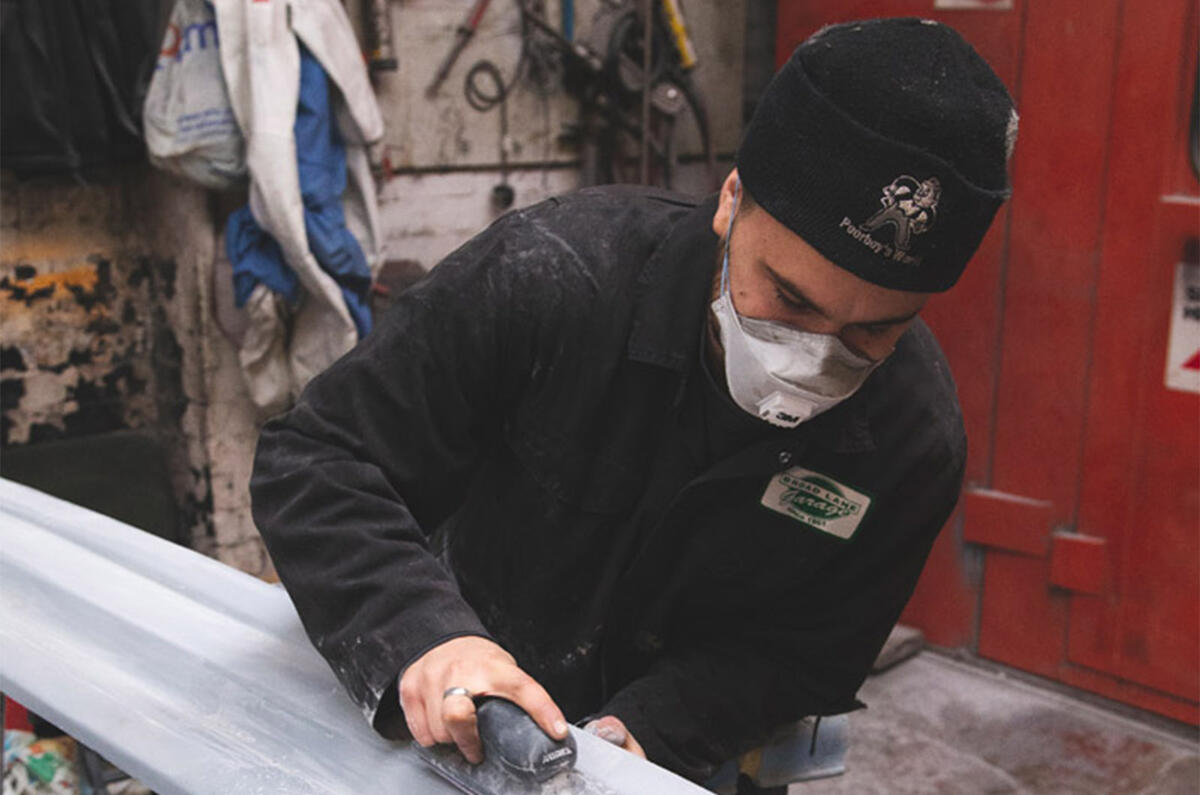
The paint might look positively gleaming and the body as straight as an arrow in the online advert, but a keen eye could uncover some hard truths in the cold light of day. If you’re handy with the ball-peen and MIG welder, the odd ding or scab won’t bother you, but extensive bodywork repairs can consume a good portion of the time and budget allocated to a project, so identifying the problem areas before purchase is key.
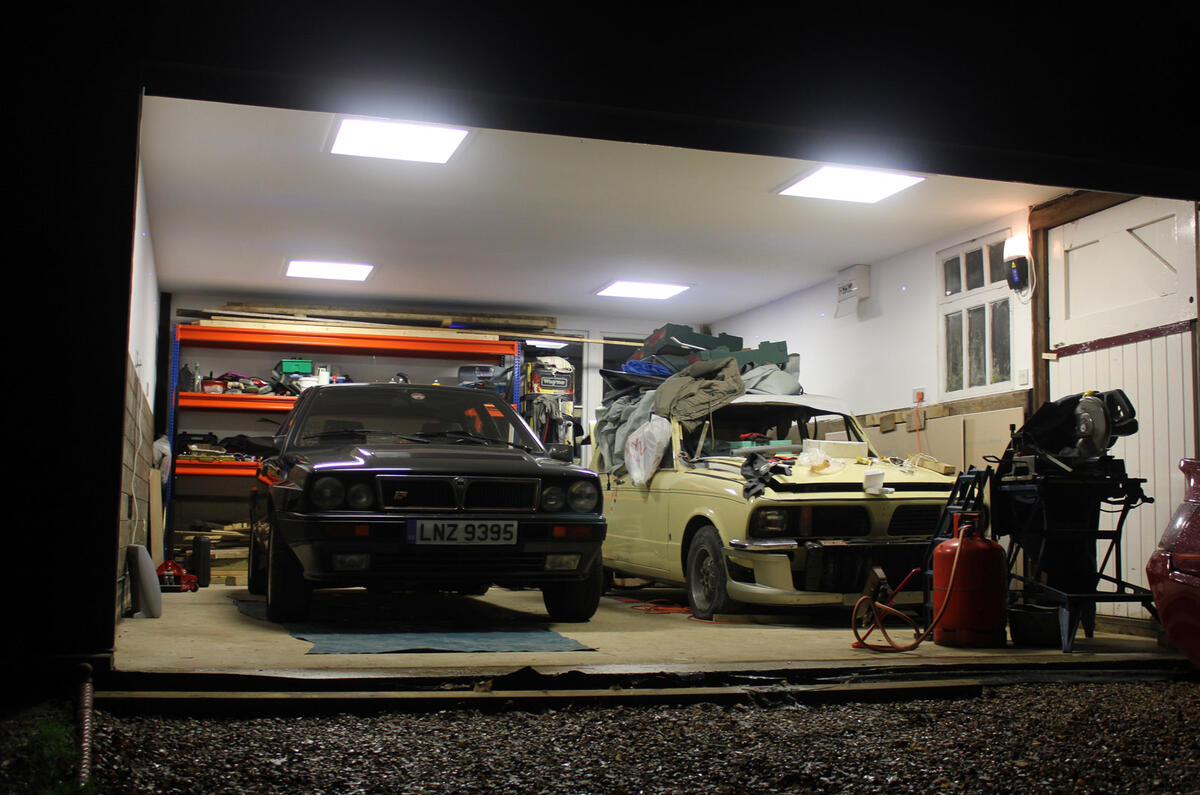
You need to see the whole car from every angle as clearly as possible, so view in the daytime, or under a street or garage light if you have to go at night. Look out for mismatched doors, wings, bumpers and even fuel filler caps because it can be a real pain to match new paint to original paint – particularly on older cars.
Some imperfections are harder to spot. Check the boot floor and front chassis legs for any sign of a previous impact, as a bent frame could render the car unroadworthy or, depending on its value, irreparable. Rust can be fatal, too, so identify the common corrosion areas for a given car – often wheel arches, sills, door bottoms and suspension mounts – and see that your potential project is solid where it counts. Wet and salty British roads make for a particularly inhospitable environment, so we’d be encouraged by any reference to dry storage and summer-only usage in the advert.