
As the Autocar writers shake out their notebooks this week, we uncover how Lexus will adapt future hybrid models to suit demand, why the new Porsche 911 isn't all touchscreens and voice control and what problems electric autonomous cars pose for engineers.
Down to the wire at Lexus
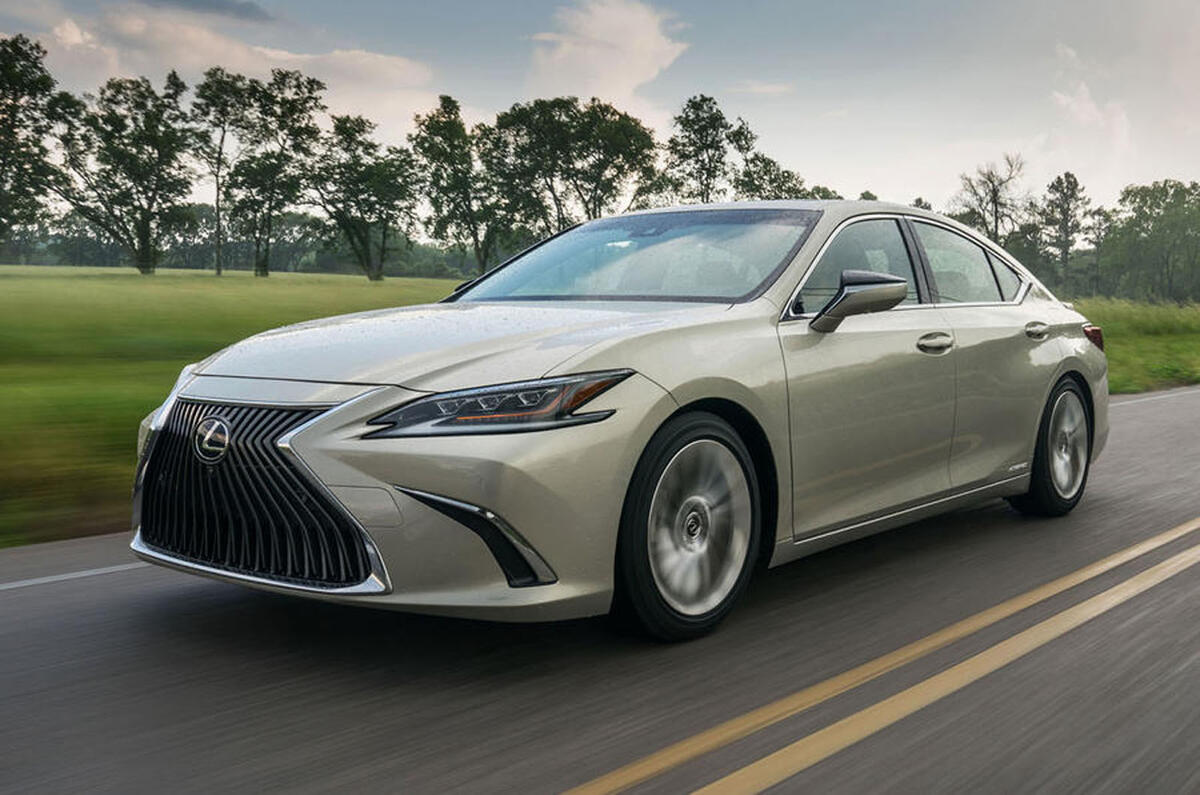
Lexus will be able to adapt many of its hybrid powertrains to feature plug-in tech “relatively easily” if the market demands it, according to a source at the firm. The Japanese maker is convinced that its self-charging hybrid system is perfectly placed to take advantage of the Europe-wide shift away from diesel, but accepts that PHEVs are likely to play a greater role in the future.

Satisfying switchgear for new 911
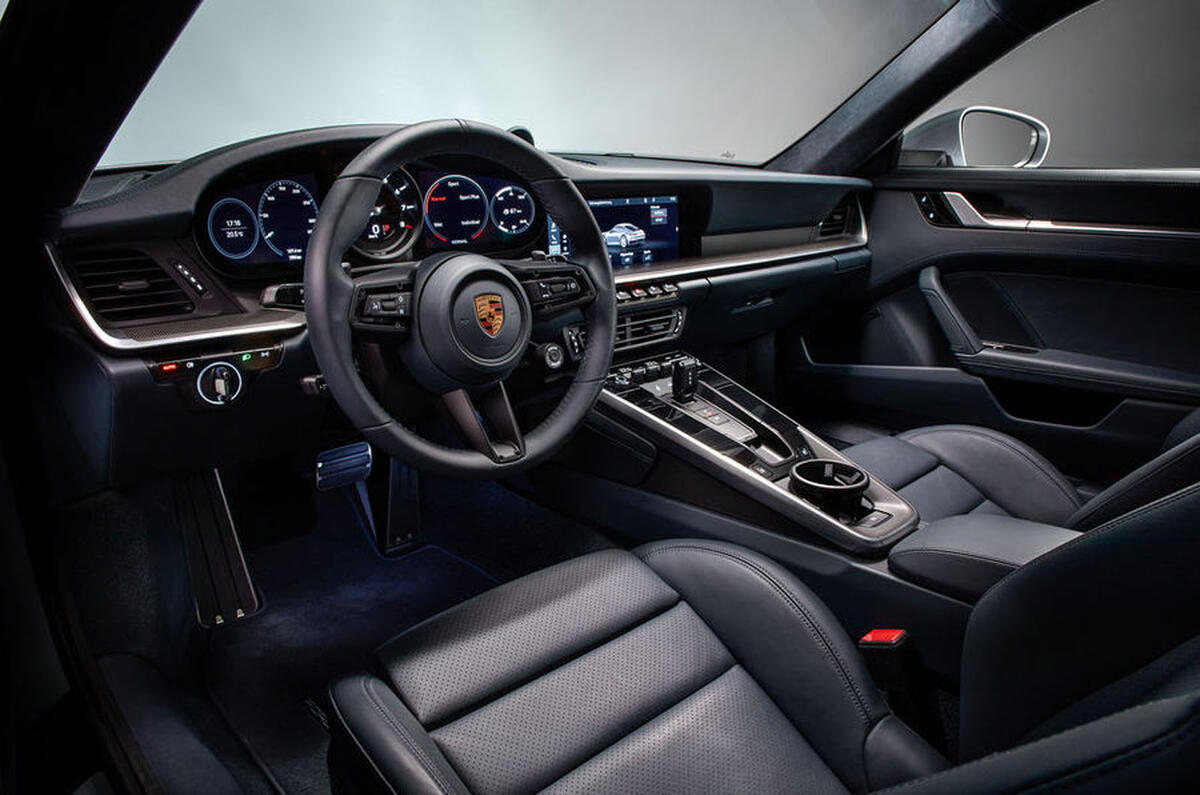
While some car makers are working towards a future where interiors feature no physical buttons, instead using touchscreen, voice and gesture commands, the new Porsche 911 proudly displays a number of analogue controls on its dashboard. “It’s fun to push buttons,” said Michael Steiner, the firm’s R&D boss. “It’s not always about screens. We wanted a clean inside, but it’s all about enjoyment.”
Autonomous tech needs more power
Autonomous cars will give electric powertrain developers their biggest challenge yet thanks to the immense amount of energy required for such systems. Scott Gallett, vice-president of automotive supplier Borgwarner, said the energy taken to propel the vehicle is roughly “the same amount it takes to do the autonomous calculations”.
Read more
Porsche 911 '992' Carrera S: first ride​
BMW lifts lid on its self-driving vehicle tech​