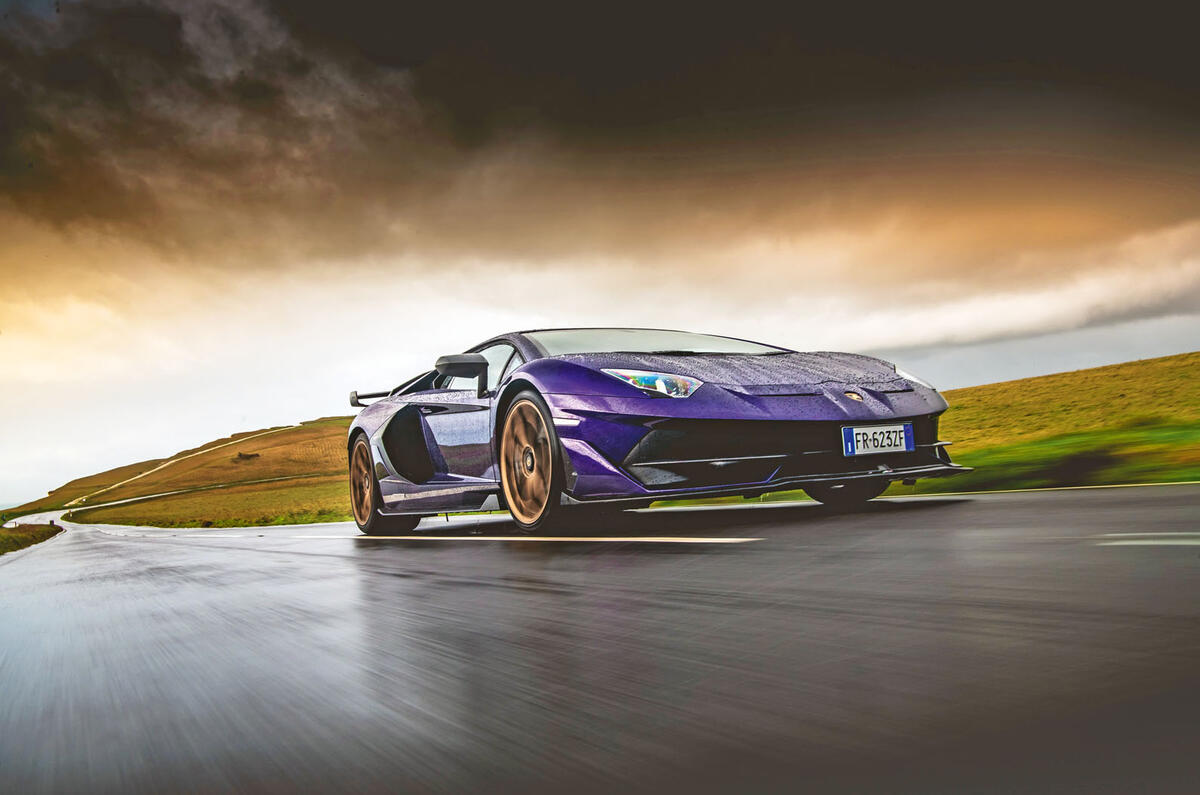



Can I hand you this tiny violin? I feel like we should play a little number in sympathy for people who drive modern supercars on the road.
I know it’s an unusual minority group to garner support for, but they have it tougher than you think.
For one: there’s the lack of sympathy and understanding for them in the first place – the UK’s peculiar brand of envy politics sees to that. People’s first thoughts when they see a supercar are that it’s being driven by a footballer, banker, exploitative capitalist, someone with a rich dad, or a foreigner who doesn’t pay any taxes. Basically, then, drive a supercar and already not a lot of people are on your side.
And because they’ve been bold enough to drive a Lamborghini wrapped in silver, people are similarly unafraid to tell them what they think. Driving a supercar is like having YouTube comments piped direct into the cabin.
None of which matters, of course, because they’ve got the supercar, and those pointing and swearing haven’t, correct? Which means they’ve got the smugness of untold performance and motoring nirvana, anywhere, at any time.
Well, they haven’t. Driving a modern supercar on the road is a crushingly frustrating experience.

Take the acceleration. A supercar has got loads of it – just this week, we’ve timed a McLaren 720S to 60mph from rest in well under three seconds. But 60mph is, really, as fast as any of us can accelerate to on the road, even in the unlikely event that we find ourselves front-row centre at traffic lights in the right conditions.
I know the speed limit is 70mph on motorways and dual carriageways – which would allow another couple of tenths of accelerative wonder – but nobody can really go from 0-70mph anywhere, because we can’t stop on those kinds of road.
So, in truth, the most acceleration supercar owners will routinely feel is coming out of a roundabout. So about two seconds of it.