
The Net Zero Strategy outlined by the UK government is not short of ambition: it has to be bold, given the hugely challenging goal of reaching net zero emissions by 2050.
While transportation is just one of many strands of the economy the report covers (accounting for 15 of the report’s 368 pages), there is plenty of significance in there for the car industry - both positive developments and notes of concern.
Full story: UK Net Zero Strategy includes zero-emission vehicle mandate
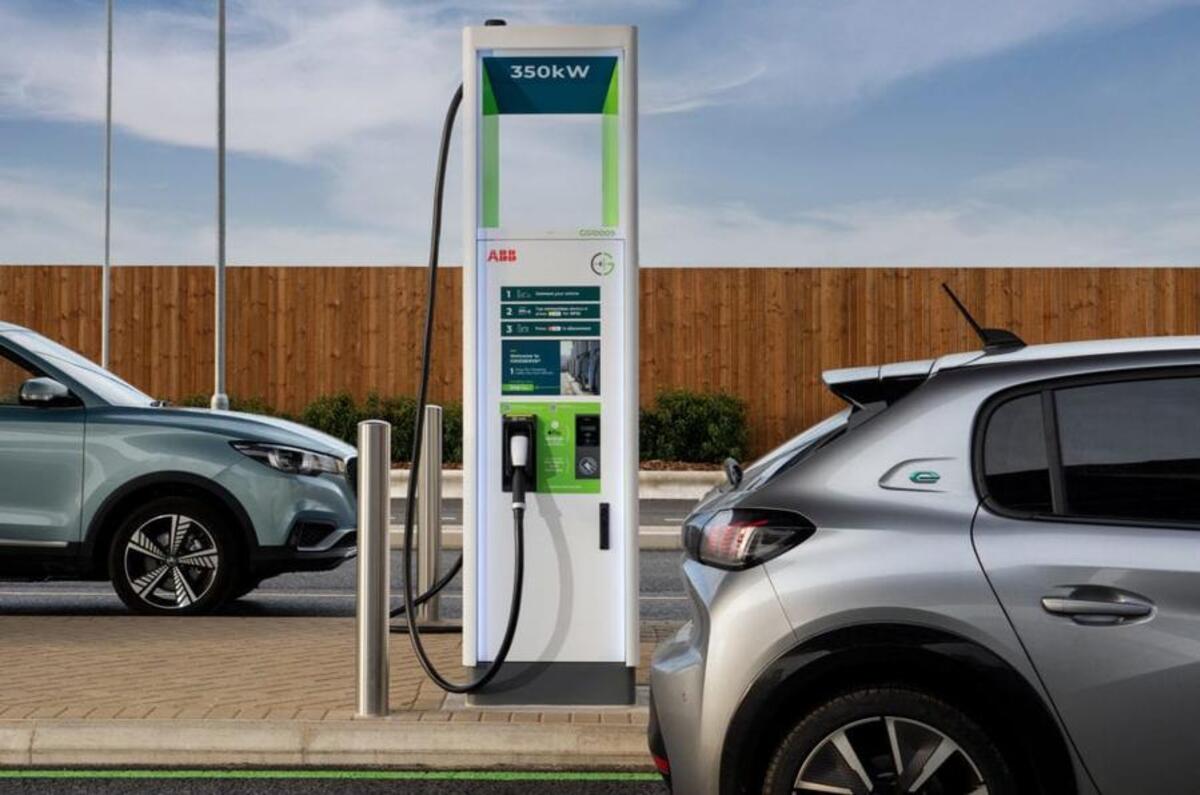
The positives include a commitment to spend more on charging infrastructure and to support the UK car industry’s switch to electrification. Particularly encouraging is the promise of £620 million for charging infrastructure – particularly on-street charge points – and plug-in vehicle grants, and the promise to support the car industry in developing new technologies that can create jobs.
The biggest new policy is confirmation of a zero-emission vehicle mandate that will require car firms to sell an increasing percentage of ZEVs between 2024 and 2035. Given most car firms are already ramping up their EV ambitions, that rule is more likely to crystallise thinking than set a direction – but it will motivate those firms to really push pure EVs.
But the bold ambitions and policies in the Net Zero Strategy are somewhat frustratingly lacking in detail. For example, how will that £620m on the transition to EVs be spent? “Further details will be published in due course.”
How, exactly, will the new zero-emission vehicle mandate work? And, for that matter, what will qualify as "significant zero-emission capability" that vehicles sold from 2030 until 2035 must achieve? Both of those points will be decided after a public consultation in 2022.
I appreciate this report is designed as a strategic overview rather than a gradual breakdown of policy - and it is welcome that details of policies such as the ZEV mandate are being publicly consulted on. Still, we are just nine years away from 2030, and it’s vital that both the public and the car industry gain clarity on such issues as soon as possible.
Those aren’t the only elements of concern in the Net Zero Strategy. The report states that “as we build back better from the pandemic, it will be essential to avoid a car-led recovery”, and contains a pledge to shift from car usage to public transport, cycling and walking, in particular in urban areas. That includes significant funding for the creation of "segregated" cycle lanes. Given the fitness benefits of walking and cycling, these are welcome moves - but the concern is that they could make driving harder by stealth.
Concerns might also be raised about the government’s pledge to increase car occupancy, with a push towards mobility and car sharing – although this is presented more as an aspiration than a policy, with little in the way of specifics.