


Car makers that ignore environmental legislation will be forced to recall affected cars – which could involve millions of cars and cost hundreds of millions of pounds – if a new environment bill makes its way onto the statute books.
A draft of the bill was included in last week’s Queen speech and is clearly intended to heighten oversight of the car industry in the wake of Volkswagen Group’s Dieselgate scandal as well as tighten supervision of dozens of today’s major green issues.
“The government will be empowered to mandate manufacturers to recall vehicles when they do not meet the relevant environmental standards,” the draft bill said. Autocar understands that the intended definition of environmental standards includes heat and noise, as well as tailpipe emissions, and will build a legal framework to deter future breaches.
Up to 1.2 million VW Group cars in the UK were affected by the breach of EU5 regulations on the EA189 2.0-litre diesel engine and the cars were subject to a UK technical fix a year after the scandal first emerged in the US.
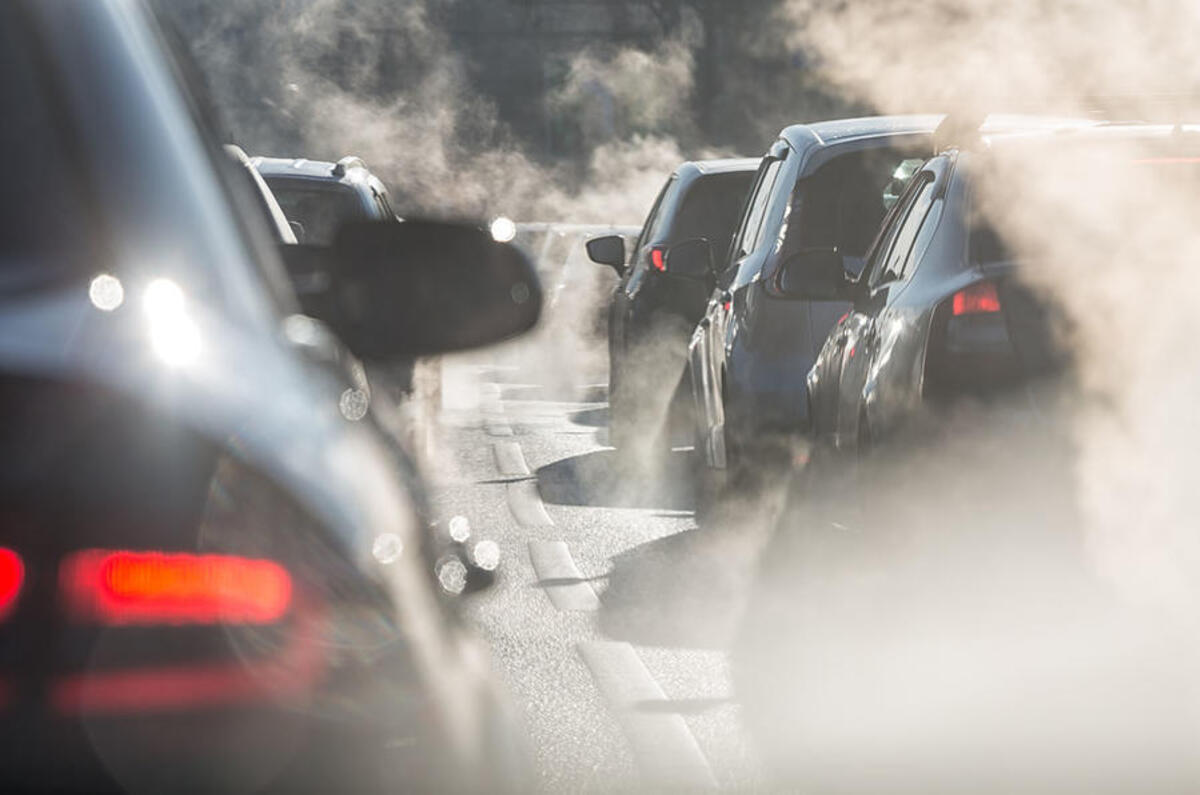
The environment bill will also propose a legally binding target to reduce fine particulate matter – PM2.5 – which have been linked to multiple health issues. Diesel and direct-injection petrol car engines produce PM2.5, but so do truck, bus, train and construction plant combustion engines, central heating boilers, household cooking and log burners.
The government says it will set an “ambitious” target on PM2.5, but how it proposes to allocate reductions to different industries has yet to be seen.
The new bill will be seen as a new clean air act, which campaigners have been pushing for. The UK last had a clean air act in 1956 in response to London smogs caused by coal burning.
The proposed new environment bill will also pick up from where repealed EU legislation drops off. “It will help ensure that we maintain and improve our environmental protections as we leave the EU,” said the government.
To oversee this new focus on “legally binding environmental targets”, the government is proposing a new independent Office for Environmental Protection (OEP) to “scrutinise environmental policy and law and take enforcement action against public authorities”.
How that will work in practice and affect the car industry and motorists is as yet unclear, but it is reasonable to assume an in-built anti-car bias, on a body that will inevitably be packed with green advocates.