
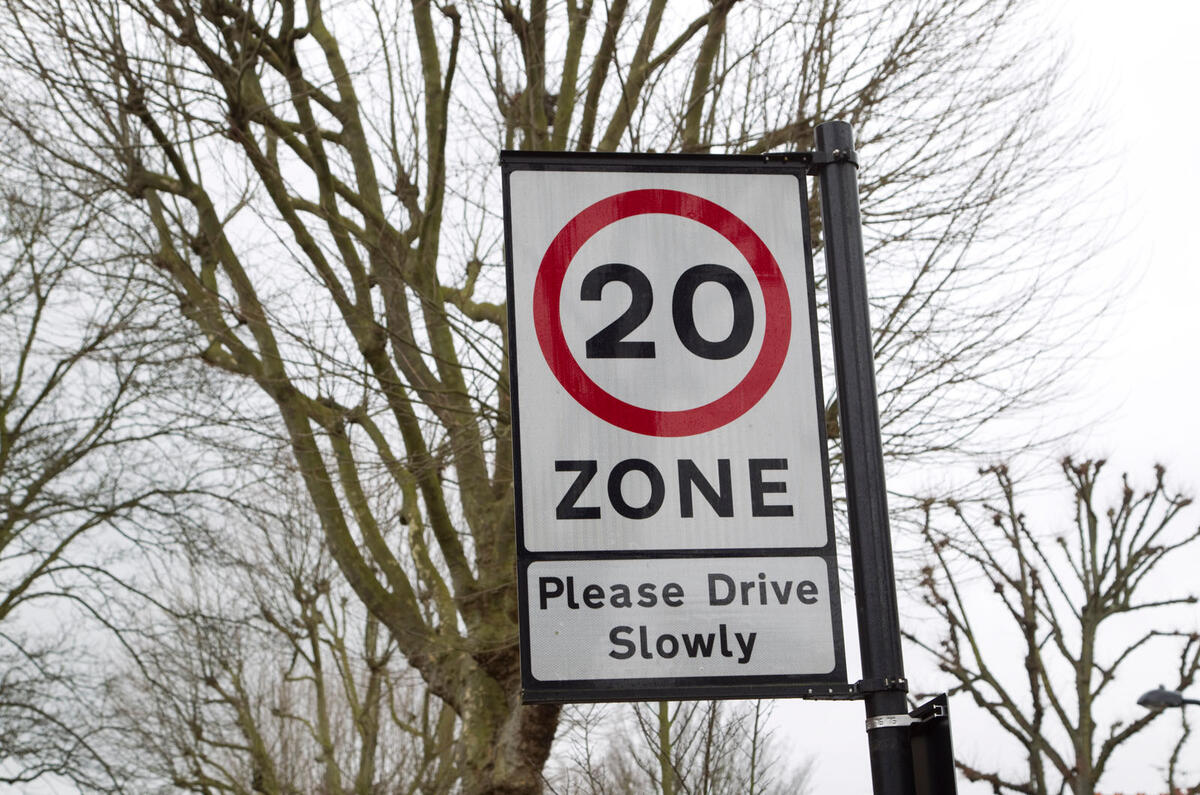
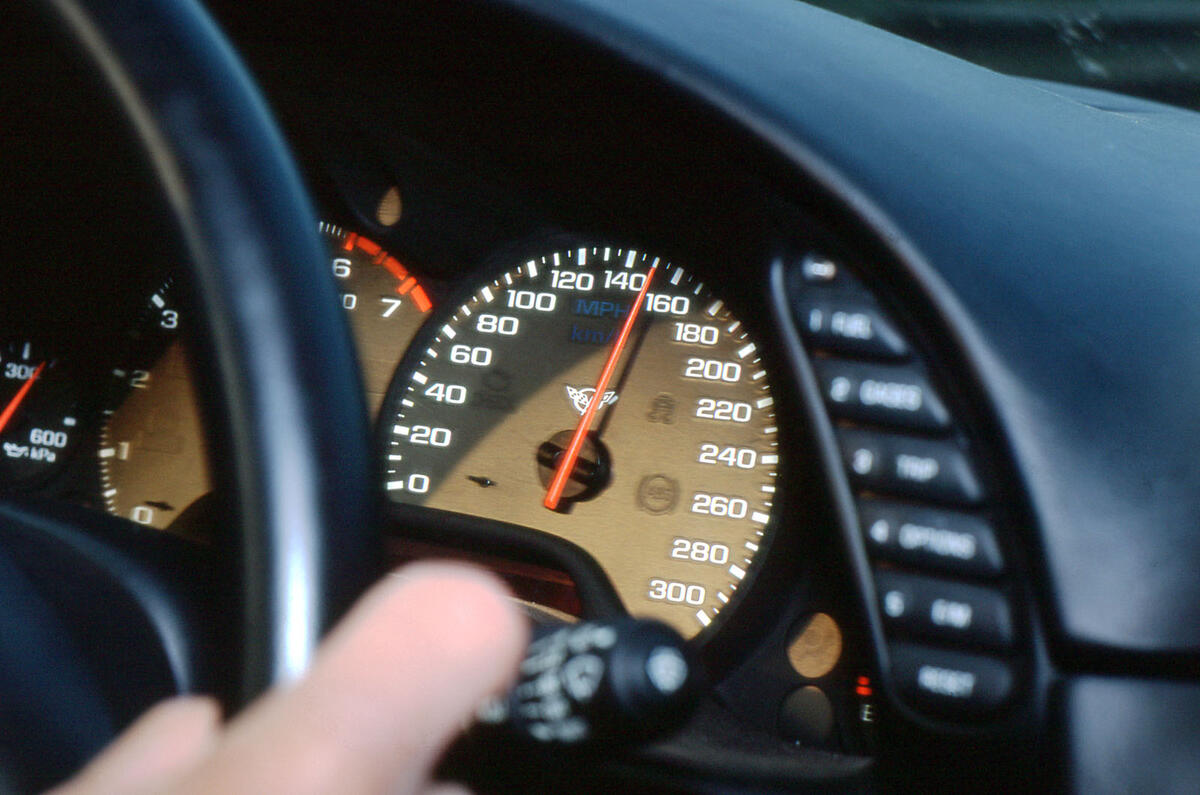


Quite a lot of chatter of late about new intelligent speed assistance systems (ISA), which are going to make their way, mandatorily, onto cars from 2022 but will start to become standard before then. You can already buy Fords with them fitted.
They use GPS and perhaps cameras, too, to detect the speed limit and reduce engine power if you’re over it, or about to go over it. It takes a hefty kick on the throttle (unless you’ve switched the system off) to override the system, though ultimately you can.
A lot of people in my business don’t like the idea of it. I’d rather drive a car without it, even though I don’t drive particularly fast on the road, and I haven’t exceeded a speed limit in a town in recent memory. Like you, I care about driving; it’s something we enjoy doing well, and we don’t drive too quickly.
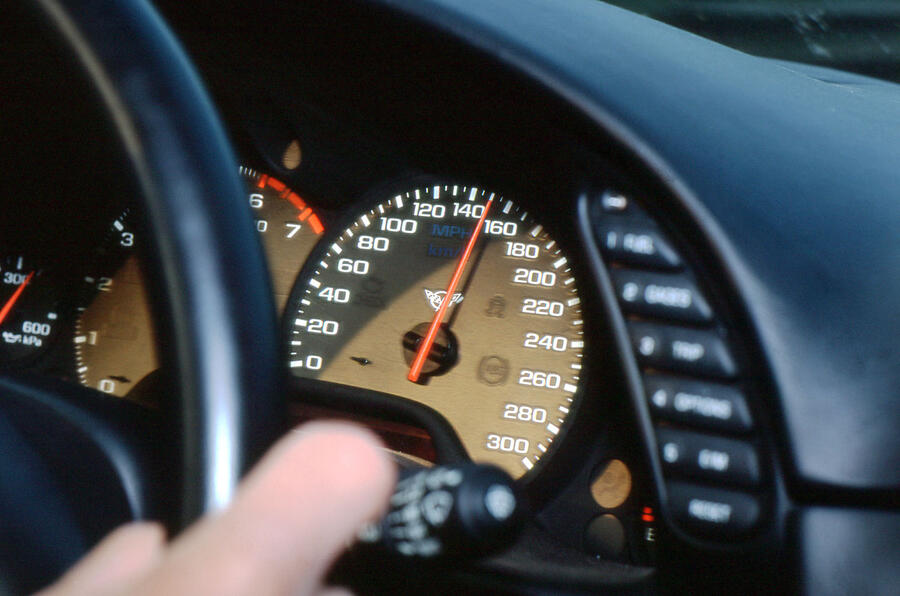
But I’ve got to admit that most people are not very good at driving. It doesn’t take a long drive to figure that out, even before you look at accident statistics.
Over the years, road casualties have been reduced largely by making cars safer to have crashes in. Certainly it’s not because driving has been getting better. So the next regulatory step is to try to make cars less likely to crash in the first place, by fitting reversing sensors and tiredness monitors and emergency braking systems, or by regulating speeds.
Will it work? I don’t know. I think it’s more dangerous to drive at 30mph through most towns than drive at 80mph on most motorways, and that some limits are too high and some are too low, which ISA systems will do nothing to change, and I don’t think it’s clever to imply, as ISA could, that it’s perfectly safe to travel at the speed limit, when quite often it isn’t. But the intention of the regulators is the honourable one of making roads safer.
And how, honestly, can you – publicly, anyway – rail against that? “It’s not speed, it’s inappropriate speed that kills” might be true, but shouting it makes you sound like a member of the NRA. Sure, ideally we’d try to make everybody better drivers instead, make them more aware of hazards, and get them interested in the process of driving, so they didn’t plod along a wide open A-road at 40mph, then continue at the same 40mph through a village, thinking both were fine.