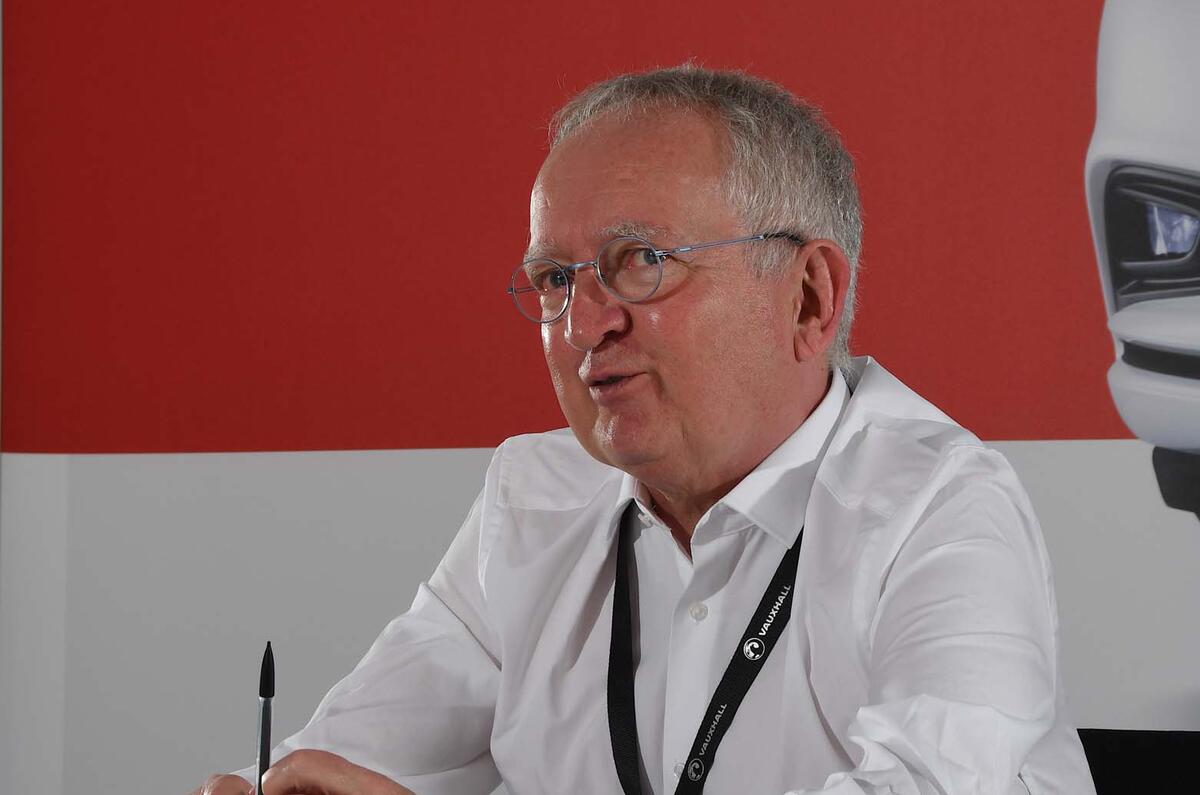









Stephen Norman, the 63-year-old car industry veteran who took charge of Vauxhall in January, is convinced that the “major highlight” of his 43-year career lies ahead.
The task that will bring the glory to Norman and his team is the rapid restoration of Vauxhall to sales success and sustainable profitability, a project that a long line of decent managers, working under Vauxhall’s previous owner, General Motors, have already proved is no pushover.
However, having spent the first few months of his tenure devising a simple but ground-shaking five-point strategy for a Vauxhall turnaround – which I am in the company’s Luton HQ to hear about – and having had his plan rubber-stamped by the big PSA bosses with a speed GM could never have managed, Norman counts his chances of success as very good. Not that odds matter “because I don’t intend to fail”.
Such bullish declarations are unheard of for recent Vauxhall bosses, weighed down by their predecessors’ lack of success, and beholden to a controlling German management itself controlled from a US ivory tower.
They have been either competent place-holders or haven’t lasted. Vauxhall has plodded on as an ‘always-there’ kind of company, selling cars with a slightly lower brand image than they deserved to a gently declining band of usual suspects.
But decision-making is different now. Norman has a lot of authority because the UK boss’s job has been redefined. But in any case, under Carlos Tavares (with whom Norman has worked for more than a decade) and German-based Opel boss Michael Lohscheller, decisions are “extremely simple and extremely rapid”.
Sporty Vauxhall GT X concept hints at firm’s design future
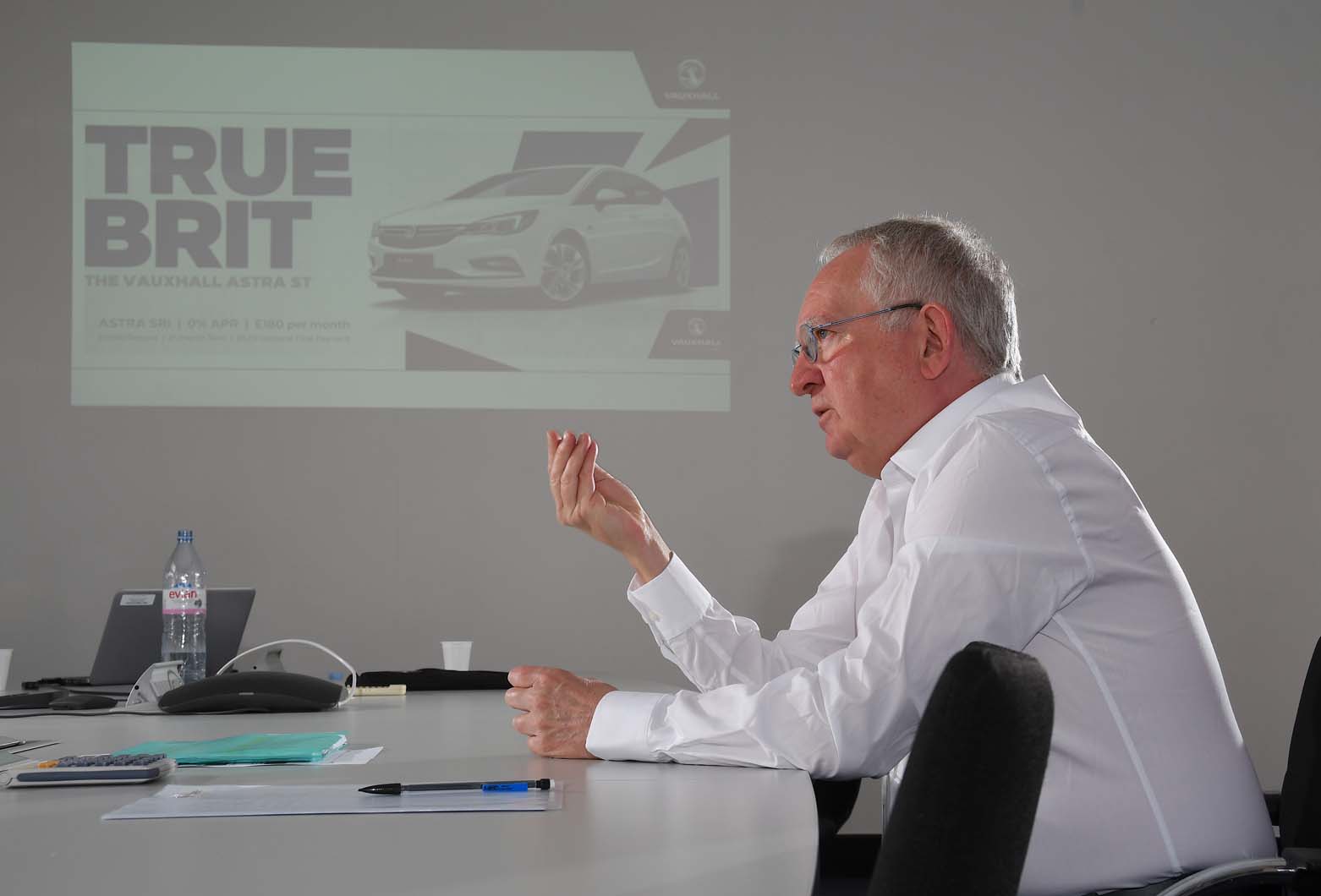
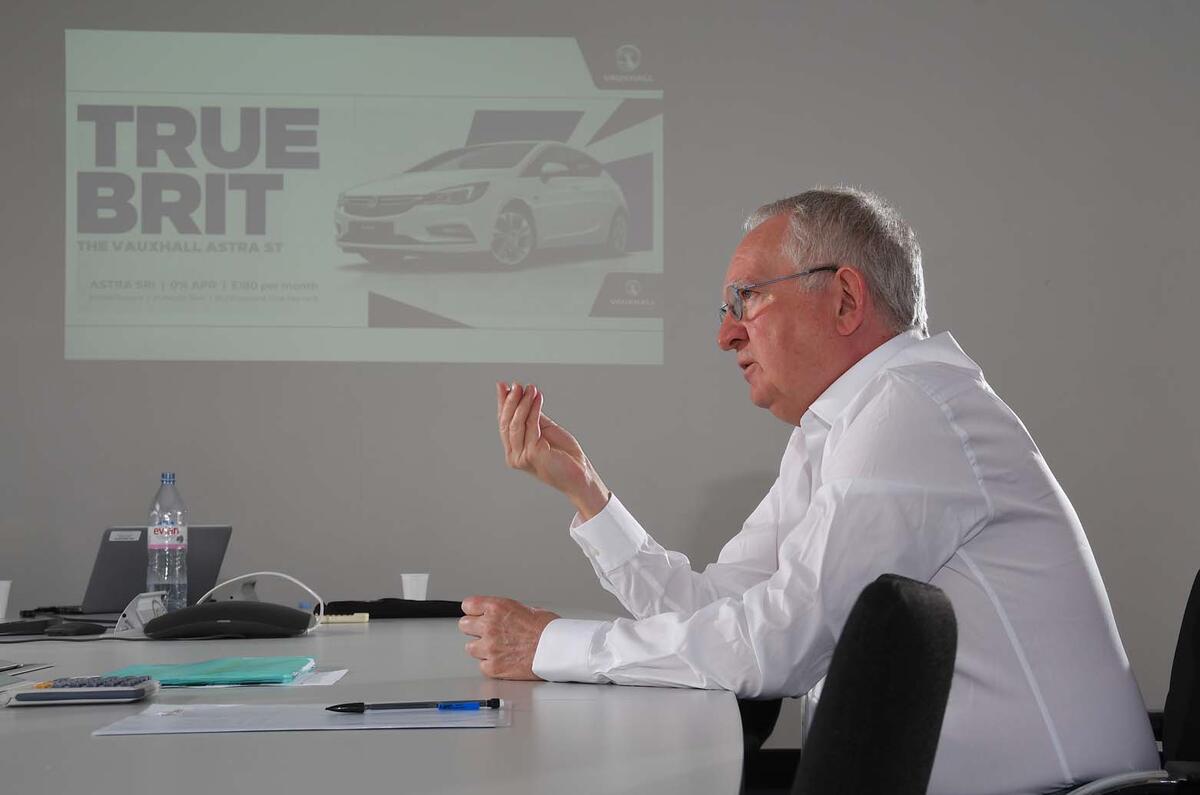
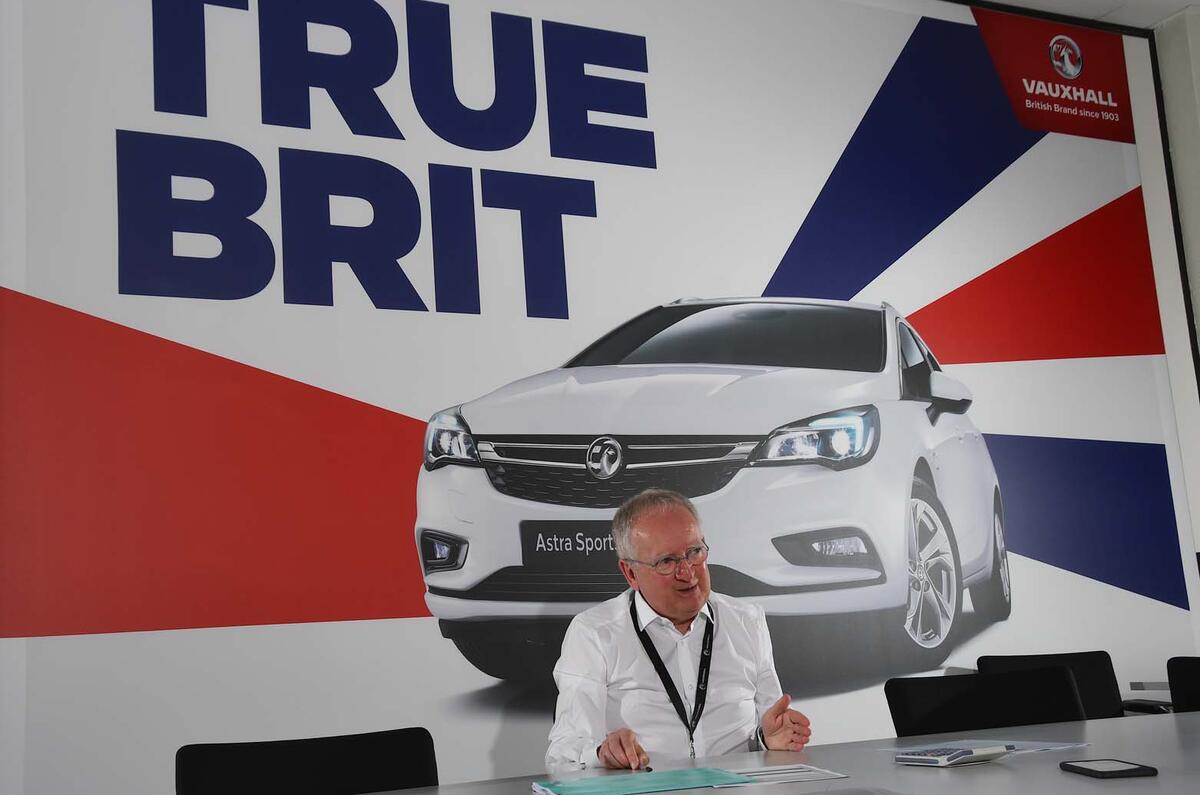
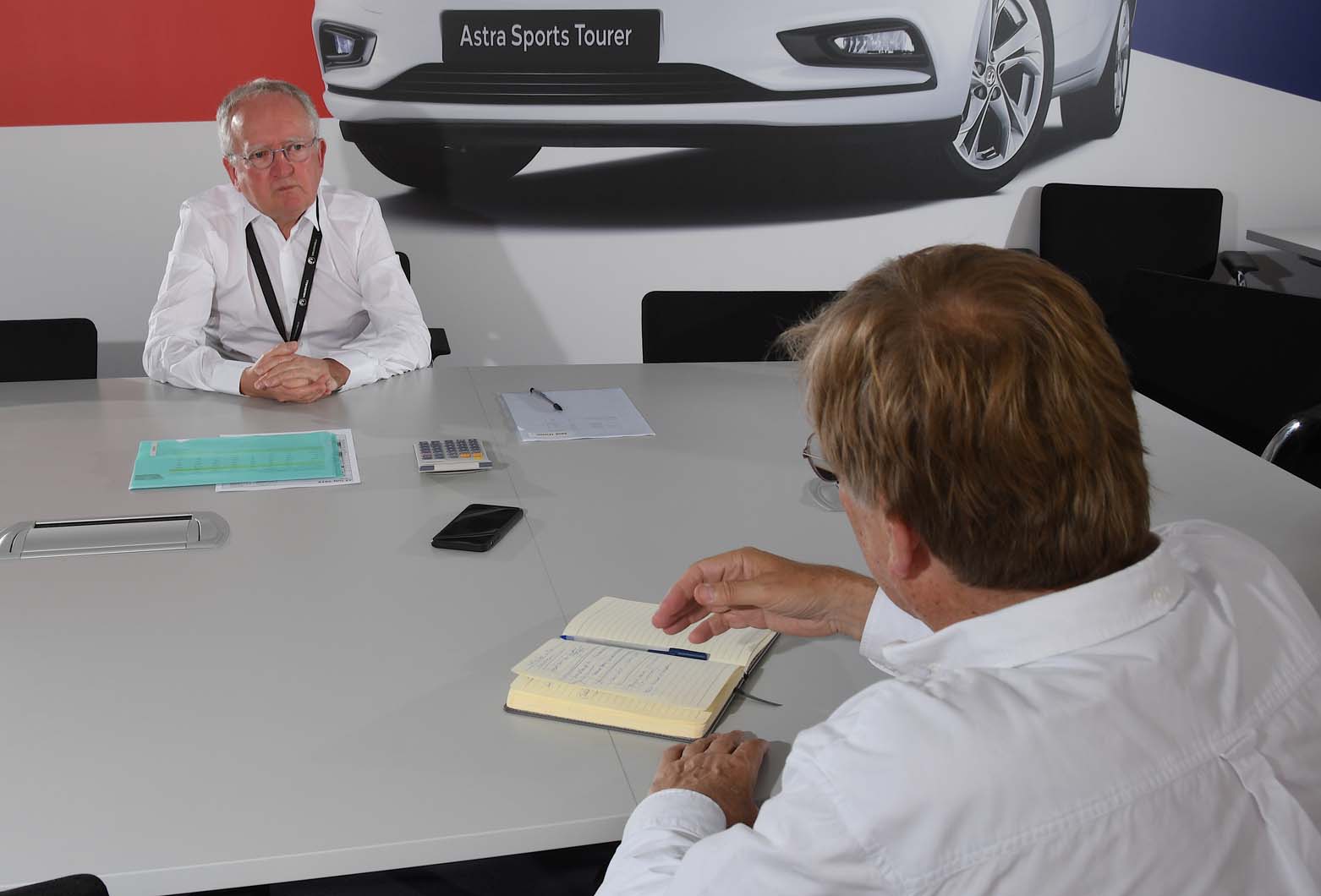
Norman readily acknowledges Vauxhall’s time in the slow lane. He’s nothing if not a realist. But when we move to a boardroom near his office – one wall covered by the simple, graphic ‘True Brit’ Vauxhall Astra ad appearing on hoardings all over the country – he begins with a short UK car market history lesson to demonstrate that Vauxhall is a far better company than many think. “I really take umbrage when people say Vauxhall is a disaster area,” he says. “It can do better, for sure, but it’s not so different now from what it always was.”
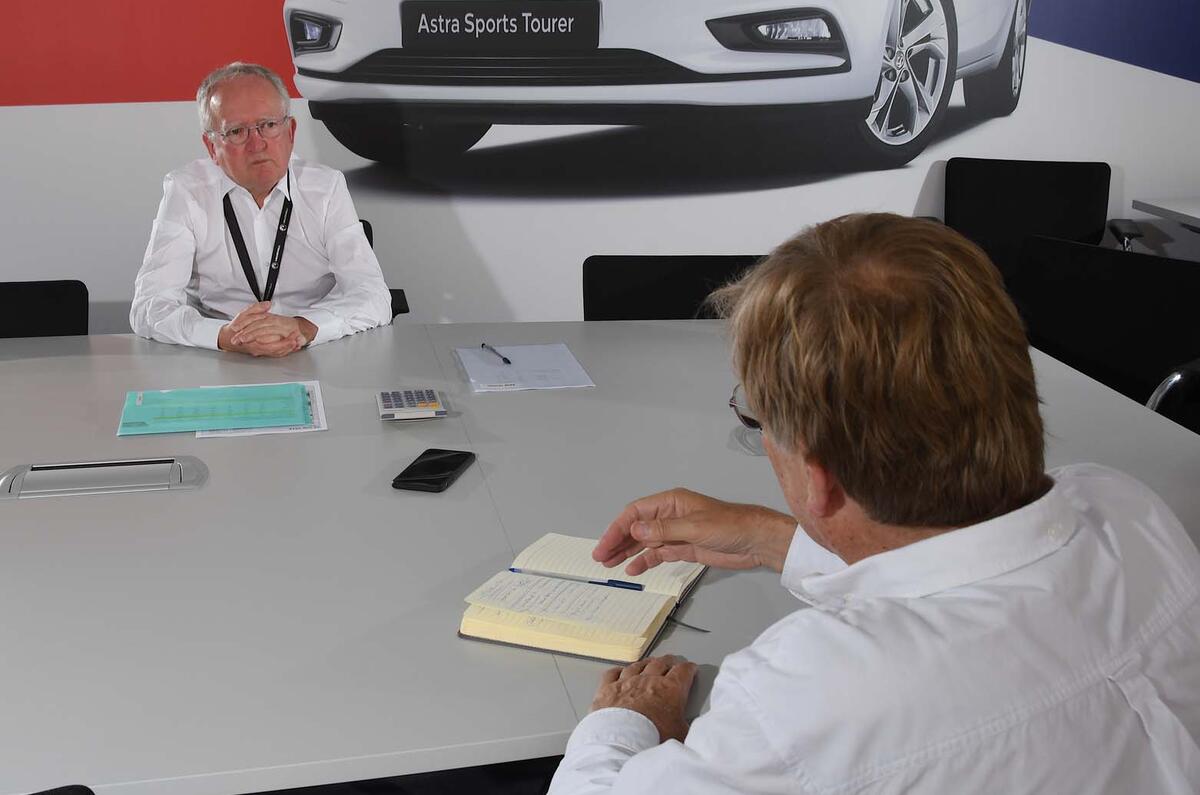
Norman produces charts to demonstrate that whereas Vauxhall (current UK market share 7.6%) was doing around 9% in the post-BL days of the early 1980s, Ford has dropped from 30% to not much more than a third of that today. Vauxhall did jump to 16% for a few years when the market suddenly saw the Cavalier as a far better bet than the Ford Sierra but, broadly speaking, Vauxhall’s fortunes have been “less irregular” than almost anyone. Premium manufacturers (whose volume has expanded from 2% to 20% in the period) are the real winners.