Fiat has bucked the industry trend towards developing hydrogen fuel-cell cars as a long-term alternative to internal combustion engines by turning its back on the technology after three generations of development.
Fiat believes that hydrogen, as the smallest and lightest atom, is too difficult to pump along pipelines across the country in the way that natural gas is distributed.
The company also believes that fuel cells are too short-lived, as hydrogen which has been reformed from fossil fuels still contains small amounts of carbon monoxide which slowly poison the platinum catalysts.
Fiat also says the technology offers no huge efficiency gains over a diesel engine when the energy used to reform hydrogen is taken into account.
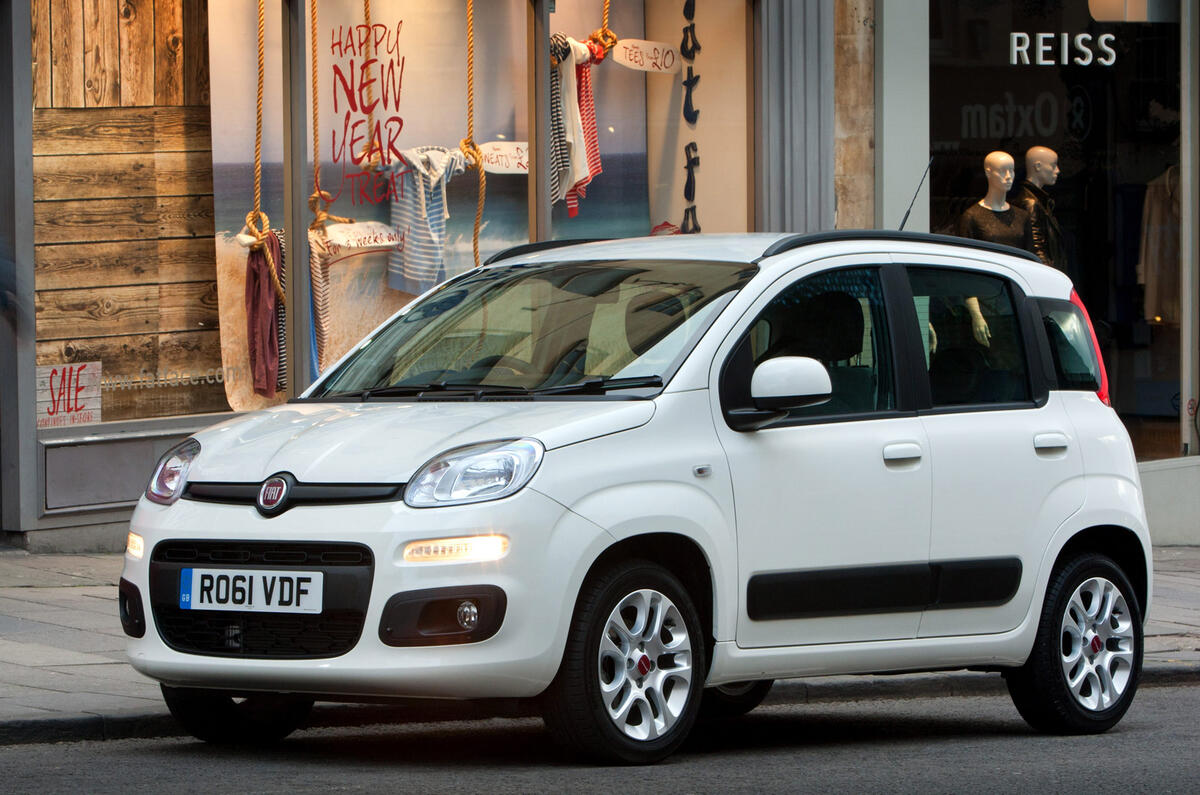
Fiat’s preference in the short term is for compressed natural gas (CNG). Fiat says its CNG Fiat Panda (which emits 86g/km of CO2) is not only better for air quality than a diesel-powered car, but also better than petrol cars.
With home converters, which would allow owners to fill up with CNG from their domestic supply (already a reality for some US homes), it would be a convenient, cheap and relatively clean fuel.
In the longer term, Fiat wants to see electric vehicles charged wirelessly on the move using a current set into the road - an idea similar to the inductive charging already demonstrated in the UK by Qualcomm Halo.
Batteries would then only need a range of about 20 miles to get from one charged road to the next. Fiat reckons the cost for a country the size of Italy or the UK would be about £50 billion. This compares to the estimated £33 billion cost of the new high-speed rail link from London to Birmingham.
However, hydrogen still has many supporters, Hyundai and Kia among them. Korea produces enough hydrogen as a by-product of other chemical processes to drive 240,000 genuinely green cars (there are 31 million cars on UK roads). While admitting that reformed hydrogen still produces CO2, Hyundai and Kia say the overall CO2 impact is lower than that of a conventional engine.