
There was a misconception - and I think they unwittingly or not contributed to it - that Jaguar's bosses weren't interested in its past.
The messaging was all new new new; the design chief's line was that Jaguar had "no brand equity"; the old shapes had gone; the old logos had gone; car production was stopping. Everything old had been cast aside in a frenzy of a pastel moonscape future.
The truth of it, at least from the perspective of Jaguar's engineers, was rather different. They understood that things needed to change (had the company been selling 100,000 or more cars a year, they might not have done), but their preparation work on this, a new electric luxury Jaguar, didn't involve abandoning everything that had come before.
By the time we had seen the adverts, the new car's final design had already been picked. From some 17 different full-size clay model options, the bosses had chosen this one. (Whether you would prefer to alternatively end that previous sentence with a question mark and/or an exclamation mark is entirely up to you.)
The task from that point was to decide on the car's character and to help shape that, senior designers and engineers pulled an array of previous Jaguars from their collections and from the Jaguar Daimler Heritage Trust and spent days poring over their details, their characters and, just as importantly, their dynamics, as they set out to define how exactly a modern Jaguar should drive.
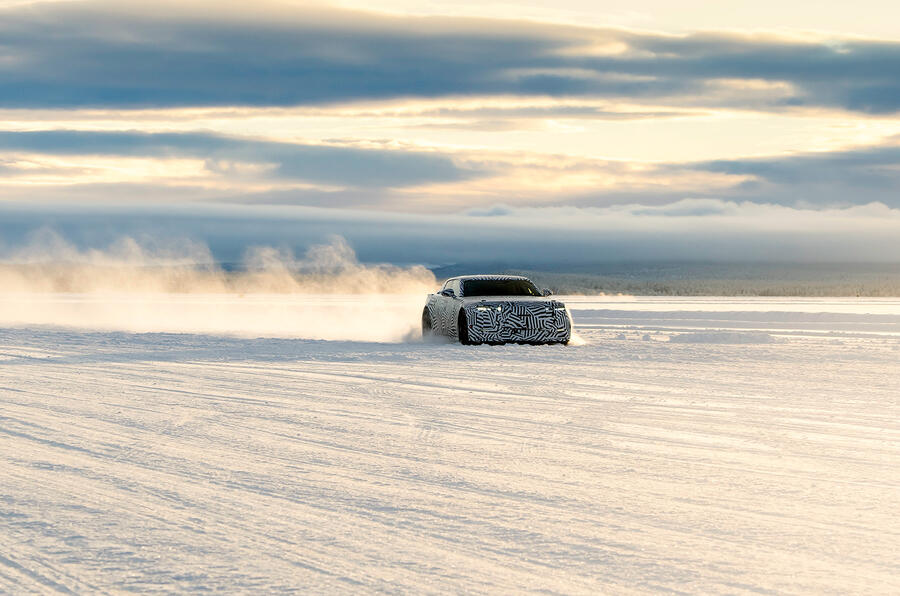
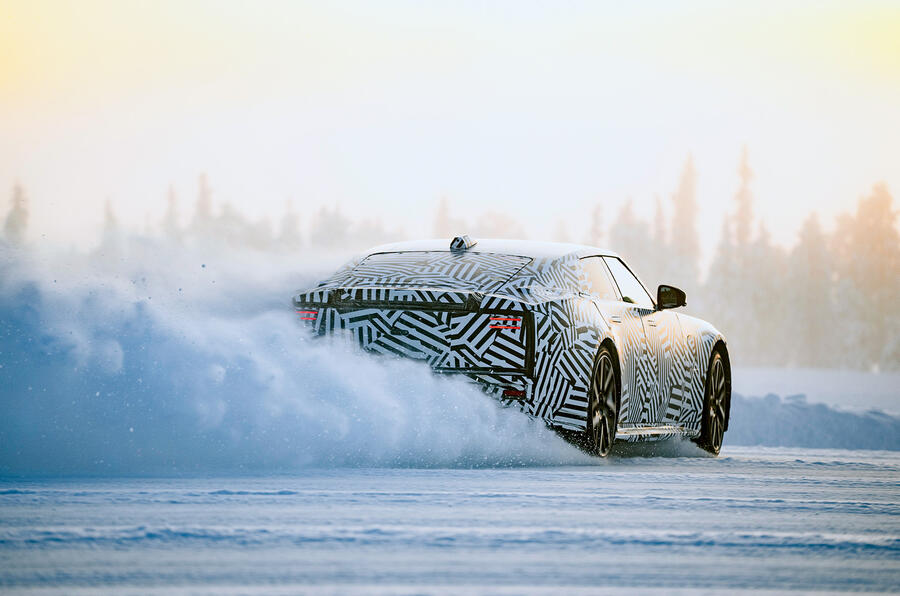
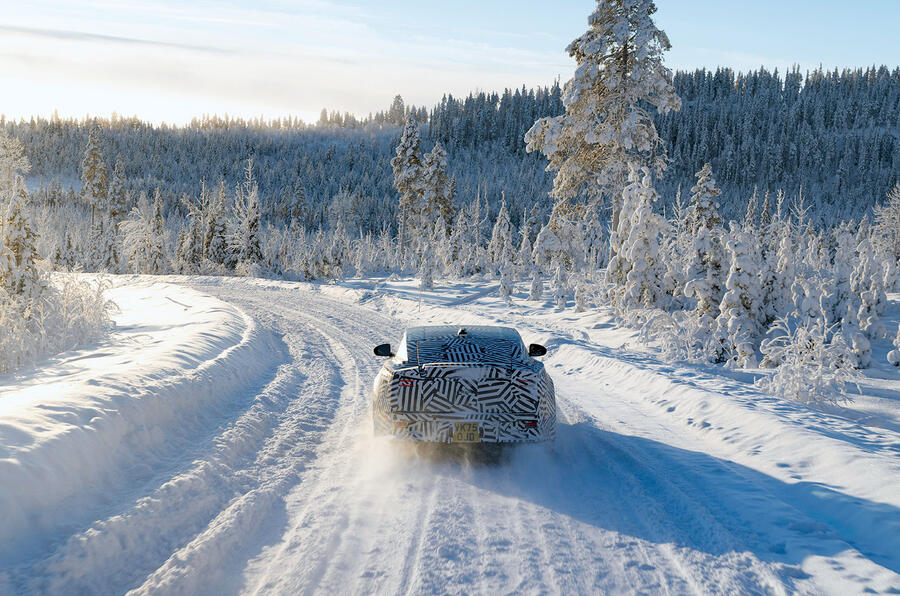
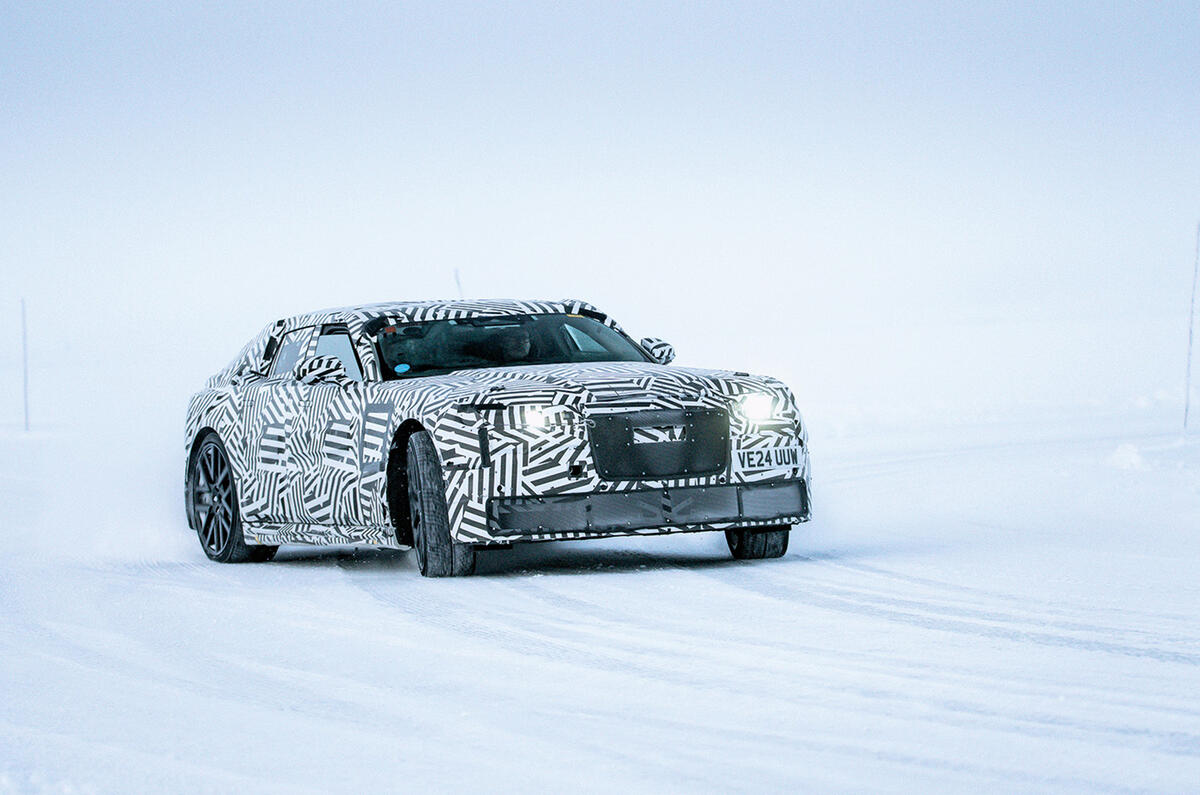
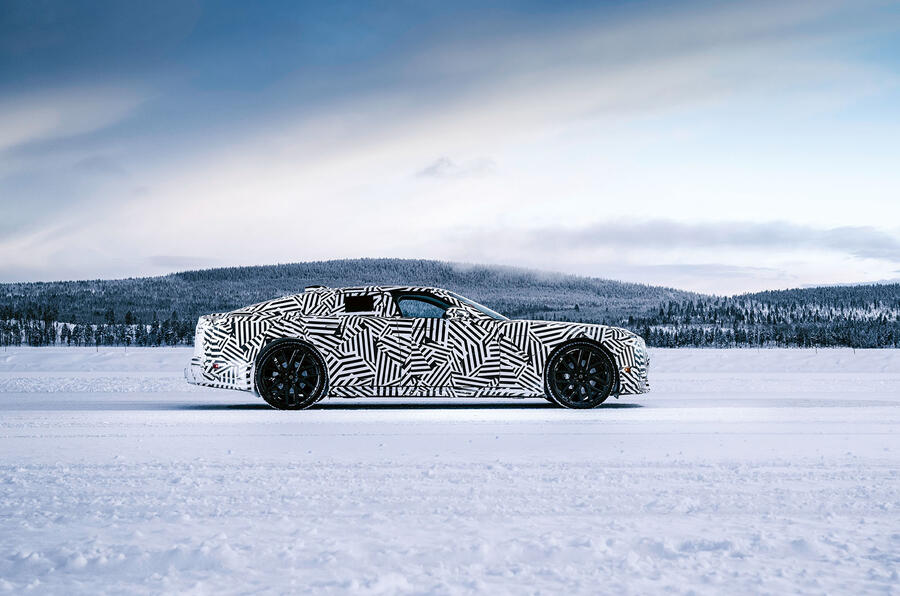
Which brings us now to Revi in northern Sweden, 60 miles shy of the Arctic Circle, and to the million square metres of frozen lake where JLR conducts its winter testing. A small number of the 150 Jaguar prototypes (it's still officially unnamed, so let's go with Type 00, the name of the concept) are here now, alongside various Land Rovers and 80-90 JLR engineers.
The British company has been coming to this area near Arjeplog for more than 40 years, like the rest of the European car industry and more besides, because of the consistent conditions for making sure that things work as they should. Unlike my nose hairs, which, rather unsettlingly, have frozen in the -15deg C weather.
Jaguar's people introduce the car to us with lots of use of the word 'about' – approximations of numbers that will be confirmed later. We won't see the finished Type 00 until late summer, you won't be able to order one until the autumn and it won't reach people's driveways until next spring.
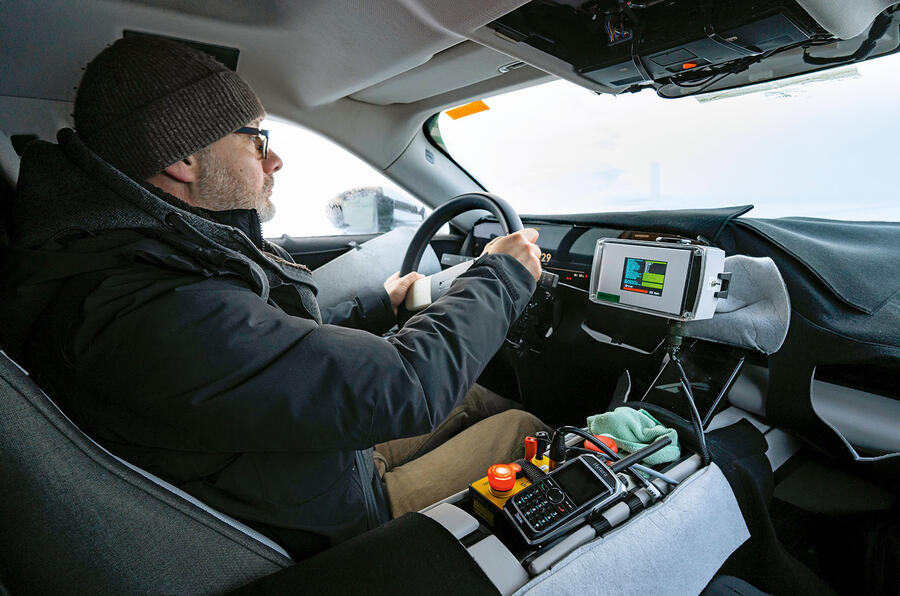
But there are new things we will find out now. Including what it's like to drive – in these conditions, at least.