
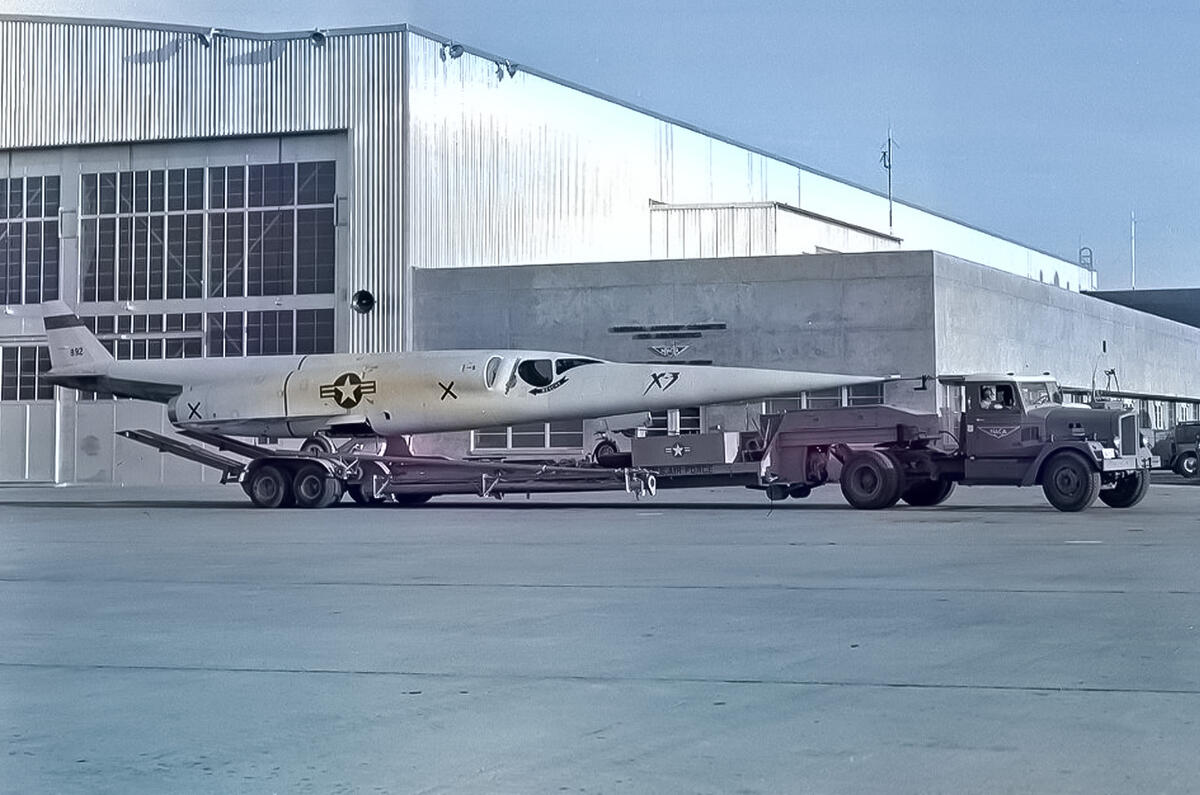

These are an ongoing series of extraordinary aircraft existing at the extreme cutting edge of technology.
The “X-planes” are radical, often bizarre, machines that push the boundaries of what is possible to an astonishing degree, sometimes at the cost of test pilots’ lives.
We have chosen a diverse bunch of these exciting aircraft (some excellent and some terrible) to illustrate the incredible achievements of these remarkable aircraft. The order and selection are somewhat arbitrary, but we had to start somewhere…
10: Boeing X-32
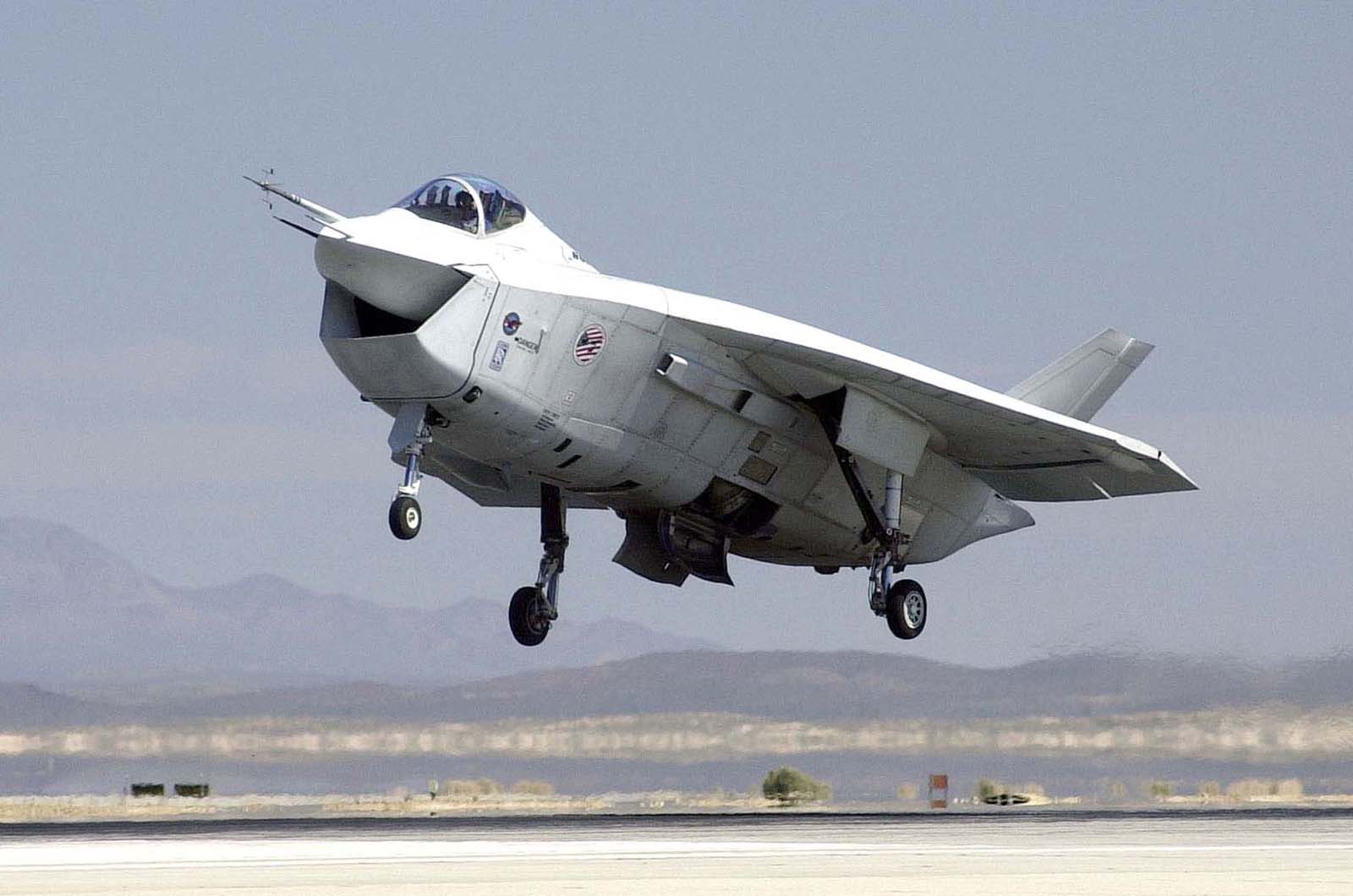
Few, if any other experimental aircraft have become a popular meme, but the X-32’s air intake’s resemblance to a cheerful grin has earned the Boeing X-32 a surprise cult appeal that far outlives its flying career of 2000-2001. The X-32 was built as a concept demonstrator aircraft for the programme that eventually led to today’s Lockheed Martin F-35 Lightning II.
One of the hardest tasks the X-32 B-variant had to attempt was vertical take-off and landing. Whereas the rival X-35 used vectored thrust and a lift fan, the X-32 came with a different solution: the main exhaust vectored thrust was combined with two lift nozzles in the fuselage.
10: Boeing X-32
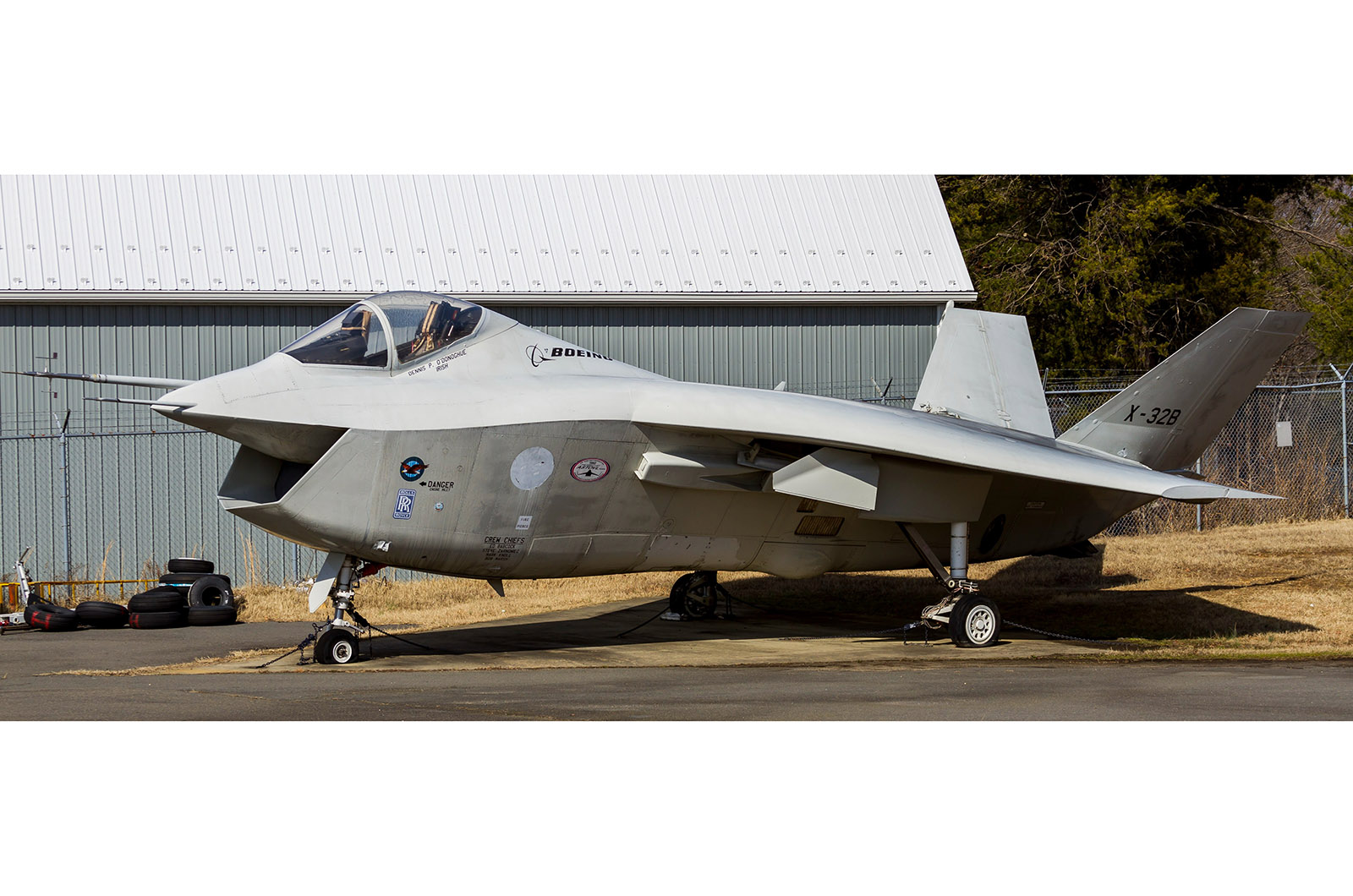
The X-32 proved a troubled design. The basic configuration was different to what a notional F-32 would be, which did not impress the Department of Defense. The aircraft was also overweight and underpowered, and vertical take-off required the prior removal of a section of the aircraft.
The rival Lockheed Martin X-35 was selected, leading to the F-35 Lighting II in service today. Though unsuccessful, the Boeing X-32 was a charismatic and intriguing design that offered a very different approach to the creation of a supersonic stealthy fighter bomber with a Short Take-Off Vertical Landing (STOVL).
9: Grumman X-29
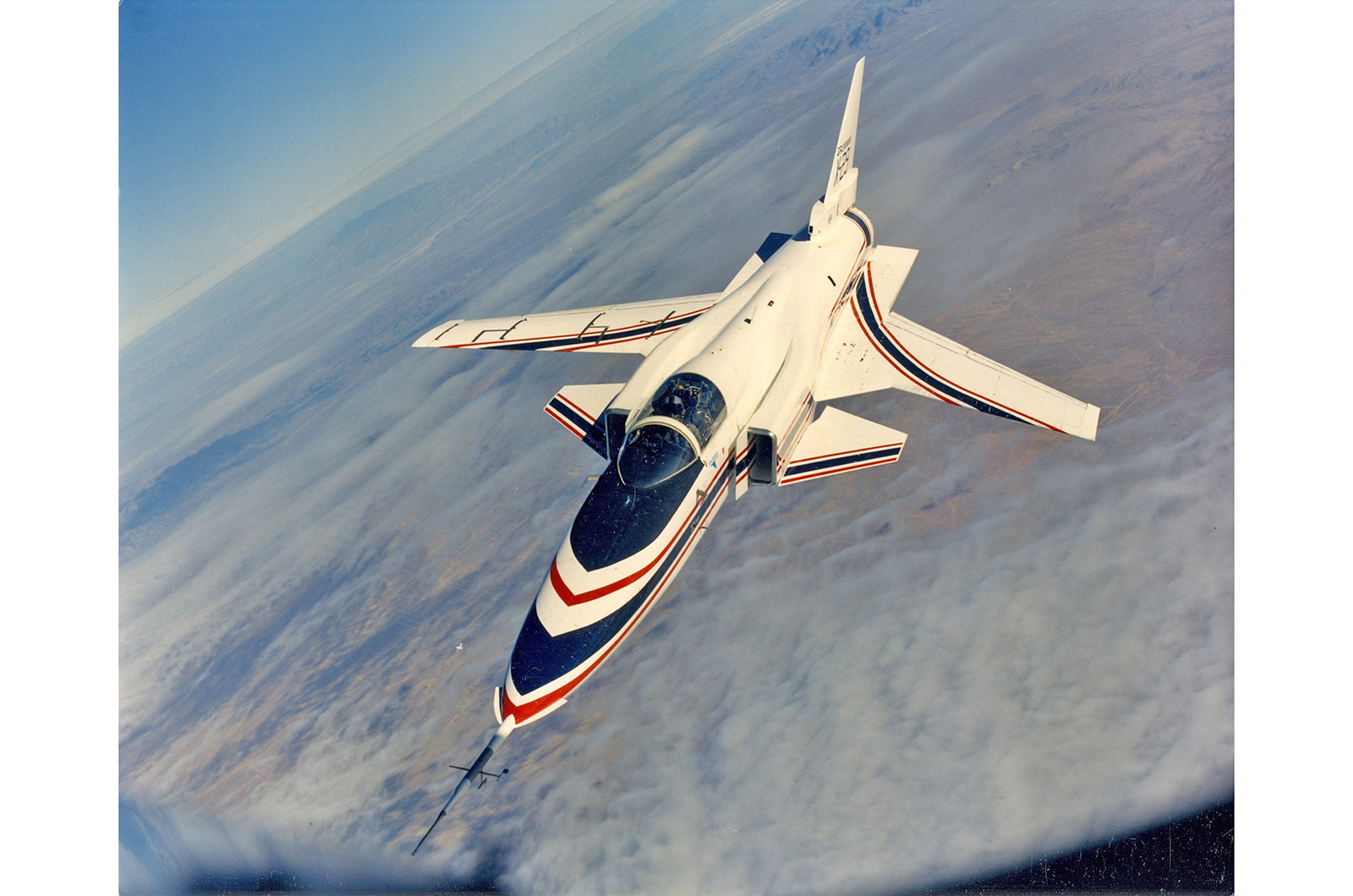
Today, almost every aircraft that travels faster than 500 mph has a swept-back or delta wing. However, this isn’t the only solution to high-speed flight: the swept forward wing offers several advantages (for the same given wing area), among them a higher lift-to-drag ratio, better agility, higher range at subsonic speed, improved stability at high angles of attack, and a shorter take-off and landing distance.
In 1977, Thanks to the advent of stronger materials, the US Defense Advanced Research Projects Agency (DARPA) returned to this promising idea, and along with the U.S. Air Force Flight Dynamics Laboratory issued proposals for a research aircraft designed to explore the forward-swept wing concept.
9: Grumman X-29
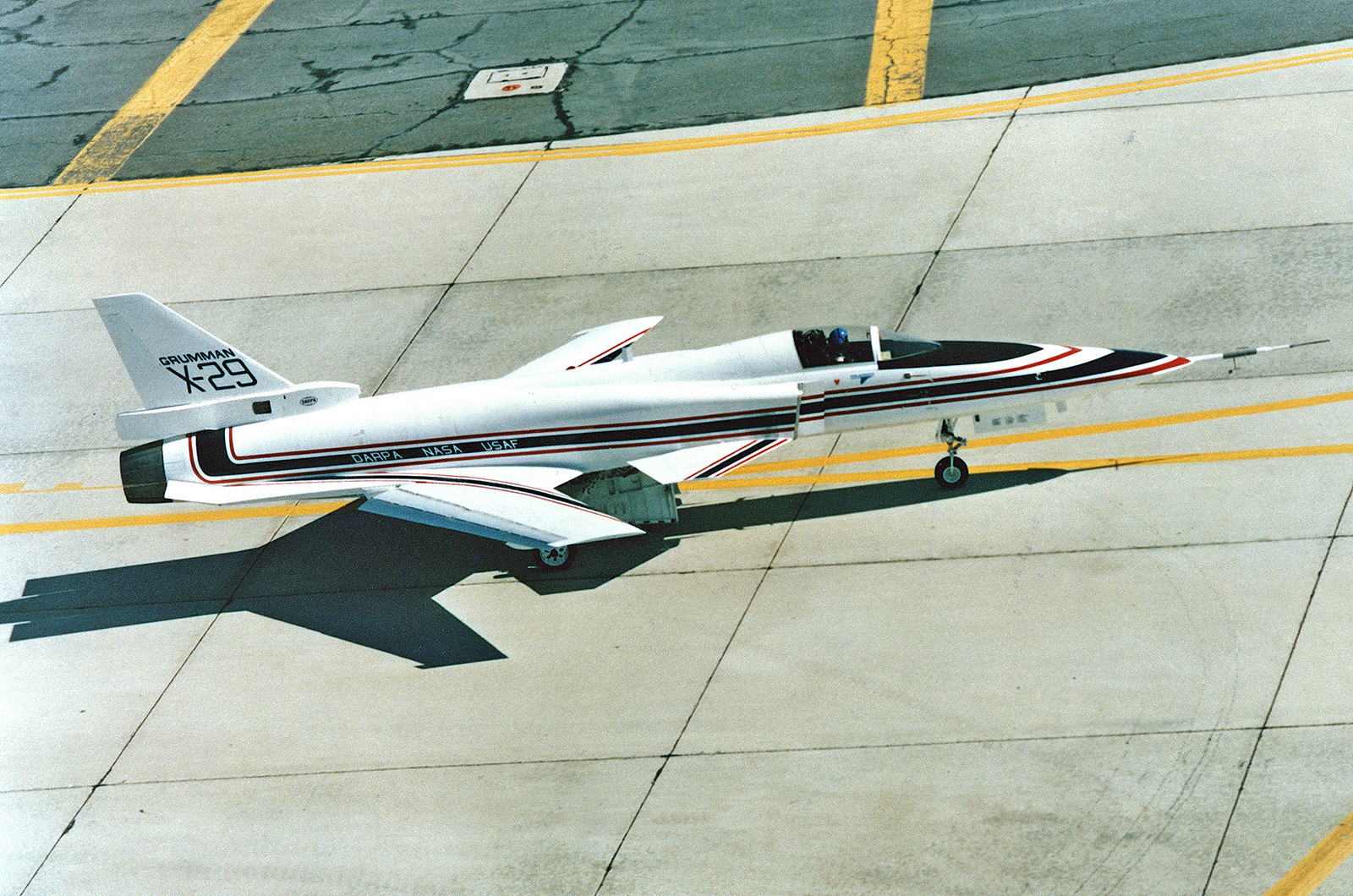
To save time and money, the Grumman company proposed an X-29 which upcycled many parts from other existing aircraft, and it defeated a rival bid from General Dynamics with a modified F-16. The two X-29 aircraft were flown at NASA Ames-Dryden Flight Research Facility at Edwards Air Force Base, California, from 1984 to 1992.
The forward-swept wings were mounted well back, with canards (horizontal stabilizers to control pitch) in front of the wings. The X-29 demonstrated dazzling manoeuvrability, supersonic performance and an impressively light structure. Air moving over the forward-swept flows inward toward the root of the wing instead of outward (as on a conventional aircraft). This reverse airflow kept the wing tips and their ailerons from stalling at high angles.









Add your comment