

Many know the Spitfire, Hurricane, Lancaster, and Mosquito as the ‘A-listers’ of British aircraft of the Second World War.
However, many are unaware of the B-, C-, and dare I say, even D-list aircraft seriously worthy of attention. Aircraft enthusiasts and historians can take pride in seeing how many they already know. Here are 10 British Aircraft from the second world war that deserve to be much better known:
10: Westland Whirlwind
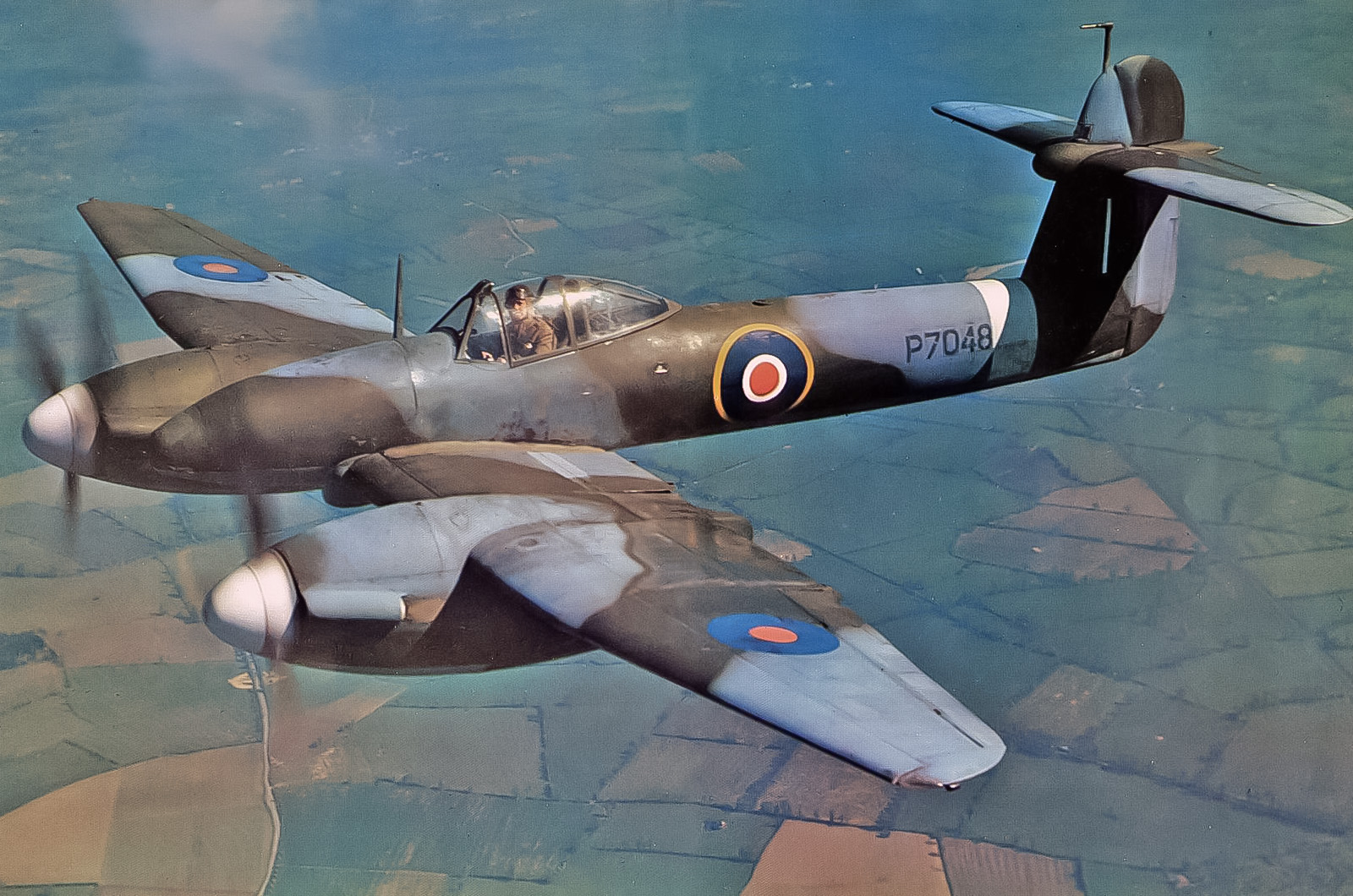
The sleek Westland Whirlwind, the fastest and heaviest-armed fighter at its inception, was a British twin-engine design that fought during the war. Technologically advanced and formidable, the only thing it lacked was good timing. It was only built in small numbers, but had fate been different, it could have been a decisive weapon.
It featured a wealth of advanced features, including a retractable tailwheel, tail acorn, Fowler flaps, slab sides, a bubble canopy, wing slats, leading-edge inlets, automatic cannon and a monocoque fuselage. Unfortunately, in a time when aero engines were in great demand, it had both too many (two) and the wrong type (Peregrines).
10: Westland Whirlwind
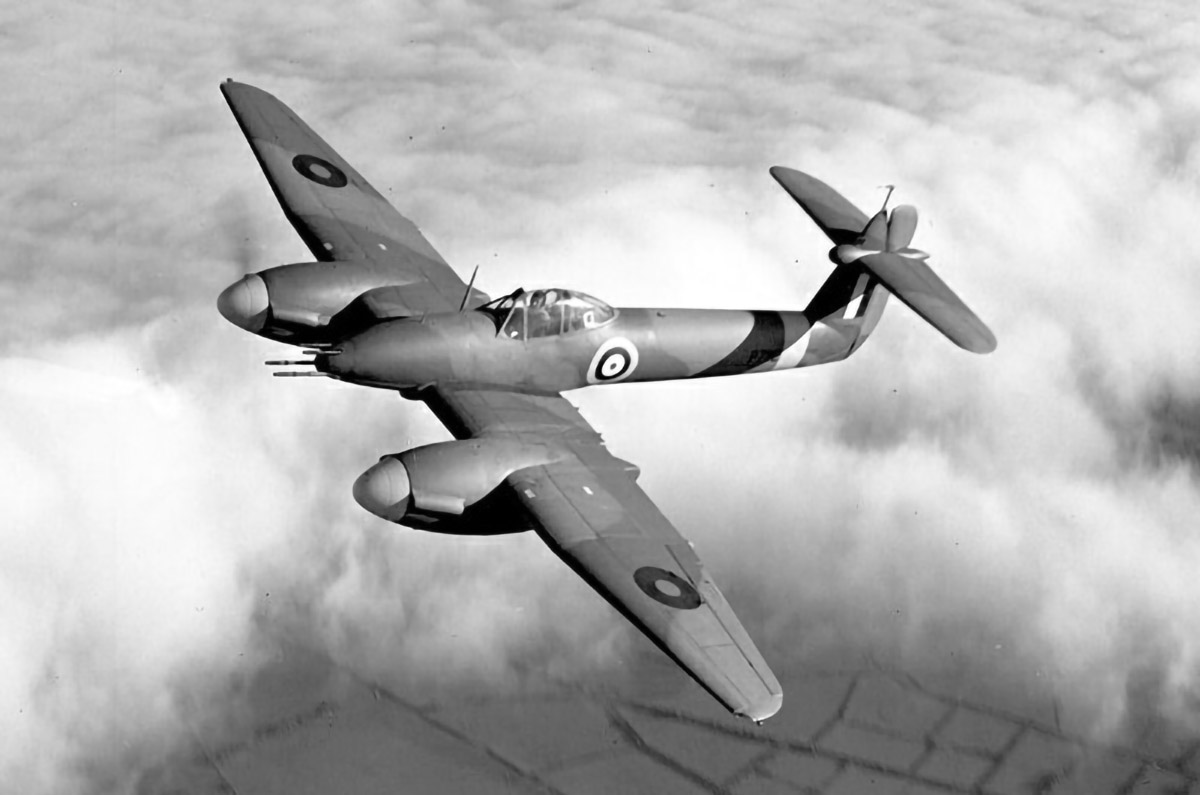
Though the Peregrine engine is often blamed for the Whirlwind’s less than stellar higher-altitude performance, more recent research points the finger of blame at the propellers. Writer Matt Bearman pointed out recently, “As the Whirlwind climbed, it started to experience shockwaves on the blades.”
“The higher it went, the draggier things got for the propeller. The constant speed unit, oblivious to the real cause of the drag, simply fined the blades in response, keeping up the revs. It wouldn’t stop until it had passed through a negative incidence, producing no thrust whatsoever.” Further development could have perfected the Whirlwind, but industrial efforts were devoted to proven Merlin-powered aeroplanes (and yes, a Merlin Whirlwind was considered).
9: Supermarine Walrus
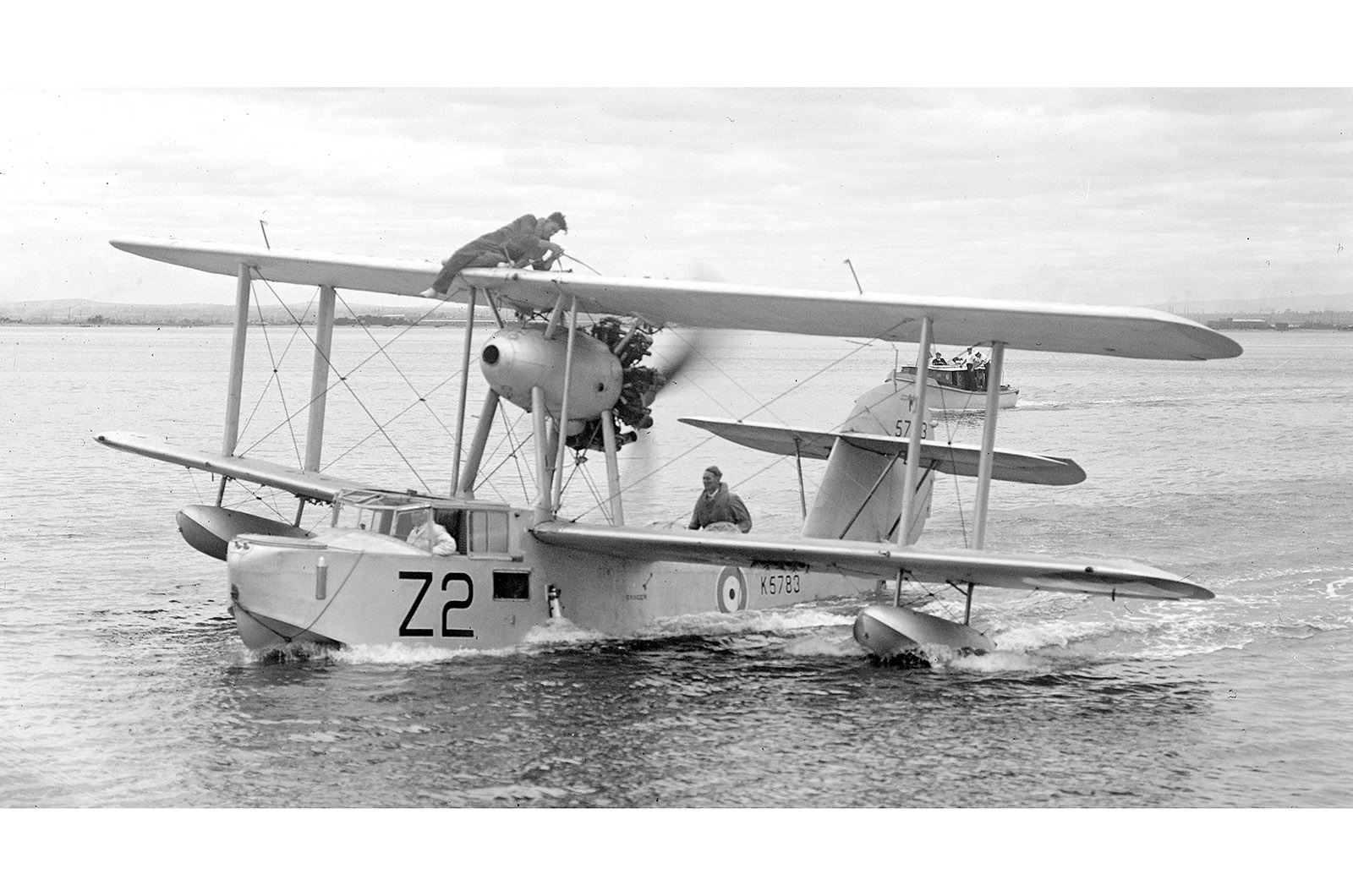
As the Walrus was an amphibious flying boat intended for catapult launch from battleships, designer RJ Mitchell built it like one. The Walrus was astonishingly robust, a fact demonstrated in several wheel-up landings. These incidents were learned from, and the Walrus became one of the first aircraft to have an automatic undercarriage position indicator (a horn would also sound should a pilot fail to notice).
As Jane Morton noted, “The Walrus doesn’t look like air is its natural element. It’s an amphibian, but even the wheels look like an afterthought. Is that surprising? It has a bilge pump, it carries an anchor. From its looks, you’d say its designer Reginald Mitchell spent his holidays on the Norfolk Broads and was inspired to graft bi-plane wings...onto a cabin cruiser.”
9: Supermarine Walrus
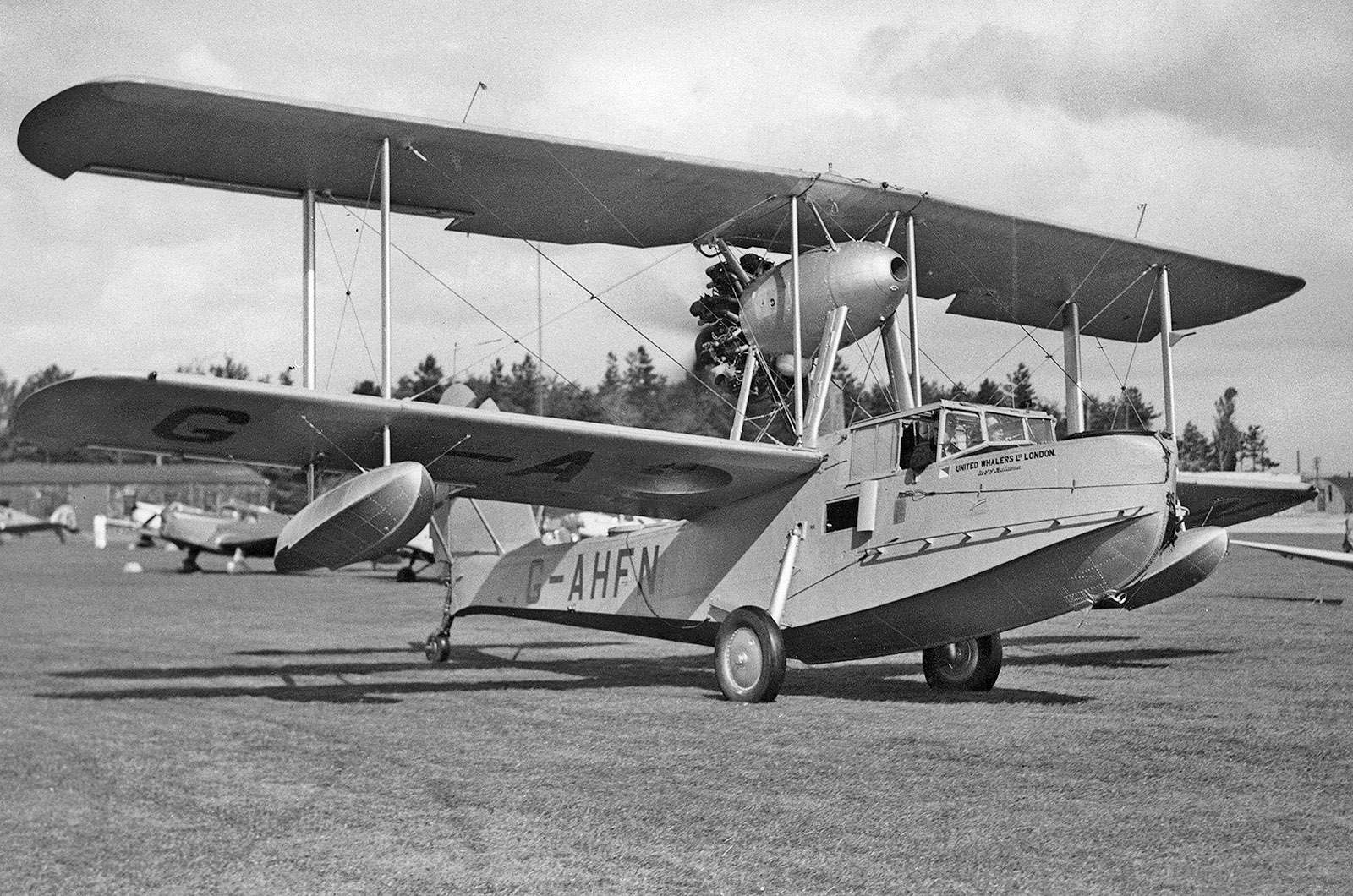
It did vital work in the roles of fleet gunnery spotting and observation. After catapult launch it was recovered from the water by crane. The small bomb load proved enough to sink a U-boat. But just as the Walrus was not quite a pure aeroplane, it was not quite a warrior. When the better, faster and meaner came along, it was given over to air-sea rescue. It found its true calling in saving, not killing.
For the half-drowned, who know hypothermia isn’t far off, it meant a blanket, a thermos of hot tea laced with rum, it was life. And when the weight of ten Americans from a ditched B-17 couldn’t be flown, the pilot just pointed the bow towards England, and taxied home by water. Not bad for an aircraft that can be looped.




Add your comment