
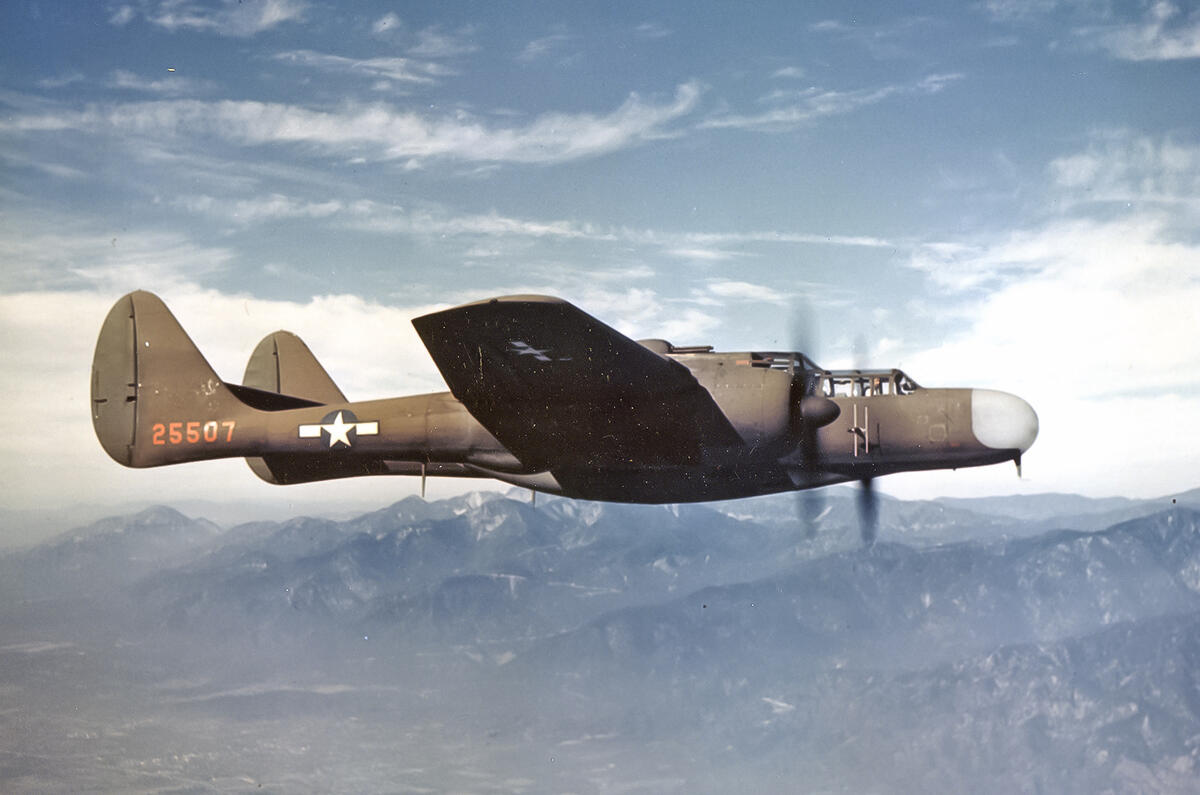

In the First World War, fighter aircraft typically had only two light machine guns.
By the Second World War, the firepower available to combat aircraft had increased dramatically. An arsenal of massive cannons firing explosive shells, combined with multiple heavy machine guns and a vast supply of ammunition, made some combat aircraft high-speed flying ‘battleships’. Here are 10 aircraft with insane firepower:
10: Messerschmitt Me 262
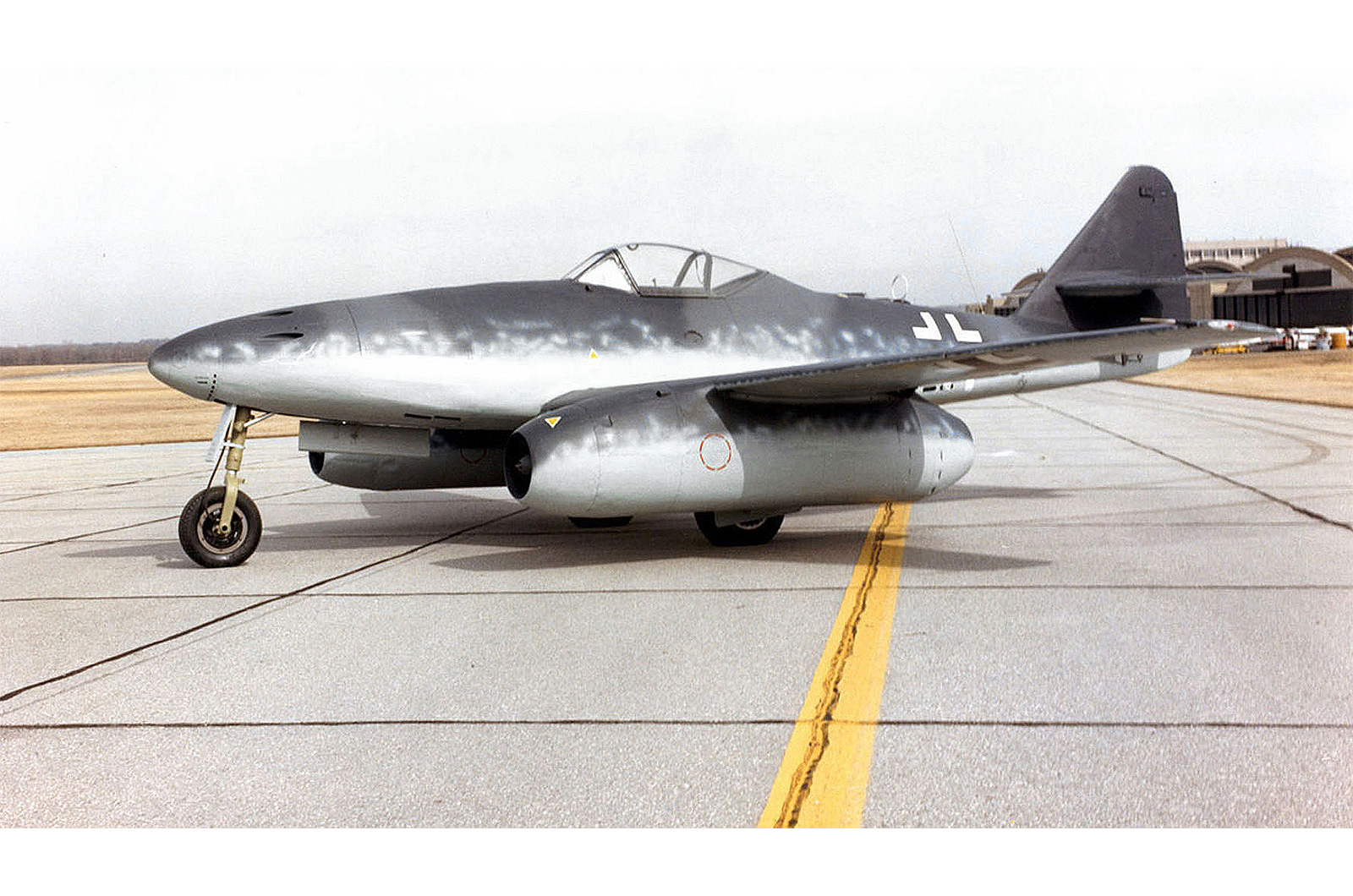
Though famous for being the first jet-powered aircraft to see combat, it wasn’t just the engines and speed that made the Messerschmitt 262 so formidable; its firepower, optimised for bomber destruction, was hefty, consisting of four 30-mm cannon firing explosive rounds at an extremely high rate.
A conventionally armed 262 with its four 30-mm cannon might have found an honorary mention in the flying artillery hall of fame. Still, a 50-mm gun in that shark-like nose guarantees a place. The Mauser MK 214A was a 50 mm (1.969 in) calibre autocannon designed for use on Messerschmitt Me 262 and Me 410s.
Fortunately for Allied bomber crews, the entire 262 programme, including two versions earmarked for either a Mauser or Rheinmetall 50-mm autocannon, was hamstrung by administrative stupidity, technical headaches, and Hitler’s absurd notion that it should be a bomber, not a fighter. Had the gun seen widespread operational use, it could have been disastrous for Allied bombers.
One to three 50-mm rounds were calculated to be enough to destroy a B-24 or B-17. Extra points are awarded for its intimidating appearance. With a top speed of 578 mph, the Me 262 was astonishingly fast and a serious threat to Allied aircraft.
9: Boeing YB-40
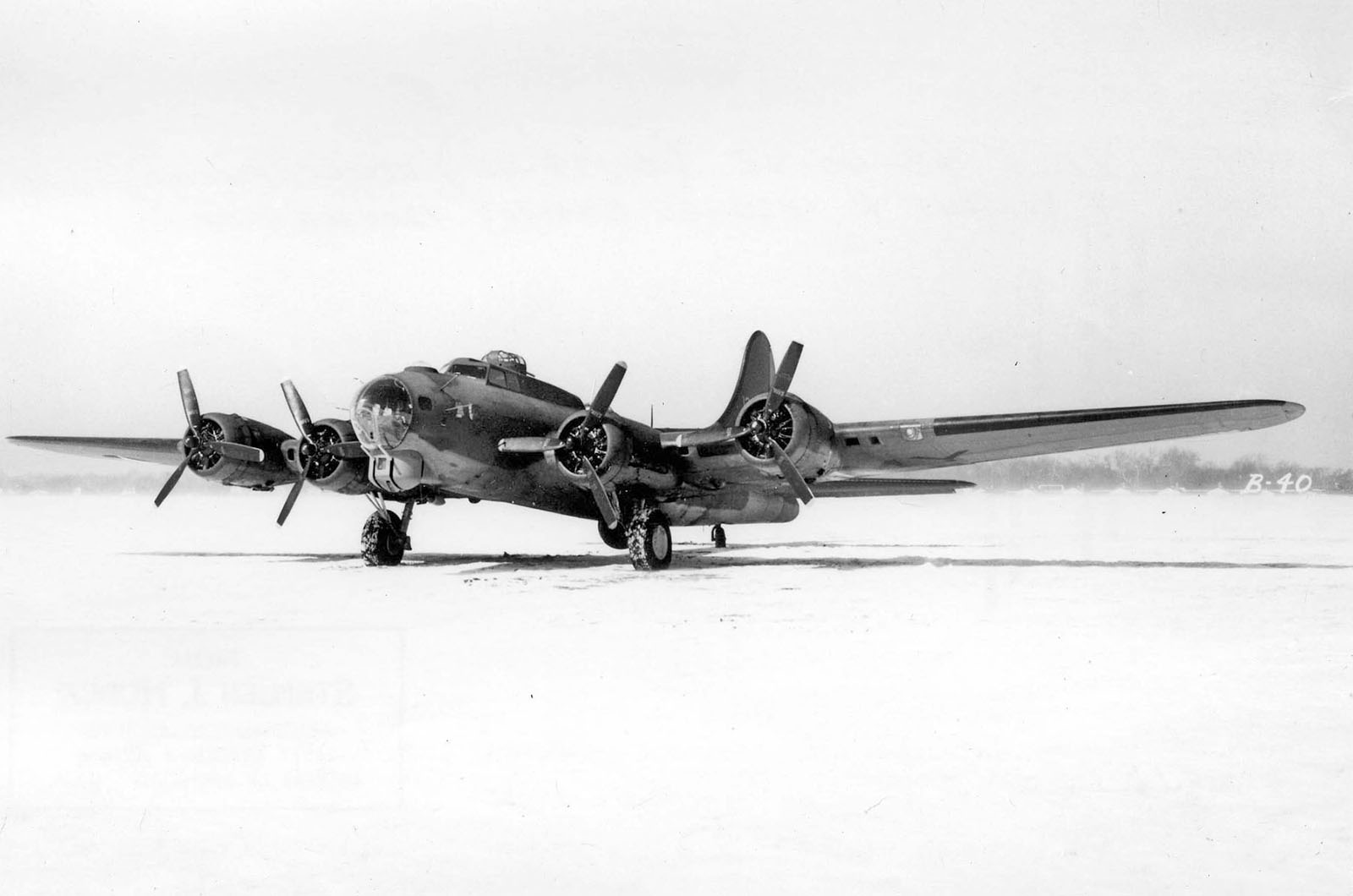
This aircraft is a fighter of sorts, but, as you have no doubt spotted, it is also a B-17. In 1942, the US Eighth Air Force considered creating an effective escort by mounting a massive number of guns on a bomb-free Flying Fortress.
No aircraft has ever flown with such a formidable machine-gun-based defensive armament. Unfortunately, this made the aircraft so draggy and heavy that it couldn’t keep up with the bombers it was supposed to protect. Making the whole exercise rather pointless.
In a totally irrelevant but oddly satisfying aside, the YB-40 appeared in an Oscar-winning film – two of them appear in William Wyler’s The Best Years of Our Lives, which won nine Academy awards in 1947. The YB-40’s film career was notably more successful than its operational one, but did not save it from the scrapman’s torch.




Add your comment