
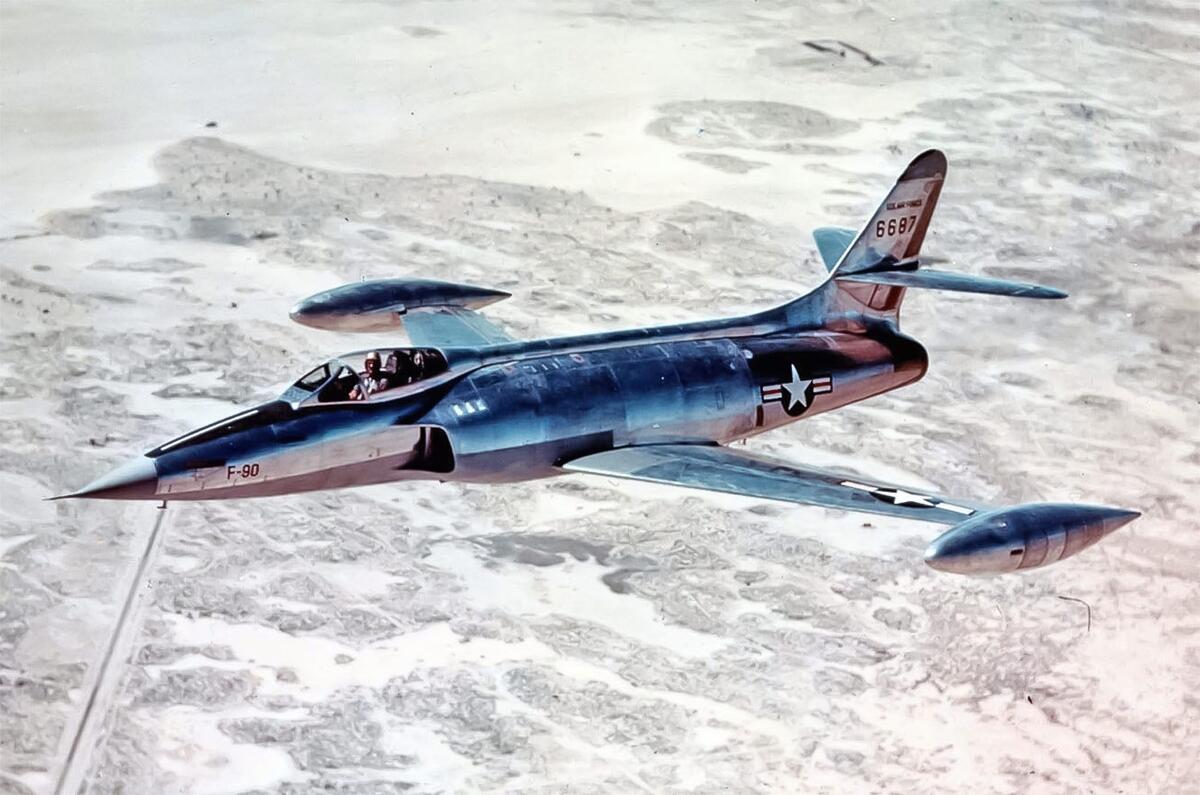

Since the early 1940s, the United States has created some of the most capable fighter aircraft in the world.
But the road to designing, creating and then selling something as technologically demanding as a fighter is not an easy one, and many – often brilliant – aeroplanes fell by the wayside.
Here are ten of the most charismatic fighter aircraft never to make it to widespread service. Some featured innovative thinking that was just a little too ahead of its time, some were the wrong idea, and some were just plain unlucky, regardless they are fascinating aeroplanes that tell a great deal about engineering history.
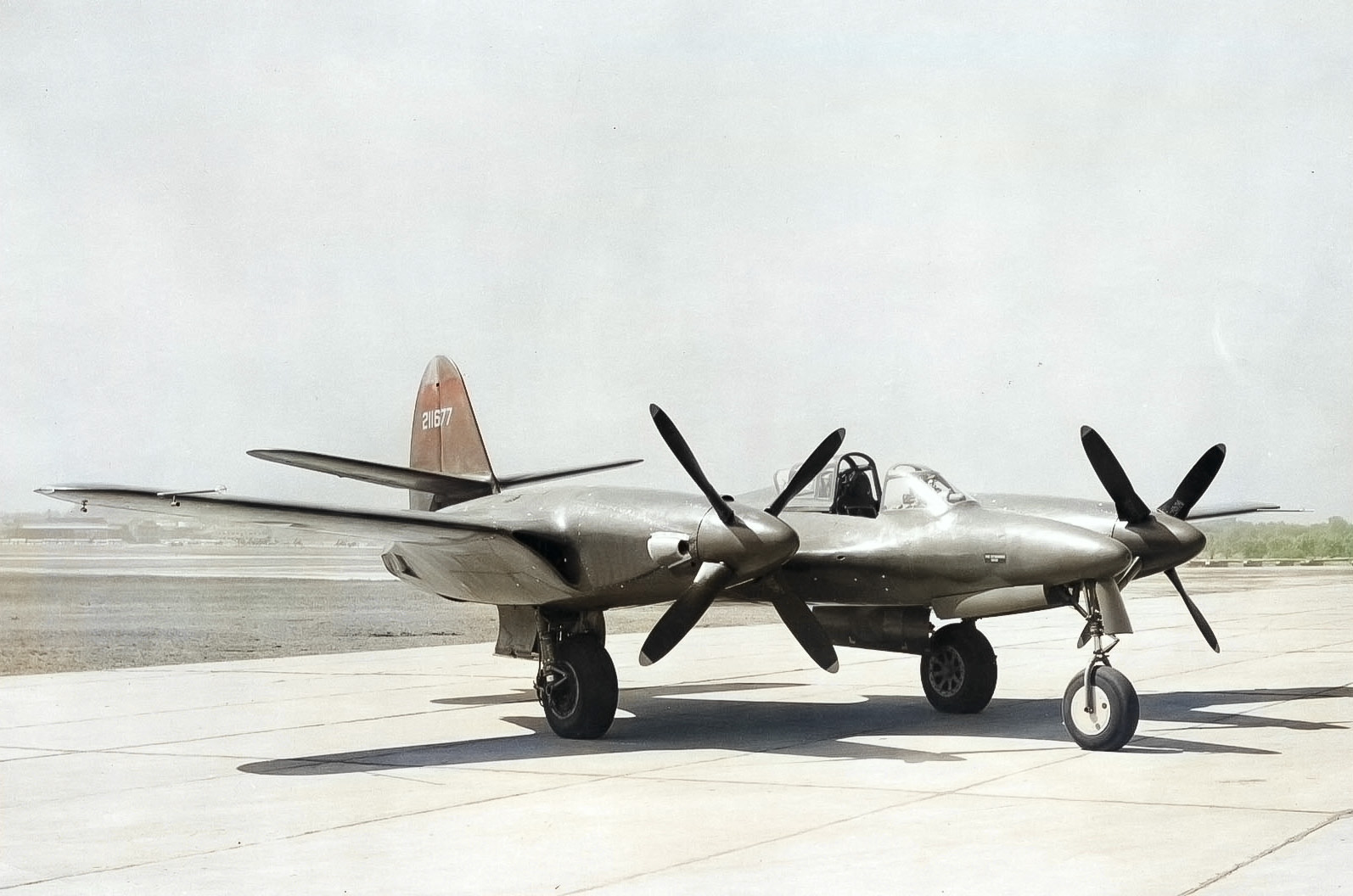
10: Grumman (G-34) XF5F-1 Skyrocket
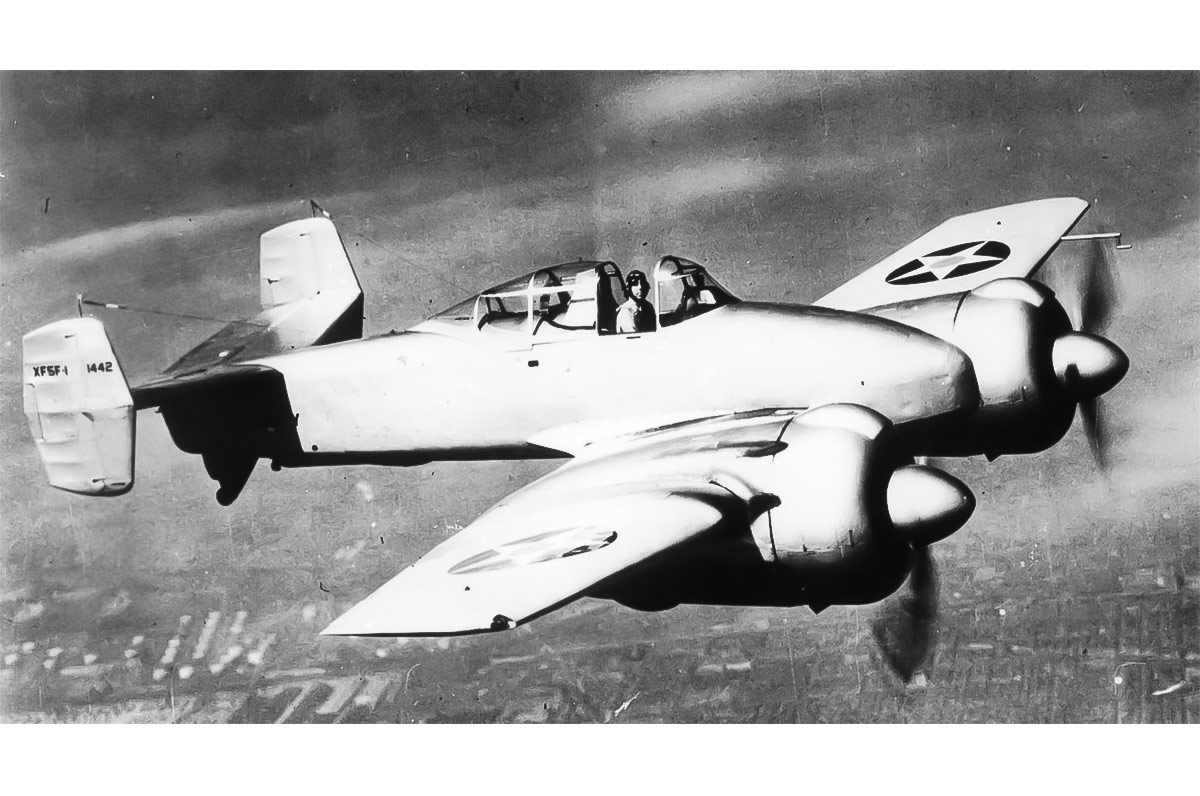
Thirty years before the F-14 Tomcat was made famous by Top Gun, Grumman built another extremely advanced twin-engine carrier fighter, the superb G-34. Twin-engined carrier fighters were not a thing in 1940, but despite this, the first example of this breed proved a winner. Trials in 1941 pitted the type against all the most advanced Allied fighters, including the XF4U Corsair, and the results were spectacular.
According to the man in charge of the test, Lieutenant commander Crommelin, “I remember testing the XF5F against the XF4U on climb to the 10,000-foot level. I pulled away from the Corsair so fast I thought he was having engine trouble. The F5F was a carrier pilot's dream, as opposite rotating propellers eliminated all torque.”
10: Grumman (G-34) XF5F-1 Skyrocket
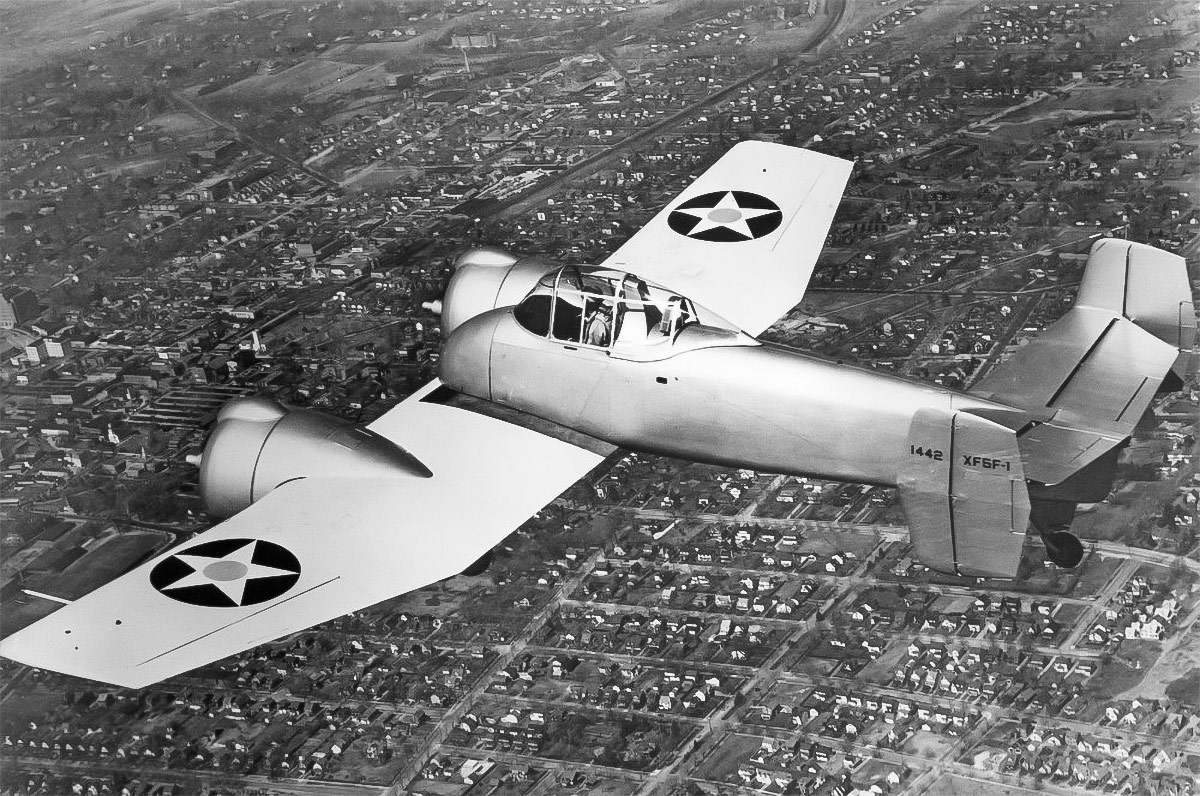
He went on to state that the aircraft was superior to its best rivals, “The analysis…favored the F5F, and the Spitfire came in a distant second.” However, performance is not everything, and sourcing parts for and maintaining a twin-engined aircraft would have proved logistically harder than one with half the amount of engines, so the Navy instead opted for the Grumman Wildcat.
The effort taken with this somewhat bizarre-looking fighter was far from wasted, as it evolved into the Grumman F7F Tigercat, one of the finest piston-engined fighters ever flown.
9: McDonnell XP-67 'Moonbat'
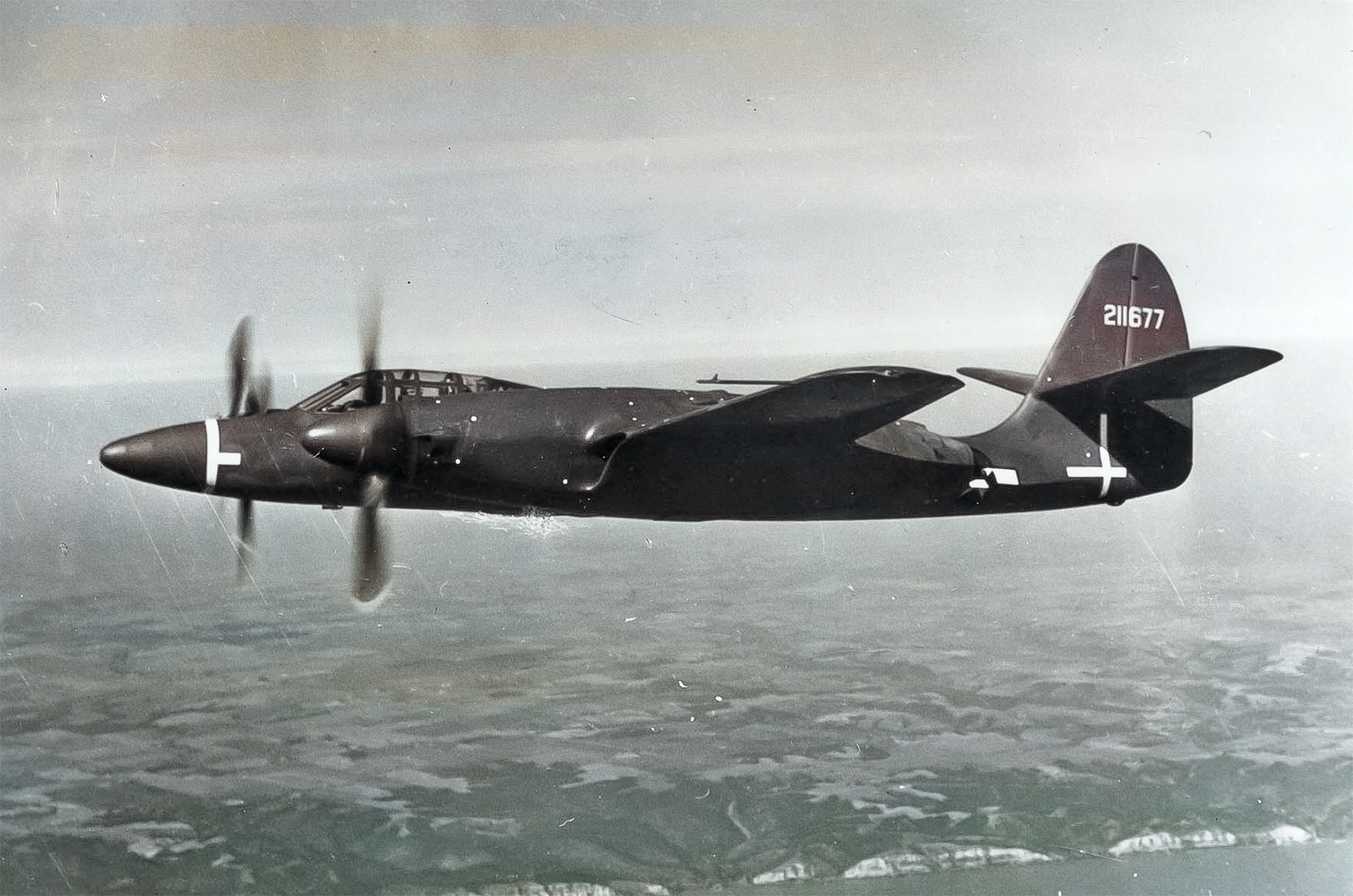
The first two manifestations of this design failed to arouse the USAAF, but promises of a 472mph top speed tantalised the authorities and funding was granted. What was proposed was a heavily armed, high-speed bomber destroyer with a radically new shape. The designer, the McDonnell company, considered some formidable armament options including a 75-mm gun or six 37-mm cannons!
The radical aerodynamics of the 1944 ‘Moonbat’ (known at the time as the Flying Fillet) gave this US fighter prototype the look of a flying stingray. The design emphasised low drag and the harvesting of a high amount of fuselage lift through a blended wing/body design. The fuselage, like the wing, had an aerofoil cross-section (the body of the aircraft created lift much like a wing).
9: McDonnell XP-67 'Moonbat'
The aircraft flew in 1944 and proved the until-then-unknown adage 'if it looks like a stingray it will fly like one'. It was underpowered, with poor handling, a long take-off run, terrible fuel consumption and stall characteristics even a 1940s test pilot didn't have the bottle to explore. A prototype crashed and the project was deemed too dangerous to continue.



Add your comment