


The power of modern aircraft is staggering, and these incredible machines grow ever more powerful.
When the Heinkel He 178, the first pure turbojet aircraft, first flew in 1939, it did so with 4.41 kilonewtons (kN) of thrust; the number 1 entry in our list has a quite bonkers 1776kN. Here are the 10 Most Powerful Planes ever made:
Quick note: Science geeks can rightly be pedantic about the units used to measure thrust; we will use kilonewtons, which measure force, but we will use casual rather than scientific language and sometimes use the word ‘power’ or ‘thrust’. Thrust levels, where possible, are given as static at sea level
10: Lockheed C-5M Super Galaxy
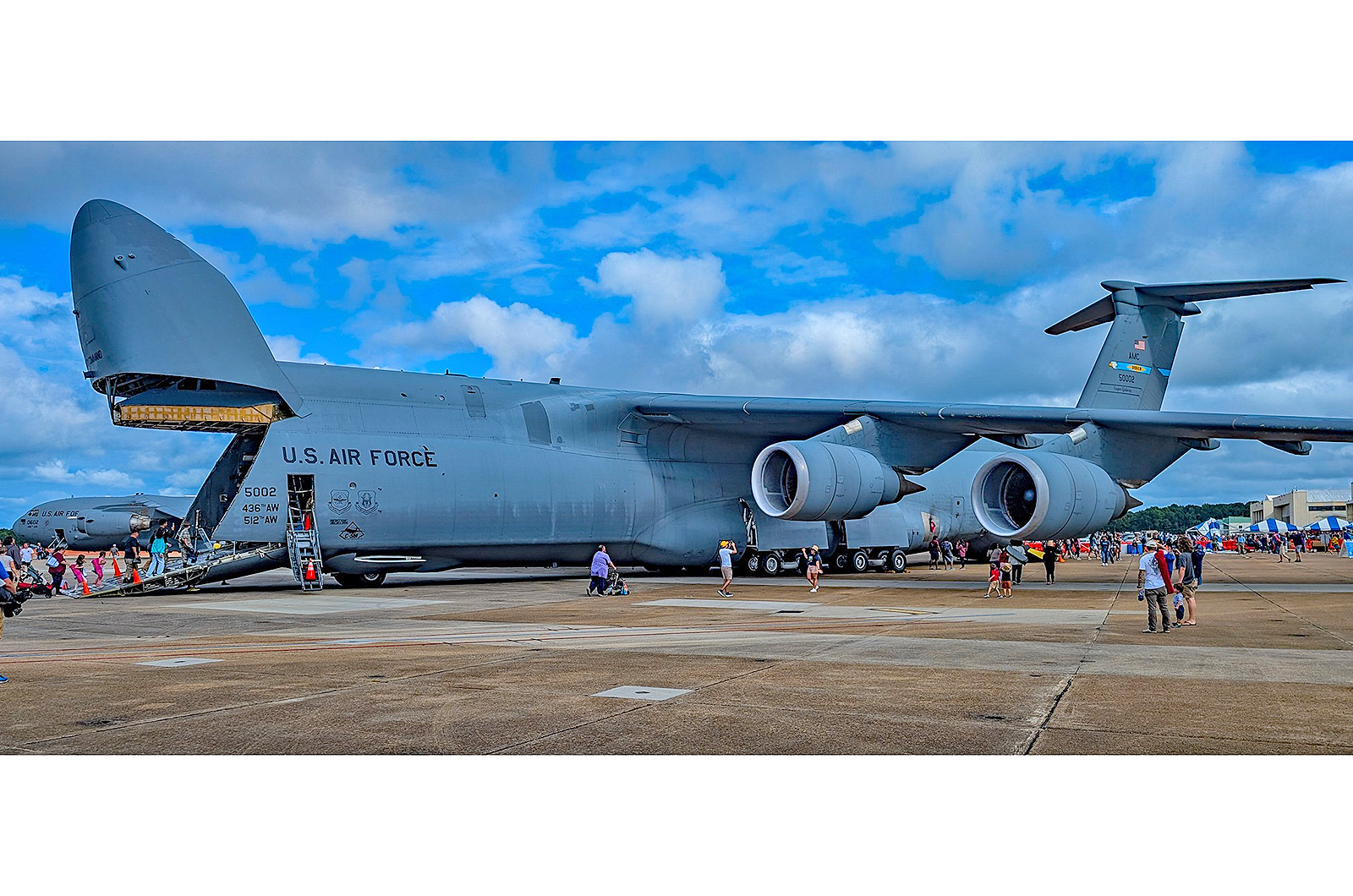
The massive C-5M Galaxy is the US Air Force’s heaviest and largest aircraft. This strategic transport plane has a maximum weight of 840,000 pounds (381,024 kilograms), and moving such a massive bulk requires enormous force, and the C-5M relies on four huge engines.
The C-5M has four General Electric F-138-GE100 engines, each offering up a thwacking 51,250Ibfs of thrust; this is 227 kilonewtons or 912Kn in total. This is a lot of muscle, and considering the hefty loads the C-5M can take, including two M1 Abrams main battle tanks, this is much needed.
10: Lockheed C-5M Super Galaxy
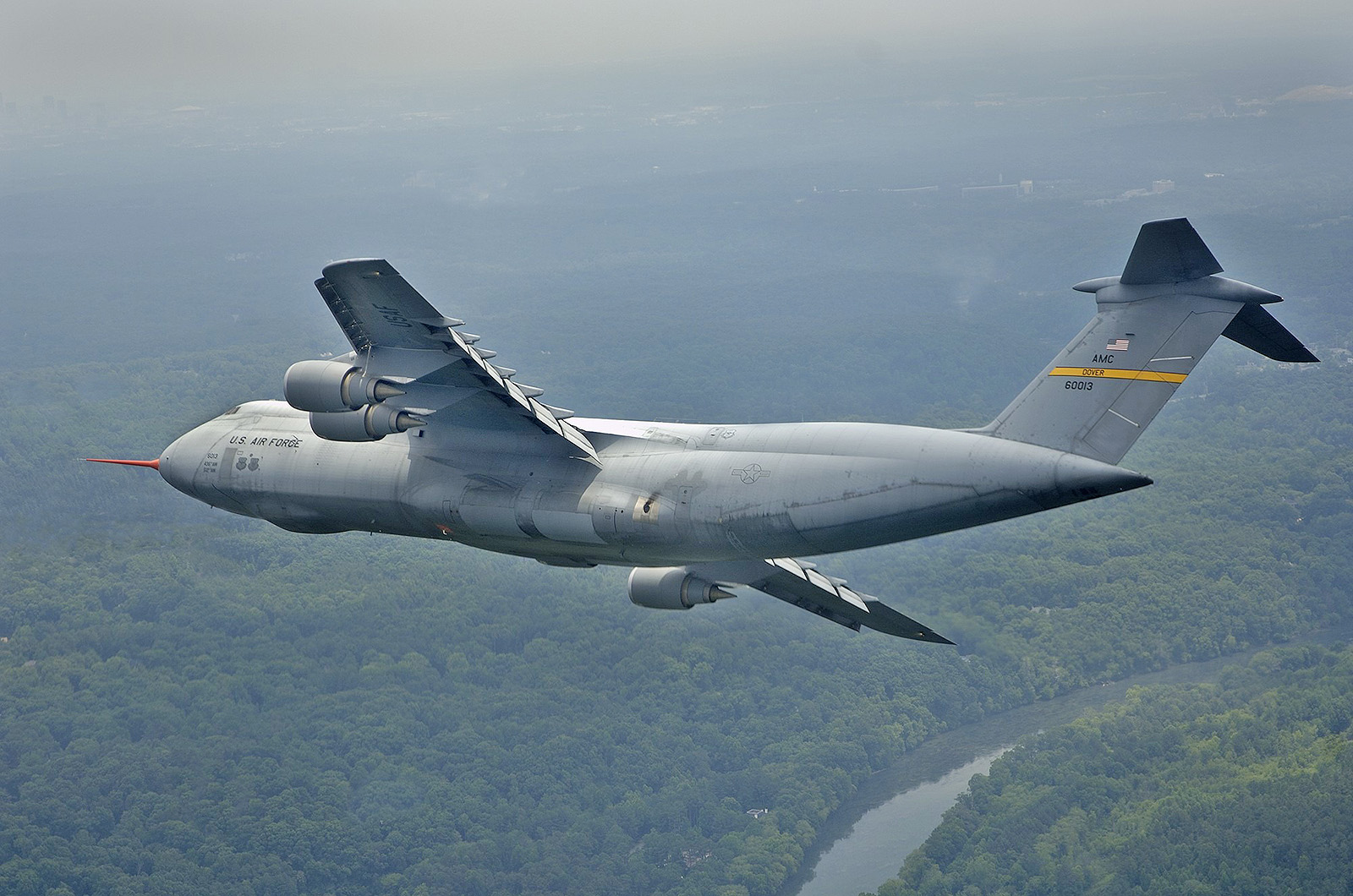
The C-5 is a giant machine, and until the Soviet An-124 arrived on the scene in 1986, the Galaxy was the world’s largest aeroplane. The C-5 is 75.31 metres (247 ft) long with a wingspan of 67.89 metres (223 ft) and a height of 19.84 m (65 ft).
Though the early C-5 (which first flew in 1968) was fraught with technical issues, the C-5M seems to have rectified most of them. It is more reliable and more powerful. In 2009, it smashed a series of world records, mostly relating to climb rate with a given payload and altitudes reached.
9: Tupolev Tu-144
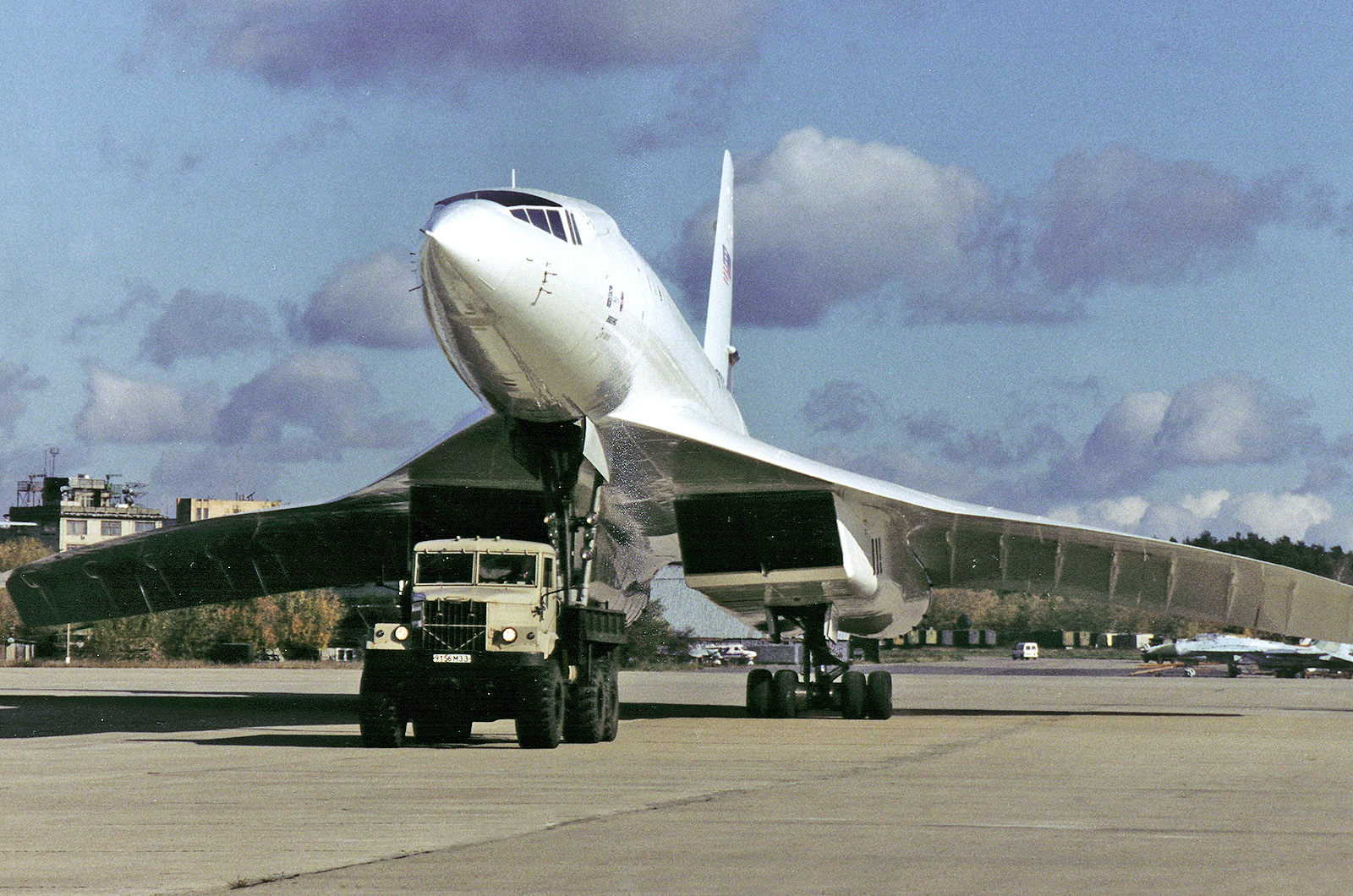
Two airliners of the 1960s were far faster than their modern equivalents and were even faster than today’s F-35 and Super Hornet fighters: the Anglo-French Concorde and the Soviet Tu-144. While modern airliners travel below the speed of sound (Mach 1), both the Concorde and Tu-144 could go more than double that, exceeding Mach 2.
Such high speeds demanded an extremely exacting combination of shaping, materials and power, especially as these were not quick dashes into Mach 2 as fighter aircraft do, but prolonged cruises. The Cold War was on during the Tu-144 and Concorde’s development, and there was much international prestige to be won from becoming the leader in the new field of supersonic transport.
9: Tupolev Tu-144
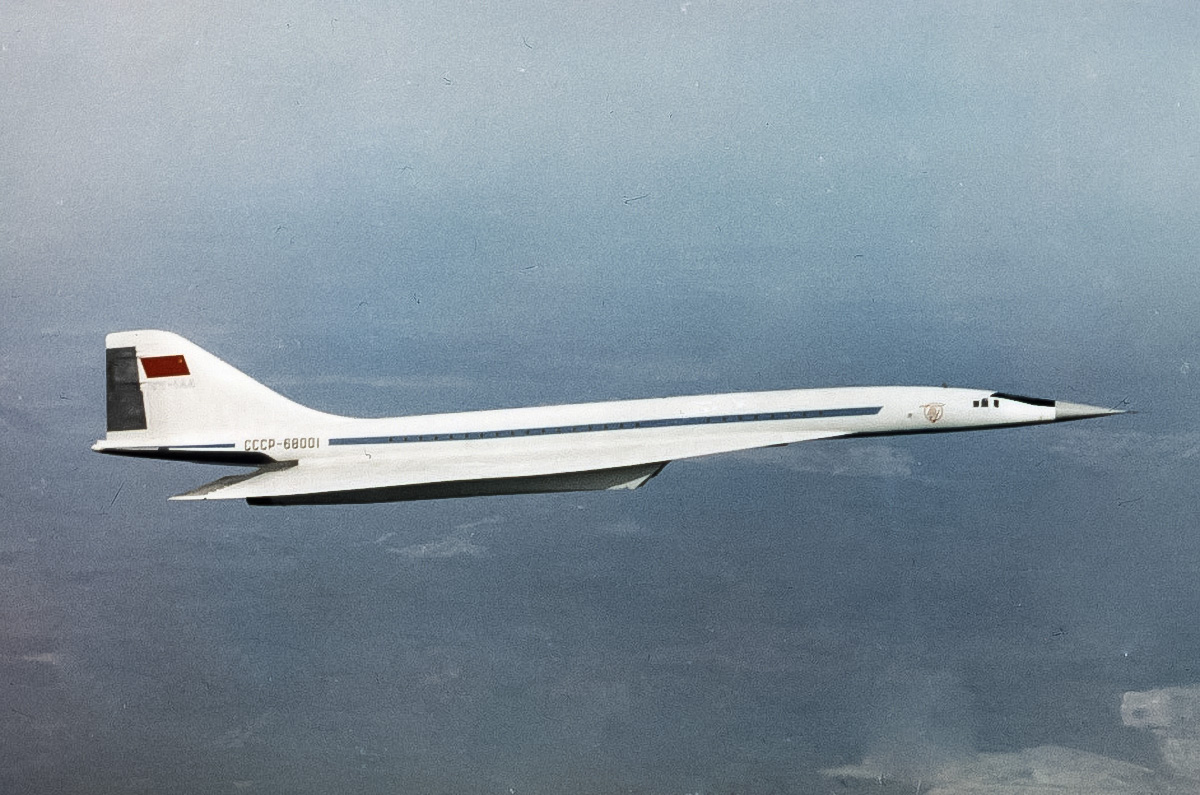
The Soviet equivalent of Concorde was bigger, faster and more powerful. Concorde had a maximum thrust of 677 kN, while the Tu-144 had 960 kN (some sources put the figure as 800kN). This did not make the Tu-144 better, as, in most ways, it was an inferior design.
The Soviet Tu-144 first flew on 31 December 1968, two months before the Concorde. This made it the first genuinely supersonic airliner to fly, but then went onto crash at the 1973 Paris air show. After a short, disastrous service life, the Tu-144 was withdrawn from passenger service (and later freight service). Surprisingly, one ended its life in the service of NASA. 16 Tu-144s were built.






Add your comment