
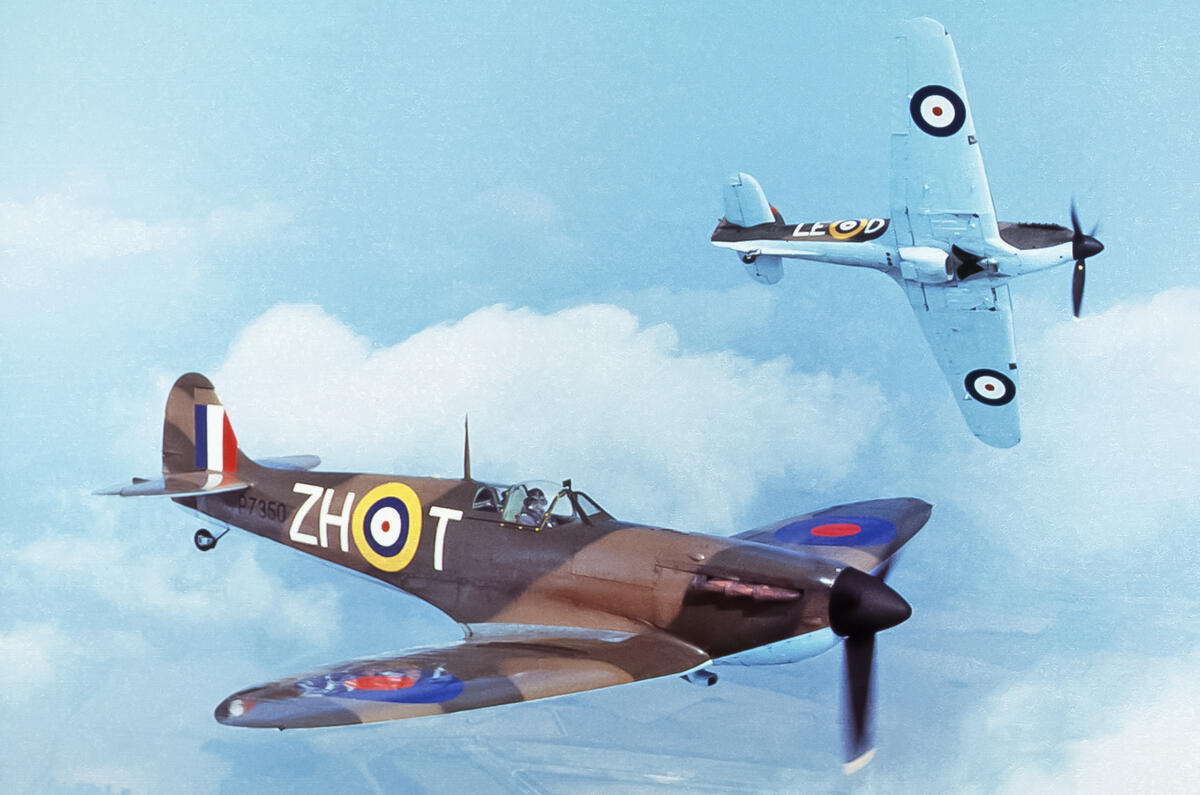

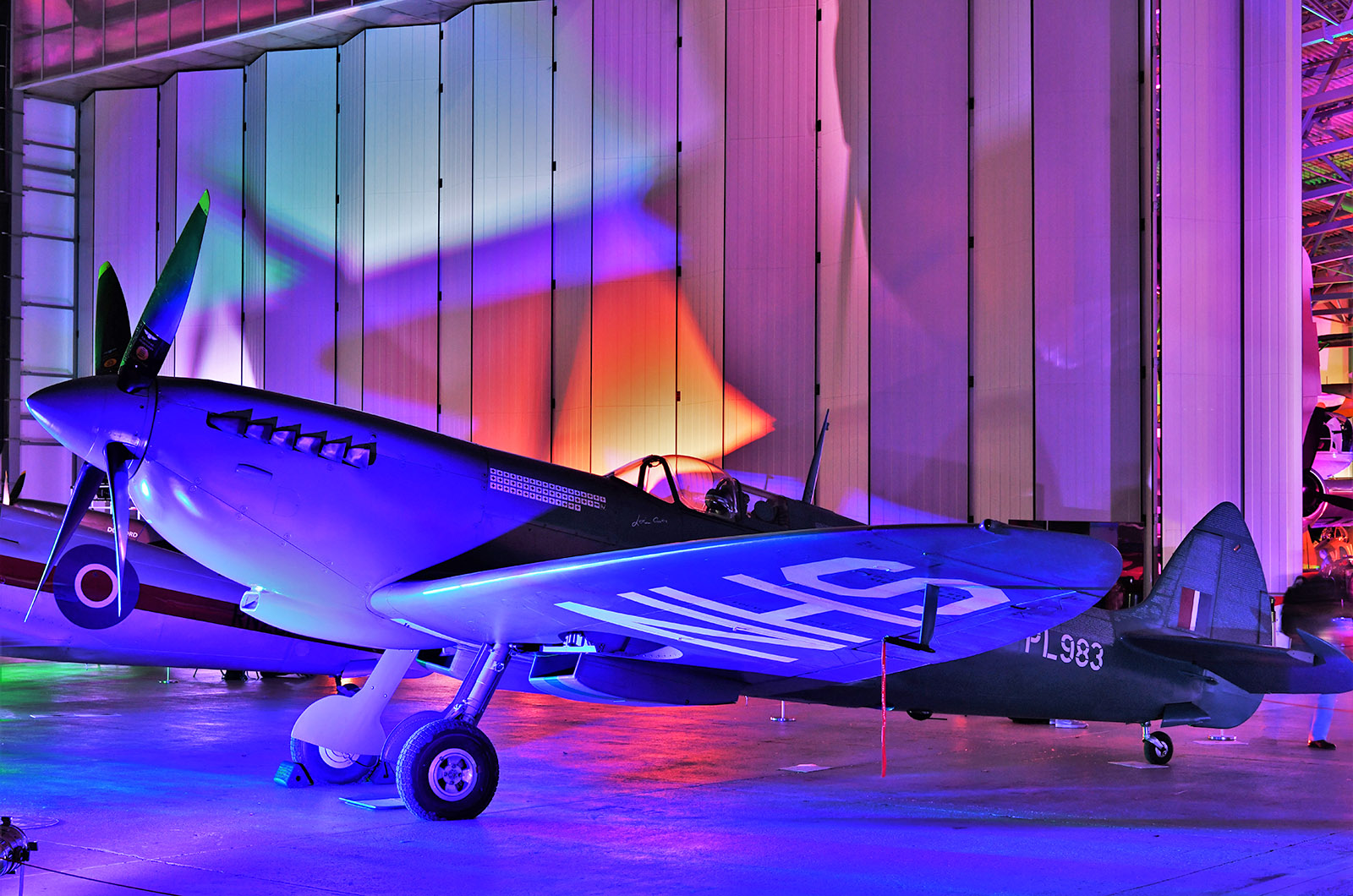
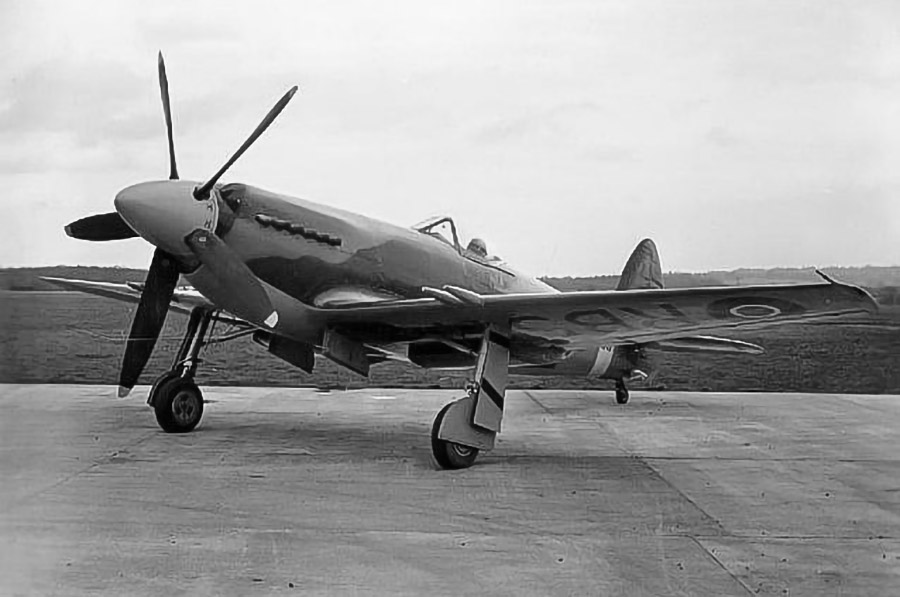
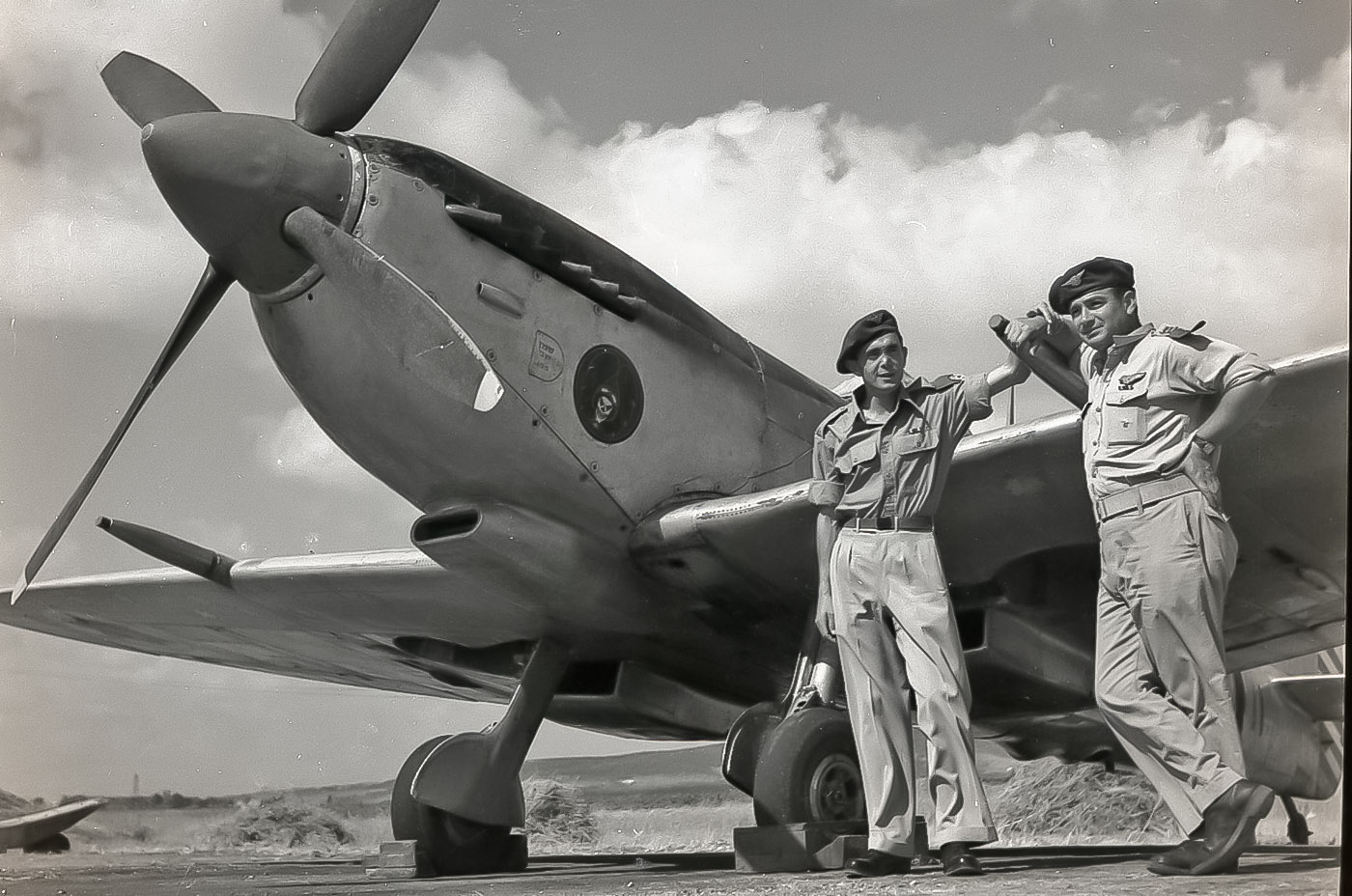
The Supermarine Spitfire, a British fighter that fought in the second world war, can claim to be the most significant combat aircraft in history.
It was a brilliant design, a formidable combination of manoeuvrability, speed and firepower, with handling that left pilots besotted. It is fair to say, that the Spitfire had an instrumental role in both Britain’s survival and the fate of the Allied forces in the war.
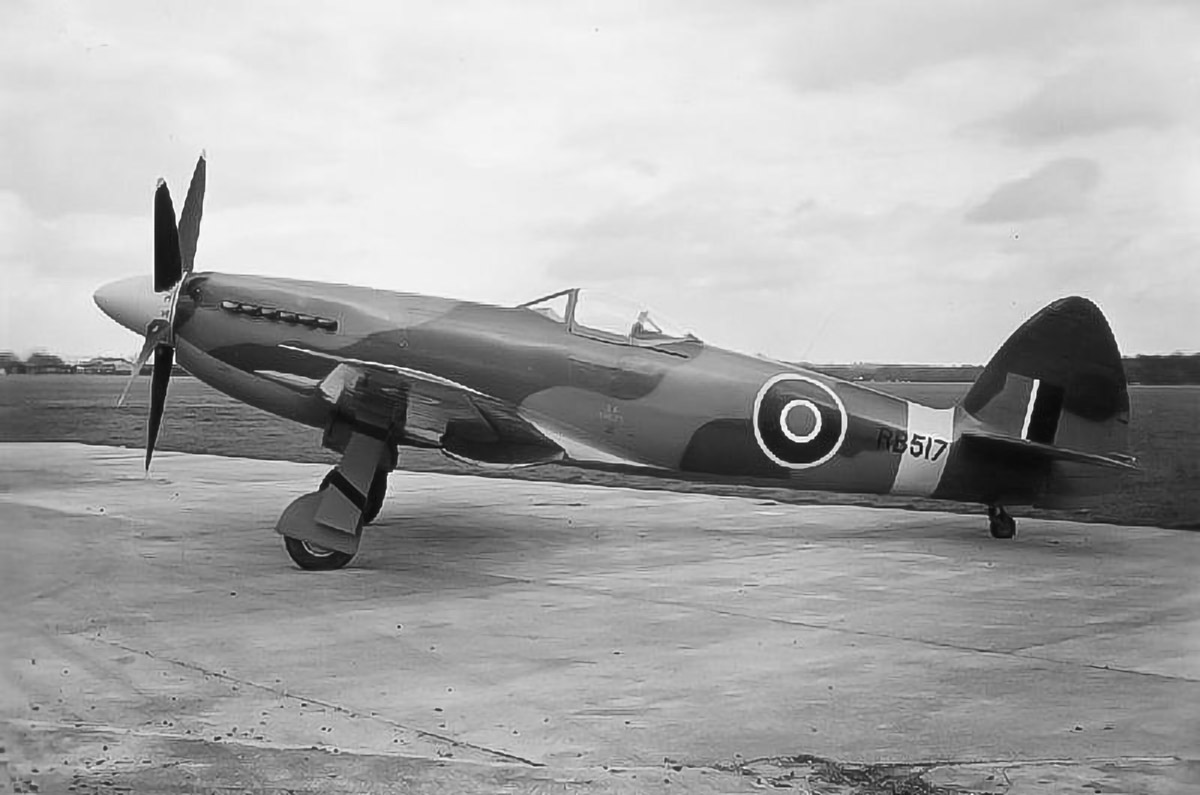
Doubling in power and weight across the war, with speed increasing by around 33%, the final members of the Spitfire family were astonishing machines, up there with the very finest piston-engined fighters ever made. Here are 10 of its highlights:
10: Elliptical wing
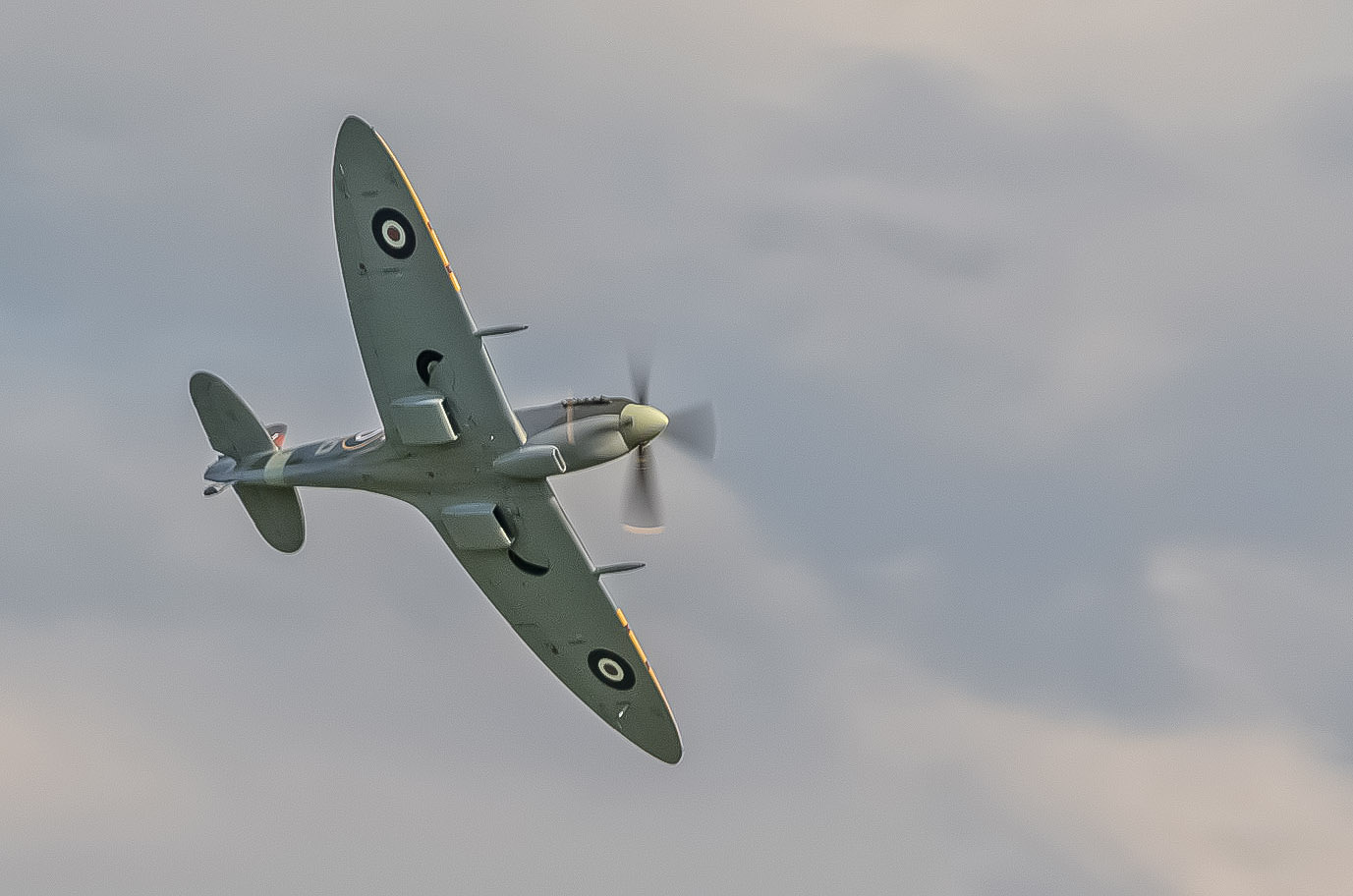
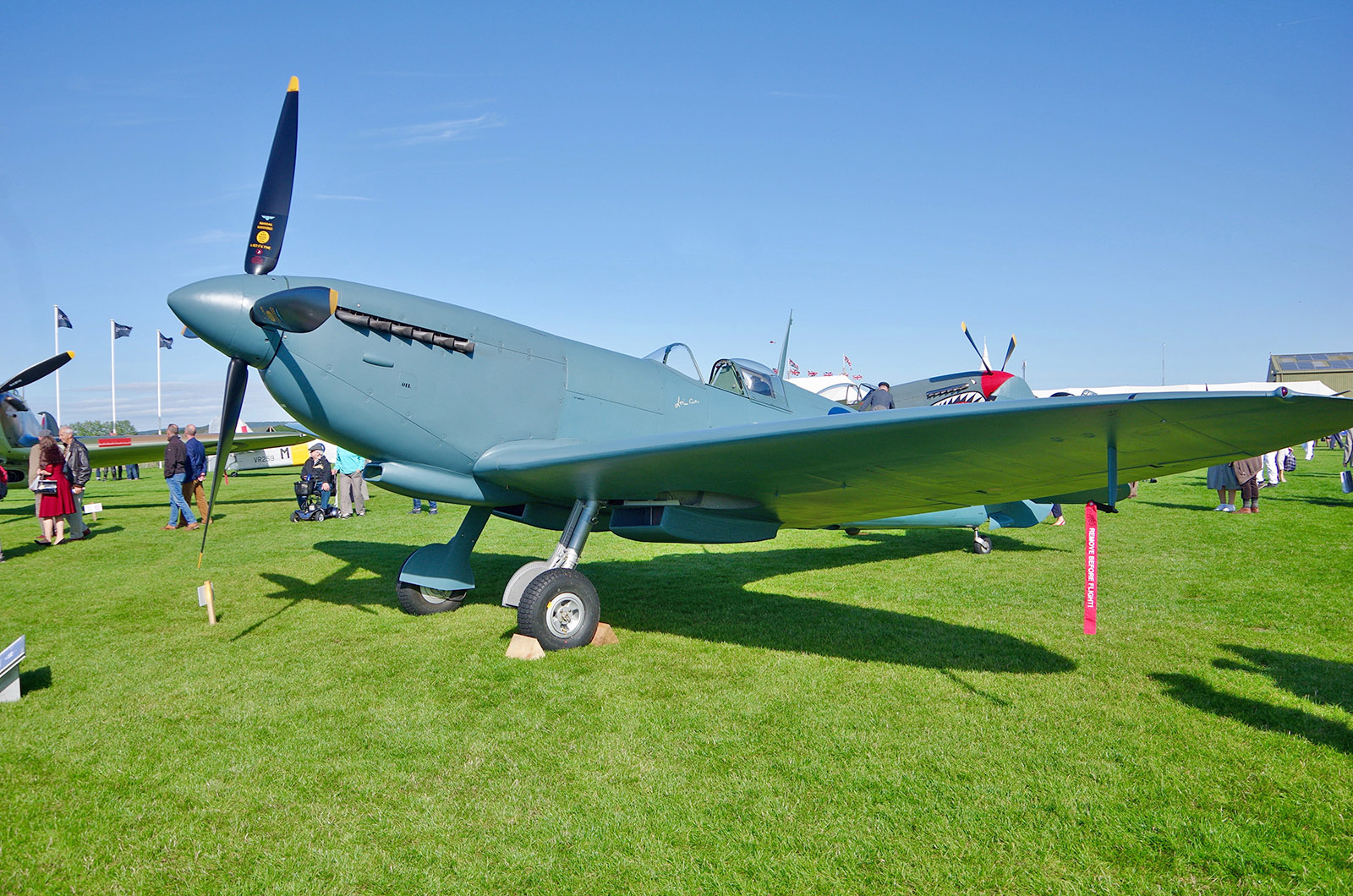
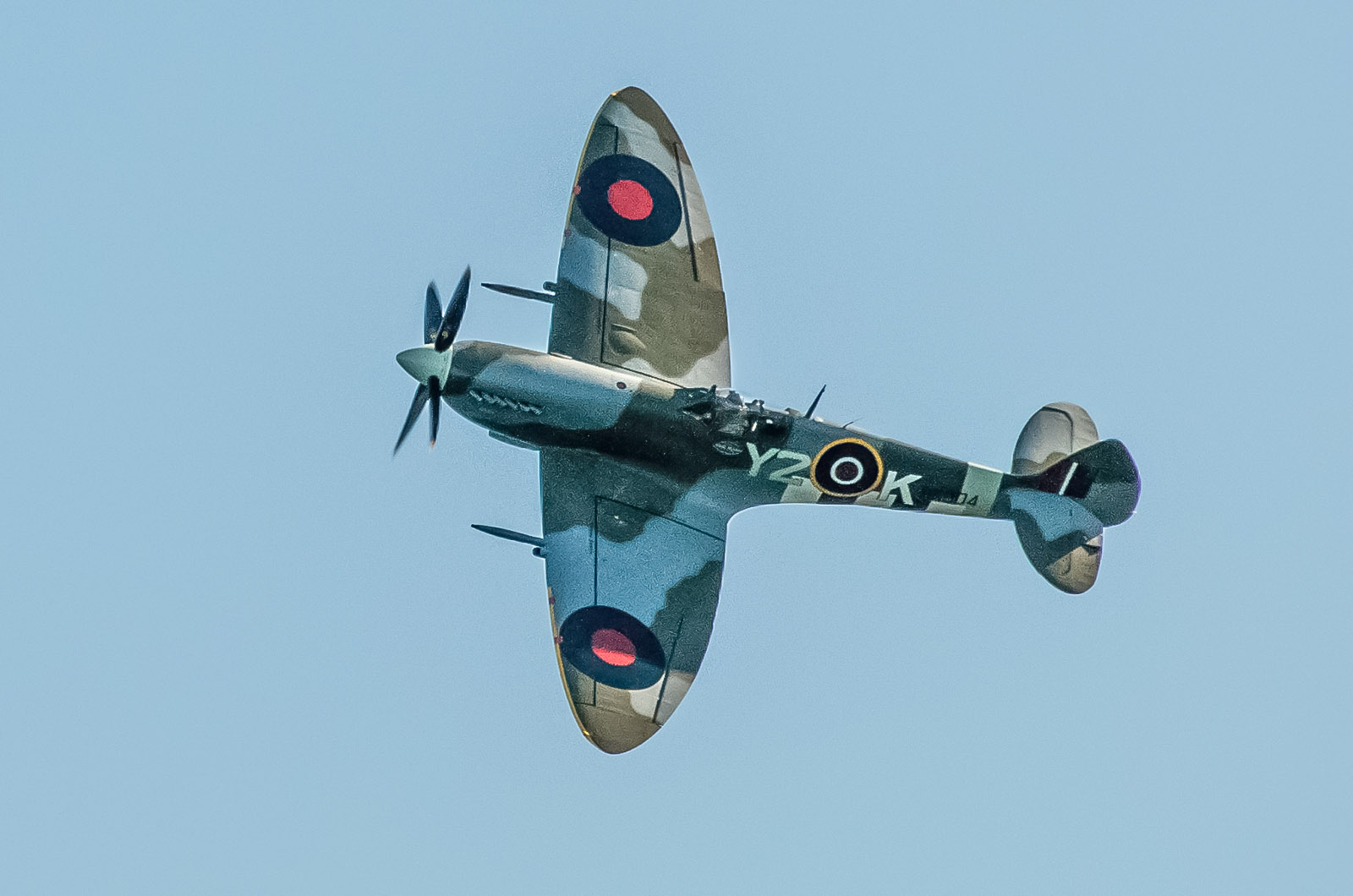
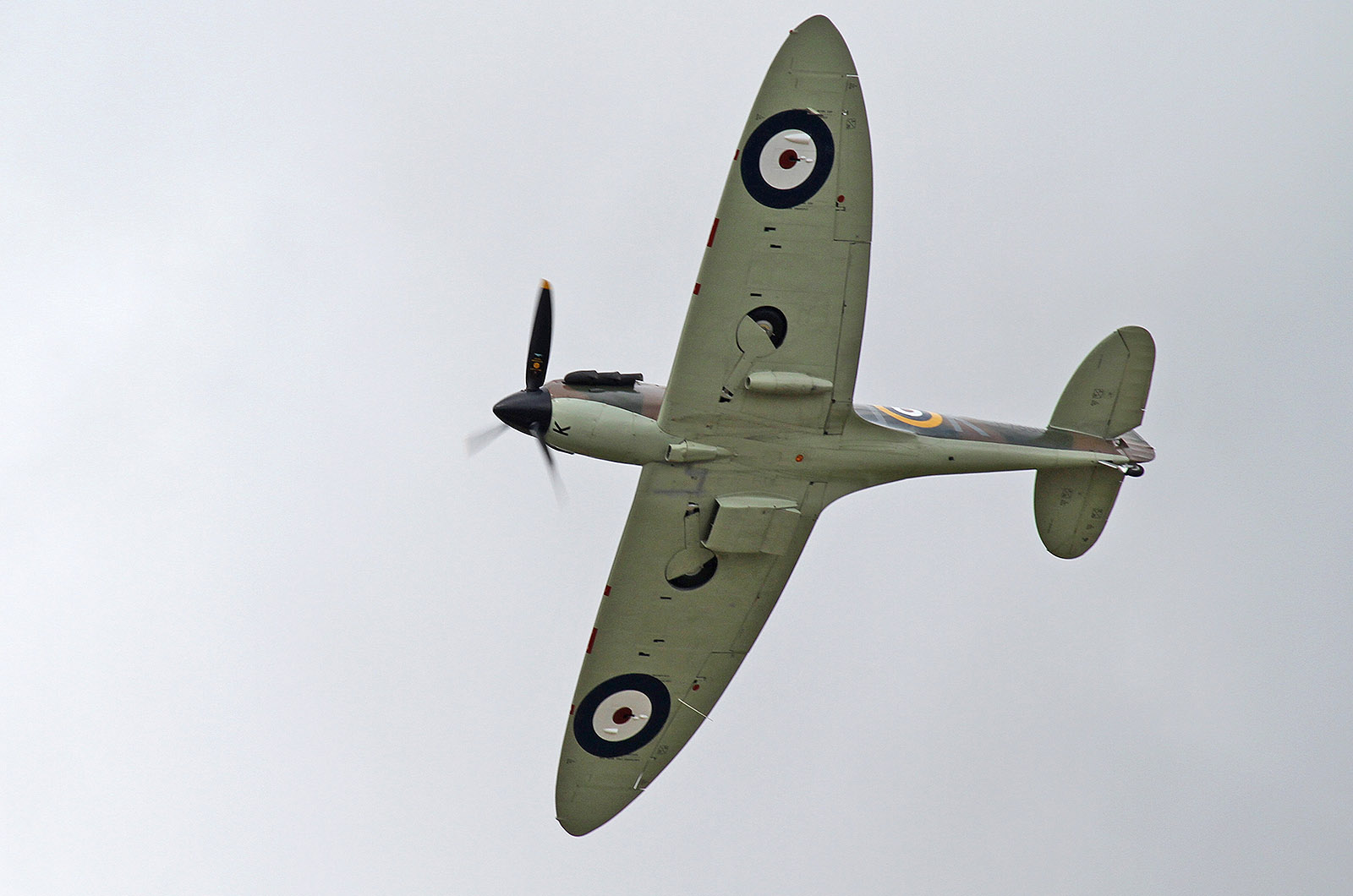
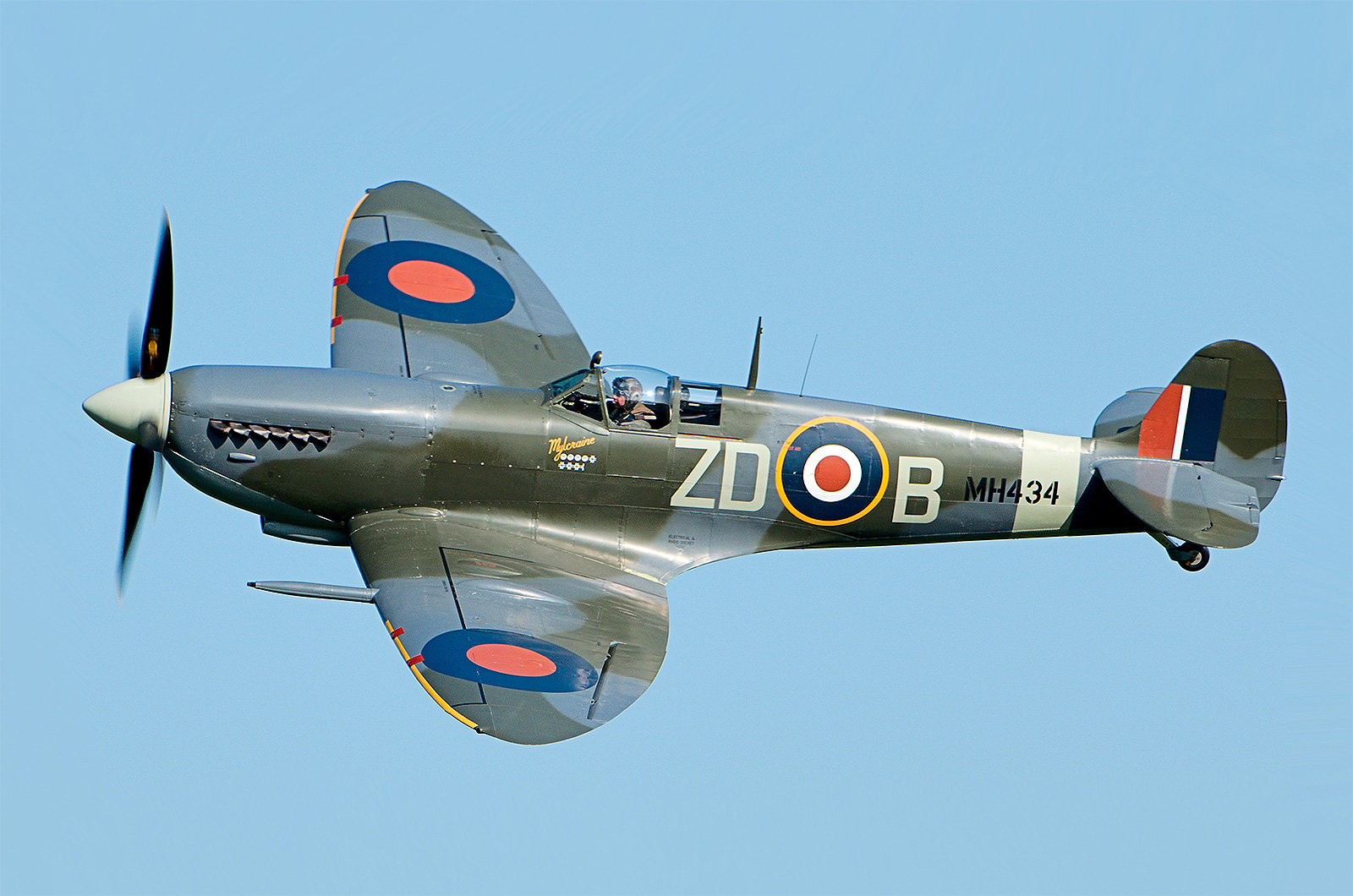
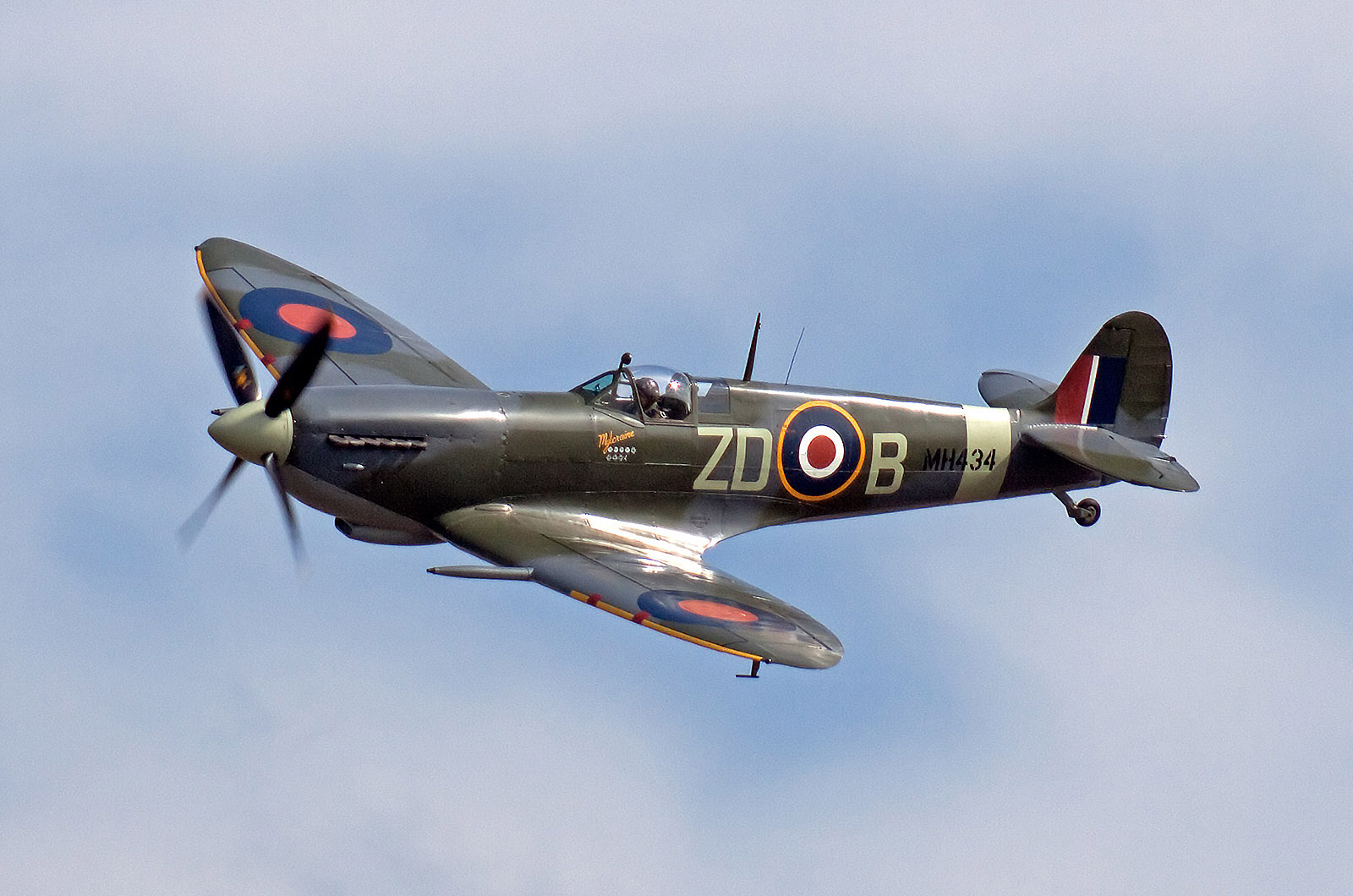
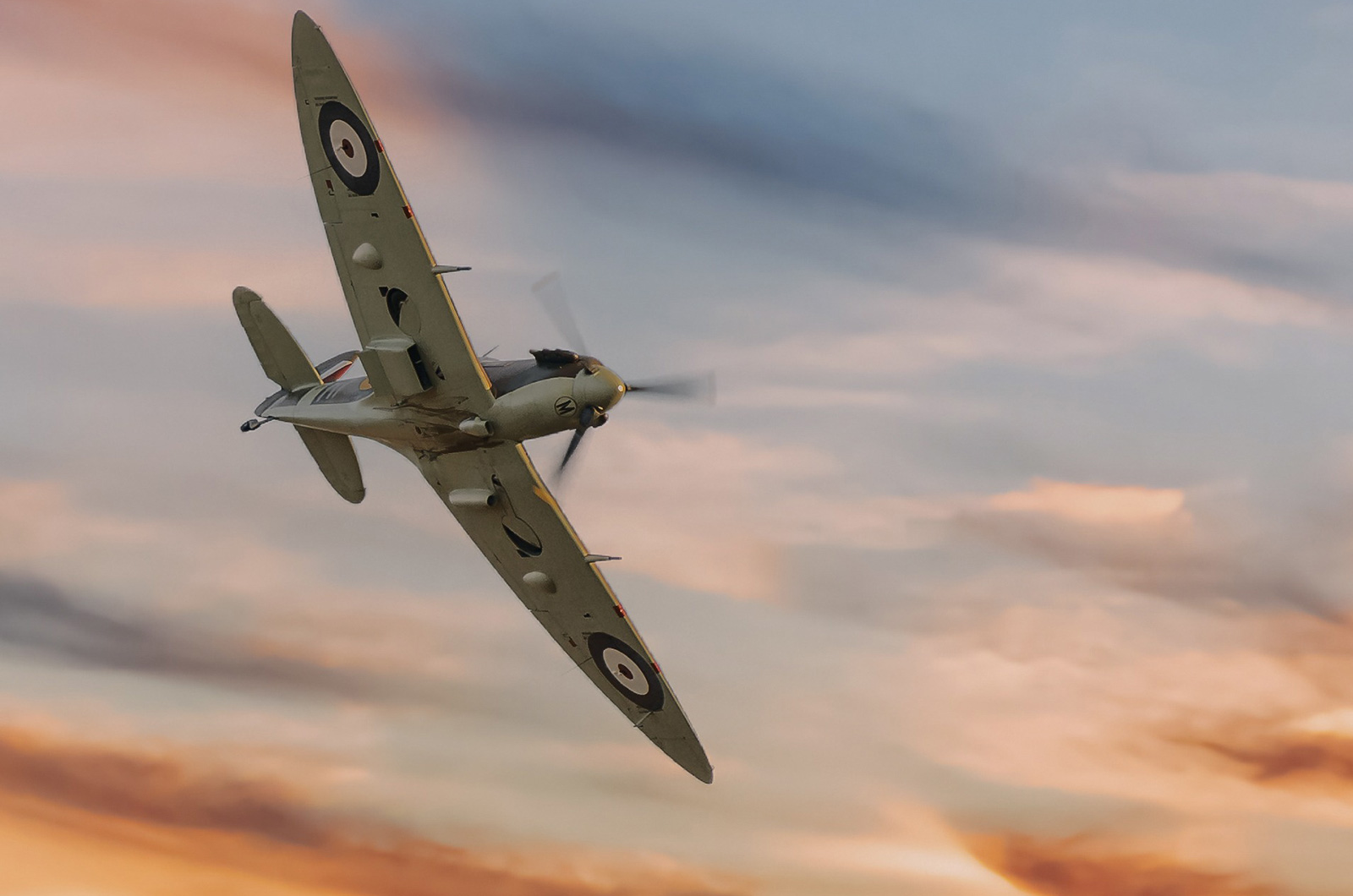
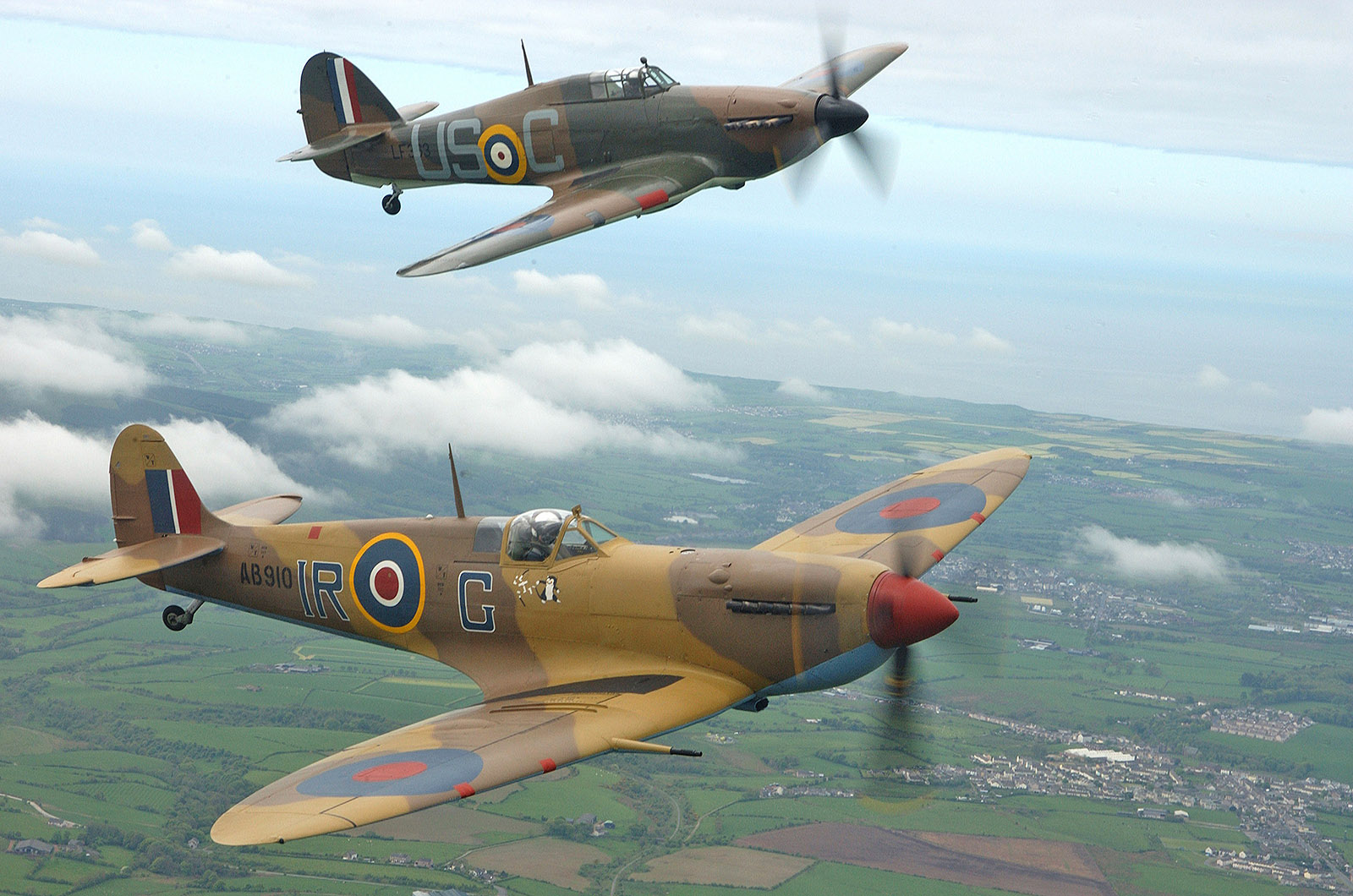
The most visually distinctive feature of the Spitfire is the elliptical wing. It was probably the most advanced wing design in the world at the time of the Spitfire’s first flight. In addition to making the Spitfire beautiful, the wing was a key factor in its exceptional handling qualities.
The chief designer of the wing was the Canadian aerodynamicist Beverley ‘Bev’ Shenstone, who previously worked in Germany with the firm Junkers and with Alexander Lippisch (delta wing pioneer and designer of the Messerschmitt Me 163). Intriguingly, Shenstone consulted with Lippisch on the design of the Spitfire’s wing.
10: Elliptical wing
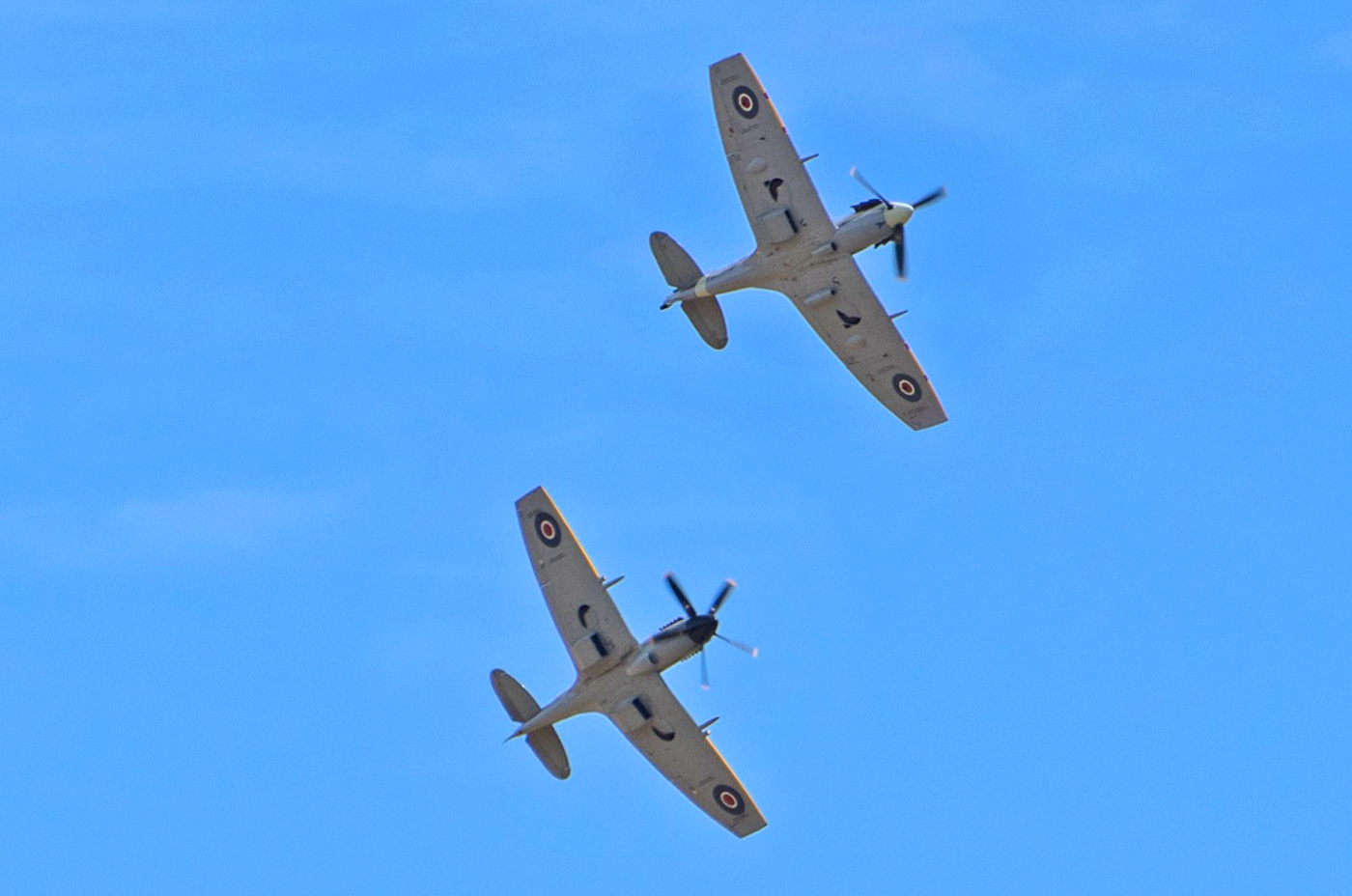
To reduce drag, a low thickness-to-chord ratio is desirable; thickness refers to the vertical depth of the wing, and chord refers to the distance from the front to the back. The wing has the depth to hold the undercarriage and the guns before tapering towards the narrow tip.
The wing offered aerodynamic advantages: it reduced induced drag. The ellipse was the shape which allowed the thinnest possible wing with room to contain all that was needed. It also offered excellent performance at both high speed and high altitude. Clipped-wing Spitfire variants were better suited to low-altitude missions.
9: Production miracles
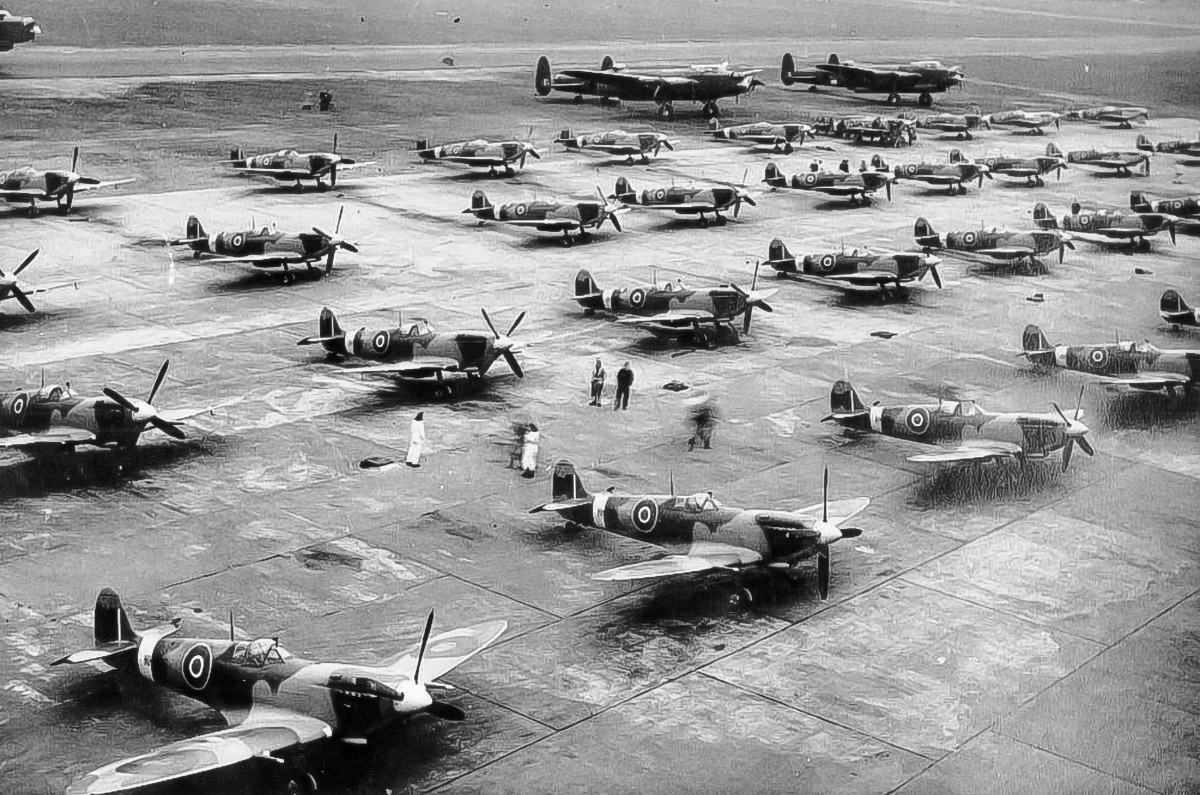
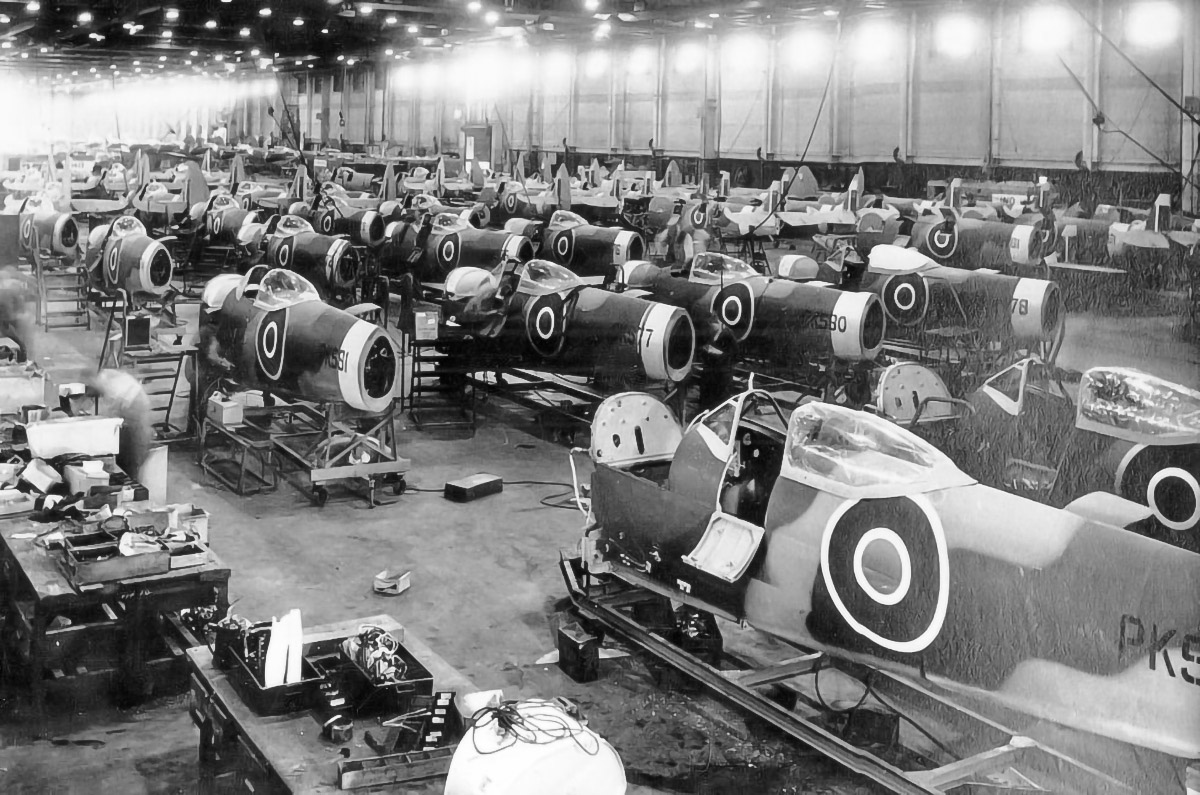
Labour-intensive and with a bewildering number of subcontractors involved from across the United Kingdom, creating the Spitfire in vast numbers during wartime conditions was a miracle. One of the Spitfire’s most significant failings was its complex and long-winded production process.
Supermarine subcontracted the production of many parts to other companies around the country. This ranged from tiny parts to the complex main wing spar made by Reynold’s Tubes Ltd, a bicycle frame company in Birmingham to the sub-contracting out of the manufacture of the entire aircraft.




Add your comment