
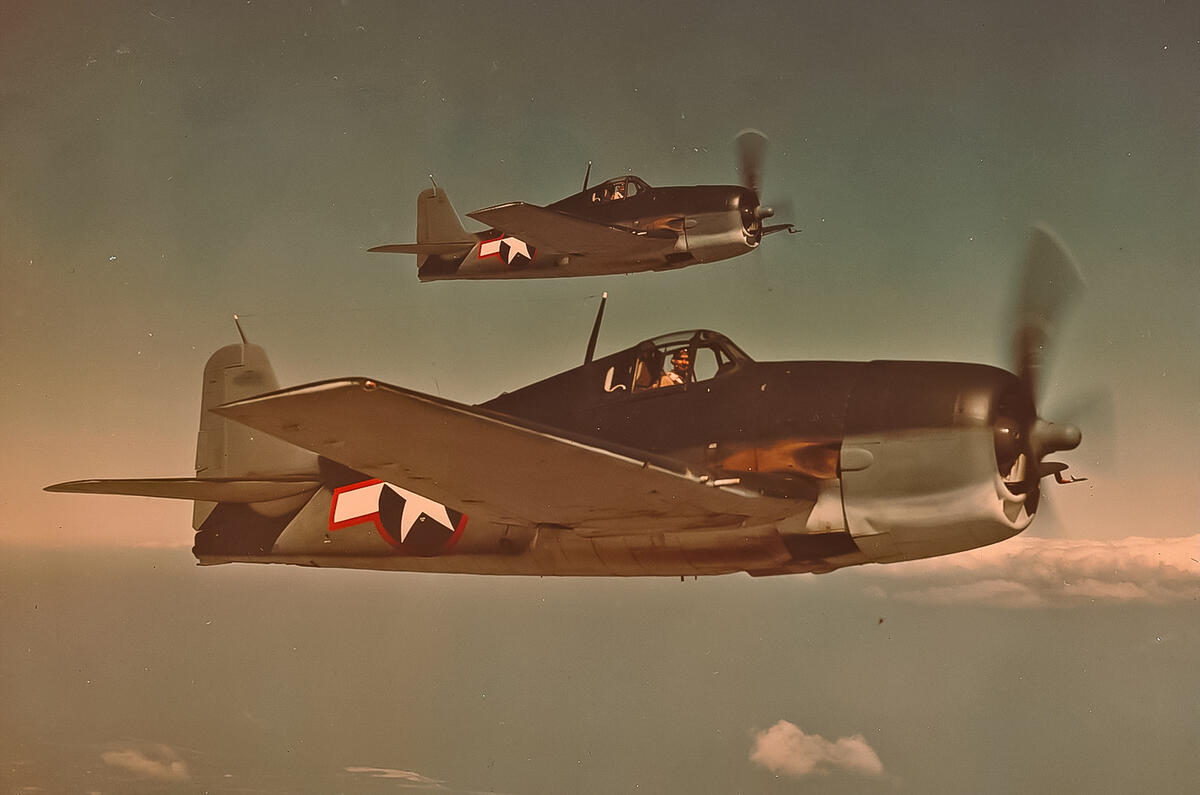

The potency of the US Navy’s air power increased at a bewildering rate during the second world war.
From hair-raising early exploits against a superior opponent, ever more capable military aircraft types clawed supremacy away from the Japanese Navy’s aircraft and played a massive part in the eventual victory over Imperial Japan. It is striking both how few different types the US Navy operated during the war, particularly from carriers, and how nearly all of them were either totally brilliant or just awful. The following ten are the very best, and include at least one type that can be truly described as a war-winning weapon in its own right.
10: Martin PBM Mariner
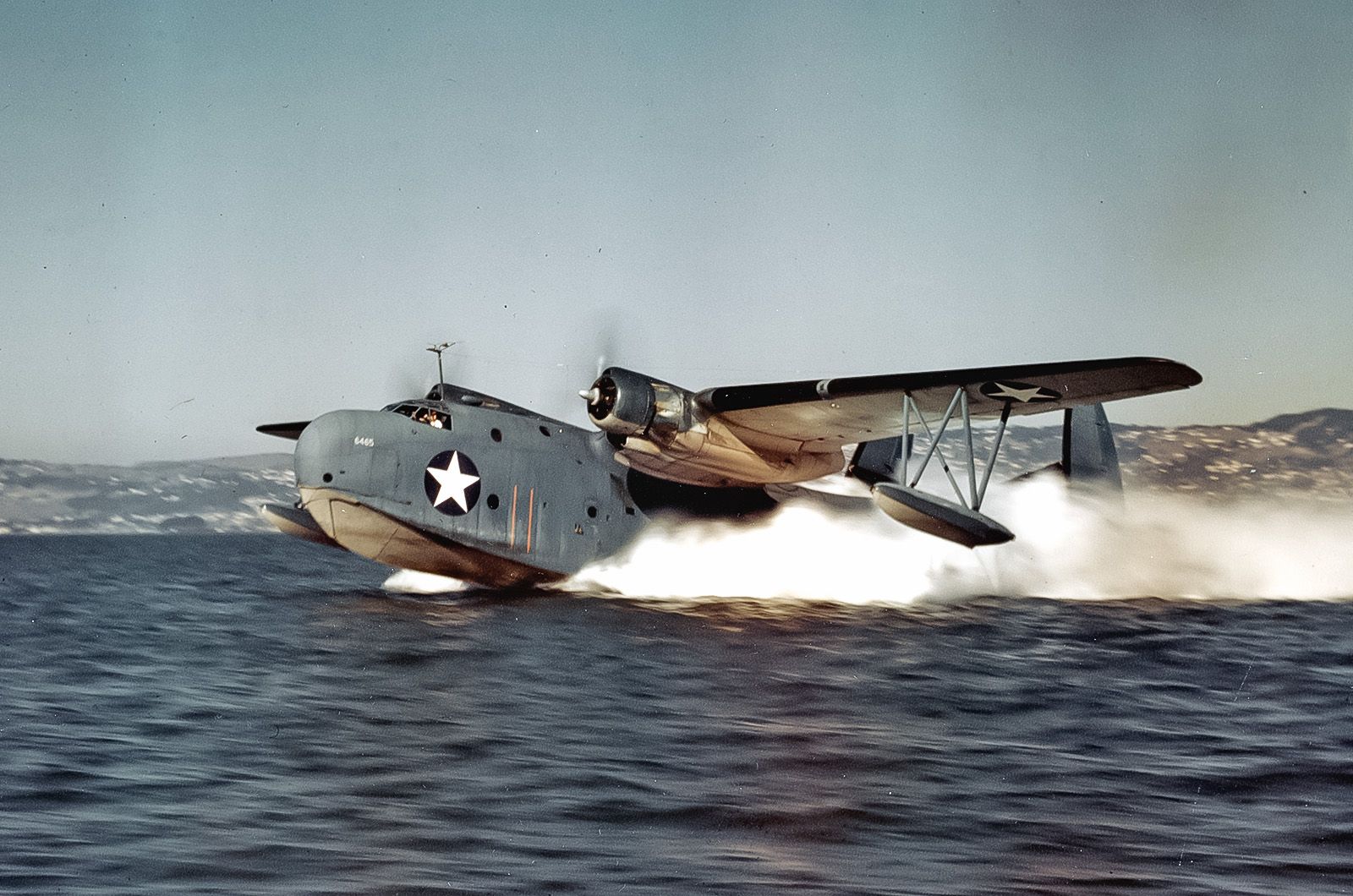
Better than the famous Catalina in every regard (except, initially at least, reliability) the Mariner is fairly obscure. Despite being the second most numerous flying boat (a type of seaplane that can operate from water on its hull) ever, the PBM deserves more recognition for it was an excellent flying boat that enjoyed lengthy service.
One of several large aircraft to be tested by a piloted scale model (powered by two Chevrolet car engines), the first PBM flew with a flat tail but concerns led to the tail being given the same tilt upwards as the inner wing and resulted in the aircraft’s distinctive inward canted tailfins.
10: Martin PBM Mariner
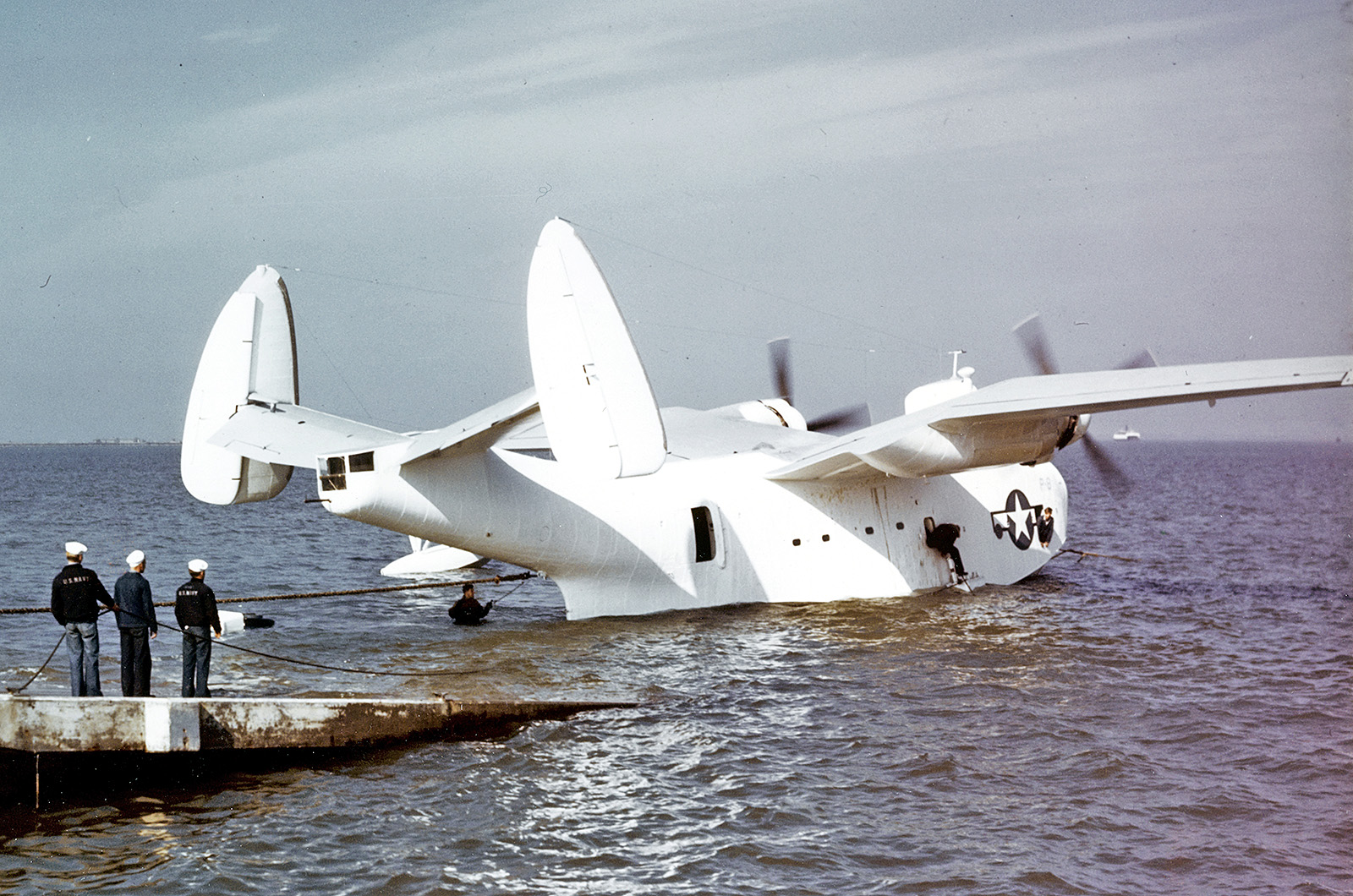
Entering service in September 1940 the Mariner, whilst generally successful, was considered somewhat underpowered and control in the event of an engine failure was marginal. A later switch to the R-2800 engine solved that issue but the change came about late in the war and the Wright R-2600s fitted to earlier aircraft were neither powerful nor reliable enough.
PBMs sank at least ten U-boats and were widely used in the Pacific. The aircraft was extremely well-armed, with nose, tail and dorsal turrets mounting two .50-cal machine guns apiece and a single hand-held weapon in each beam position. Later examples could carry 8000 lb (3636kg) of bombs or depth charges, double that of the PBY.
9: Lockheed PV-1 Ventura
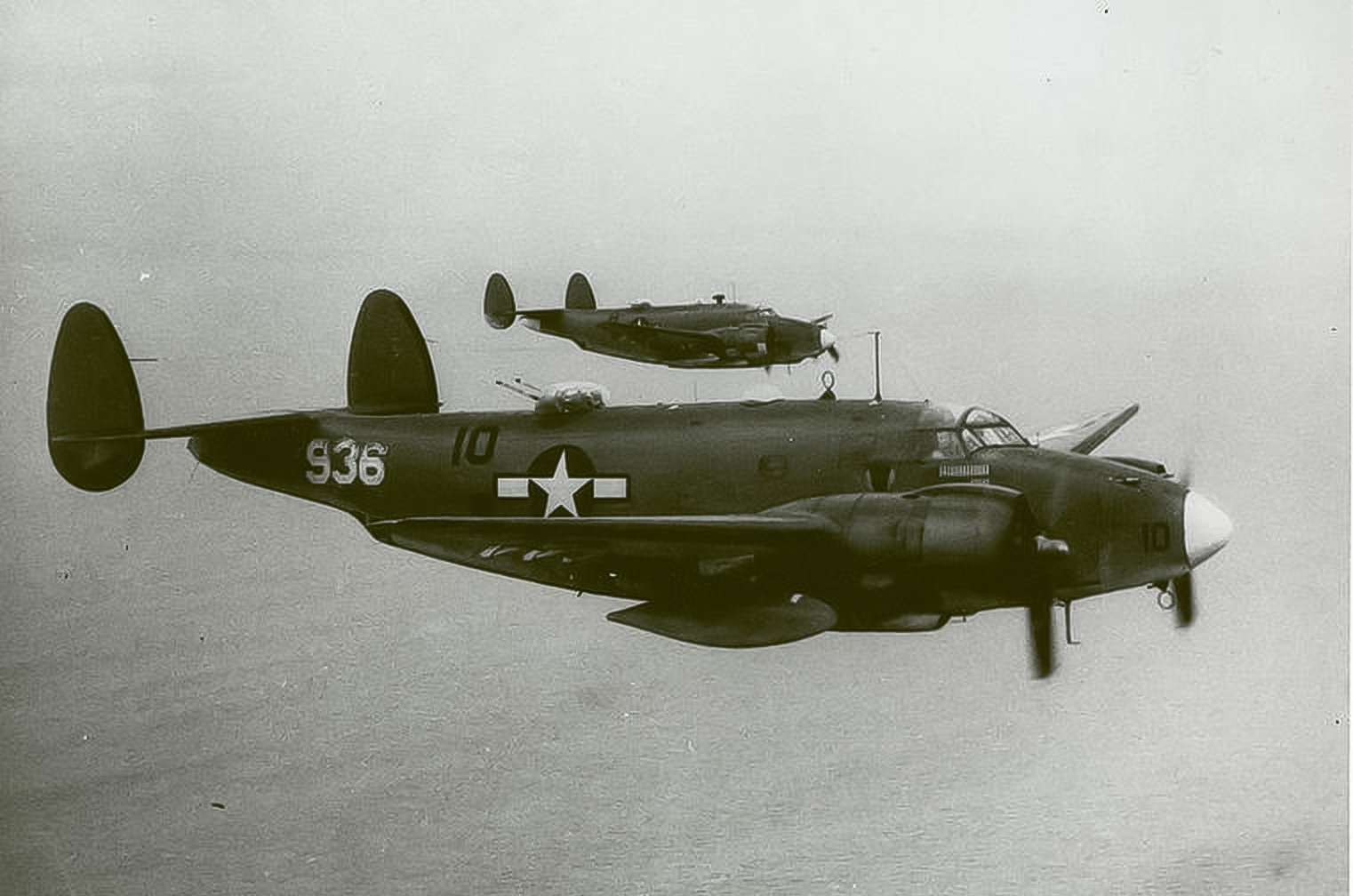
Being essentially a medium bomber, the Ventura was able to carry depth charges, mines, a torpedo or regular bombs and could attack shore installations and land targets just as effectively as enemy shipping. It was also one of the first US aircraft to regularly carry radar and Venturas often acted as ‘lead-ships’ for non-radar equipped Liberator units.
The most surprising usage it was put to was as a night fighter. The US Marine Corps, always at the bottom of the chain when it came to aircraft procurement, was casting around for a suitable radar-equipped night fighter. The only remotely suitable aircraft available was the PV-1 and it went into action as the Marines’ first radar-equipped aircraft.
9: Lockheed PV-1 Ventura
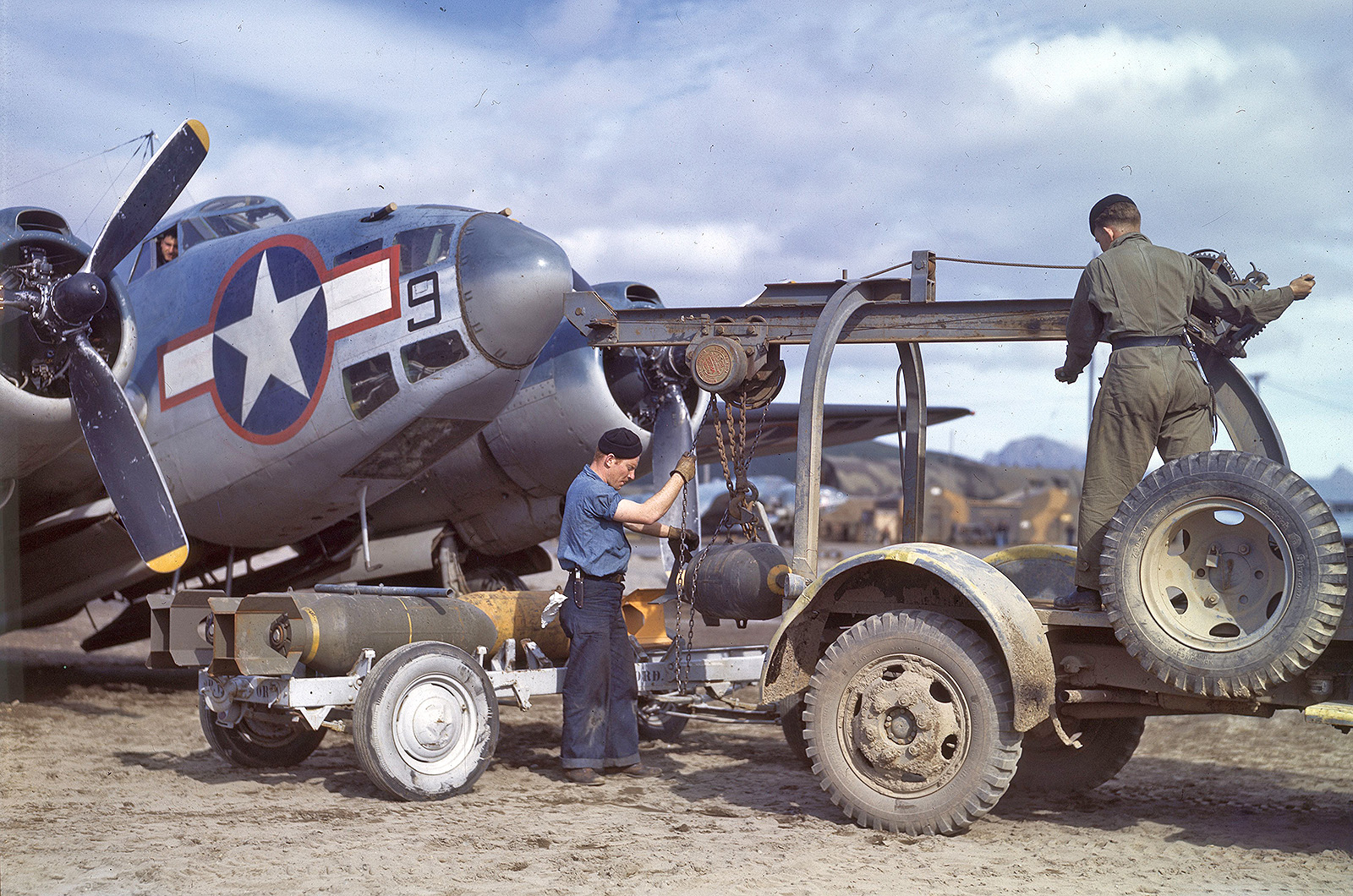
Despite being a naval offshoot of a bomber with relatively limited performance, the Ventura did surprisingly well, claiming its first victory, over a Mitsubishi G4M bomber, in the early hours of 13 November 1943. Subsequently, an improved variant with longer-range, the PV-2 Harpoon, was developed towards the end of the war.
The Ventura’s heroic actions included the destruction of German U-boats. It was directly involved in the destruction of at least eight submarines: I-I65, U-604, U-615, 2 x Midgets, U-174, U-761 and U-279. The US Navy still uses many long-range land-based patrol aircraft today in the form of the Orion and Poseidon, and the Ventura was the granddaddy of them all.




Add your comment