



From £34,0656

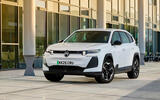
Citroen's range-topping EV SUV gets the UK's full Electric Car Grant support. But could it be too good to be true?

Anyone buying a new electric car in 2026 who’s offered an extra 100 miles of range for less than £400 of additional cost is likely to reply in rather predictable fashion. £400 typically gets you about two-thirds of a metallic paint job in 2025. Or half a towbar, if you prefer.

Thanks to the way that the UK’s Electric Car Grant works, however, that’s precisely the situation at which buyers of the electric version of the new, second-generation Citroen C5 Aircross - the Citroen ë-C5 Aircross - are looking. The ‘ECG’ permits cars with the highest qualifying scores on its ‘Science-Based Targets’ accreditation system to qualify for the biggest subsidies. And the ë-C5 Aircross Long Range (whose batteries are made in France) will be the first car in its class to qualify for the full £3750 off, Citroen claims, when it arrives on sale in the spring; whereas the Comfort Range version (on sale now; and whose batteries are made in China) only gets £1500 off.

For now, only the latter version has been available for review: a car awarded some pretty dim commercial prospects by fate, in the UK market at least. But it can tell us plenty about the second-generation C5 Aircross in general; and more than hint at the sort of car we might expect the more important Long Range version to be.

Advertisement

DESIGN & STYLING

8
Citroen E C5 Aircross review 2025 015

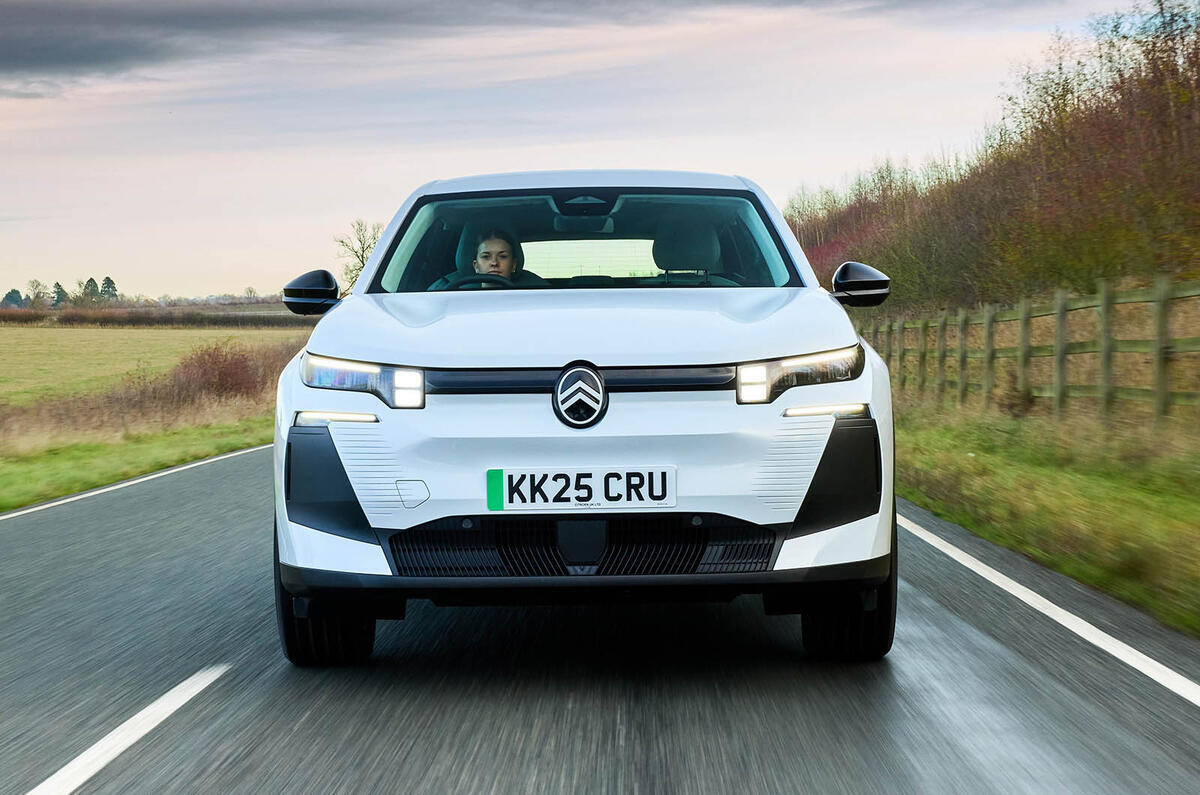
This car returns to the C-segment SUV ranks, lining up alongside the Nissan Qashqai, Dacia Bigster, Skoda Karoq or Elroq, and Renault Symbioz or Scenic E-Tech (depending on what kind of powertrain you’re pondering). And while an entry-level 48-volt hybrid model can be had from only a little over £30,000, an EV - a good-sized family car from an established European brand, with more than 400 miles of advertised range, no less - can be snagged for less than £33,000.

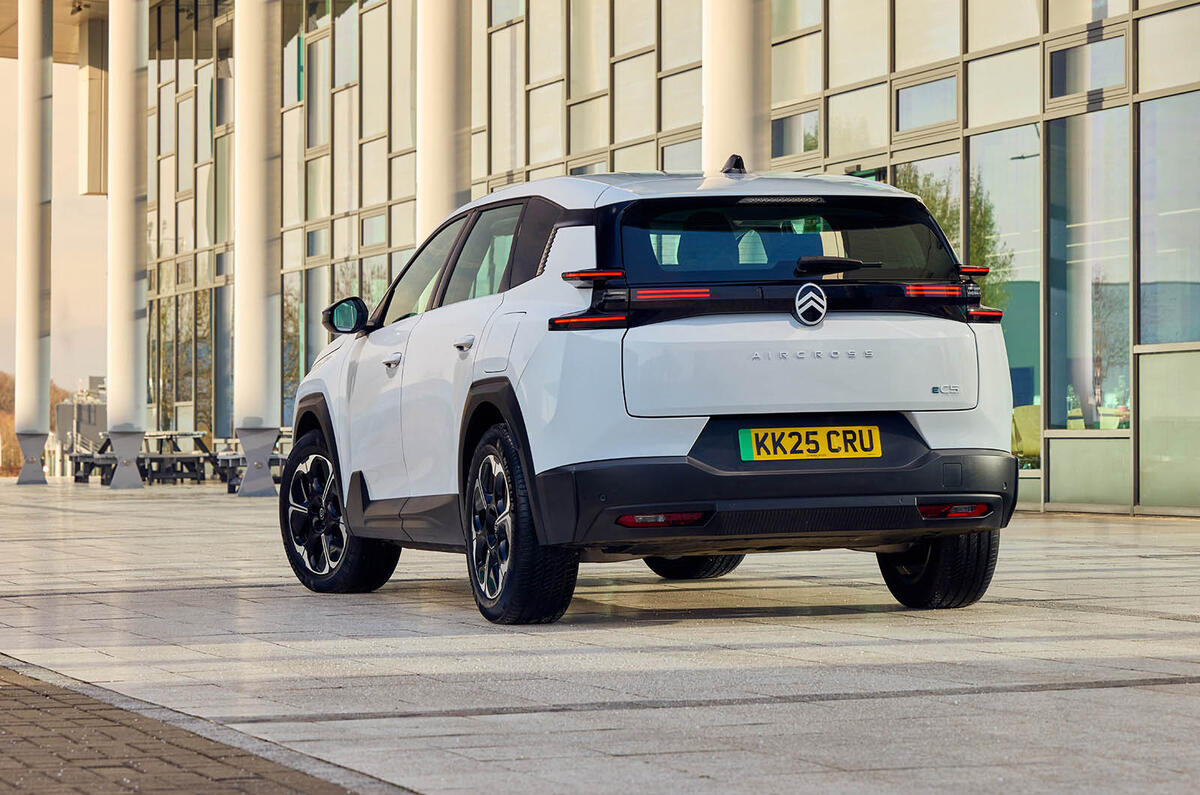
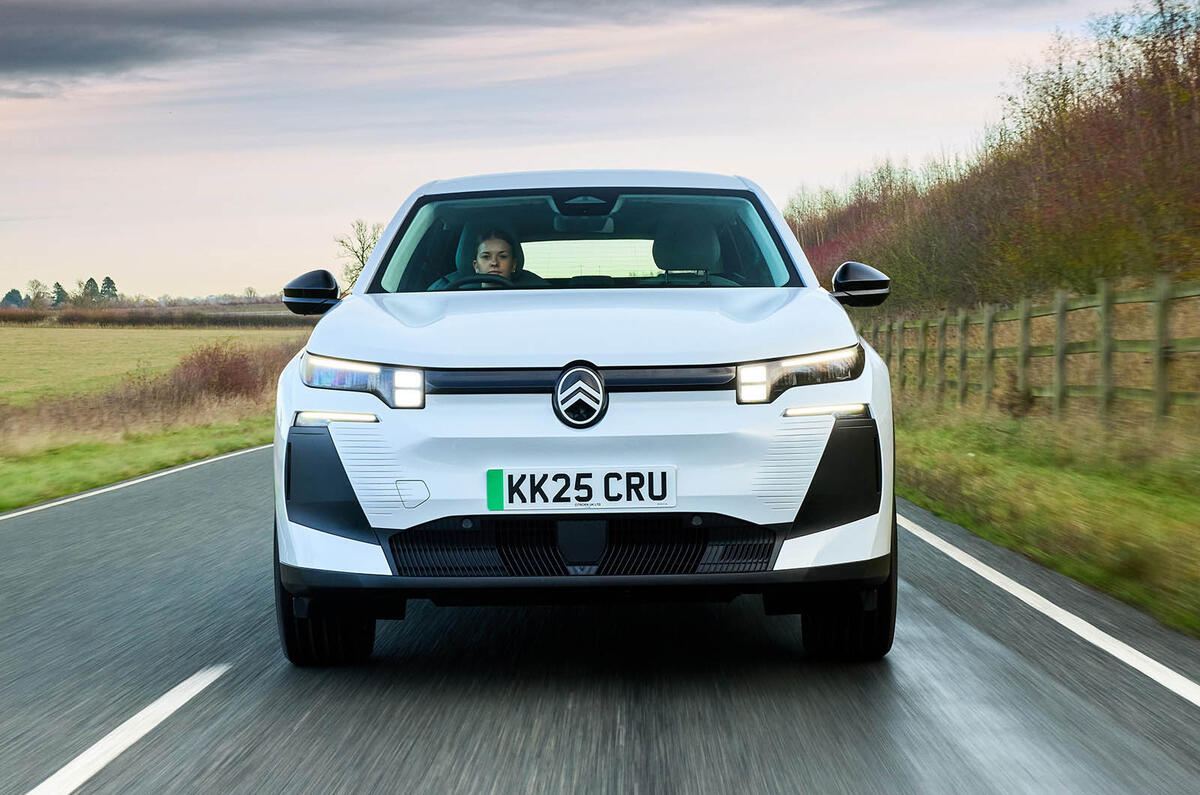
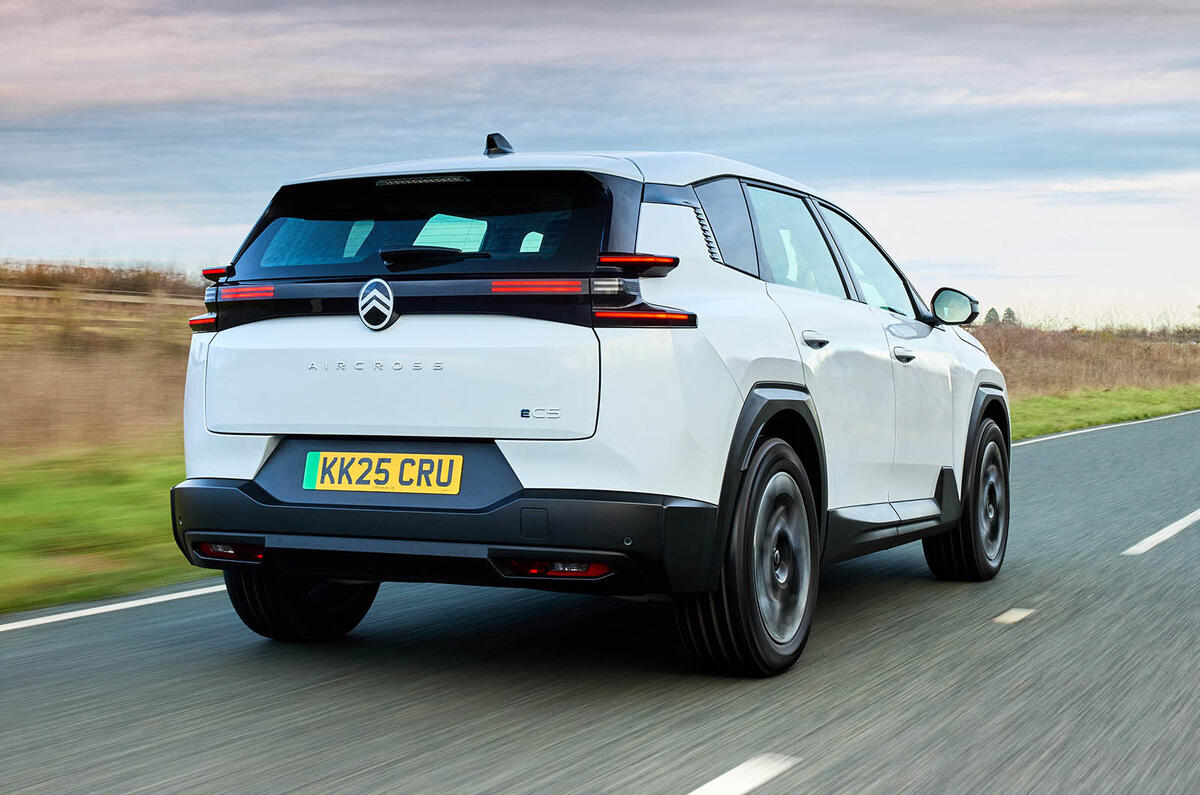
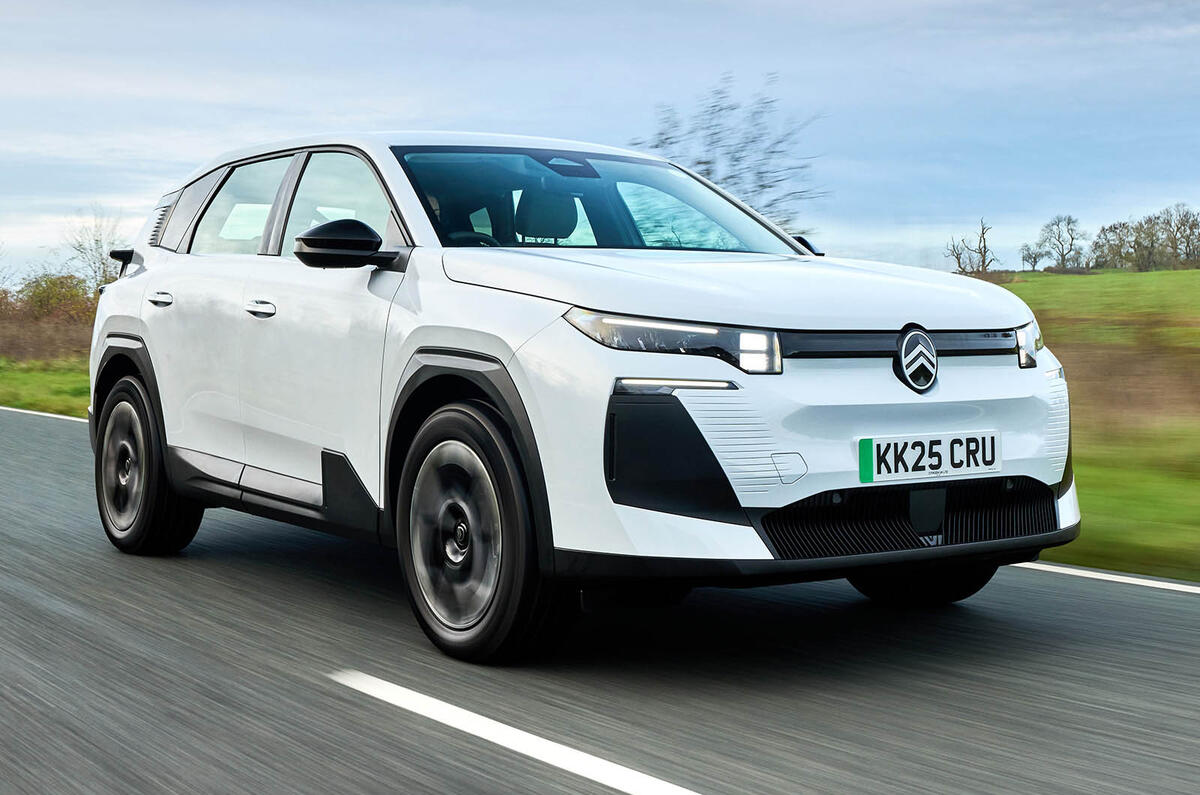
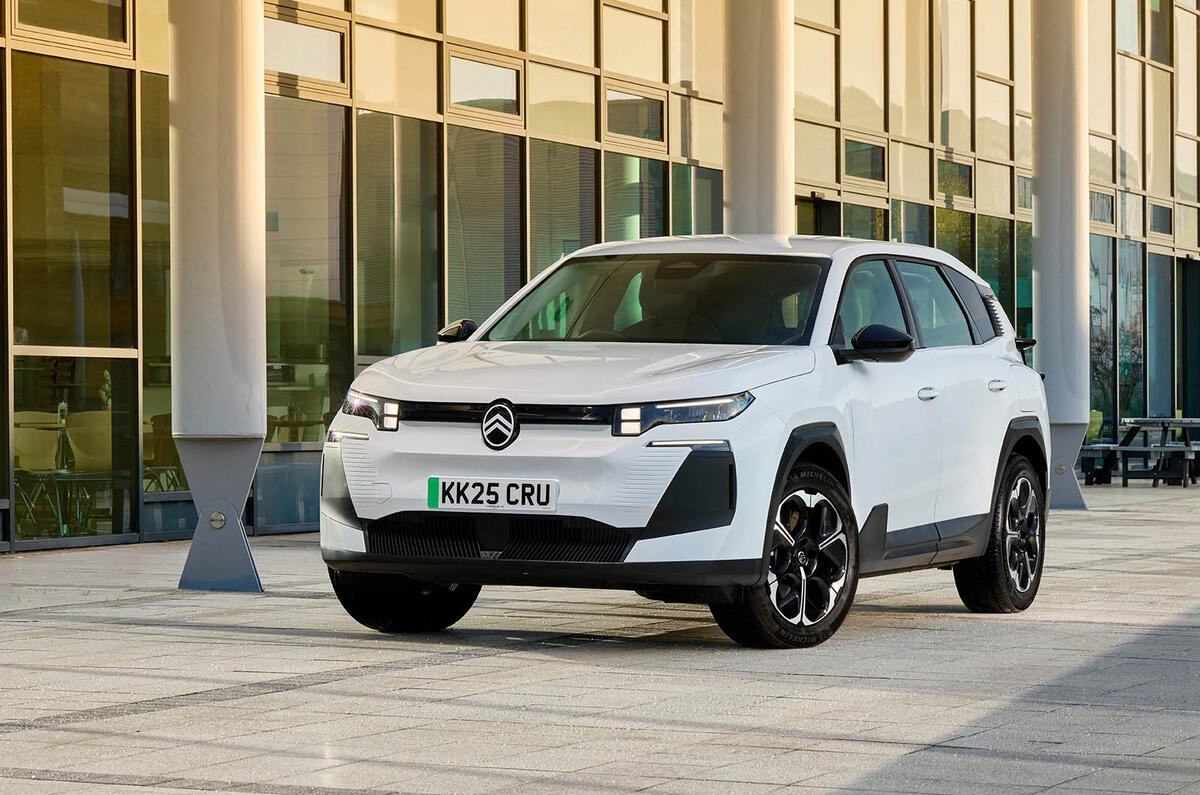
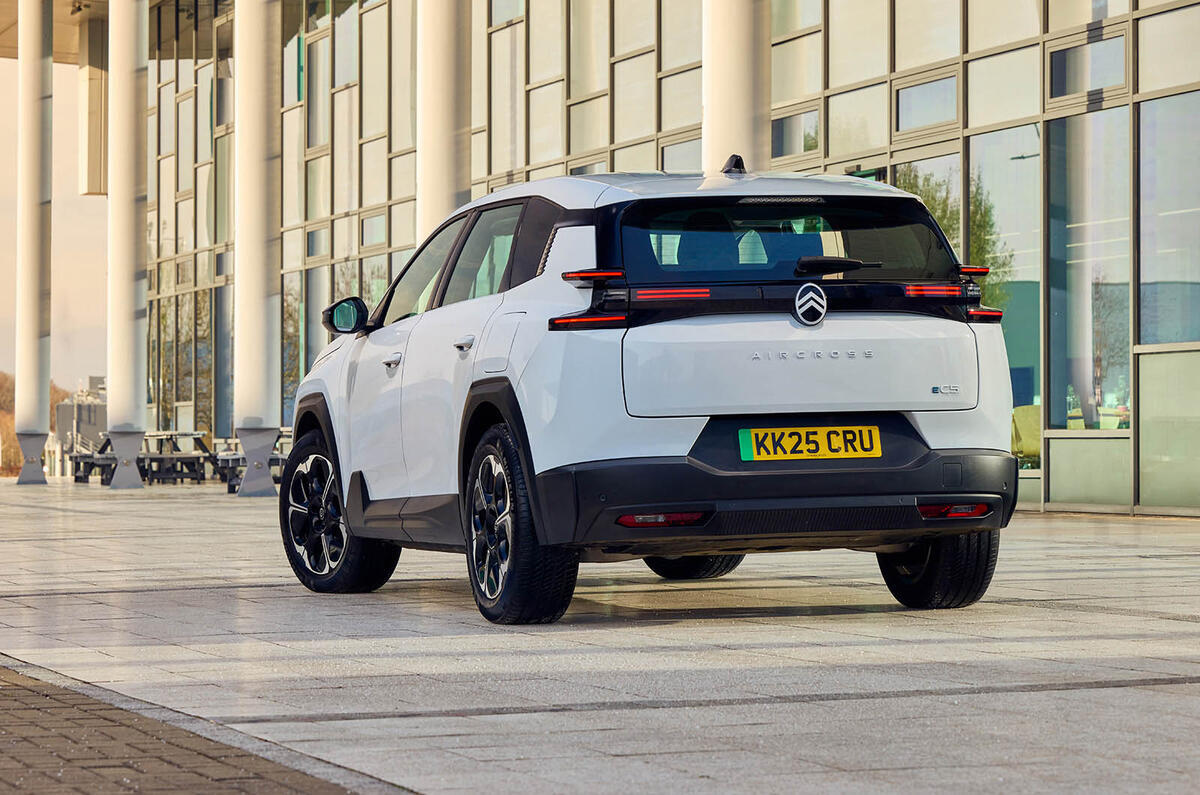
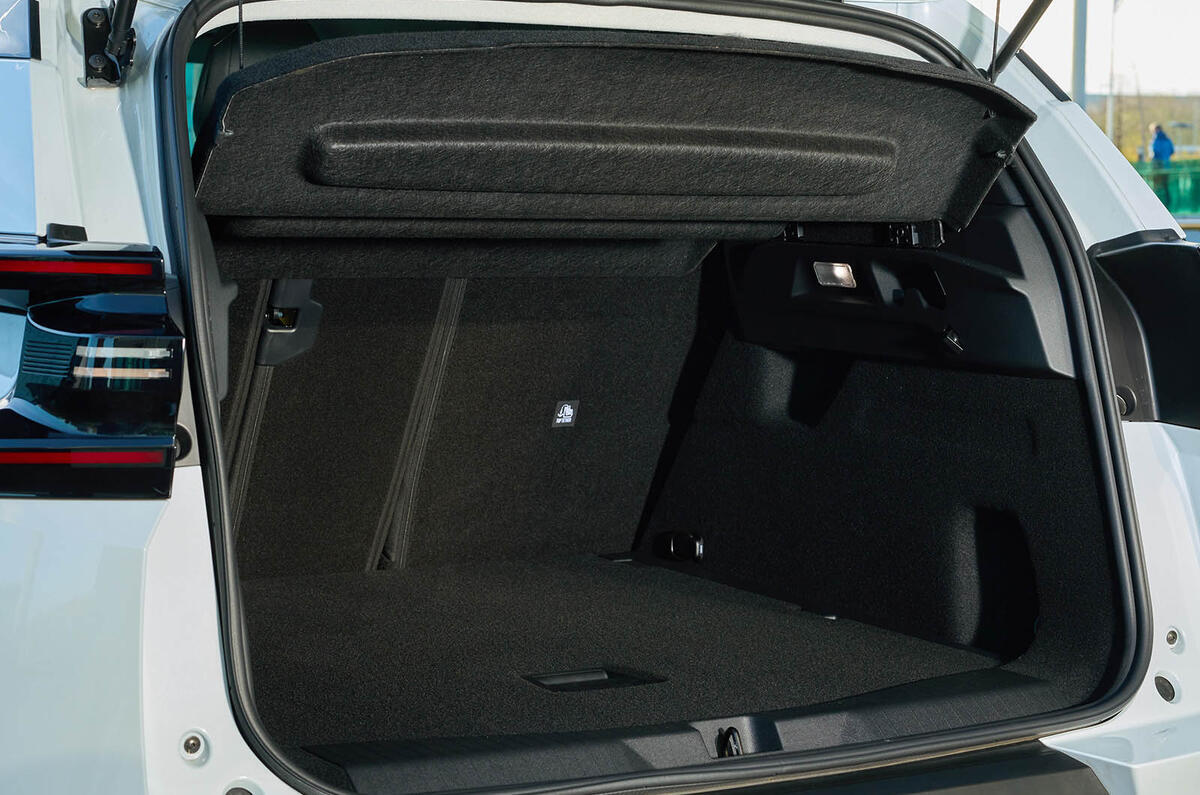
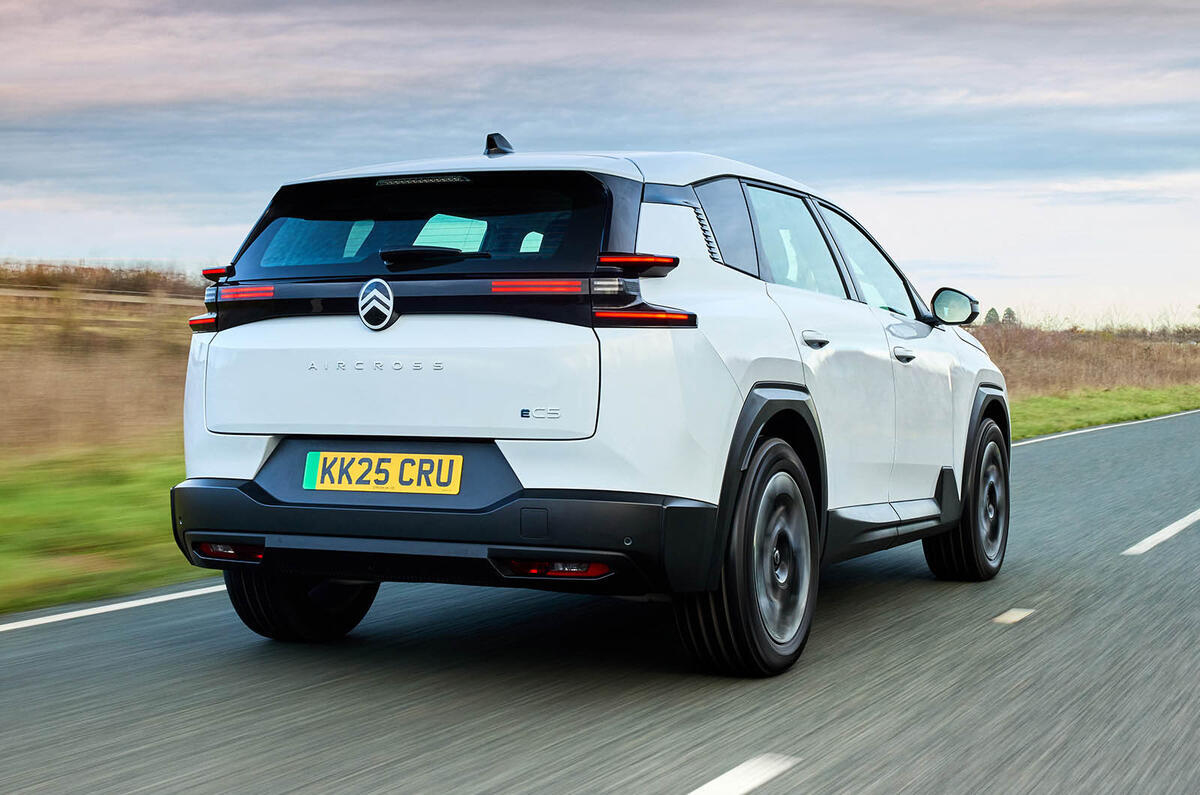
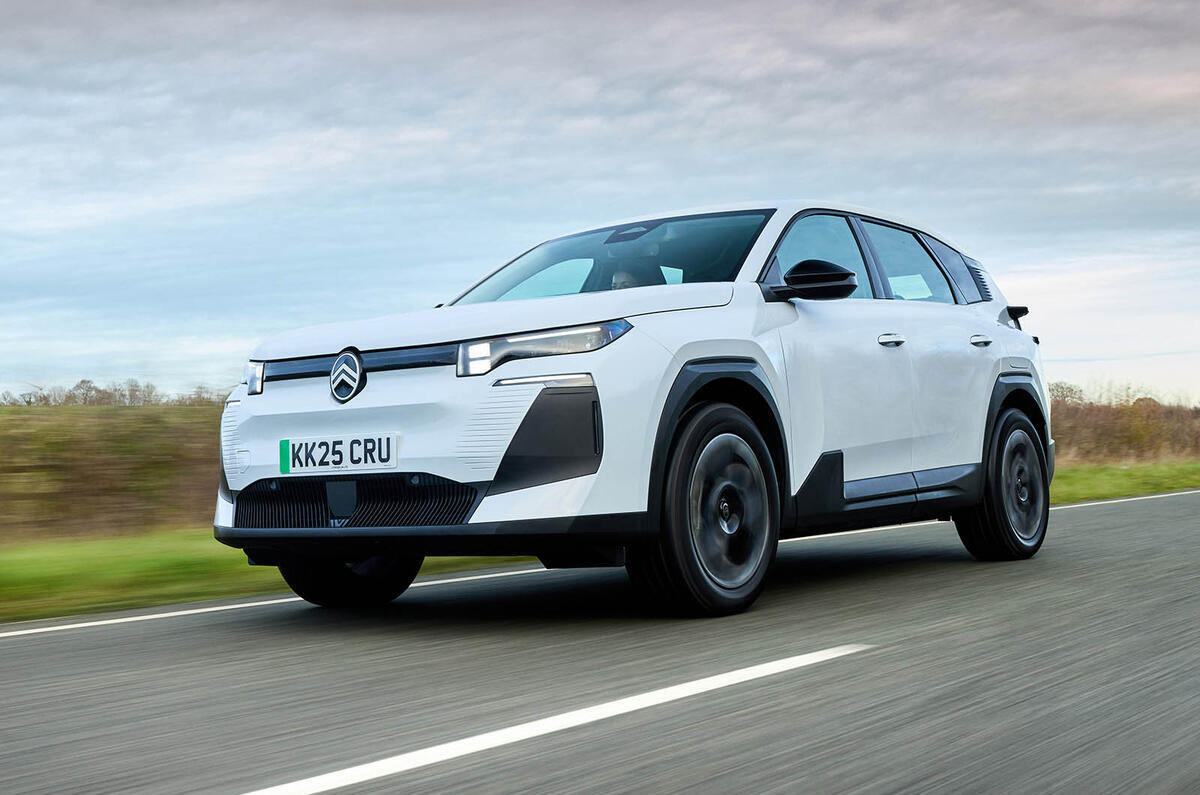
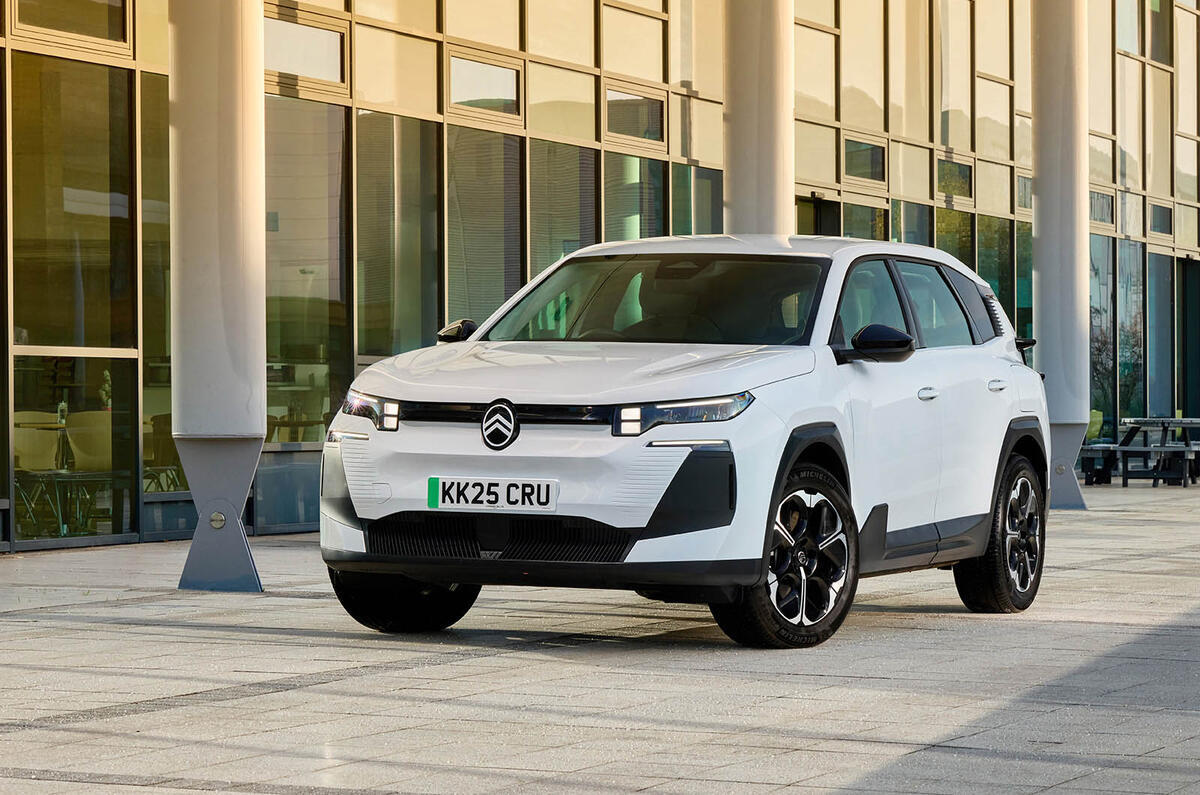
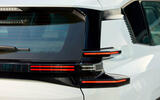
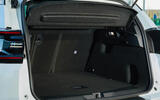
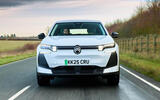
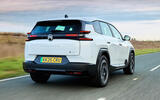
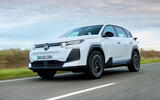
The biggest Aircross’s design is smarter, neater and tougher than was its predecessor’s. This is a big car for its class; more than 4.65m long in a niche where 4.5- is more typical, with a 565-litre boot no matter which version you buy (Skoda Elroq: 470 litres). With 48v hybrid petrol, plug-in hybrid petrol and full EV options to choose from, it caters to almost all-comers.

Like the Peugeot e-3008 and e-5008 and Vauxhall Grandland Electric, it adopts Stellantis’s STLA-Medium model platform, and shares some familiar characteristics. Single motor models are front-wheel drive, with either 211- or 228bhp (so the 210 and 230 derivative identifiers are slightly misleading whether you assume they describe metric- or imperial horsepower). 

There are two options for battery capacity: a Comfort Range version with 73.7kWh of usable storage, or a Long Range version with 96.9kWh. For the latter one, the battery is built at the French joint venture factory that Stellantis shares with Mercedes-Benz, called ACC; while the former uses batteries made in China.

For suspension, the ë-C5 Aircross gets all-independent axles front and rear (an upgrade on the specification of the ICE-engined models, which use a torsion beam rear axle instead) very likely to reflect the greater weight of the EVs (which are, at best, some 550kg heavier than a Hybrid 145 model). The Long Range EV is only 62kg heavier than the Comfort Range car, however; a slight penalty considering the 30 per cent capacity hike.

Citroen is persevering here with its ‘flying carpet’ suspension; its slightly naive way of describing a system of coil springs, progressive-rate dampers and hydraulic bump stops, all tuned so that the springs can be softer and allow a more pliant and isolated ride in normal everyday driving. So goes the thinking, at any rate.

INTERIOR

7
Citroen E C5 Aircross review 2025 020

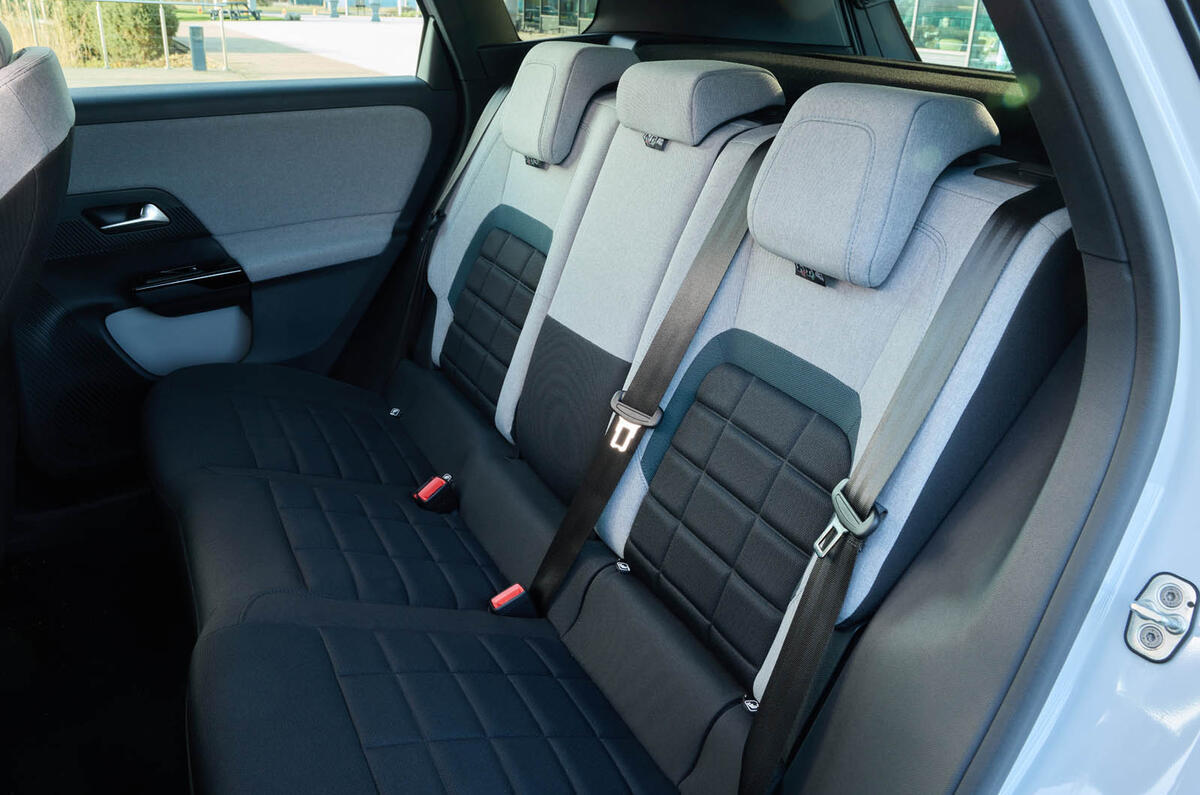
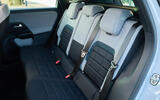
The ë-C5 Aircross’s interior conforms to Citroen norms by being lounge-like, softly furnished and roomy. It’s still only a five-seater, but there’s plenty of space wherever you happen to be sitting. 

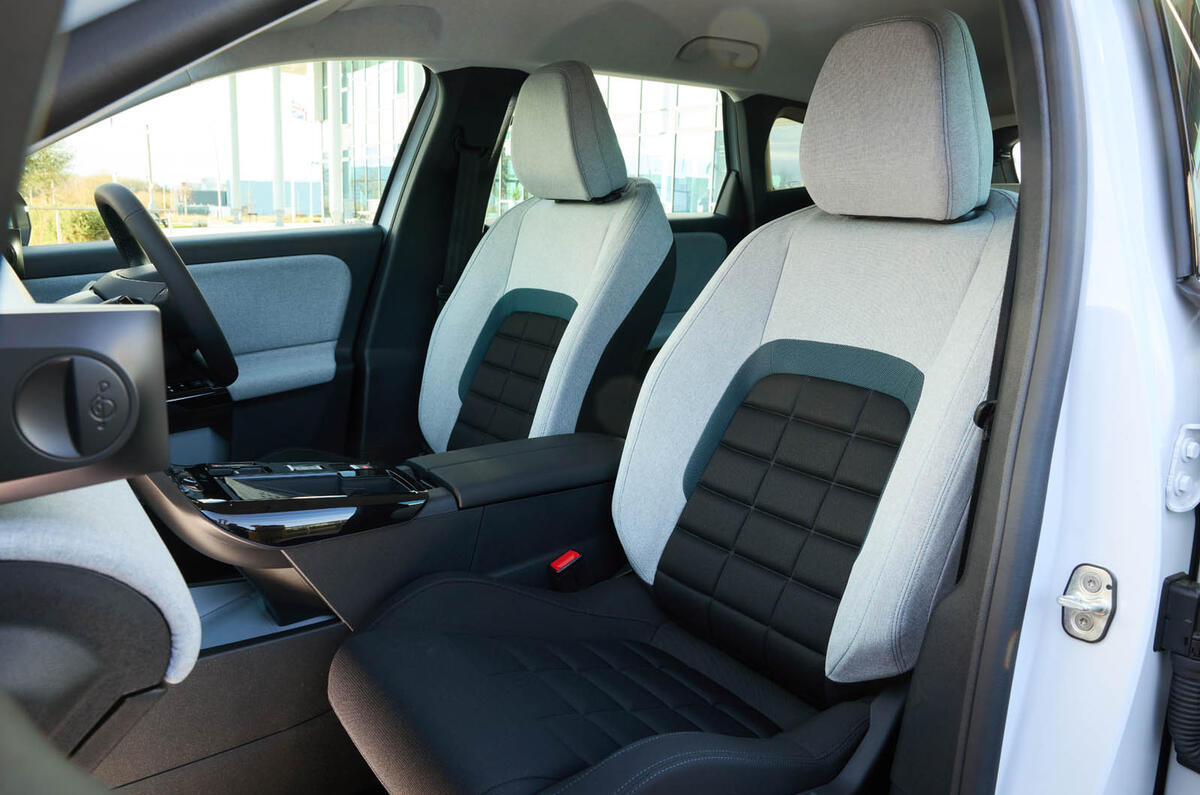
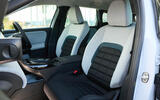
Citroen’s trademark memory-foam ‘Advanced Comfort’ seats are certainly gentle on the backside, and more supportive than the rather flat ones of the old-gen car (there’s still no cushion extension for those travelling up front, but front seats on upper-tier models do get cushion inclination adjustment).

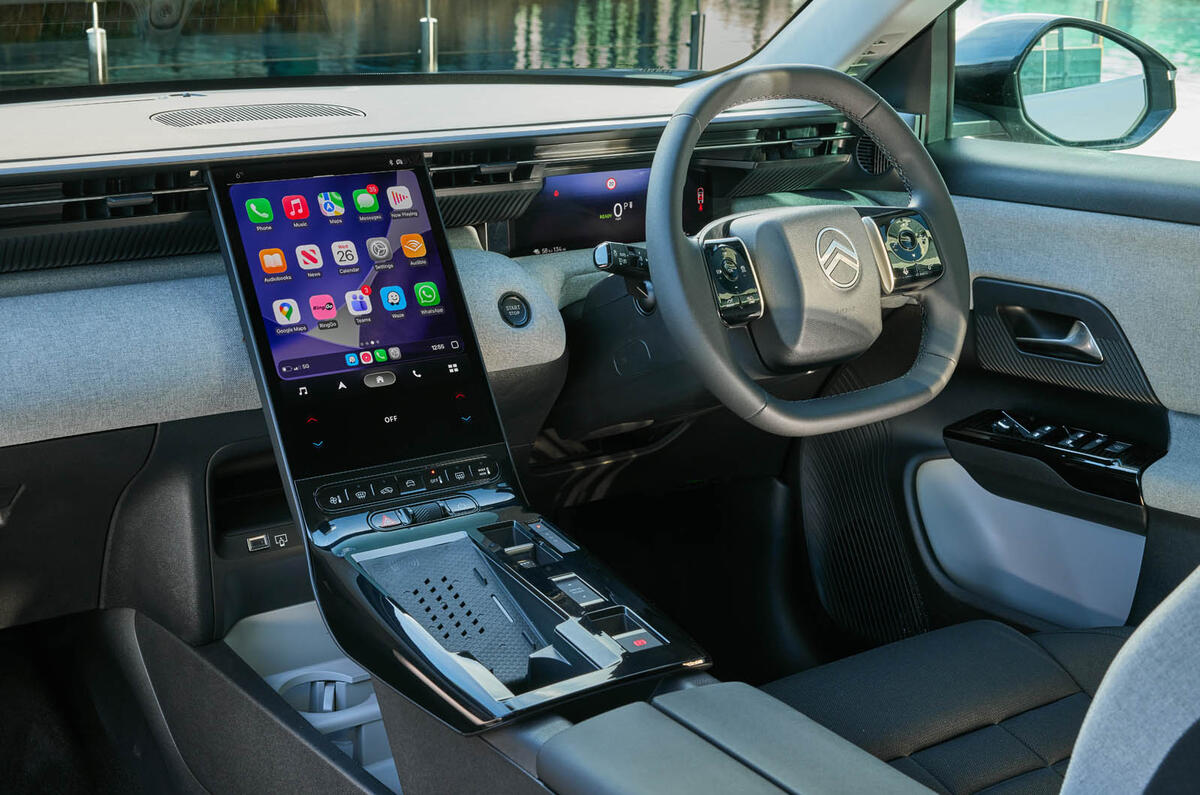
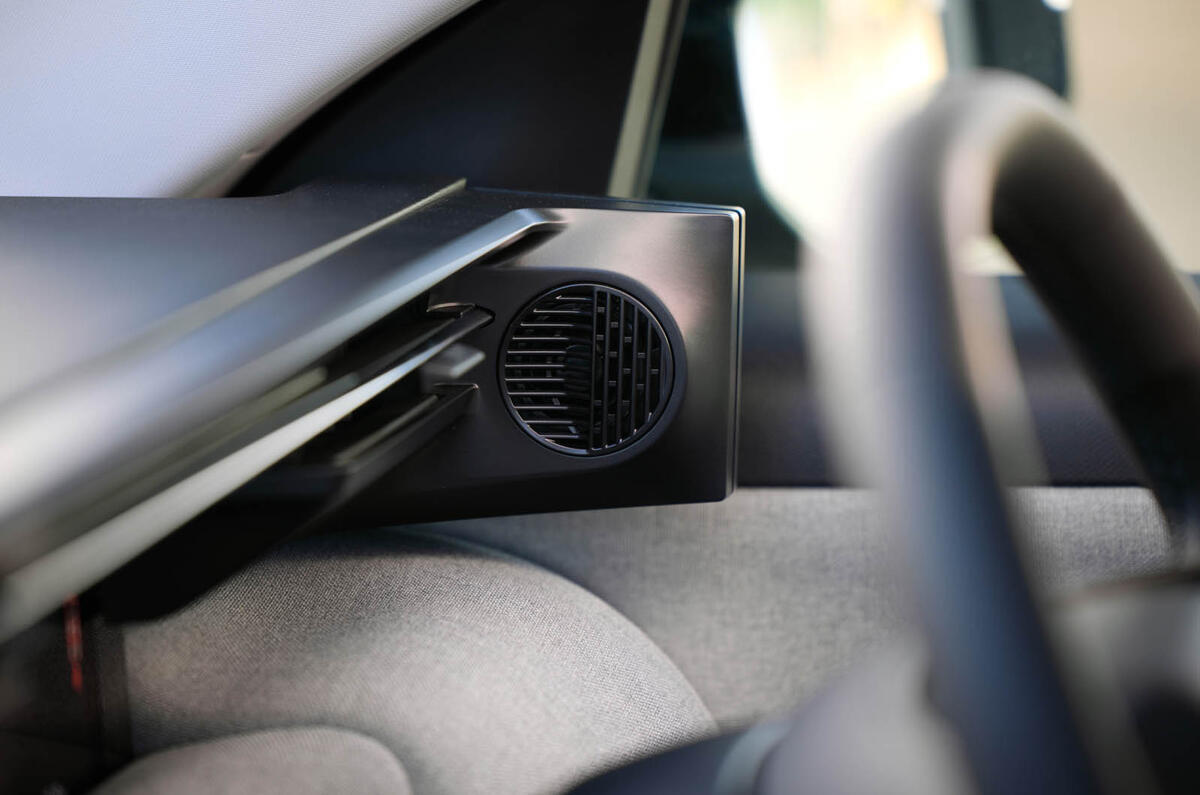
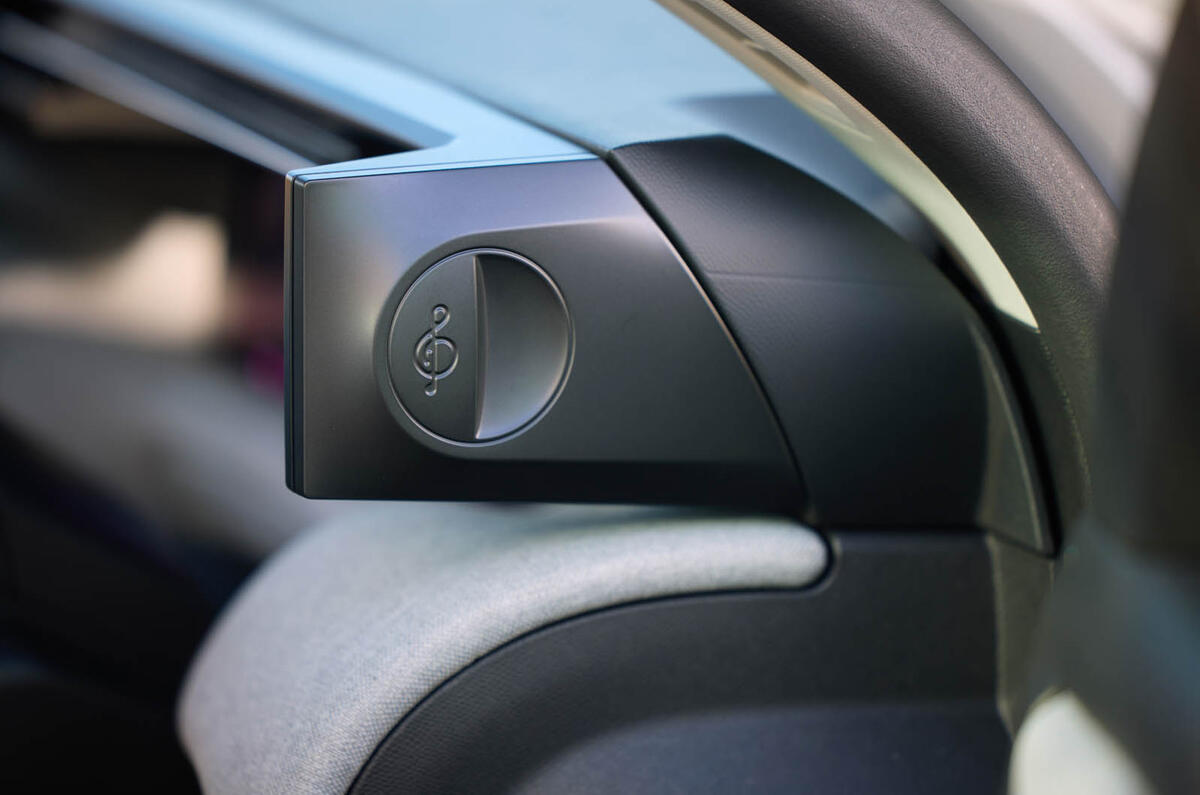
The materials used vary with trim level; there are darker cloths on lower-spec cars (You, Plus), and a light grey textile on top-spec cars (Max). This contrasts with the darker plastics, accented with reflected ambient lighting, rather well; so the spar on which the air vents are carried looks a bit like a sound bar nestling in your sitting room. 

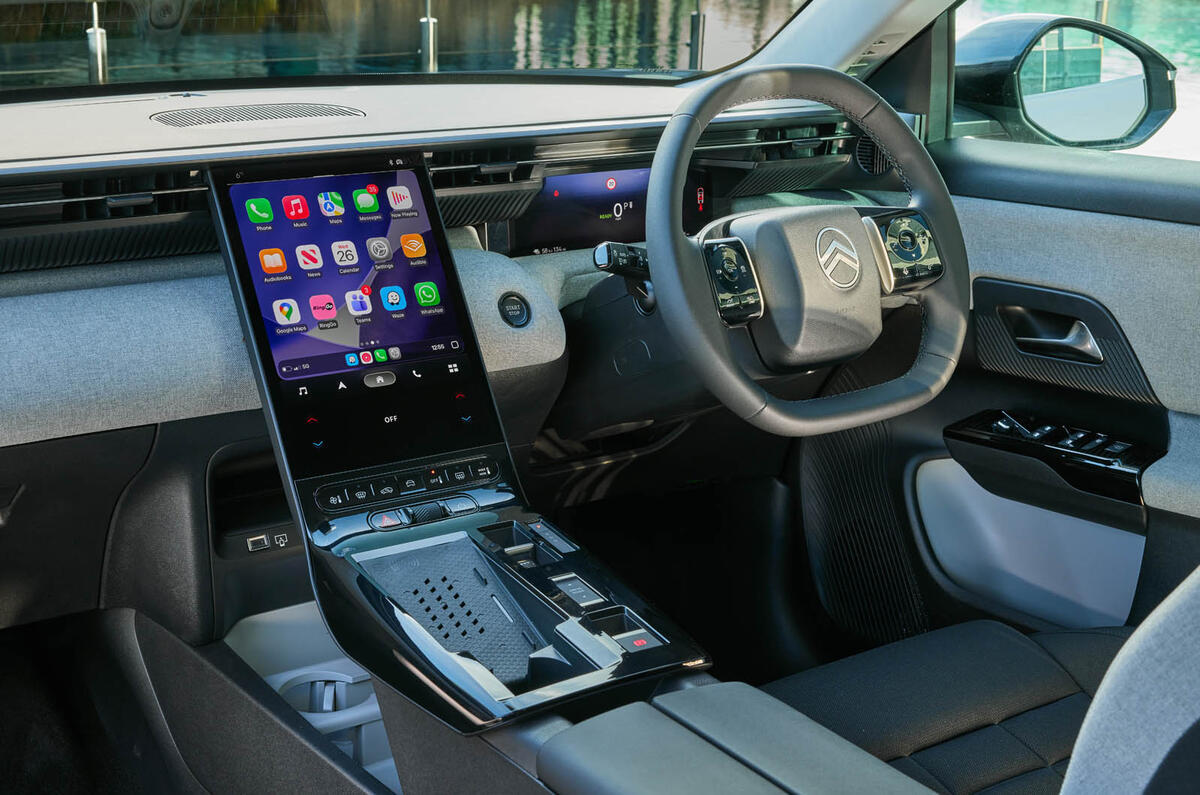
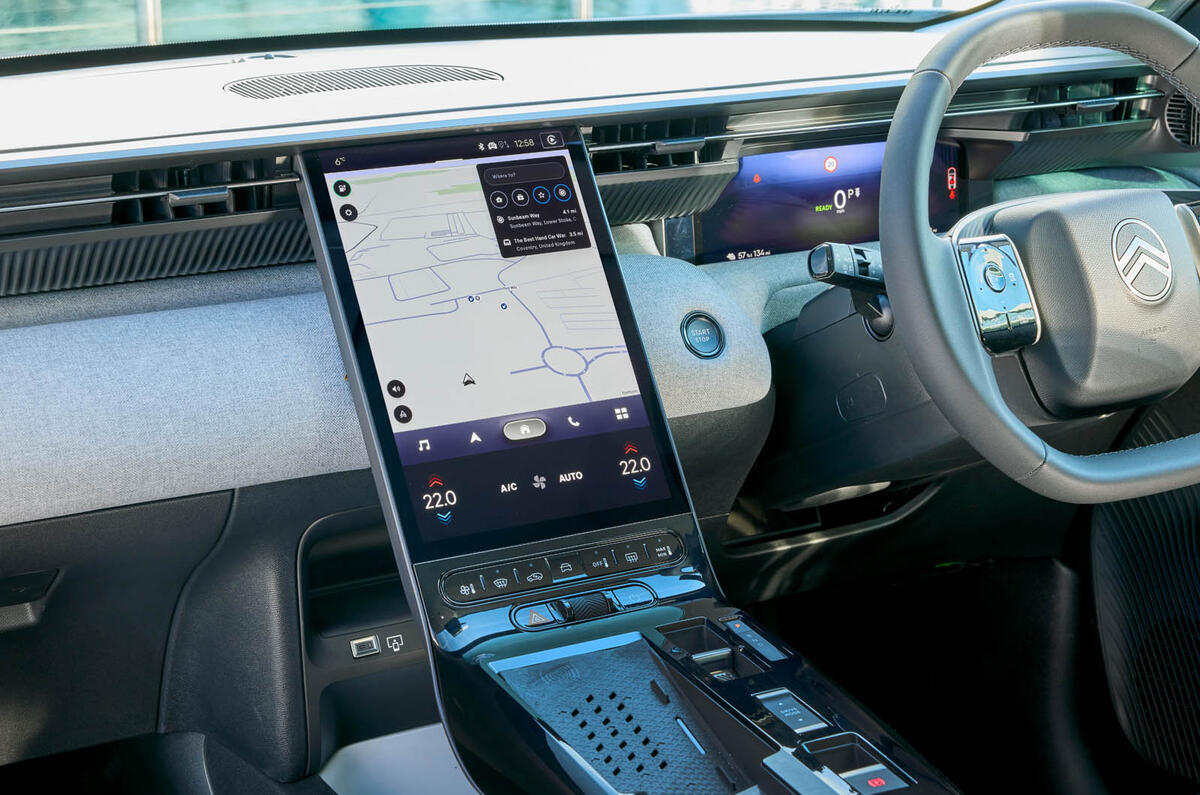
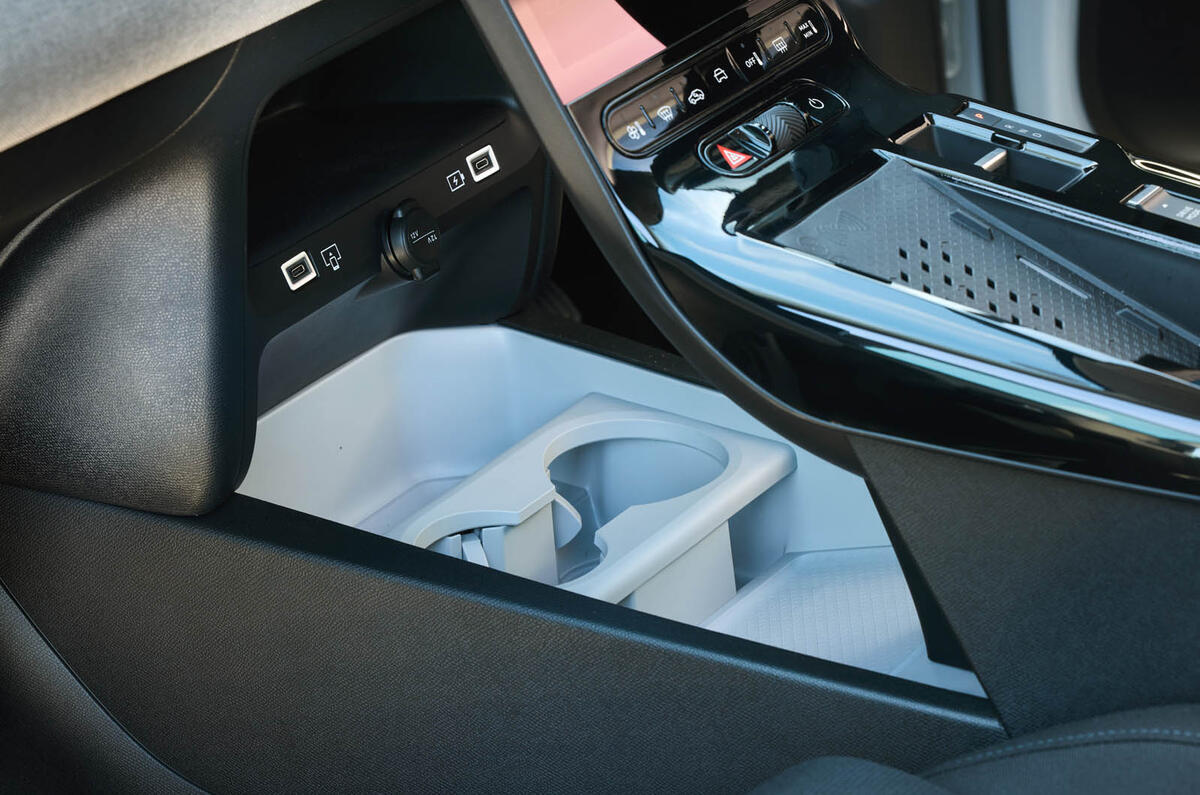
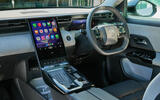
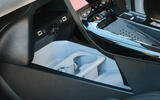
A 13in portrait-oriented ‘waterfall screen’ multimedia system comes on all versions, assuming responsibility for most of your secondary-level interactions with the car, from climate control temperature adjustments to control of the heated and ventilated seats. There are useful physical shortcut buttons underneath to help with navigating it, thankfully; one of them a nicely chunky volume knob, another the shortcut to switch off the ADAS systems. Although you mightn’t be too impressed with how it obstructs access to the car’s cupholders and centre console storage.

ENGINES & PERFORMANCE

6
Citroen E C5 Aircross review 2025 032

As we’ve already mentioned, the dynamic characteristics of the lower-tier ë-C5 Aircross are likely to be a bit irrelevant for UK buyers. Unfortunately they don’t promise great things about how the higher-tier one might drive, however. The car seems capable of doing some things quite well, but on our mixed test route, it frustrated in some respects and underwhelmed in others.

Citroen makes most of the car’s ADAS systems manageable enough - but it doesn’t provide proper manual control of battery regen, despite there being regen paddles to flap about rather pointlessly. There do indeed seem to be three stages of driver-selectable battery regen; but cycling through them all too often seems to produce no discernable difference to the car’s trailing-throttle preferences, which seem mostly to be defined automatically depending on the car’s prevailing speed, the traffic situation, and the route ahead.

Brake pedal progression is also quite ill-defined; and there’s no proper one-pedal driving mode.

Outright performance is fine, the car’s 211bhp drive motor providing ample guts (the higher-power motor has the same torque) even at higher cruising speeds.

RIDE & HANDLING

5
Citroen E C5 Aircross review 2025 033

The Citroen ë-C5 Aircross has about the clearest comfort-orientated dynamic agenda of any car in its particular corner of the electric SUV market. It’s also big and heavy for its class; although that shouldn’t prevent it from delivering against that particular brief. And yet it clearly struggles with its weight on some UK roads. 

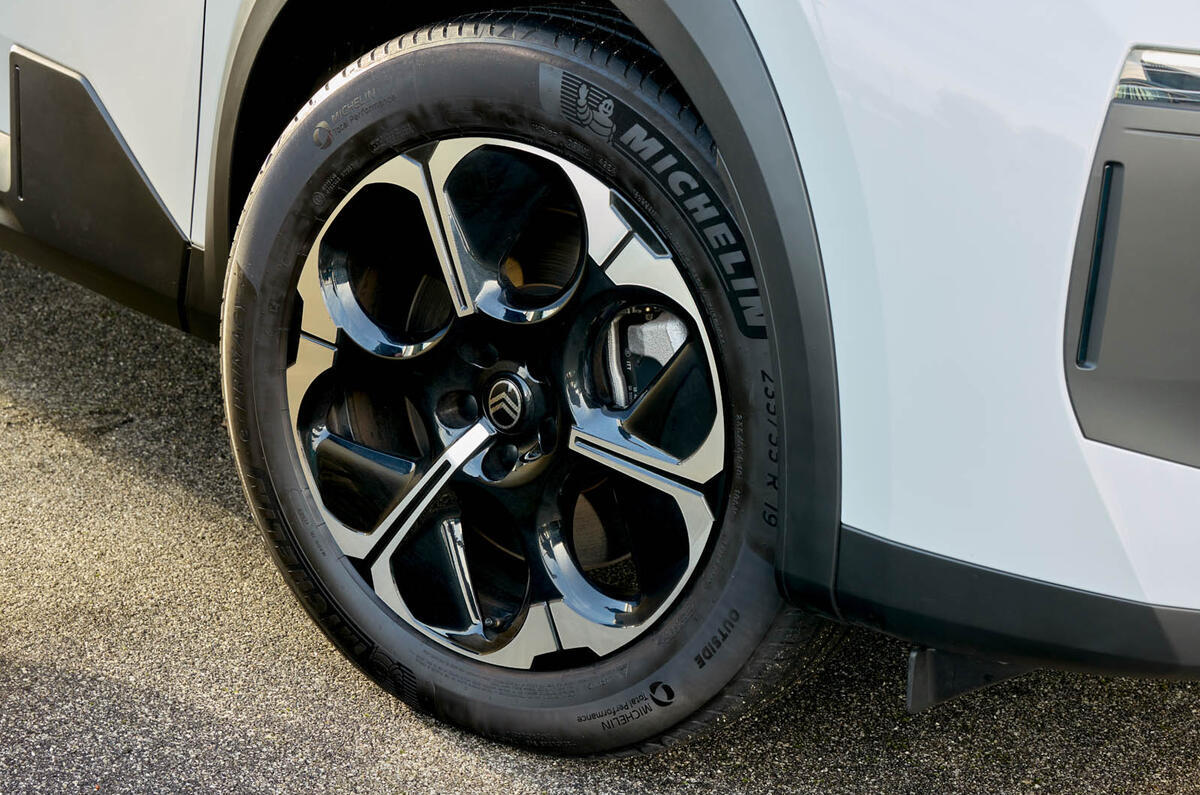
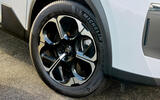
Citroen’s suspension technology works quite well in giving the car a fairly cushioned and quiet low-speed ride, even on the 20in alloy wheels fitted to range-topping cars. 

But out of town, the car’s soft and permissive tuning too often leaves its considerable bulk to toss, jounce, corkscrew and fidget away, at least initially unchecked. It doesn’t struggle with ultimate stability or outright body control; the car corners in contained fashion, handles securely and predictably enough, and doesn’t struggle for traction or grip. 

It’s only close body control and chassis composure that’s adversely impacted; although the net result simply doesn’t amount to a more comfortable-riding family SUV much of the time. The car copes better with motorways than A- and B-roads, certainly. But much as it’s true to say that the more gently you’re prepared to drive the car, and the smoother and flatter the road it’s working on, the better it rides - that’s clearly a statement that could be applied to almost any passenger car, and says nothing about the dynamic capacities that an accomplished, dynamically versatile, truly comfortable family car ought to have.

A light- and over-assisted-feeling steering system doesn’t help the ë-C5 Aircross; nor a high and unchecked initial rate of body roll, which is apparent as you turn into a corner, and which allows the car to heel over quite suddenly onto its outside wheels, and undermines your confidence in it a little.

MPG & RUNNING COSTS

6
Citroen E C5 Aircross review 2025 014

If the Citroen ë-C5 Aircross turns out to be what’s claimed, there ought to be little debate about this section; as far as UK buyers are concerned, at least. A 421-mile electric family car available for less than £33,000 sounds like one of the smartest buys you could make in 2026. Even at 75 per cent of that, the ë-C5 Aircross would be in a strong enough position relative to its nearest rivals.

But, after our testing of the lower-tier model, there’s a looming caveat. For real-world efficiency, on a circular route our Comfort Range test car - for which 4.4mpkWh is claimed - managed only 3.1mpkWh in practice. That gave it an effective range of only about 230 miles; and seems a valid enough basis to expect the heavier-still 421-mile version to turn out to be capable of perhaps only 300 miles or so in typical UK motoring. 

If true, that would be a serious disappointment. The car is quite big and bluff by compact SUV standards; and particularly heavy, although not unprecedented in that respect. But it isn’t alone among cars on this particular Stellantis model platform, in our testing experience, in undershooting on expectations for efficiency.

VERDICT

6
Citroen E C5 Aircross review 2025 035

The Citroen ë-C5 Aircross might look like Britain’s latest EV value champion on paper - having been helped out quite a lot by the particular conditions of HMRC’s latest buying incentive scheme for electric cars. But, on this evidence, it might just struggle to live up to expectations.

In a pretty basic sense, it’s a straightforward and successful effort. Like its predecessor model, it delivers more metal for the money than the average compact family SUV. And its impressive cargo and passenger practicality is all the more convincing because it comes in a quietly appealing- and smart-looking package, with a well-equipped and quite inviting, lounge-like cabin. All of that is plenty to tempt budget-conscious families with, and perhaps begin to persuade them not to jump ship to a new far Eastern brand. 

This is another of Stellantis’s ‘STLA-Medium’-platform EVs that seems heavy and over-engineered to me; and that seems to lack real-world efficiency as a result. It’s an uncharacteristic problem for a Citroen

Where the car comes unstuck is out on the road, however; out of town especially, where its particular suspension tuning doesn’t only fall short of a distinguishing standard on ride comfort, but actually struggles to hit a competitive one. Also for EV drivability, where Citroen has missed some key options for the driver; and, perhaps most conspicuously, for efficiency and range.

Clearly, it’s too early to be conclusive about the Long Range model when we’ve yet to test it, either in the UK or elsewhere. But the performance of the Comfort Range model would suggest that this big Citroen has much to prove in order to follow through on its claims - eye-catching though they are.

Matt Saunders

Matt Saunders Autocar
Title: Road test editor

As Autocar’s chief car tester and reviewer, it’s Matt’s job to ensure the quality, objectivity, relevance and rigour of the entirety of Autocar’s reviews output, as well contributing a great many detailed road tests, group tests and drive reviews himself.

Matt has been an Autocar staffer since the autumn of 2003, and has been lucky enough to work alongside some of the magazine’s best-known writers and contributors over that time. He served as staff writer, features editor, assistant editor and digital editor, before joining the road test desk in 2011.

Since then he’s driven, measured, lap-timed, figured, and reported on cars as varied as the Bugatti Veyron, Rolls-Royce PhantomTesla RoadsterAriel Hipercar, Tata Nano, McLaren SennaRenault Twizy and Toyota Mirai. Among his wider personal highlights of the job have been covering Sebastien Loeb’s record-breaking run at Pikes Peak in 2013; doing 190mph on derestricted German autobahn in a Brabus Rocket; and driving McLaren’s legendary ‘XP5’ F1 prototype. His own car is a trusty Mazda CX-5.