








From £27,3956

Hybrid crossover is full of qualities that appeal to your head but can it appeal to the heart too?

The Renault Symbioz. Which one is that again? So many new Renault crossovers have been launched in recent years with new names that it can be hard to keep up with.

The Symbioz is the small crossover that's based on the same underpinnings as the Renault Clio and Renault Captur (another small Renault crossover itself) and slots between the Captur and the Renault Austral in the Renault range.

The Symbioz wants to be a car that blends into your life imperceptibly. To that end, it's sort of trying to be the Golf of small crossovers. Sort of.

Why so many crossovers? Renault says it's no different to the Volkswagen Group in offering numerous models that overlap with one another to one degree or another but the difference is Renault has just one brand to offer the mainstream and the VW Group has several. Fair enough.

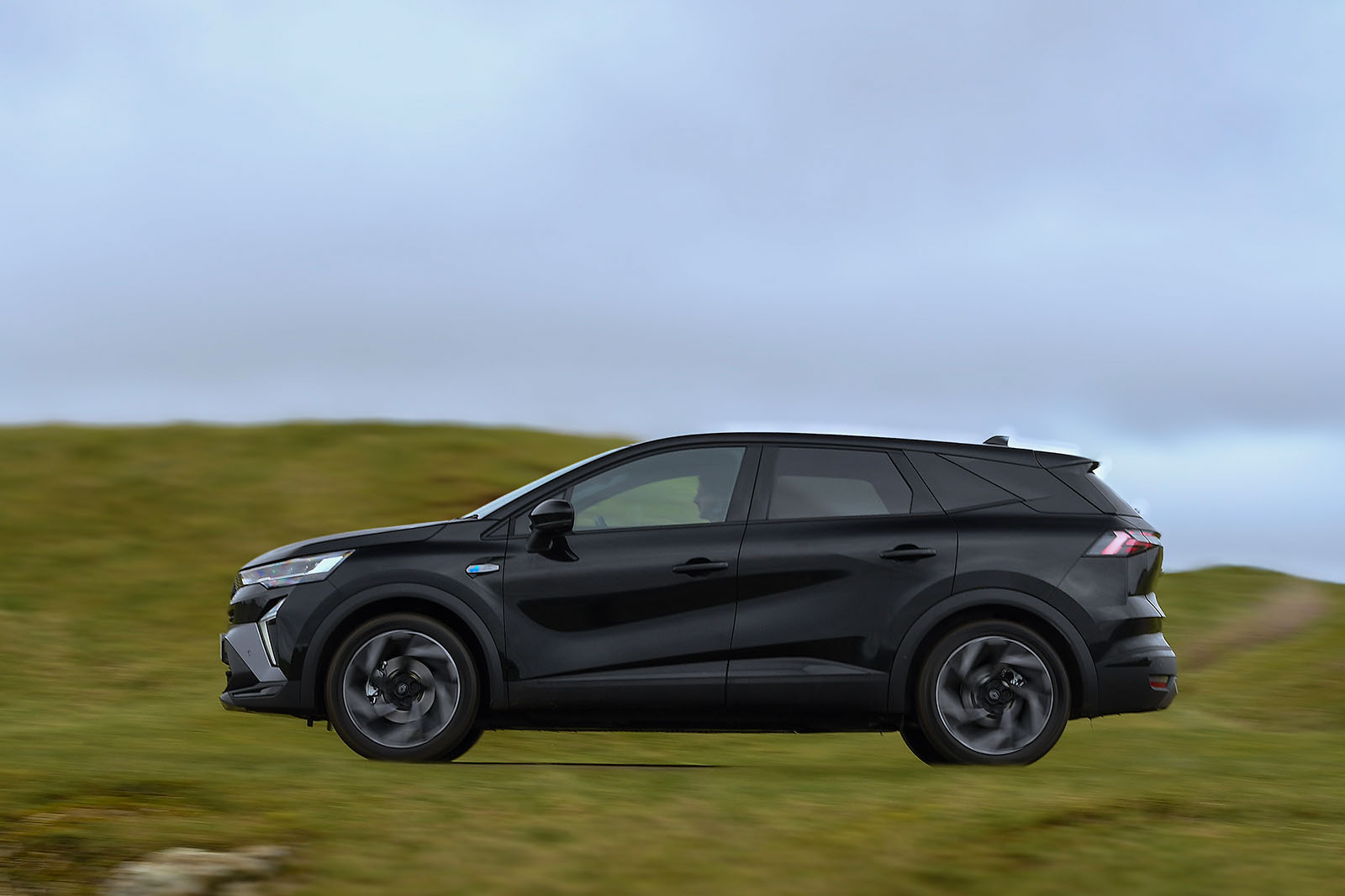
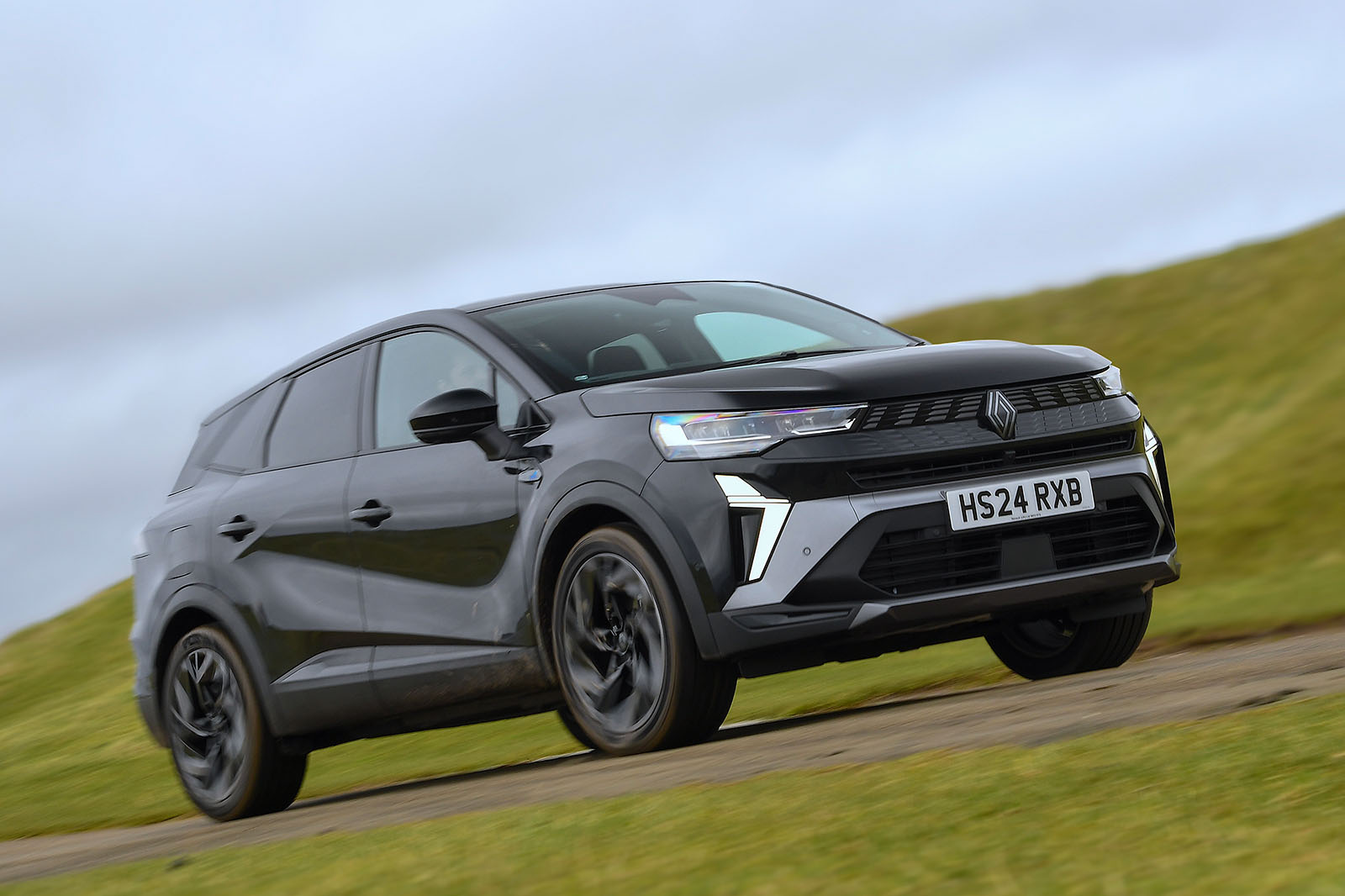
The Symbioz looks more smaller Austral than bigger Captur and a good deal more mature than the latter. At the time of its launch, one Renault designer called it "more rational and less emotional", which one could read for being a bit boring. 

It has been conceived for families and fleet buyers, with upright, boxy proportions, decent interior space and hybrid power. But does it live up to these credentials while truly differentiating itself from talented competition?

The Renault Symbioz line-up at a glance

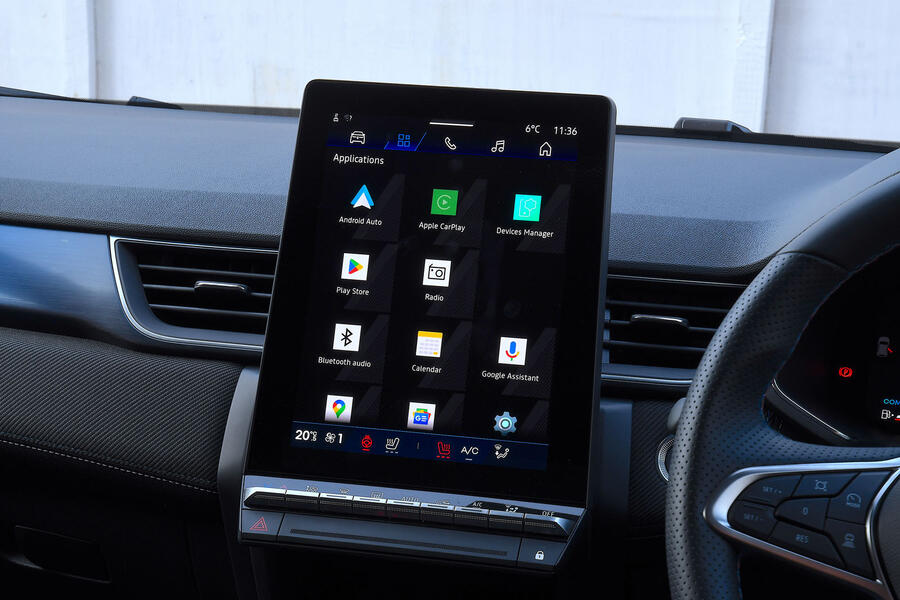
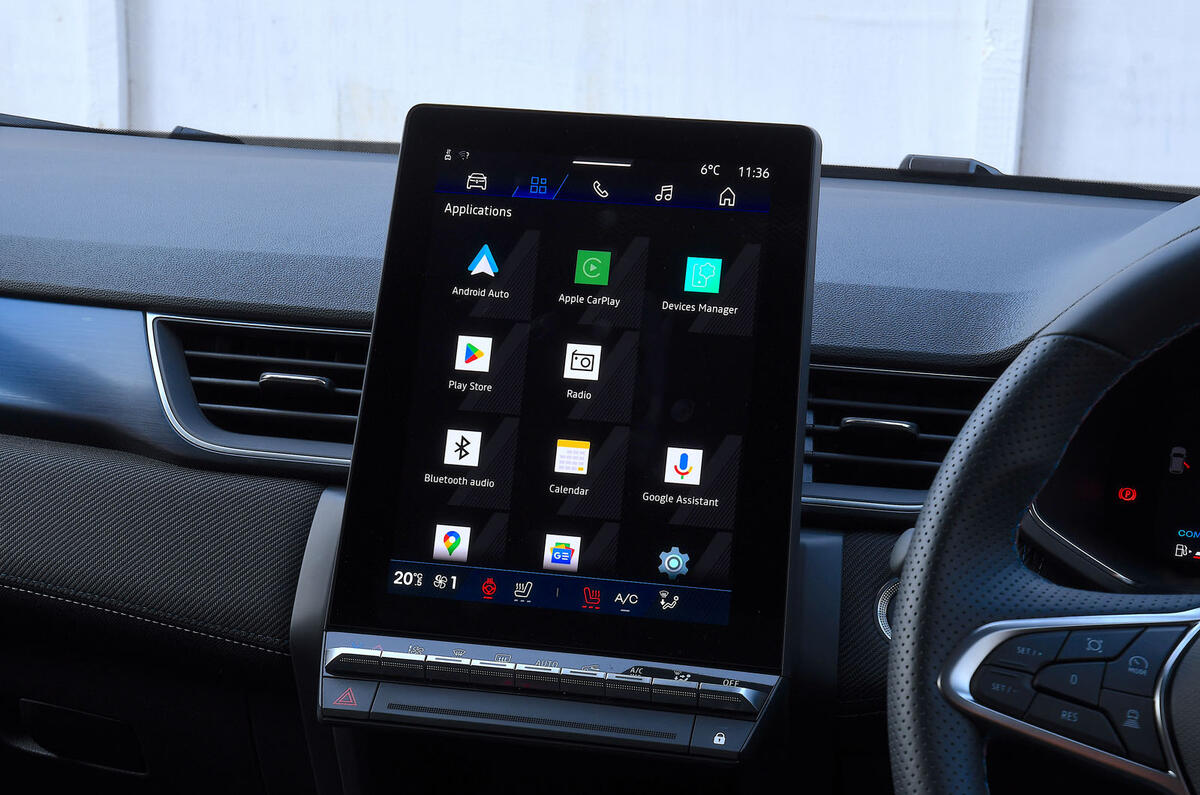
There are three specifications of Symbioz: Techno, Techno Esprit Alpine and Iconic Esprit Alpine. All cars get 18in alloys, a 10.4in infotainment display running Google's automotive software, a 10.25in instrument display and a six-speaker stereo system.


Advertisement
Back to top

Stepping up beyond entry-level Techno grants you larger alloys, racier trim pieces, a better stereo system and an electric bootlid. But our recommended specification is Techno, which has all you really need.

The engine line-up is also pretty simple: you can have a mild hybrid or a full hybrid. Mild-hybrid cars come in the two Techno trims only and use a 1.3-litre four-cylinder turbo petrol engine with a gearbox-mounted electric motor.

The full hybrid is available on all three trim levels and comes with a 1.8-litre four-cylinder petrol engine (naturally aspirated) and two electric motors (a 48bhp drive motor and a 20bhp integrated starter-generator, or ISG). In total, the system develops 158bhp and 276lb ft for a top speed of 105mph and a 0-62mph time of 9.1sec.

DESIGN & STYLING

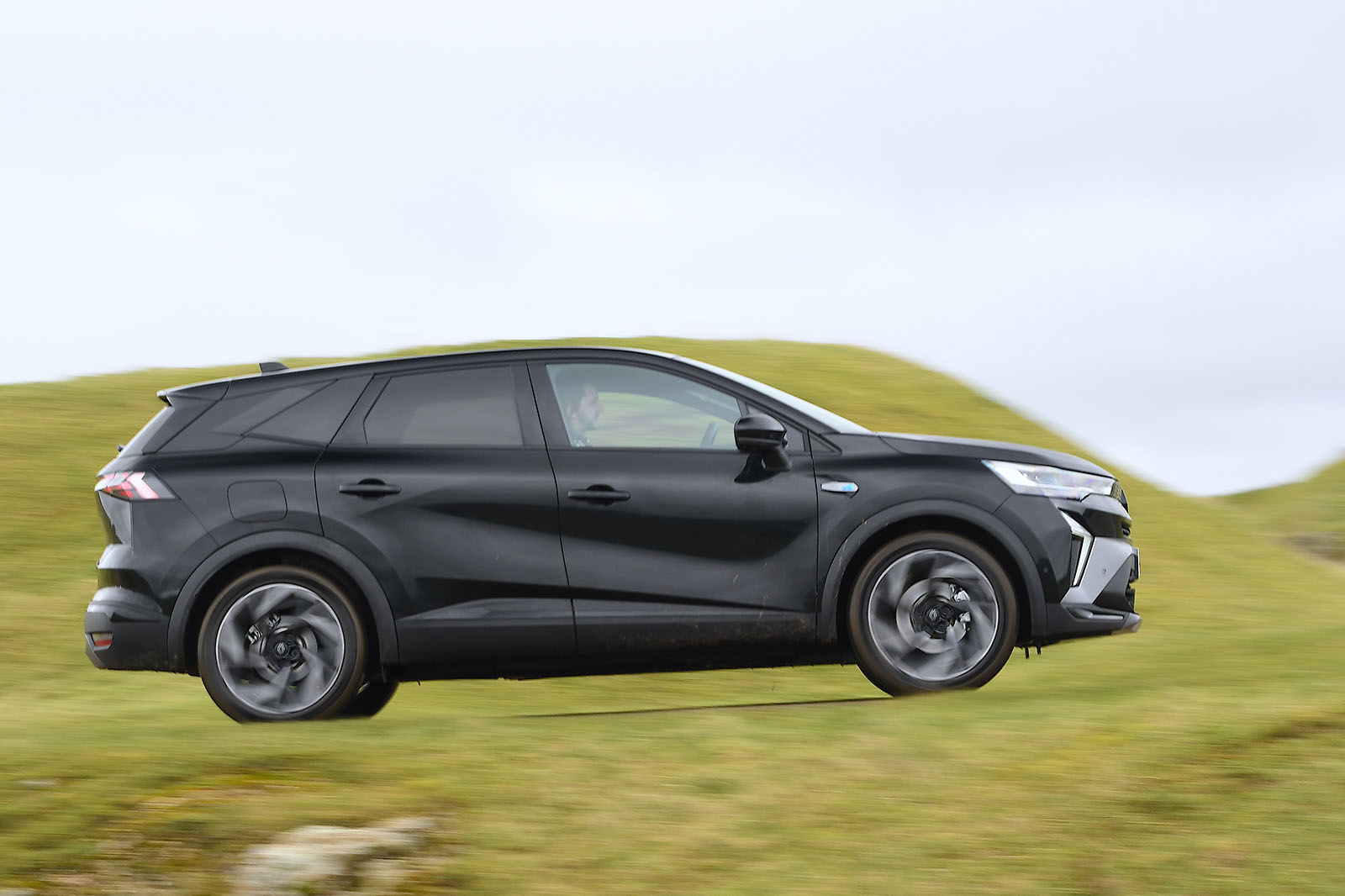
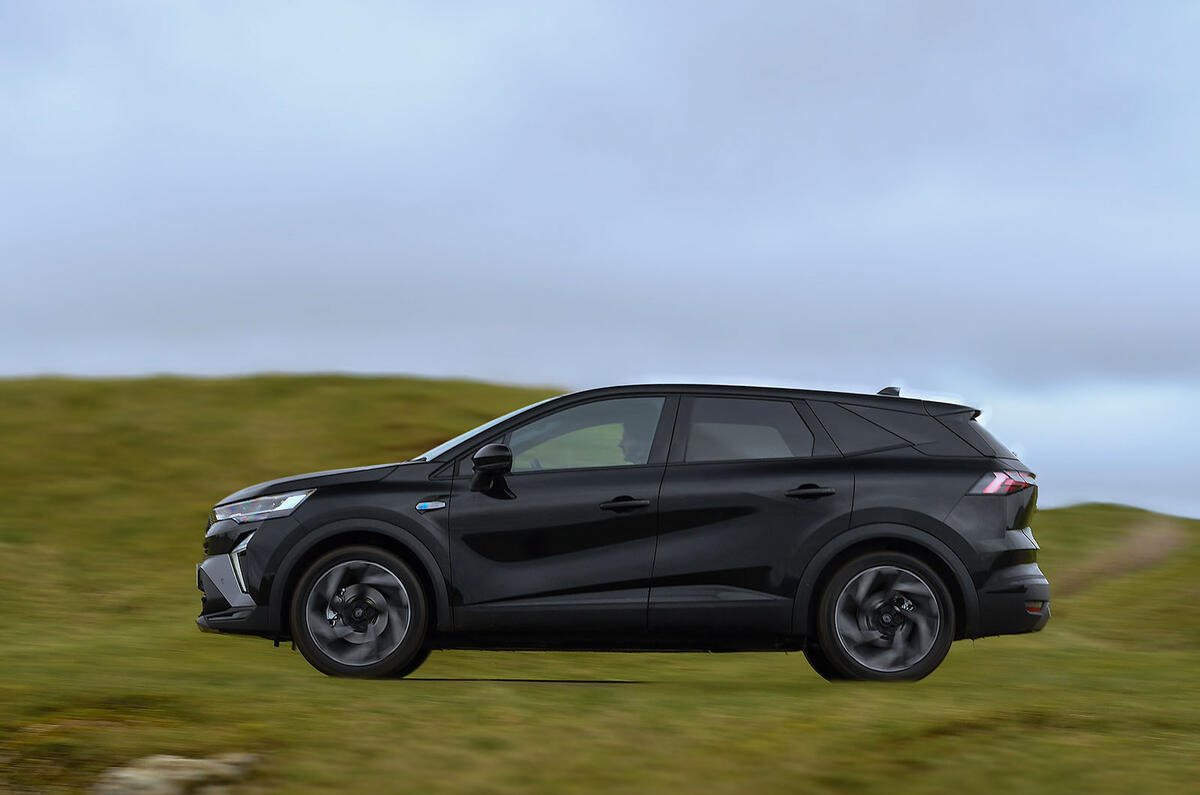
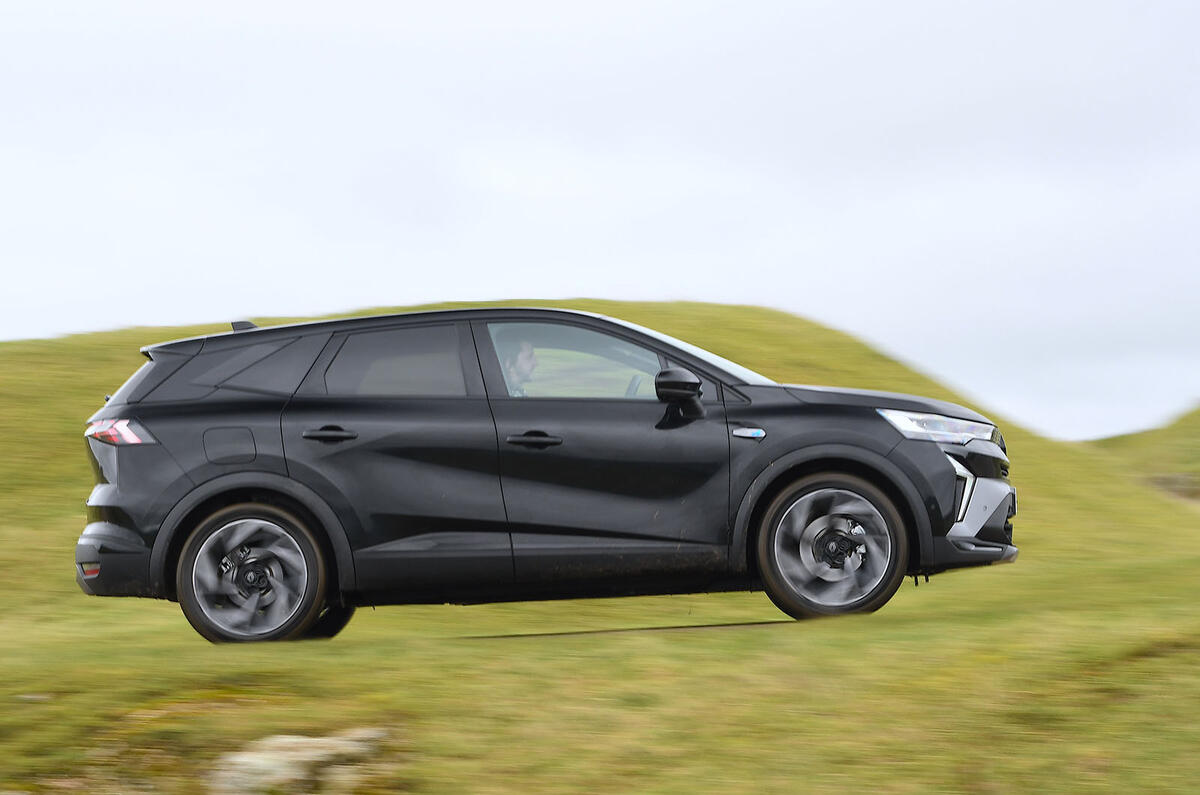
Renault Symbioz review side tracking

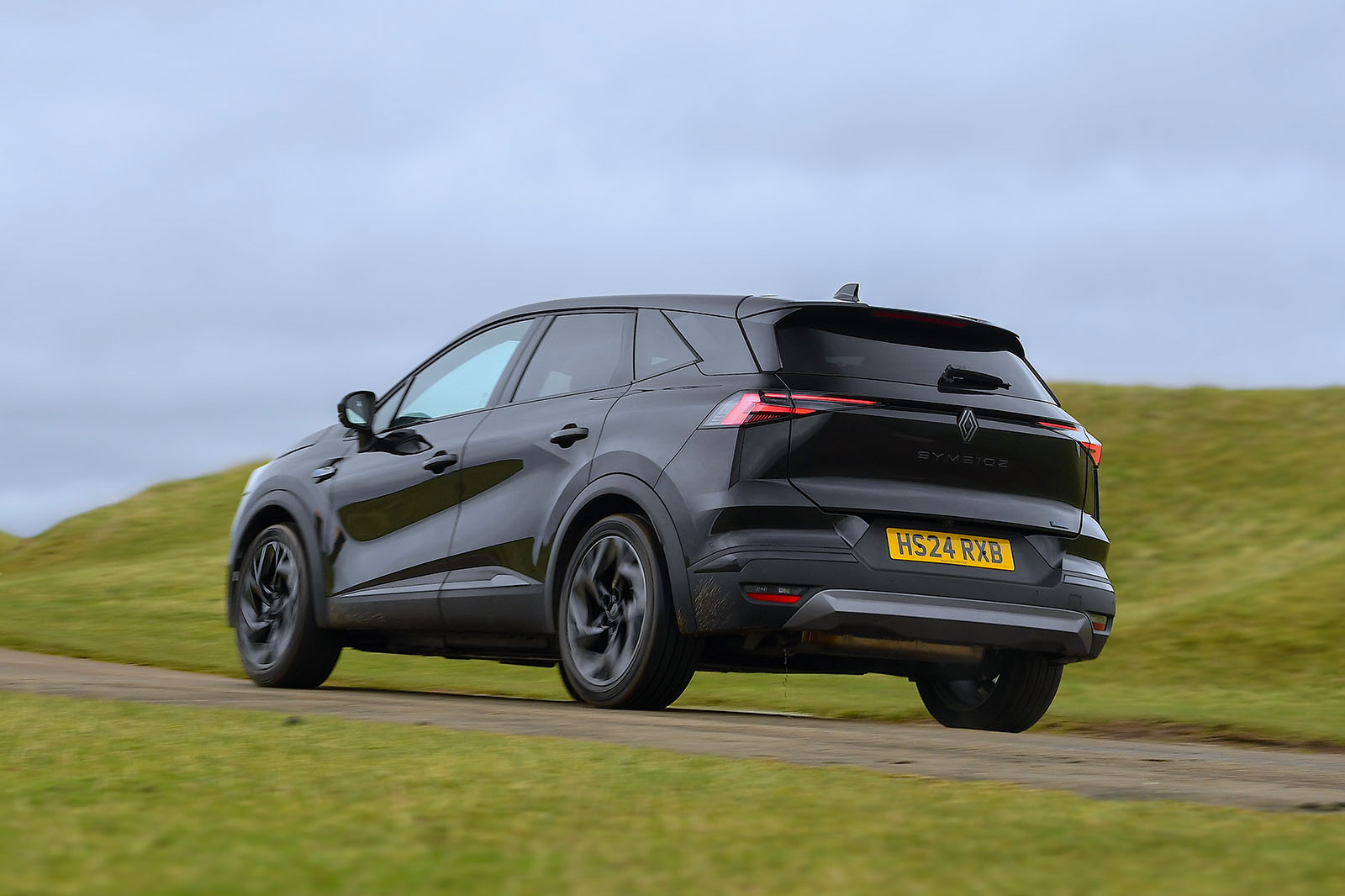
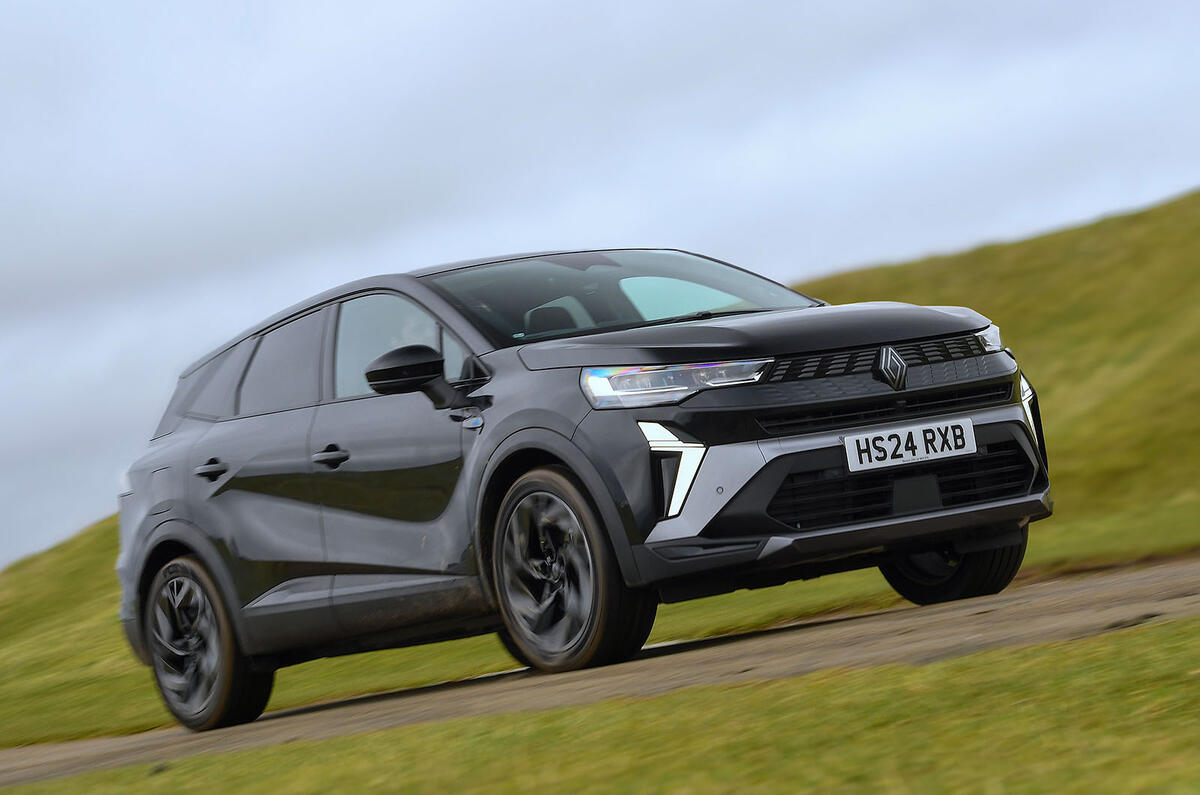
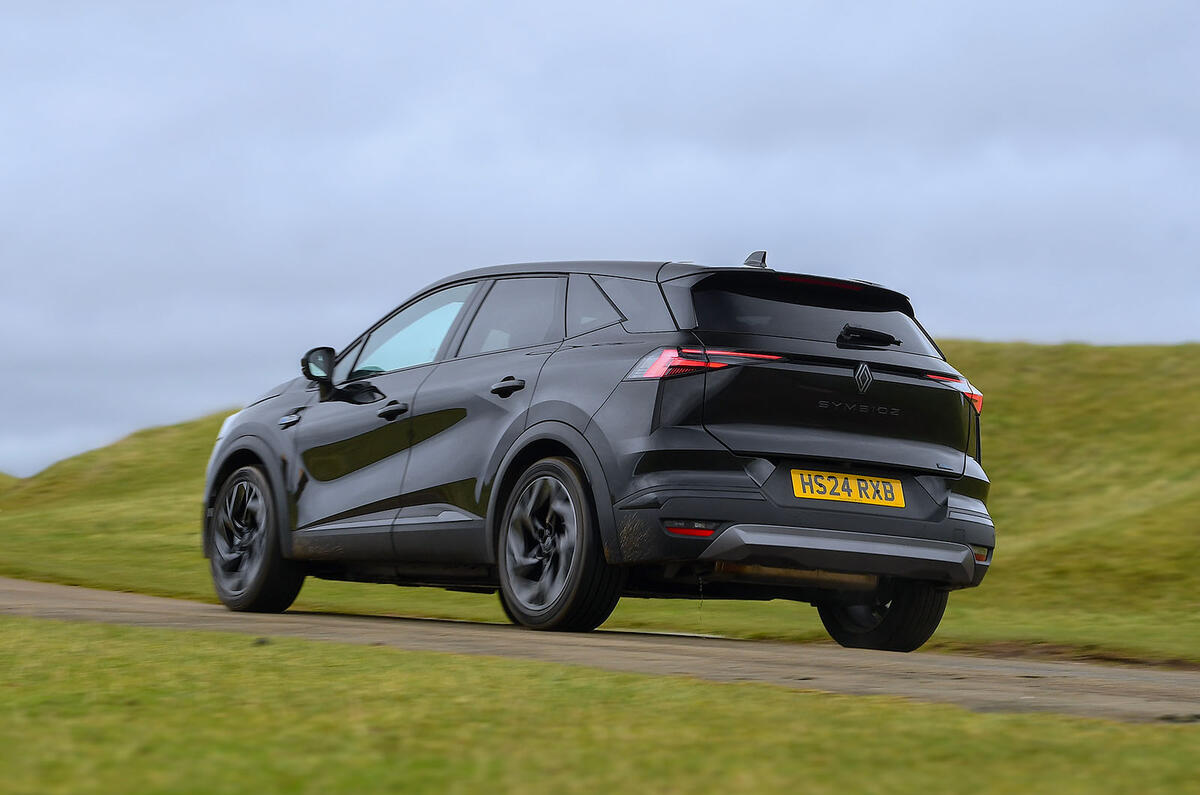
This is a 4.4m-long crossover that takes Renault’s CMF-B supermini platform (the same one used by the Clio and Captur) as its mechanical foundation. It’s only moderately high-rise in its profile, its roof height having been kept to around 1.6m to ensure a sensible frontal area and good aerodynamic efficiency. 

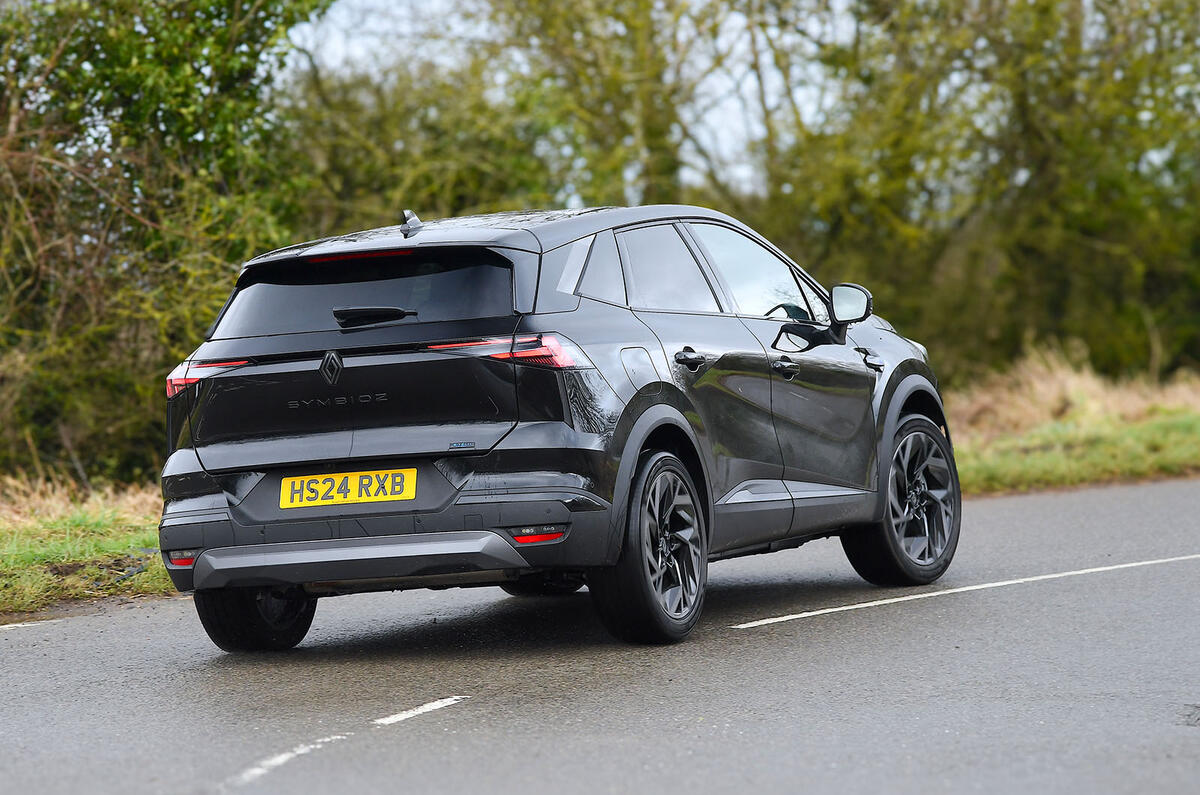
There’s quite a Germanic, sharply drawn ‘technical’ flavour to its styling. It could almost be a Volkswagen Golf Plus redesigned for 2025 from some angles. To us, that rather seems to typify Renault’s philosophical move towards the middle ground of the volume car market in the early 2020s era the car was launched in – the emphasis it has put on quality, rationality, digital technology and neat if conventional design. 

The Symbioz doesn't sport the most imaginative design, but it's clearly been drawn with a sharp pencil.

“We’ve tried quirky,” the executives said at launch, “and it didn’t sell nearly so well.” Fair enough. The Symbioz is handsome enough, attractively detailed and well proportioned in isolation, and there’s a smartness and maturity about its look that’s likely to make it a desirable enough choice for those moving up from supermini-sized crossovers. But it's hard to escape the fact that it does feel a bit forgettable and lacking in any real originality.

INTERIOR

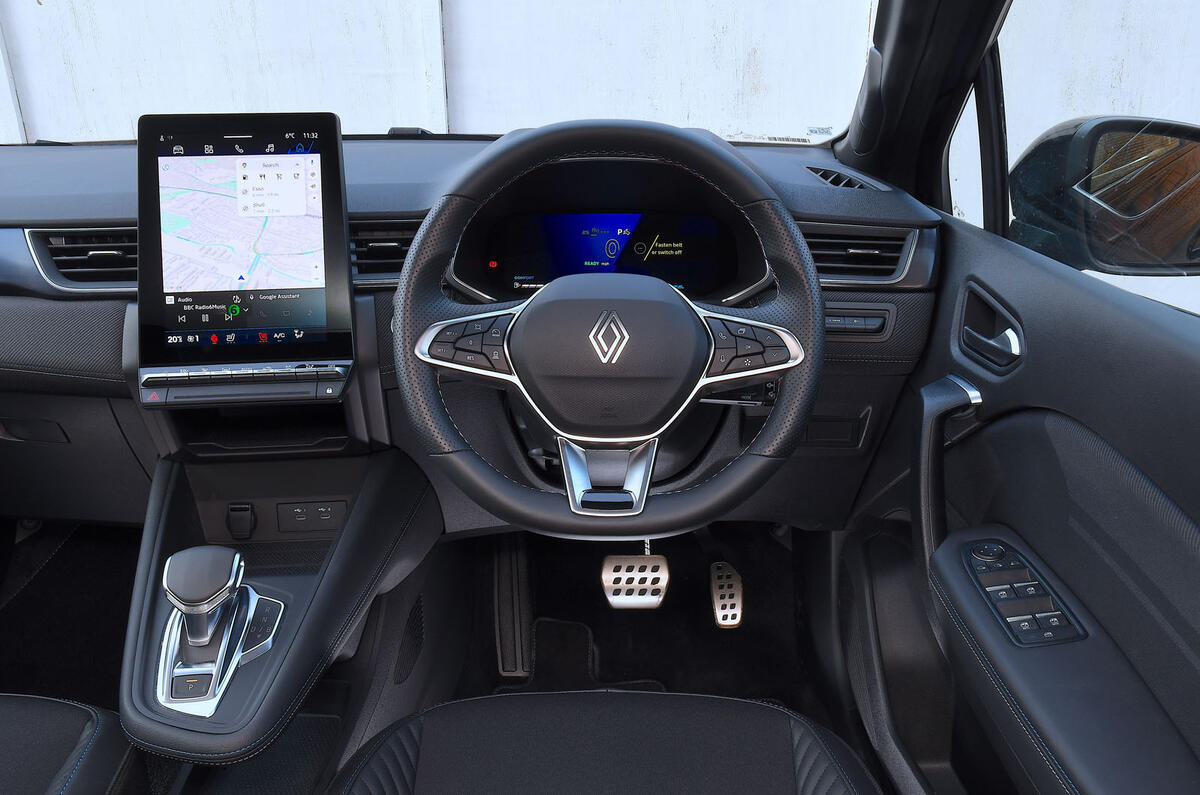
Renault Symbioz review interior

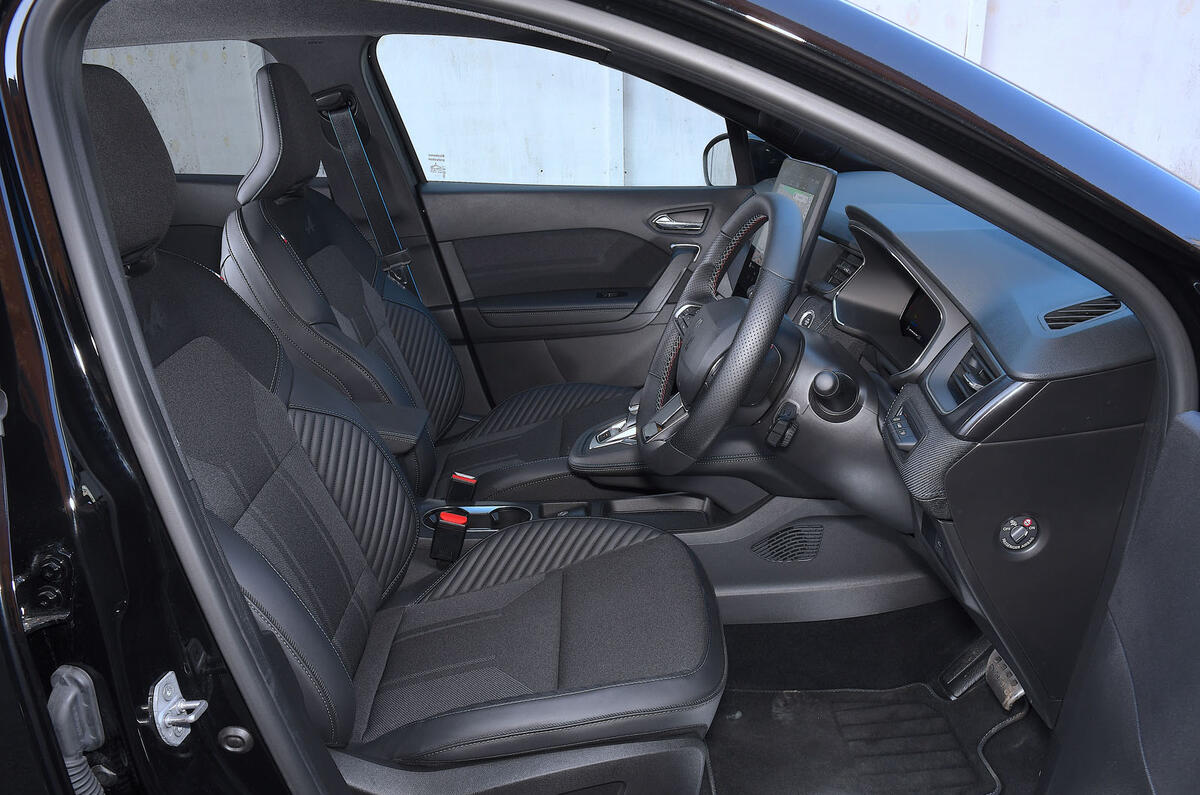
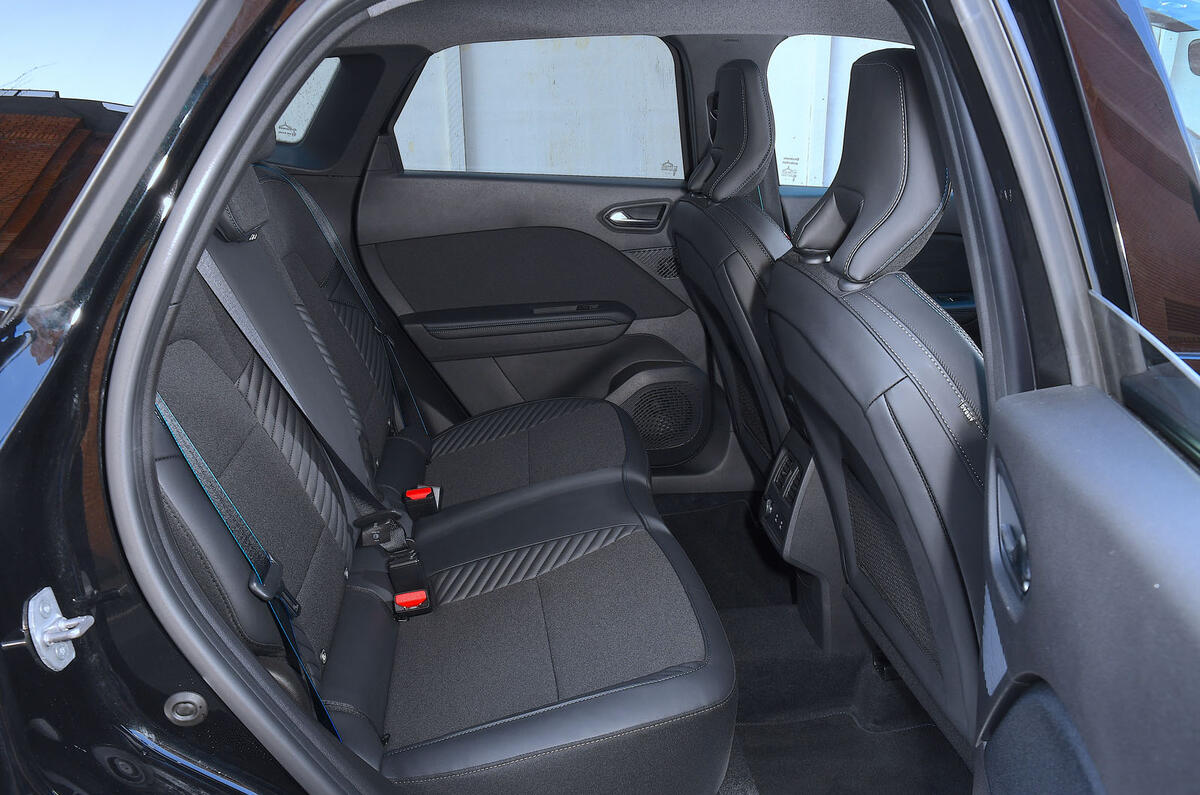
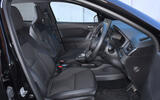
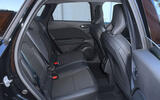
Renault makes much of the Symbioz's family-friendly interior versatility, and while it is a spacious car, it disappoints in some respects.

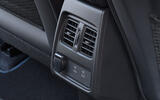
Second-row passenger space is just about appropriate for full-size adults but is no great selling point in itself. The Skoda Kamiq offers just as much while the Skoda Karoq, with its optional removable back seats, knocks the Symbioz for six on outright carrying space.

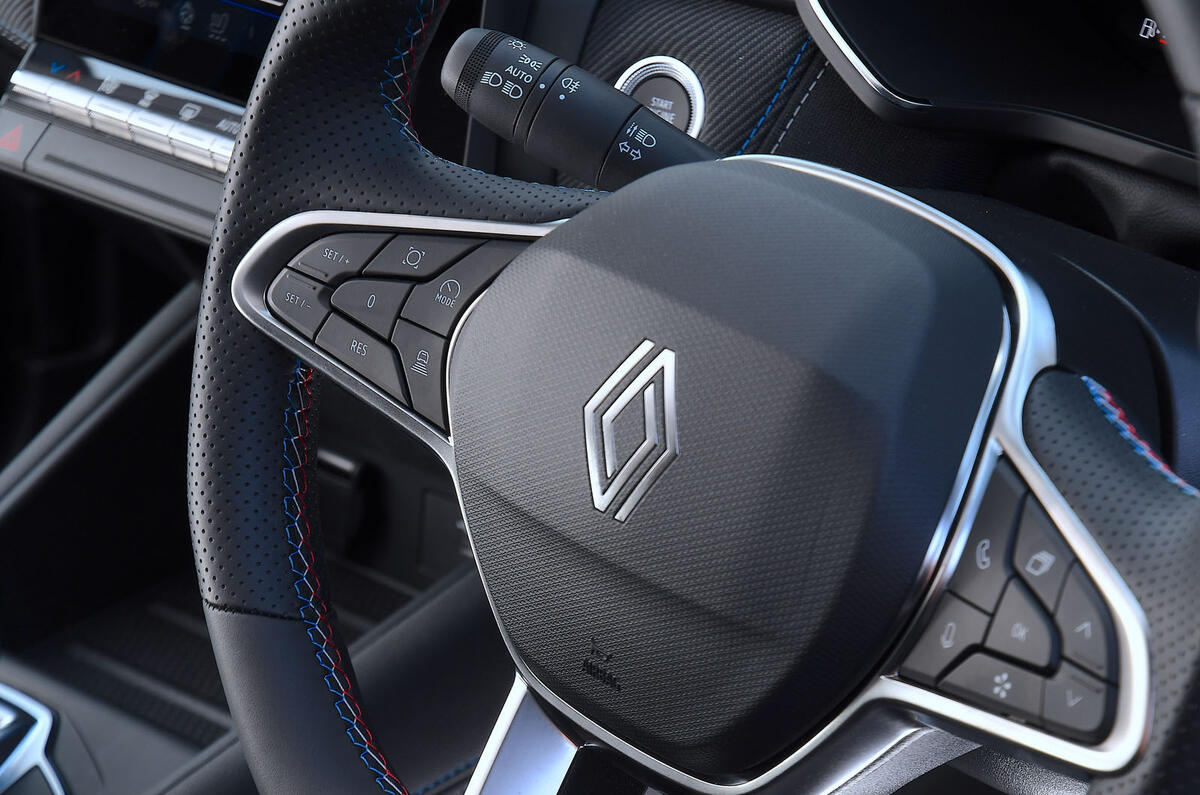
The steering wheel heater needs three firm stabs of the touchscreen to turn on for some reason. It's the same problem as in other related Renaults, too. One for a software update.

What's more, if the car is fitted with Renault's optional Solarbay panoramic roof, which uses electrically charged liquid crystals to block out the sun as and when needed, six-footers will struggle for head room.

Renault does at least include a sliding back seat to boost boot space, but it moves only as one fixed bench, so it’s a bit awkward to heave fore and aft. 

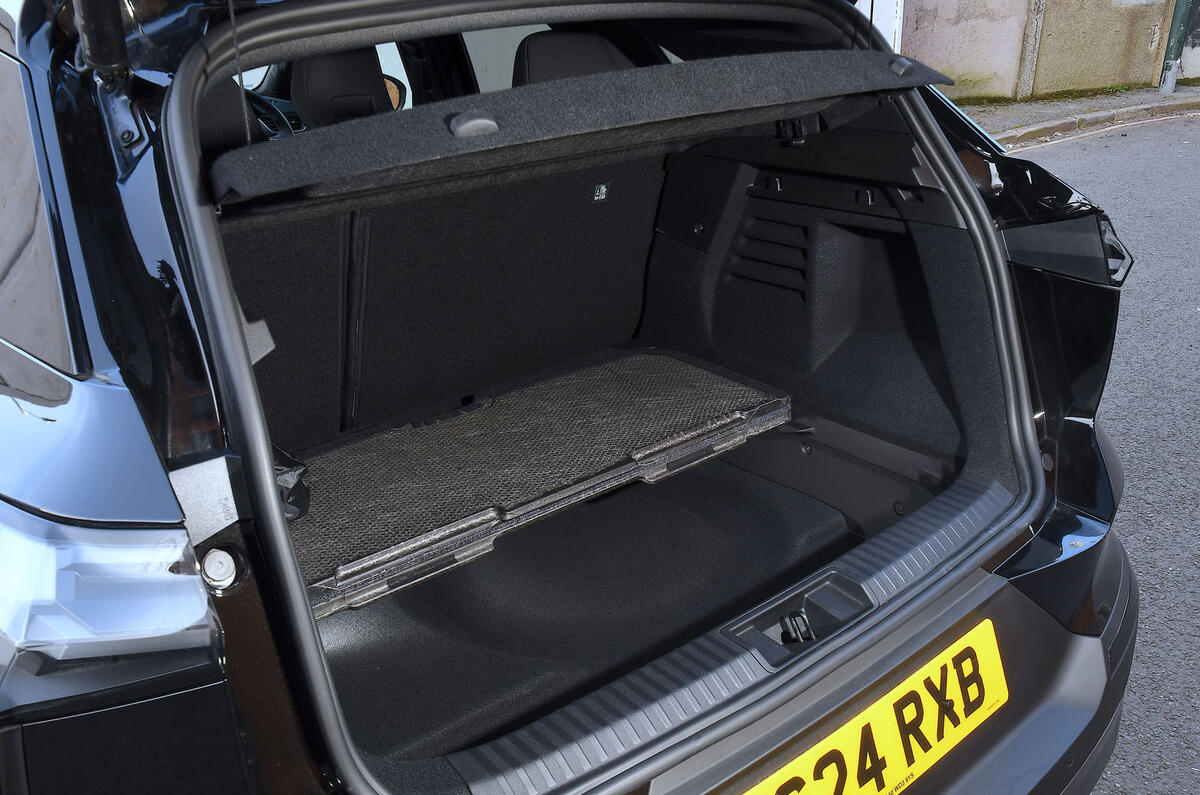
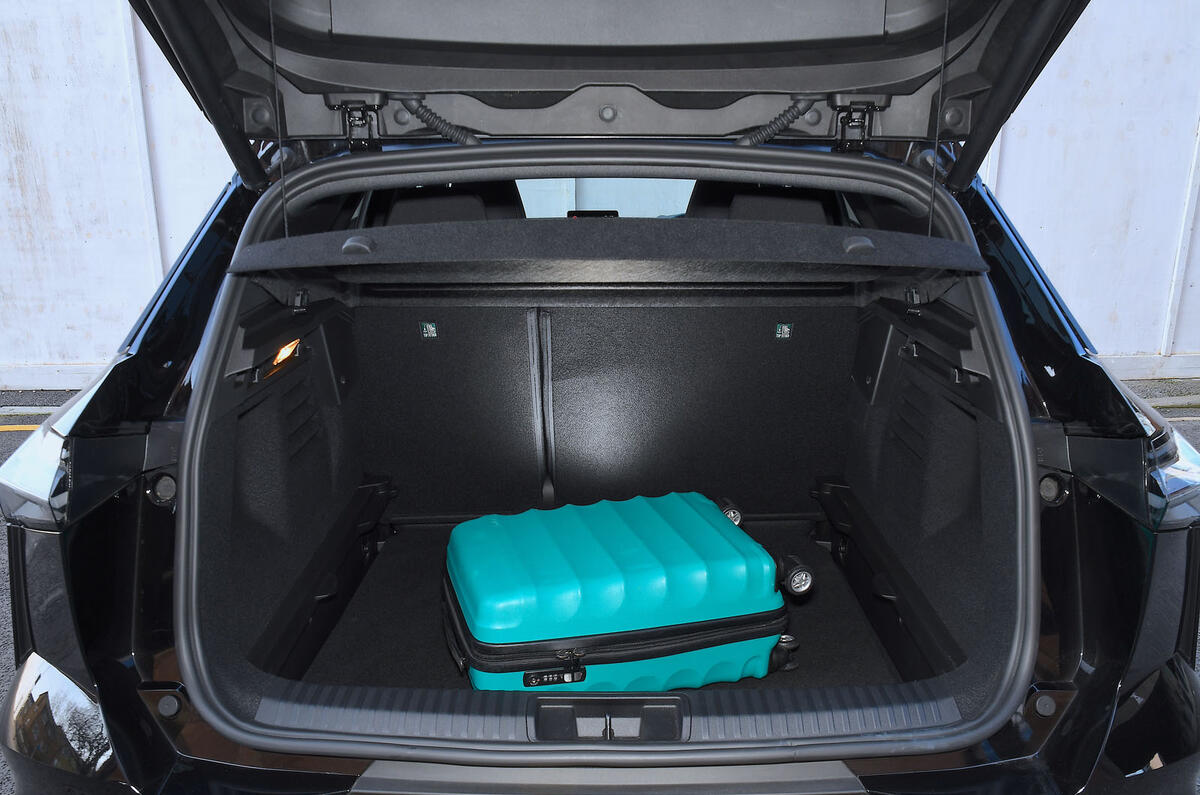
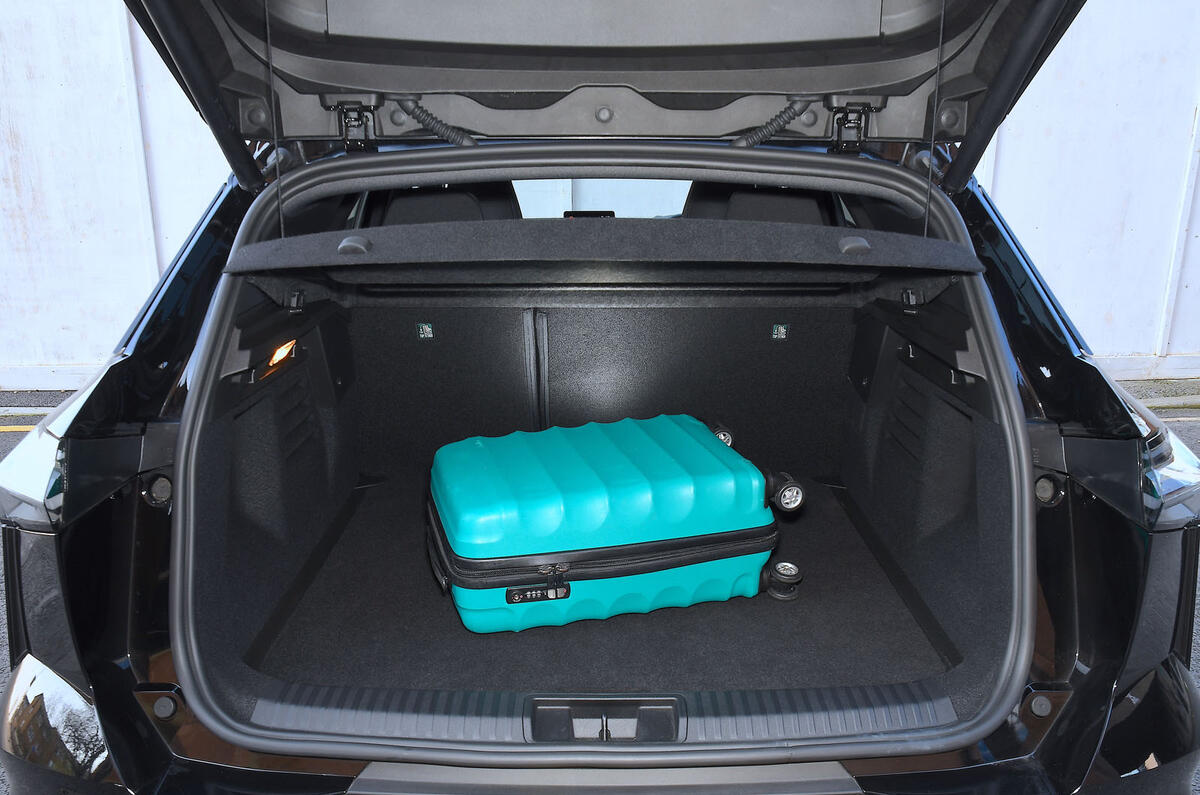
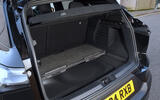
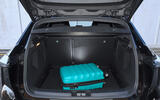
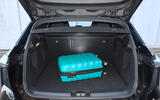
With the seats slid all the way back, you create 492 litres of boot space, which is 12 litres less than in the Nissan Qashqai and nearly 100 litres less than in the Kia Sportage. If you slide the bench forwards, however, capacity is increased to a class-leading 624 litres. With the rear bench folded down, space stands at a generous 1582 litres.

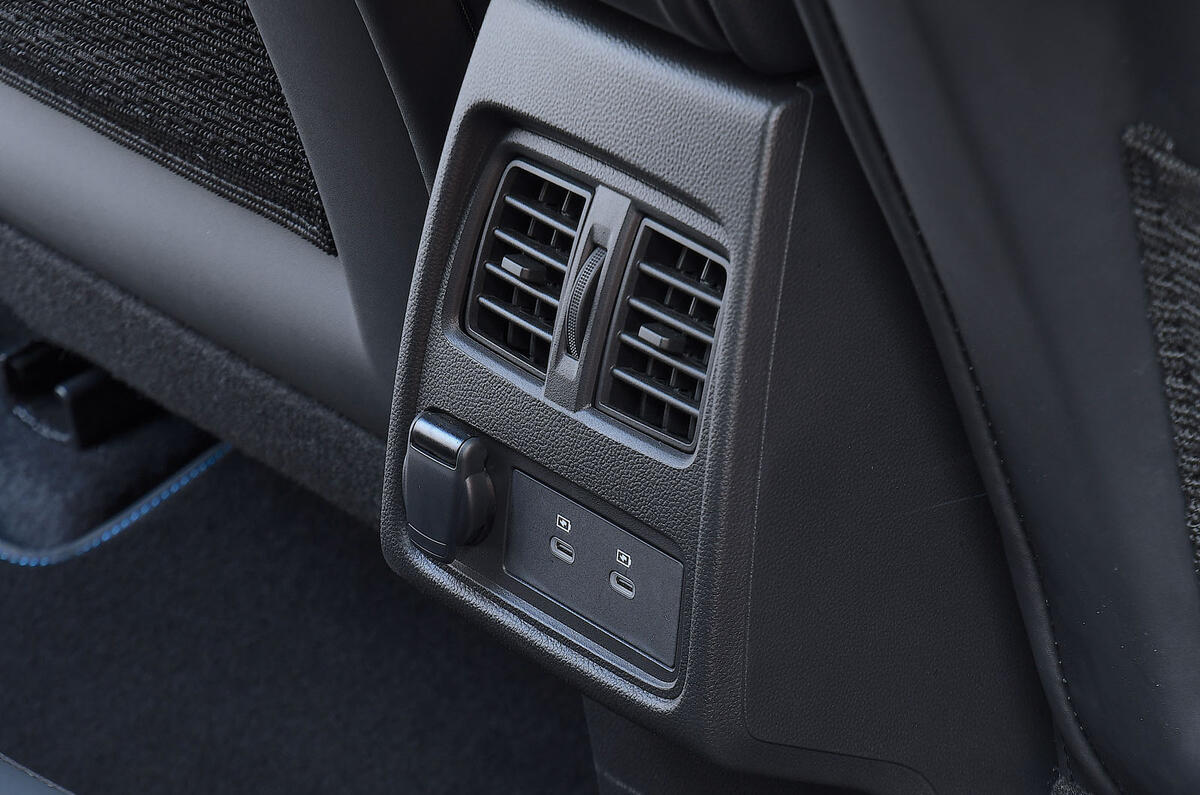
The boot itself is usefully large and deep by class standards, with an adjustable-height floor, but it doesn't possess any notable features aside from this. Items like a 12V socket are absent.

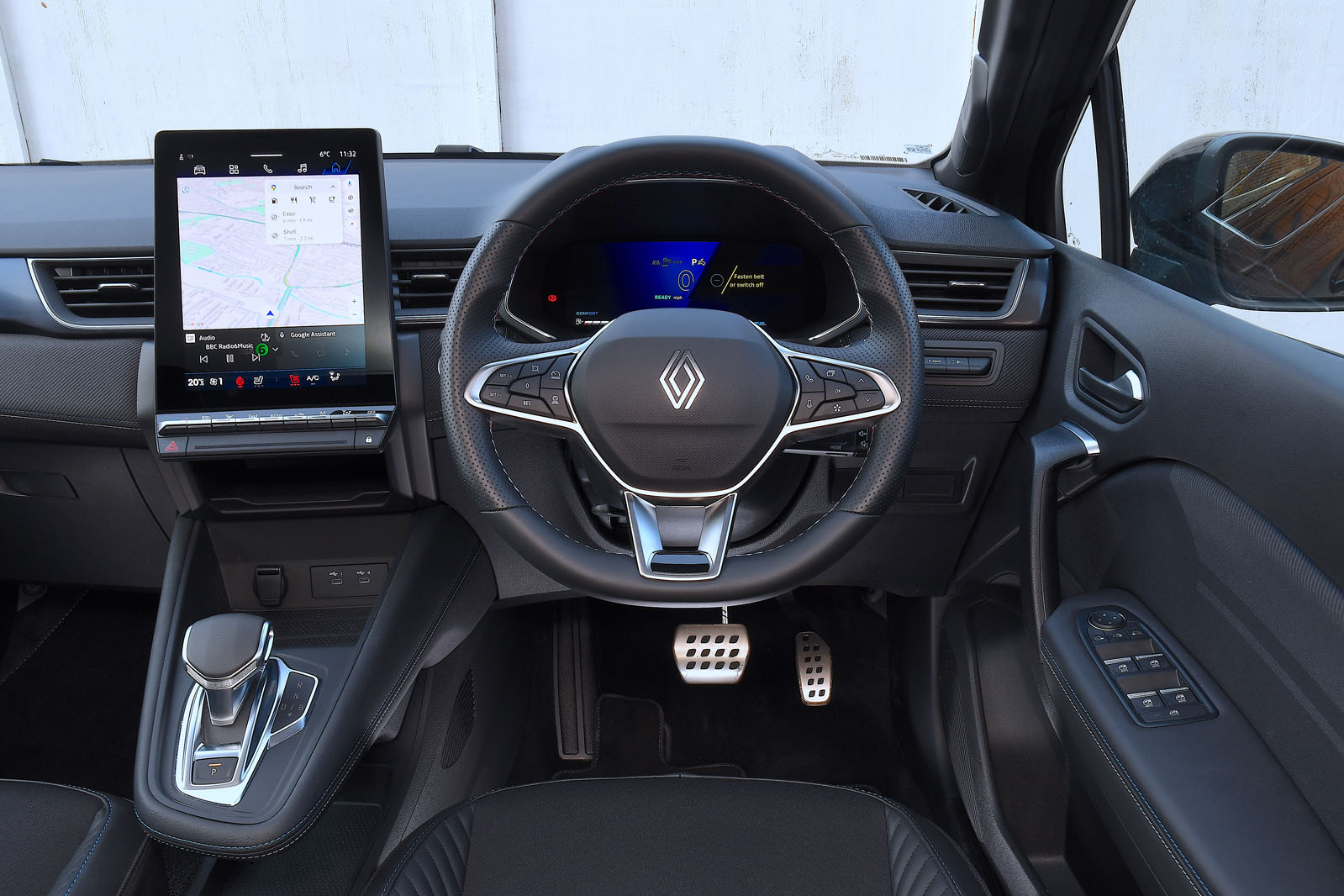
Up front, the driver’s seat is comfortable enough (although it lacks cushion-adjustment options) and the control layout and displays are simple and sensible.

However, because of the thick A-, B- and C-pillars, visibility is poor with regard to blindspots and the small rear window means you have to rely on the low-definition reversing camera when manoeuvring.

It's easy to find your way round Renault’s Google-based Open R portrait-style infotainment system, with lots of app-based functionality  for those with Android-based smartphones. Renault claims the system can download more than 50 apps.

The digital driver's display, meanwhile, is clear and easy to read and has a decent amount of configurability, but switching between displays prompts a needlessly complex animation that can begin to lag after a while.

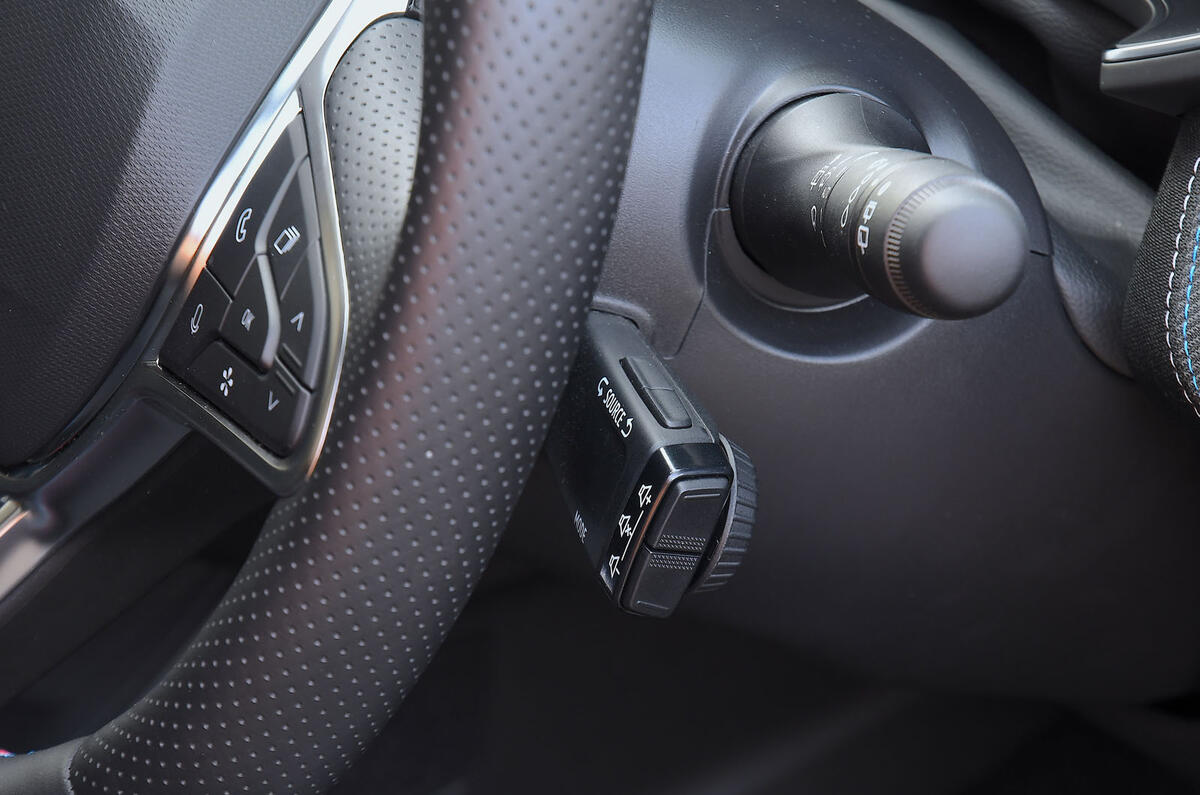
It does at least have a row of physical controls for the HVAC functions, which feel reassuringly sturdy, and the audio volume can be adjusted with a handy steering wheel-mounted stalk.

The car’s ADAS (it offers up to 24 systems, Renault says, between speed limit buzzers, lane keeping assistants, intelligent cruise control etc) are mercifully easy to neuter via a fixed physical shortcut button adjacent to the steering wheel.

ENGINES & PERFORMANCE

Renault Symbioz review side static

Thanks to an update, the Symbioz’s 158bhp full-hybrid system gets more power and performance than its rather lacklustre predecessor as well as lower CO2 emissions.

The combustion engine itself is paired with two electric motors, which draw their power from a 1.4kWh battery that is 0.14kWh larger than the old one, so you can run on electricity for longer periods. This makes journeys quieter and more economical, particularly at town speeds, Renault claims, alongside the fact the engine uses 5% less fuel than before.

Renault’s hybrid system does have an E-Save mode, but it’s nothing to do with electric-only running. Rather, you press it if you want to prep the car for intensive use: motorway driving, maybe, or climbing a steep mountain road.

This version of the Symbioz now covers 0-62mph in 9.1sec and there is a noticeable difference in performance - and general urgency - from pretty much any speed from before.

Make no mistake: it isn’t ever assertively quick - and nor was it designed to be. But now the Symbioz is much more comfortable in its skin than before and is easily brisk enough to mix it with the Qashqai or Kia Niro hybrid.

The problem is, it makes such a racket doing it. It's so noisy under any kind of meaningful throttle load that it has you and your passengers wincing. One passenger even asked if the car was broken.

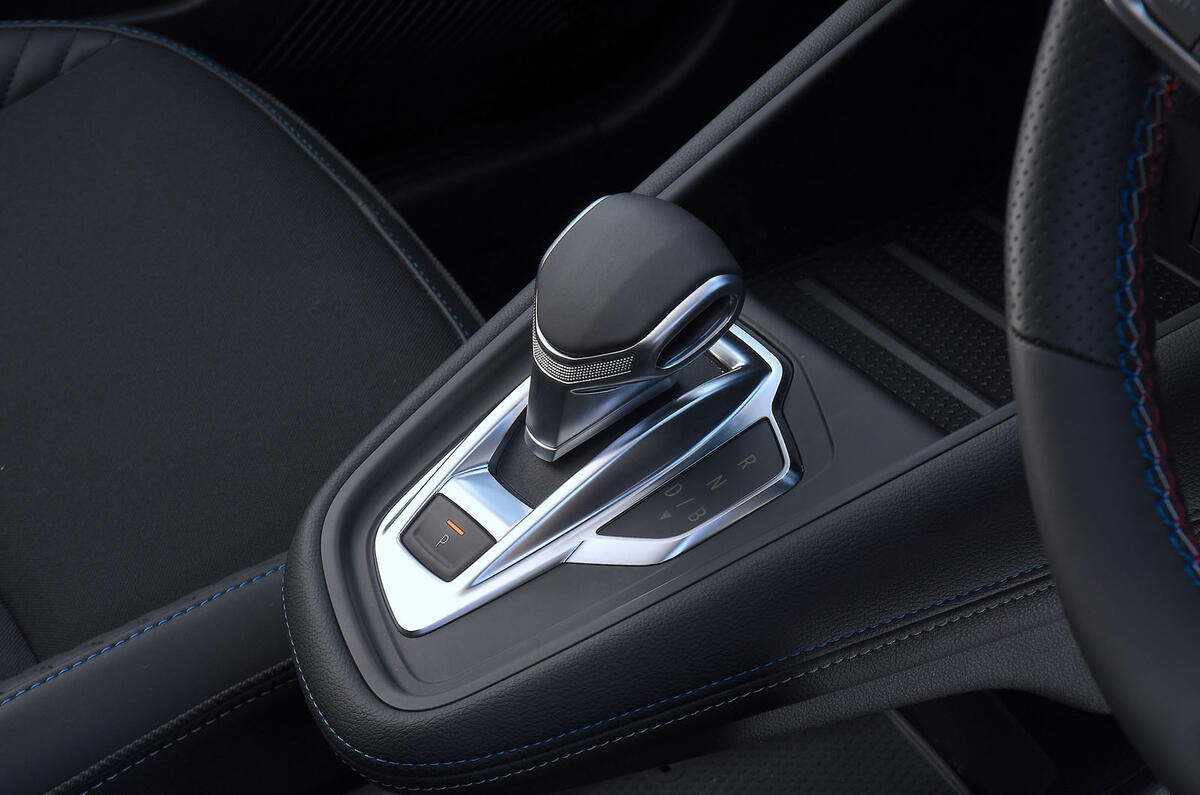
It isn't an involving powertrain in any way. There is no option to change the ratios on the four-speed automatic gearbox yourself and will appeal only to those who just like to select ‘D’ and then turn up the radio, which you'll need to to drown out the sound of the powertrain.

Only if you let it settle into an unremarkable, unhurried, everyday kind of travelling pace with little to no downward movement of the throttle pedal does the powertrain noise disappear.

The transition between electric and combustion power feels seamless but doesn't sound it. One major problem is that the gearbox has been programmed to change from first to second at just over 30mph, which means that if you're travelling in a 30mph speed zone, the engine is much noisier than you want it to be. You're hoping it will flick back into EV mode for the blissful sound of silence.

The mild hybrid model uses a 1.3-litre turbocharged petrol engine and a gearbox-mounted electric motor for a combined 138bhp. 

This powertrain feels far more refined, never feels lethargic and has just enough poke for most situations. However, we suspect it would begin to struggle if you weighed it down with a family and their luggage.

The mild hybrid sends its power to the front wheels via a six-speed manual gearbox. The shift action is woollen and vague but the clutch pedal has an intuitive, positive action that's easy to get used to. 

RIDE & HANDLING

Renault Symbioz review front tracking

The Symbioz is competent enough dynamically save for low-speed ride issues in the range-topping Iconic Esprit Alpine model and its larger 19in alloys.

This model lumps and bumps around town, so it's a relief to get it up to higher speeds where it becomes more pliant. It has a fairly taut, settled and composed motorway gait, so it's comfortable over longer trips. The steering is light but still sure-footed and there's enough grip from the front end for it to be a safe and secure companion.

The Symbioz exudes the sort of undemanding, unremarkable handling you'd expect by looking at it. Where's the sparkle and the French flair?

In general, it isn't an unpleasant car to drive, exhibiting decent body control and respectable cornering grip and handling precision on winding lanes. 

It's just that like the styling, it's all rather forgettable. That's a real shame as the Clio, which the Symbioz shares a platform with, is a far better car to drive and manages to mix a comfortable ride with nice handling. The Clio feels more intuitive to drive than the Symbioz, a car you do wonder what it's trying to be. 

MPG & RUNNING COSTS

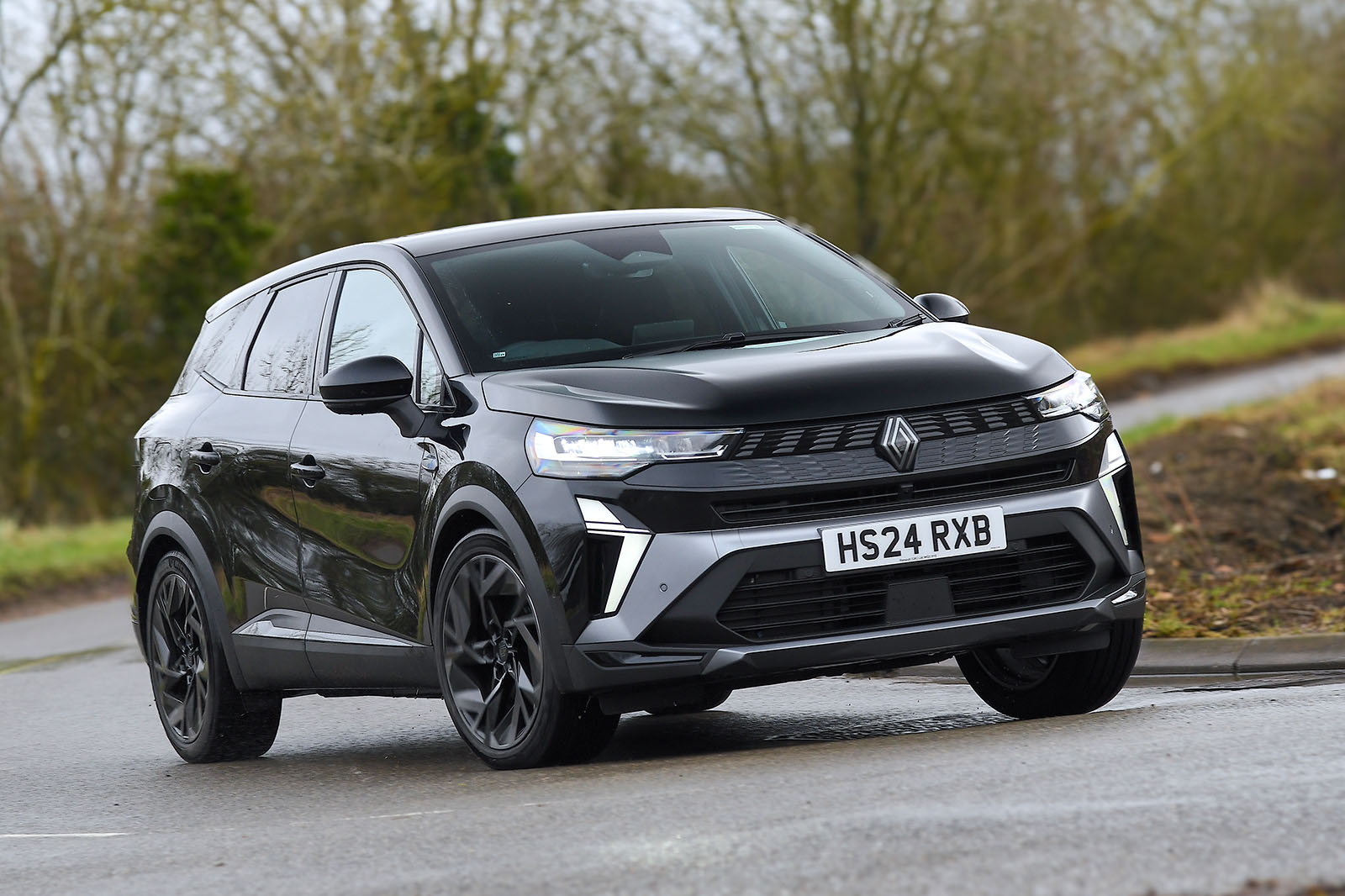
Renault Symbioz review front three quarter

Despite the uptick in its performance, the Symbioz full hybrid is more economical than its predecessor, with a claimed 65.7mpg on the WLTP combined cycle. In the real world, our test car returned closer to 50mpg.

Of course, being a full hybrid, it's the kind of compact family car that proves particularly efficient around town, where its economy figure can reach upwards of 70mpg. Not only is it at its nicest to drive in EV mode, doing so also shows the Symbioz at its most efficient.

There's generous standard equipment even on the base model. Value for money is a real selling point of the Symbioz

Priced from less than £30,000, it's also good value compared with hybrid rivals. The cheapest Qashqai e-Power is almost 20% dearer, for instance, and the Kia Sportage Hybrid is pricier still.

Key to its appeal with both families and fleets is its low CO2 emissions figure of 99g/km. The Symbioz's low CO2 rating and generous equipment levels should result in decent residual values too, especially because Renault's track record on that is strong.

Without the help of a battery and an electric motor, the mild-hybrid car doesn't score as highly when it comes to economy. Its official figure of 47.9mpg is competitive although we managed 43mpg over a short test route. 

With a starting price just under £28,000, the mild hybrid represents just as good value as its more powerful range-mate.

VERDICT

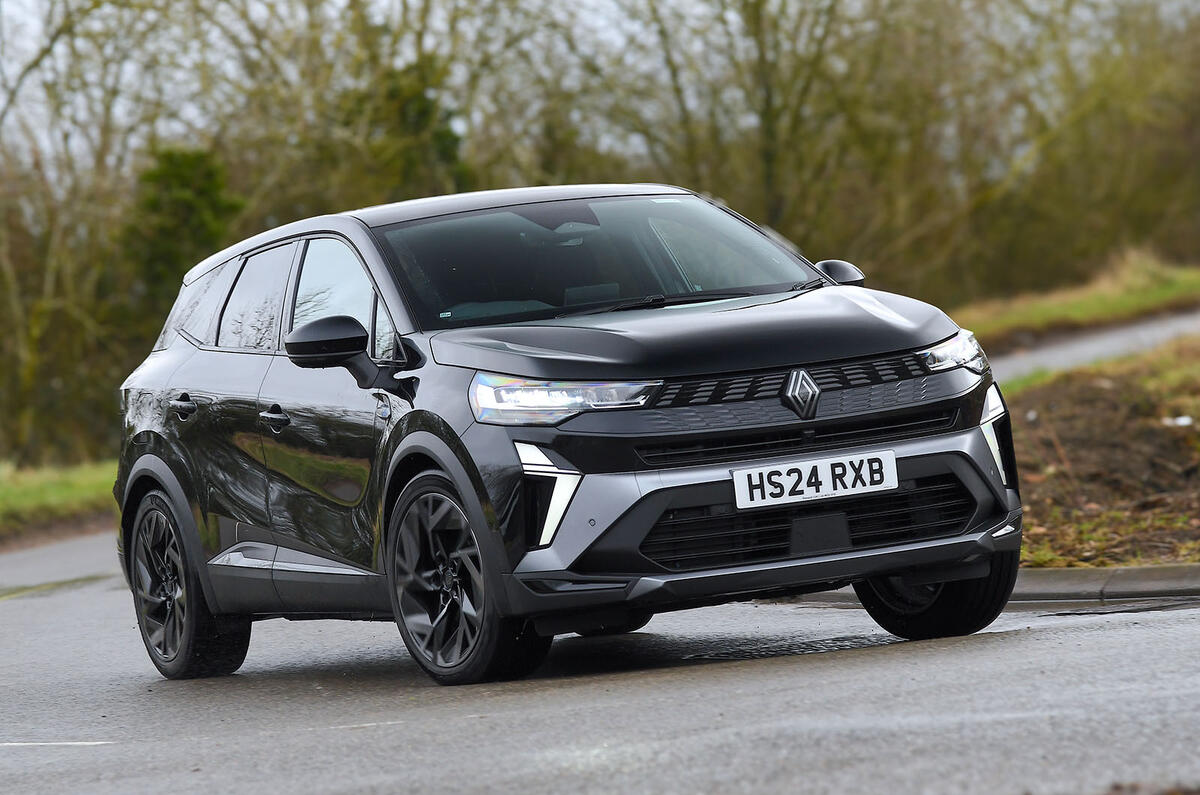
Renault Symbioz review front three quarter tracking

The Symbioz is the kind of car that sits on dangerous ground in such a crowded market place. It decides to major itself on strong rational and practical features rather than emotional ones, which might look good on a spec sheet but to drive and look at it just feels quite unremarkable.

It does deserve praise for its versatility, generous equipment levels, perceived quality and most of all its value for money and for some buyers that will be enough.

It's not exactly the Golf of its class, but if you simply want economical and undemanding transport, you can do far worse than the Symbioz. But also a lot better.

Indeed, we could even forgive the rather bland driving experience and styling due to that value and efficiency if the Symbioz didn't carry two such major flaws in its powertrain refinement and uncomfortable low-speed ride. The ride some may live, the powertrain noise most will not. A test drive yourself is essential if you're tempted by the price. 

There is a good car here on paper and dynamically enough raw materials to work with but for now the Symbioz falls short in key areas.

It wants to be practical and economical transport for families and, generally speaking, it doesn’t miss those targets. It could just be a lot more than that.

Matt Saunders

Matt Saunders Autocar
Title: Road test editor

As Autocar’s chief car tester and reviewer, it’s Matt’s job to ensure the quality, objectivity, relevance and rigour of the entirety of Autocar’s reviews output, as well contributing a great many detailed road tests, group tests and drive reviews himself.

Matt has been an Autocar staffer since the autumn of 2003, and has been lucky enough to work alongside some of the magazine’s best-known writers and contributors over that time. He served as staff writer, features editor, assistant editor and digital editor, before joining the road test desk in 2011.

Since then he’s driven, measured, lap-timed, figured, and reported on cars as varied as the Bugatti Veyron, Rolls-Royce PhantomTesla RoadsterAriel Hipercar, Tata Nano, McLaren SennaRenault Twizy and Toyota Mirai. Among his wider personal highlights of the job have been covering Sebastien Loeb’s record-breaking run at Pikes Peak in 2013; doing 190mph on derestricted German autobahn in a Brabus Rocket; and driving McLaren’s legendary ‘XP5’ F1 prototype. His own car is a trusty Mazda CX-5.

Mark Tisshaw

mark-tisshaw-autocar
Title: Editor

Mark is a journalist with more than a decade of top-level experience in the automotive industry. He first joined Autocar in 2009, having previously worked in local newspapers. He has held several roles at Autocar, including news editor, deputy editor, digital editor and his current position of editor, one he has held since 2017.

From this position he oversees all of Autocar’s content across the print magazine, autocar.co.uk website, social media, video, and podcast channels, as well as our recent launch, Autocar Business. Mark regularly interviews the very top global executives in the automotive industry, telling their stories and holding them to account, meeting them at shows and events around the world.

Mark is a Car of the Year juror, a prestigious annual award that Autocar is one of the main sponsors of. He has made media appearances on the likes of the BBC, and contributed to titles including What Car?Move Electric and Pistonheads, and has written a column for The Sun.