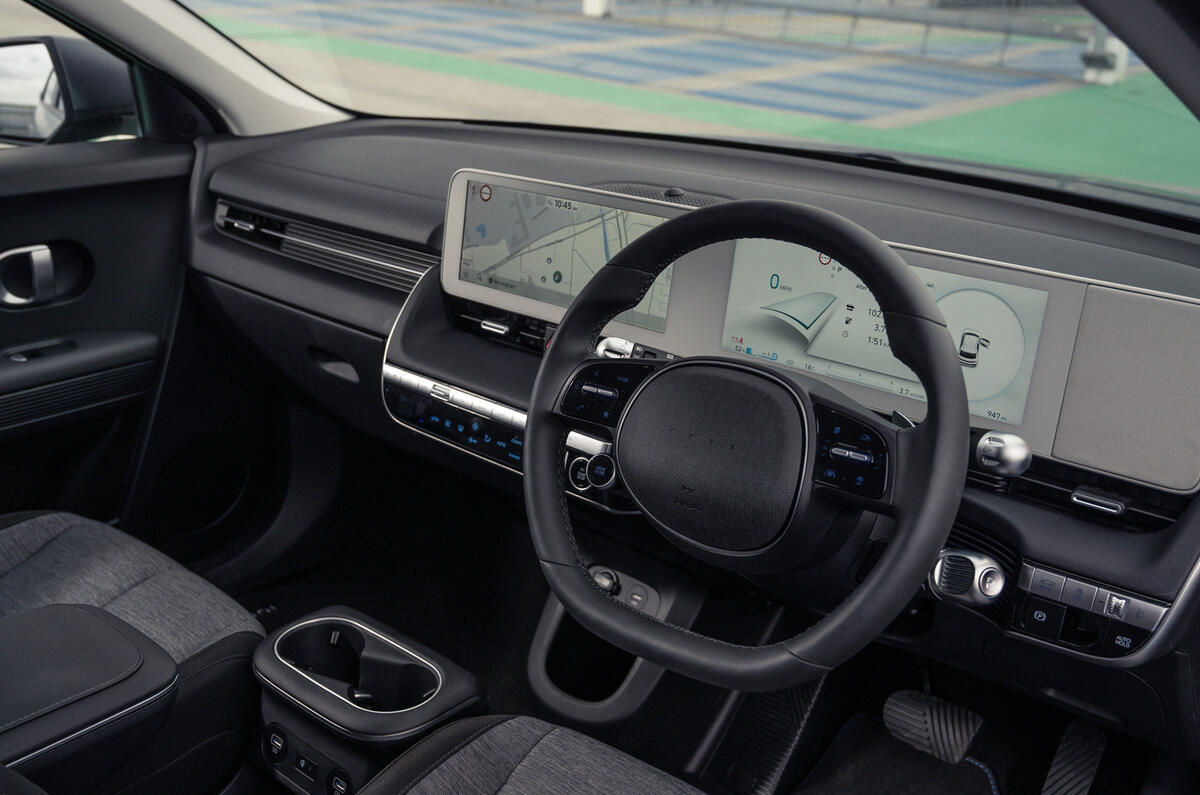
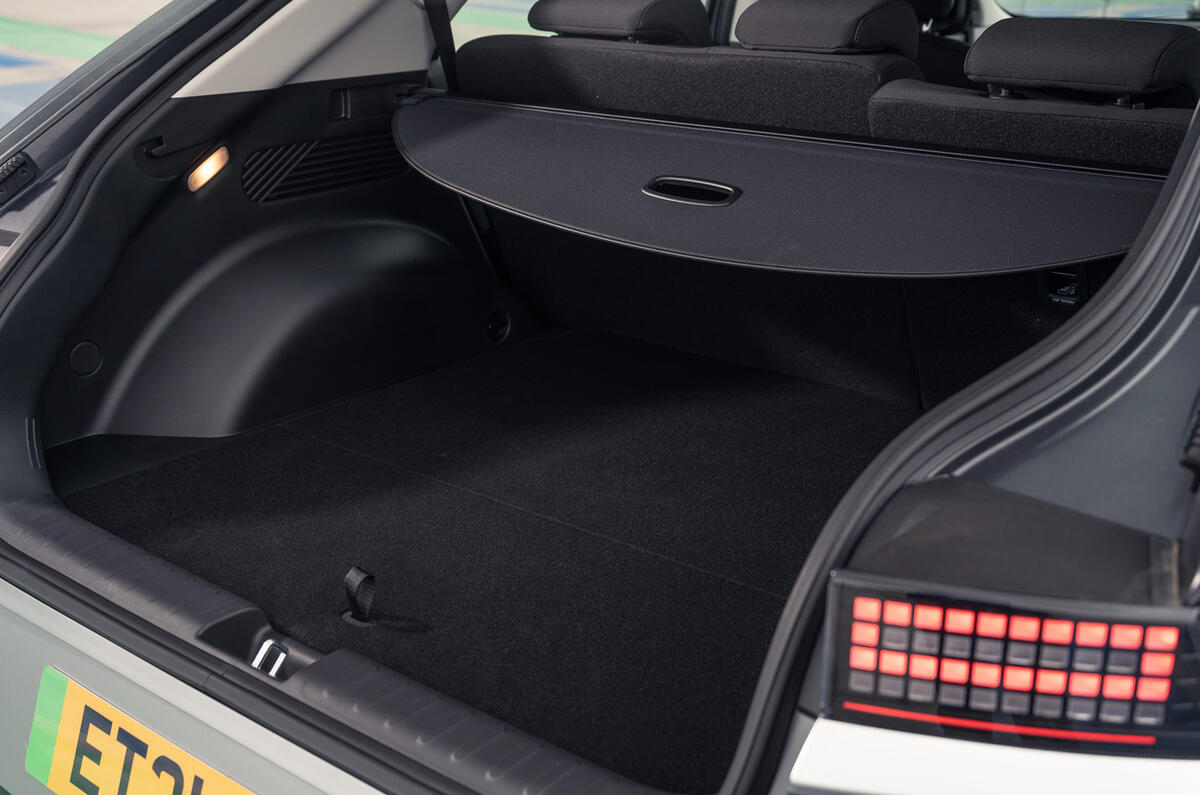
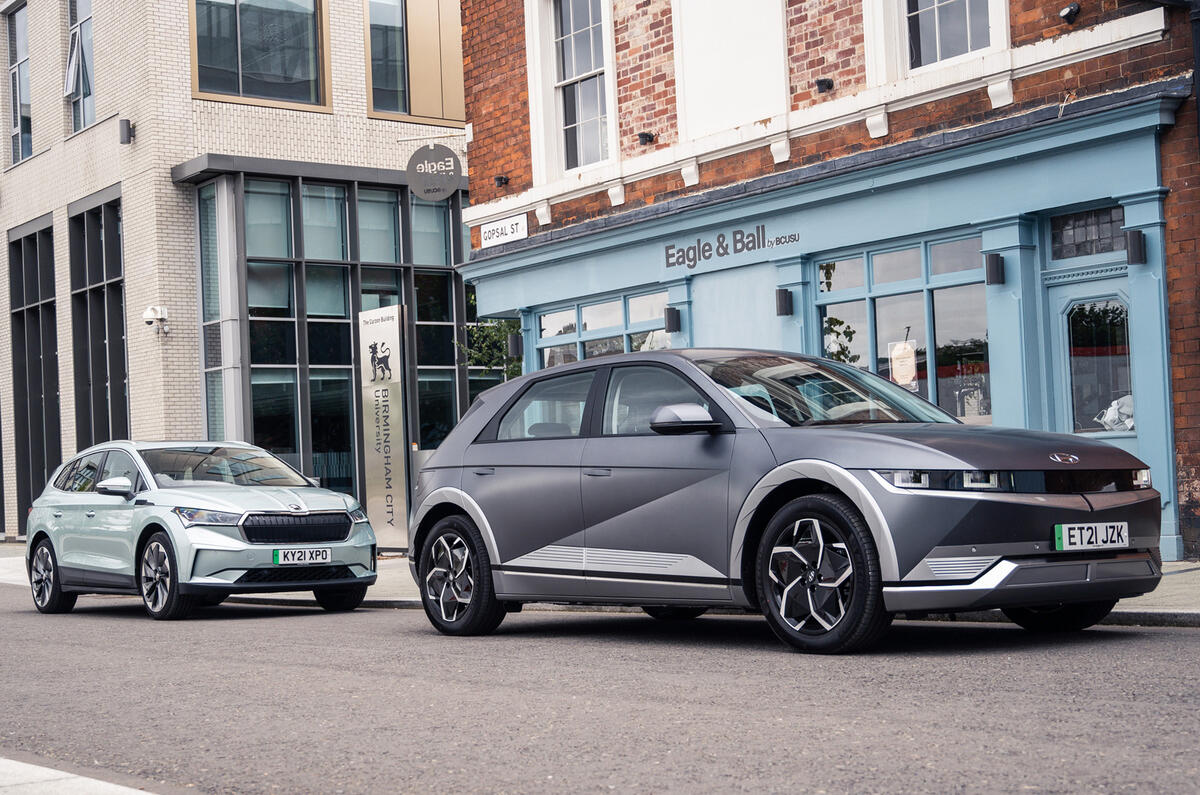



























It is now less than a decade until sales of pure internal combustion engines cease in the UK and the wholesale adoption of electrification marches forward. Still seems like a long way off, doesn’t it? Yet while nearly 10 years is a decent chunk of time for us, for car makers that 2030 date will be on them in the space of a single model cycle – the blink of an eye in automotive terms.
It means that the switchover to EVs is gathering pace quicker than you might think, with the result that, like the internet in the late 1990s, battery-engined vehicles will appear to segue from novelty to necessity almost overnight. More importantly, it’s at the more ‘affordable’ end of the market that the fastest changes are now occurring. The megawatt hypercars, premium brands and ambitious start-ups funded by eccentric entrepreneurs have stolen the headlines so far, but now it’s the turn of the mainstream makers to take the baton.
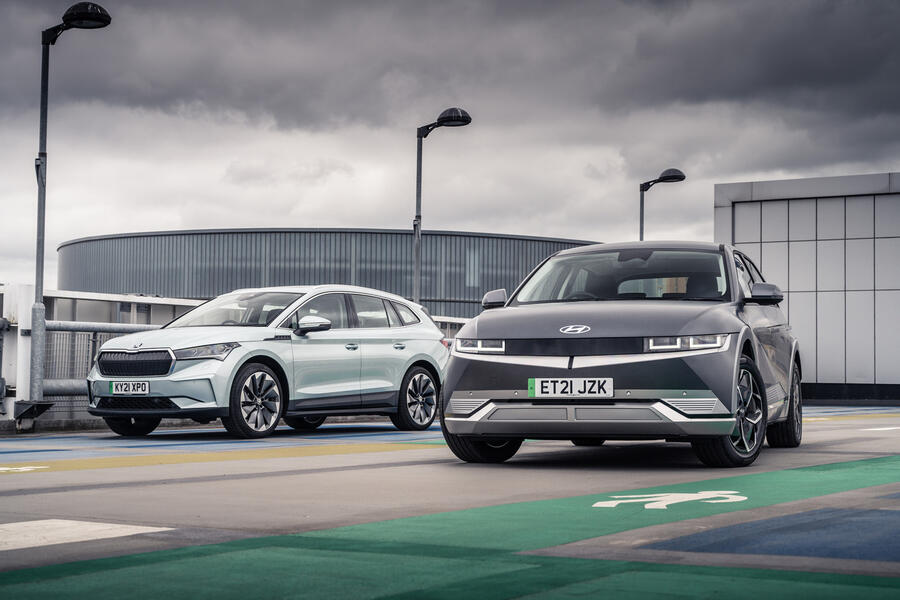
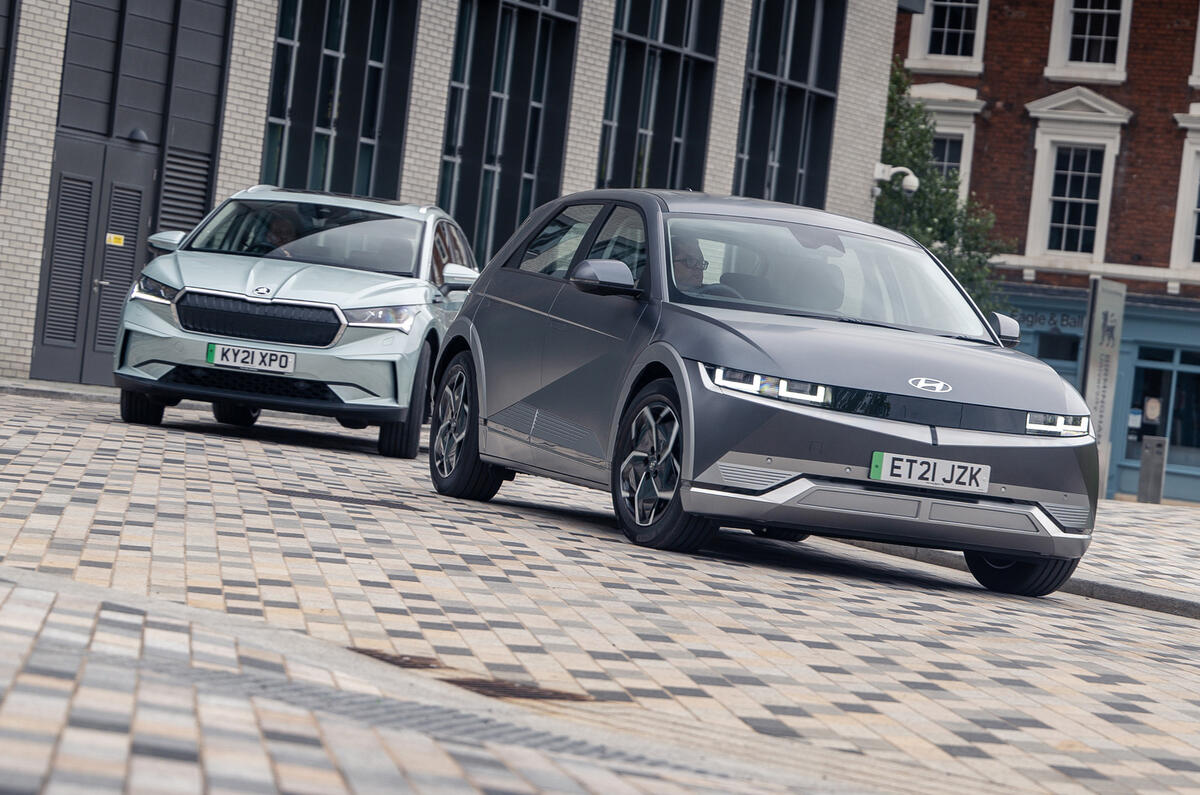
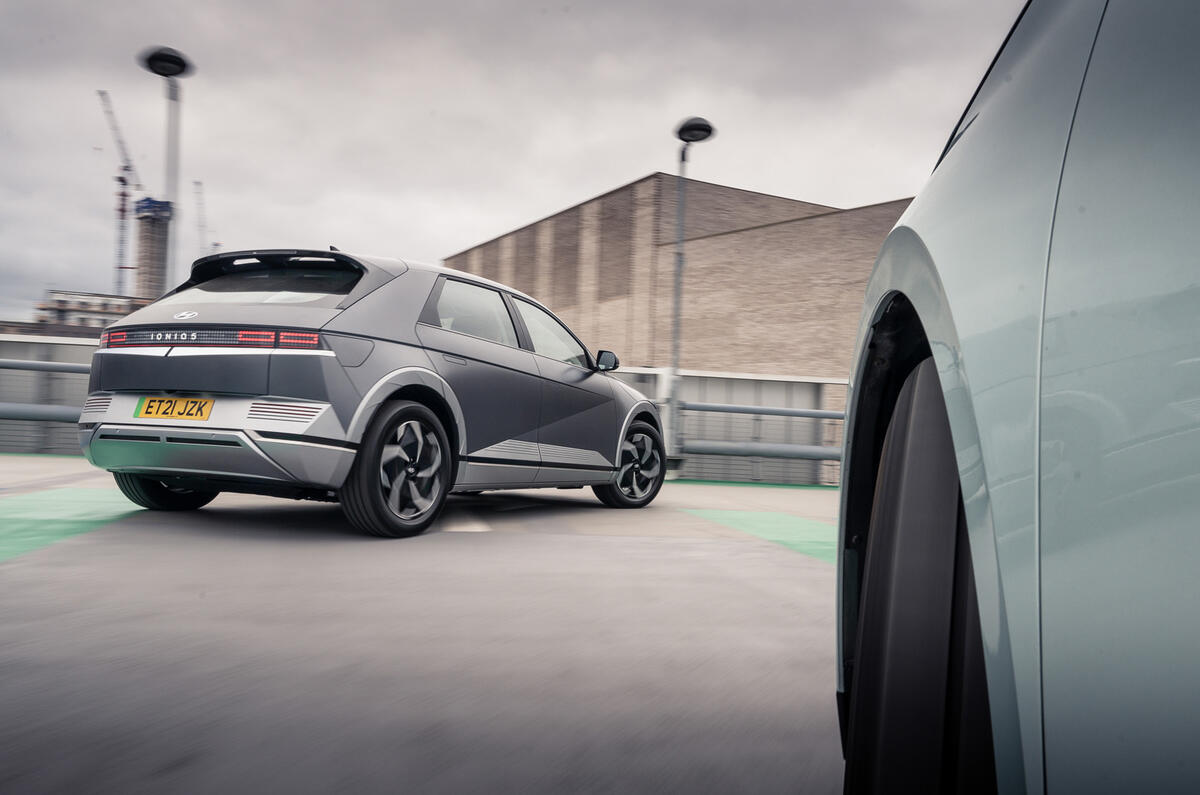
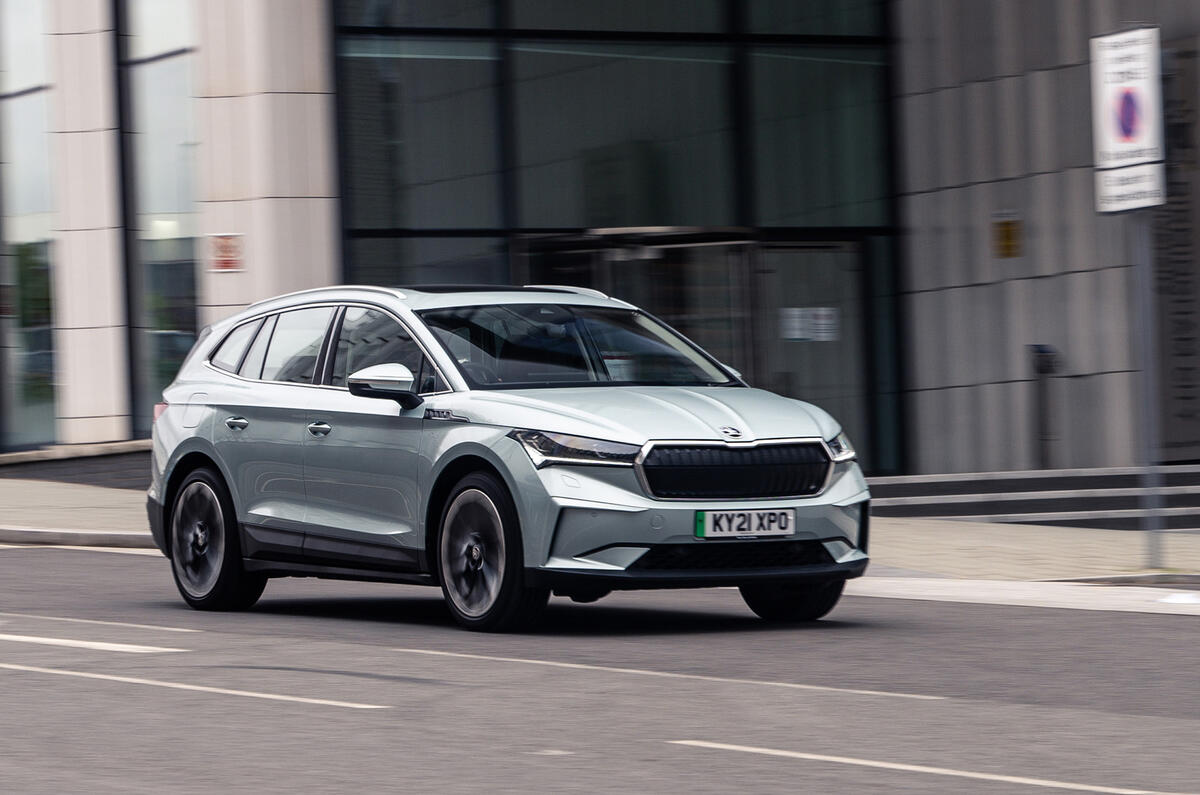
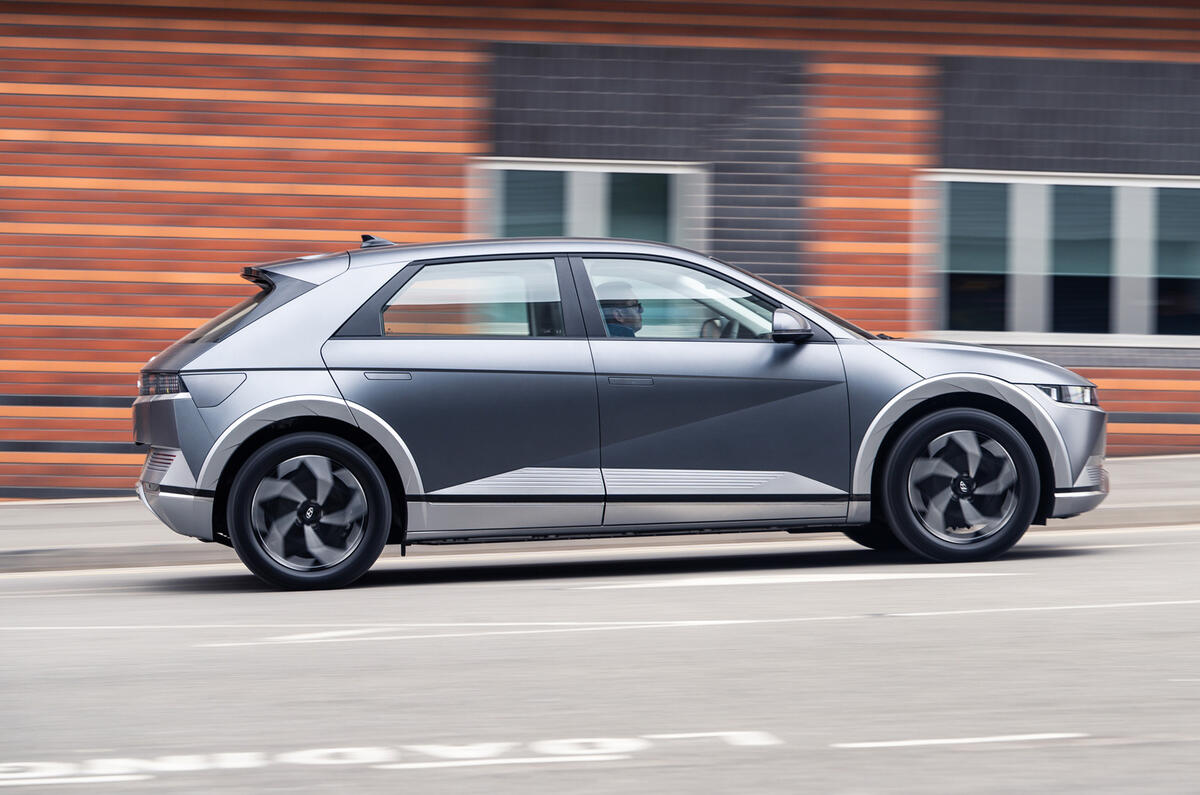
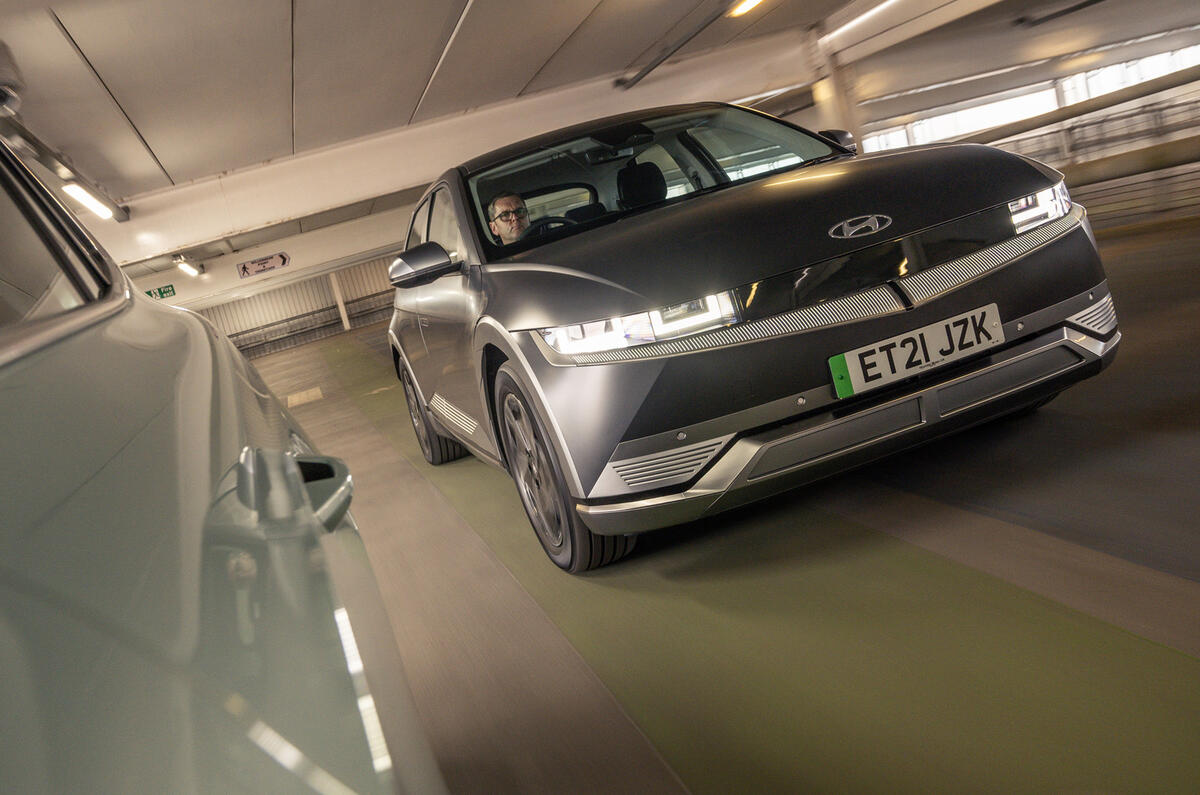
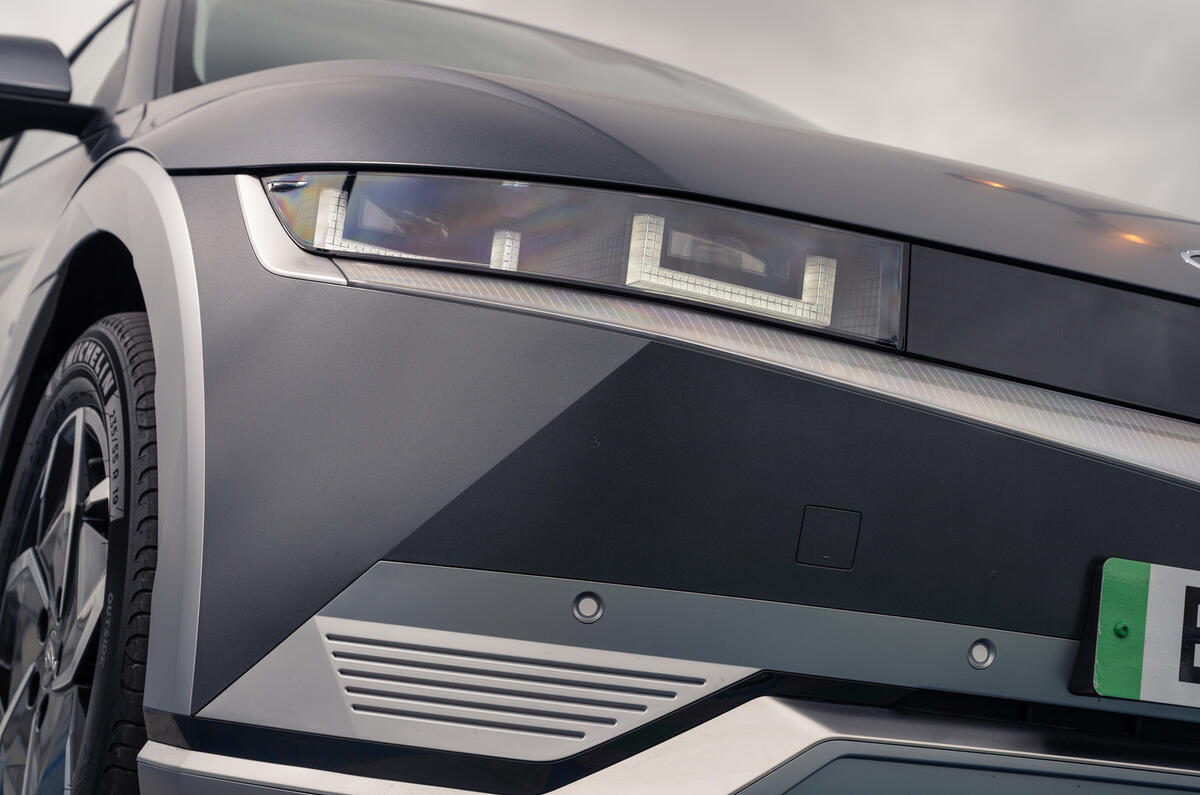
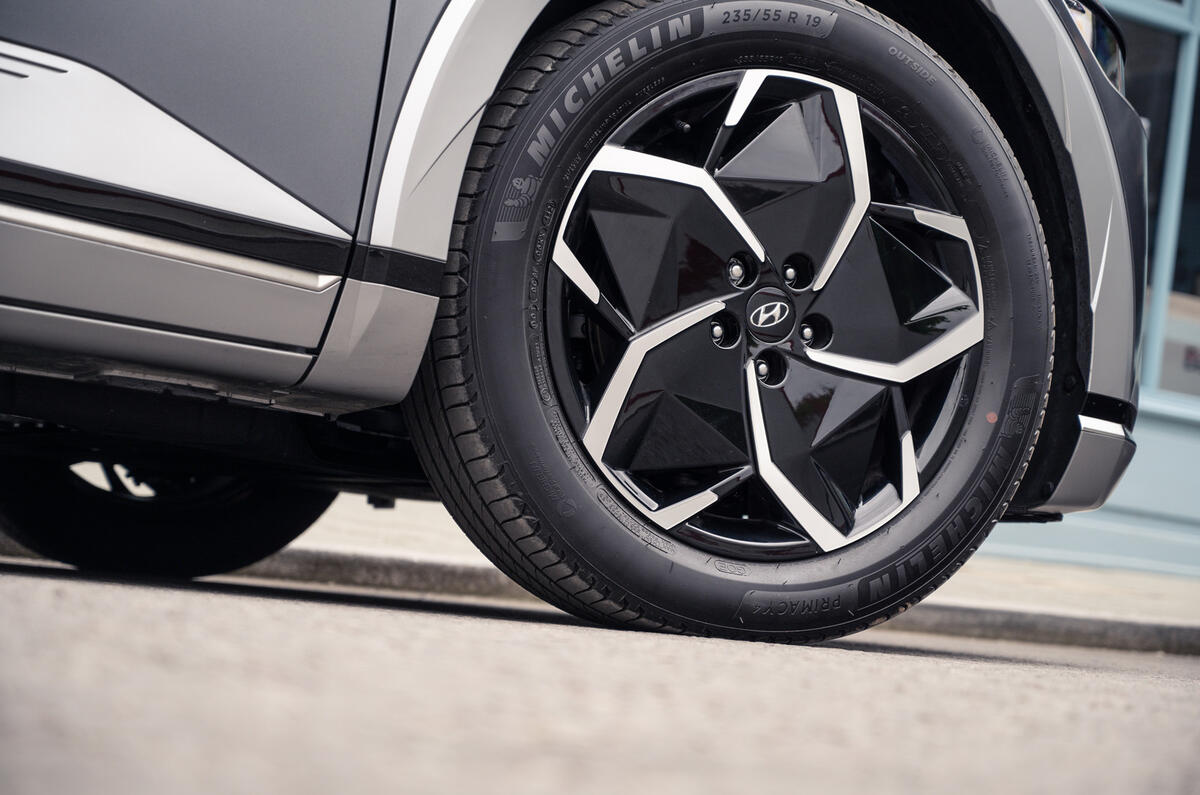
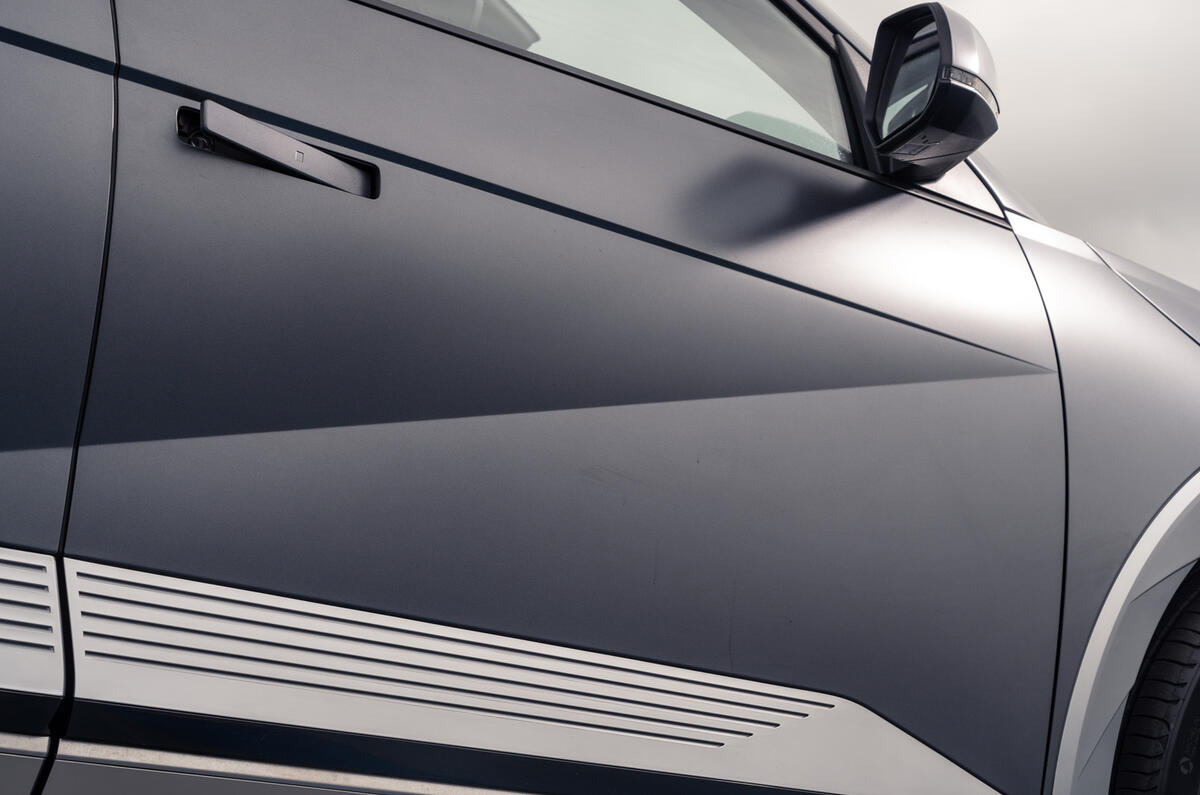
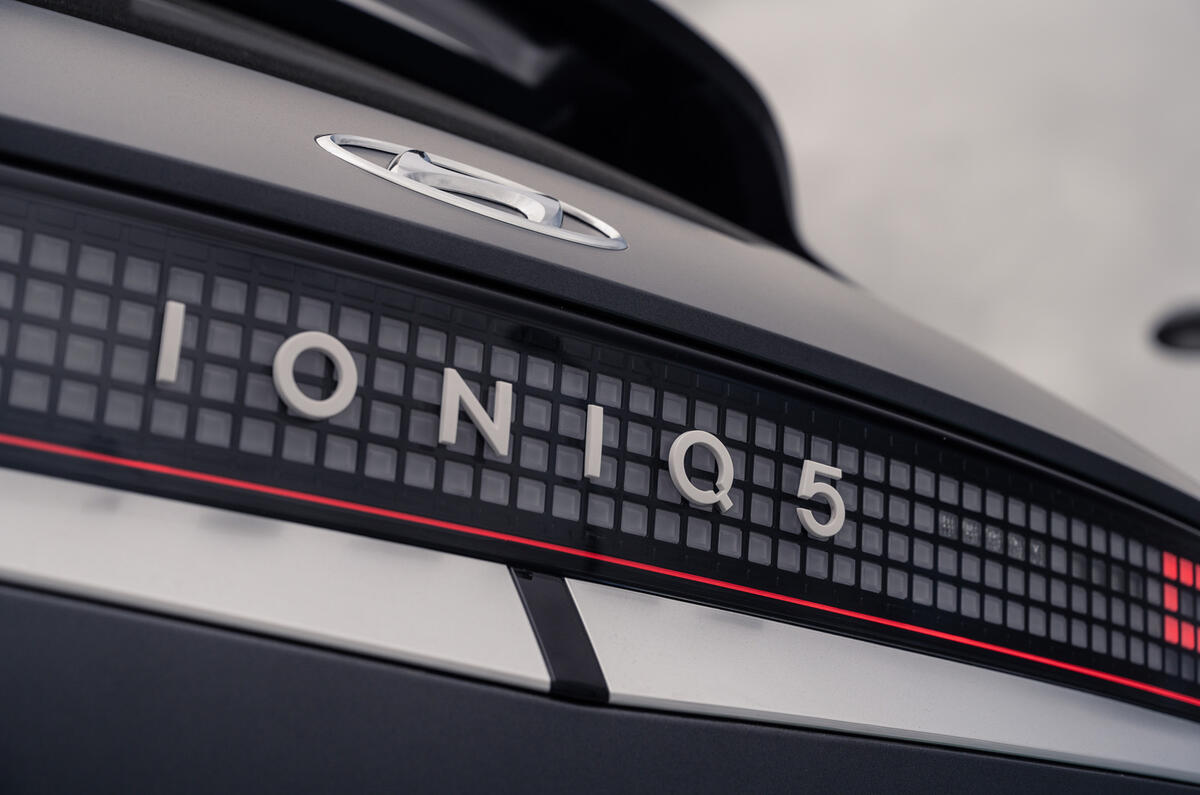
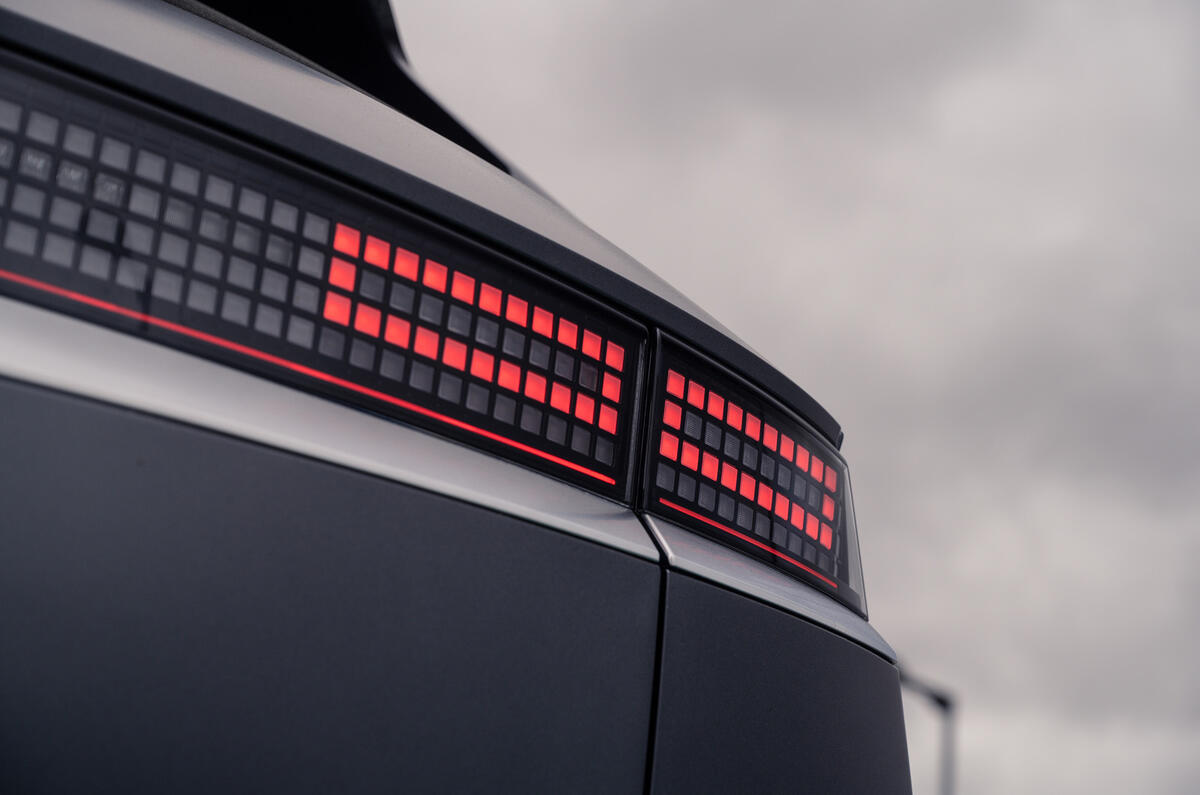
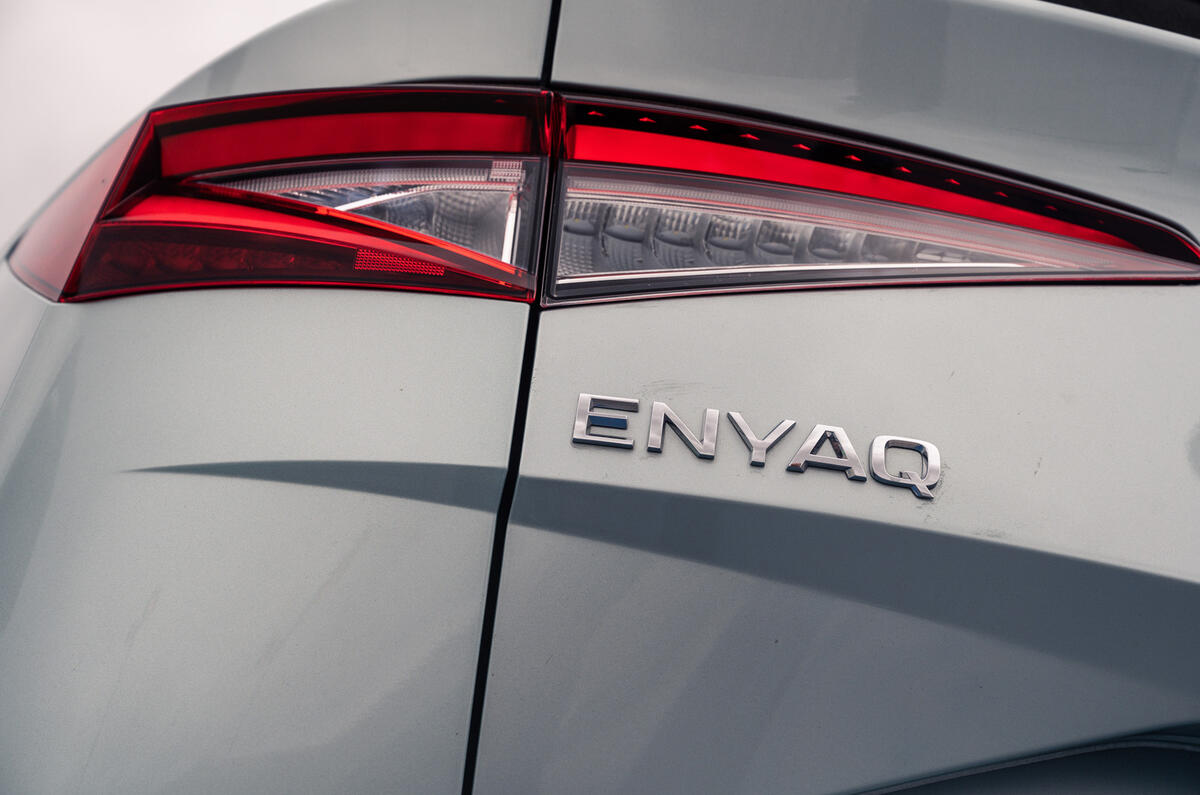
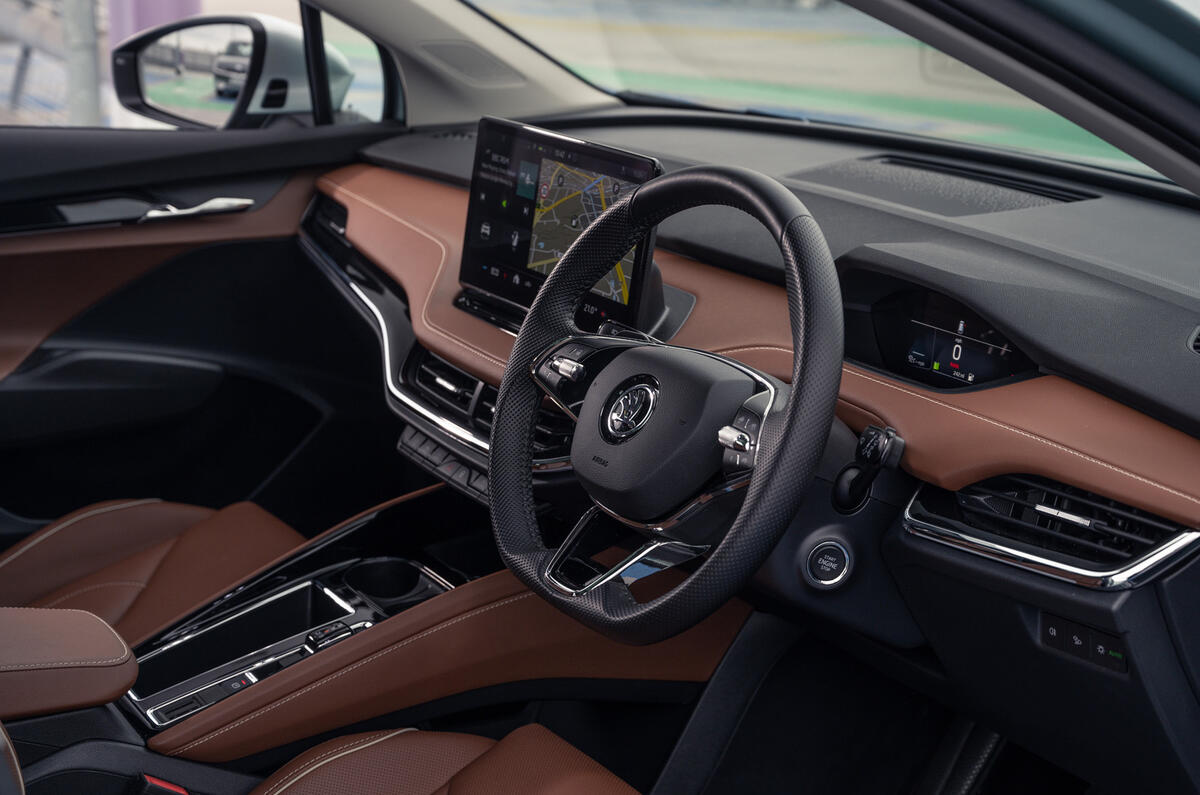
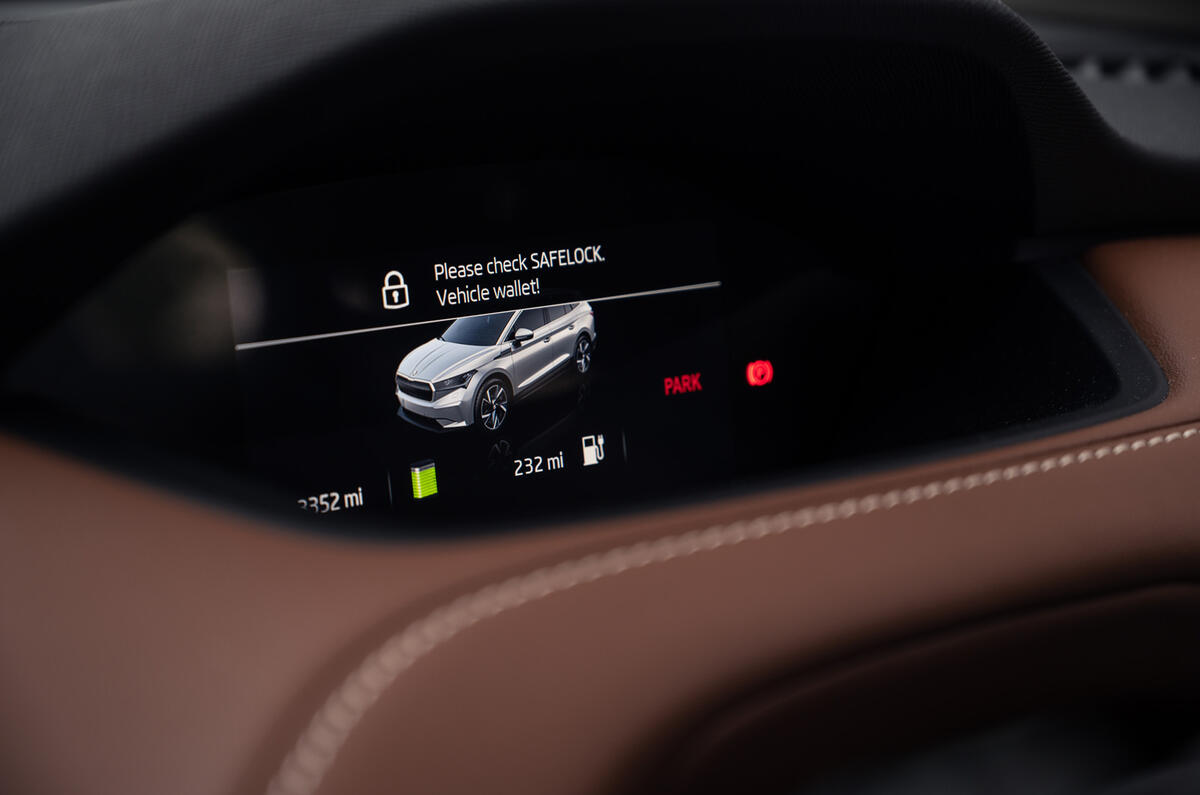
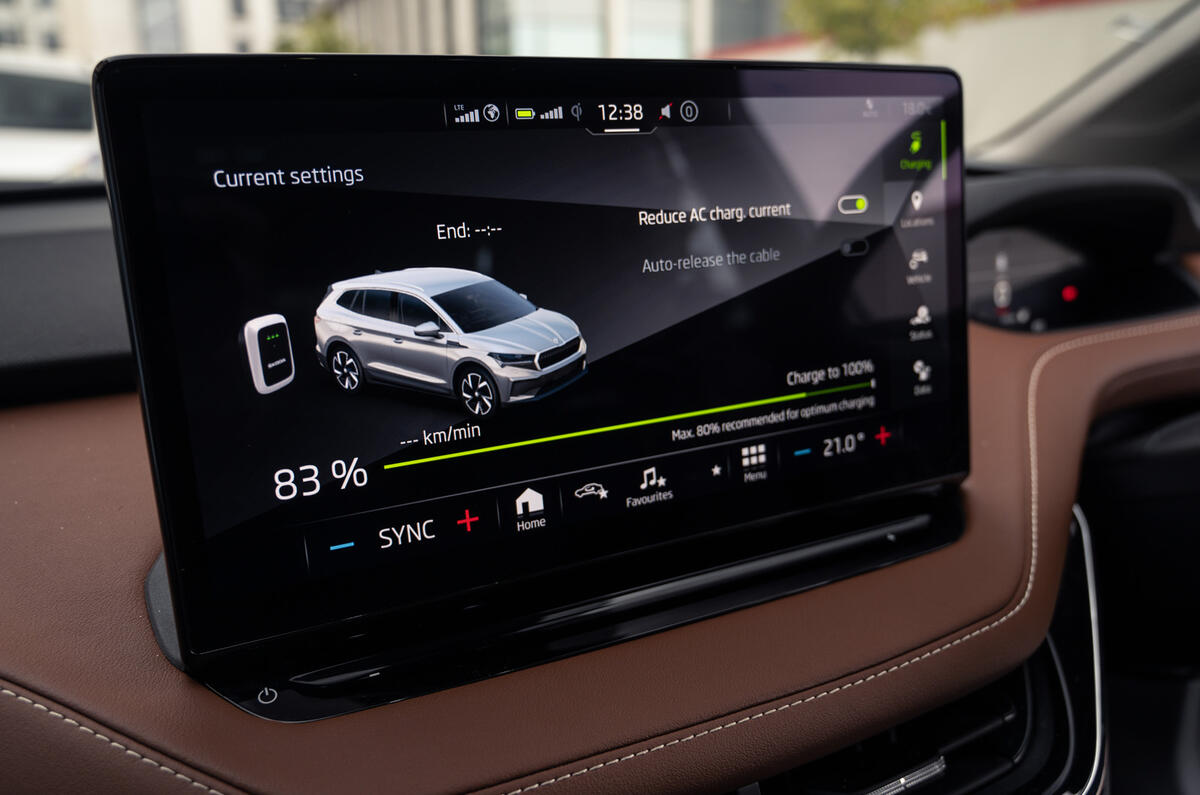
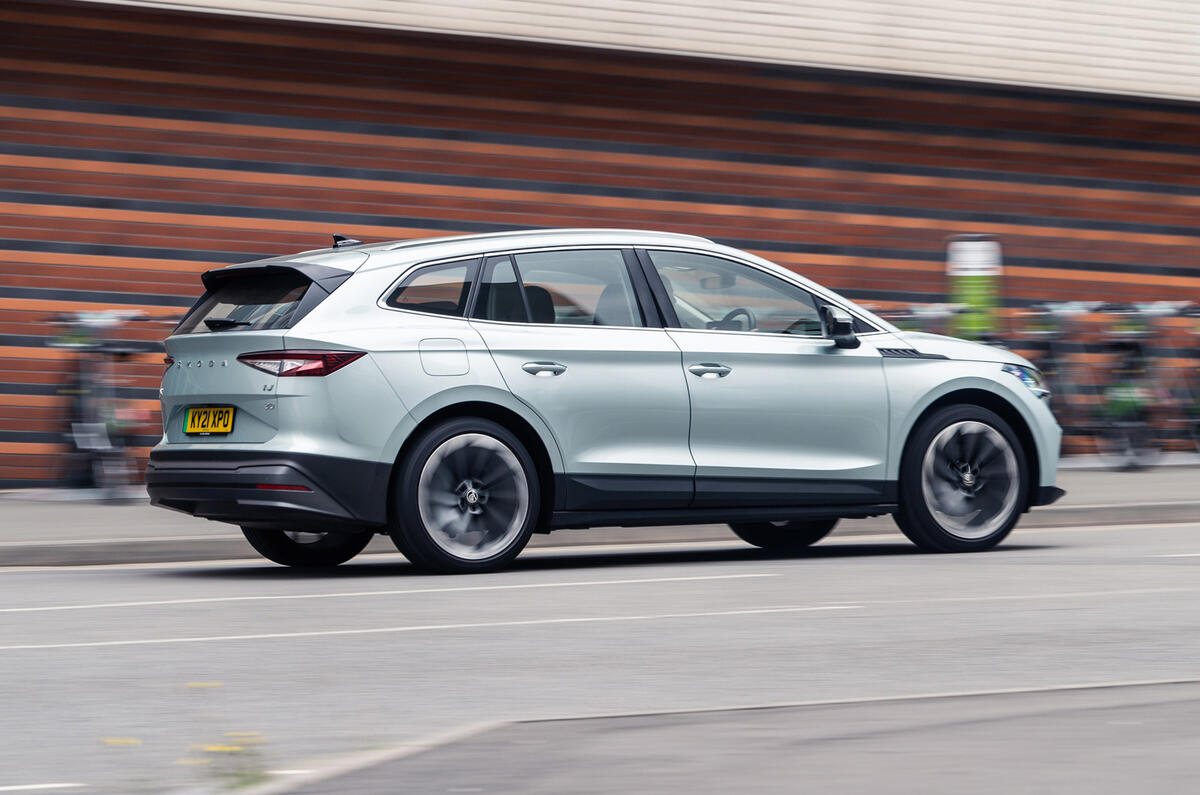
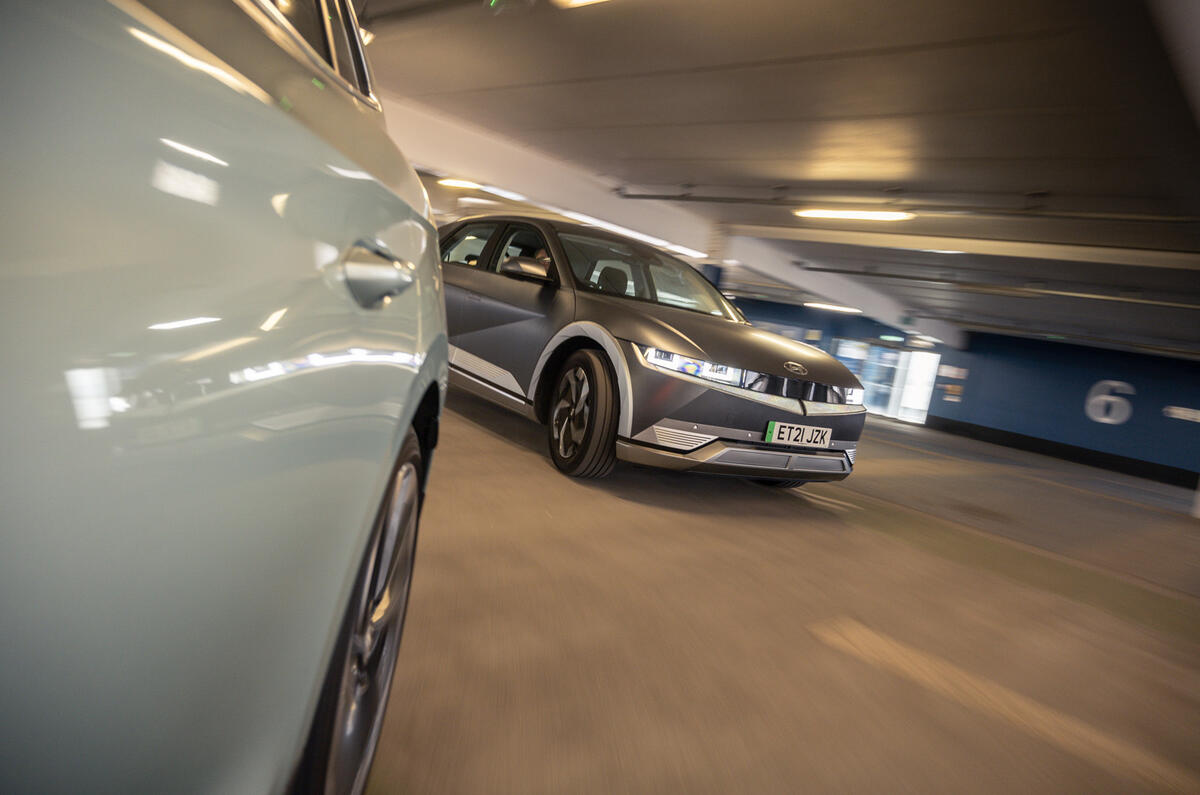
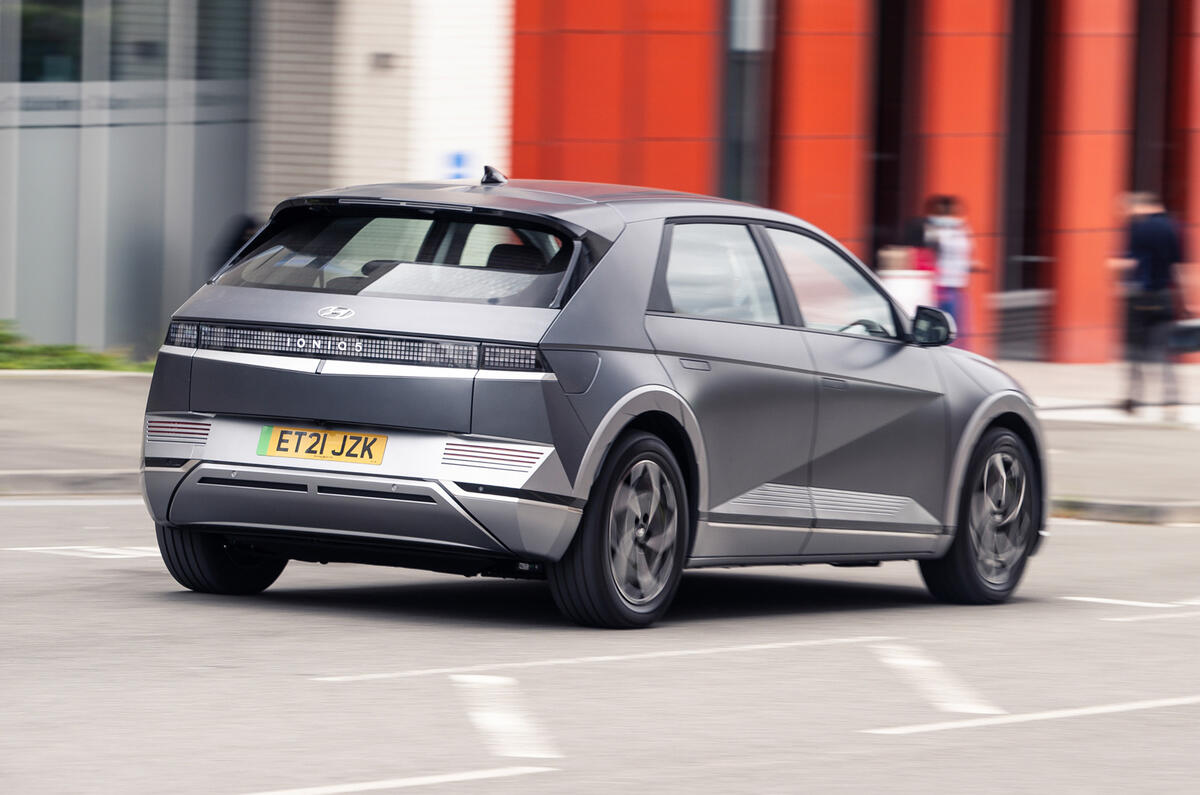
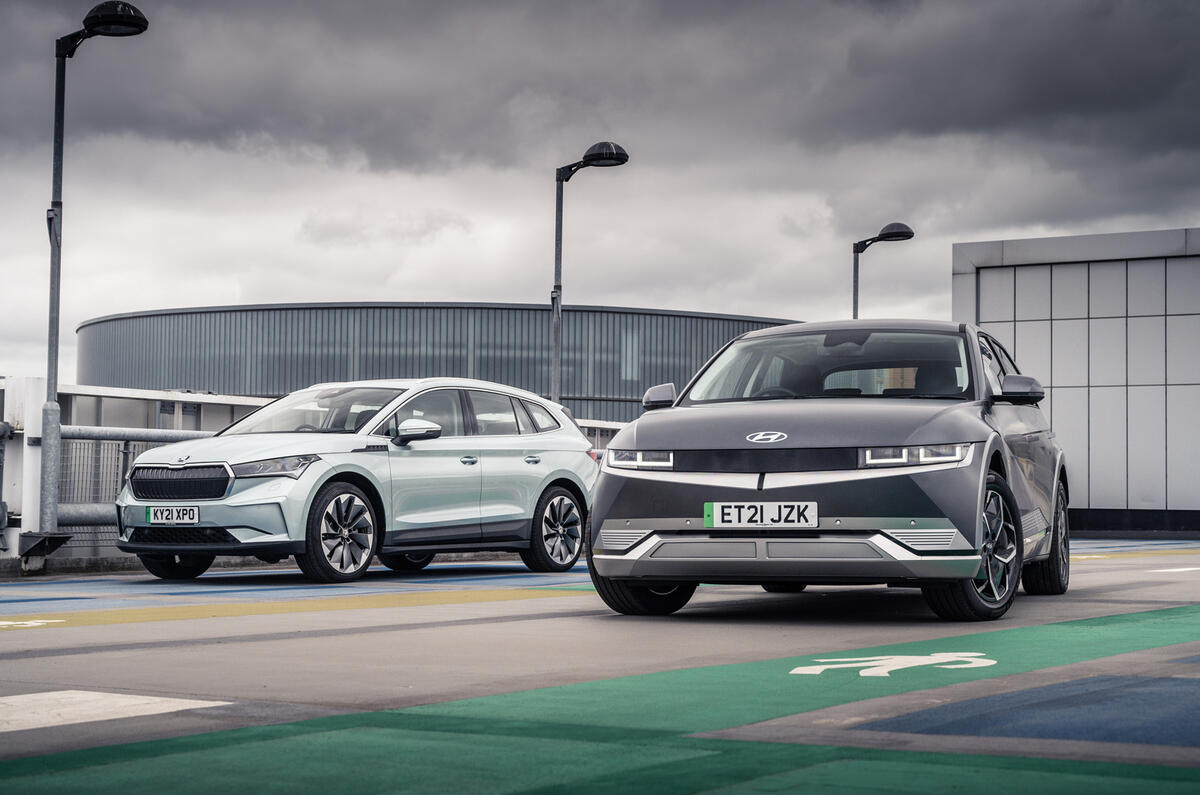
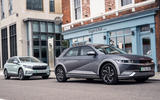
Leading the charge are Hyundai and Skoda, which have both recently launched family-friendly EVs with more than a hint of SUV about them in the form of the all-new Ioniq 5 and Enyaq iV. Both promise a range of around 300 miles, pack more than 200bhp and, in mid-spec guise, will cost in the region of £40,000. Impressive, but are these the sort of numbers that will convince budget-conscious family car buyers racked with range anxiety to make the leap to lithium ion power sooner rather than later? Let’s find out.
For those of us worried that an EV future will lead to a more homogenous approach to engineering, then on paper there’s nothing here that allays those fears.
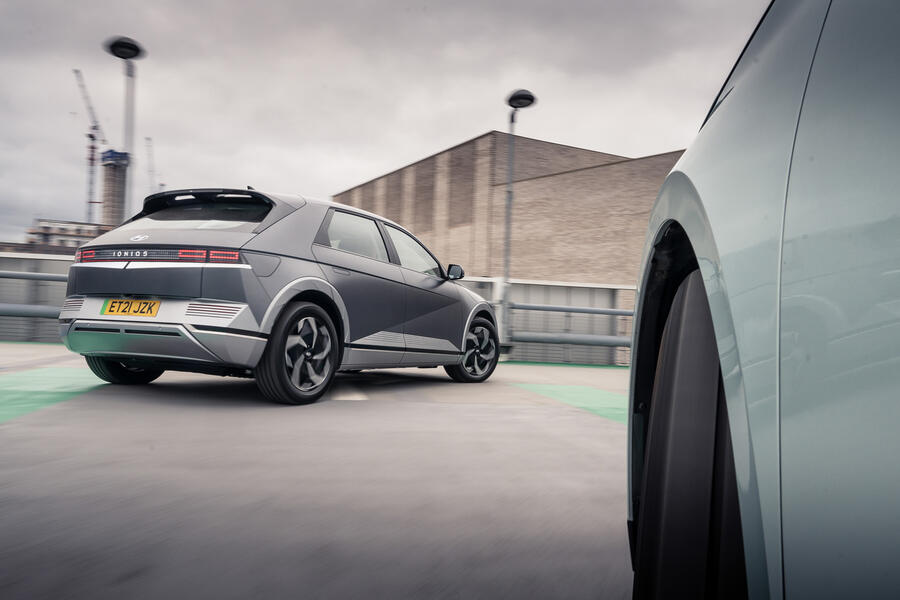
Both are essentially underpinned by their respective brand’s EV ‘skateboard’ platform, featuring a rear-mounted electric motor and a battery pack that’s laid low on the floor between the axles for optimum weight distribution and packaging. In the case of the Hyundai, it’s the E-GMP platform that will be shared with sibling firm Kia for its EV6, while the Enyaq uses the Volkswagen Group’s MEB structure that has already seen service in the Volkswagen ID 3 and Audi Q4.
More expensive versions offer a front-mounted motor for four-wheel drive, but we’ve opted for rear-drive cars with the longest-range battery available: a £41,945 Ioniq 5 Premium with 72.6kWh on tap and a £39,365 Enyaq iV 80 touting 77kWh.
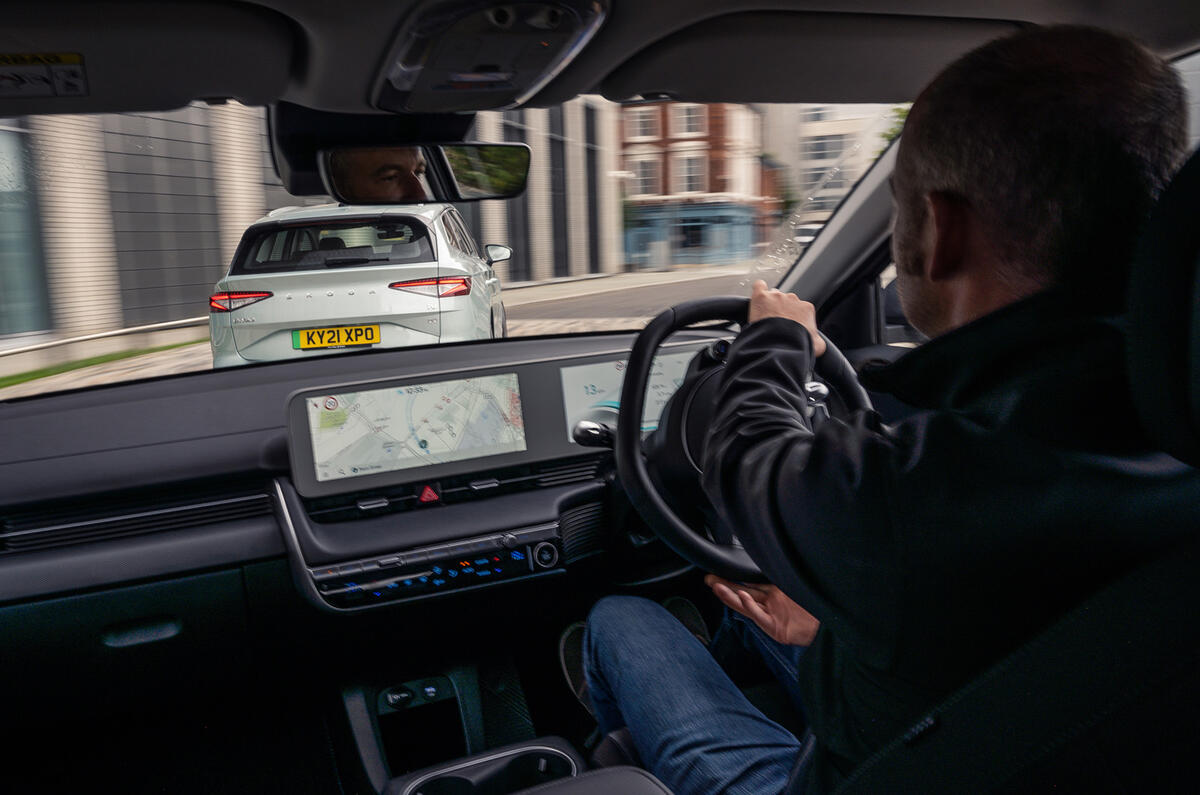
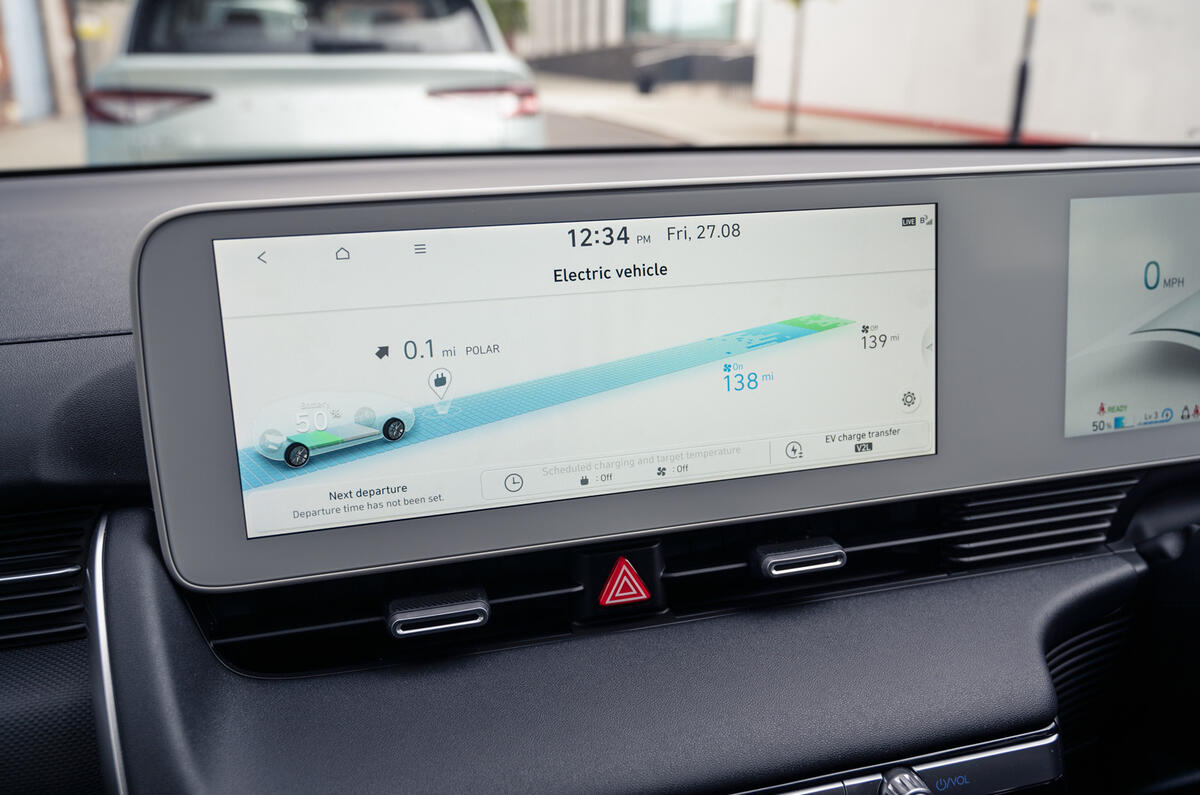
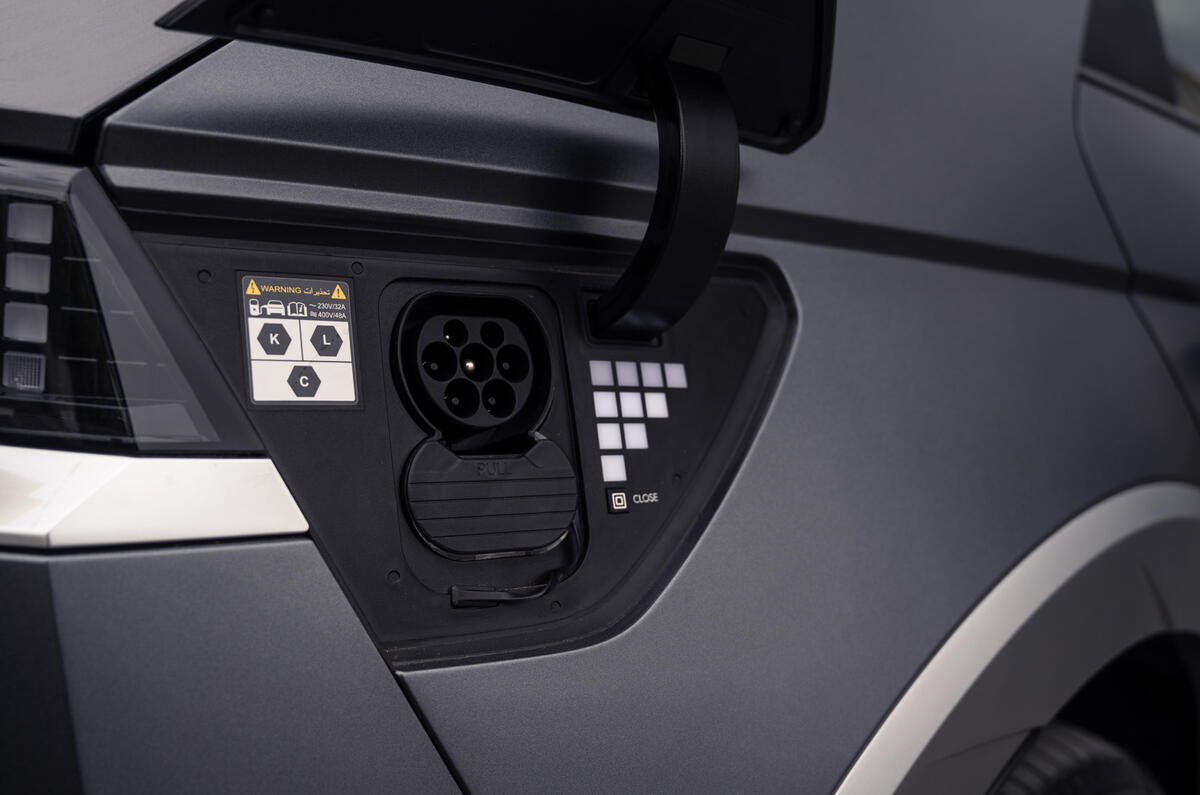
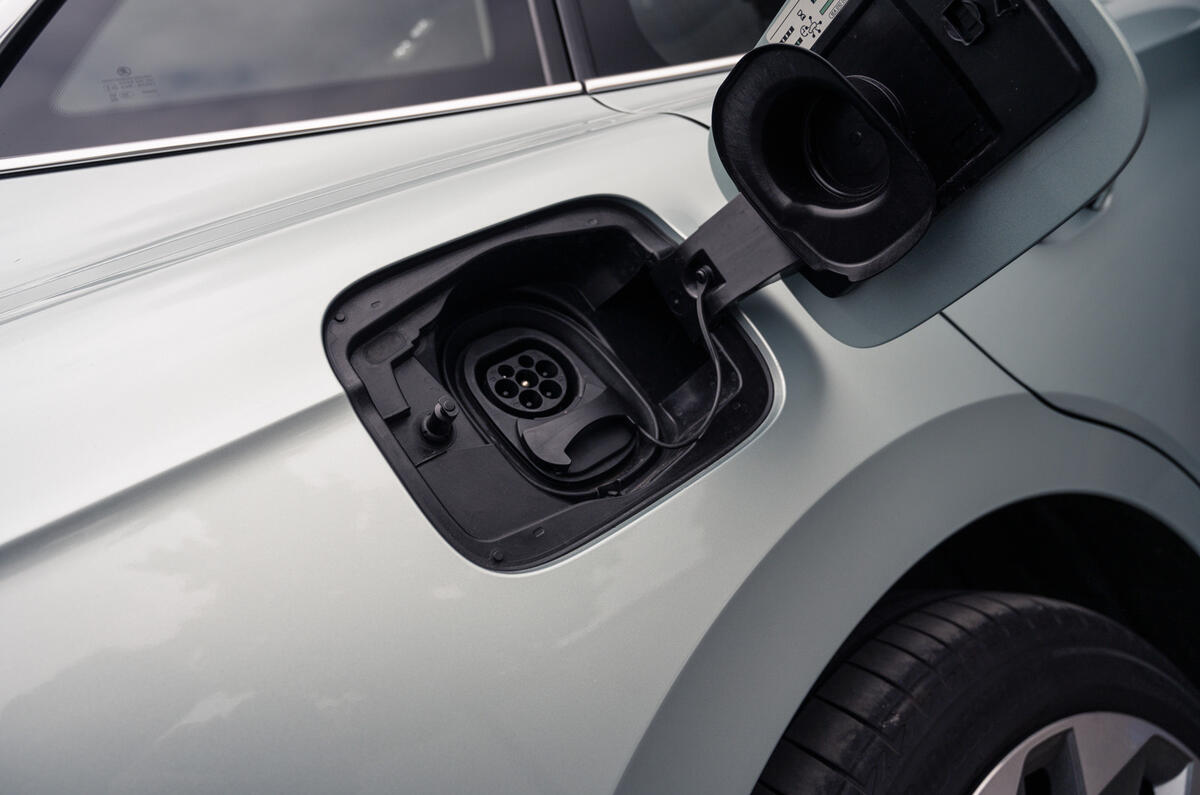
So far, so predictable. However, the Ioniq 5 has some tricks up its sleeve, such as an 800V architecture similar to that used in the Porsche Taycan and Audi E-tron GT that allows the fastest and most efficient charging. The car is also set up to accommodate vehicle-to-grid charging, meaning it should one day be possible for it to feed power back into your home or office at peak times. Neat.