

Demand for battery-electric vehicles is set to grow rapidly in the coming years due to the need to cut emissions, driven by both government legislation and changing consumer expectations. But the move from combustion engine to electric power isn’t problem-free, given the huge amount of cobalt used in lithium ion batteries.
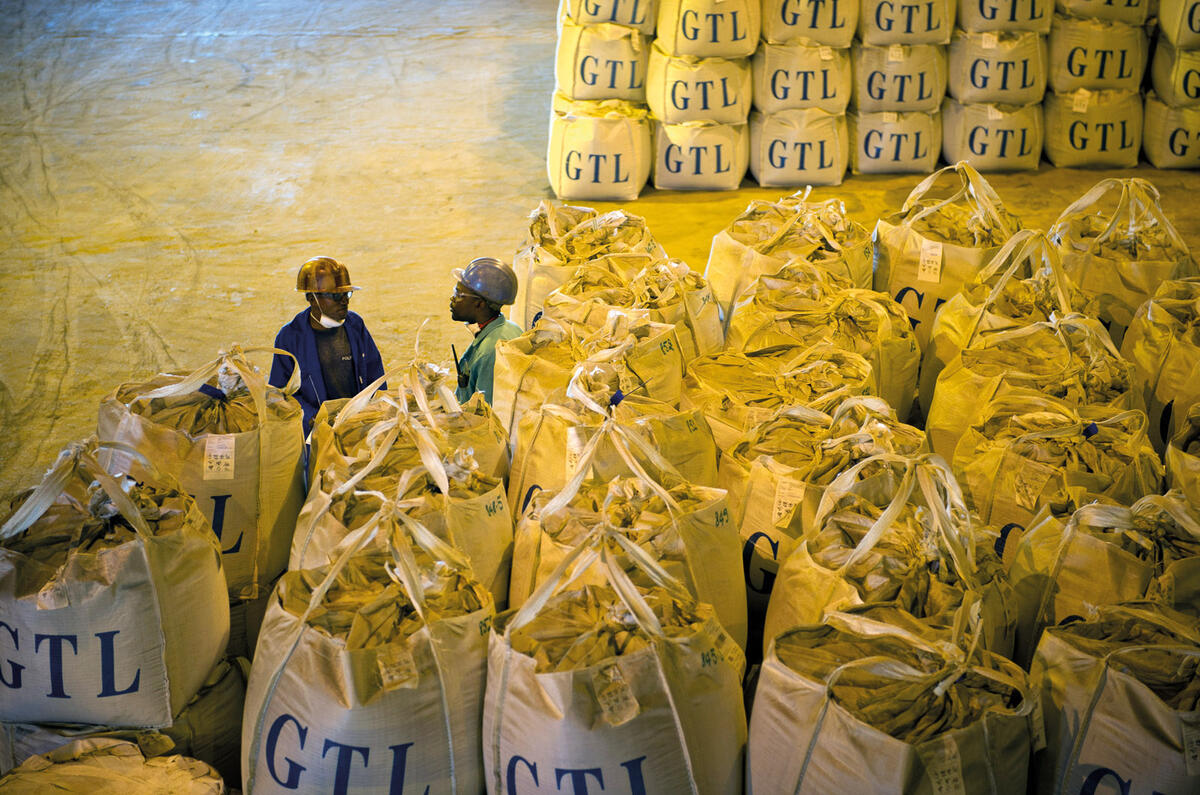
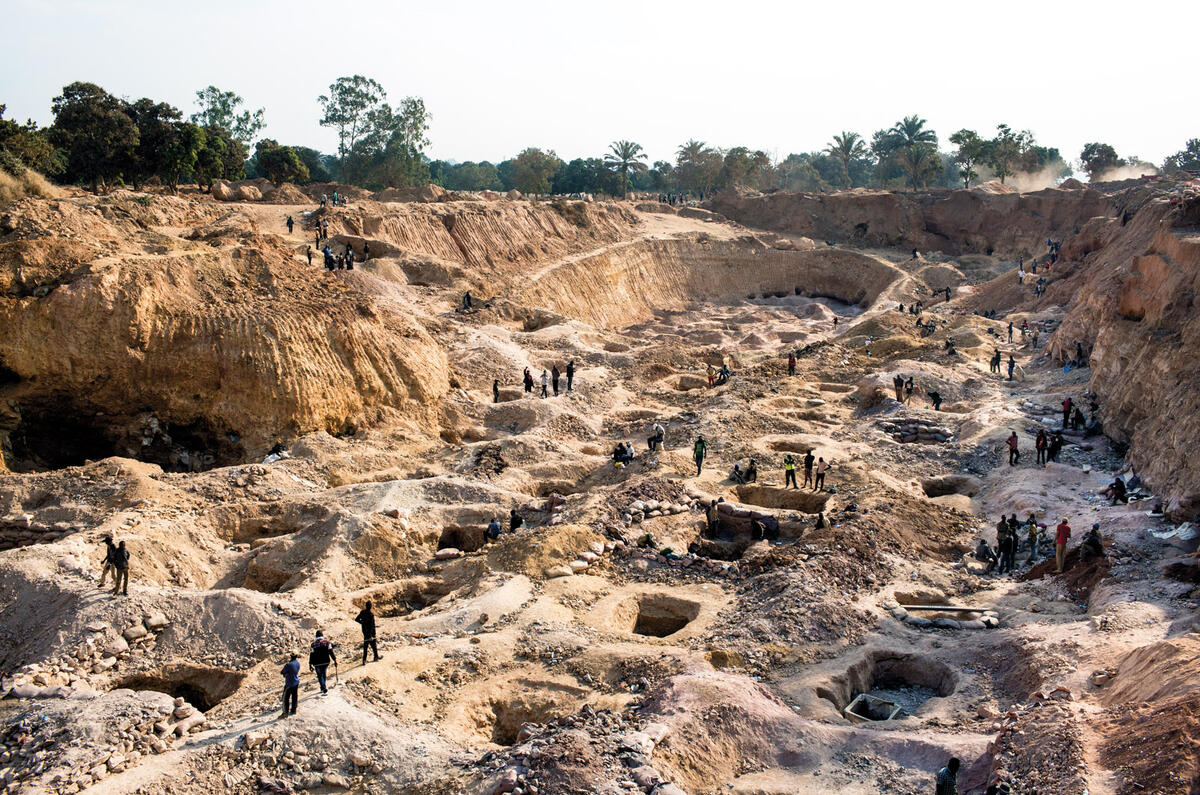
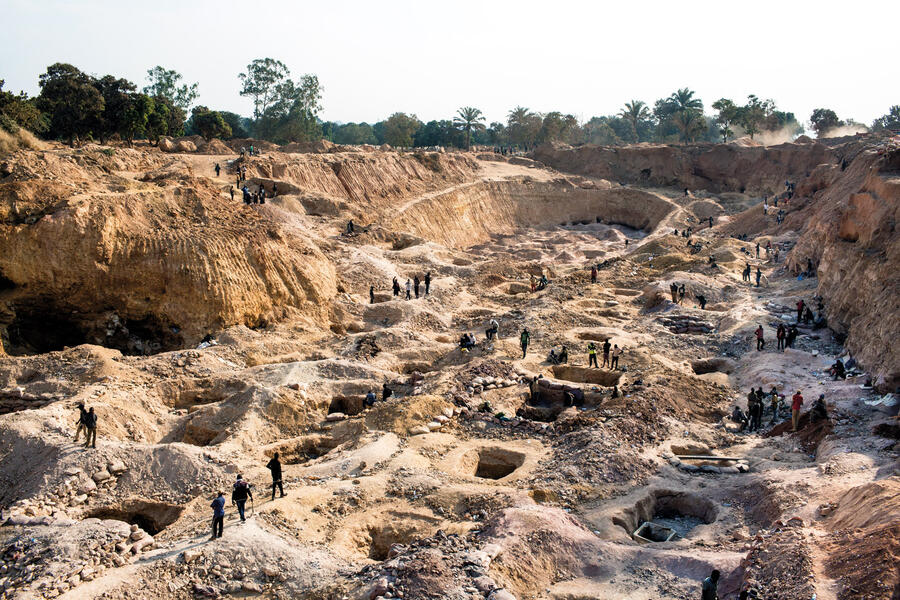
Cobalt is a key component of rechargeable batteries used in cars and smartphones, and around 60% of the global supply currently originates from mines in the Democratic Republic of the Congo. Despite prices of the mineral soaring as demand surges, the estimated 255,000 miners in the DRC work in poor conditions, for less than £1.50 a day. According to reports, more than 35,000 of those workers are under the age of 14, earning around 60 pence per day. There are also concerns about illegal mining, human rights abuses and corruption within the country.
Late last year, 14 Congolese families filed a lawsuit in the US against firms including Apple, Google parent Alphabet and Microsoft. The families claimed that their children were killed or serious injured working in cobalt mines, that the named firms had knowledge the cobalt sourced for their products could be linked to child labour – and that they failed to regulate their supply chains properly.
In separate statements, Apple, Alphabet and Microsoft all said they were committed to responsible sourcing of materials.
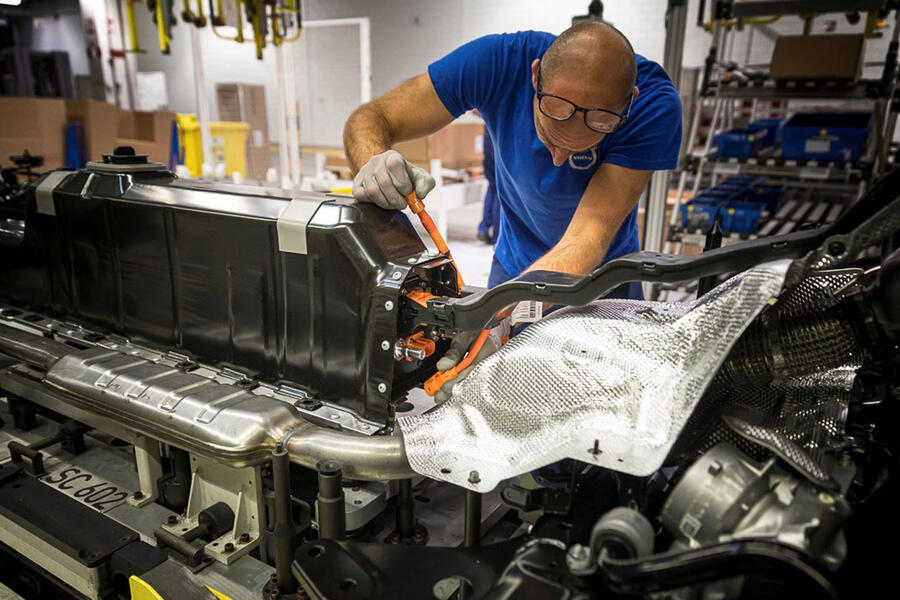
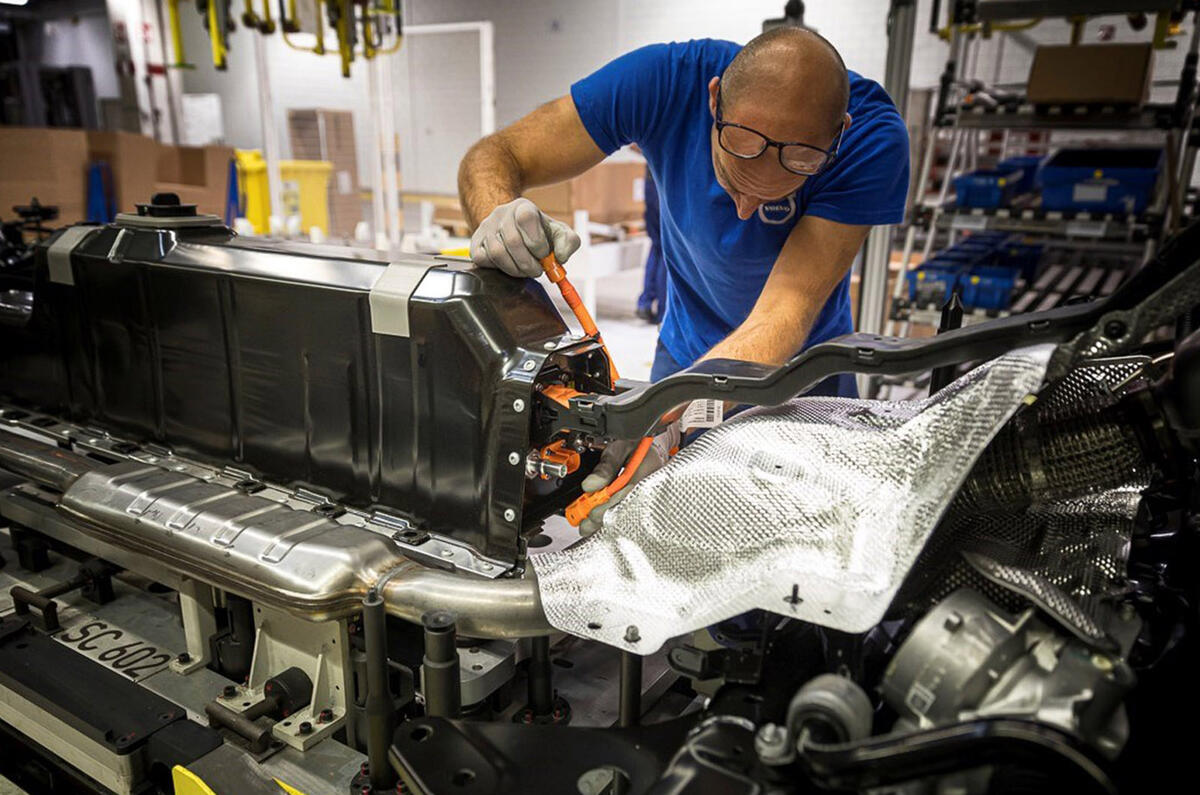
For car firms, ensuring cobalt and any raw materials obtained from third-party suppliers is ethically sourced is problematic – which is why Volvo is turning to new technology to do so. Last year, the firm announced it would introduce blockchain technology to ensure it could trace the cobalt used in the batteries of future Volvo and Polestar EVs, starting with the soon-to-be-launched XC40 Recharge P8.
The Swedish firm has worked with battery suppliers LG Chem and CATL on the introduction of the technology and recently invested in blockchain firm Circulor to aid the introduction of the technology.
“We already work with a non-profit in the DRC to help protect workers there,” said Martina Buchhauser, Volvo’s procurement boss, in a recent Financial Times online summit. “We’ve had it on our agenda to trace down where the cobalt for our cars comes from for a long time, but until now, we’ve been missing the technology to really do so.”
A blockchain is effectively a digital ledger consisting of a series of records, each linked to each other and protected by cryptography. It creates records for each transmission that cannot be altered, allowing for independent verification and auditing.