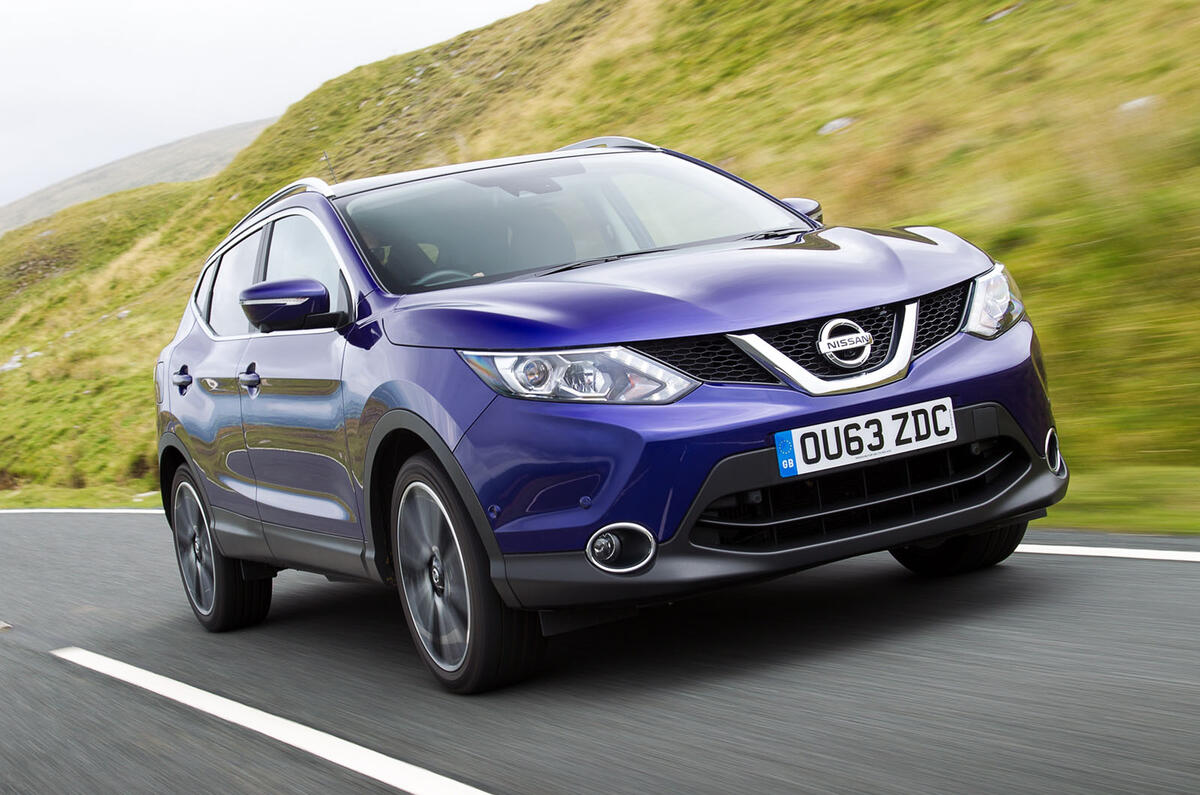

As many as 1.3 million diesel Renault and Nissan vehicles and 100,000 petrol Nissan Qashqais could be fitted with illegal emissions 'defeat devices', a specialist UK law firm has claimed.
London-based Harcus Parker, which is preparing a class action lawsuit against the two makers, claims a freedom of information request lodged with the Department for Transport (DfT) gave it “previously unseen documents” showing up to 100,000 1.2-litre petrol Nissan Qashqais breach emissions limits by “up to 15 times” in the UK.
The firm cites independent test data indicating that as many as 700,000 Renault diesel vehicles and 600,000 Nissan vehicles in the UK could be fitted with the unlawful emissions defeat devices. Models affected alongside the Qashqai include the Note, Nissan Juke and Nissan X-Trail, while on the Renault side, the Renault Clio, Espace, Renault Captur, Renault Megane and Renault Scenic are all named. Cars made between 2009 and 2018 are affected.
The freedom of information request reveals, it is claimed, that the UK Government attempted to persuade Nissan to recall and fix affected vehicles, but the maker refused to do so.
In September 2017, the DfT allegedly wrote to Nissan and said: “A petrol Nissan Qashqai was selected for testing this year. We have now completed this testing, and we found that when conducting NEDC tests on a test track and conducting a Real Driving Emissions test, NOx (nitrogen oxide) emissions results were very high for this vehicle."
In 2018, the DfT again said the Qashqai was “not sufficiently well designed to control the NOx in real-world conditions”.
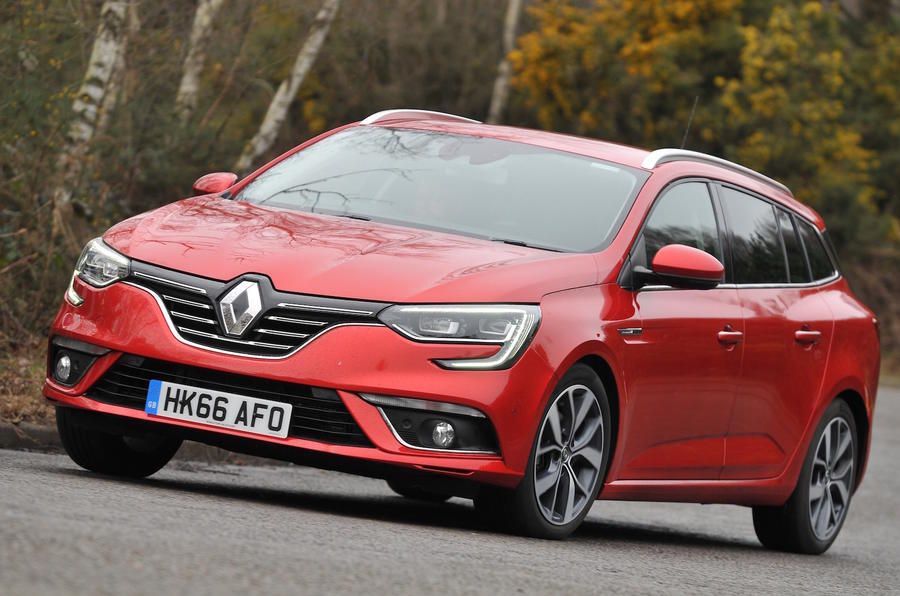
Harcus Parker also claims that Renault and Nissan vehicles running the 1.5 and 1.6-litre diesel engines are among the worst real-world emitters of NOx - worse than both Volkswagen and Mercedes models.
Both Nissan UK and Renault UK provided a statement to Autocar strongly refuting all allegations by Harcus Parker.
Nissan said: “Nissan has not and does not employ defeat devices in any of the cars that we make, and all Nissan vehicles fully comply with applicable emissions legislation.
“The initial report from 2017, which looked at the variation between lab and ‘real world’ conditions, showed variances for most brands involved. It also stated that the Nissan tested complied with all required regulatory limits.”