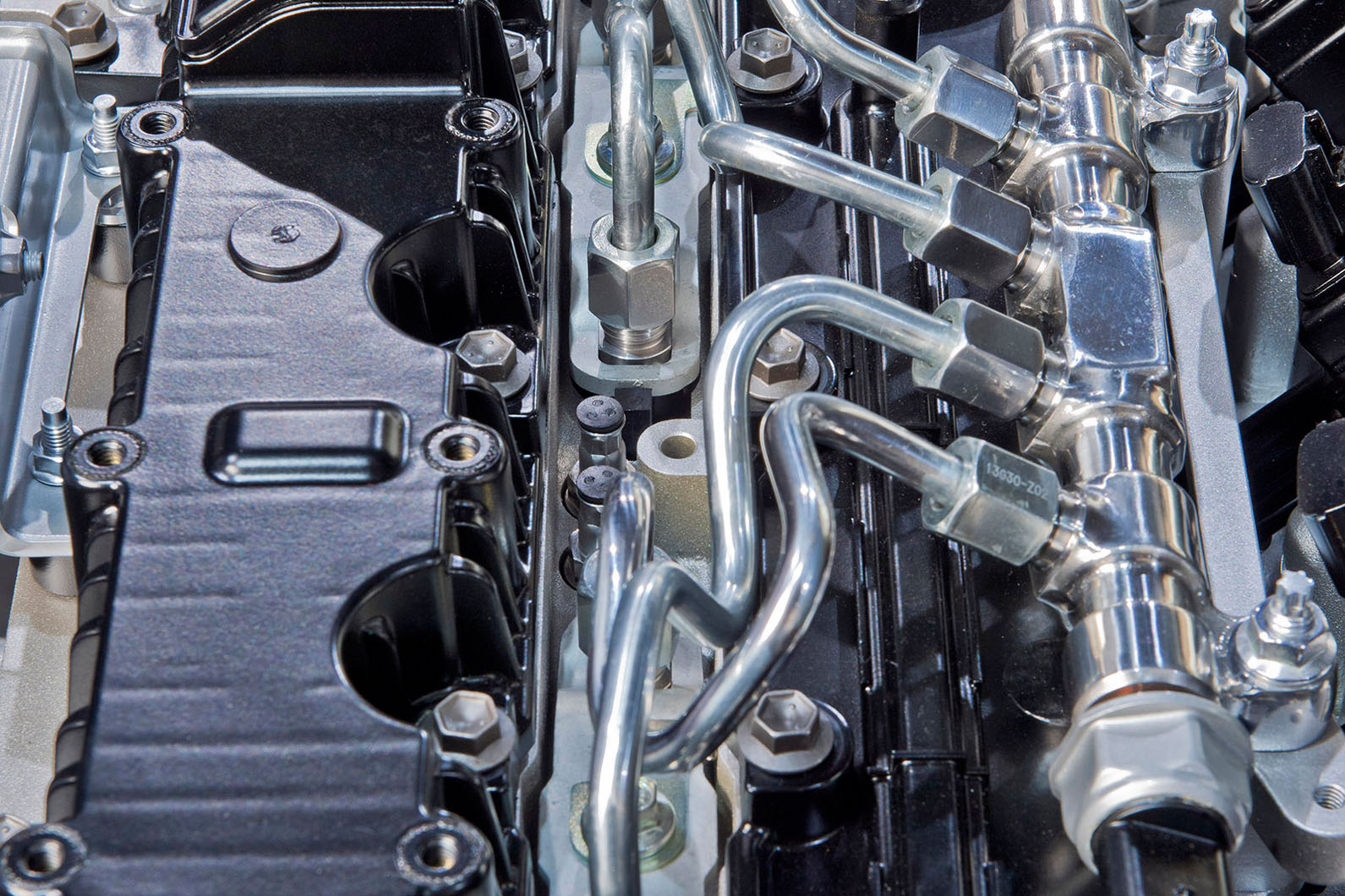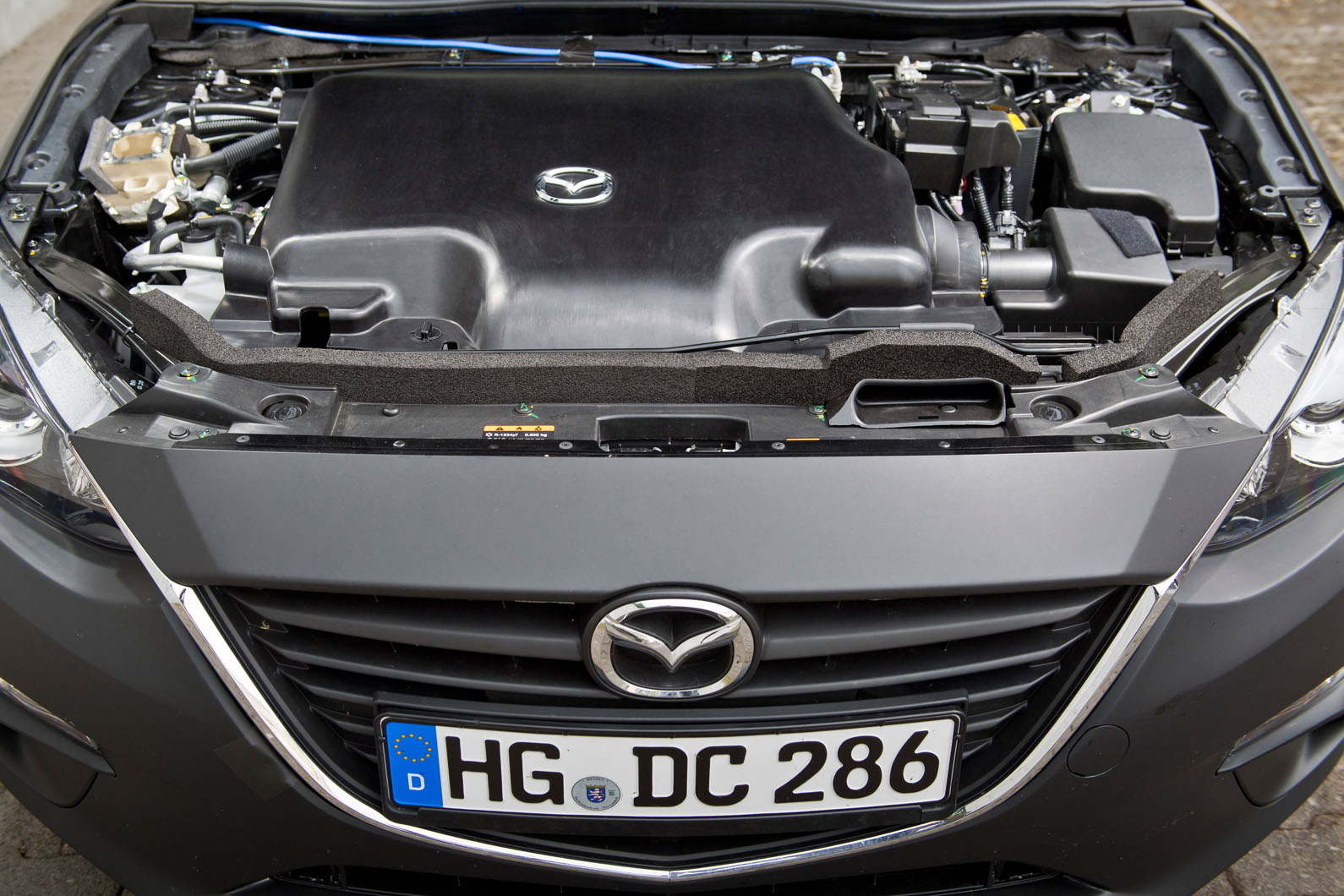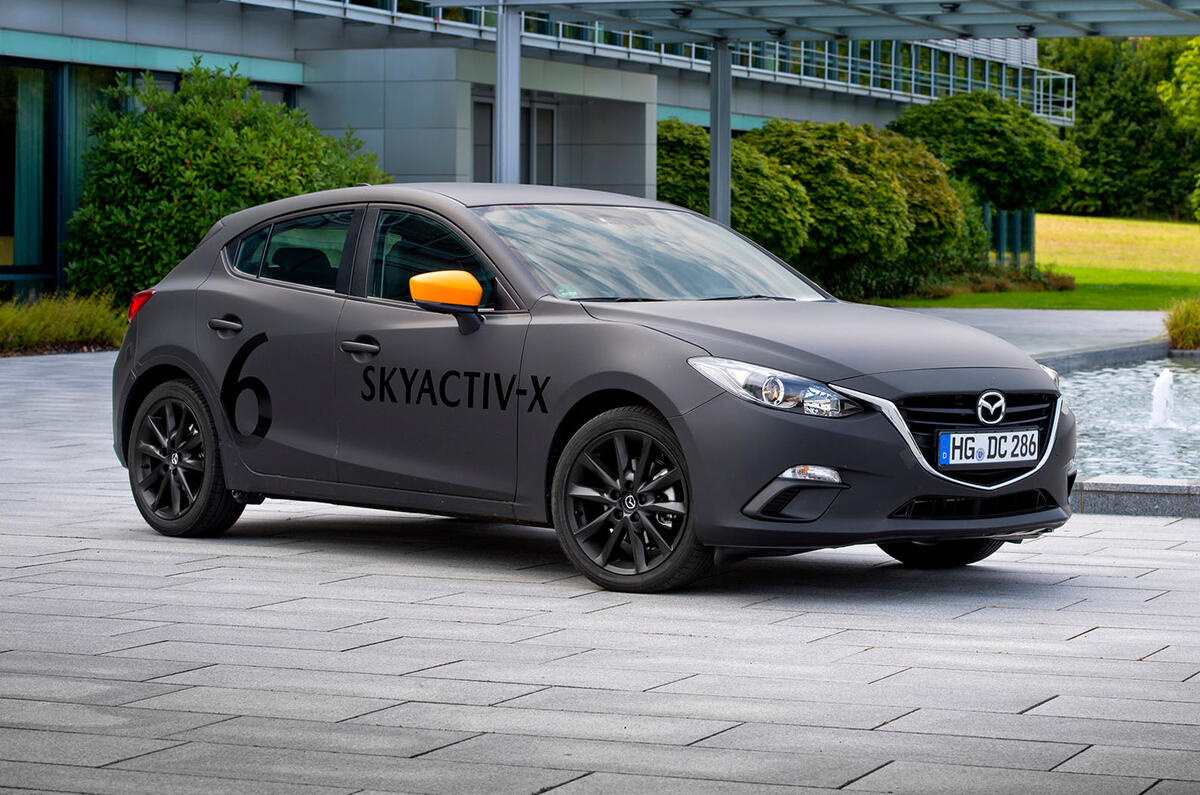
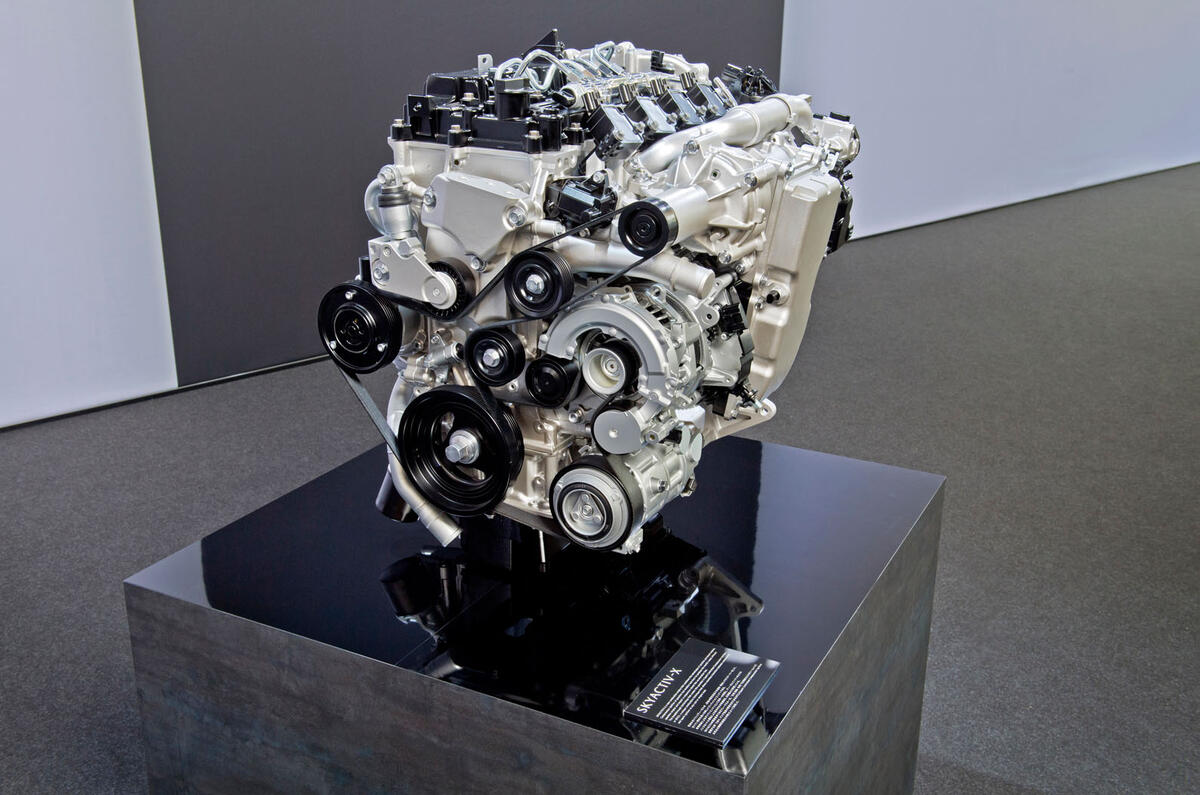
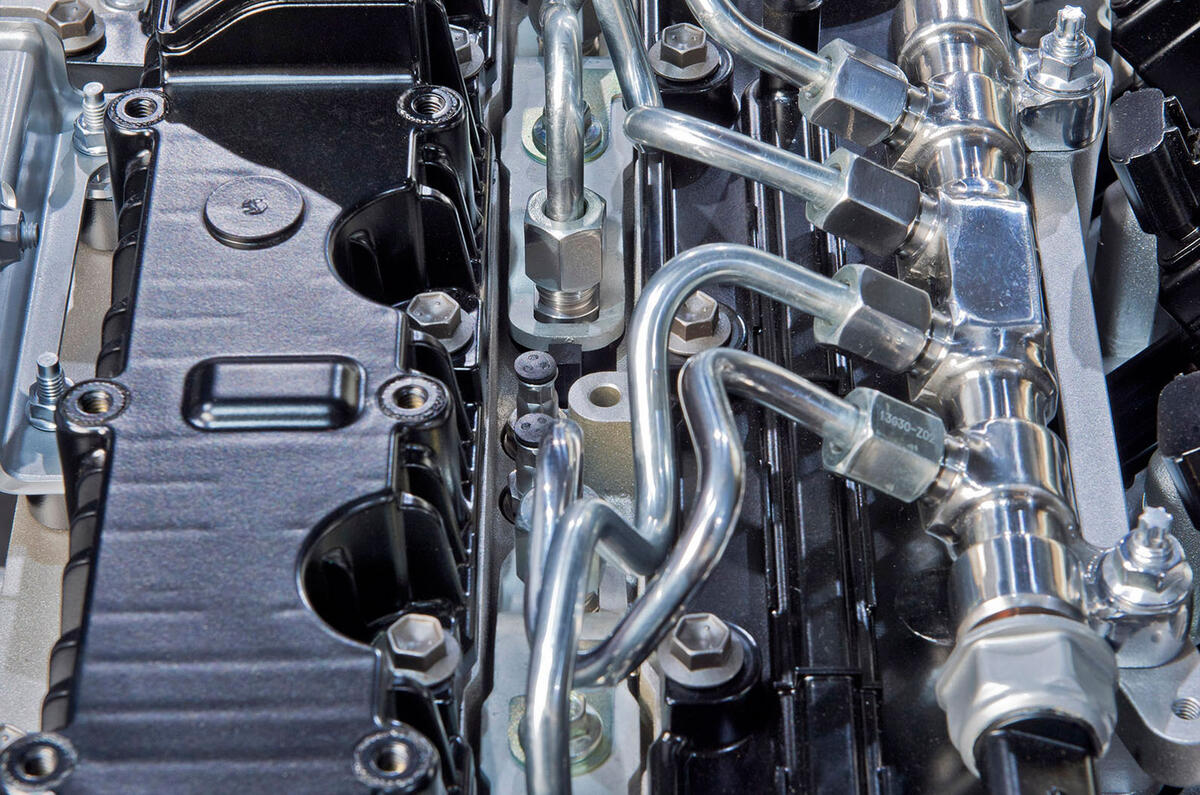
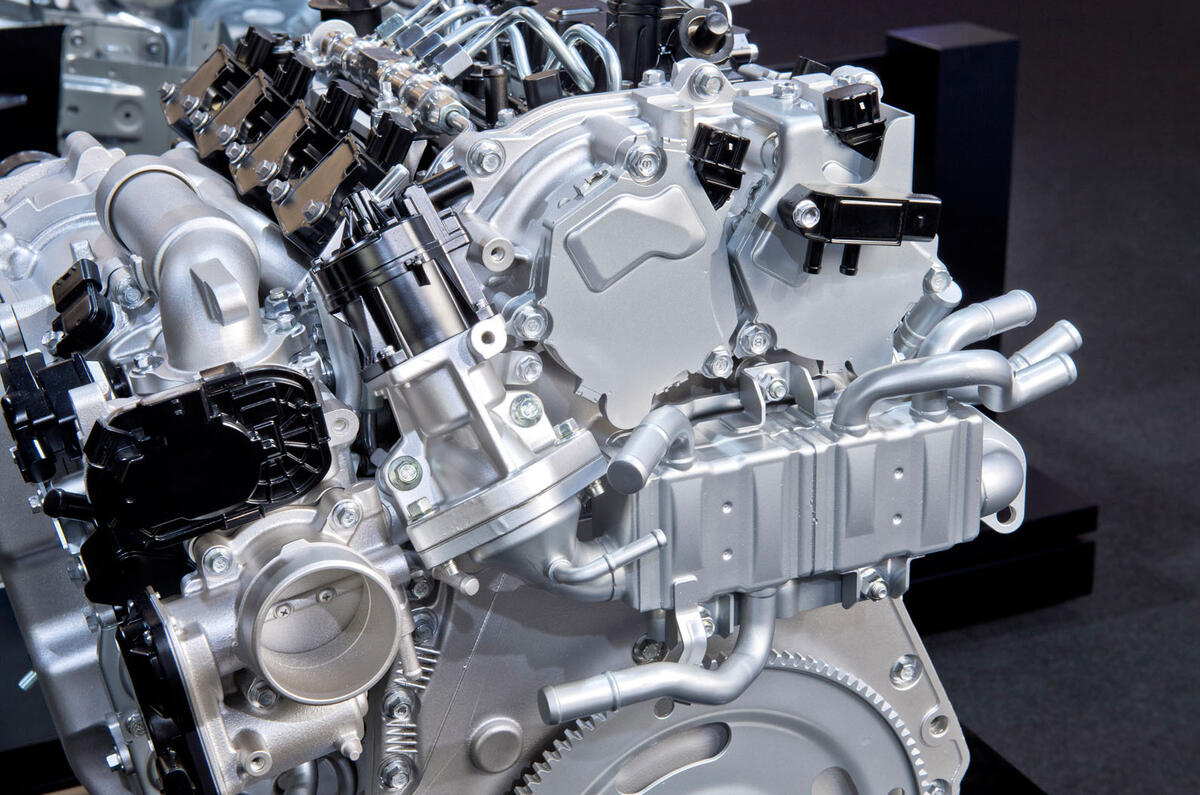
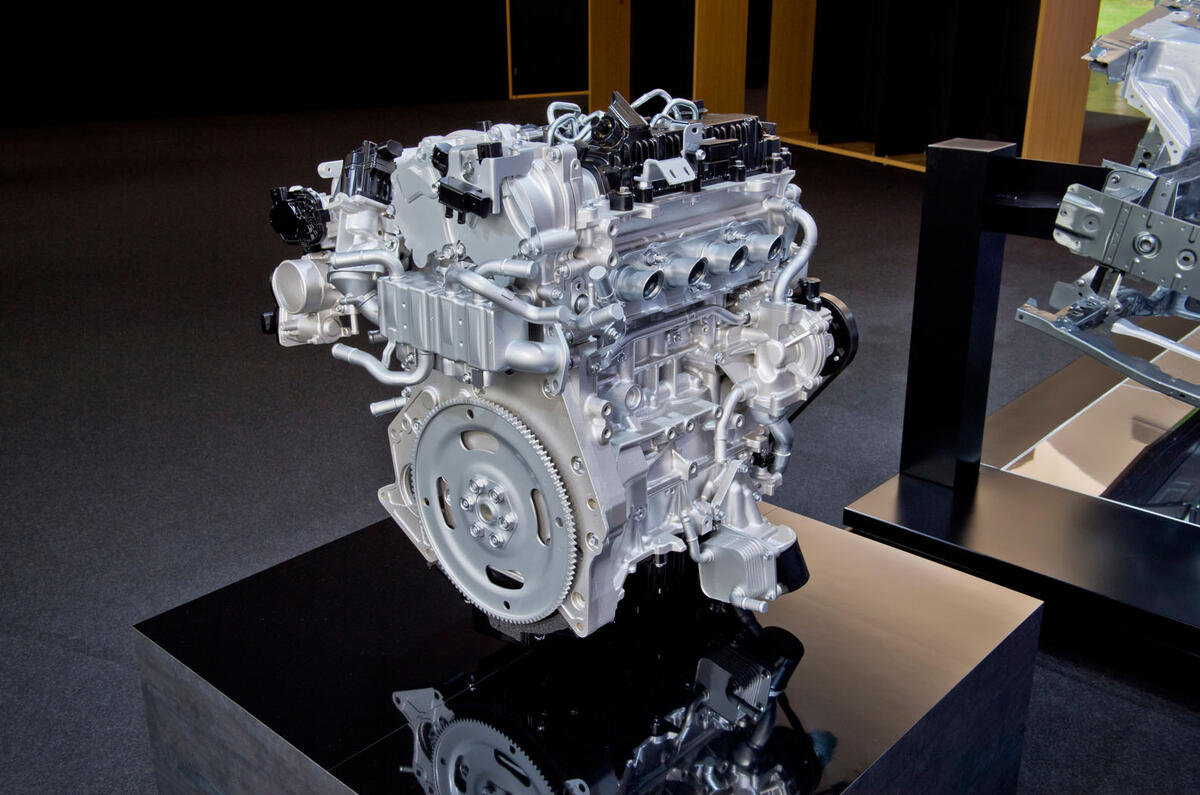
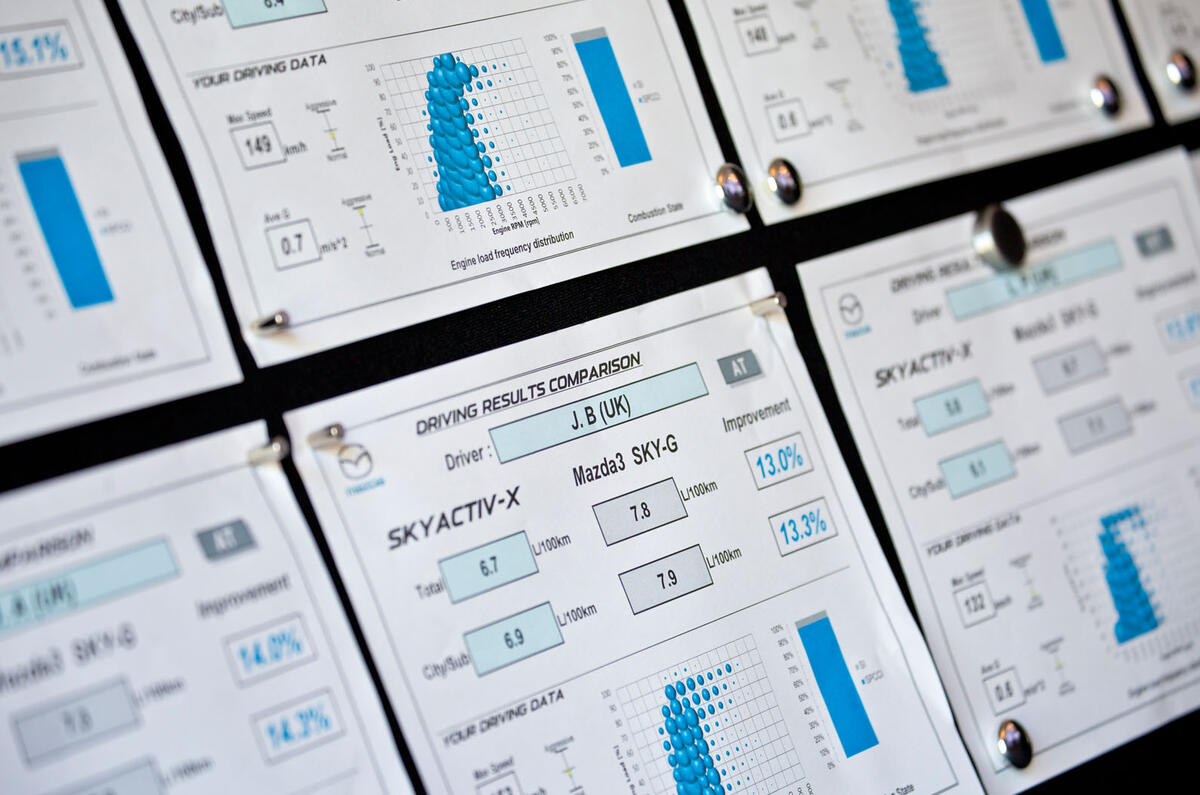
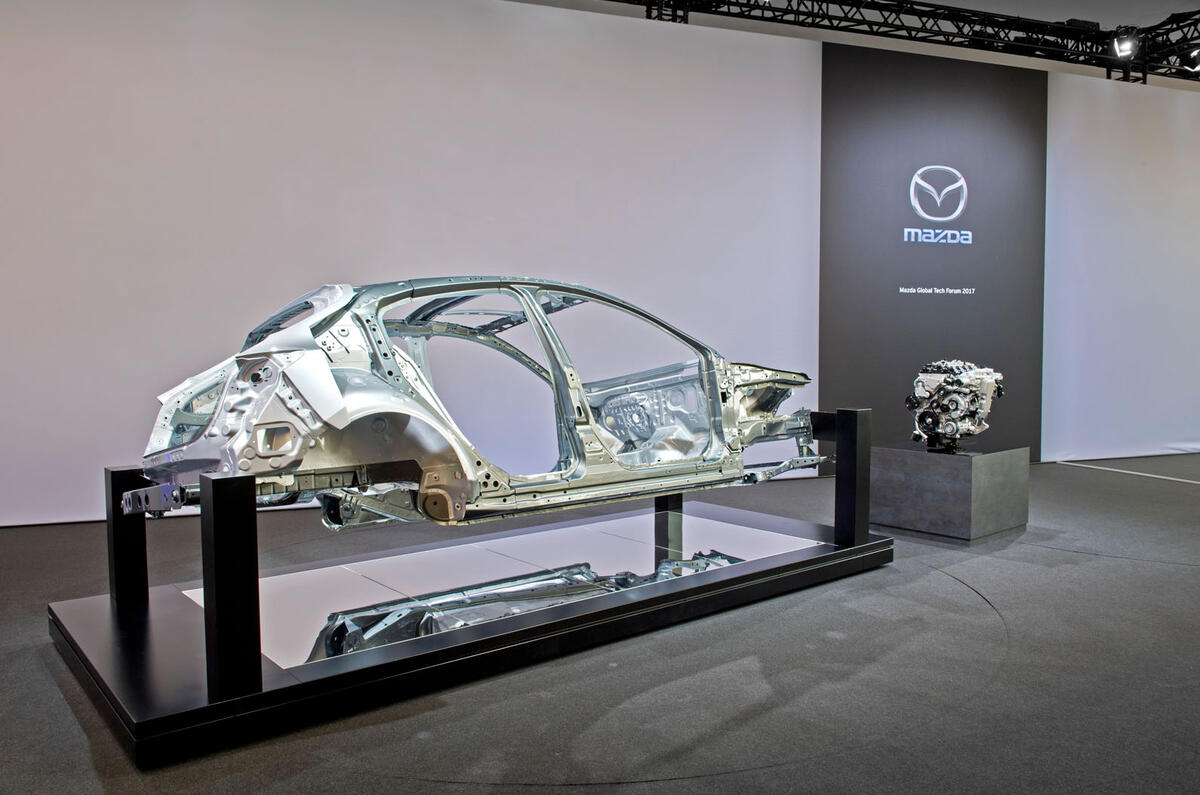



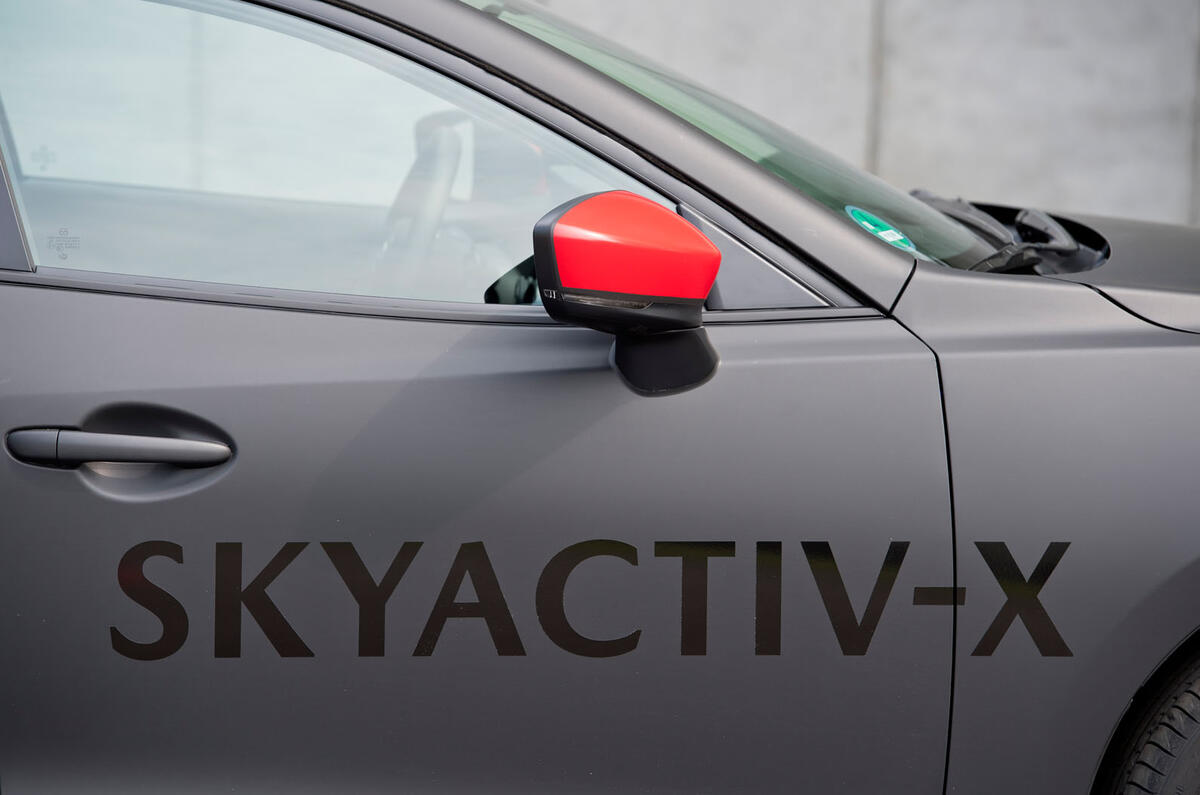
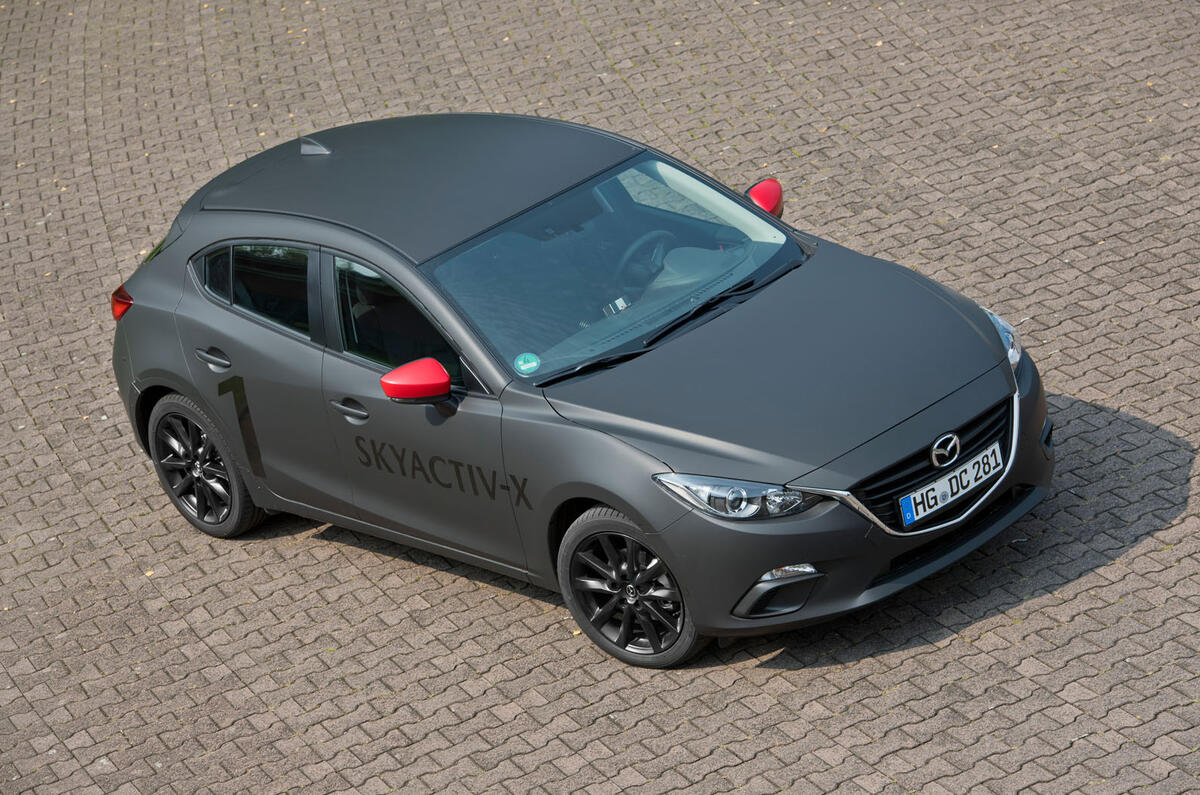
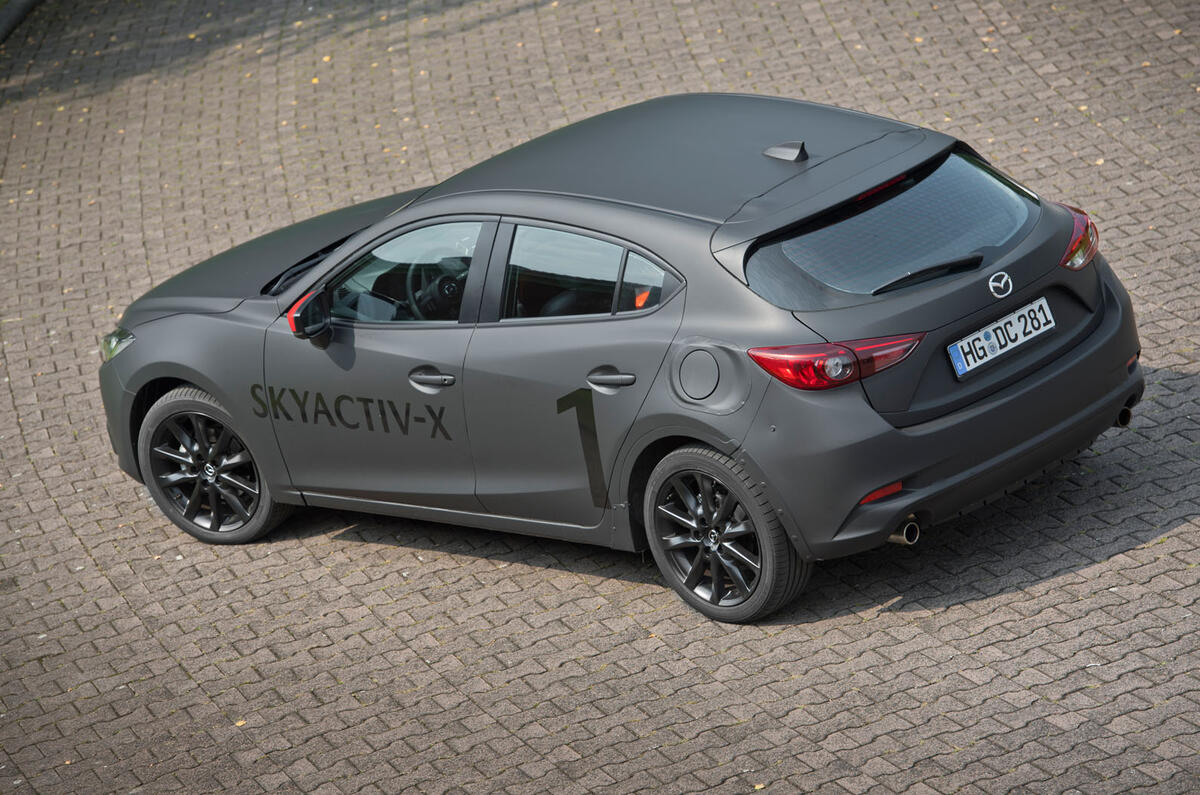


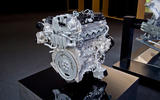










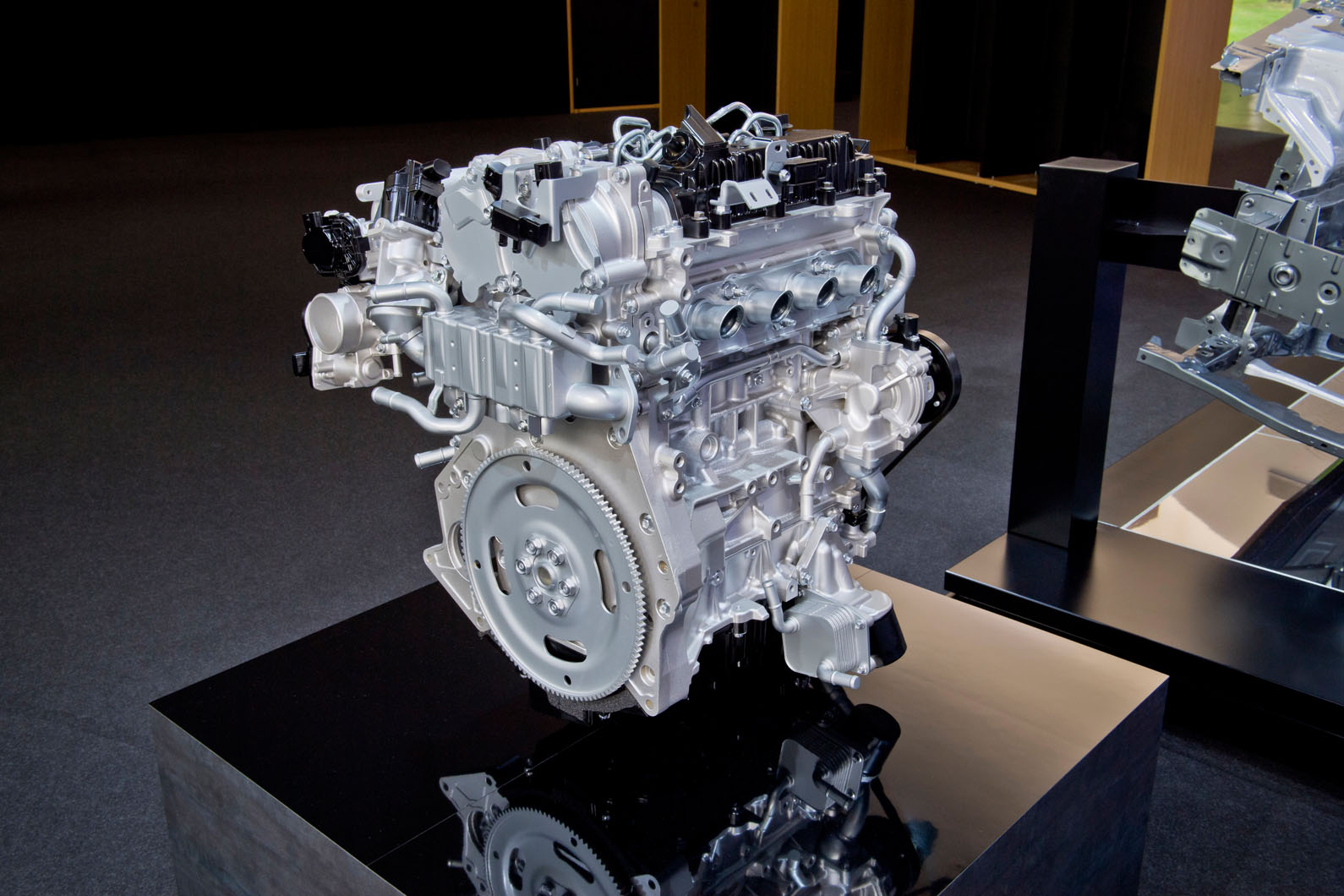
Mazda will become the first major car maker to introduce a compression- ignition petrol engine — and the firm believes it could be cleaner than pure-electric power over its lifecycle.
The pursuit of this technology sets the Japanese manufacturer apart from other car companies that
 are focusing their efforts on improving hybrid and pure- electric systems to make their vehicles cleaner. However, Mazda officials insist they aren’t deliberately following an alternate path.
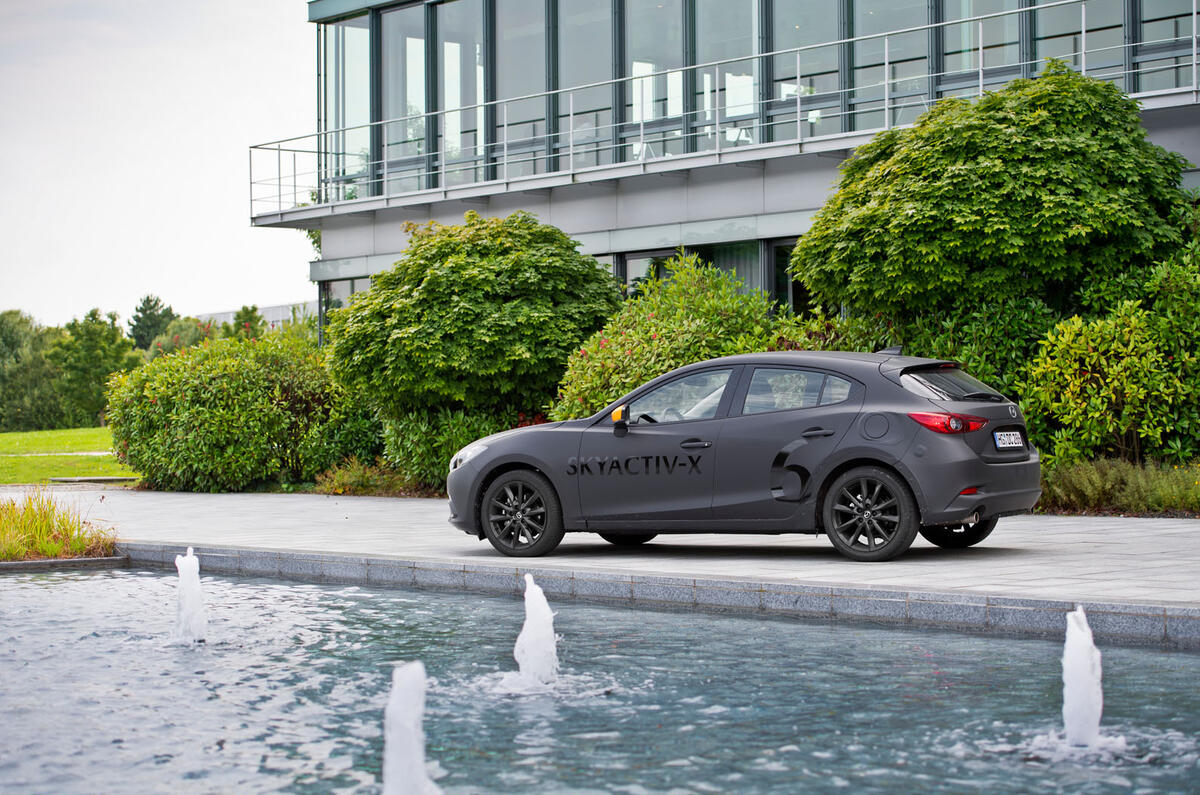
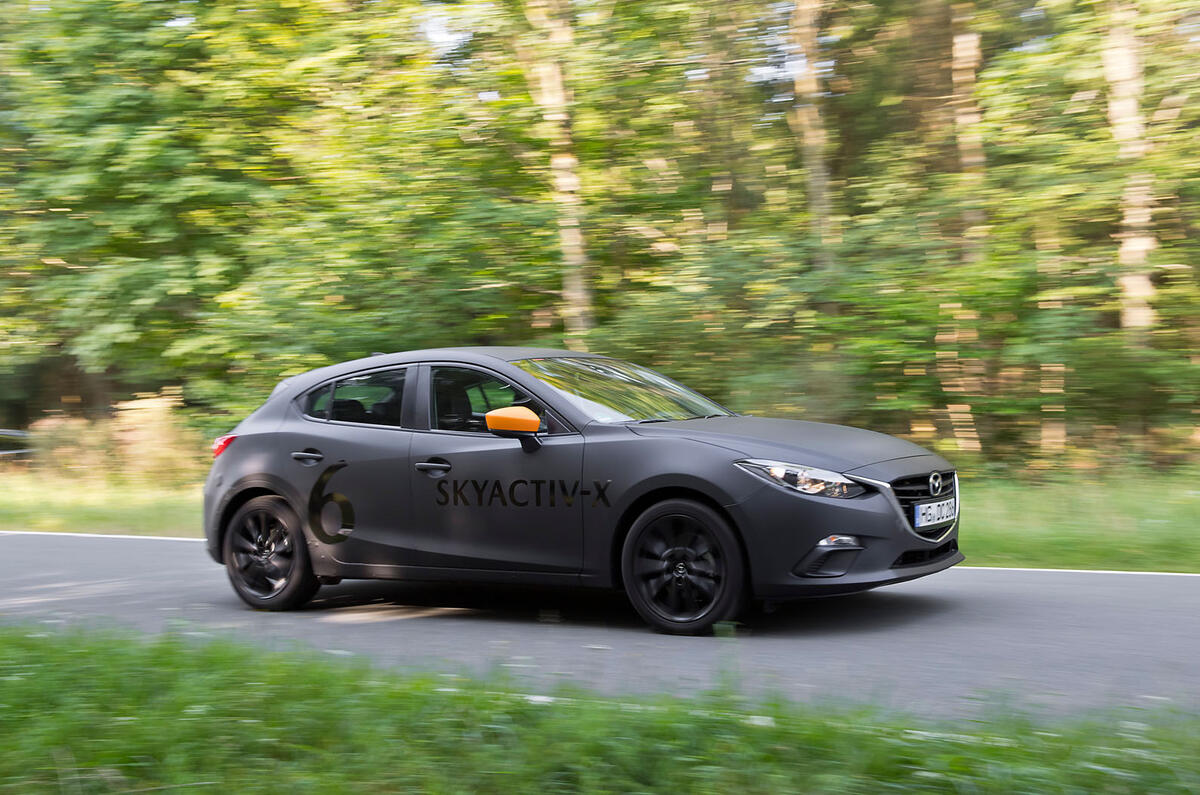
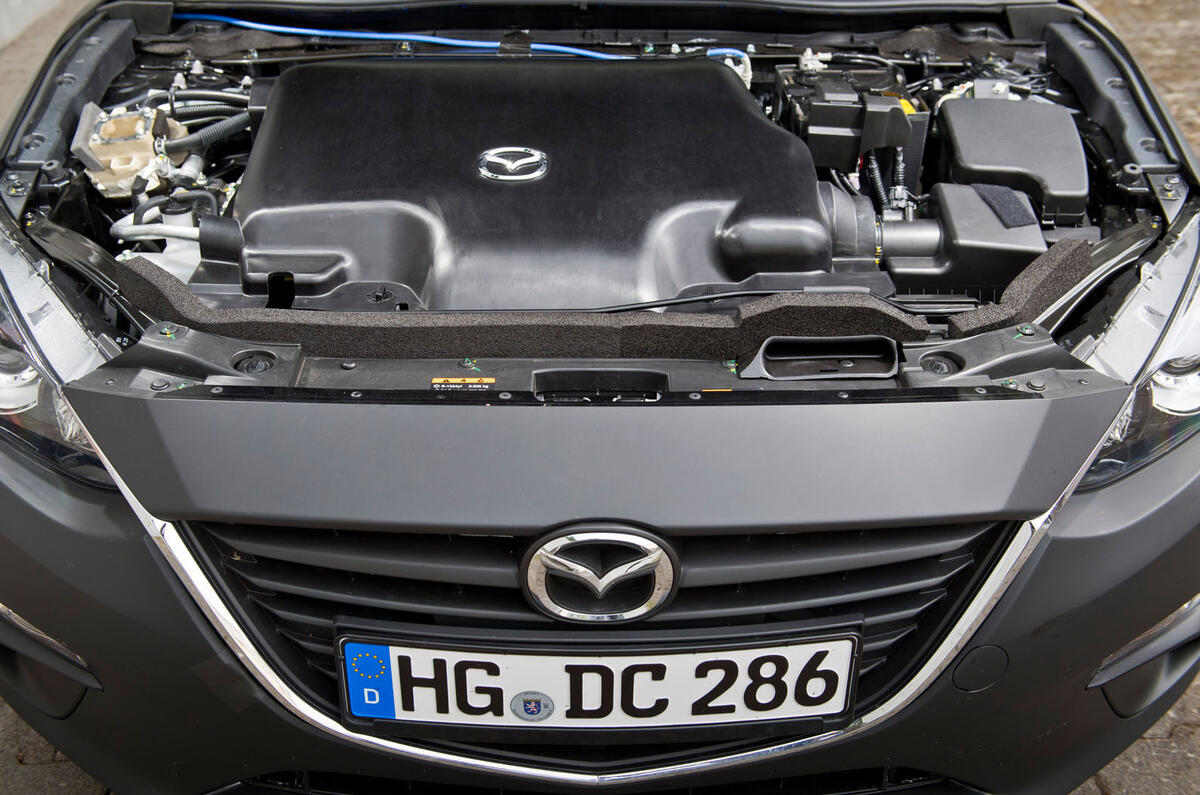
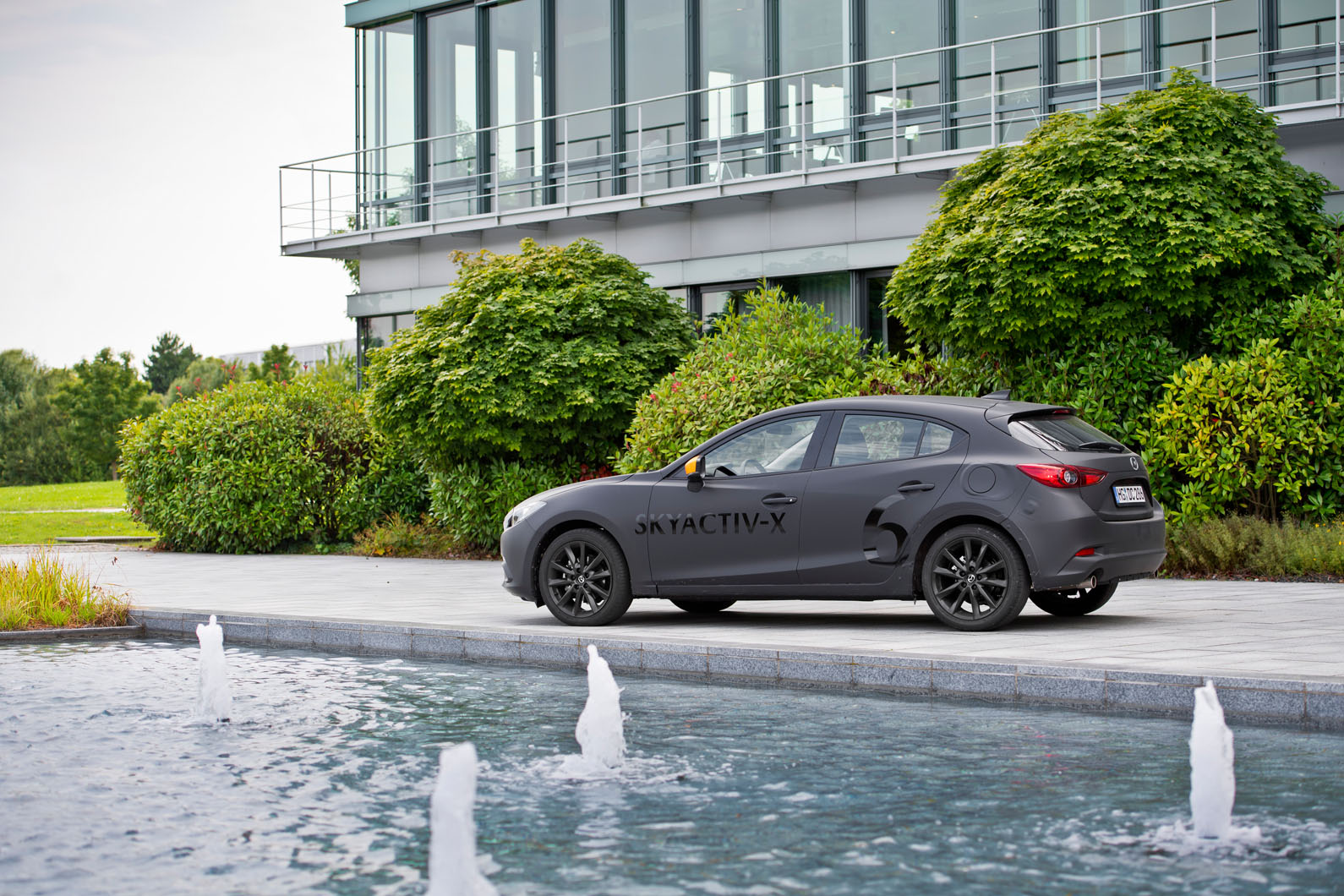
Our drive in a prototype Mazda 3 Skyactiv-X 2019
“We never want to be different,” Hidetoshi Kudo, Mazda’s head of product strategy, told Autocar. “We just want to do the right thing. As a result, we are different. But it’s not on purpose.”
The direction taken by Mazda has been shaped by the philosophy it has adopted as a far smaller company than many of its rivals. With limited resources, Mazda has been forced to sharpen the focus of its R&D activities.
The first step came in 2005, when Mazda unveiled a road map to ideal combustion, identifying seven development areas it believed would lead to the most efficient petrol and diesel engines possible.
Kiyoshi Fujiwara, Mazda’s R&D boss, told Autocar: “Step by step, we’ve developed the technology towards this goal. We’ve never looked at a different direction. Larger manufacturers have lots of people and they can do multiple things. But we decide on one thing - and we decided to work on this.”

The next step to that goal was Mazda’s Skyactiv-G petrol and Skyactive-D diesel engines. After that, Mazda focused
 on improving the heat ratio - the thermal efficiency of the Otto cycle - and combustion period and timing. This offered potential improvements to fuel economy and emissions without compromising performance - and it led Mazda to pursue compression ignition technology.