


The upcoming 2030 ban on new petrol and diesel cars will transform UK motoring on a scale never seen before. This story is part of a wider analysis of the challenges faced by consumers, government and the automotive industry, what needs to happen, and how such drastic changes can be achieved over the next decade.
Read the rest of this series here: Countdown to year zero - what needs to happen by 2030?
What's the prognosis for better batteries in the next nine years?
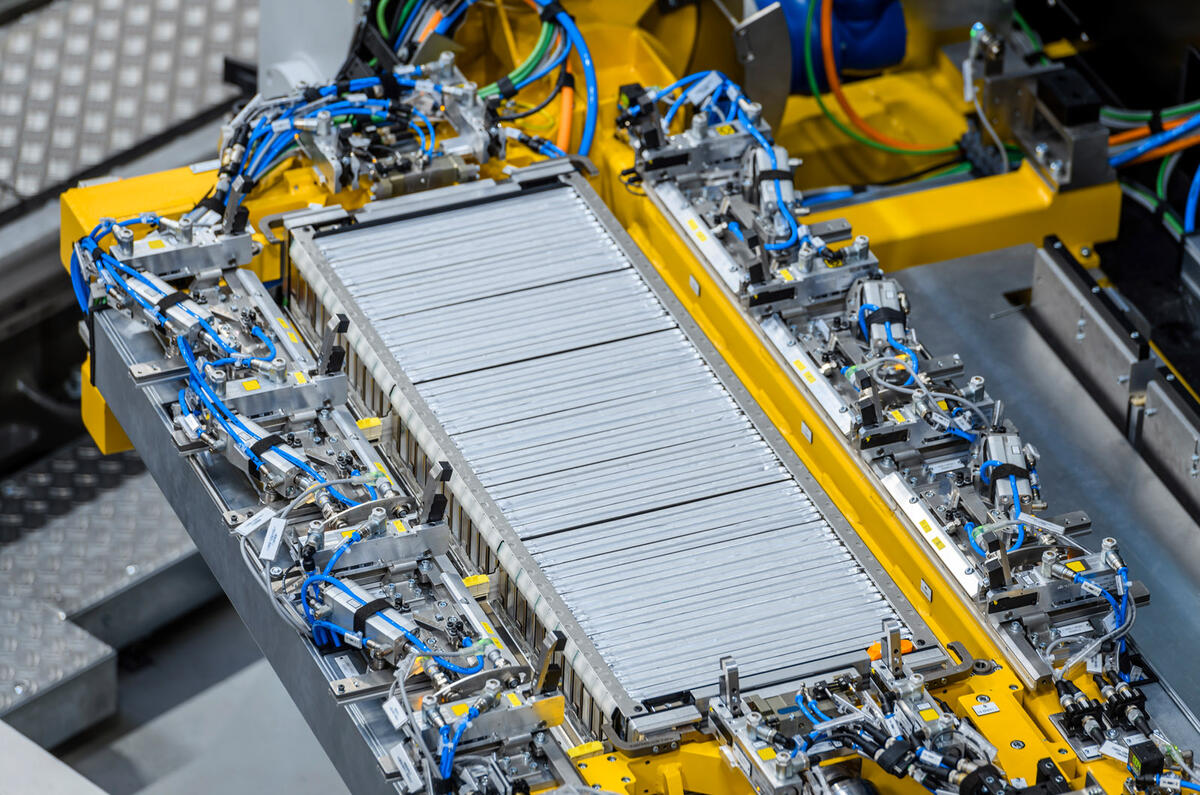
Batteries continue to get better, and although there hasn’t been a step-change yet (such as solid-state or a different type of battery chemistry altogether), improvements have come from internal packaging, software and cooling. The latest EVs with 800V ultra-rapid-charging capability are an example of that, but lithium ion batteries are still too big, heavy and costly for mass EV roll-out.
Is the vaunted solid-state battery likely to be a goer?
These are seen as the holy grail for battery-electric vehicles. The difference between a solid-state and conventional lithium ion battery is the electrolyte, which is solid rather than liquid. It’s far safer, has double the capacity and charges quickly.
Toyota is considered a leading player in the field, having been working on the technology for the best part of a decade. According to a report by Nikkei Asia, Toyota expects the battery to deliver twice the range and be able to take a full charge in 10 minutes, and the plan is to show a concept car powered by one this year. Toyota isn’t alone; all battery cell manufacturers are hard at work researching the technology. If and when it arrives, maybe in the next five years, it’s likely to be a game-changer.
Could other tech, such as ultracapacitors, emerge?
Apart from liquid fuels, batteries are by far the most successful method of storing electrical energy for cars, because they’re energy dense (high capacity). Ultracapacitors store and release electricity quickly, are power-dense and are good for boosting power, but they don’t get close to the capacity of a lithium ion battery. As of today, there’s no production-ready alternative electrical storage technology that’s even remotely close to stealing the lithium ion battery’s crown.
What other areas of tech most urgently need development?
Storing enough sustainable energy on board a car to give a decent range and allow fast replenishment (charging or refuelling) is still the main area that needs development to achieve parity with conventional cars in the convenience stakes. There’s also more scope for reducing weight and improving the overall energy efficiency of EVs, such as thermal energy management to put waste heat energy from motor, battery and inverter cooling systems to good use rather than wasting it. Every scrap of energy equates to improved sustainability and increased range.