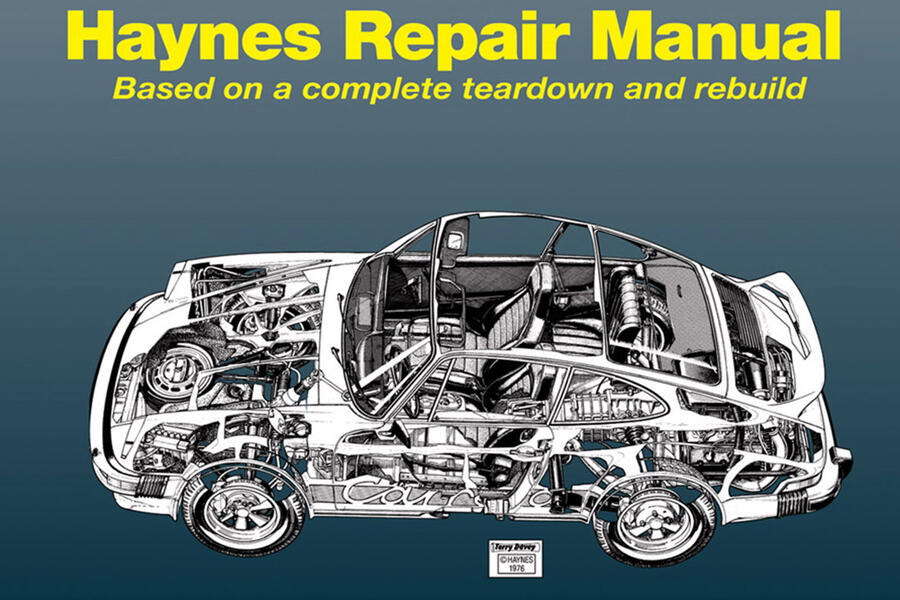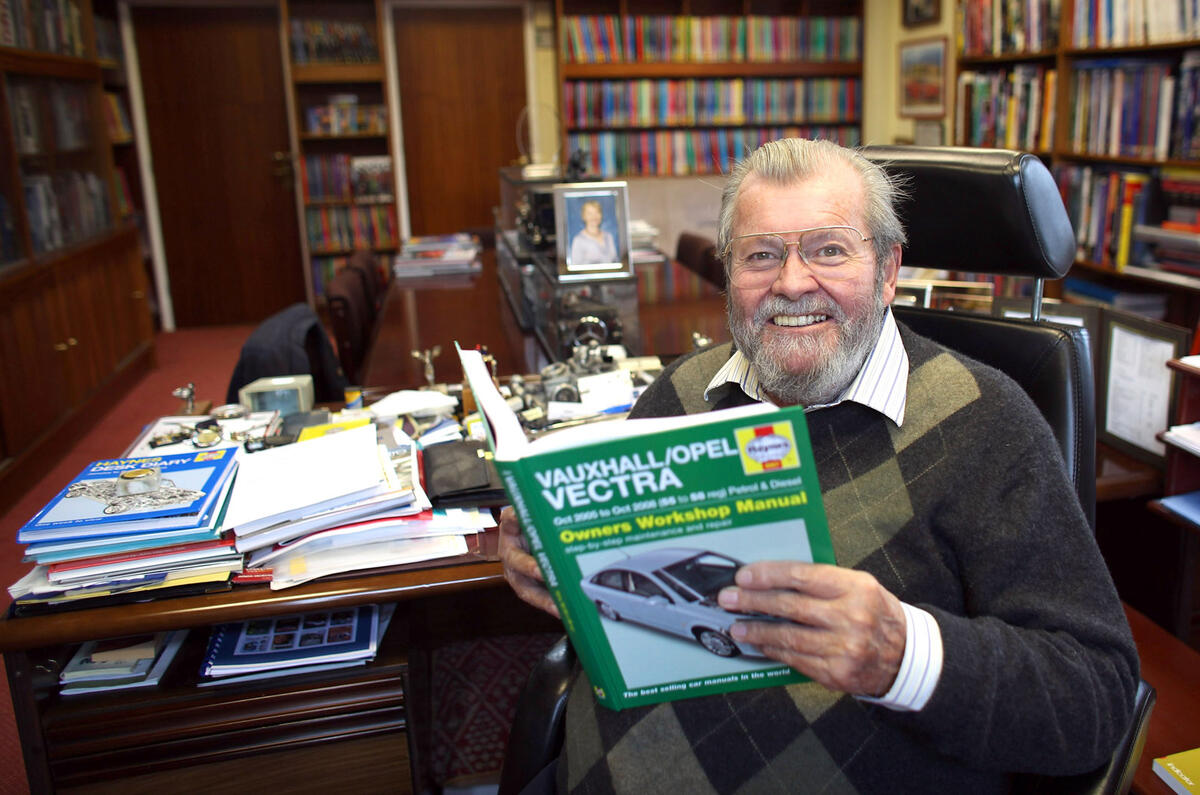
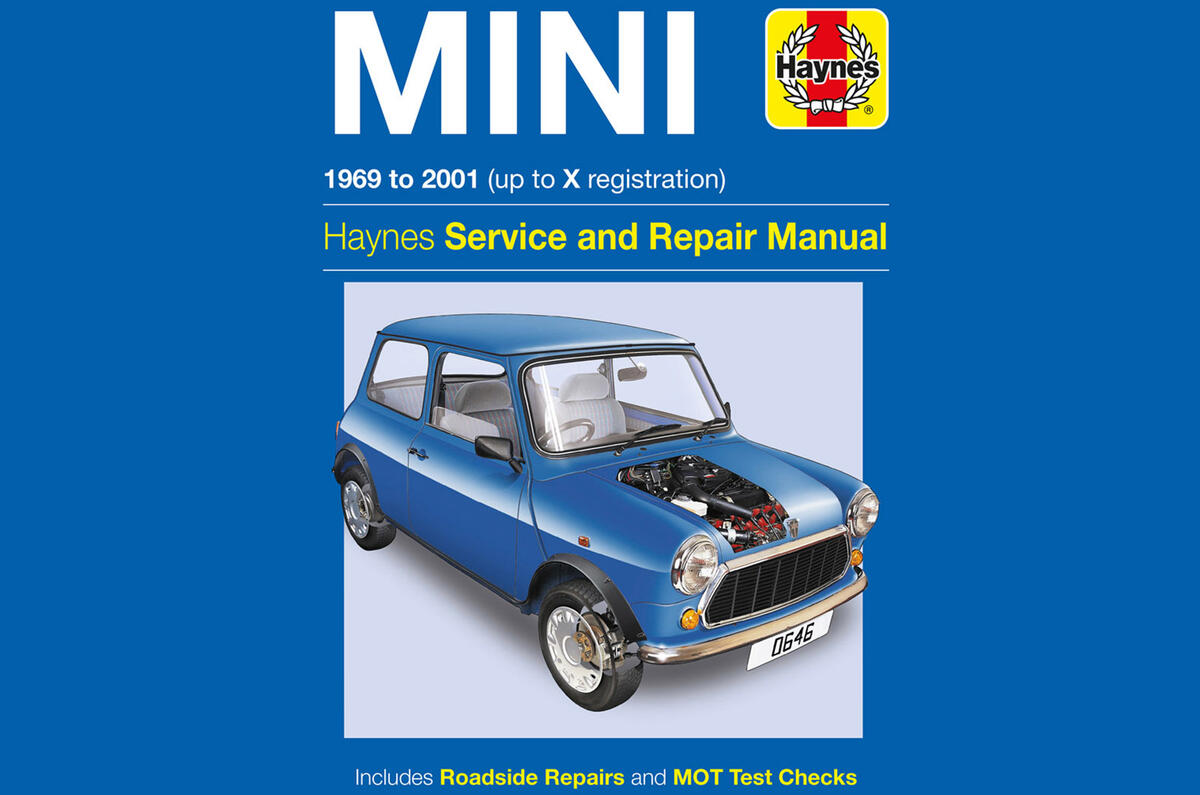
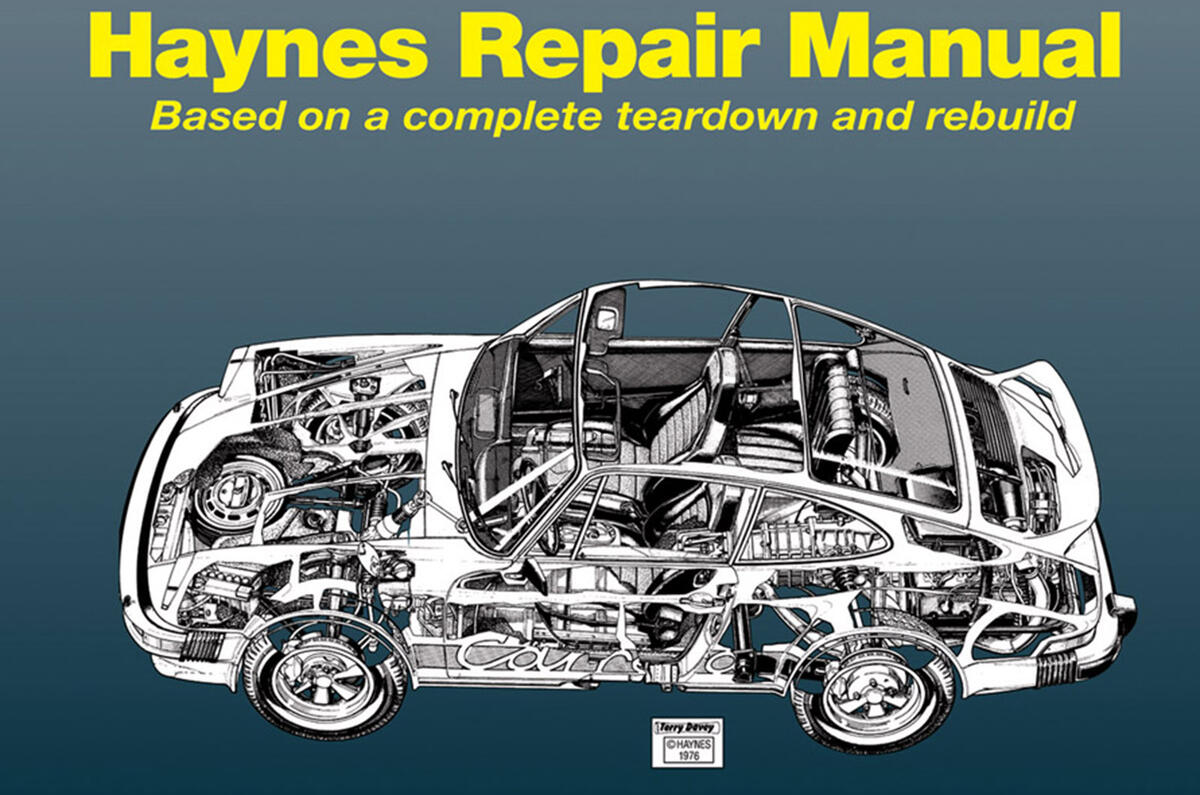
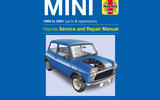
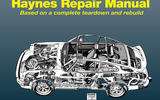

Autocar couldn’t let 2020 pass without tilting its hat in the direction of John Haynes (1938-2019), whose company behind the eponymous workshop manuals with their pages of detailed disassembly instructions (note: refitting is the reverse of removal) celebrated its 70th anniversary this year.
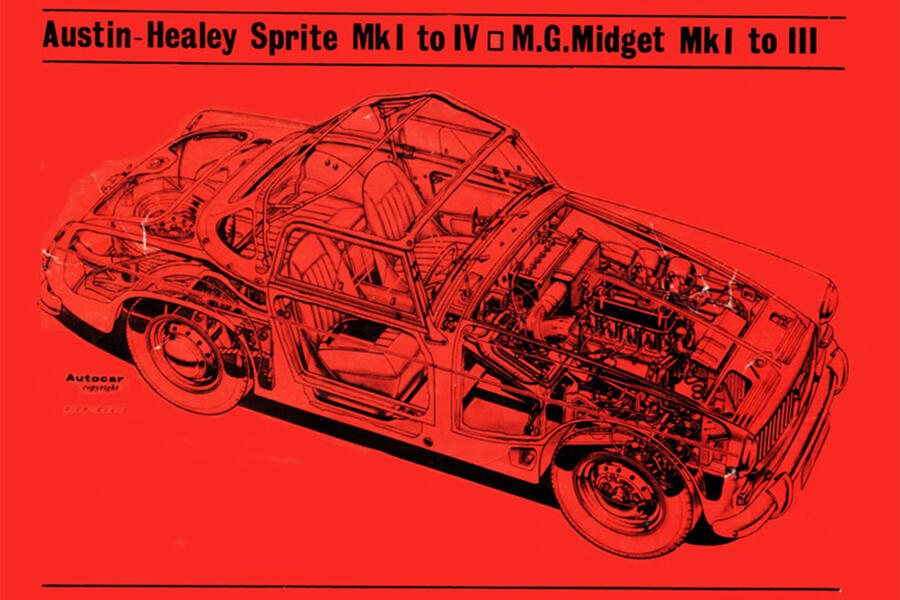
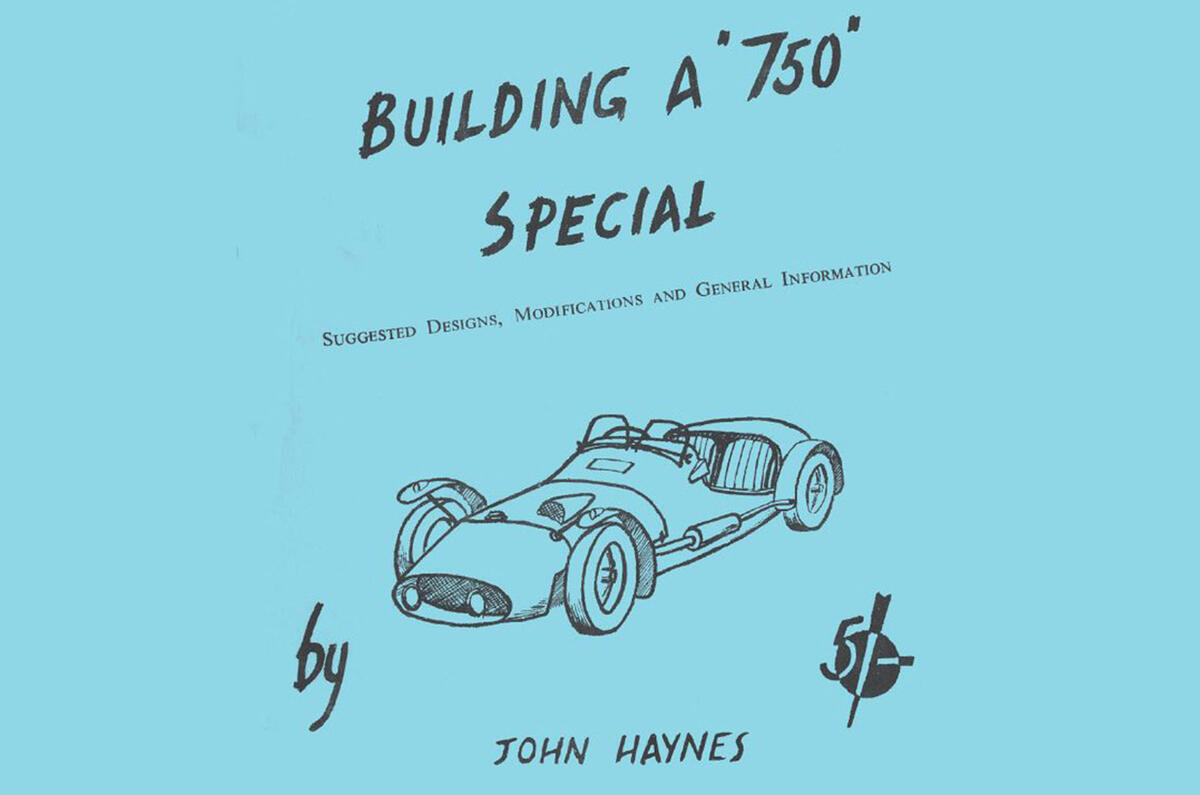
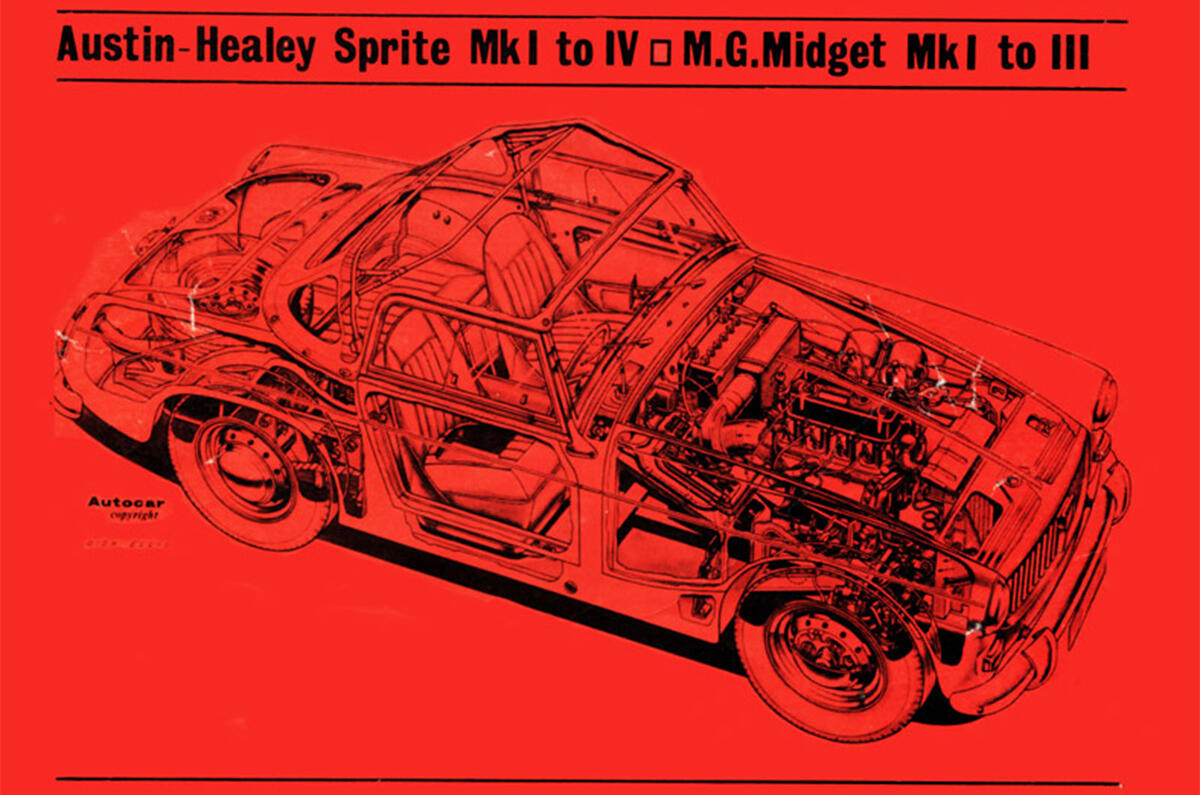
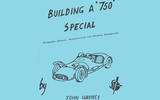
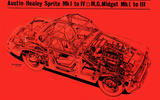
JH Haynes & Co was founded in 1960, four years after John Haynes produced his first manual, on his home-built Austin Seven Special (written while still at school) and five years before he published the first Haynes Owners Workshop manual, dedicated to the Austin-Healey Sprite.
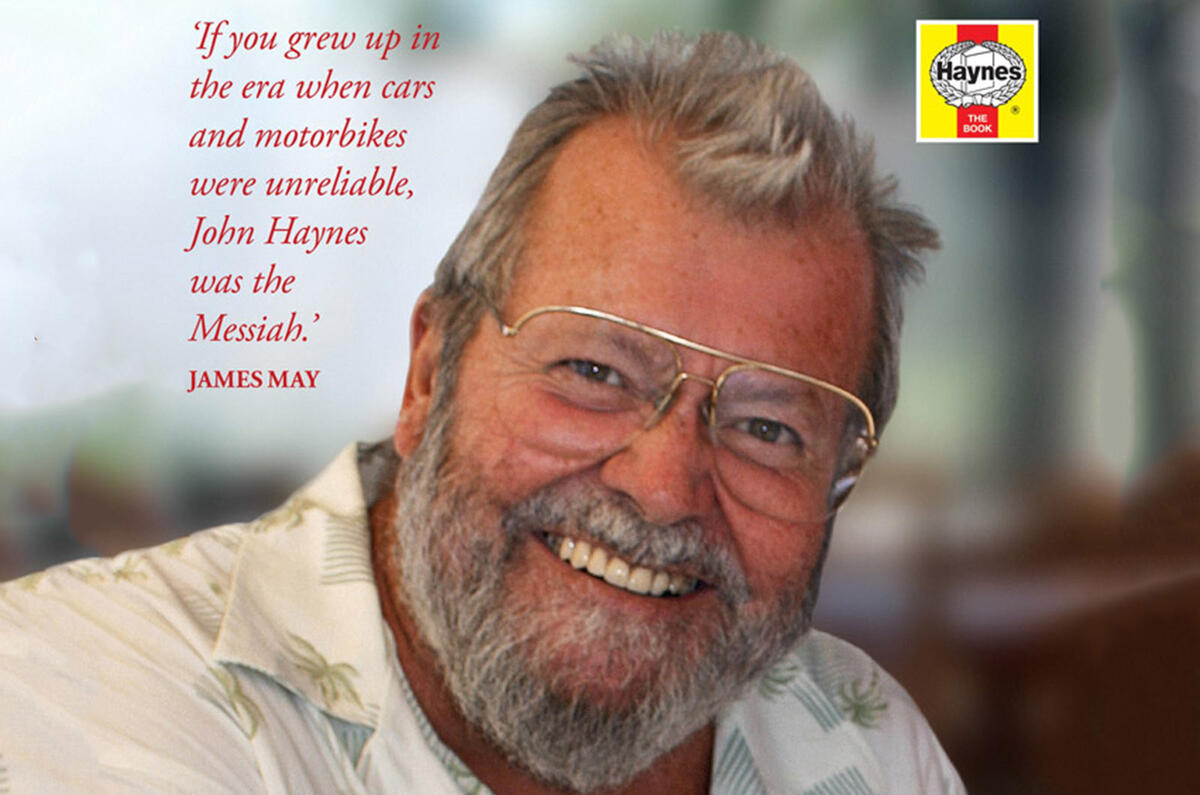
The story of his life is told in a new book, called John Haynes, The Man Behind the Manuals. Haynes was a lover of telling it straight and would have been pleased with the book’s no-nonsense title. He was a one-time amateur racer, a life-long car collector and a highly driven character who, when others might have lost heart with the idea and challenges of producing a detailed workshop manual, would eventually see his business become hugely successful not only here in the UK but also in that most difficult of markets to crack, the US.
Below, extracts from the new book shed light on John Haynes’ journey from schoolboy to mechanic’s friend, while key statistics illustrate how big his car manuals business grew from the days when he produced his first on an old hand-cranked Gestetner mimeograph duplicating machine.
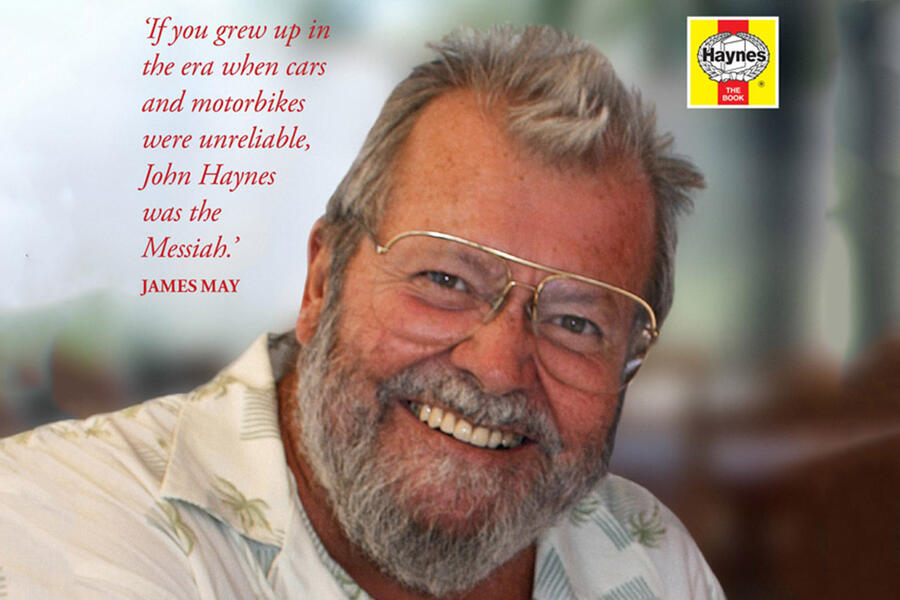
John Haynes, The Man Behind the Manuals (ISBN 978 1 78521 685 5) is published by Haynes Publishing and costs £20.
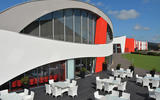
The Haynes Museum
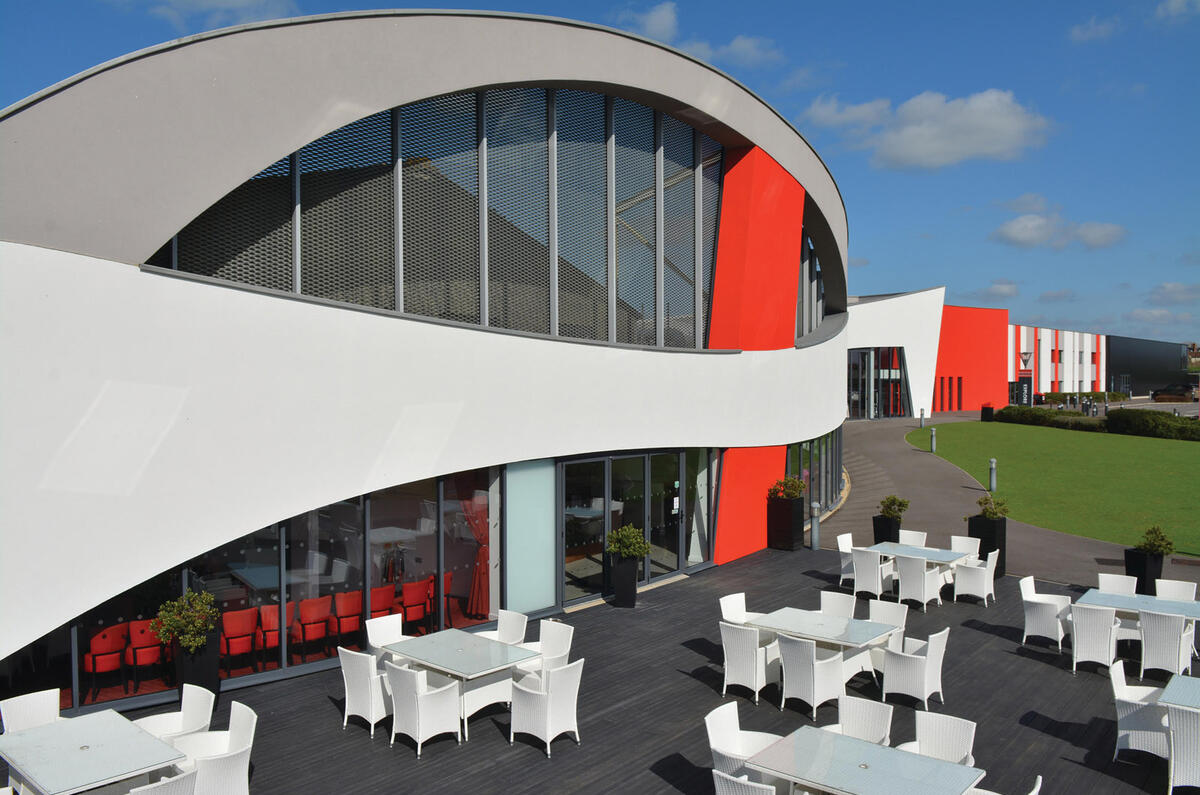
By the mid -1980s , John Haynes had amassed quite a collection of classic and performance cars. He worried that they might have to be sold after his death, so he decided to put them into a charitable trust that would ensure their survival. From there it was a short step to displaying them in what is now known as the Haynes International Motor Museum.
“Dubbed the Sparkford Motor Museum, it was formally inaugurated in July 1985 with 27 of John’s cars. John was flanked by Richard Noble, who had recently used his jet-propelled Thrust2 to break the land speed record in the Nevada desert."
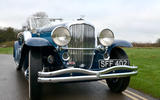
Dusenberg
The opening of the museum inspired Haynes to new collecting heights, and there was one model he coveted so much so that he was prepared to pay almost anything to have it.
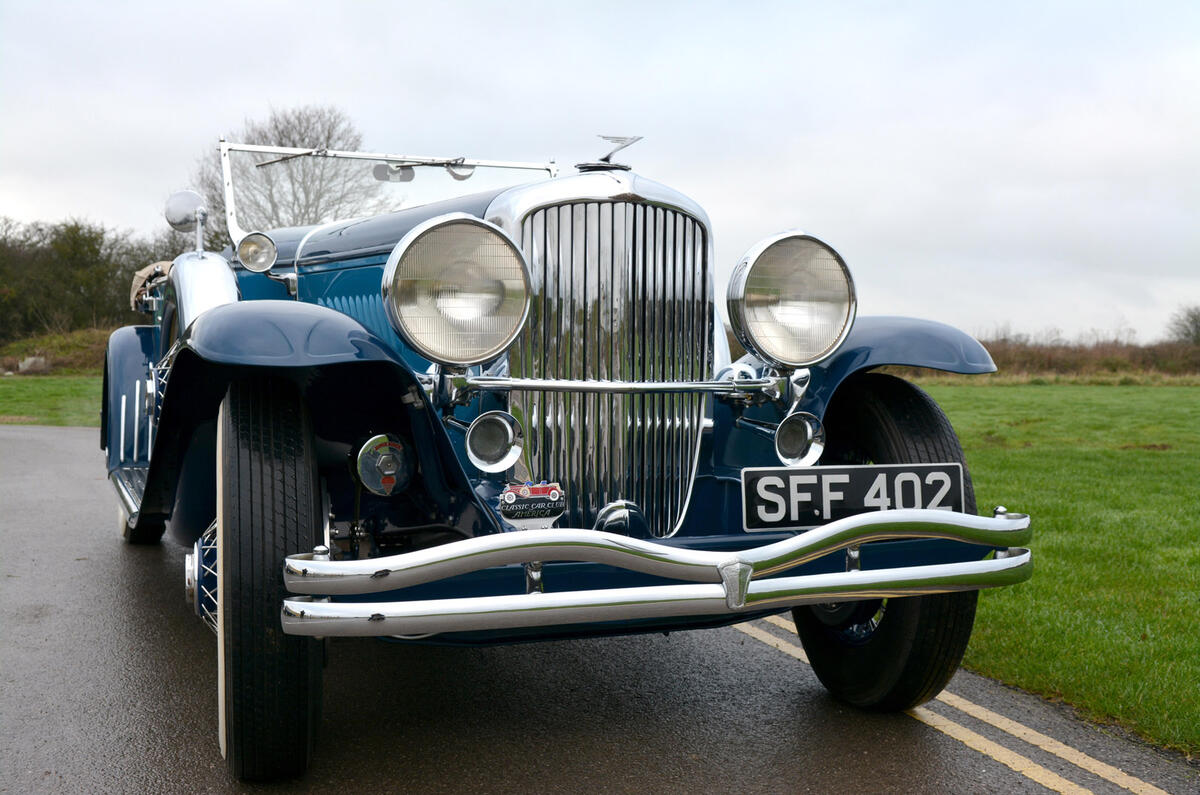
“The Duesenberg Model J was intended as a rival to Britain’s Rolls-Royce. In early 1994 there was an advert for a 1931 Model J known as the Derham Bodied Tourster. Only eight of them were made. The final price tag – $500,000 – was steep. John had nothing like that amount of ready cash. Yet he arranged for a short-term loan for $300,000 of it, with Annette [his wife] happily pledging her Haynes shares as security, and the deal was done.”