
The world’s largest electric car manufacturers are neglecting human rights by not addressing supply chain risk, according to Amnesty International.
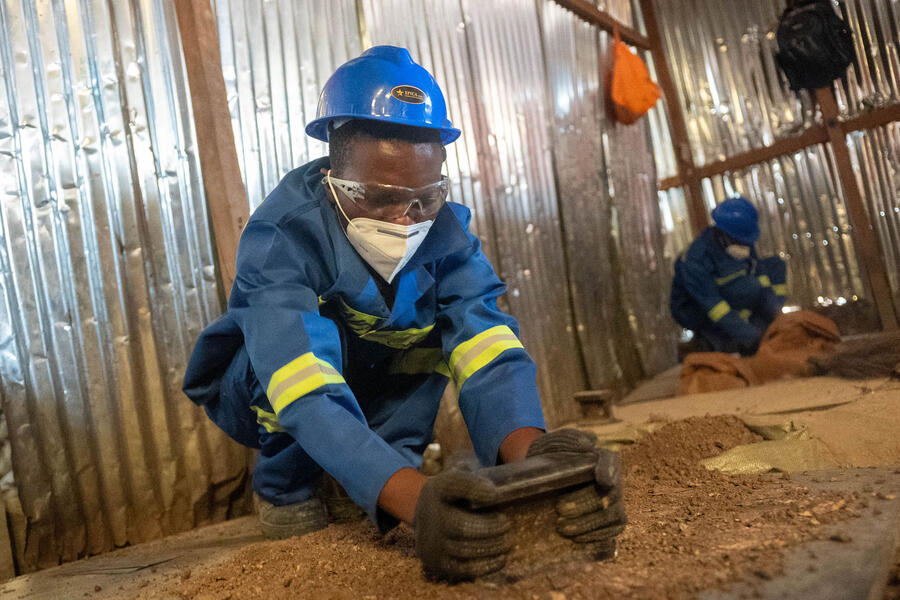
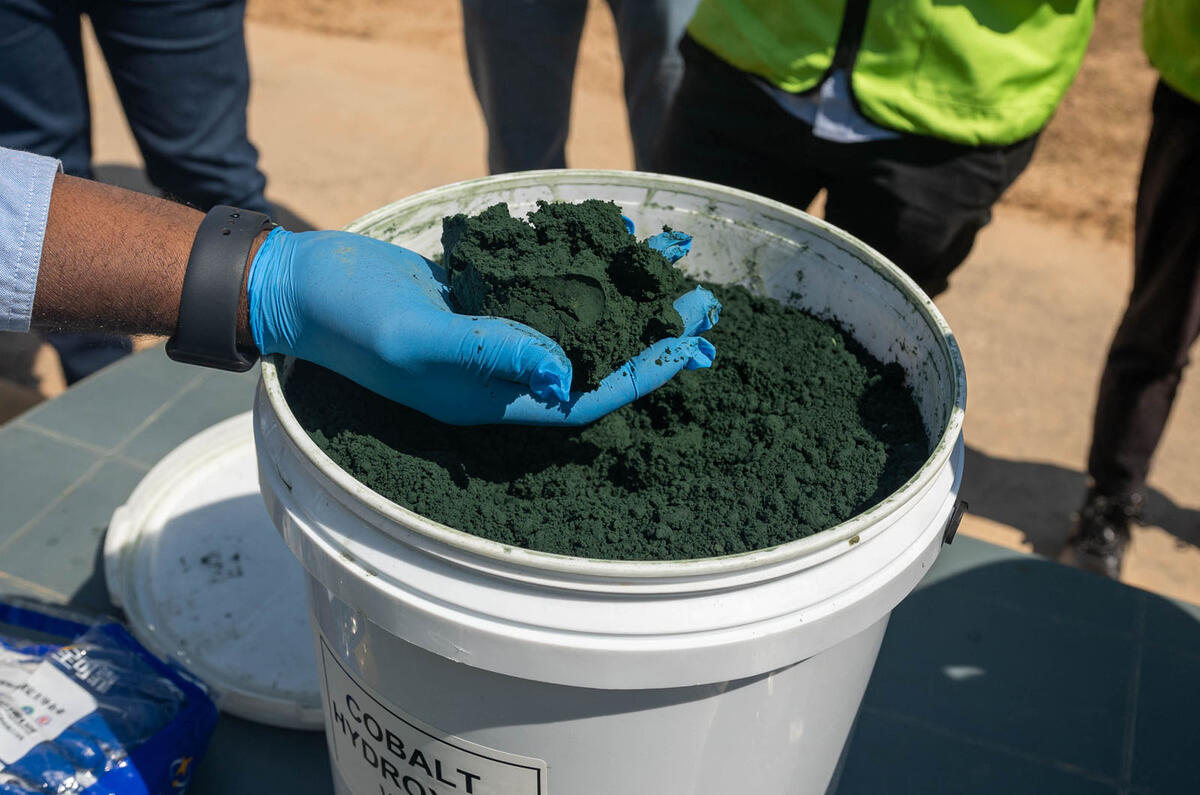
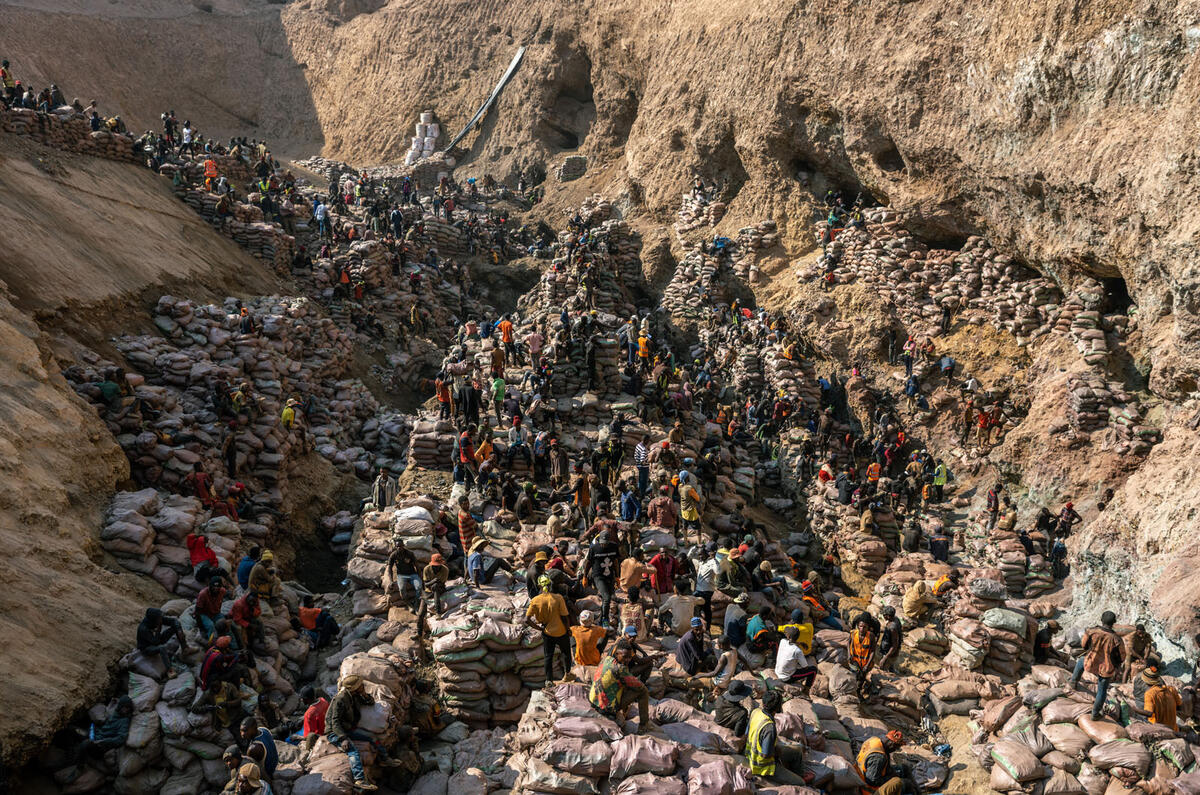
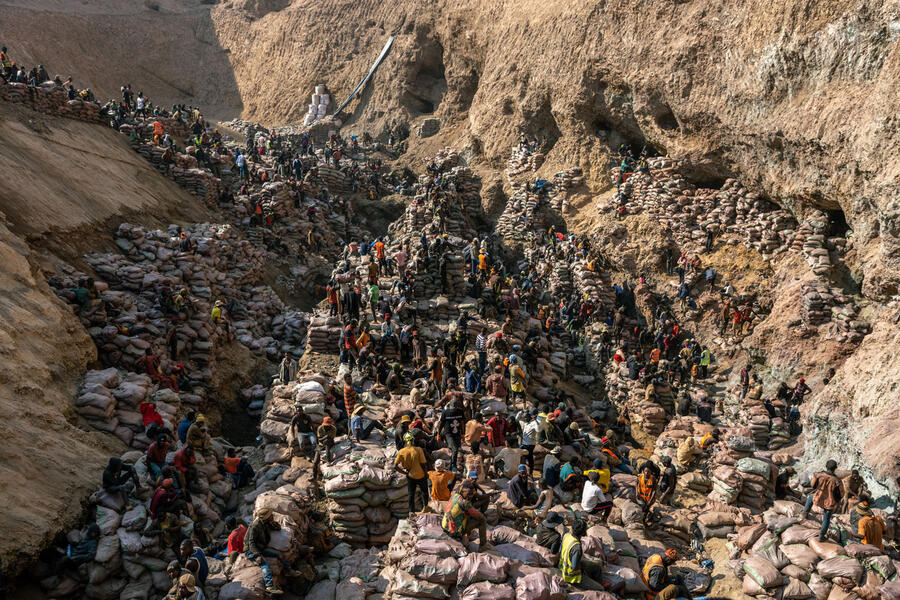
The not-for-profit organisation’s findings, published as part of a 102-page report, say a failure by car makers to tackle risk in their mineral supply chains has potentially left communities living closest to mines, where cobalt, lithium, nickel and copper are extracted, “exposed to exploitation, health risks and environment harm”.
As part of the study, Amnesty International evaluated the human rights due diligence policies of 13 EV makers. It issued each one with a scorecard, which ranked them on their “human rights policies, risk identification process, supply chain mapping and reporting and mediation”, marking them on a scale from one (worst) to 90 (best).
The top mark, which Amnesty International awarded to Mercedes-Benz, was 51. Tesla scored 49 and Stellantis amassed 42 points. The Volkswagen Group, BMW and Ford were all awarded 41 marks.
At the lower end of the spectrum, Amnesty International gave Chinese car maker BYD 11 points, while Mitsubishi (13) and Hyundai (21) also scored poorly.
Amnesty International secretary general Agnès Callamard called the scores “a massive disappointment” and added that BYD’s disclosures “show a serious lack of transparency on human rights diligence in its battery supply chains”. She noted that Hyundai and Mitsubishi “lack the necessary depth and information about implementation across key human rights due diligence areas”.
While Amnesty International gave each car maker the opportunity to reply and published their responses in full in the report, to ensure balance Autocar also contacted the manufacturers involved.
In a statement, Hyundai said it “acknowledged receipt of Amnesty International’s assessment” and “is committed to a sustainable, ethical supply chain that upholds human rights, environmental protection, and safety”.
Mitsubishi stated that "we commit to conducting business activities that respect the human rights of our stakeholders," adding that "we take the recent concerns seriously".
A statement said: "We understand that the evaluation results are based on disclosures as of 2023, but we have initiated numerous efforts since then, to address these issues promptly."
The Japanese manufacturer pointed to its Human Rights Policy that includes new initiatives such as indentifying human rights risks to mitigating, preventing and ending them.