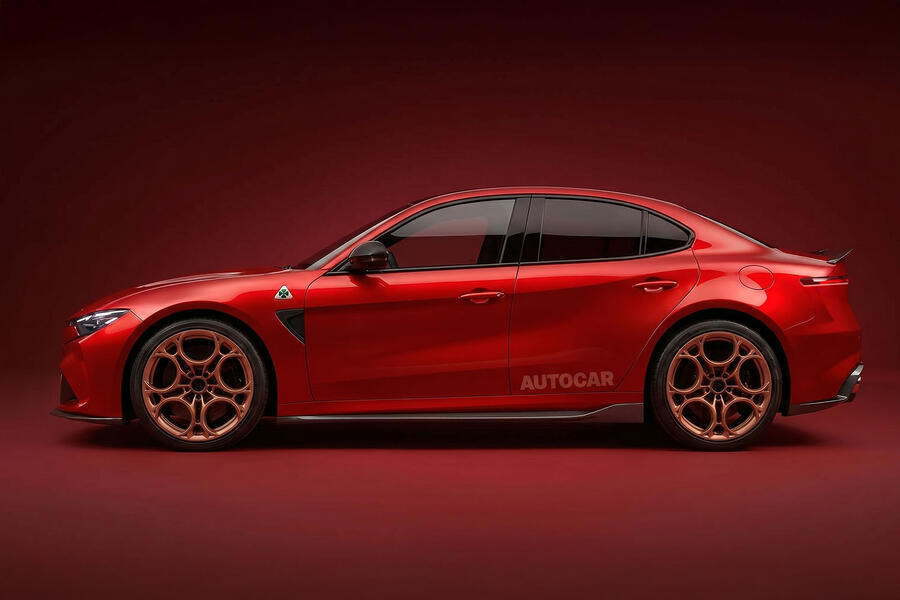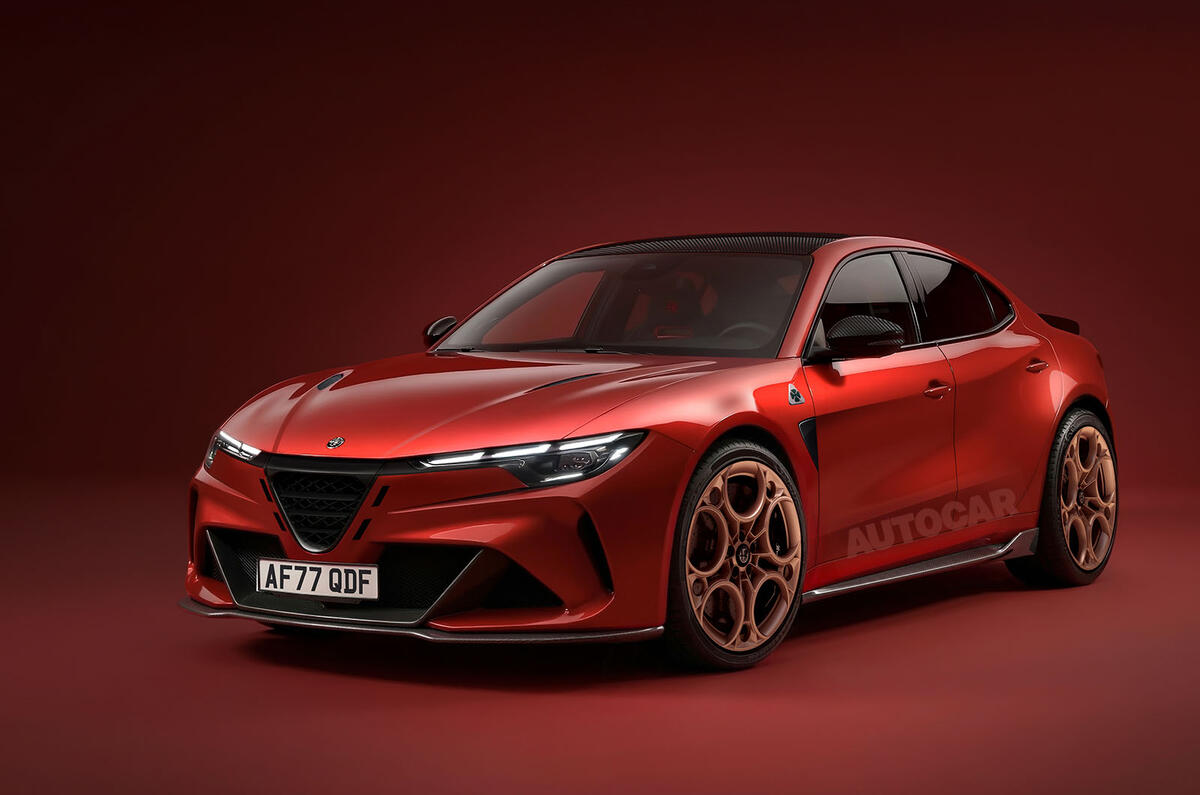
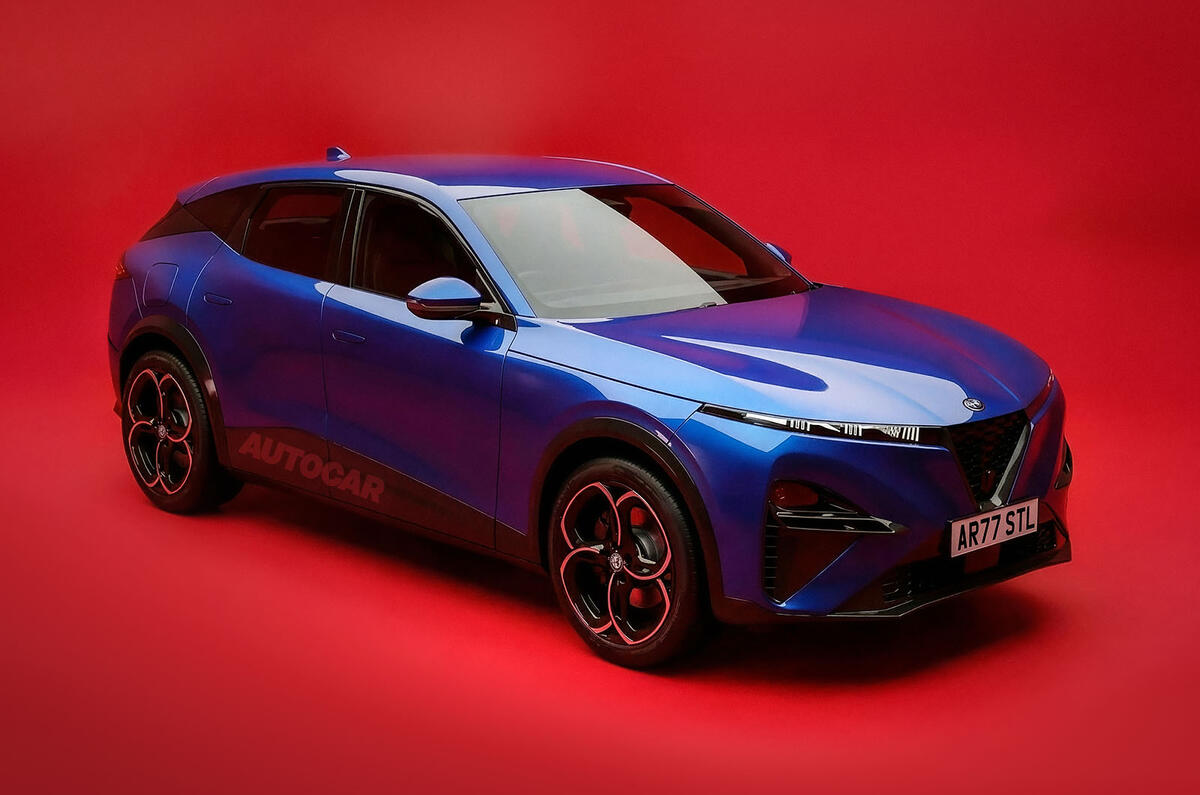

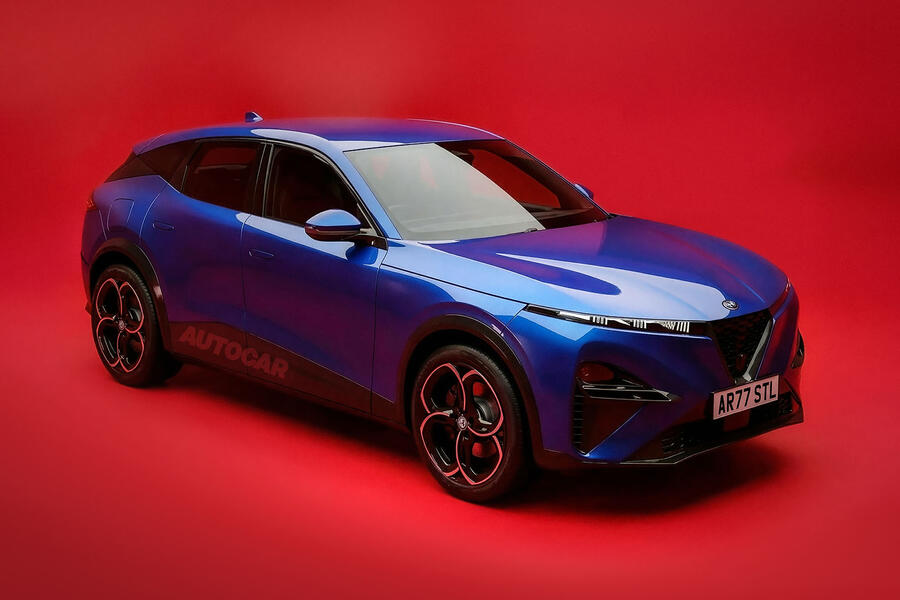
The next-generation Alfa Romeo Giulia will arrive in 2028 alongside a new Stelvio SUV – and the wild, range-topping Quadrifoglio super saloon is set to return to rival the BMW M3 with a choice of electric and petrol power.
The new Giulia and Stelvio were originally due to be launched this year exclusively as EVs, but the Italian brand has revamped its plans as part of a wider rollback by parent firm Stellantis, prompted by the uneven uptake of electric cars.
The current models will remain on sale until next year. The two new Alfas will still switch to an advanced new platform that will allow for massively upgraded electric technology, including ultra-fast charging, but the architecture has now been reworked so that the brand can continue to offer plug-in hybrid powertrains.
Alfa Romeo boss Santo Ficili told Autocar that "we need to consider the entire world because the brand is global", adding that "the world is not ready everywhere" for EVs.
He declared that the firm would continue to offer combustion cars for as long as there is demand, saying: "We need to find a way to satisfy the needs of our customers. What does this mean? It means BEV and it means all the other kinds of endothermic [powertrains], so ICE, PHEV, BEV. So that's the direction."
Life after the Giorgio platform
The existing Giulia and Stelvio first went on sale in 2015 and 2016 respectively and use the ageing Giorgio platform, which was developed by FCA before the company became part of the Stellantis empire.
The next-generation models will move onto Stellantis's new STLA Large platform, which was developed as an electric-biased multi-powertrain architecture. The long delay to the model launch is so that the cars can be adapted to fit plug-in hybrid powertrains.
While the platform can accept PHEV technology, Autocar understands the issue for Alfa concerned re-engineering the body itself to allow more cooling for combustion powertrains. As such, design revisions such as new front fascias to open up the grilles and allow more airflow were required.
Both the Giulia and Stelvio will grow in size as a result of switching platforms, and they will also feature more aerodynamic designs in an effort to reduce drag and maximise range for the electric versions.
Furthermore, they will adopt the new Alfa design language introduced by the Junior small SUV. Both models will feature split headlights and daytime-running lights up front, a set of arrow-shaped lights at the rear and a ducktail-style lip spoiler.
Alfa's trademark grille will also be revamped, in part because, due to European Union rules, manufacturers are no longer allowed to fit numberplates offset on the wings of a car. Instead, the numberplates of the Giulia and Stelvio will be located under the grille.
Inside, screen use will largely be kept to a single central display with Alfa's signature 'cannocchiale' (telescope) instrument binnacle retained, albeit most likely digitised.
Breadth of powertrains
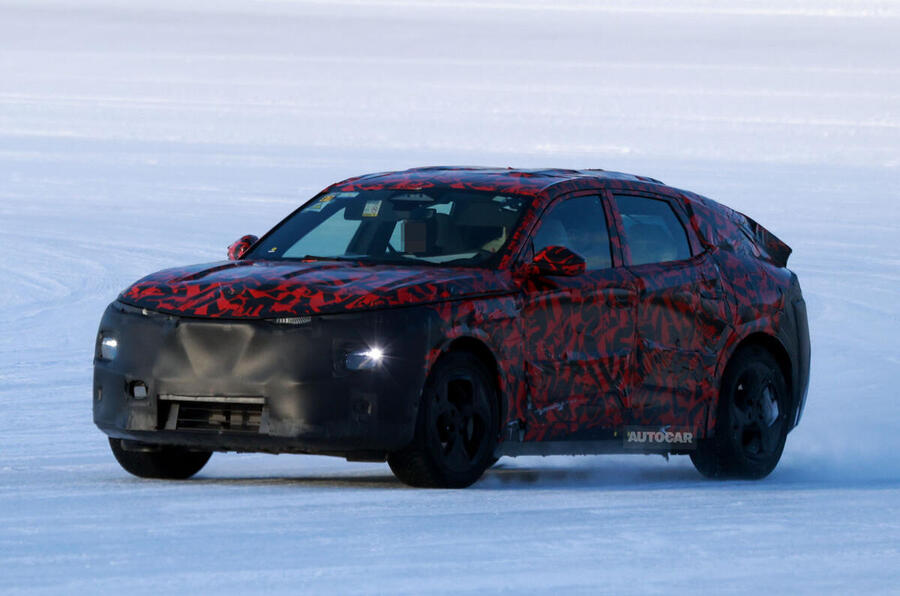
The next-generation Giulia and Stelvio will be available with the largest choice of powertrains yet offered by an Alfa Romeo.