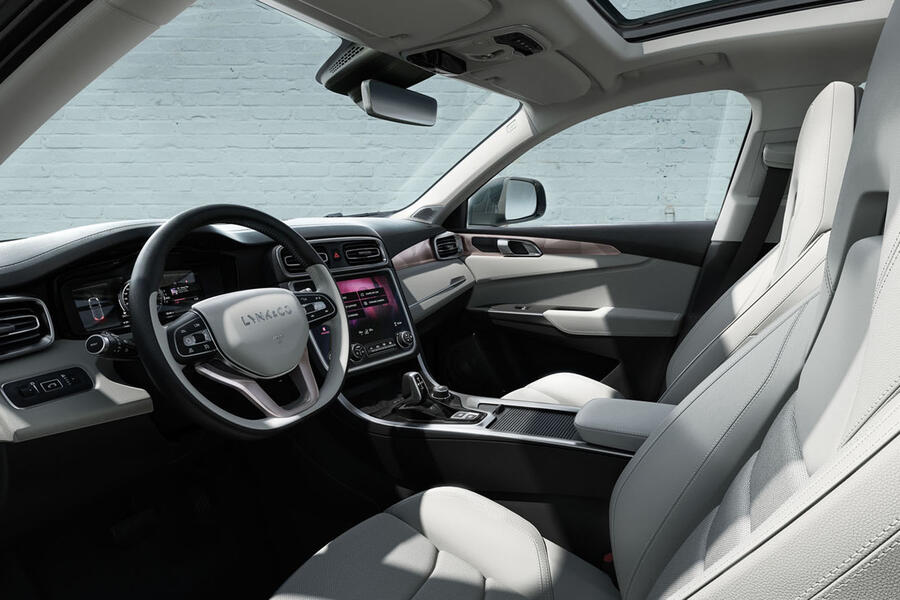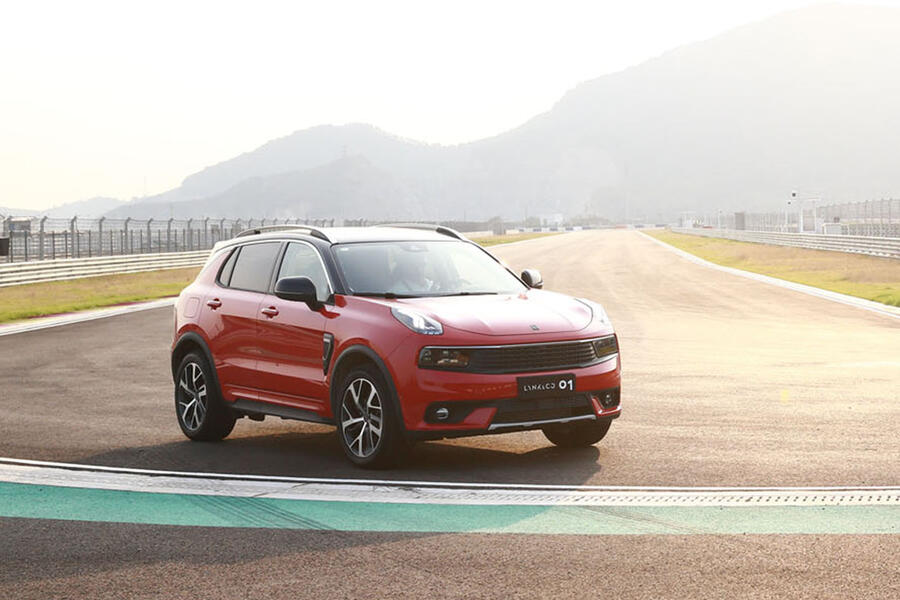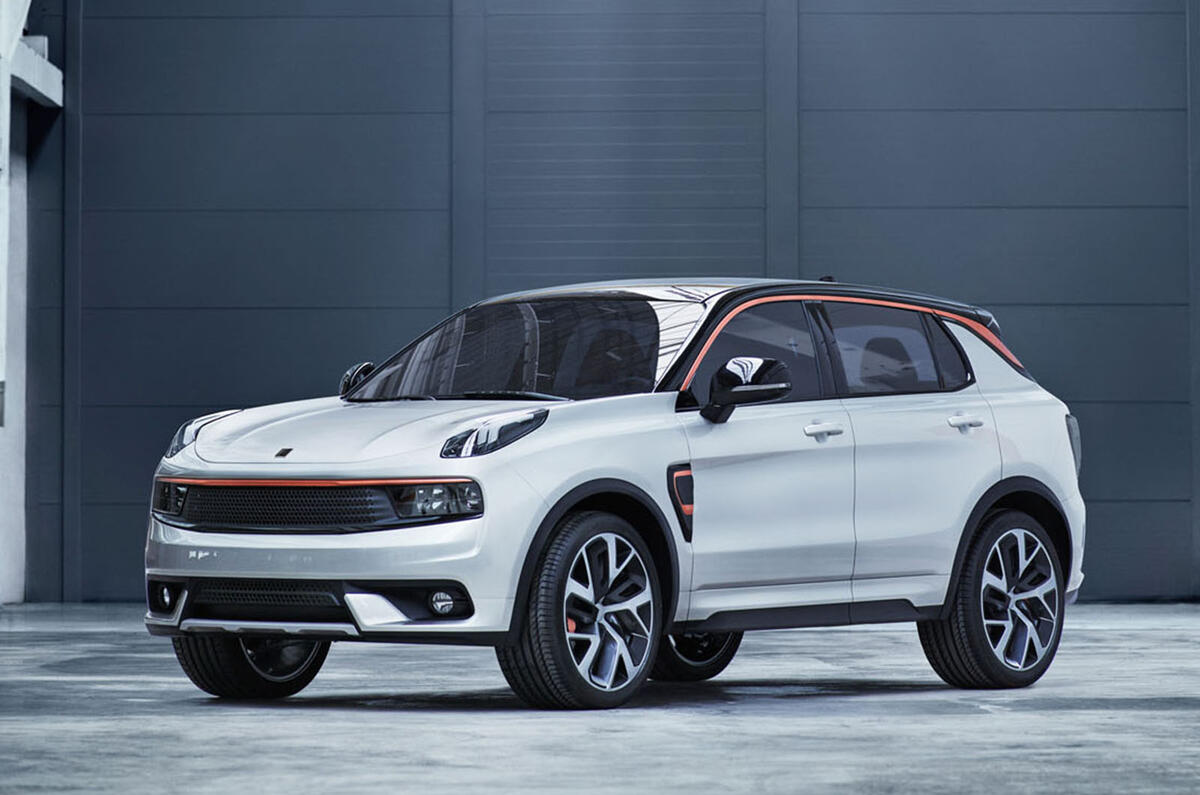
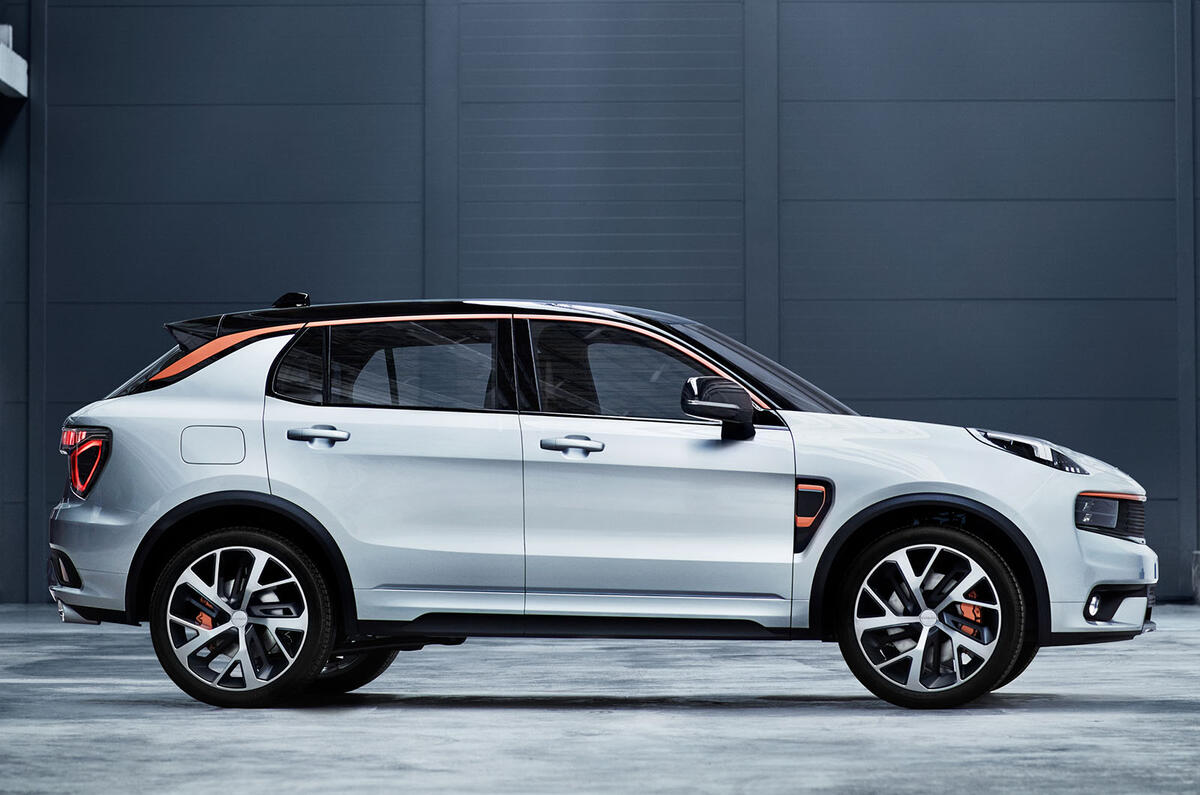
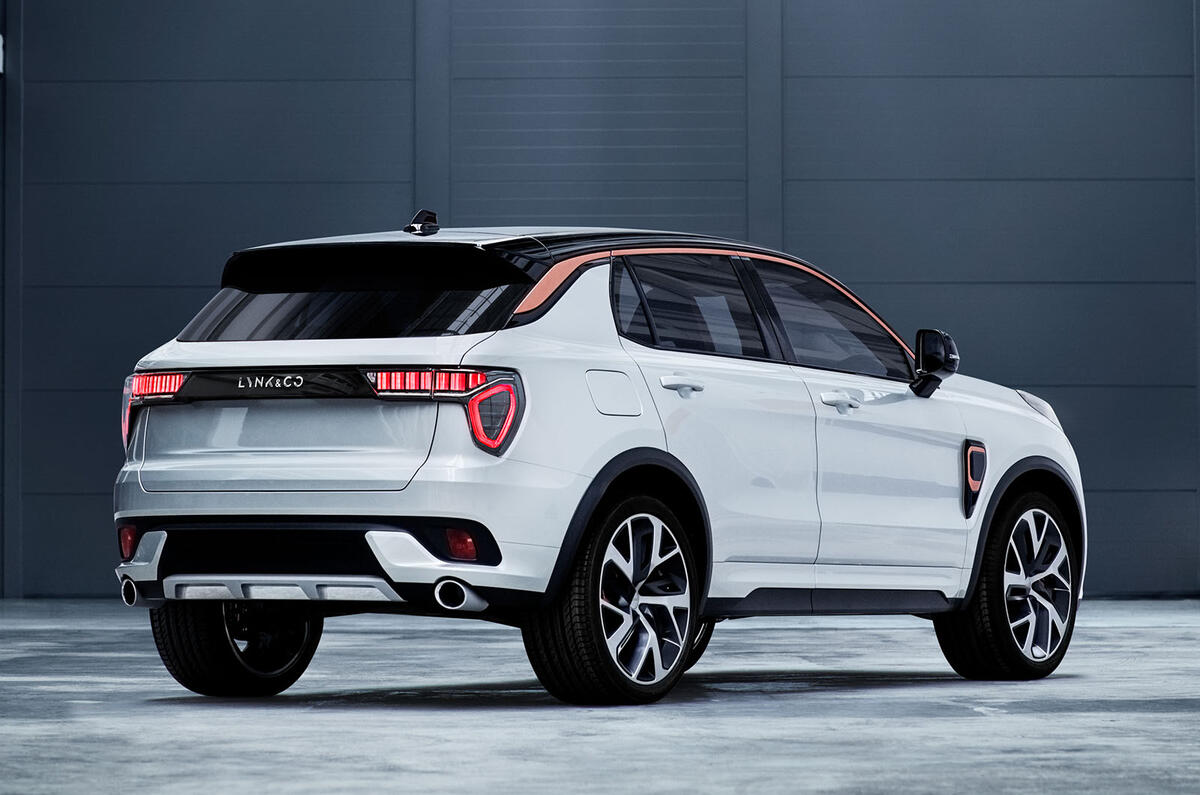
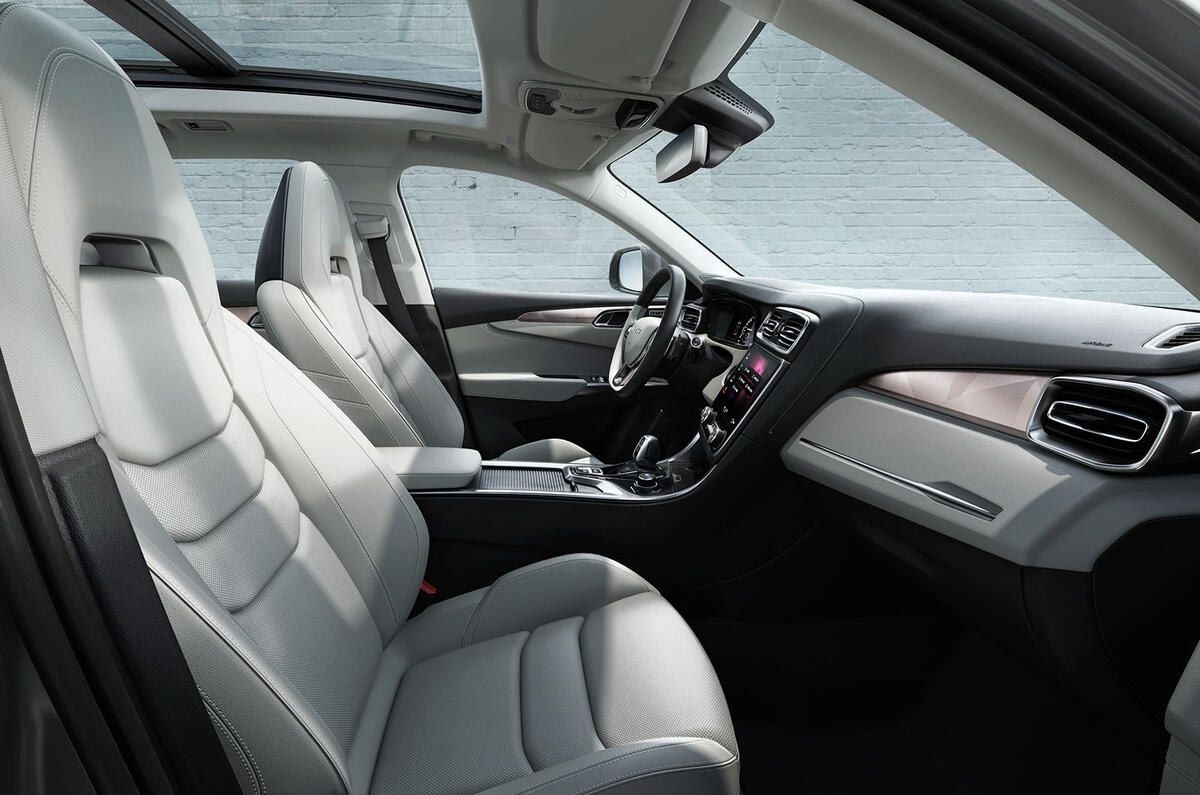
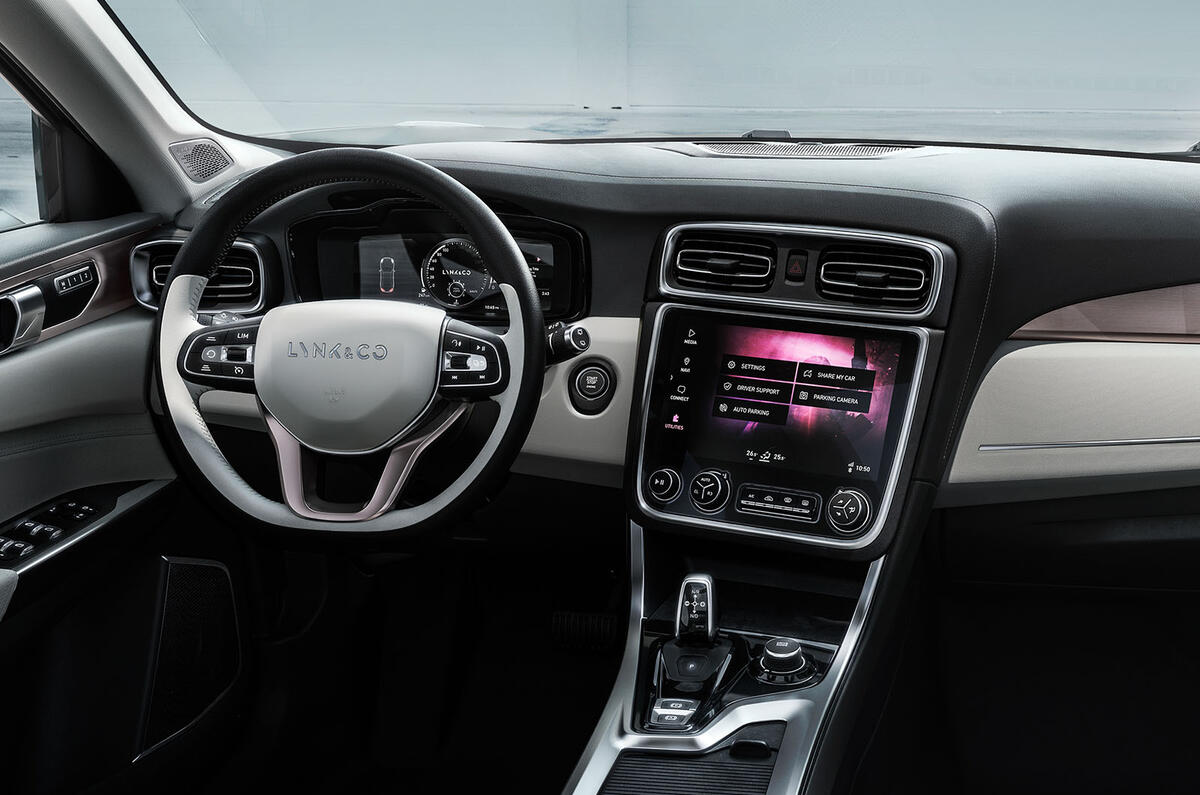
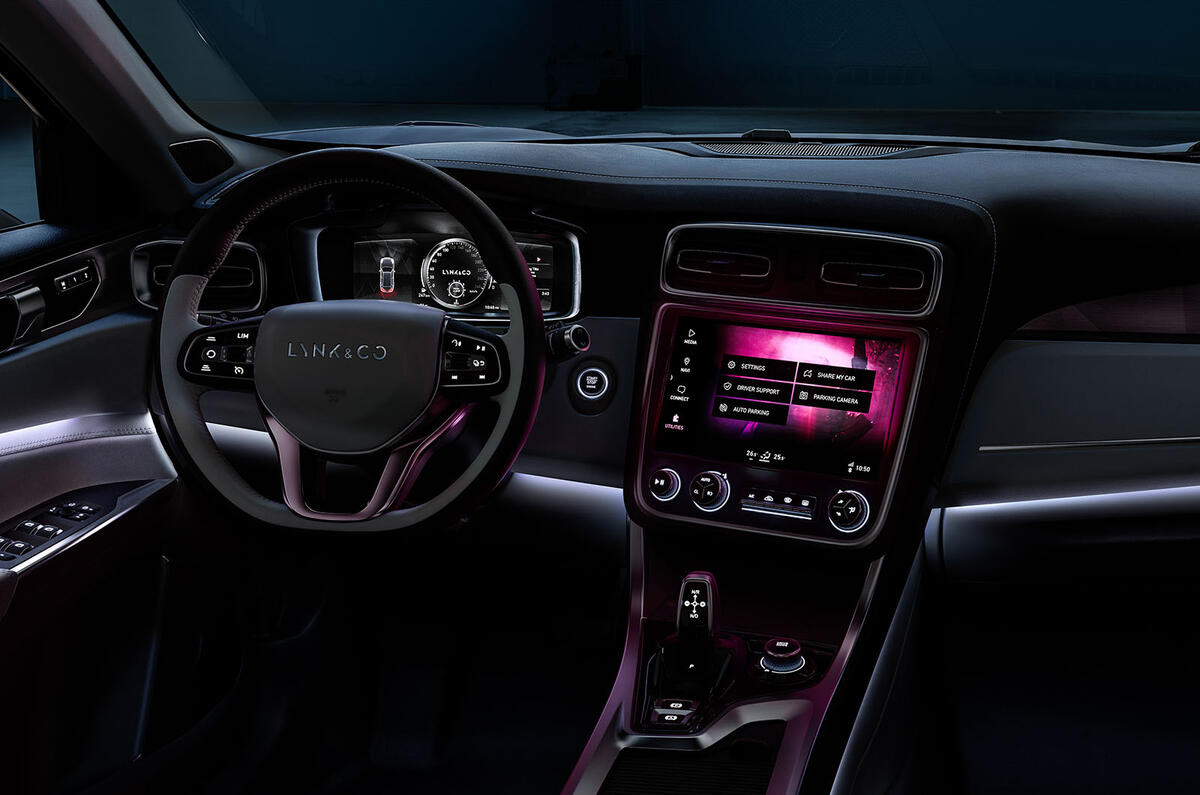
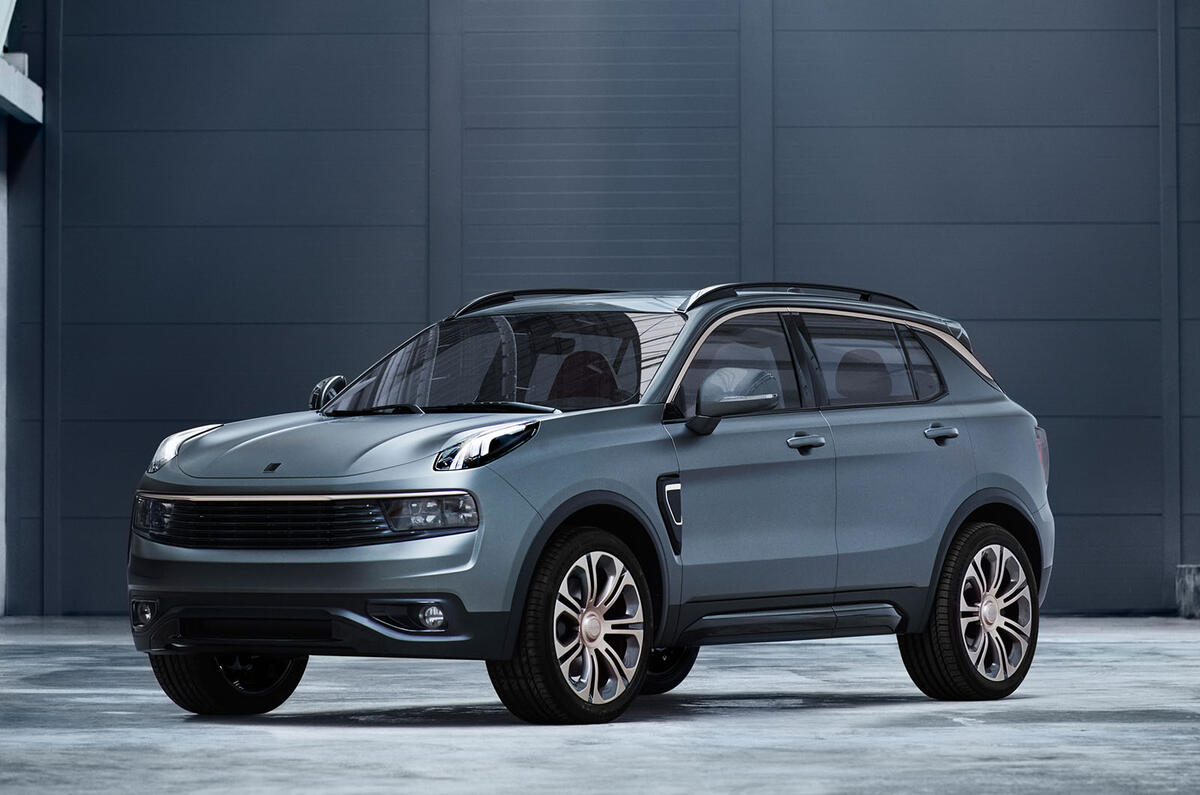
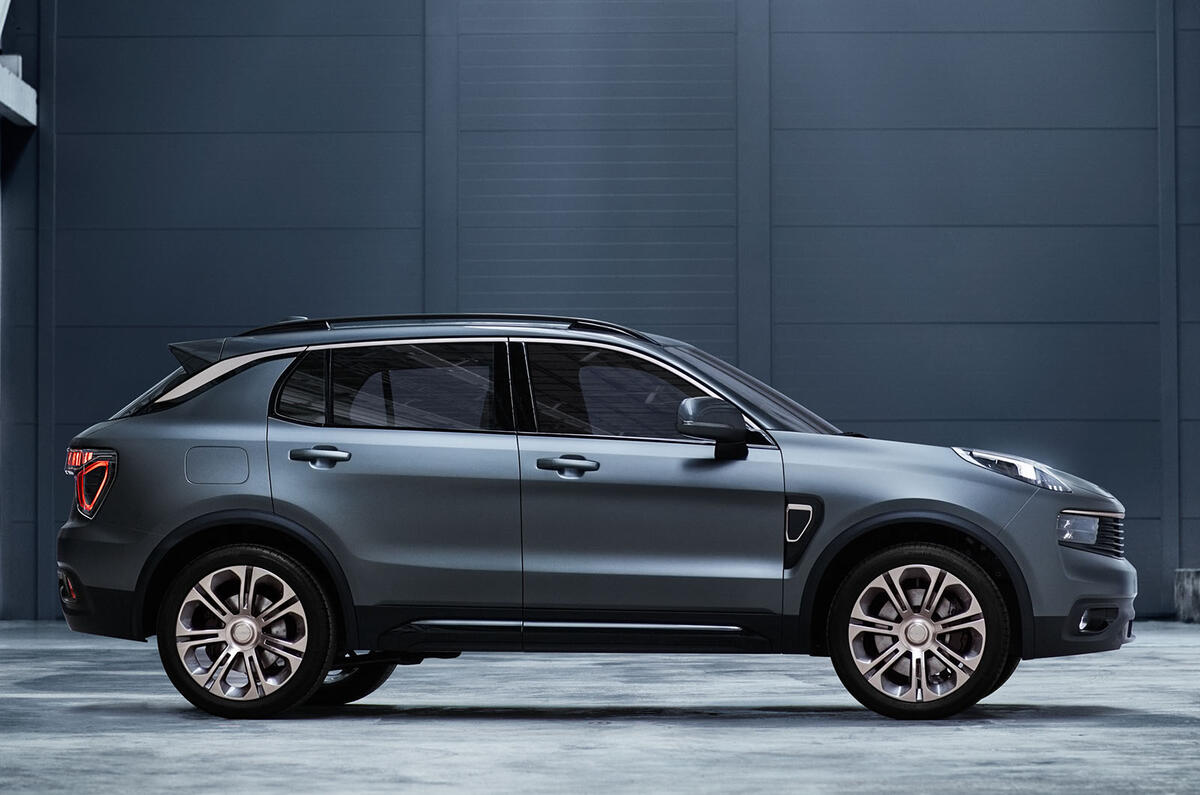
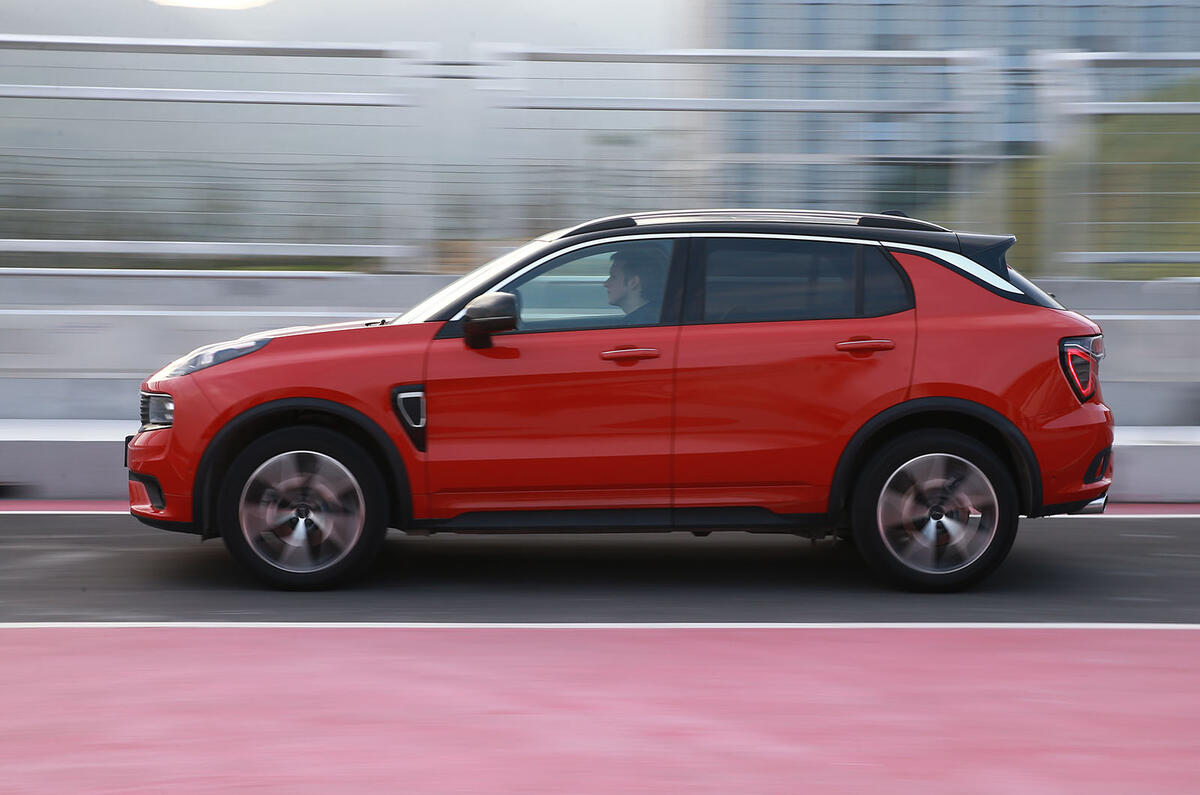












The launch of a Chinese-made car built to a standard that will give it a genuine chance in the European market is a significant development, but perhaps more interesting is the innovative way Geely’s new Lynk & Co sub-brand is planning to operate in Europe when sales begin in late 2019.
Lynk & Co 01 receives 6000 orders in 137 seconds
Behind its grammatically challenging brand name, and its mission to appeal to millennial buyers, Lynk is closely related to Volvo, with its model range set to be built on the same flexible Compact Modular Architecture (CMA) that underpins models such as the new Volvo XC40. Lynk’s first stand-alone product, an SUV named the 01, has just gone on sale in China and will soon be joined by a crossover with a lower roofline, the 02, and a conventional saloon, called the 03.
All will use the same three and four-cylinder petrol engines as their Swedish sisters, although European models will all be powered by a forthcoming hybrid powertrain that uses a dual-clutch gearbox and gives the three-pot engine electrical assistance. Ambitions are high, with Lynk & Co boss Alain Visser saying the brand plans to sell 500,000 cars a year globally by 2021.
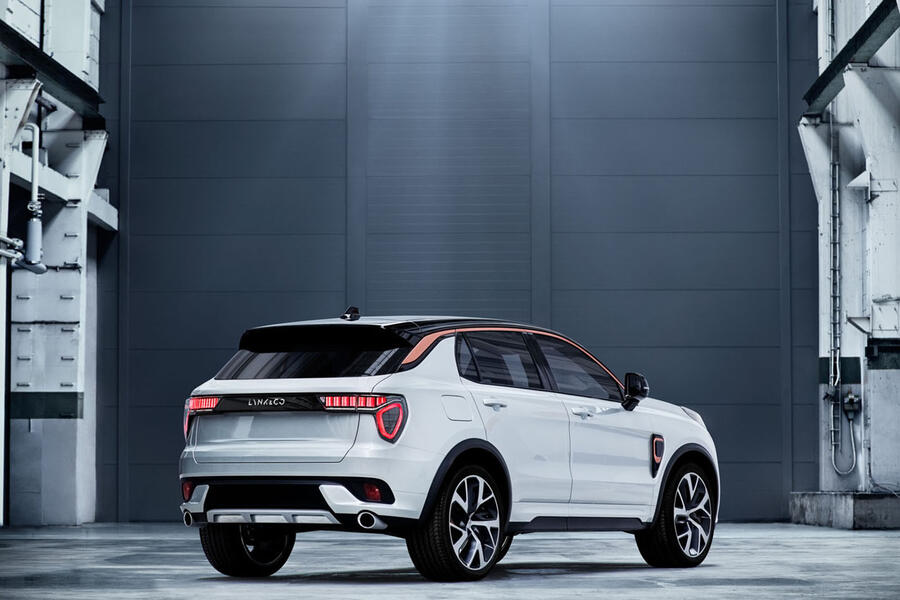
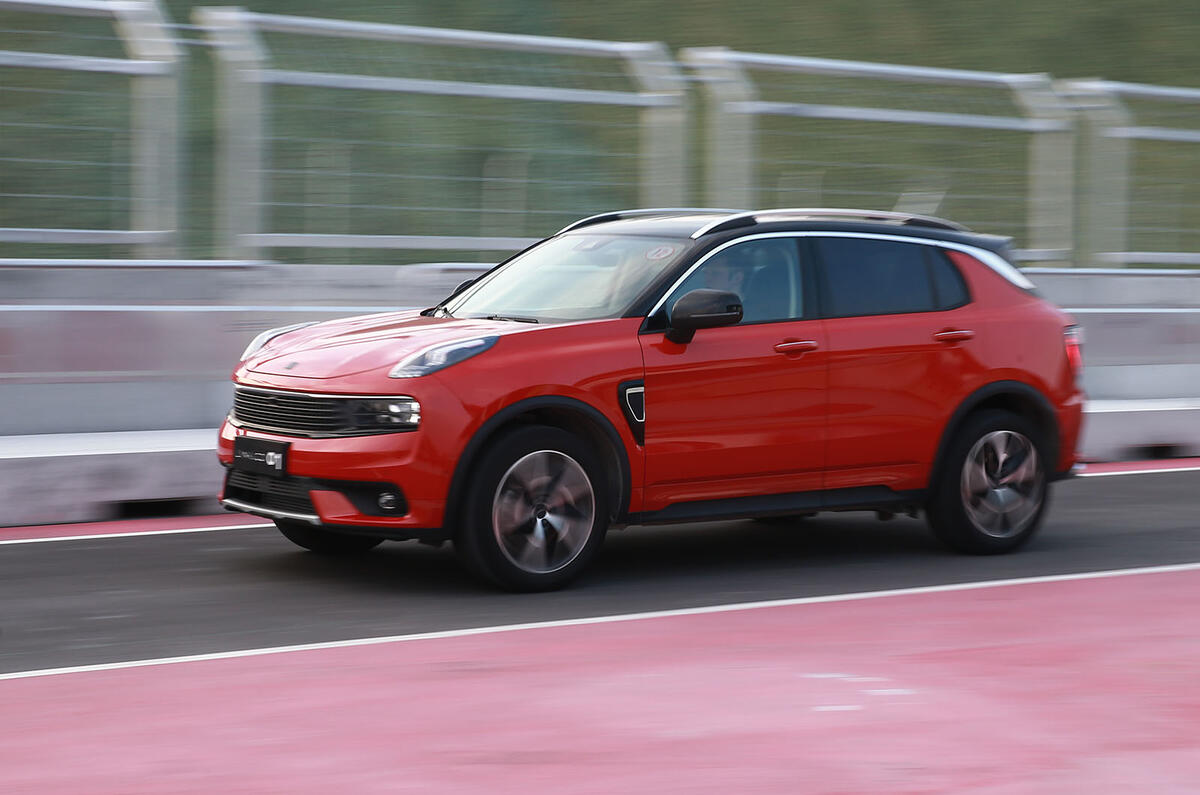
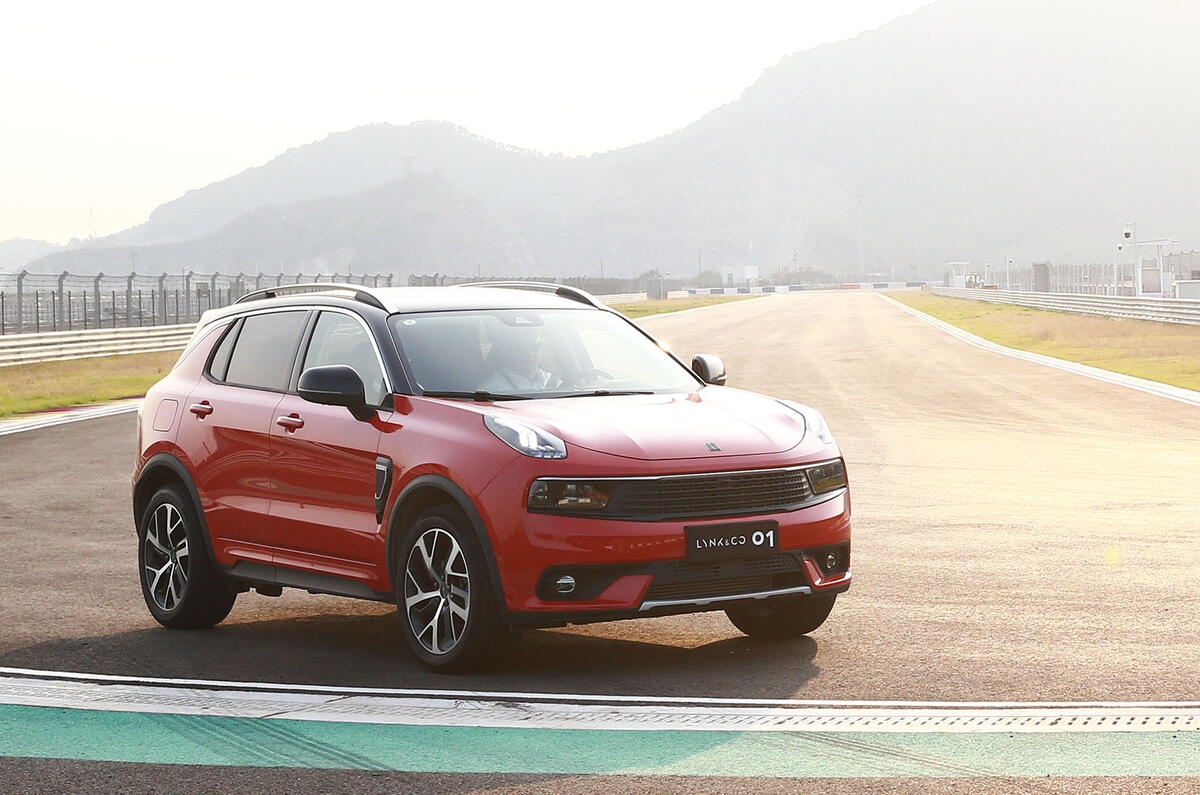
We only got to drive the 01 briefly but can report that it will at least be competitive with more mainstream alternatives when it reaches Europe. Although the car is conventional enough, the company’s wider business model is anything but. Lynk plans to launch in Europe and the US without a dealer network and rely instead on direct sales, in a way similar to that of sister brand Polestar.
Opinion: will Polestar's subscription system work?
Cars will be serviced by Volvo franchises but definitely won’t be sold there. While it will be possible to buy Lynk & Co models outright, and for what we’re promised will be very competitive prices considering the generous standard equipment, the company is putting its faith behind a pioneering subscription system that will in effect offer flexible short-term leasing with minimal commitment, or, as Visser puts it, “like Spotify or Netflix for cars”. The ambition is for what will in effect be a monthly arrangement, enabling buyers to change cars when they need to. Visser says the ambition is for 70% of Lynk’s European sales to use this subscription model.
This means that Lynk & Co will not only own most of its fleet but will also manage it throughout its entire lifespan. Visser says the plan is to offer two or even three subscription “rounds” – cars going back to the company, getting reprepared and then being rented again as used models at a lower cost than newer versions – “like getting an iPhone 7 for less than an iPhone X”. The current thinking is that at the end of these rental cycles, cars will ultimately be scrapped rather than sold. That means one of the biggest problems for any new, unproven firm – that of managing residual values – will be outflanked, albeit by Lynk keeping significant costs on its own books.