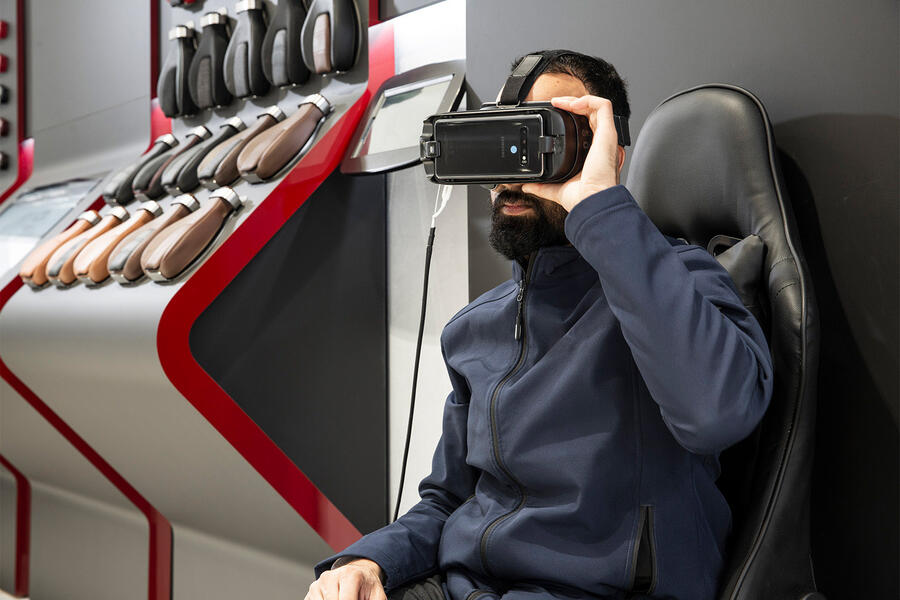

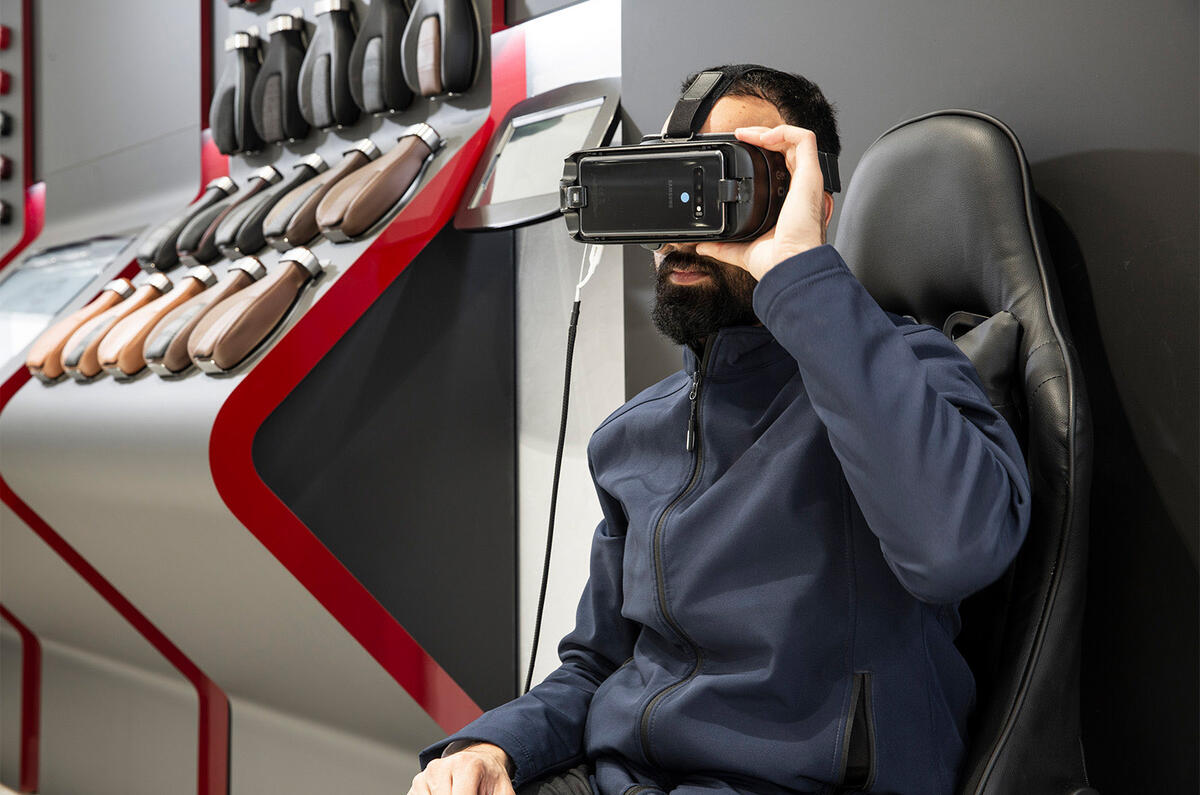




Your app pings: you’re next up at the ‘smart bar’. You finish your coffee and saunter over, feeling slightly smug you’ve jumped the queue of people who turned up on spec. You stare at a guy at the next table miming the actions of a rally driver, until you realise he’s wearing VR goggles and is virtually test-driving the brand’s new car.
At the ‘bar’ you draw out your phone and open the app that mirrors the infotainment screen of your car parked in the shopping centre’s basement. A brand ‘scholar’ walks you through the latest update, indicating the extra range and new features. You agree to the terms and your car is updated via secure wi-fi. You leave, realising that you haven’t been pressured to spend any money.
This vision of the future of car retailing has been created from a range of expert views. Whether it will become reality is yet to be determined, but what’s clear is that our physical interaction with dealers is going to alter dramatically as car makers look to shake up an area of business that has resisted change for years.
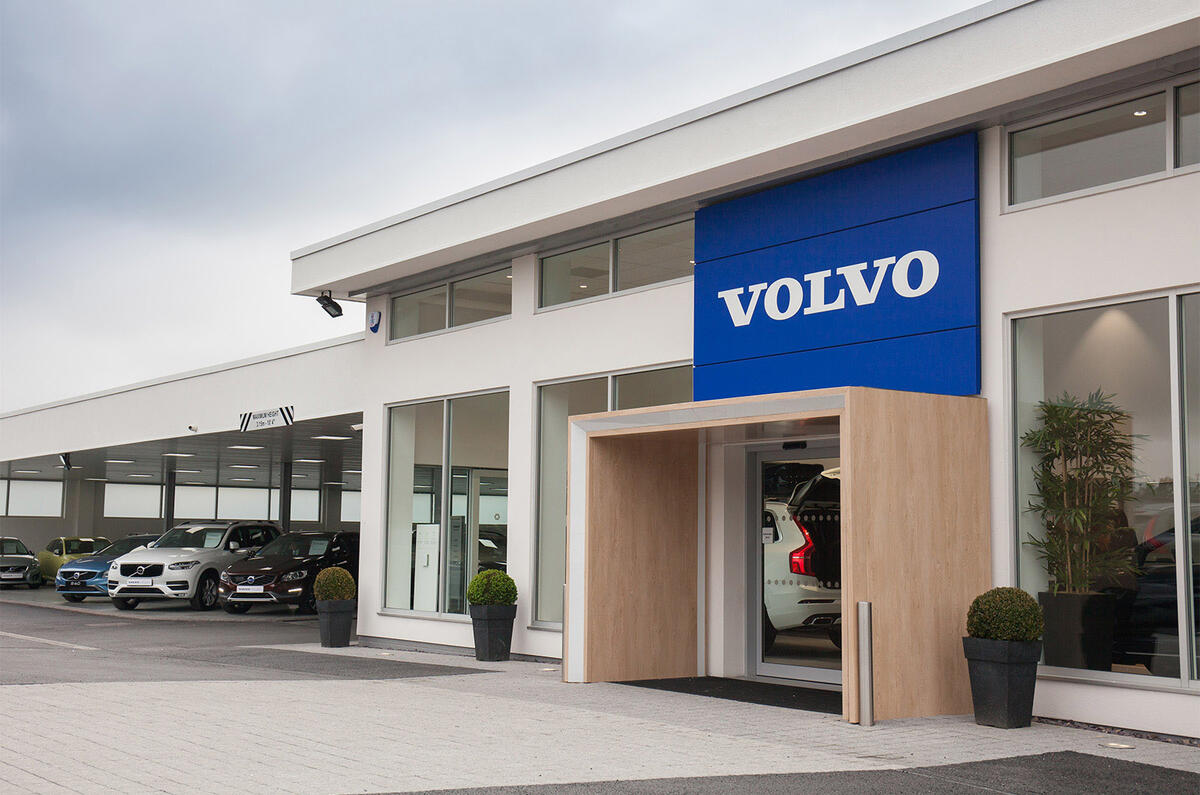
Volvo first signalled it wanted a completely different approach in March, when it announced plans to switch sales to online-only by 2030 (also the date it will go electric-only). The Swedish brand said it wanted “transparent pricing” and promised to “radically simplify the process for signing up for an electric Volvo”.
Volvo made it clear, however, that buying online didn’t mean junking its existing physical showrooms. Even Tesla, that pioneer of the online car sale, has concluded that it can’t grow sales without also expanding the number of centres where buyers can interact with a car and speak to a human being. After toying with the idea of ditching stores altogether in 2019, Tesla said earlier this year it had expanded its European network by a third last year to 161, of which 25 are in the UK.

So there will be dealers, but how will they behave? Very differently, is the expectation. Volvo’s plan to move away from the current wholesale model to direct sales in effect shifts the burden on selling cars from the dealer to car maker, much like Tesla has. This so-called ‘agency’ model removes the ability of the dealer to set prices. Instead, the manufacturer dictates what you’ll pay and no haggling will be allowed. The dealer, or agent, instead gets a fixed fee.
It’s about time it changed, argues Steve Young, managing director of automotive retail analyst firm ICDP. “This industry is the only one that starts the conversation with the customer with a lie,” he says. “We start off by saying the car is £39,000, or whatever, and we both know that’s not the end game.”