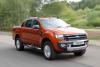
Is the Ford Ranger reliable?
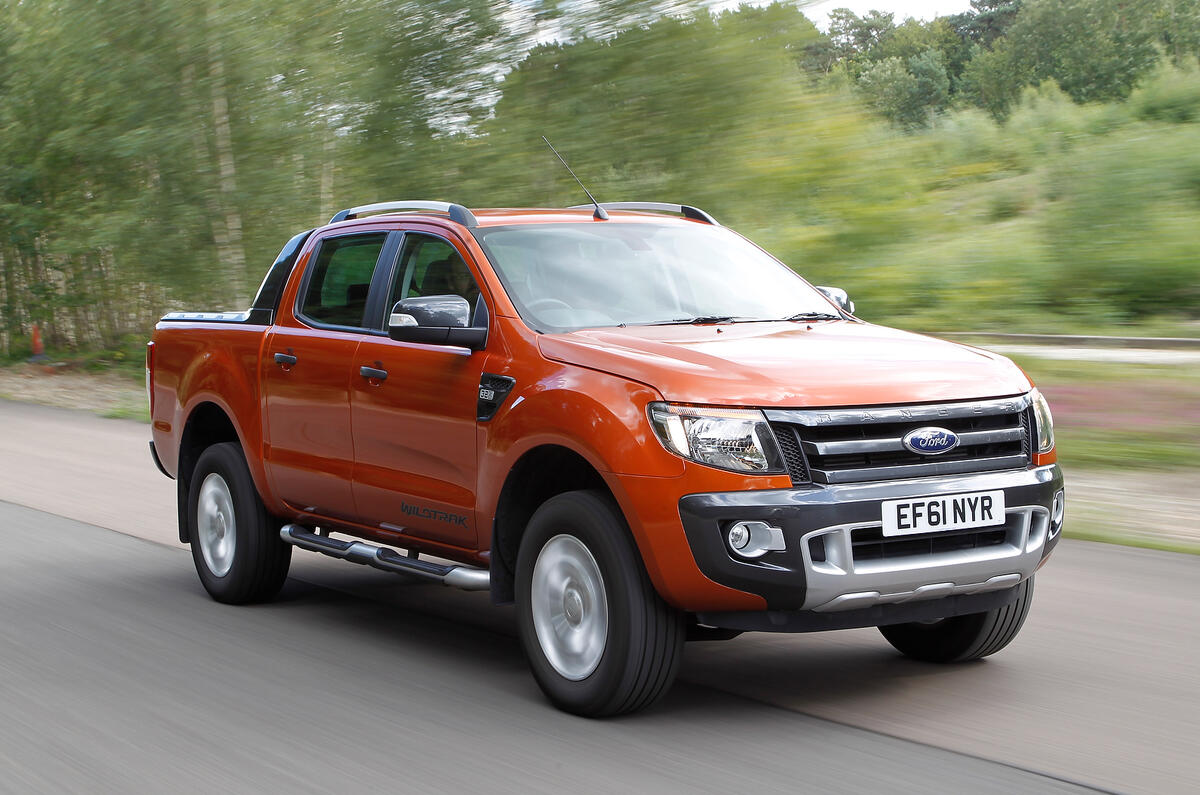
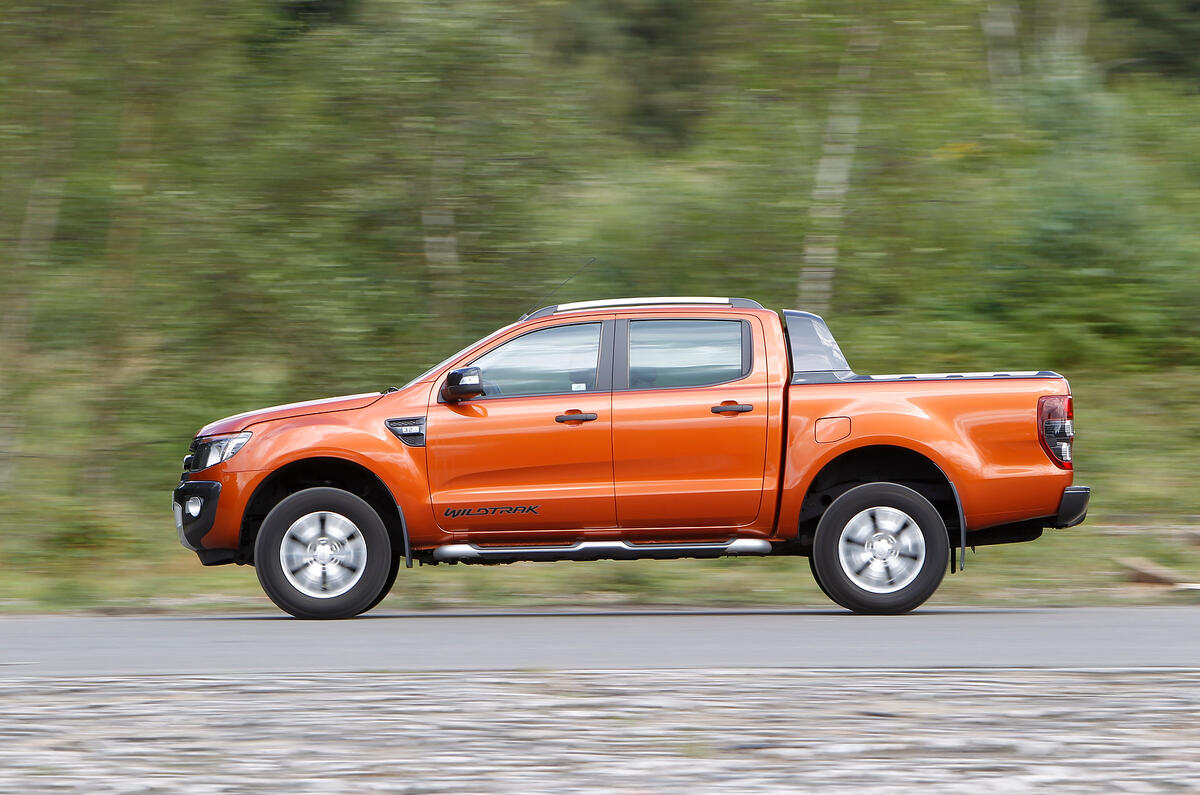
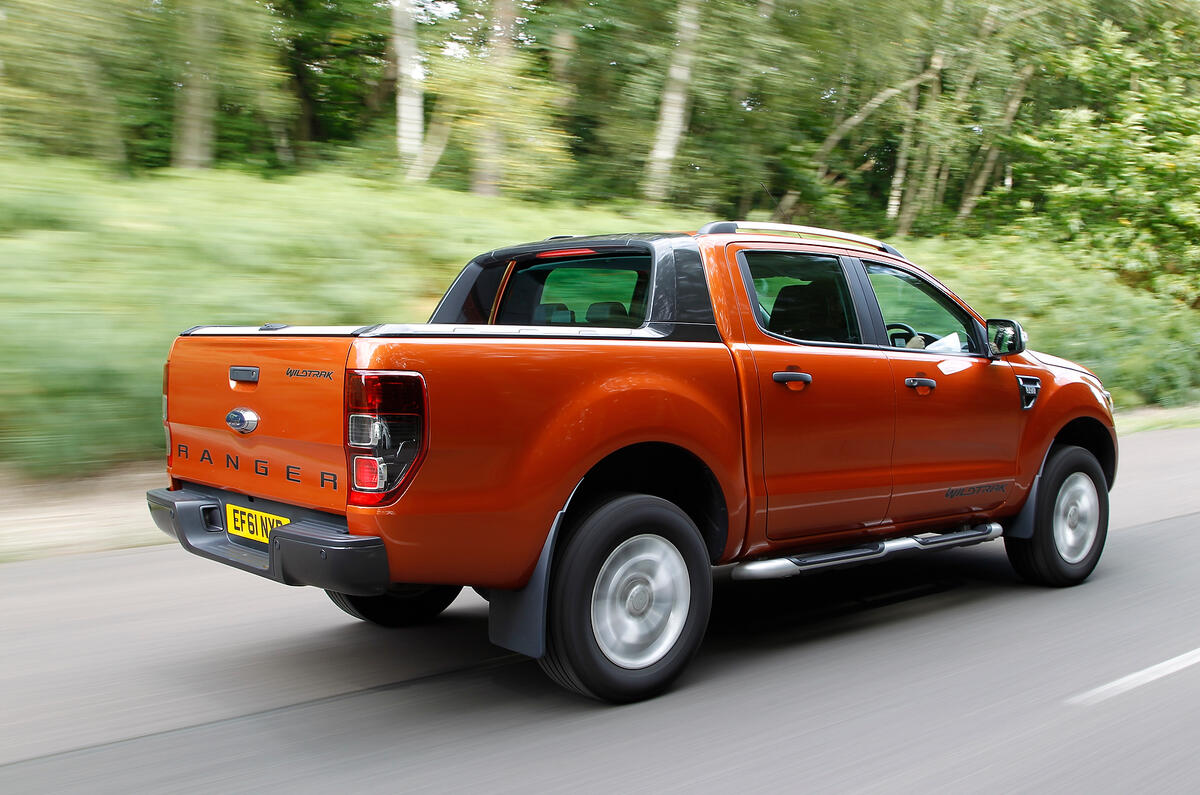
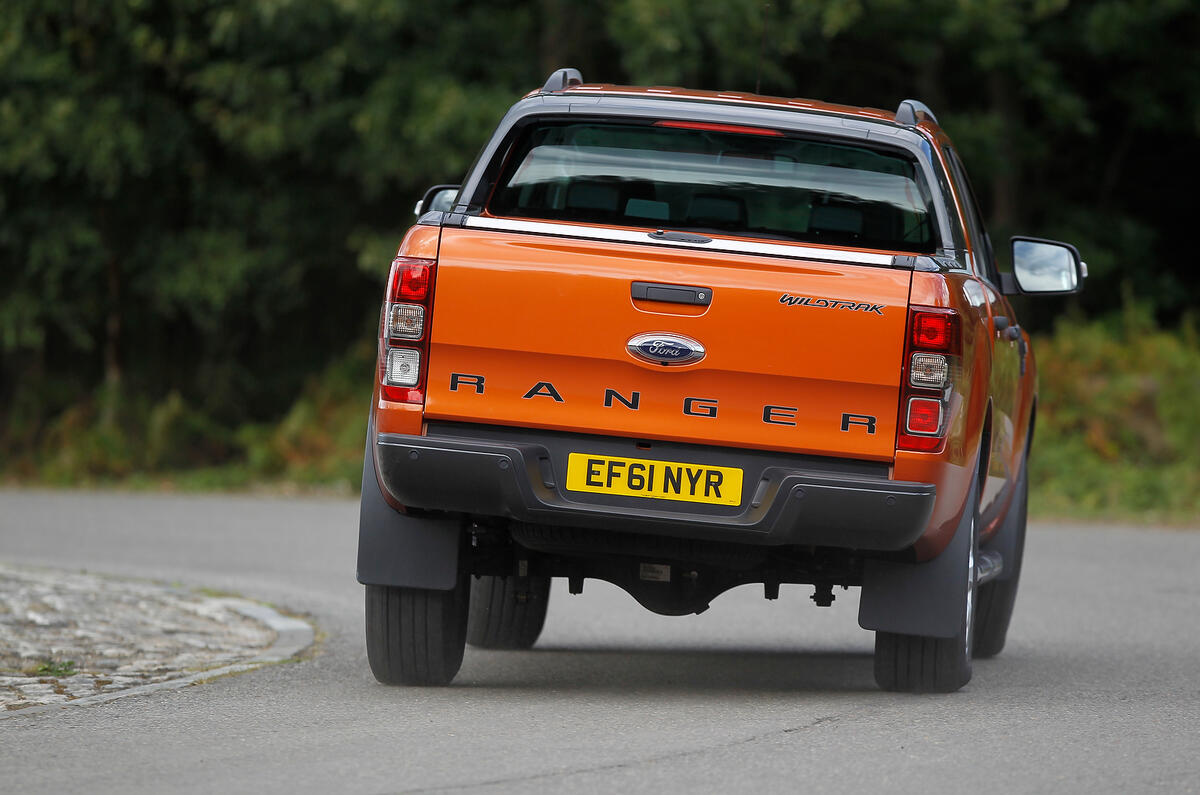
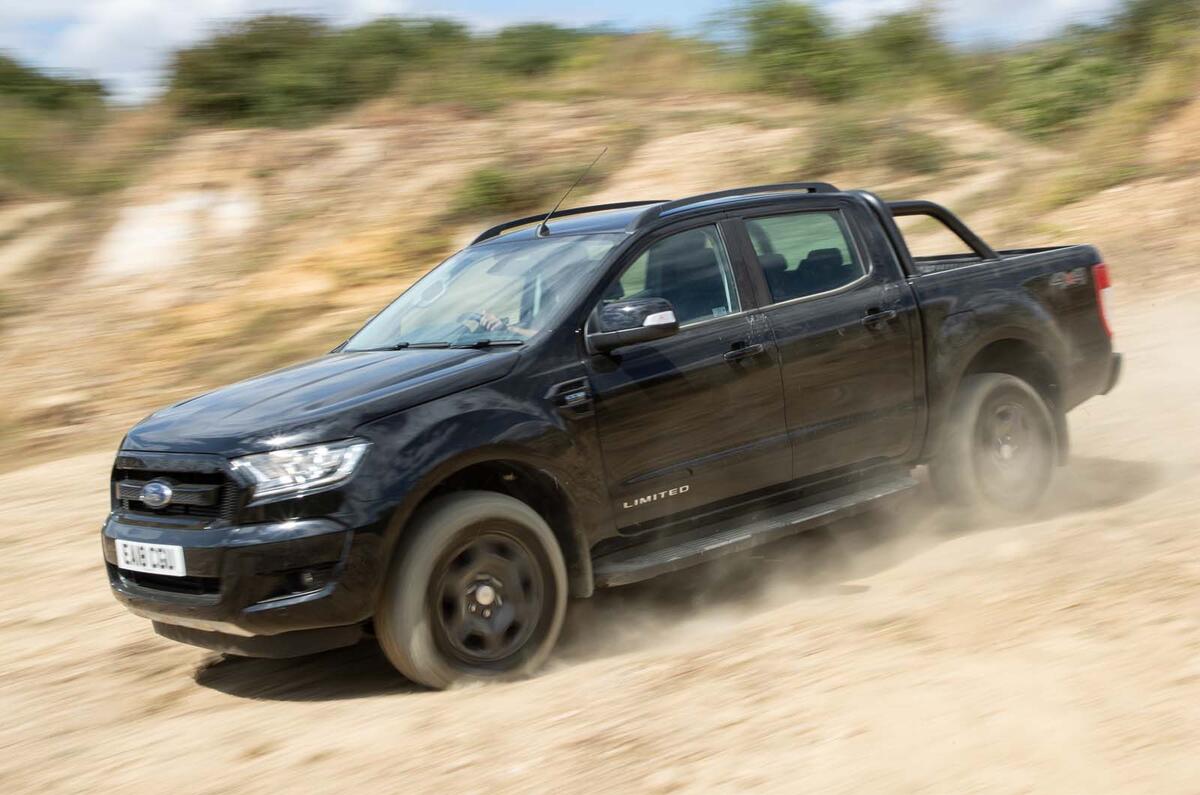
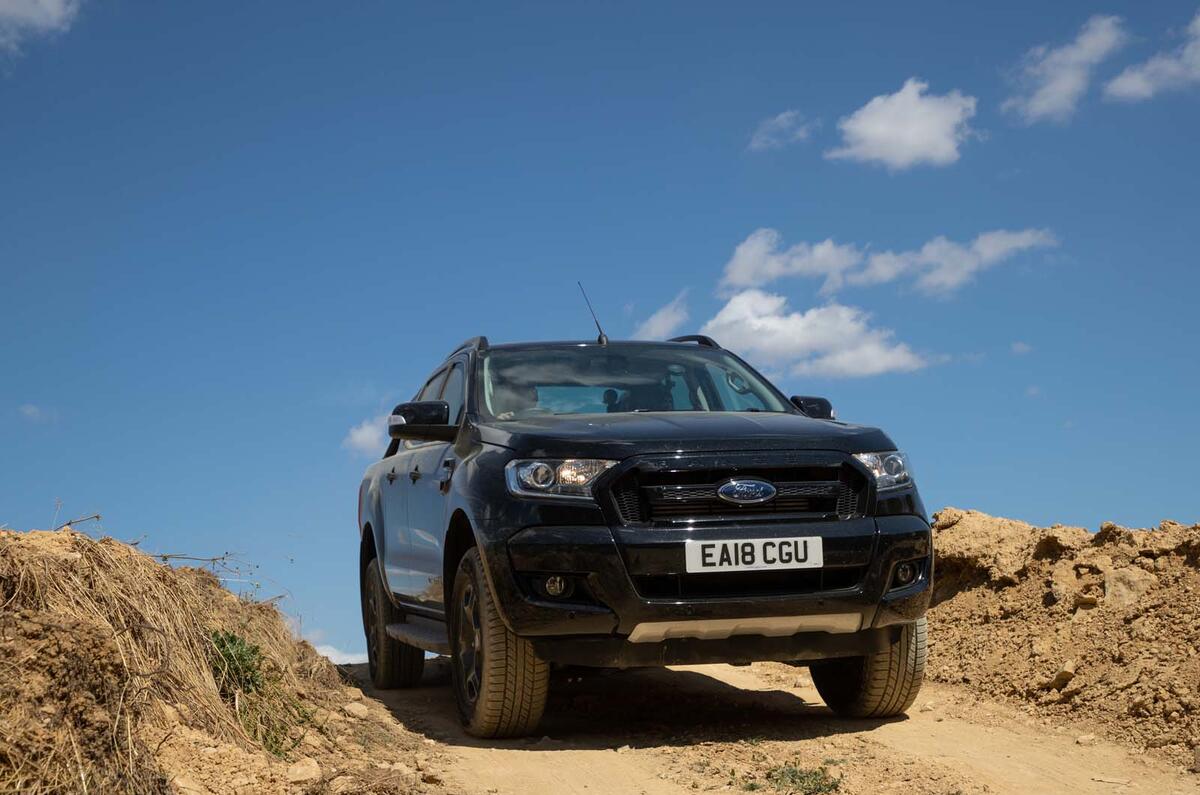
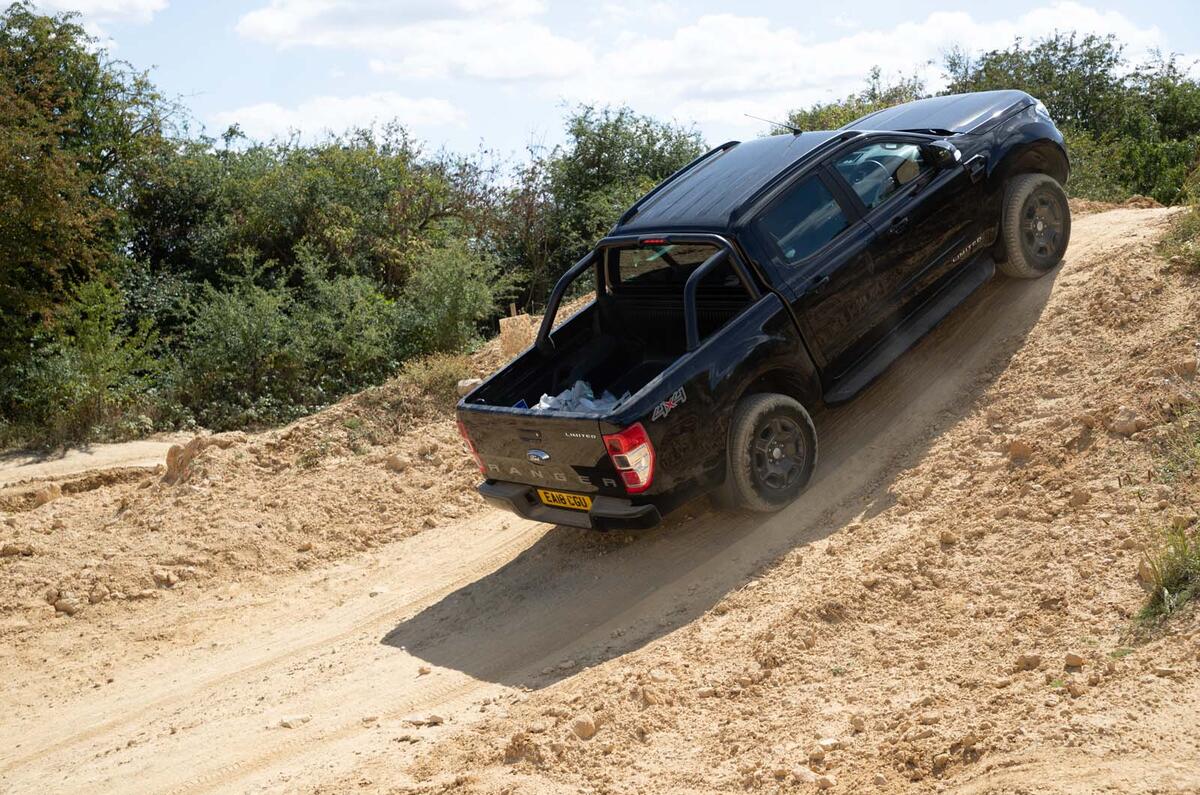
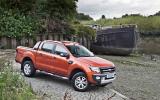
As a robust, go-anyhwere vehicle with genuine off-road credentials, the Ford Ranger is a reliable used buy and shouldn't present any major issues.
That being said, there are known common faults, but as long as the car has been regularly serviced and had any recalls resolved, it should be a solid used buy. Ford is an established brand with a large dealer network in the UK, therefore you should be able to source parts without issue.
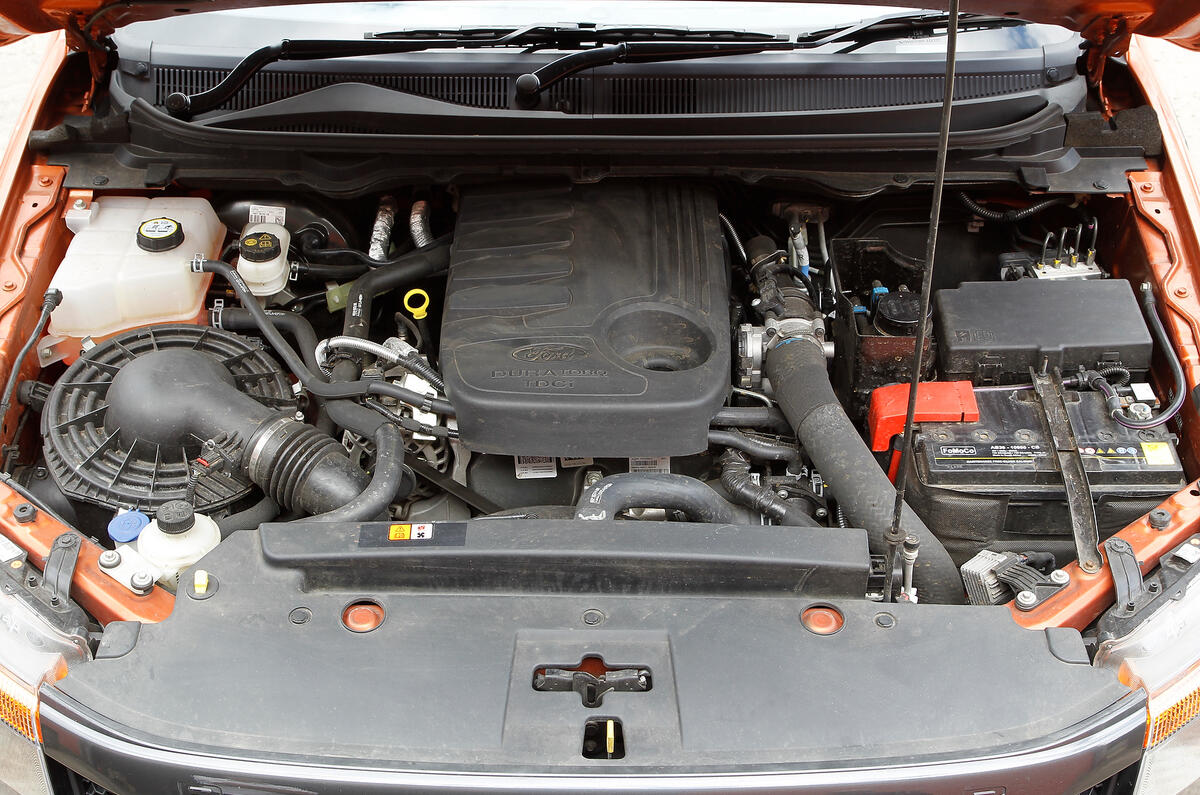
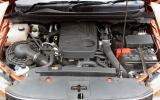
Engine: One of the most common issues with the 3.2-litre diesel Ranger is oil pump failure. Check for ticking noises from the engine, low oil pressure or an engine warning light. Most owners recommend upgrading the vane oil pump to a geared oil pump, on the basis that these are more reliable.
Watch for sub-par performance and blue smoke, as this could be an early sign of turbocharger failure.
The later 2.0-litre diesels can suffer timing belt issues at around 70,000 miles. Regular oil changes can keep the belt fighting fit, but forums recommend getting it replaced early to prevent it snapping and causing the engine to seize.
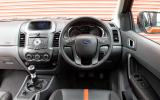
Gearbox: Owners have reported issues with both the manual and automatic gearboxes. Keep an eye out for any unusual slippage and fluid leaks from the transmission.
The 10-speed automatic is obviously quite complex, so be wary of any abrupt changes or vibrations.
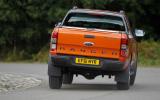
Body: Corrosion is a common problem on this generation of Ranger, with the chassis and wheel arches being the main problem areas. Ford acknowledged this and opened dedicated workshops for owners to have rust removed and a protective coating added.
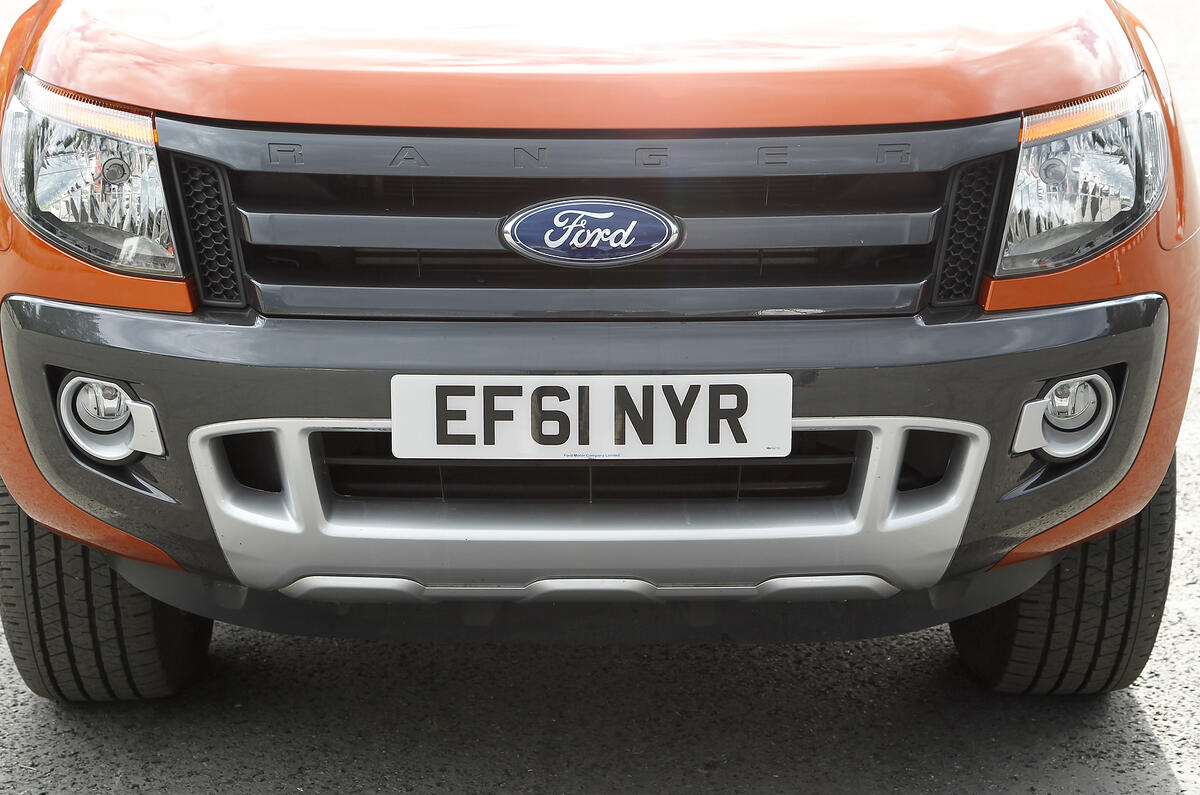
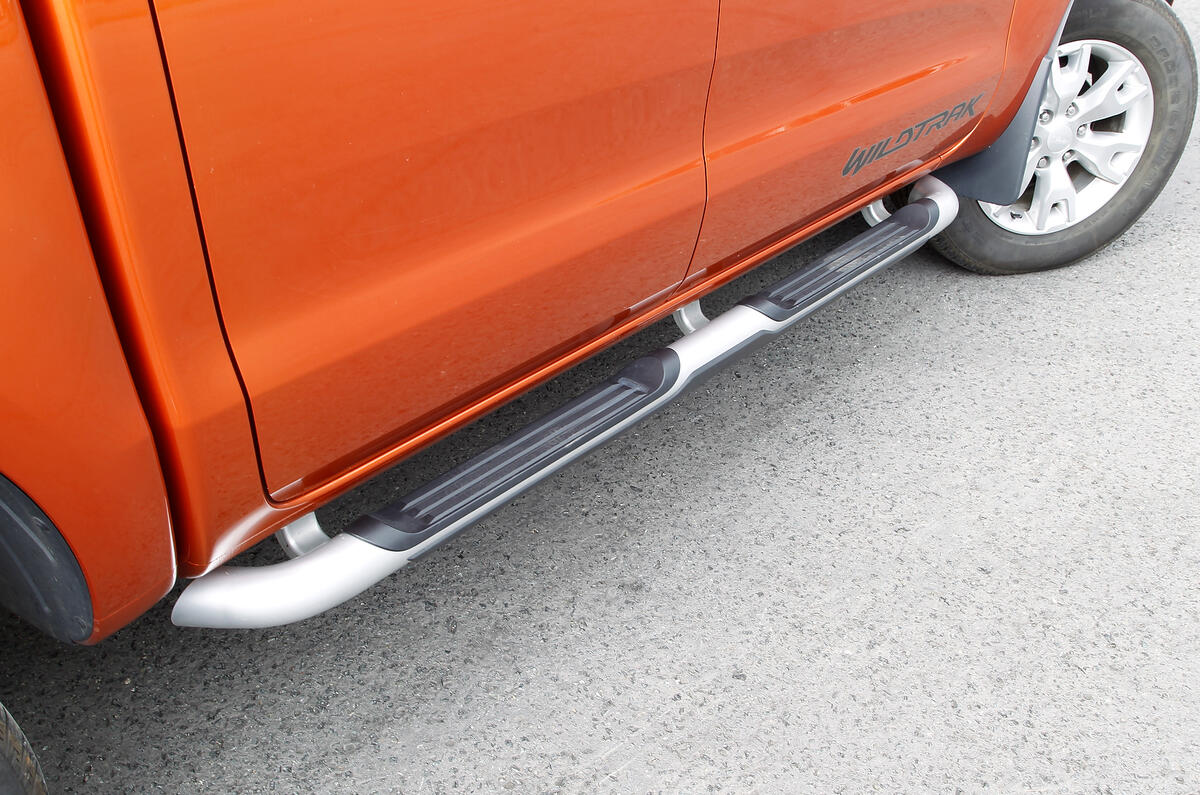
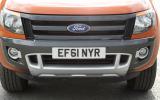
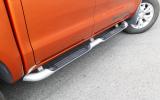
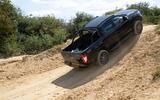
The Ranger is an off-road vehicle, so be sure to check the bumpers, wheels, side skirts and overhanging bodywork for damage.
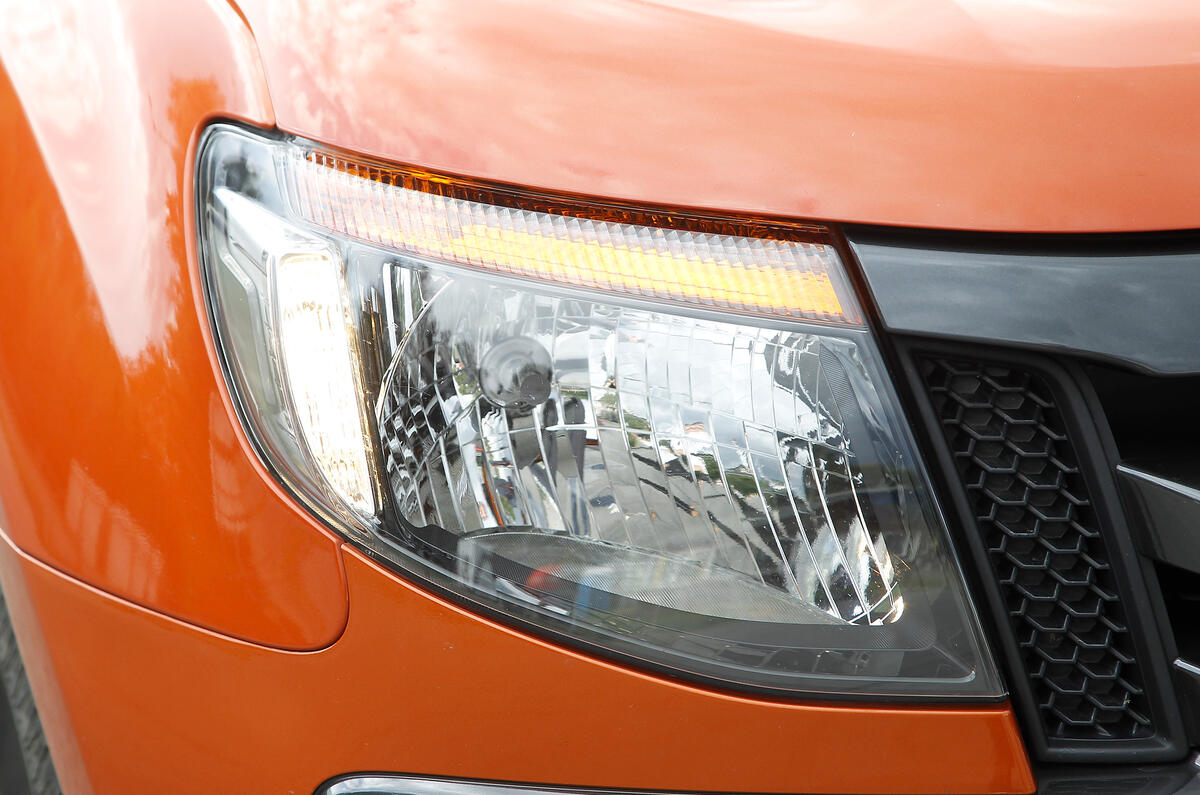
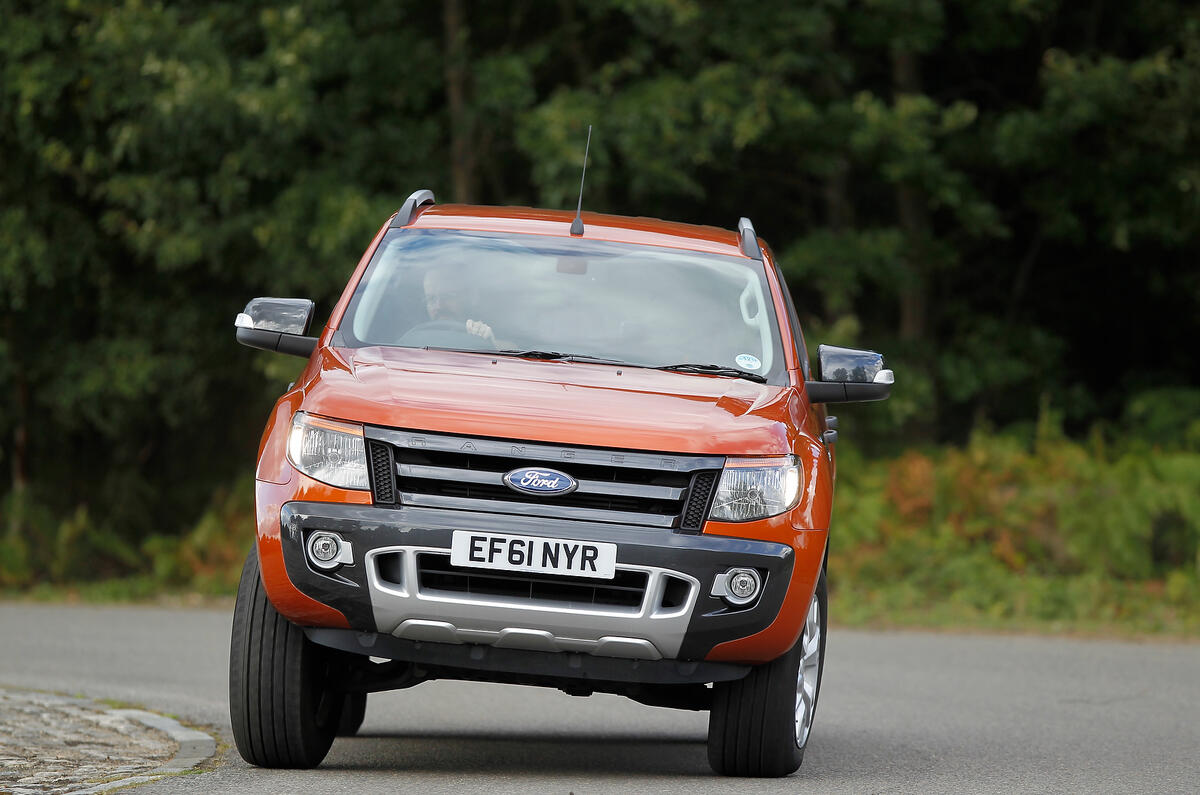
Headlights: Some owners have complained that the standard-fit headlights are of poor quality and therefore swapped them out for Ford Mustang-style units with brighter xenon bulbs.
An Owner's view
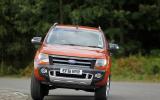
Barry Hemans: “Having wanted a used pick-up for many years, I finally took the plunge and purchased a 2021 Ranger Wildtrak 2.0 EcoBlue in October last year. I decided a 4x4 would be useful for skip runs and helping my kids move house.
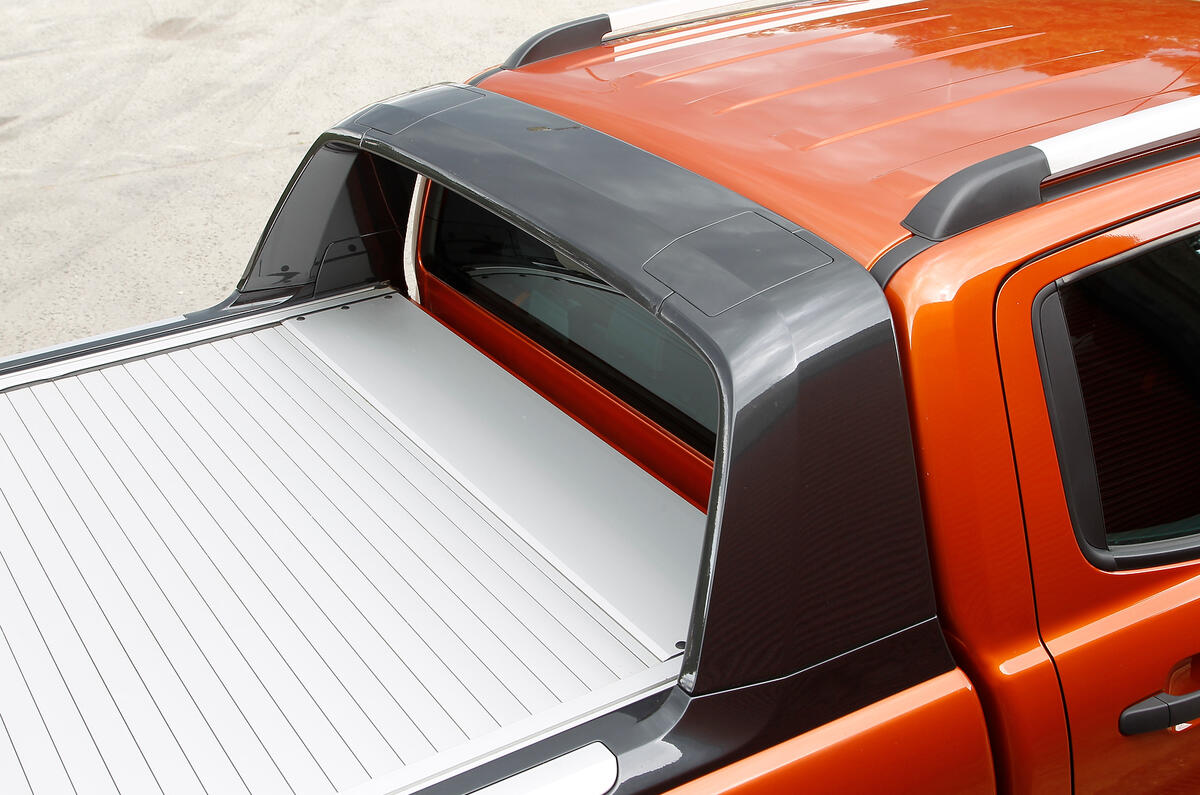
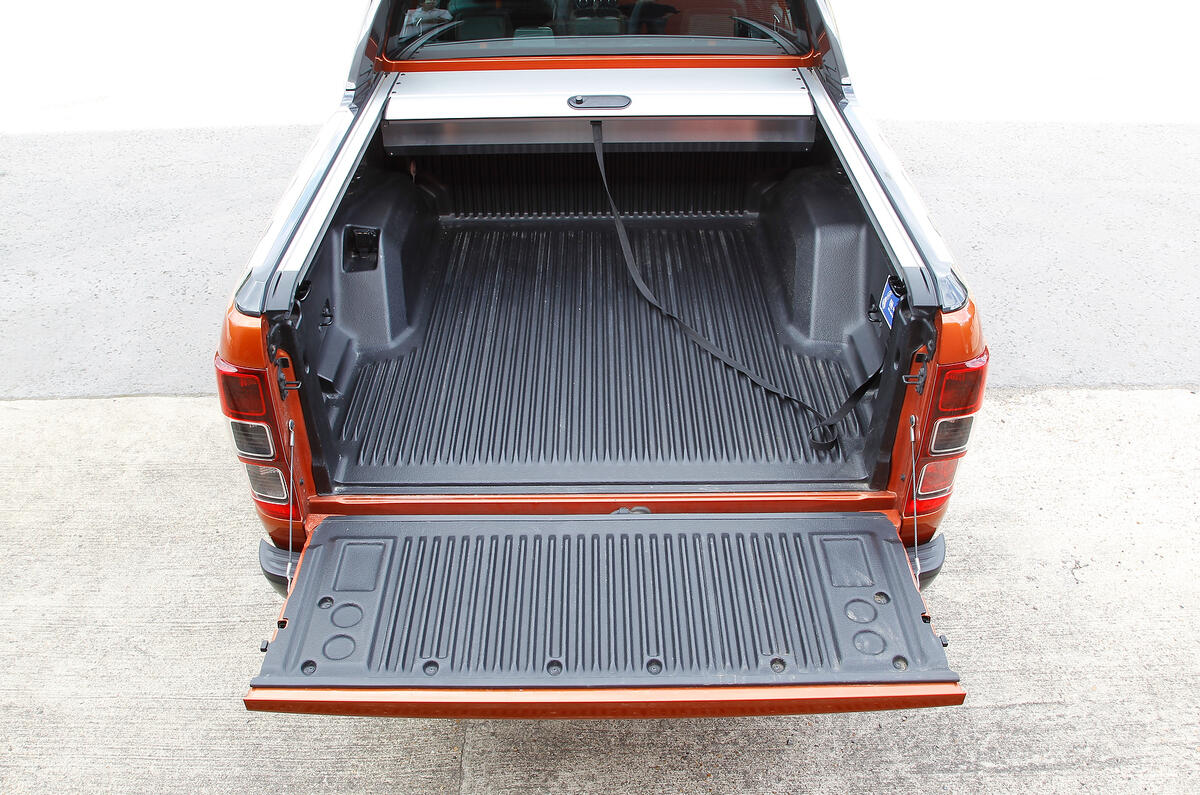
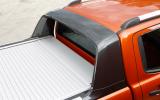
"So far it has been very useful for running errands and moving heavy furniture about. It’s good to drive on short trips around town and I’ve got used to its commanding size – although parking can be a little tricky. I’ve not had any major maintenance issues to date, apart from a leaking load cover, which is a bit disappointing.”
Also worth knowing
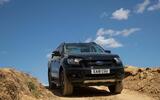
Several special editions were created during this Ranger’s life. The Stormtrak was based on Wildtrak trim but had a more distinctive front grille, bonnet stripes and extra equipment.
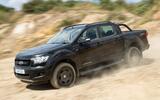
The MS-RT got larger 20in alloys, a bespoke livery and bumpers. The Thunder is a rarer find and looks neat with its red accents and reprofiled front grille. And then there was the Black Edition, with bespoke alloys and exterior elements finished in a colour that we needn’t have to name.