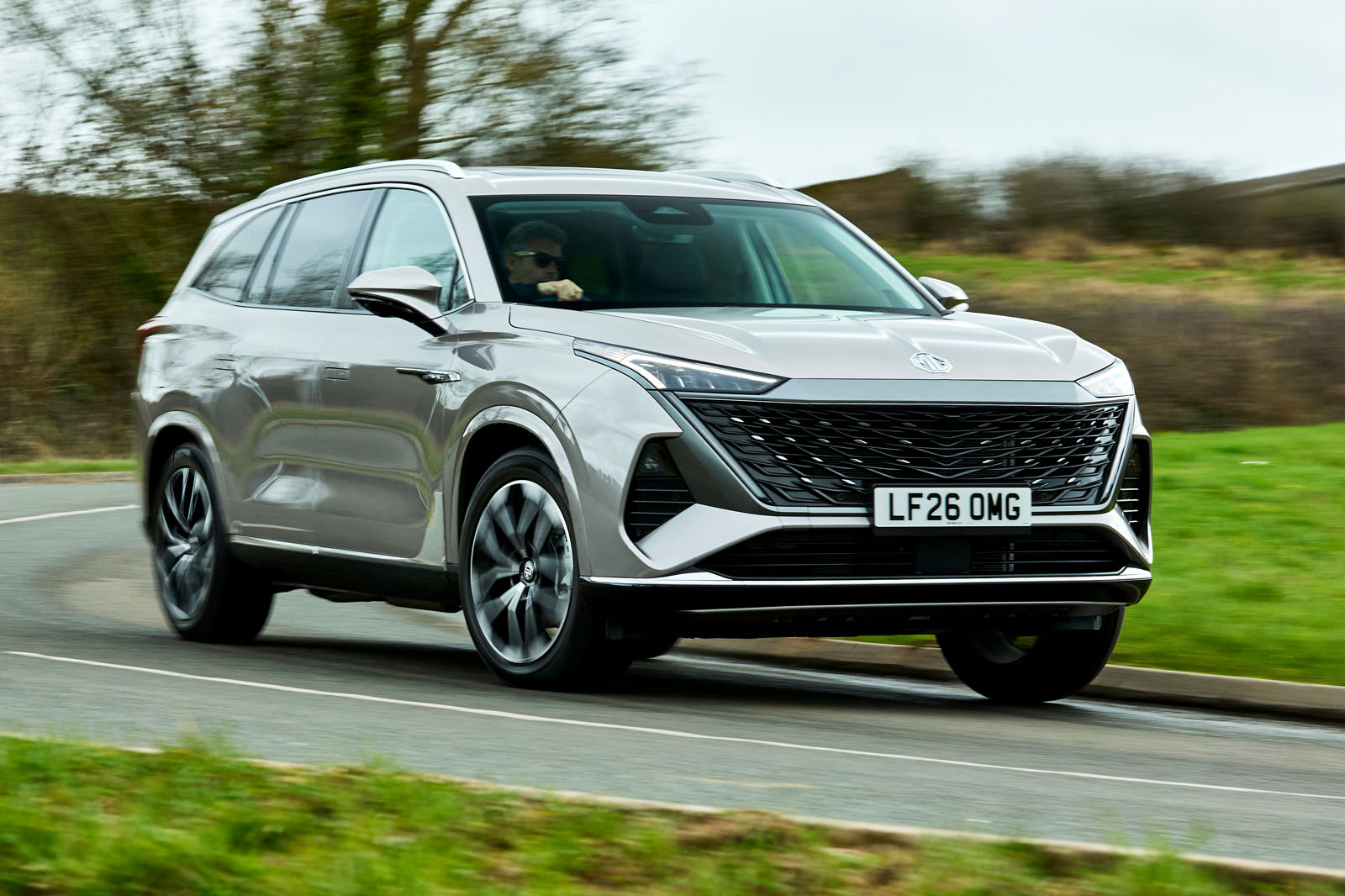
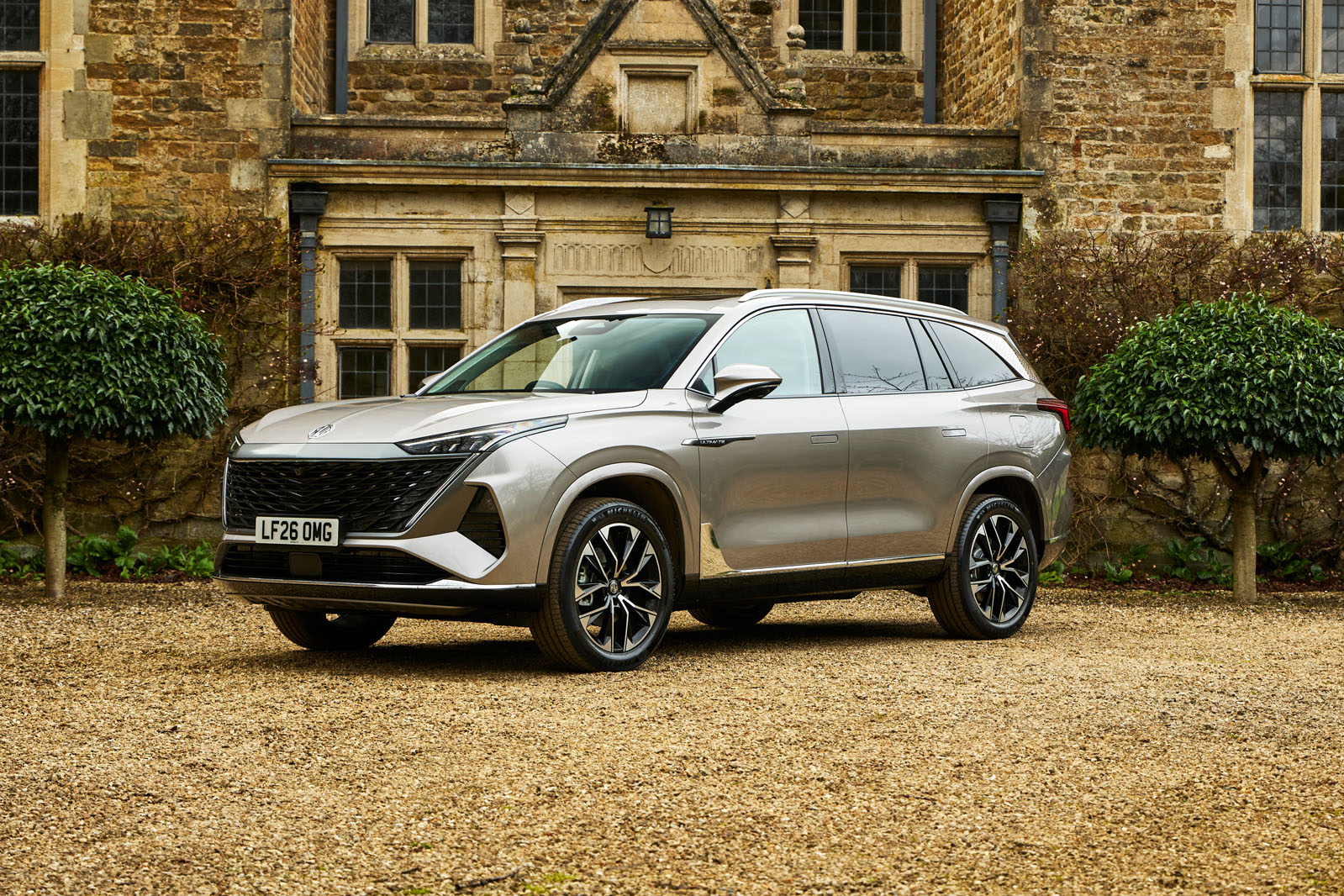
1.5 T-GDI Trophy SUV 5dr Petrol Manual Euro 6 (s/s) (169 ps)
Submitted by dev_editor on
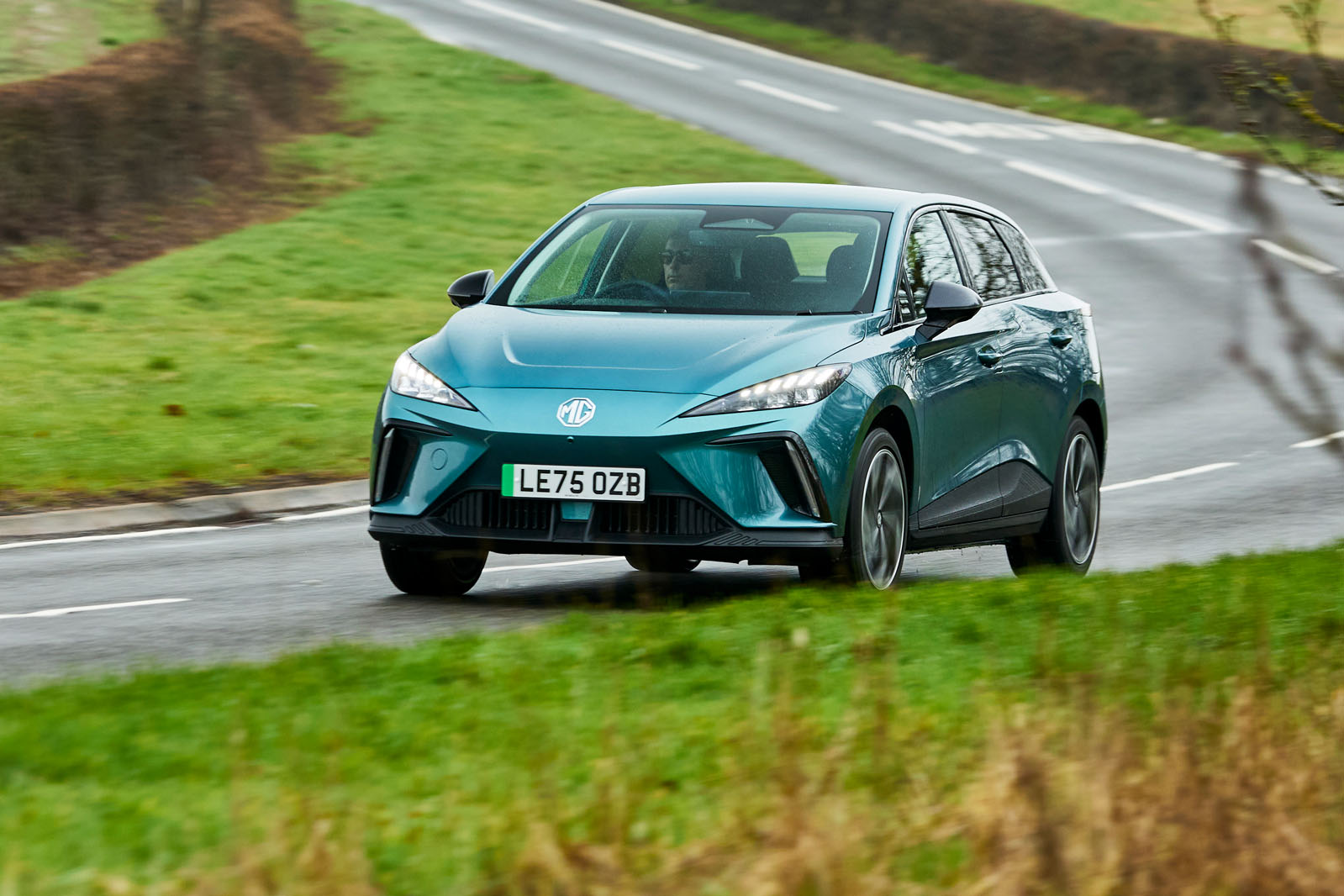
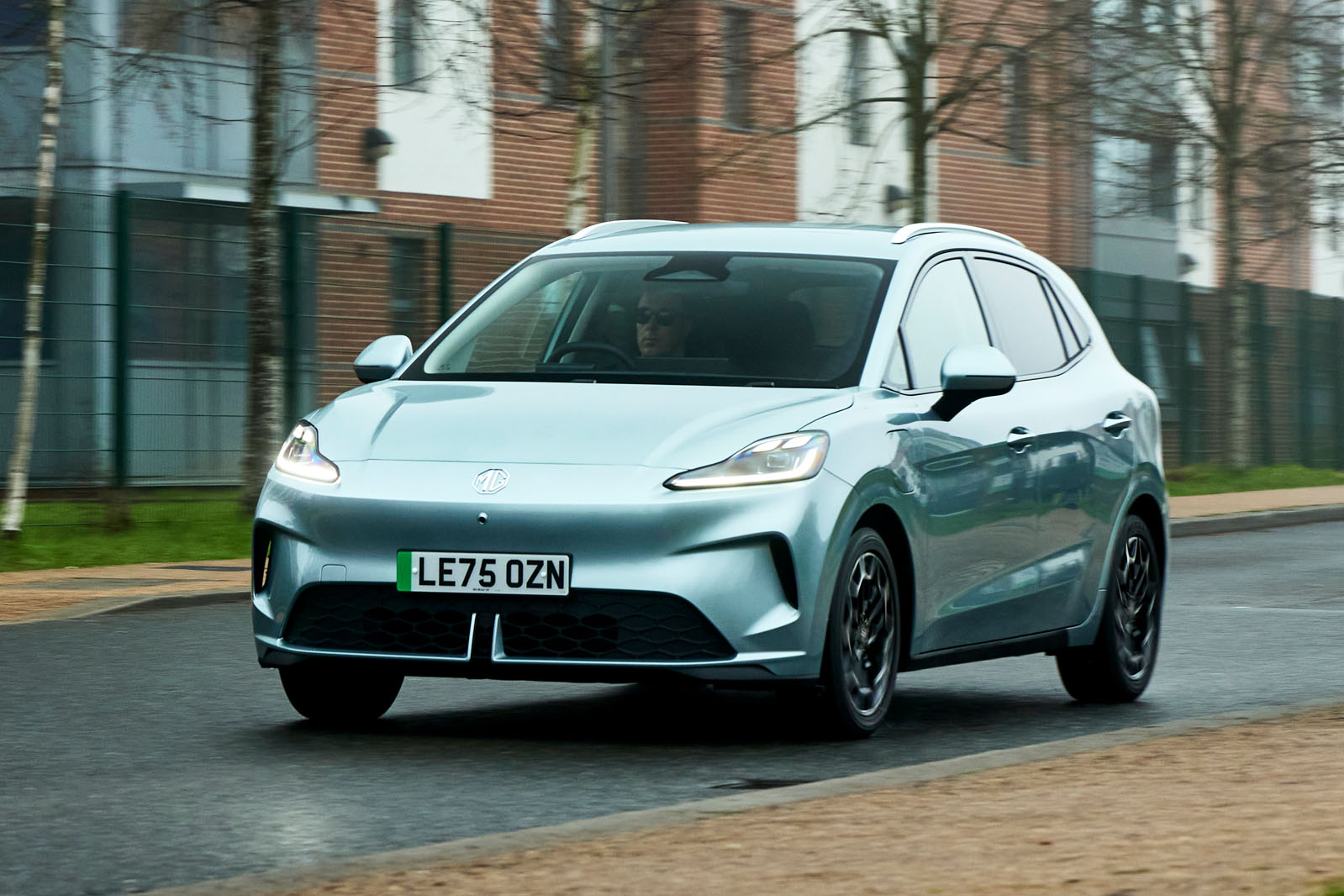
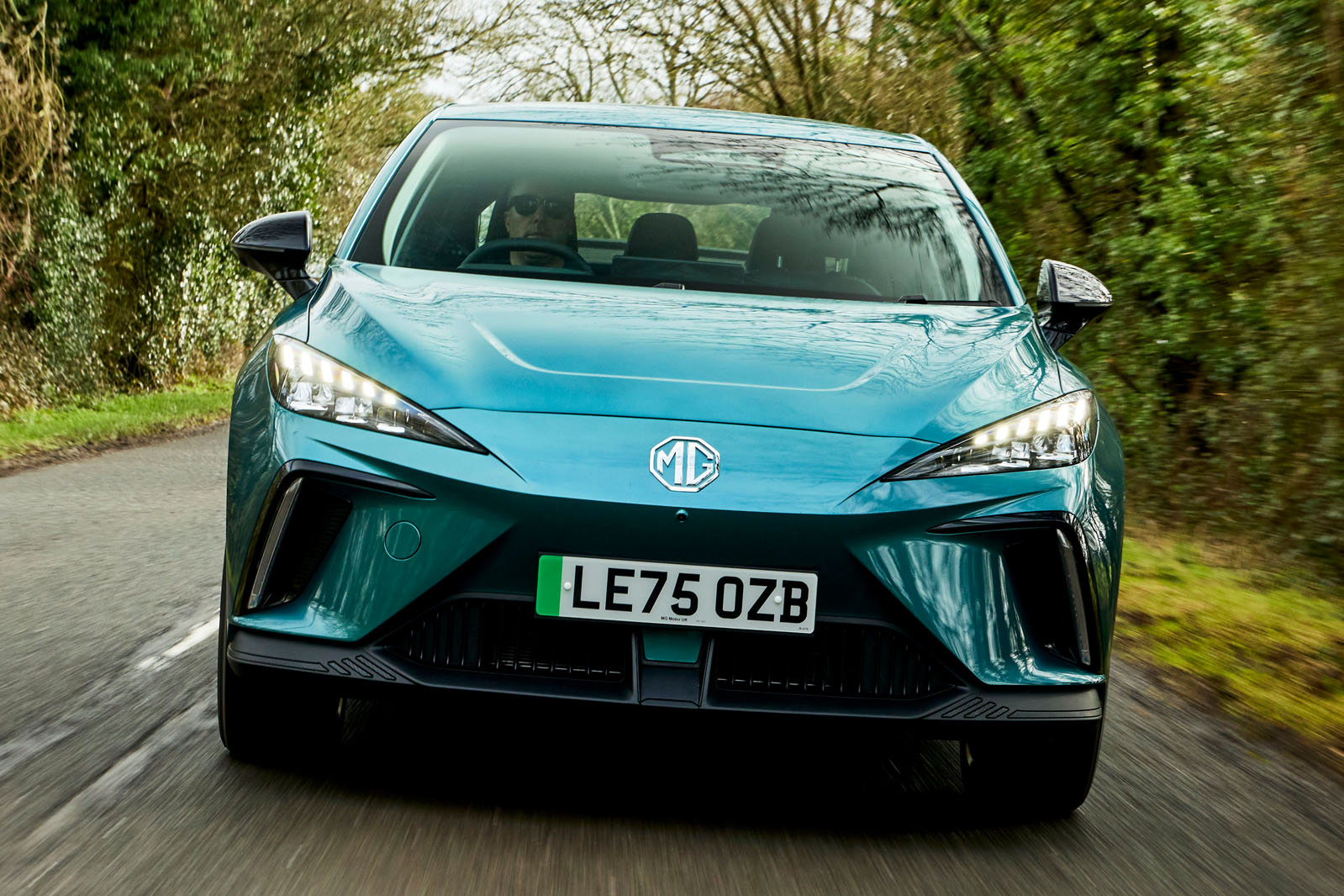
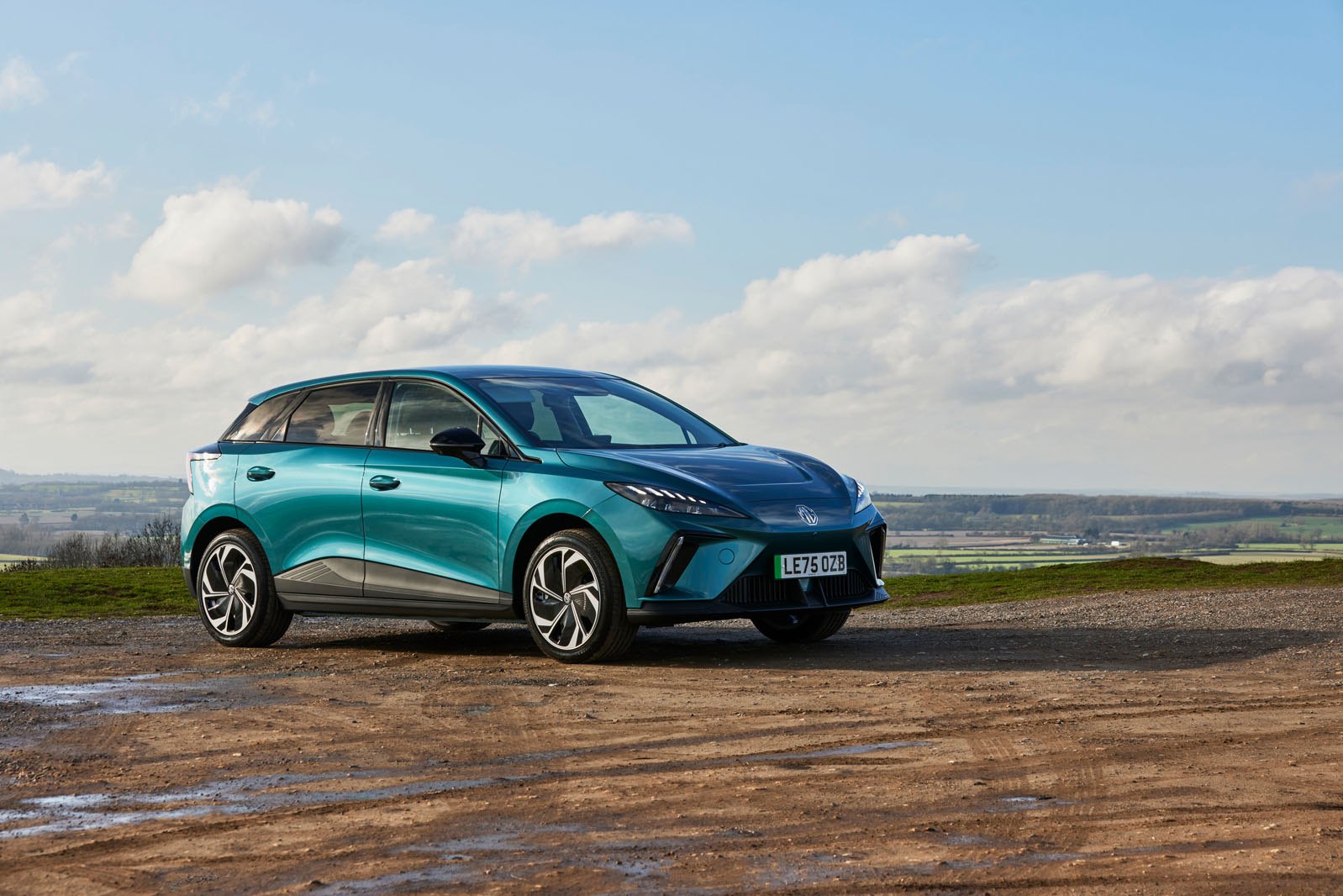
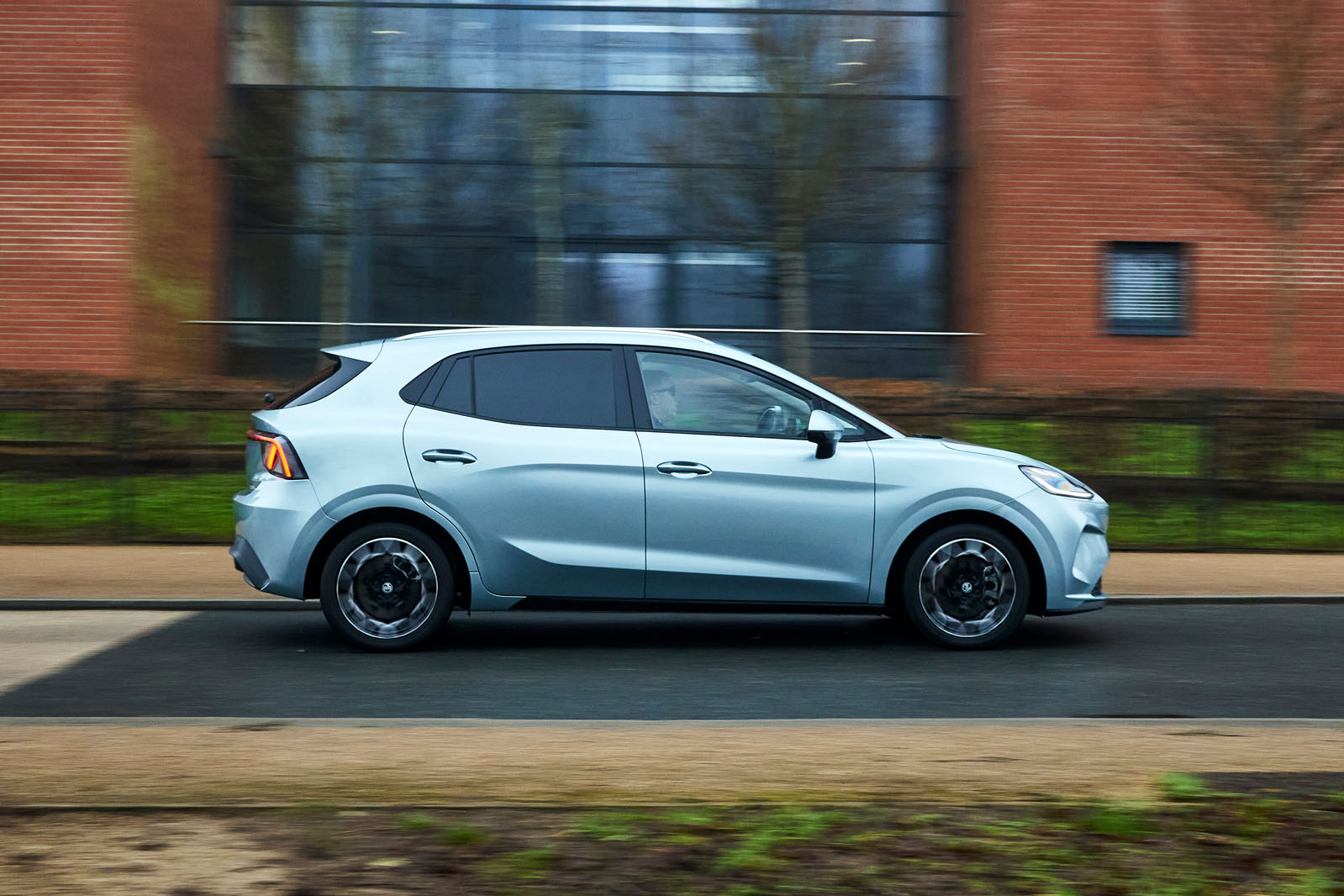
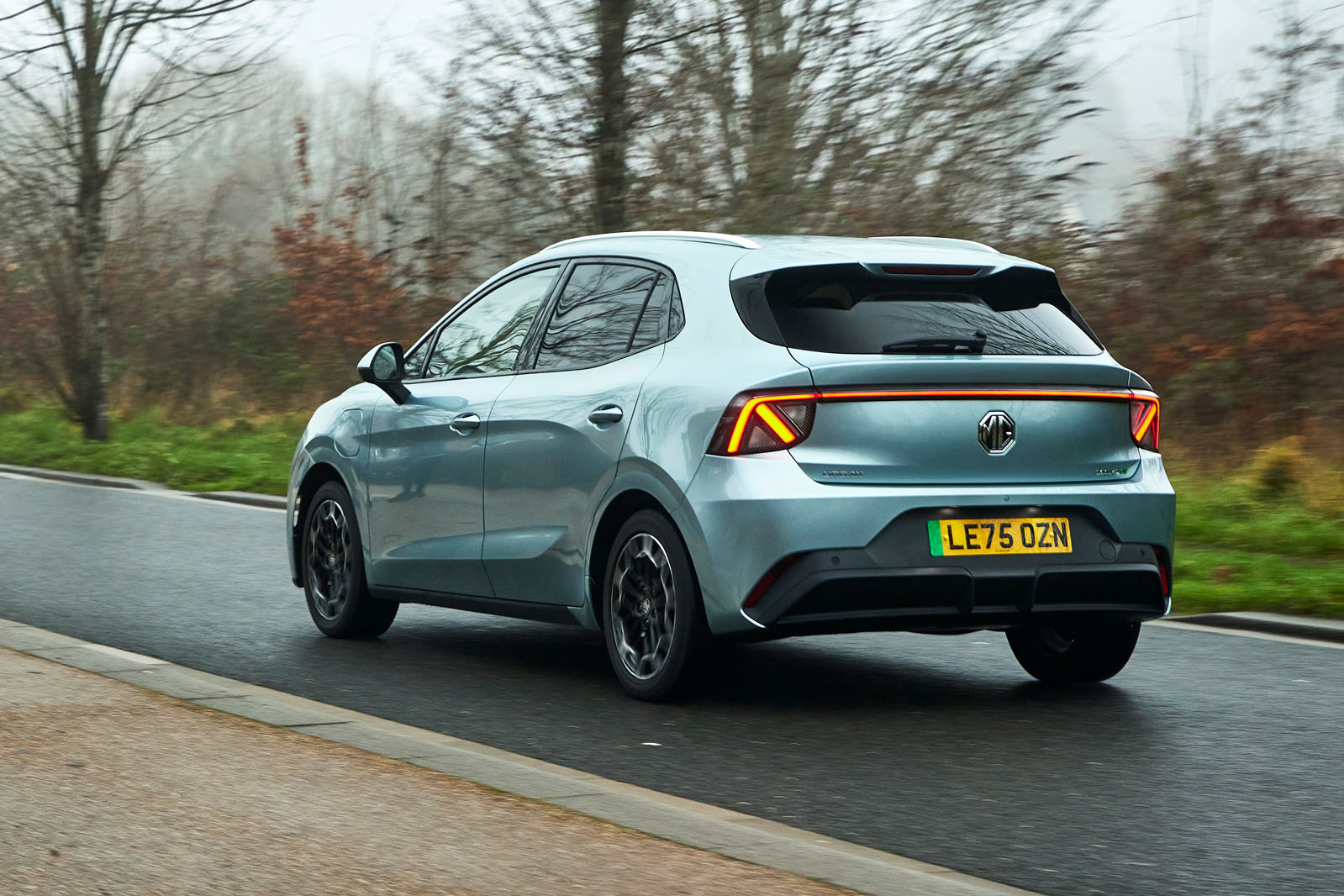
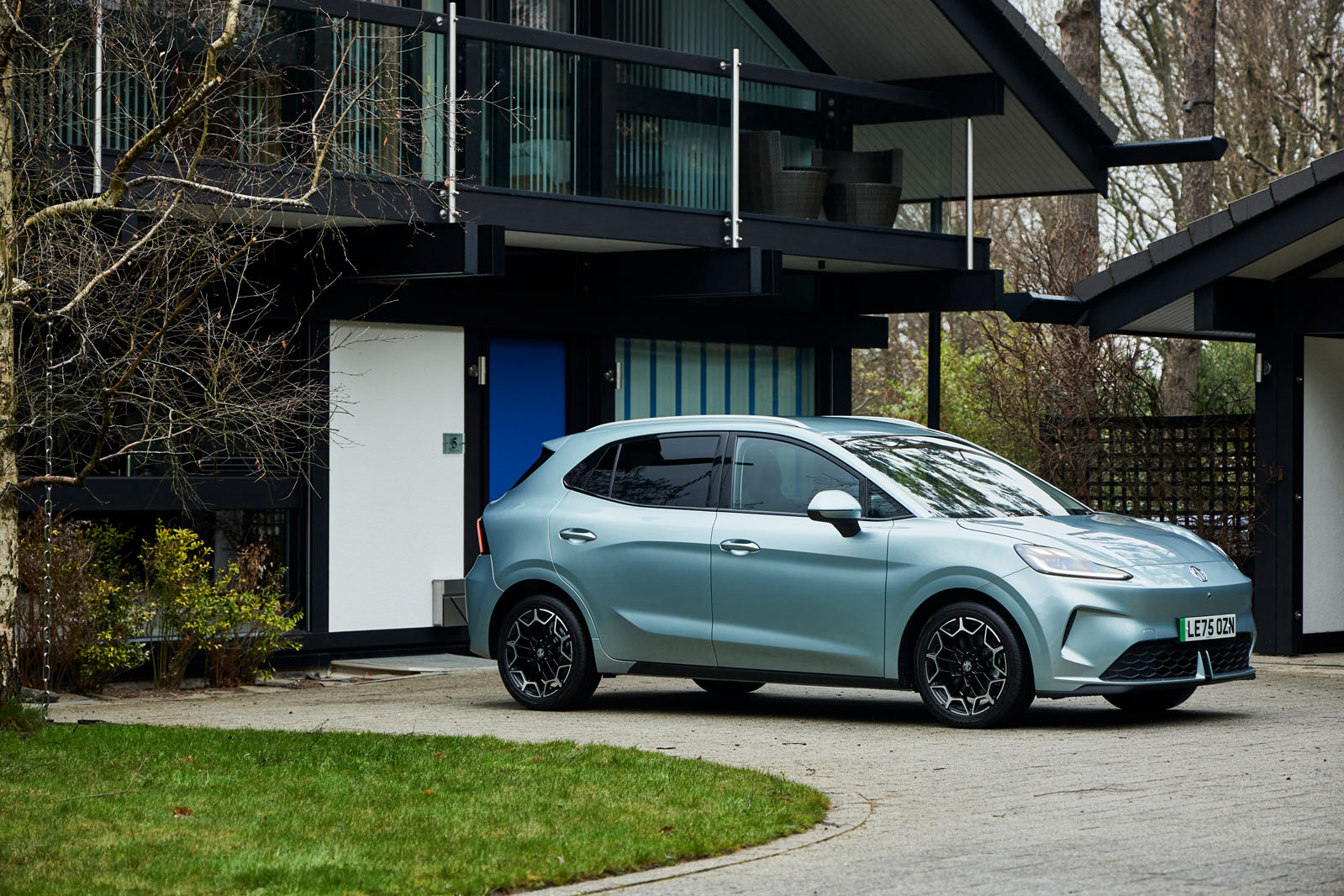
MG Motor UK is set to hold back the launch of the second-generation MG 4 EV, opting instead for a facelifted version of the current model, which has proven highly successful here.
The decision highlights a divergence in product strategy between the UK and China for the SAIC-owned marque, which is capitalising on the established appeal and momentum of its first electric car platform in the UK.
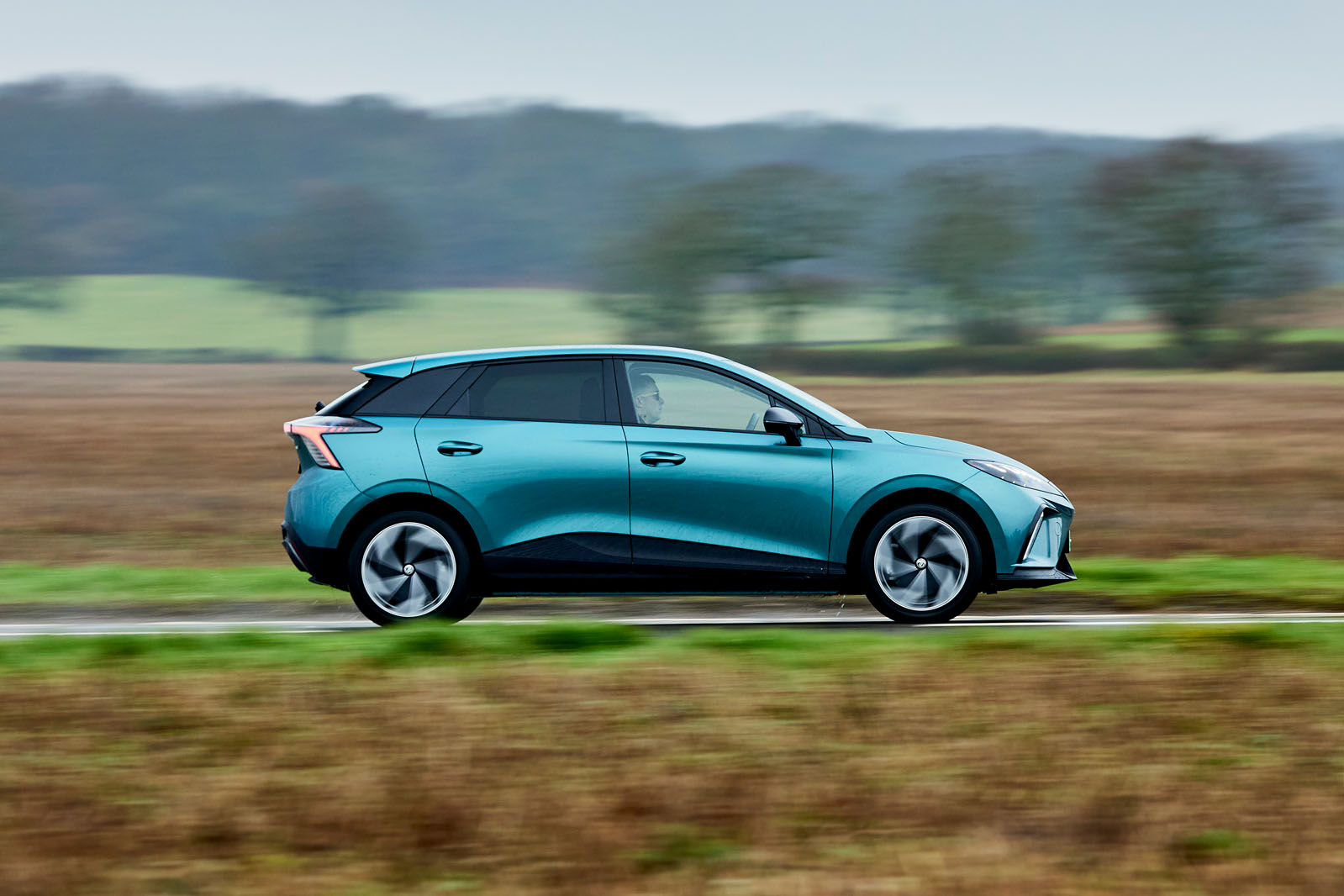
The all-new 4, which entered the Chinese market in March, represents a significant engineering shift. It's built on a next-generation EV platform, is 100mm longer and moves from rear-wheel to front-wheel drive.
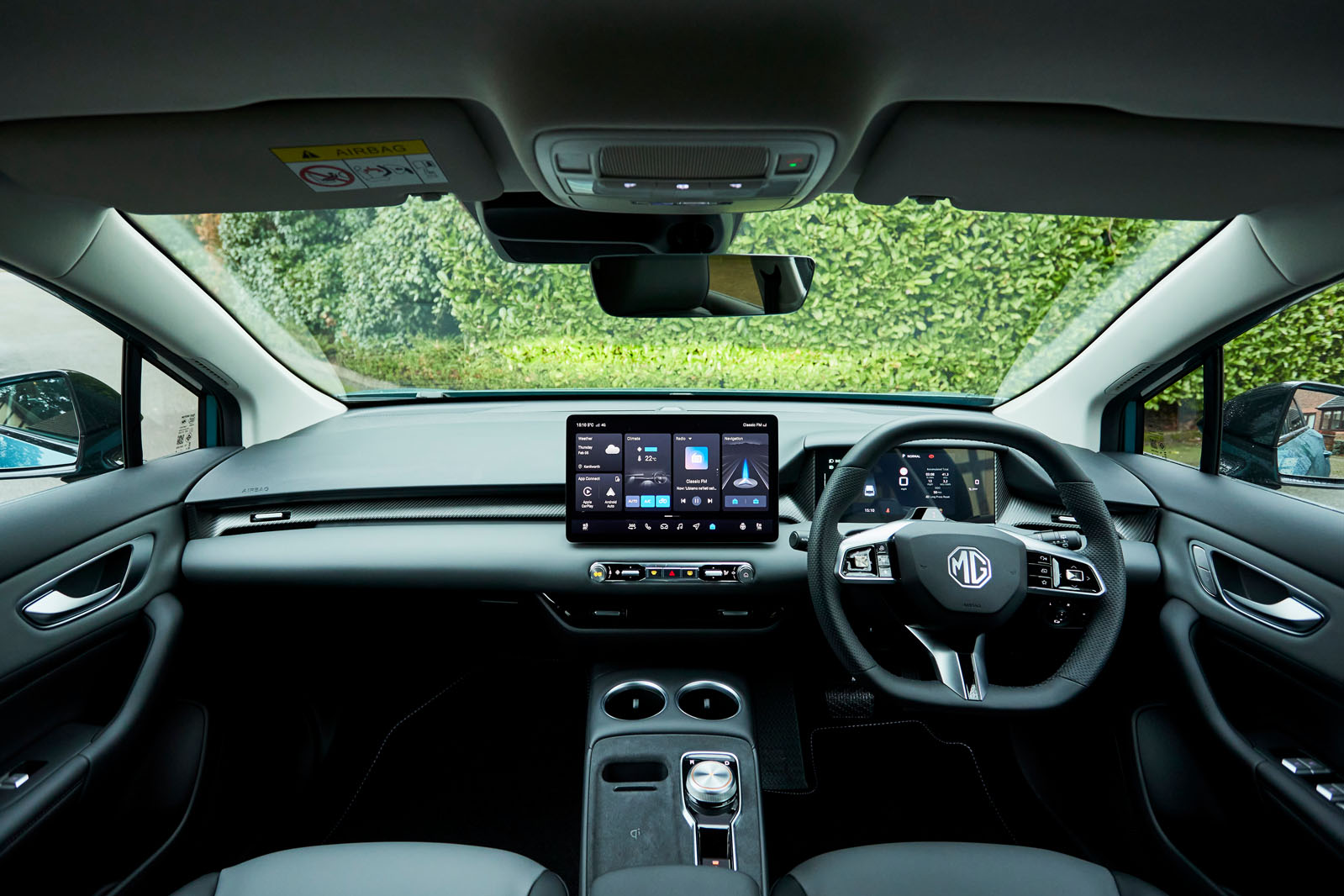
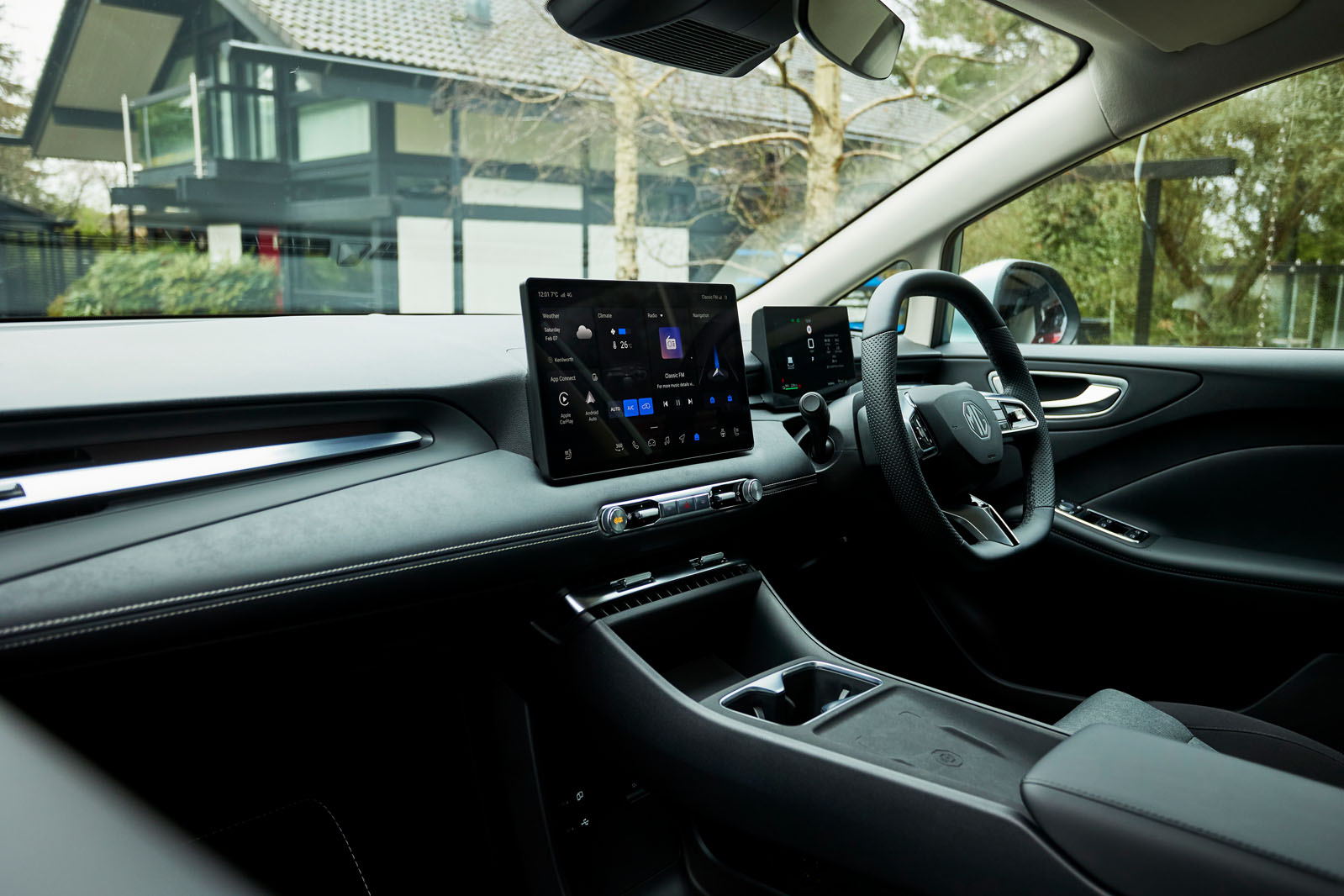
It car also features a distinct, Cyberster-inspired aesthetic and an updated cabin, aligning it with the brand's newer S5 EV crossover.
When the new car's design was registered with European legislators, expectations were that the car would, following its Europe launch, come to the UK too.
However, MG Motor UK will introduce a facelifted version of the current 4 instead, its boss David Allison has told Autocar.
“The 4 is now our oldest car, so it's due a facelift, which will happen relatively soon," he said.
“There’s another MG 4 EV in China; it’s kind of a second-generation car. The MG 4 EV as we know it has been wildly successful in Europe, particularly in the UK. But it’s a different story in the domestic market. So they have changed the car quite quickly.”
Allison indicated that the UK is positioned to eventually adopt the new car's underlying technology, however: "It's the next-generation platform, so for the next evolution or the next generation of EVs, that’s the platform we would get."
When pressed on the timeline for introducing the second-generation 4 to the UK, he said: "As with lots and lots of cars, there are plenty of cars that are sold in the domestic market that we don't take, but we have options. So if it's decided and we think that there is an opportunity for that kind of car, we will certainly take it."


Once upon a time, back in the annals of history, there may have been an explosion of UK automotive sales greater than that of MG's recent, towering success in this country a 620% leap from 13,000 to 81,000 cars in the four short years between 2019 and 2023.
If so, no one can remember it, and experts reckon MG is safe to claim a most remarkable record.
However, even if there had been a rival high achiever, it's vanishingly unlikely that the pretender would have achieved its feat as MG did while the supporting market around it collapsed in one disastrous year from 2.3 million cars to 1.6 million, as happened in Britain during the first Covid year.
MG's prodigious rise against the most powerful of trends will always loom large in the annals of automotive success.
This is just one of the reasons why Autocar decided to choose MG as its Manufacturer of the Year for 2025, the others being the fact that a large measure of the company's success is due to the work of a British-led design team, centred in a compact studio atop MG Motor UK's imposing headquarters not far from Madame Tussauds in Marylebone, London.
It is run by design director Carl Gotham, whose team count the super-successful 4 EV and the more recent Cyberster sports car among a number of successes, many of which they can't tell us about.
How on earth did all this happen? When MG left British ownership in 2005, it bumped along for years, sometimes making 5000 cars a year but never coming to notice.
Then the wind changed. MG's UK commercial director Guy Pigounakis and the company's head of product and planning, David Allison, both highly experienced industry executives, were drafted in by European chief William Wang to join a tight-knit group of like-minded experts to take MG on what would soon turn into a wild ride.
Pigounakis, Allison and their tiny team of management personnel are rightly proud of their achievement, but they attribute it to an extraordinary range of factors while modestly failing to cite their own inspiration.

Both men were already highly experienced in the retail car business before coming to MG, and both had played important roles in the rise of Hyundai, a previous 'shooter'. They, like many bosses of British dealer groups at the time, were curious about the prospects of the Chinese cars that had begun arriving here in numbers.
However, Pigounakis, who had also been commercial director of 'old' MG, before its sale, had already helped to demonstrate the marque's potential by persuading the south-coast dealer group for which he was working to open a 'new MG' dealership on spec and then he helped add another three to the business when sales took off.

"William Wang came to see us on the south coast," says Pigounakis, "and we all started talking about then working on MG's future. We took a deliberate decision to link it with other franchises some Ford, some Vauxhall, some Stellantis brands. Between me, David and several colleagues, we reckoned we knew every dealer group boss in the UK, independent or public. We found there was a level of awareness of and affection for MG that we could build on."
MG began its phase of rocket-propelled progress, aided by the recent arrival of its first pure EV, the ZS. The sheer value seen in MG's pricing the cars typically cost 75% of rival models that offered less standard equipment and a warranty much shorter than MG's generous seven years propelled sales.
Clever positioning of dealerships that recognised customers' reluctance to travel helped a lot. Then the British-styled 4, a pure and practical EV, arrived at £25,990 to put MG back on the map and 'sell' British buyers on affordable electric power.
Were MG's men surprised by the reception? "Not entirely," says Allison. "We had the name, the dealers, the equipment and the warranty. And our technology left a lot of rivals playing catch-up. There was another effect we noticed: the electric car market was more brand-agnostic than the old one. Traditional manufacturers didn't have the hold on customers they had been used to."

Under the guidance of strategy guru Allison, MG has prospered by specialising in just four sectors: B-segment supermini, B-segment SUV, C-segment hatchback and C-segment SUV that account for around 80% of sales in the UK.
The expansion levelled off at around 84,000 sales last year (nearly matching longer-established Hyundai), partly because the rival count has increased and because 'legacy' brands such as Vauxhall have learned how to sell cars at lower prices, having said for years it wasn't possible.
What of the future? Pigounakis reckons it's time to go back on the offensive, although not to push again for explosive expansion.
The current business size is close to ideal for volume-versus-profitability calculations, as well as for making a decent job of dealing with existing customers and keeping dealers happy. "Besides, if we had kept on expanding the way we did," he jokes, "we would pretty soon have been the only people selling cars in Britain,
Before the year's end, we will see a revised 4, improved in function and materials quality along the lines of the recent, excellent S5 EV. And there will be another SUV, a size bigger than the S5. Even more new metal is due in 2026, but the UK takes only a fraction of the company's global model line-up, so the Brit managers feel they have time to decide what comes next.

MG's British design studio is the only one I've ever visited that sits on the roof of an office building. It occupies the entire top floor of the company's Marylebone headquarters, within sound and view of London's buzzing traffic but insulated from both by its own calm, creative atmosphere.
Car companies have always liked to put designers where they can be influenced by the ebb and flow of modern humanity, and this seems the ultimate expression of it.
The studio and its shifting population of 30-odd occupants moved to London in 2019. Before that they were in Birmingham, in less salubrious conditions. Design director Carl Gotham remembers those days well. He joined MG in 2005, just before Nanjing merged with SAIC to form the current ownership structure, which over the years has done much to build MG's modern era of success.

When Gotham joined, the major task was to create the first MG 3 supermini, a car that ploughed a long furrow in the market, having been launched in 2011, progressed through two facelifts (2013 and 2018) and then ending production in 2024 when supplanted by an all-new replacement. But MG Design's most productive period began when it moved to Marylebone in 2019 and produced eye-catching models such as the 4 EV family hatchback and the Cyberster sports car, plus various supporting models, all with Gotham as director of advanced design.
Gotham talks mostly in interviews about the MG brand, because that's what we see in this country, but he and his team are also instrumental in creating cars for SAIC marques that don't come here, along with other MG models that the UK strategists prefer not to take.
The car that really brought MG to notice was the British-styled 4. The model is now approaching its first facelift and is viewed widely by pundits as the embodiment of the practical, affordable, electric family car. "Work began on that in 2019," recalls Gotham. "It was a big advantage to have a dedicated EV platform. The brief was to create a car predominantly for Europe, and that has proved to be a great move: we sold 45,000 units in the UK in less than three years."
Gotham says one of the greatest things about working at MG Design is his team's relative freedom to operate. The studio does its share of supporting work for projects that are led in China, but it takes the lead itself on many new projects, usually taking them to 'single theme selection' the point where a car's overall look has been decided. Then China takes over, producing full-size models (they aren't feasible in Marylebone) and the supporting engineering.

The UK-designed Cyberster sports car broke many rules. Almost as soon as Gotham took over as MG's design director (now advanced design director, in honour of the UK's emerging position at the sharp end of things), he promised his team they would do an MG sports car "with whatever we can find". The lingering question — who would buy a modern MG sports car and what would it be like? definitely needed answering.
The Cyberster had a very long gestation, because it was run like a proper old-school 'skunkworks' project: people had other work to do. It wasn't on any cycle plan and there were lots of unprecedented problems, such as the engineering of the scissor doors. But it was important to get the management on side, because such projects were unknown in China. When his boss came over to visit from China, Gotham hired a Mazda MX-5 and took him to lunch.

The Cyberster concept was unveiled on SAIC's Beijing motor show stand without its creators present, because of lockdown. Not being there to sell the idea must have been frustrating, but SAIC's chairman still liked it so much that he commissioned it for production on the spot, lobbing his Chinese engineers a problem because he wanted it, scissor doors and all.
Gotham and his team feel the Cyberster's success, plus the recent arrival of a new vice-president of design, Shanghai-based Jozef Kaban (ex of the Volkswagen Group and renowned for Bugatti's Veyron), bode well for Marylebone's future.
"Our successful projects have helped build an atmosphere of trust," Gotham says. "It feels like this is the start of the next chapter."


Not a fashionable ride right now, the MG TF, which is why you can install yourself in a runner for under £2000. And less still, if you’re willing to take on one needing a little work.
The TF, you’ll recall, was MG Rover’s 2002 facelift of the 1995 MG F, and a surprisingly extensive rework it was, too. Not many cars undergo a change of springing medium part-way through their lives. The MG F’s springs were Hydragas, so bumps were absorbed by nitrogen spheres, and fluid interconnection and clever valving provided the damping effect. The F had a remarkable ride and impressive handling as a result, but the cost of manufacturing these complex units in fairly low quantities eventually made a switch to conventional coil springs and dampers desirable.
The TF’s ride was never quite as good as the Hydragas F managed and it was made worse by the fact that the optional, stiffer sports suspension pack was inadvertently built into 1000s of TFs. But there were upsides to this update, not the least being a bodyshell that was 20% stiffer, sharper handling and a more connected feel via the electric power steering. MG Rover design chief Peter Stevens took the chance to update the MG’s look, too, reshaping it for a slightly more aggressive flavour.
Most obvious was the grille, now presenting body-coloured horizontal slots rather than the more traditional two-piece mesh grille, while the air intakes aft of the rear doors were reshaped with sharper, more defined lines, as were the bumpers, whose air intakes and extractors looked more business-like. The headlight internals were updated with small, circular lenses that were trendy at the time and the engine lid’s lip spoiler was more emphatically sculpted.
Inside, all was much the same, except that the seats were part-trimmed with a faux Alcantara suede that had the durability of a cheap T-shirt, the grey material soon resembling wet mouse fur. But that slightly unsavoury detail would emerge later.
When it was launched, the TF was considered to be an astute update of Britain’s best-selling sports car – yes, the MG F consistently outsold the Mazda MX-5 – and, indeed, in facelifted form, MG’s two-seater continued to hold the title.
![]()
It’s one reason why they are so cheap now: there are plenty of them, they have long been cheap enough to be used as a household’s second or third car, receiving minimal maintenance, and this in turn has accelerated the race to the bottom and a quickening attrition rate.
There are other reasons, of course, most infamously the head gasket troubles of the all-alloy K-Series engine, which will almost certainly undergo at least one off-with-its-head moment during the car’s life. The MG F and TF are more prone to this failure than the front-drive Rovers for which the engine was designed. That’s largely a result of the challenges of cooling a power unit deliberately designed to run with less coolant, to save weight and speed warm-up, being amplified by sandwiching it in the middle of the car. This failing certainly depresses prices but also means there are bargains to be had because people are put off, despite there being plenty of specialists who can fix MG Fs for sensible money.
The K-Series is worth the trouble, too. It’s keen, revvy and powerful for its size and it delivers unexpectedly strong high-rev zest in VVC form. Perfect for a sports car, in fact, which is why Lotus used it for the Elise. The TF still produces a great drive even by today’s standards, the unusual balance of both the F and its update making it one of the safest-handling mid-engined cars ever built. Which is why the post-MG-Rover-collapse SAIC reissue of the car in 2007 did not mean that it was totally outclassed, dynamically at least. SAIC improved and updated the car during its life, tweaking the suspension, updating the instruments and painting it in bolder, more modern colours. There was a sought-after limited edition, too.
That wasn’t enough to arrest its decline, though, the ageing, cramped interior taking it out of contention for most buyers. Production finally ended in 2011, after an impressive 16-year run, less the two-year pause following MG Rover’s collapse.
The late, SAIC-built cars, of which there are far fewer, command the highest prices and very low-mileage examples are nudging £7000. But shop carefully and you can have yourself a thoroughly enjoyable sports car for the price of a few PCP payments.


Europe's leading safety testing organisation has identified a “critical safety failure” with the driver’s seat of the MG 3, prompting an urgent update for the supermini.
In Euro NCAP's frontal offset crash test (in which 40% of the car’s front end collides with a barrier), it found the 3’s seat latching mechanism failed, causing the driver’s seat to twist during the impact.
This caused a more severe impact on the crash test dummy’s right leg than if the seat had remained in place, resulting in a "poor" score for protection of the driver's right femur.
Euro NCAP said it had never witnessed a failure of this kind in its 28 years of crash testing.
The organisation added that MG implemented changes to reinforce the latching mechanism in August.

Euro NCAP also found that the driver’s head could "bottom out" through the airbag in a crash, meaning it graded the 3’s head protection as only adequate.
MG has promised to tweak the airbag in October, Euro NCAP said. However, the seat and airbag changes won't be applied to 3s that have already been delivered to customers since the model's launch last year.
Euro NCAP said it has reported the faults to type-approval authorities so that they can decide whether to issue a recall.
A spokesperson for MG Motor UK told Autocar: "Based upon a specific concern raised in the Euro NCAP test regarding a mechanism on the driver's seat, which did not affect the overall safety rating achieved by MG3 Hybrid+, MG is pro-actively investigating this and working closely with the relevant authorities.
"With a technical appraisal underway, we are presently not in a position to add any more at this stage. We wish to reassure all customers that Euro NCAP's feedback is valued and that MG is prioritising the matter and will naturally, be providing further updates."
Following the findings, Euro NCAP said it will implement changes to how it scores crash tests; it doesn't currently have a mechanism for penalising cars in the event of component failures, so the 3 scored four stars out of five.
“This is an almost unheard-of occurrence, but one that Euro NCAP will address through changes to our protocols and scoring so we can reflect any failure,” said Aled Williams, programme director for Euro NCAP.


Submitted by dev_editor on