
Ford could make further UK workforce cuts beyond Bridgend in the event of a no-deal Brexit, according to the firm's European president, Stuart Rowley.
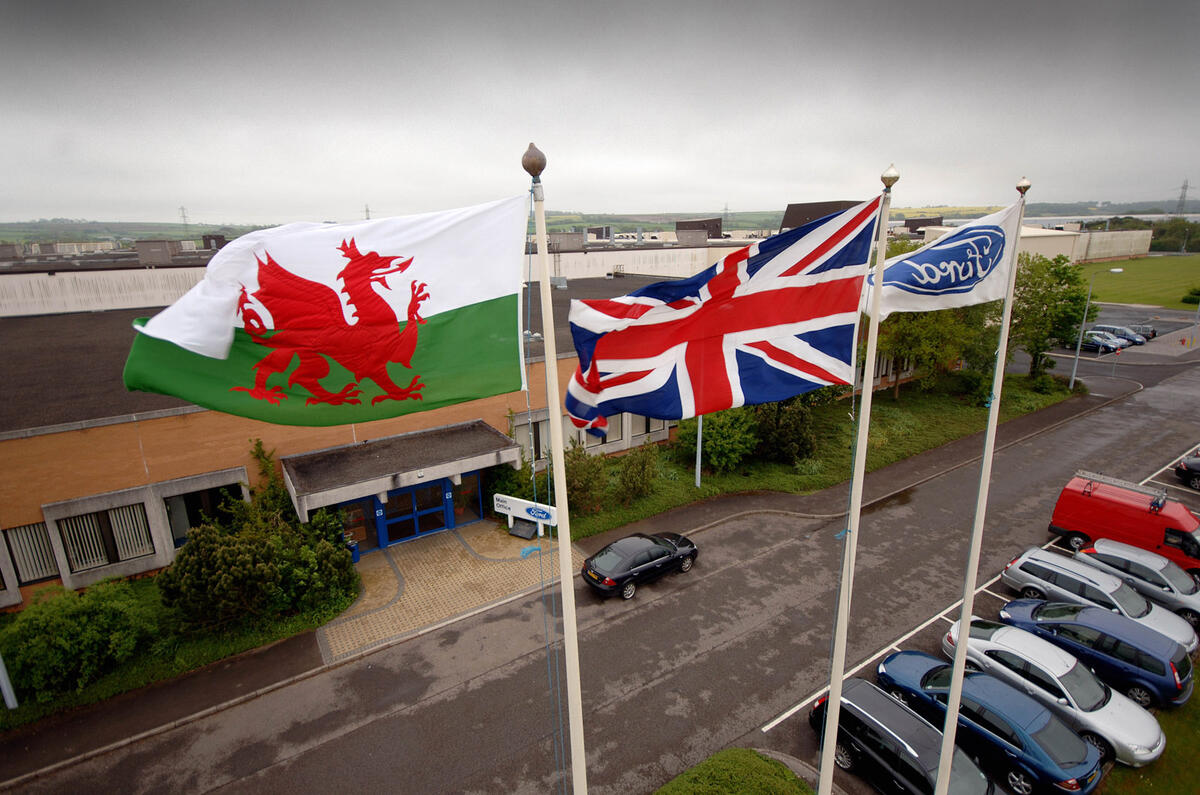
The statement comes after Ford confirmed plans to close its engine plant in South Wales as part of a wide-reaching restructure of its European business. Around 1700 jobs could be lost as a result. According to a letter sent to employees, the job losses will be conducted in phases, starting from September next year.
When asked if further job losses could come in the event of a deal with the European Union not being struck, Rowley said: "Should a no-deal Brexit happen, we will need to evaluate the environment with regards to tariffs and customs issues - we’re hoping that doesn’t happen. If the business environment changes significantly, we will have to review our business plan."
Despite this, Rowley claims that the decision on Bridgend was "nothing to do with Brexit", stating: "If Brexit had never happened, would there be a different decision? The answer is no."
The firm has started a consultation to close the Welsh facility, talking to unions and agreeing an “enhanced employee separation programme”.
Why Ford is closing Bridgend plant
Ford lists a number of factors for the closure of Bridgend, centring on the “significant underutilisation” of the plant’s capacity of 750,000 engines per year. The approaching end of production of the AJ-V8 engine for Jaguar Land Rover - moved to the firm’s Wolverhampton plant - and Ford’s Sigma engine is cited, alongside a reduction in global demand for the 1.5-litre three-cylinder Ecoboost motor (used in the Fiesta ST and Ford Focus).
Production of the latter engine is proposed to end at Bridgend in February, with the supply of Jaguar engines stopping in September 2020, when Ford intends to close the plant altogether. It has set aside around £500 million for costs associated with the closure, the vast majority of which is set to be paid to employees as part of “separation and termination payments”.

“Creating a strong and sustainable Ford business in Europe requires us to make some difficult decisions, including the need to scale our global engine manufacturing footprint to best serve out future vehicle portfolio,” said Rowley.
“We are committed to the UK. However, changing customer demand and cost disadvantages, plus an absence of additional engine models for Bridgend going forward, make the plant economically unsustainable in the years ahead.”