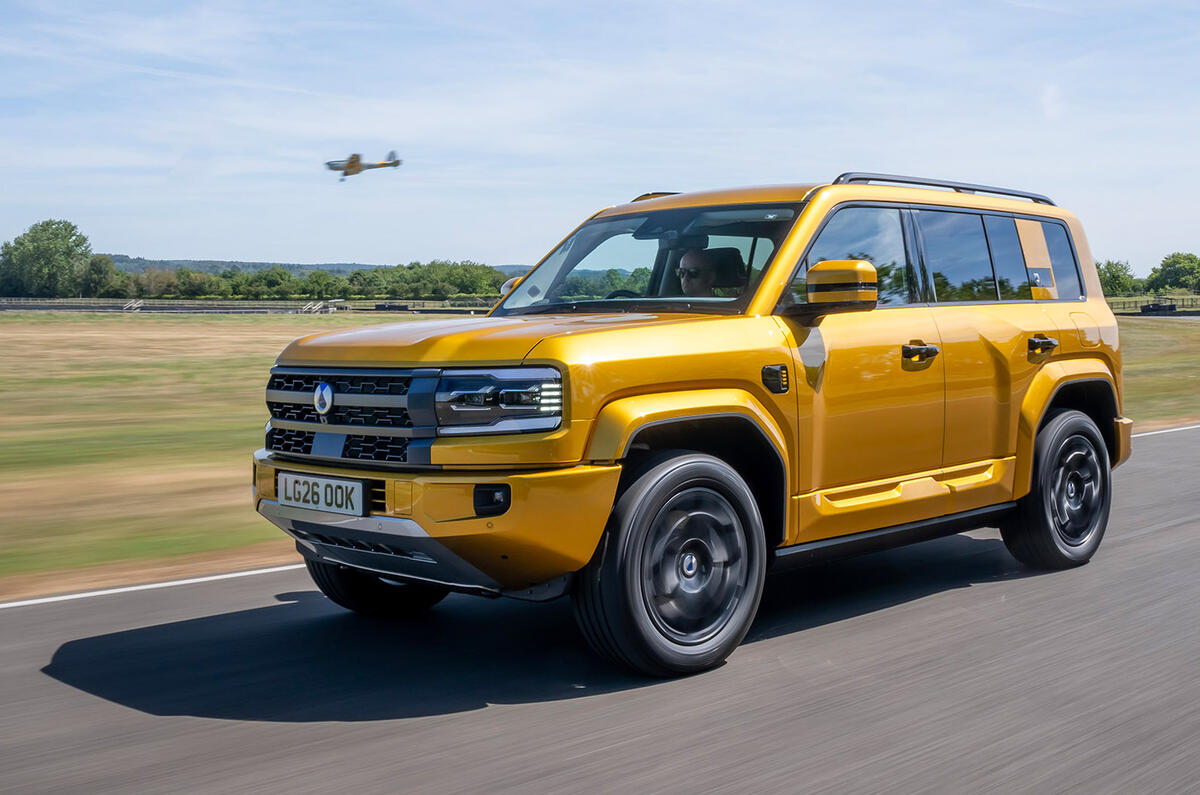
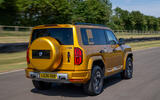
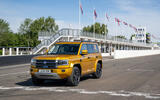
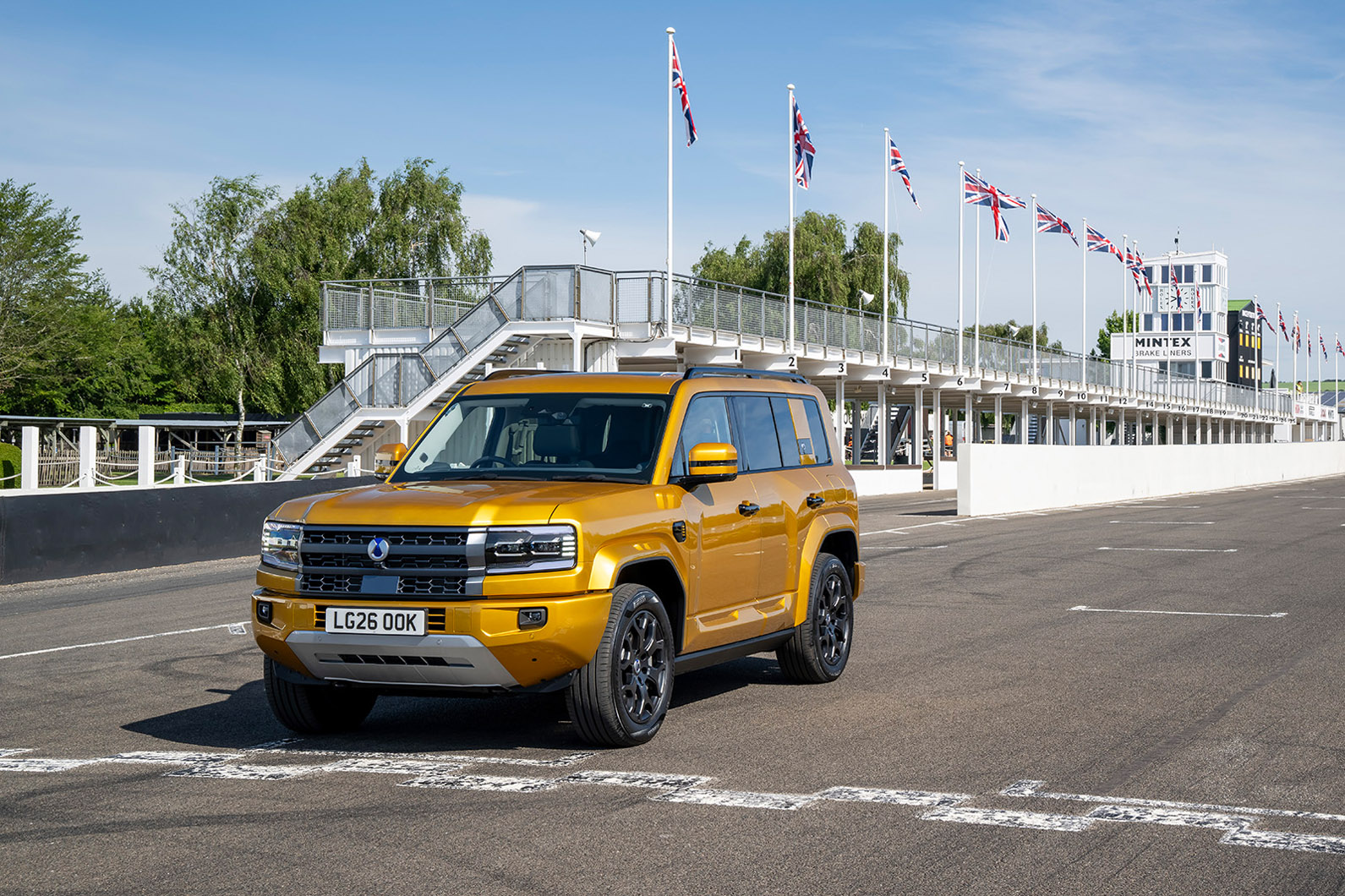
Chinese car-making colossus BYD has come and had a go. Is its Defender-fighting tough guy hard enough?

Find Denza Bao 5 deals
Other Services
Sell your car
84% get more money with

You might not feel like you know Denza - the new ‘technologically-oriented’ premium brand of burgeoning Chinese car-making powerhouse BYD - very well at present. But if you’re headed to the Goodwood Festival of Speed, you might just end the weekend feeling like you know it quite a lot better than you used to. 

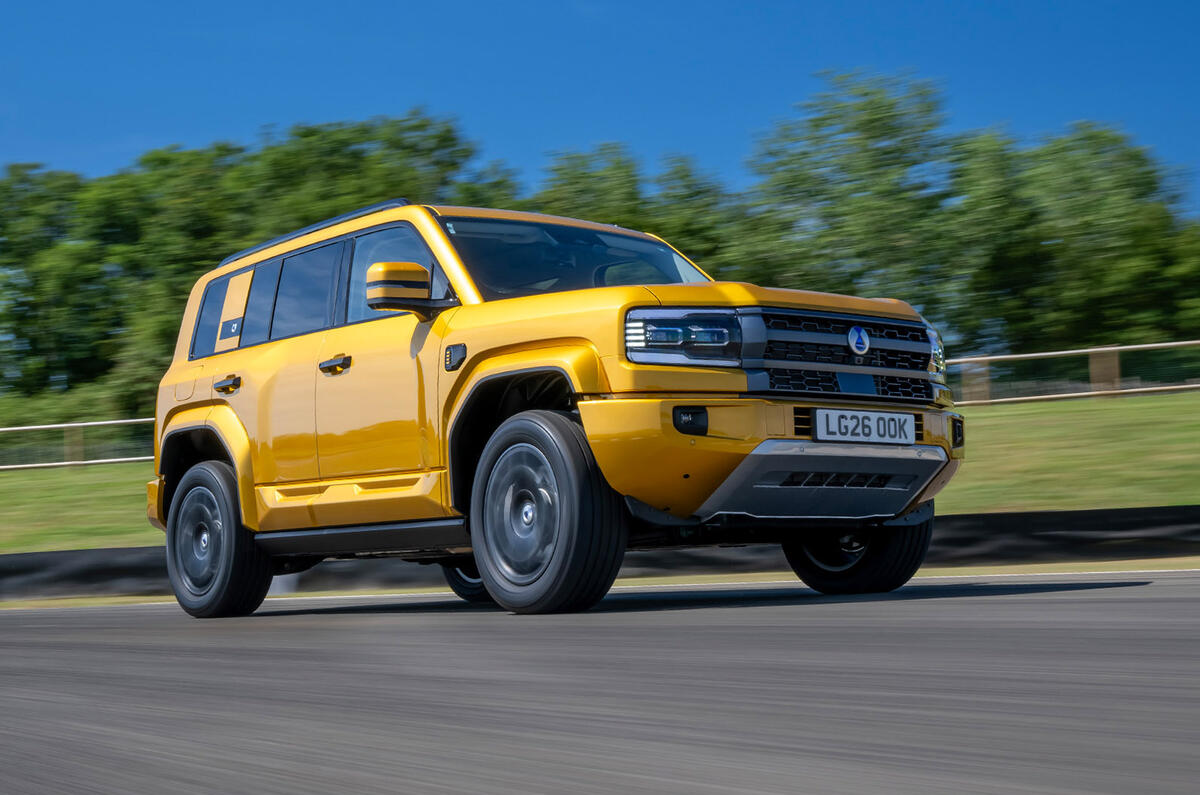
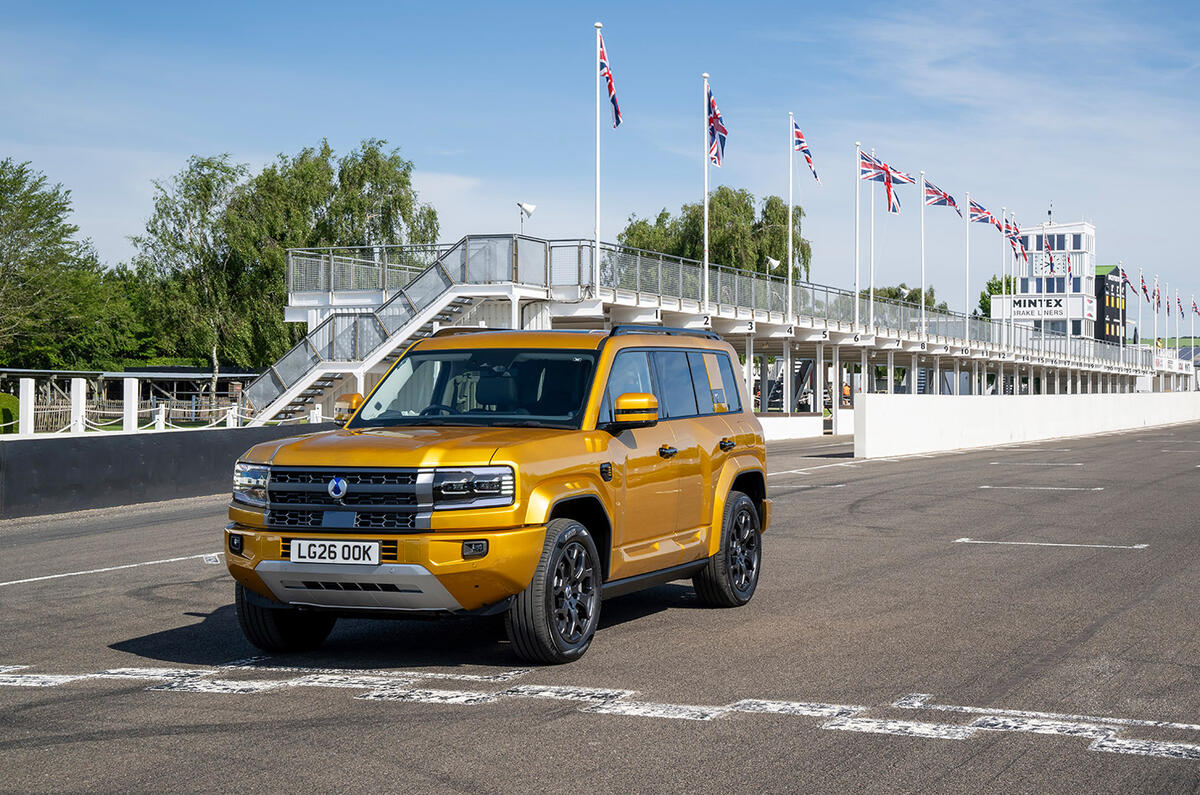
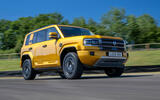
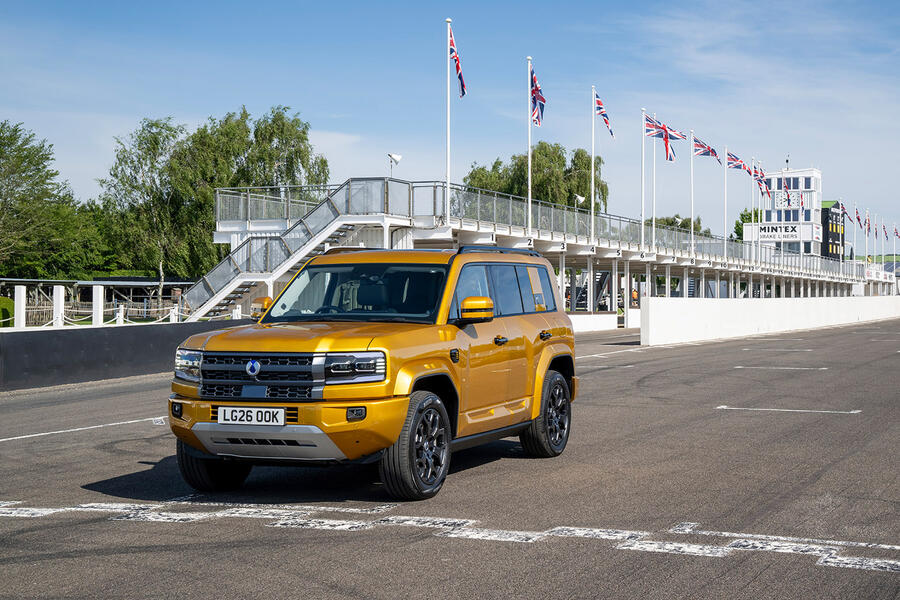
That’s because Denza has erected the biggest Goodwood show stand in ‘FOS’ history to mark its emergence in the European market in 2026. And taking centre stage on that stand is the Denza Bao 5: a tough-looking, mid-sized, capability-centred SUV which is one of the brand’s introductory models.

This car is set to use plug-in hybrid power, a bespoke offroading-orientated model platform, hardcore active hydraulic suspension and more to prove that Denza can be considered alongside marques like Land Rover, Toyota, Mercedes-Benz, Jeep and others. Can be taken seriously as a maker of the most capable off-roaders in the world. Evidently, it’s aiming to do it uncompromisingly, from a standing start, to make up for lost time.

But has it bitten off more than it can chew?

Advertisement

DESIGN & STYLING

BYD BOA 5 review 2025 02

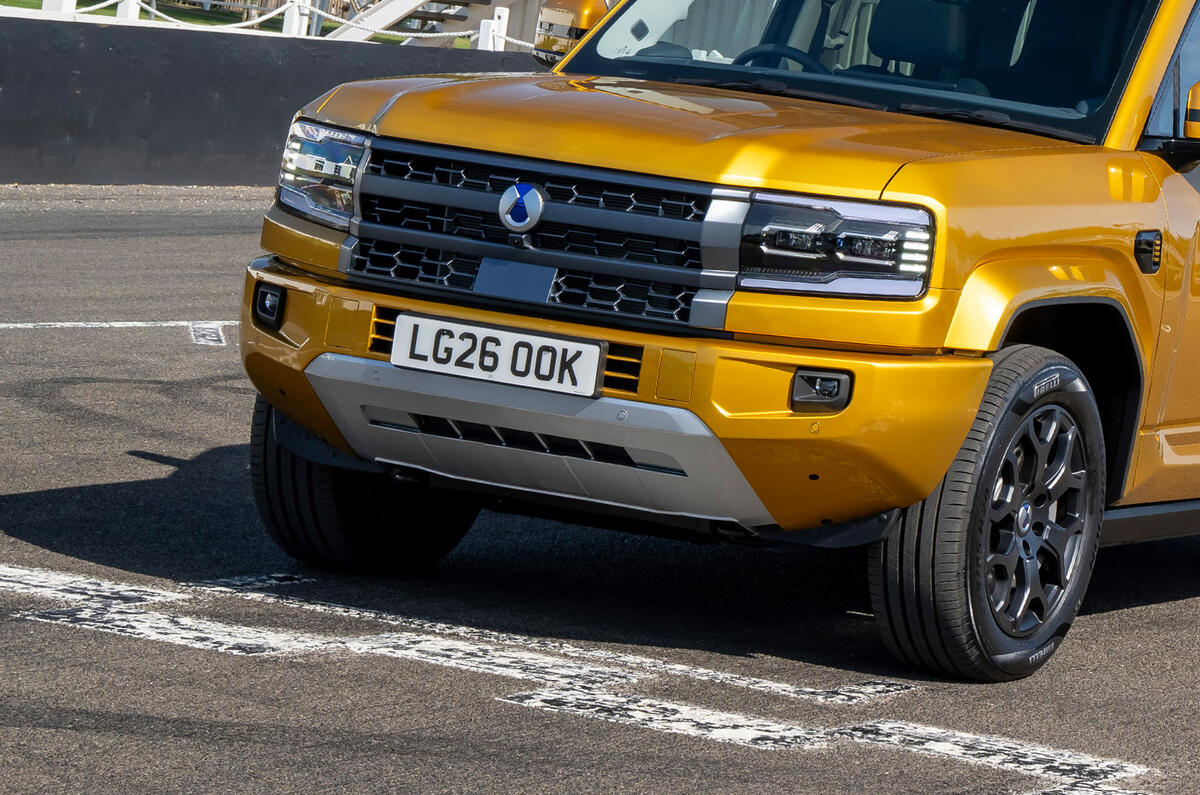
Given how well BYD’s big rival Chery has done in the UK lately with its ‘Temu Range Rover’ - the Jaecoo 7 - a cynic might well take one look at the Bao 5 and assume it’s more of the same. A ‘Shein Land Cruiser’, maybe. Well, assume again.

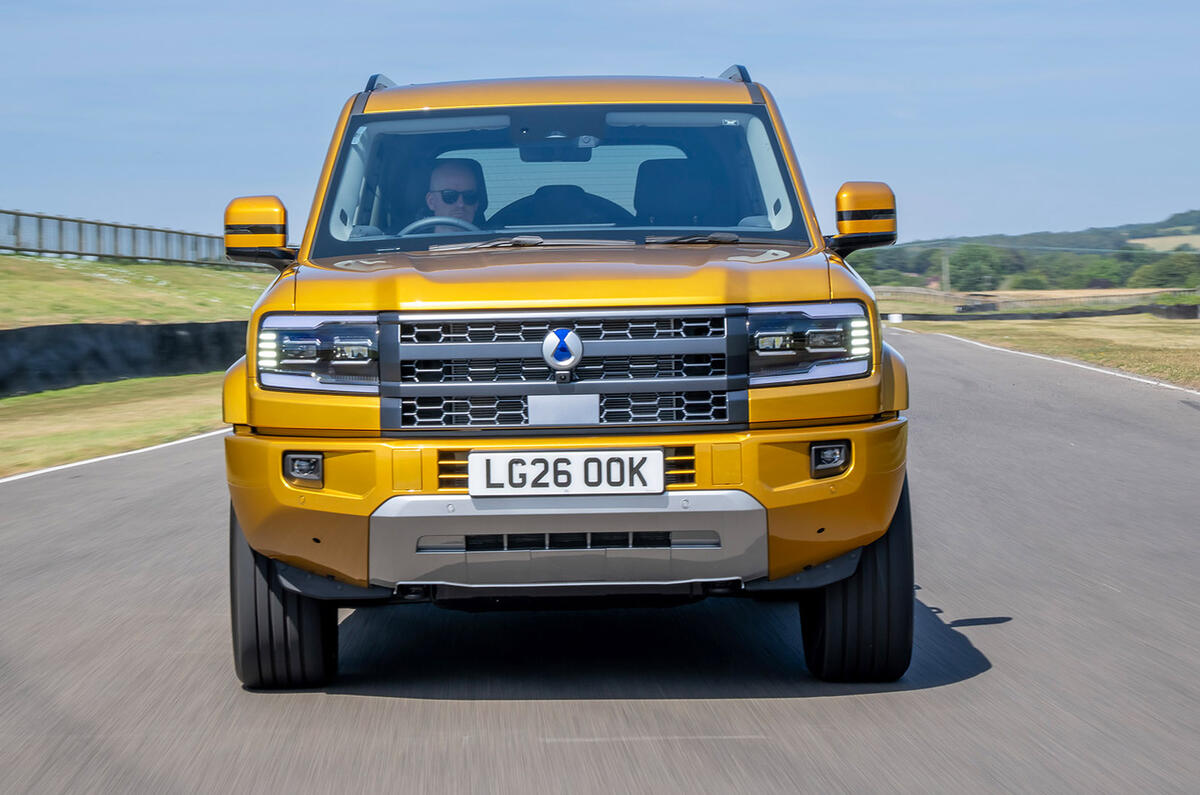
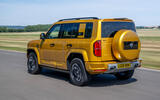
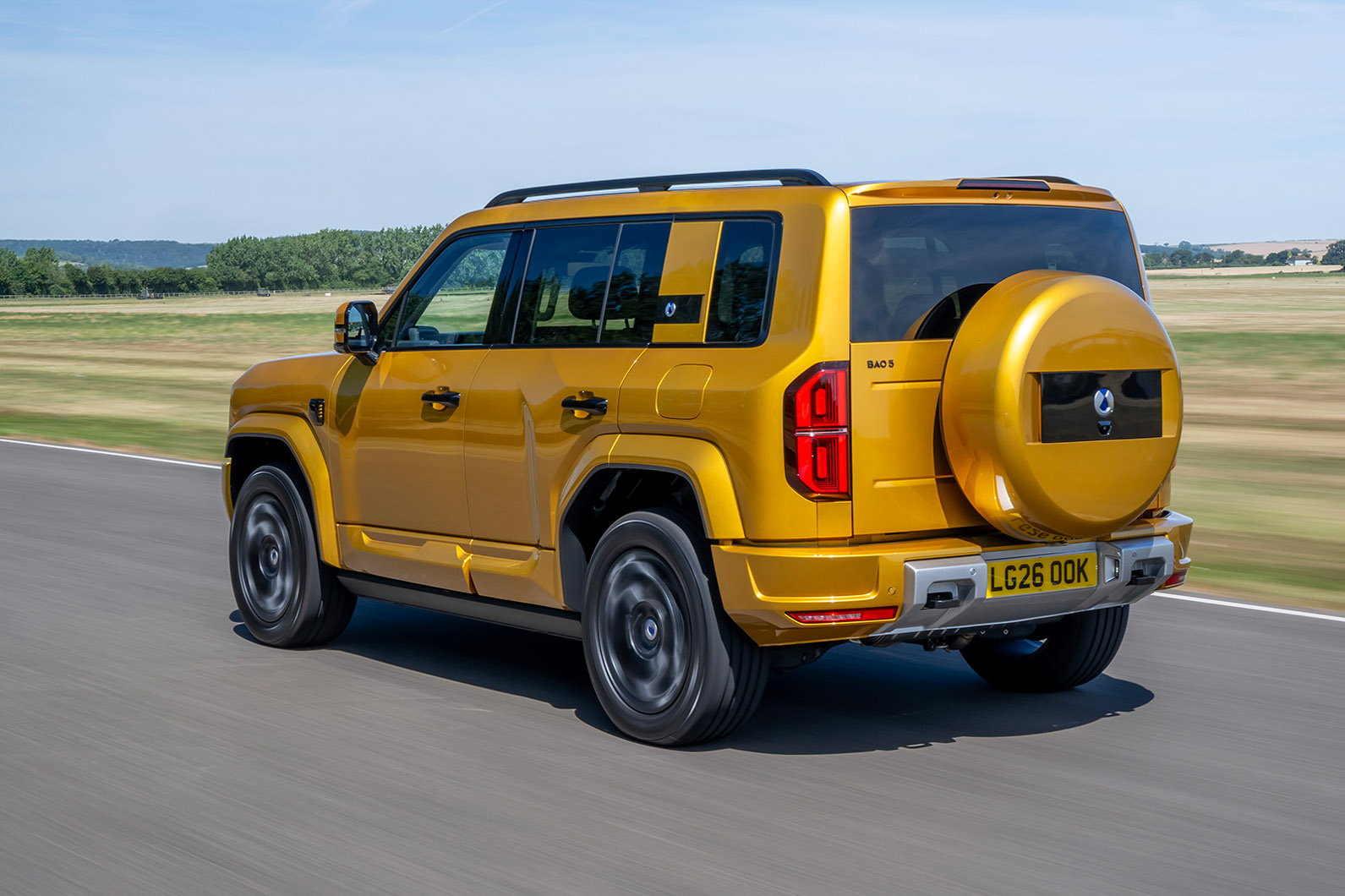
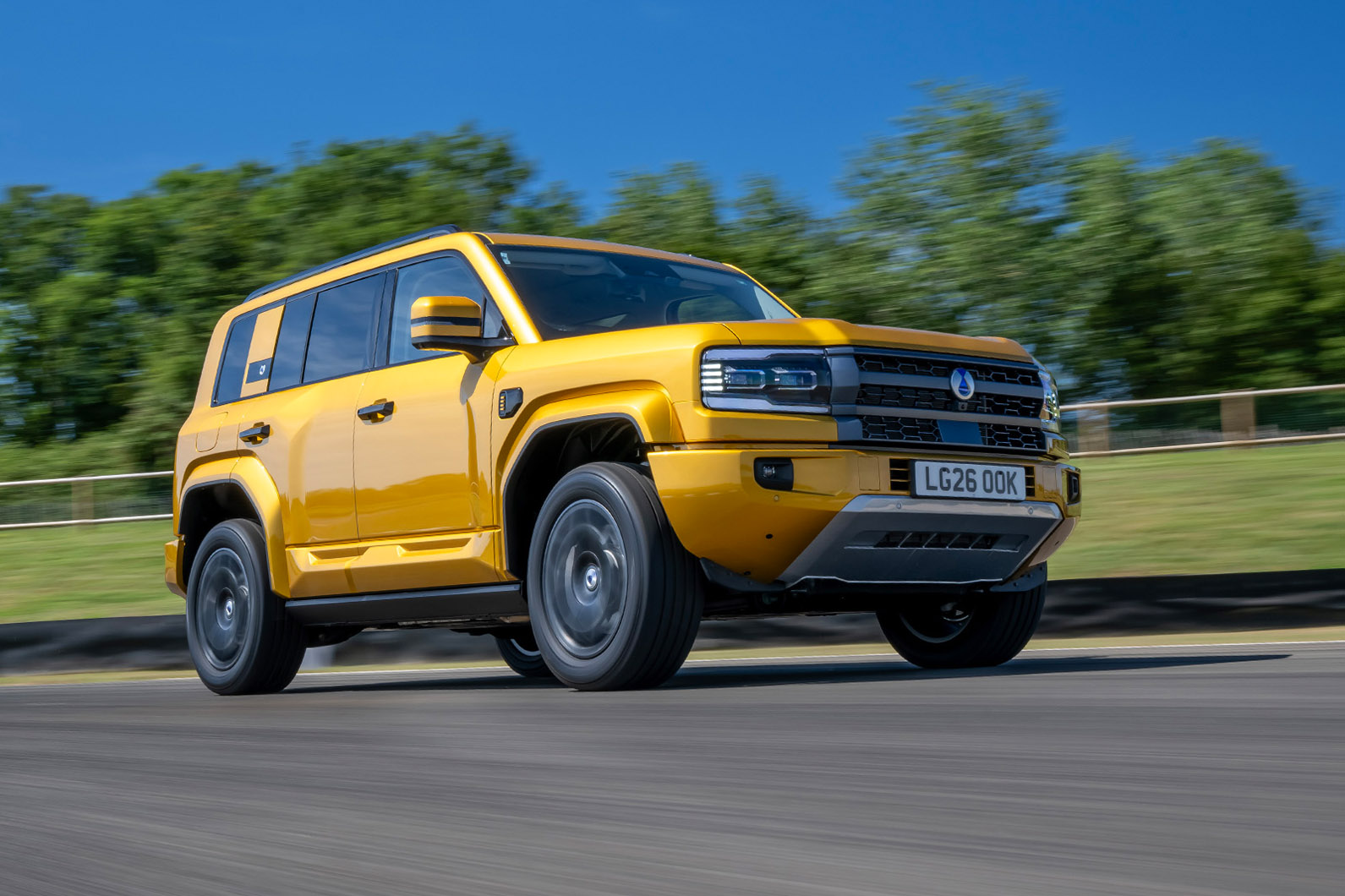
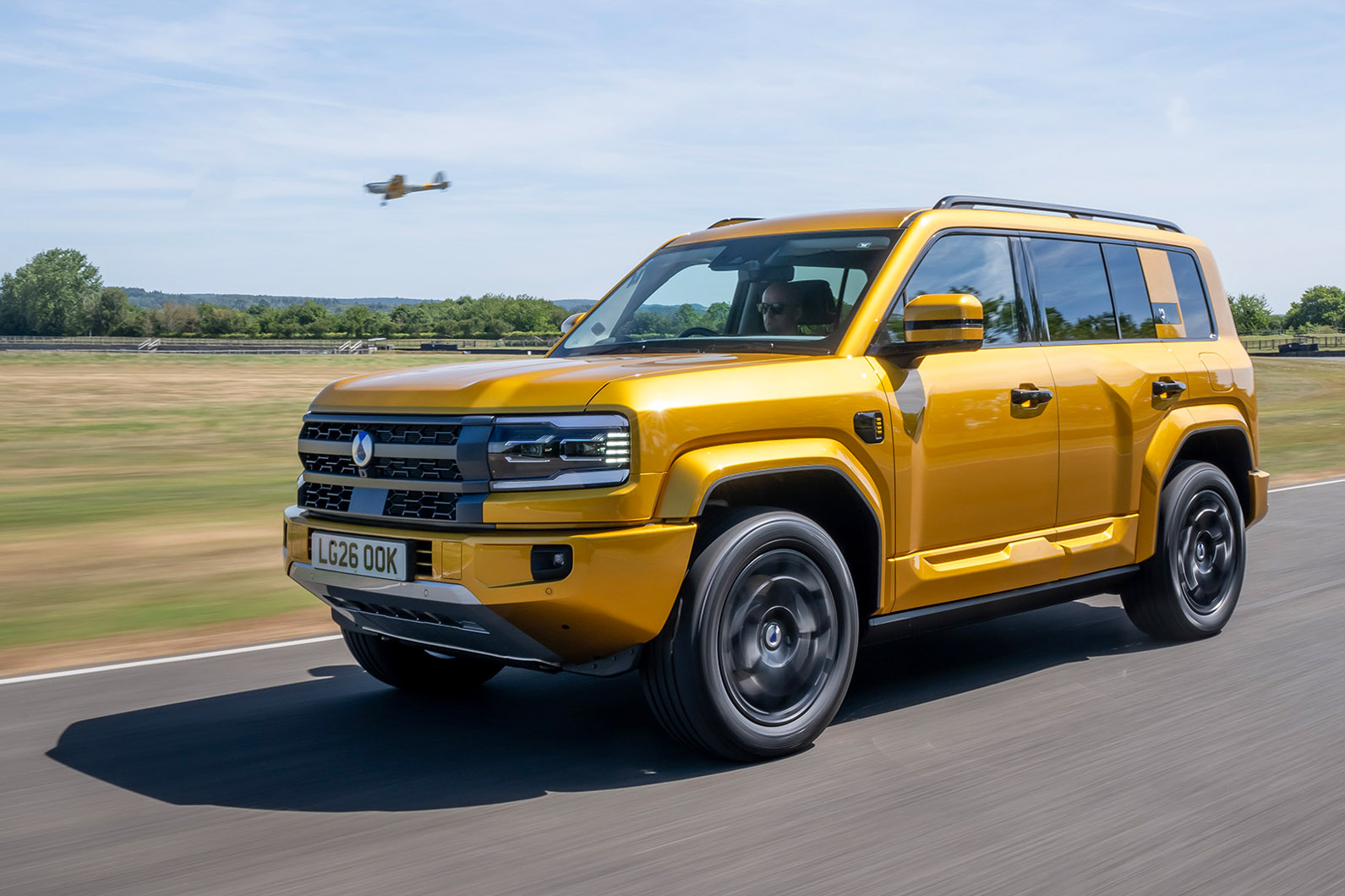
While it undoubtedly looks like a mix of Land Cruiser, G-Class, Defender and Grenadier all rolled into one, the Bao 5 isn’t short on substance to back up its visual attitude. It uses capability-enabling ladder-on-frame construction; can be had with active hydraulic suspension that gives it up to 310mm of ground clearance, and an approach angle of 39 degrees; and is powered by a twin-motor PHEV powertrain making a claimed 537bhp, and offering locking differentials front and rear, and even a ‘tank turn’ feature.

The car (which we’ve reported on before as the Fangchenbao Leopard 5, as it’s known in its domestic market; and also previously as the Denza B5, which it was planned to be called in Europe but, it transpires, can’t actually be for, ahem, legal reasons) is built on BYD’s DMO (Dual Mode Offroad) platform.

This exclusively powers plug-in hybrid offroaders, carrying one of BYD’s LFP-chemistry, ‘blade’-style battery packs within the separate chassis frame; in this case, with some 31.8kWh of total and usable capacity.

A 1.5-litre turbocharged petrol engine mounted longitudinally within the frame is the car’s primary power source, producing 148bhp at peak. But that’s teamed with a 268bhp electric drive motor for the front axle, and a 382bhp one at the rear; for peak ‘system’ power of 537bhp, and torque of 561lb ft.
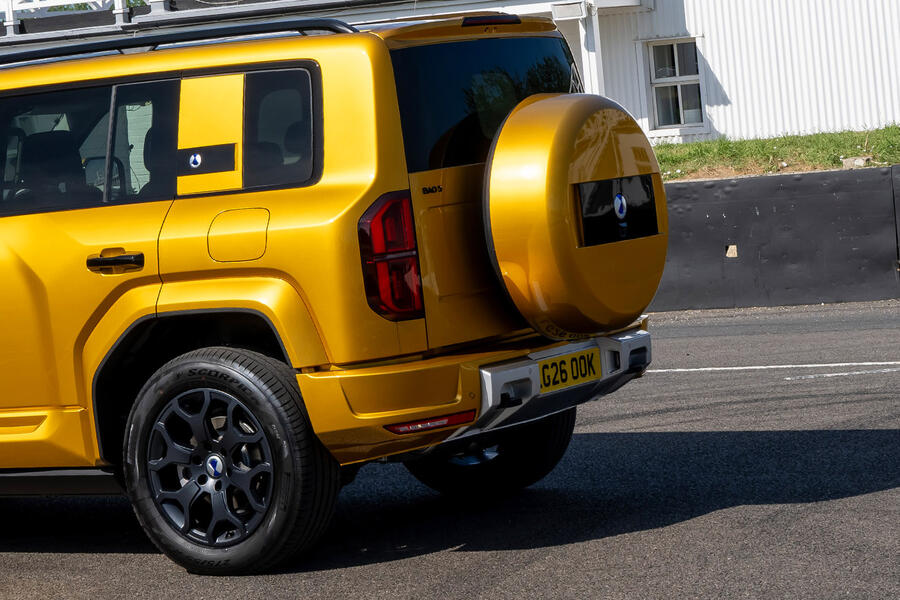
The car uses double wishbone axles front and rear, and steel coil springs as suspension in entry-grade form; and has 220mm of ground clearance. Upper-grade ‘Ultimate’ trim adds BYD’s ‘DiSus-P’ active hydraulic suspension, however, which brings up to 140mm of ride-height adjustment (90mm up, 50mm down) - as well as adaptive damping, self-levelling, and independent wheel manipulation during extreme offroading.

The car has a 2.5-tonne towing capacity; electric-only range of 56 miles; and itself weighs either just under-, or just over three-tonnes, depending on equipment level. That last bit makes it heavier, even, than most of its competitors - although none of them have been electrified to the same extent.

INTERIOR

BYD BOA 5 review 2025 05

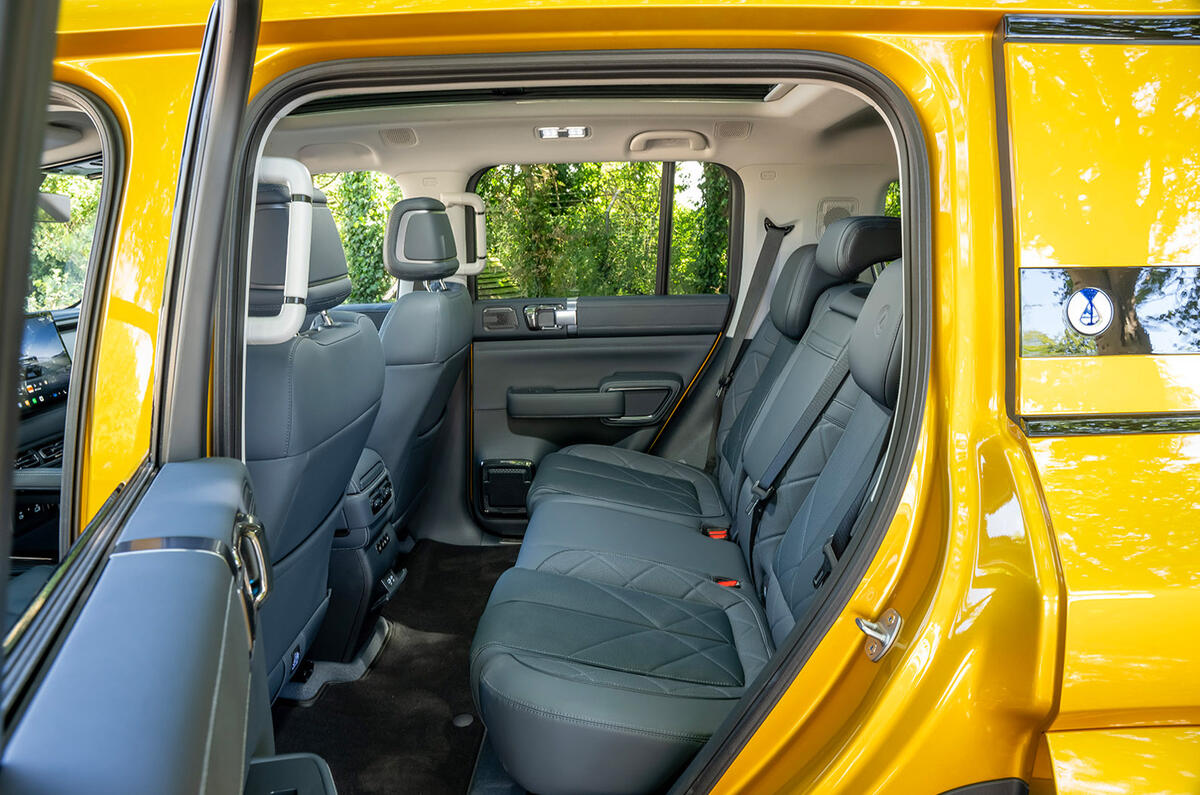
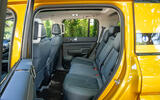
The Bao 5 is a 4.9-metre, five-seat SUV that offers practicality and carrying versatility comparable with a Land Rover Defender 110, Toyota Land Cruiser, Jeep Wrangler or Ineos Grenadier. It offers plenty of space for up to five adults; but there’s no six- or seven-seat cabin configuration. 

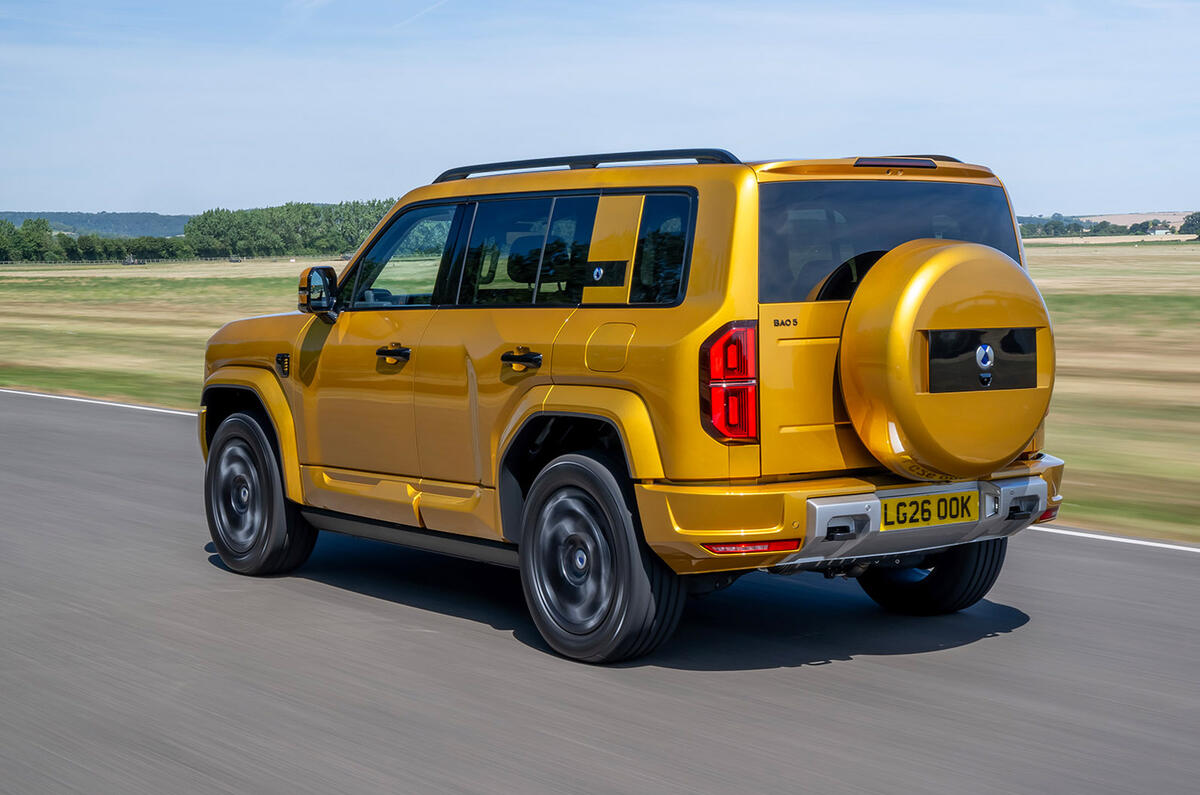
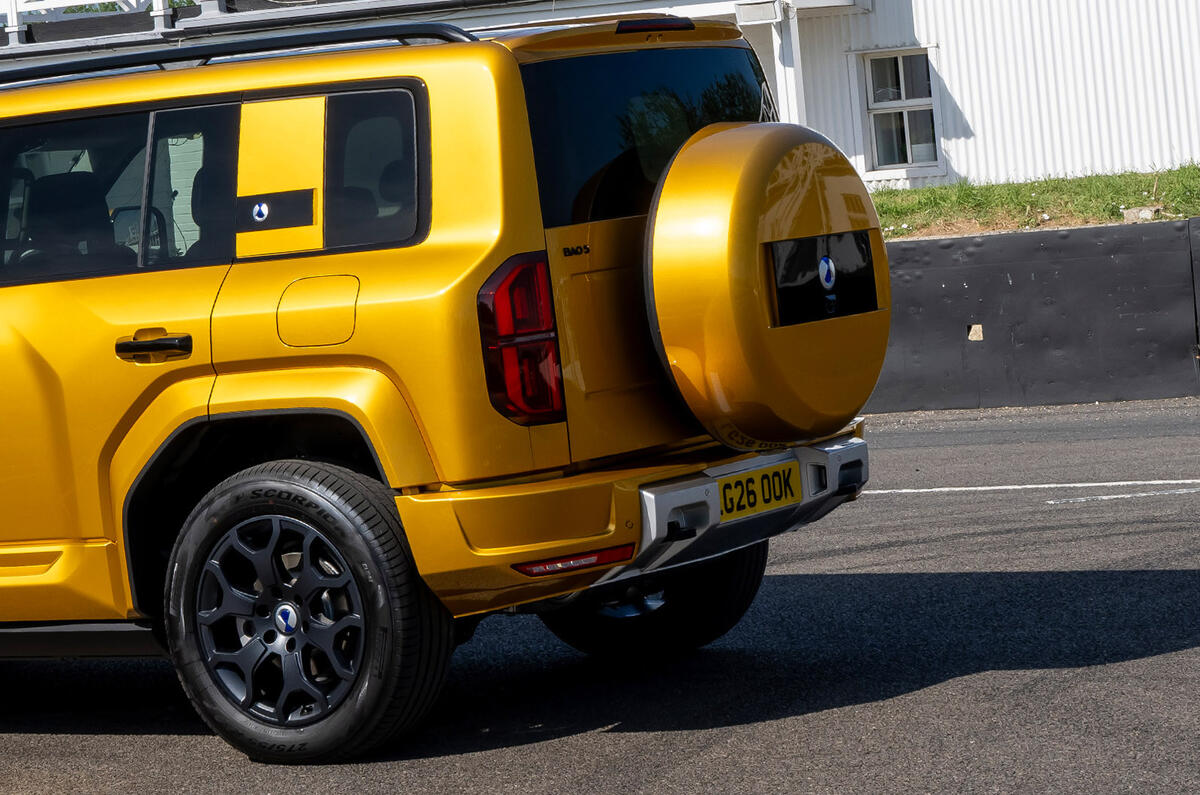
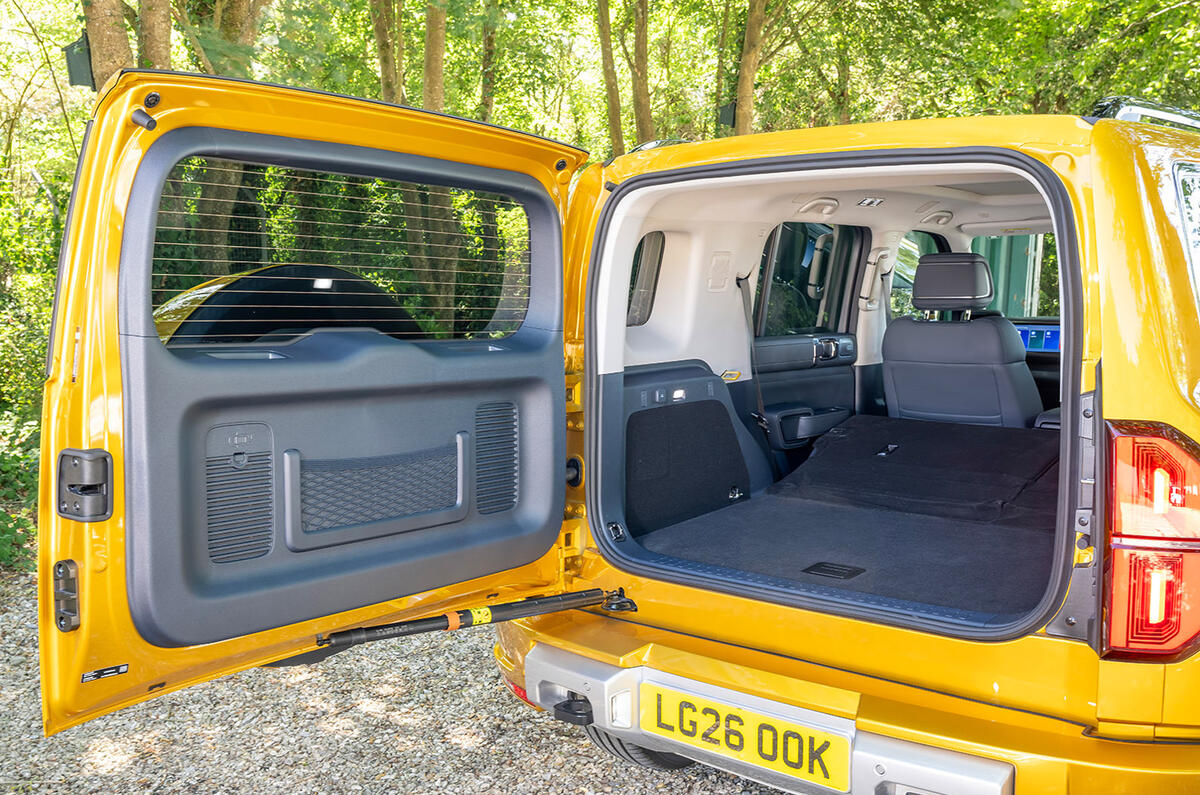
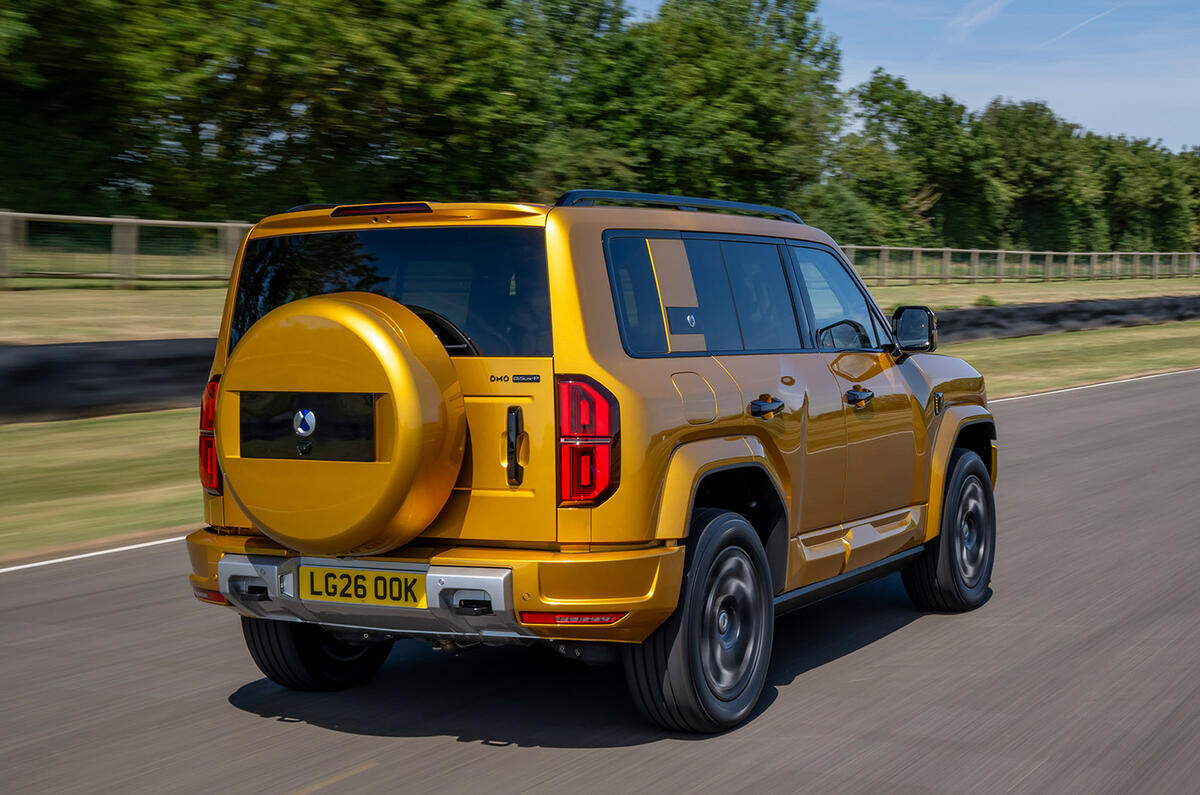
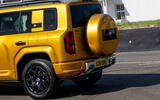
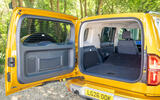
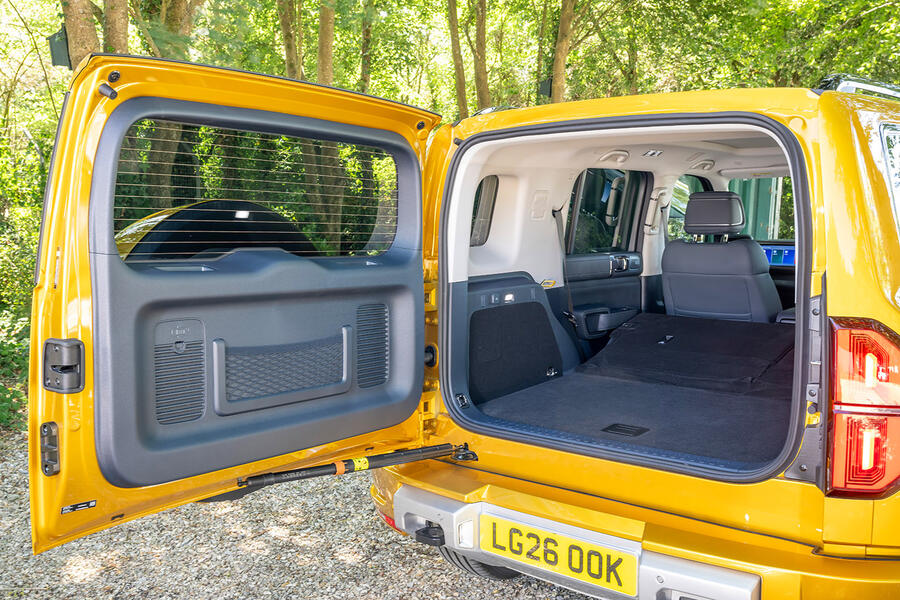
There’s a 475-litre boot (expandable to more than 1000 litres with the seats down) in the rear, which is a little small compared with some of those key rivals, thanks to the packaging of the rear electric motor. Access to the boot is via a cargo bay door that swings sideways, rather than an upwards-swinging boot hatch; similarly to the Defender, Grenadier and Wrangler.

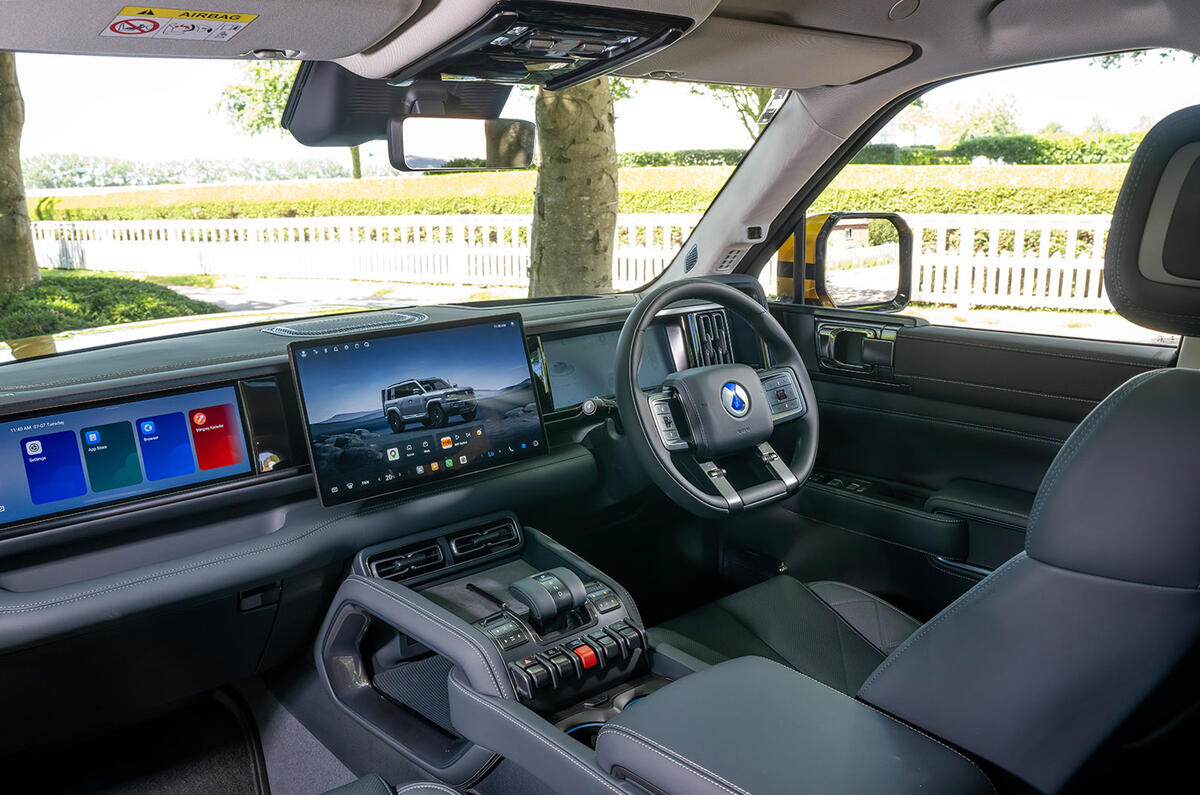
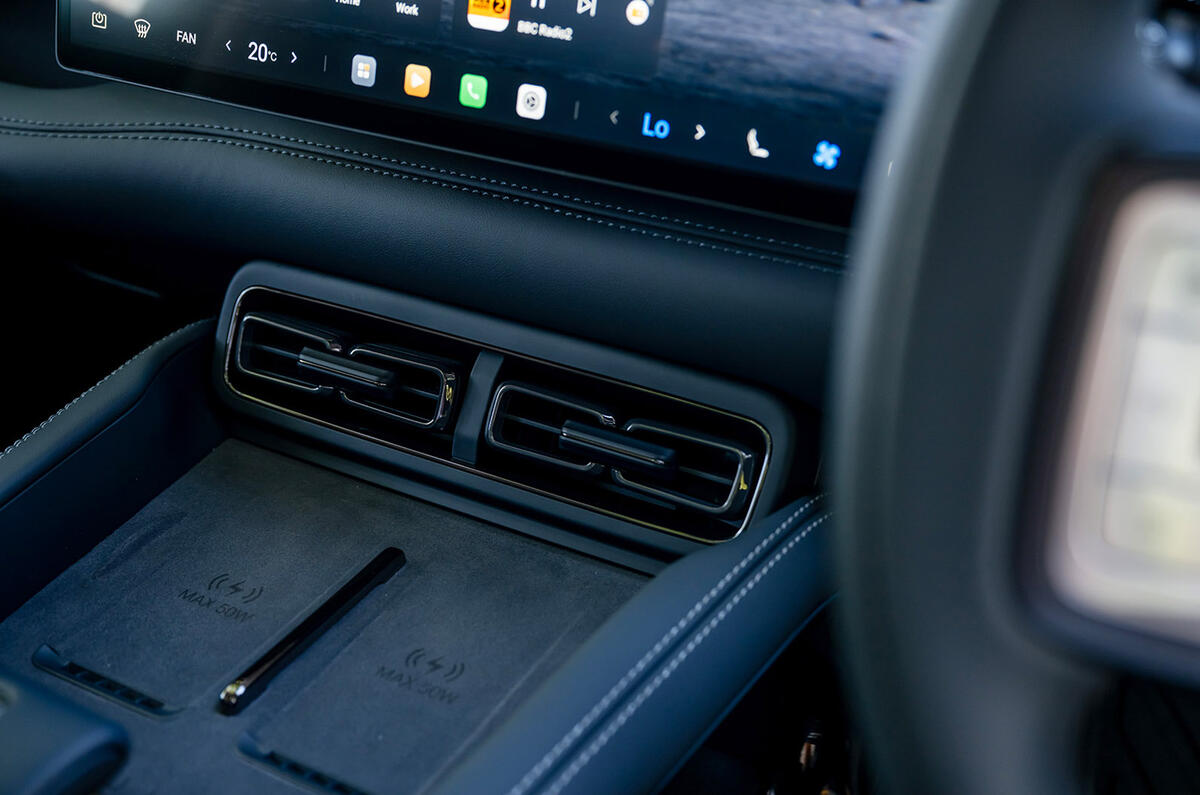
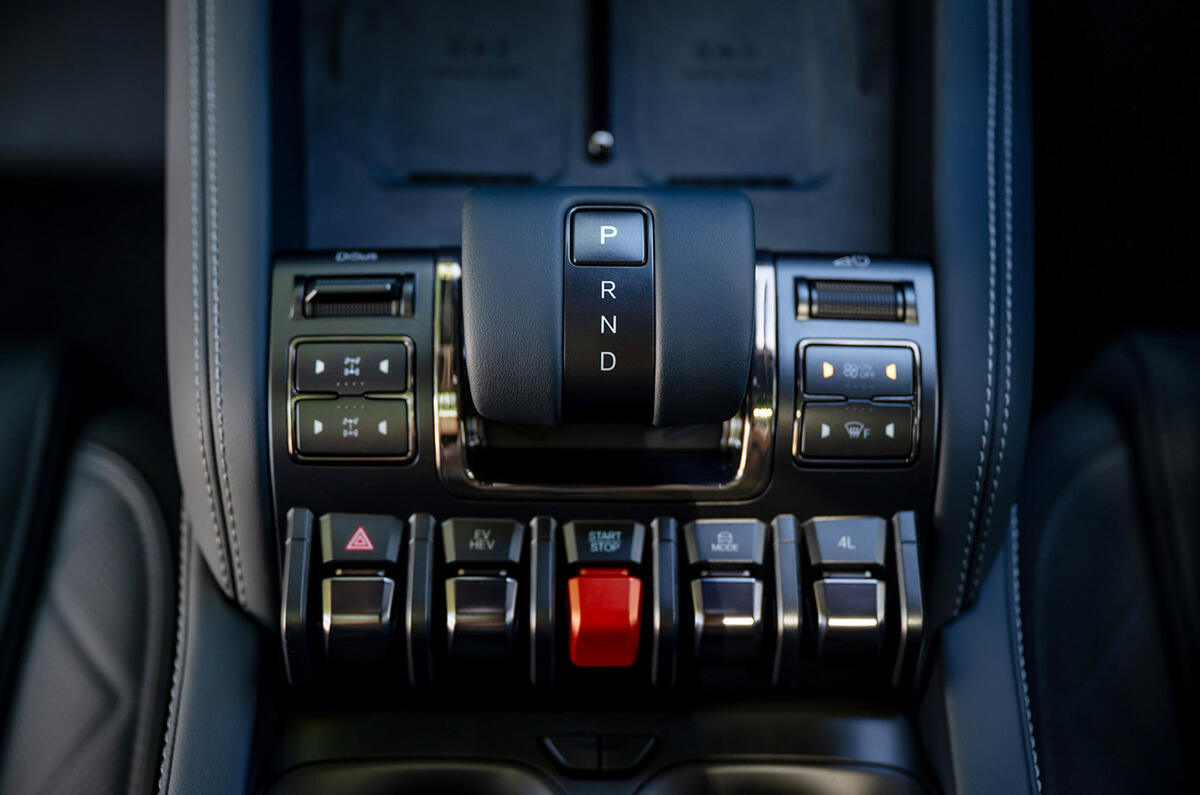
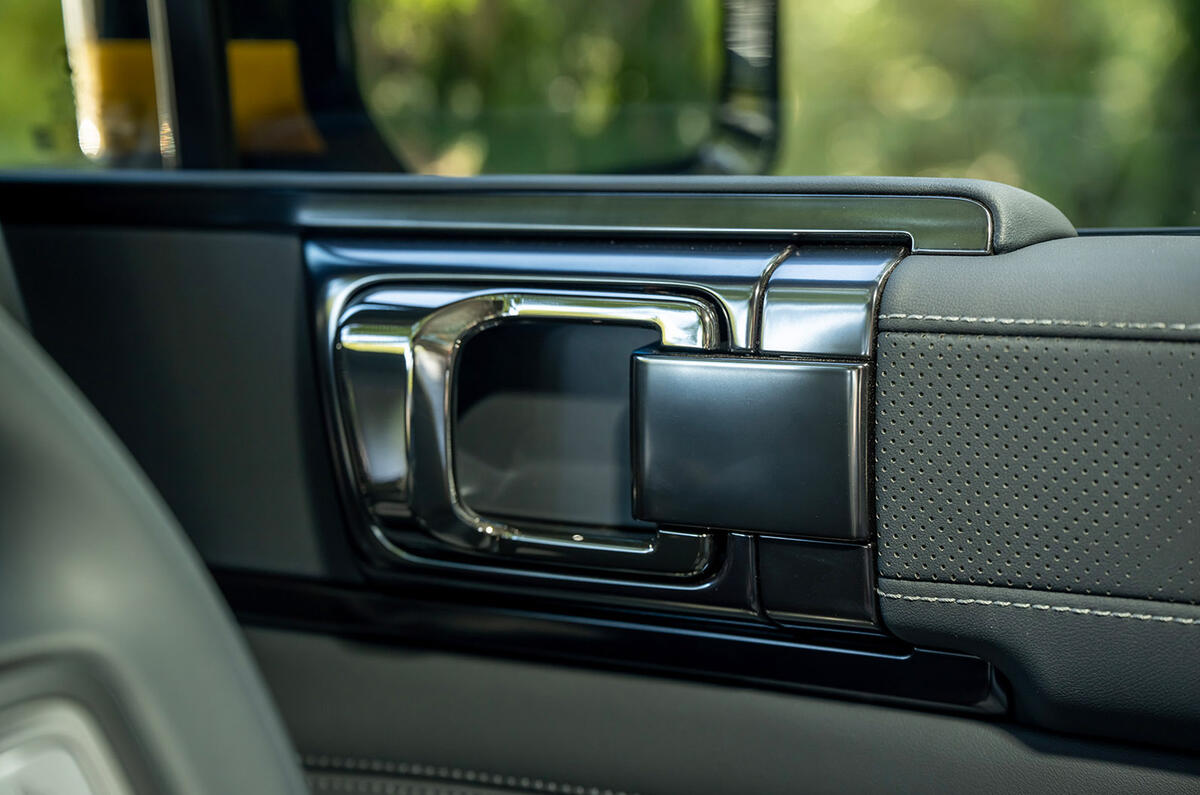
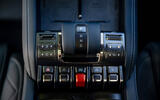
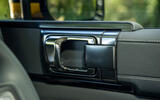
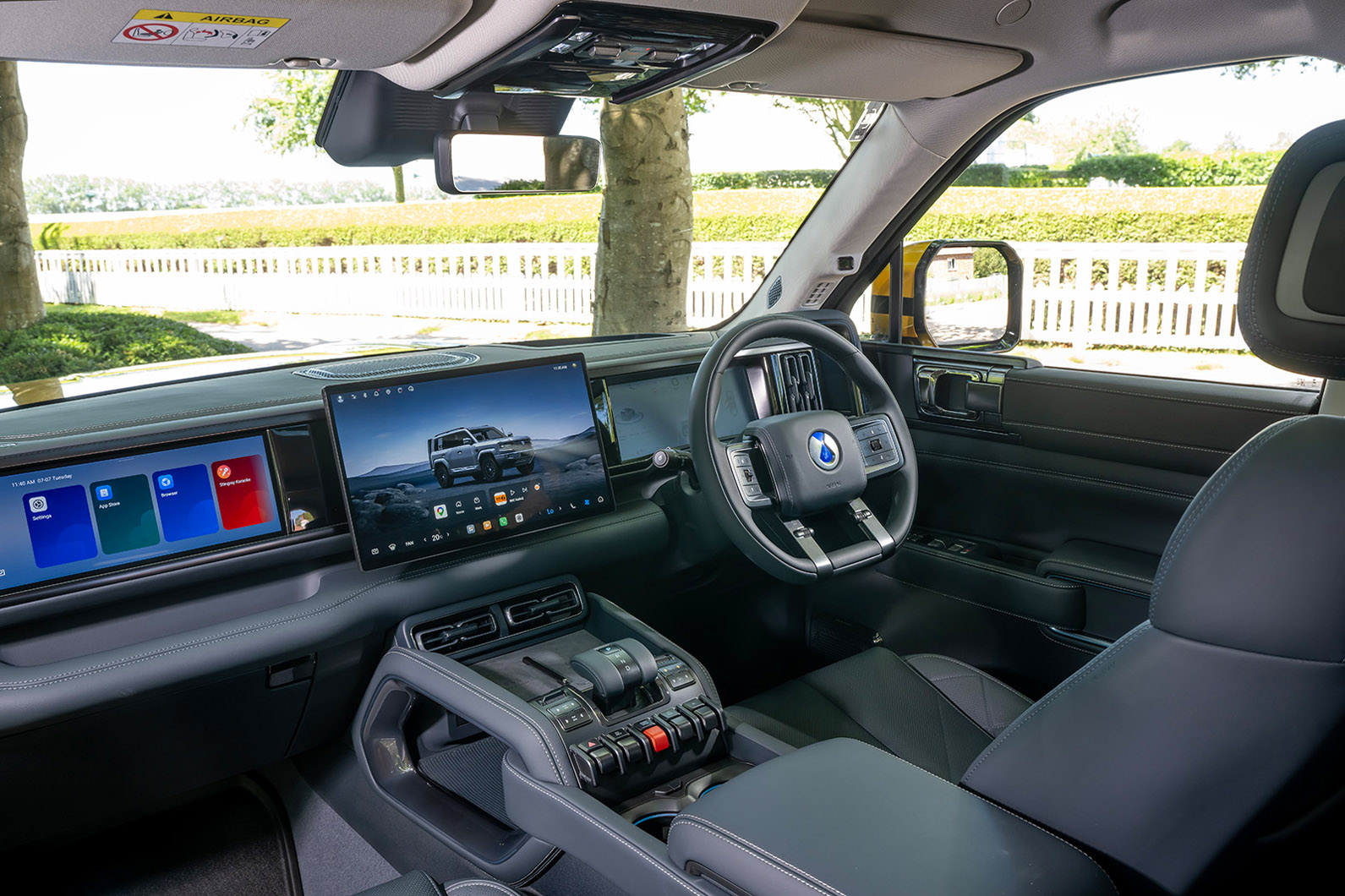
The car’s shiny plastics don’t really feel worthy of a ‘premium brand’ billing; and while its outsized gear selector and adjacent switches do look substantial, they don’t move or feel quite as you hope they might.

Unlike in those cars, however, the Bao 5’s boot door is hinged on the left of the panel, and so swings open the wrong way to make loading and unloading at the kerbside convenient in right-hand-drive markets (which is about the only thing it has in common with a Ford Ecosport).

Running boards made the climb up into the cabin easier in our ‘Ultimate’-grade test car’s case; from where the view out of the car feels instantly familiar. It’s here, you realise, that the car is perhaps most earnestly tapping and broadcasting modern Mercedes G-Wagen vibes. 

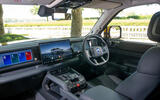
The dashboard’s big, chunky, bike-lock-square features aim for a sense of toughness and substance that survives for about as long as it takes you to start prodding and wobbling them around. While some feel sturdier than others, there’s just not nearly the same kind of tactile heft here that the G-Class so cleverly creates.

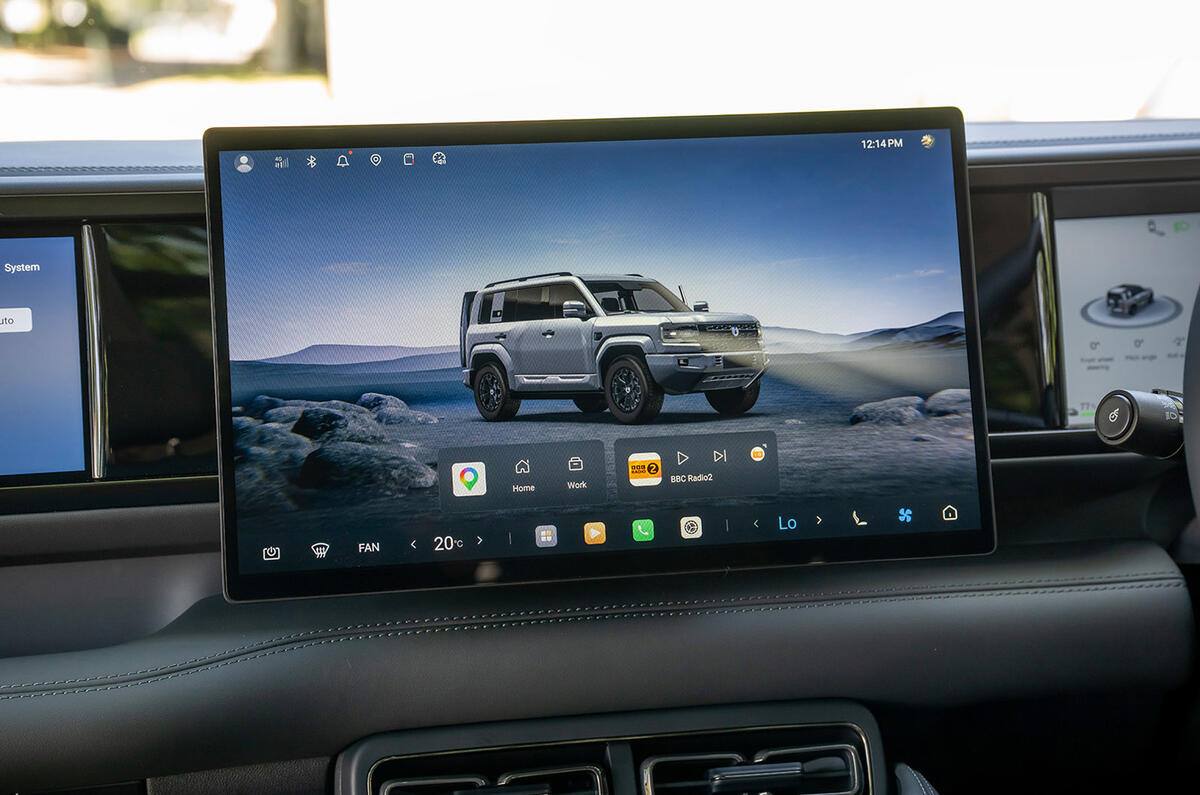
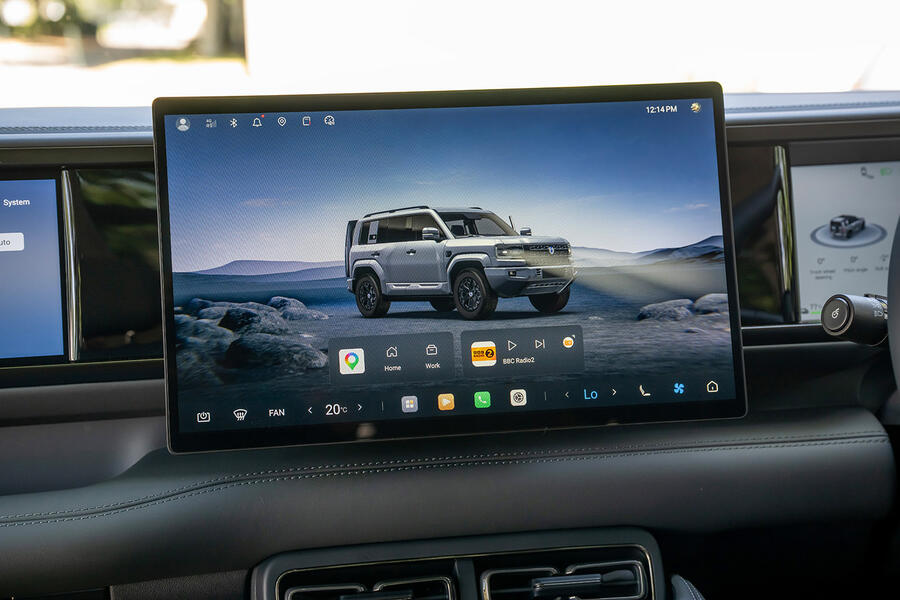
The car’s front seats are comfortable enough, though; and its leather upholstery neatly finished and tactile. Denza gives you twin multimedia screens even on the entry-grade version; and the one in front of the passenger is neatly integrated with the surrounding architecture.

In the back seats, meanwhile, there’s plenty of leg- and headroom even for taller adults, and a good view out.

ENGINES & PERFORMANCE

BYD BOA 5 review 2025 12

The Bao 5’s powertrain stats lead you to expect quite an assertive performance level from this car when you get it out on the road; but it doesn’t immediately meet that expectation.

Running in its default powertrain mode, there is reasonable accessible acceleration on tap; enough, certainly, for everyday demands. But probing deeply into the pedal travel doesn’t immediately unearth the thrust you expect.

It’s a familiar feeling. BYD’s ‘DMi’ hybrids share a recognisable kind of stepped power delivery, which is apparent here too. After the initial, first tranche of torque is laid on by the drive motors, the car’s piston engine clearly needs not only to run - but also to rev - to produce the necessary system voltage (when running as a generator) to get peak system power from the powertrain as a whole. Even the car’s electric motors can’t give everything they’re capable of, clearly, without some backup current.
That means there can be two or three seconds between asking for this three-tonne car to pick up its skirts and get a hurry on, and actually experiencing it. Sport running mode does cut this delay a little. But it remains a little debatable whether the Denza Bao 5 really ever goes - or feels - like you expect a 500-horsepower SUV might.
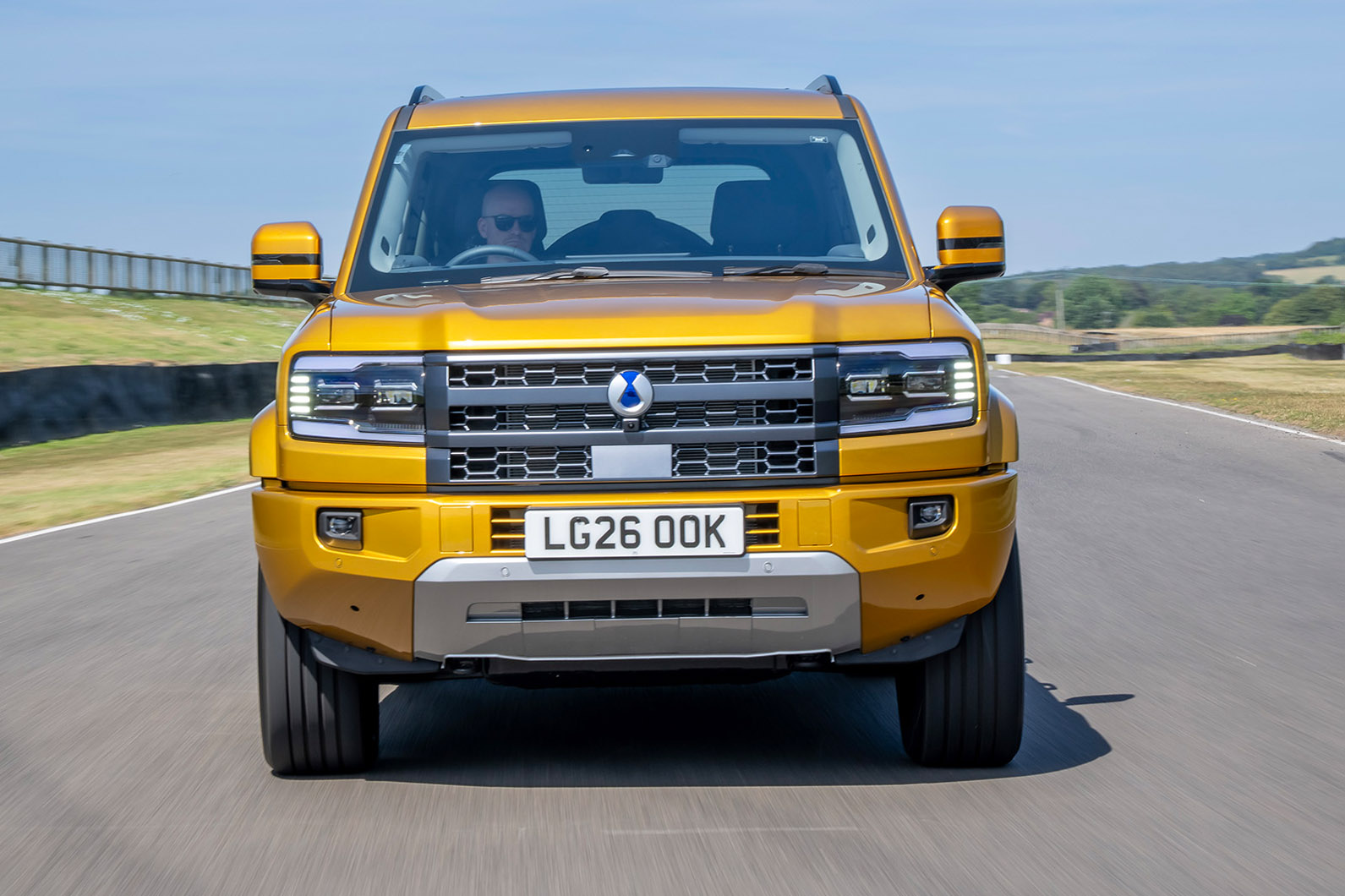
It feels roughly in the same ballpark, for 30- to 70mph urgency, as Land Rover’s Defender D350; though brisker, for certain, than any Ineos Grenadier or Toyota Land Cruiser.

Not that outright speed is likely to be your primary concern in a car like this. Accessible torque, for climbing and towing, feels fairly strong; though perhaps not as unburstible or unqualified in its status as it might be from a simpler multicylinder diesel engine or a bigger V8 petrol.

While those sorts of engines would give you plenty of confidence to attack steep slopes, forest tracks or sand dunes, you could hardly help worrying more about the Bao 5’s battery management and state of charge in prolonged off-road use. Might this off-roader become a desert ornament on its third, fourth or fifth ascent of Big Red? Might it gradually become less and less commanding when towing your double-axle caravan over the Pennines? There may well be no grounds to worry; but worry you might. Further testing should tell.

The car is at least quiet and smooth in everyday use, with that 1.5-litre combustion engine revving away only distantly when it’s working.

RIDE & HANDLING

BYD BOA 5 review 2025 13

It steers well by body-on-frame standards; with medium pace, consistent weight, and intuitive self-centring. So you can place the car on the road with decent confidence; and, because visibility is good from the driver’s seat and the car’s extremities are easy to judge, it doesn’t feel cumbersome or unwieldy.

The Bao 5’s ride is moderately well isolated; it doesn’t judder or rattle over lumps and bumps as pick-up trucks can (there’s no live axle or leaf springs here), and there’s no crudity about the way the suspension deals with sharper edges.

But it is a busy, bumbling sort of ride; one with plenty of gentle, low-frequency headtoss over asymmetrical inputs, and a bit of lateral shuffling and joggling over uneven country lanes.

The Bao 5’s restive close body control certainly brings to mind that of the Mercedes G-Class and Ineos Grenadier; and feels some distance less settled and sophisticated than that of a Land Rover Defender (which doesn’t have a separate chassis frame). 

MPG & RUNNING COSTS

BYD BOA 5 review 2025 01

Here we go back to where we started. If the Jaecoo 7 is the ‘Temu Range Rover’ of the moment, is this Denza really not some ‘AliExpress Defender’? And if not, hasn’t BYD missed a trick?

The answer to the first of those questions is an emphatic no. Denza is unashamedly going head-to-head with some really well-established, desirable names with its pricing, the Bao 5 starting from £69,500 in UK showrooms; for which you could certainly have a Defender 110, though not quite a Land Cruiser - and certainly not a G-Class.

And if you want more than the Elegance trim level offers for that (panoramic roof, 18-speaker premium audio, passenger touchscreen, 18in wheels), you can pay £78,000 (still less than a Land Cruiser, incidentally) for an Ultimate-grade car instead. That buys Denza’s DiSuS-P hydraulic suspension, nappa leather upholstery, a digital rearview mirror (which helps you see around that spare wheel rather effectively), 20in alloy wheels and electrically deploying running boards.

The car offers plenty of power, space and capability for the money; and that 56-mile EV range should appeal to plenty in the ‘Chelsea Tractor’ set.

VERDICT

BYD BOA 5 review 2025 15

This was only our second test in the Denza Bao 5 - and a very short one, at that. 

It left us fairly impressed with the car’s on-road drivability and refinement; and likewise with its versatility and space. But we expected a little more of its hybrid powertrain for assertive, responsive, accessible performance feel; and were a little disappointed with the ability of the car’s allegedly very advanced hydraulic suspension to make it genuinely settled and comfortable on mixed UK roads.

More testing is needed to establish if the car really is as capable off-road as the cars that Denza has positioned it against; and impressive clearance statistics alone don’t guarantee that.

The other pungent question would seem to be: hasn’t Denza made this car tougher - and consequently heavier and pricier - than it really needed to be? Will customers really trust such a new brand, rather than one with decades of equity behind it, when buying a car they want to depend on - to take them almost anywhere? Wouldn’t something that looked similarly butch, but cost 20 per cent less, have served both Denza and its customers better? 

In the short term, the answer is probably yes. But the longer view that BYD and its Denza sub-brand seem to be taking - which speaks more clearly than anything about the horizons they’re aiming at here - is that credibility with those who take these cars seriously doesn’t build itself.

Matt Saunders

Matt Saunders Autocar
Title: Road test editor

As Autocar’s chief car tester and reviewer, it’s Matt’s job to ensure the quality, objectivity, relevance and rigour of the entirety of Autocar’s reviews output, as well contributing a great many detailed road tests, group tests and drive reviews himself.

Matt has been an Autocar staffer since the autumn of 2003, and has been lucky enough to work alongside some of the magazine’s best-known writers and contributors over that time. He served as staff writer, features editor, assistant editor and digital editor, before joining the road test desk in 2011.

Since then he’s driven, measured, lap-timed, figured, and reported on cars as varied as the Bugatti Veyron, Rolls-Royce PhantomTesla RoadsterAriel Hipercar, Tata Nano, McLaren SennaRenault Twizy and Toyota Mirai. Among his wider personal highlights of the job have been covering Sebastien Loeb’s record-breaking run at Pikes Peak in 2013; doing 190mph on derestricted German autobahn in a Brabus Rocket; and driving McLaren’s legendary ‘XP5’ F1 prototype. His own car is a trusty Mazda CX-5.