
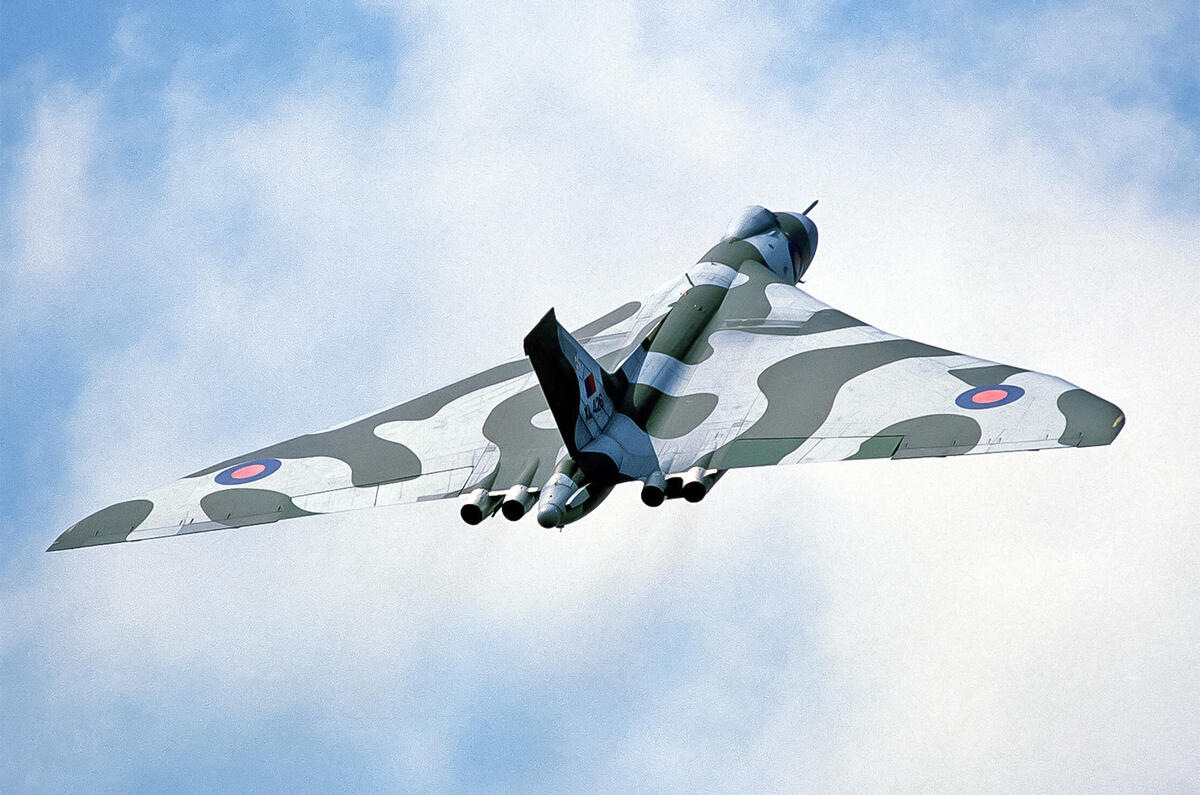

Britain’s three V-bombers were created as part of Britain’s nuclear deterrent in the Cold War.
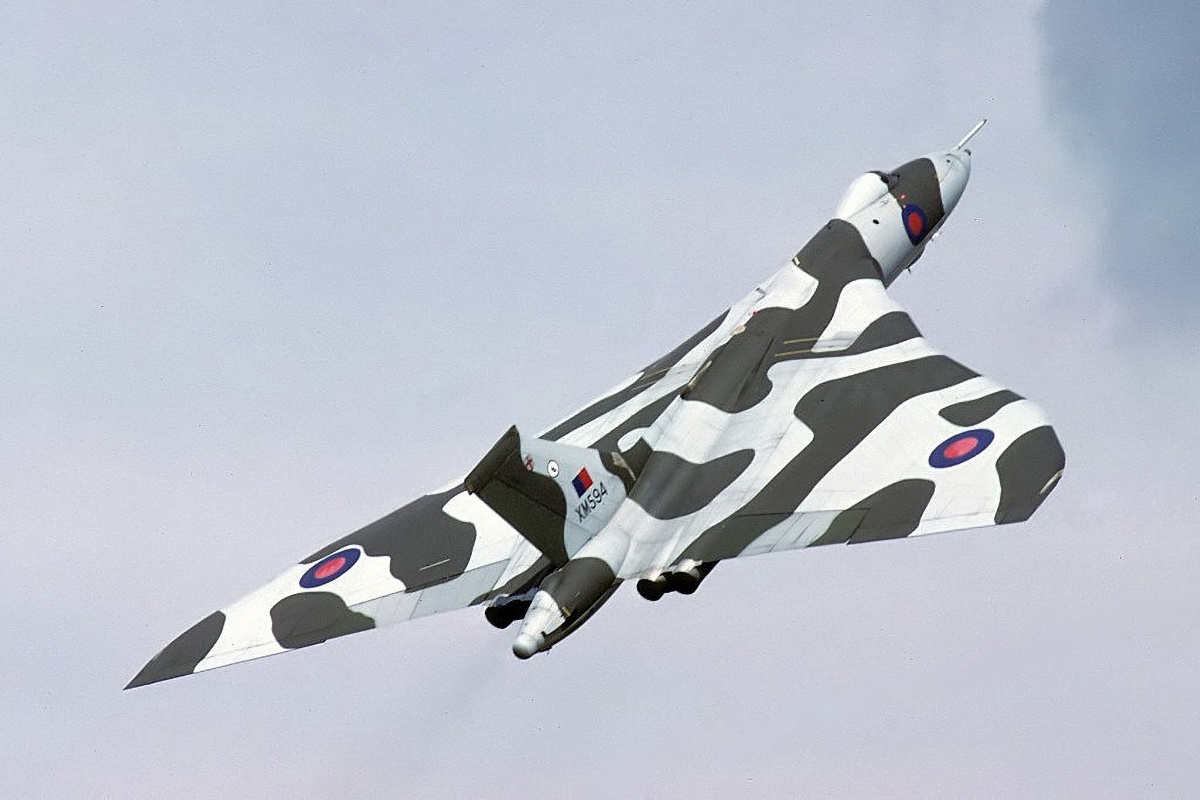
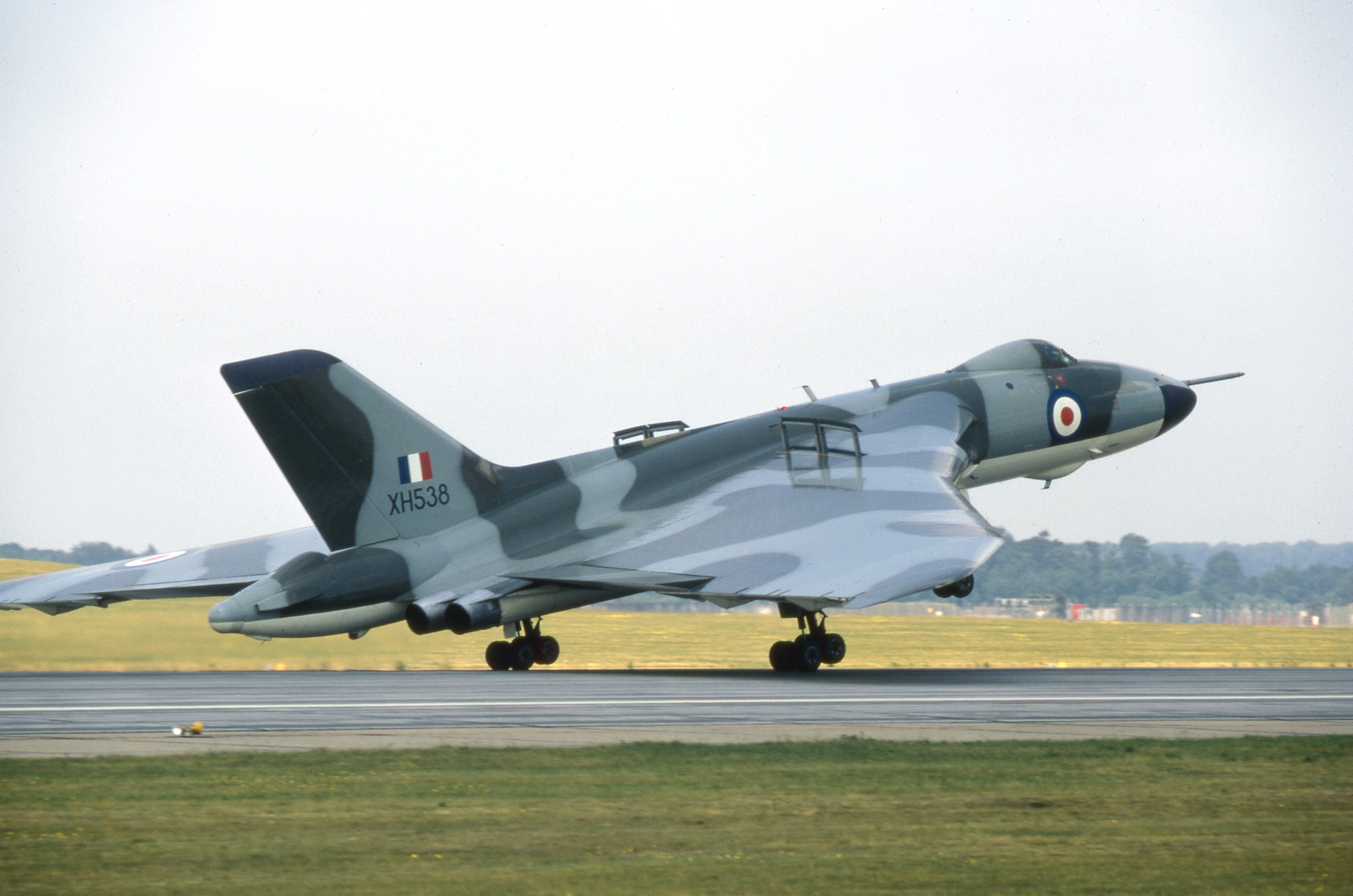
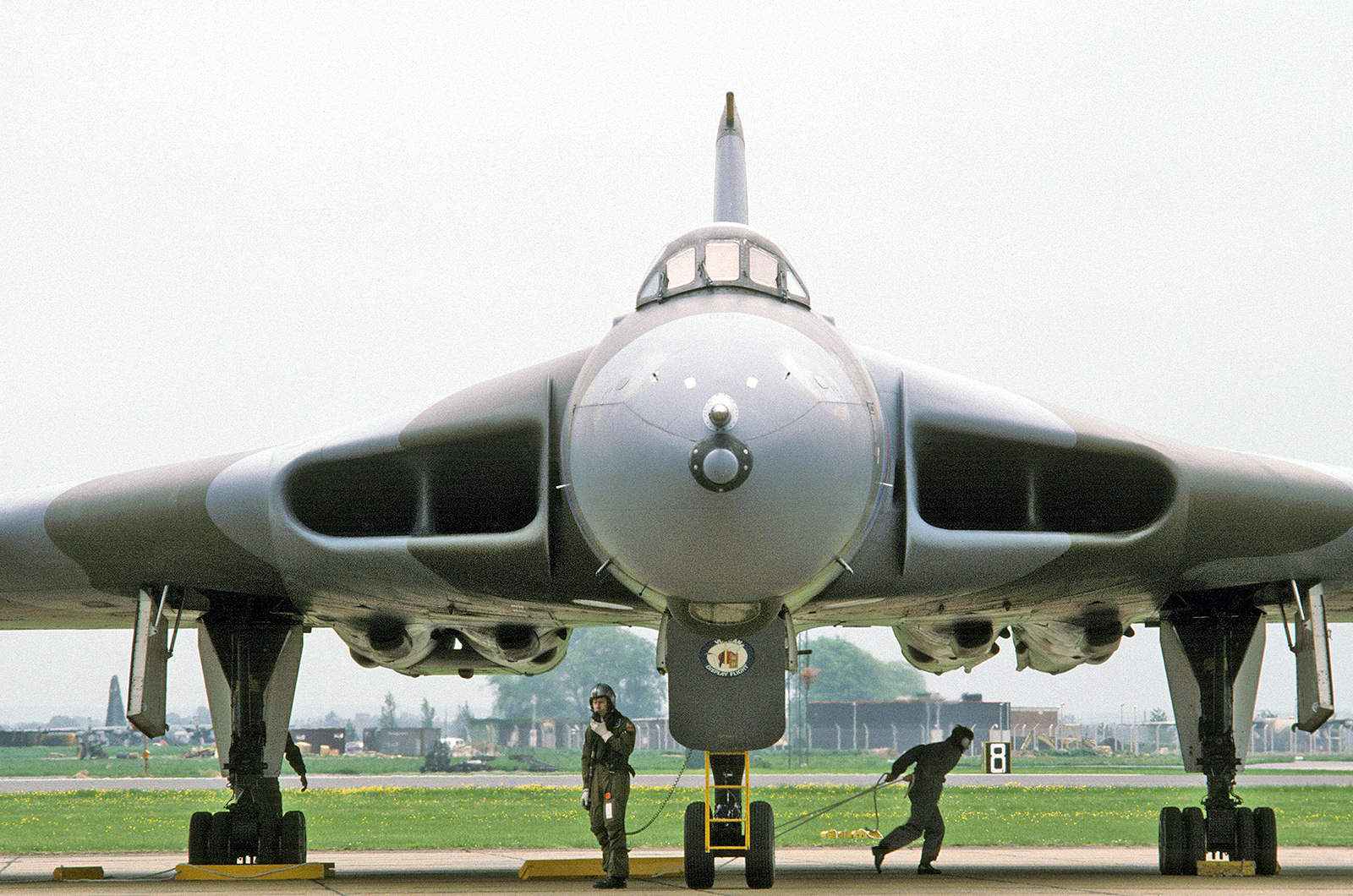
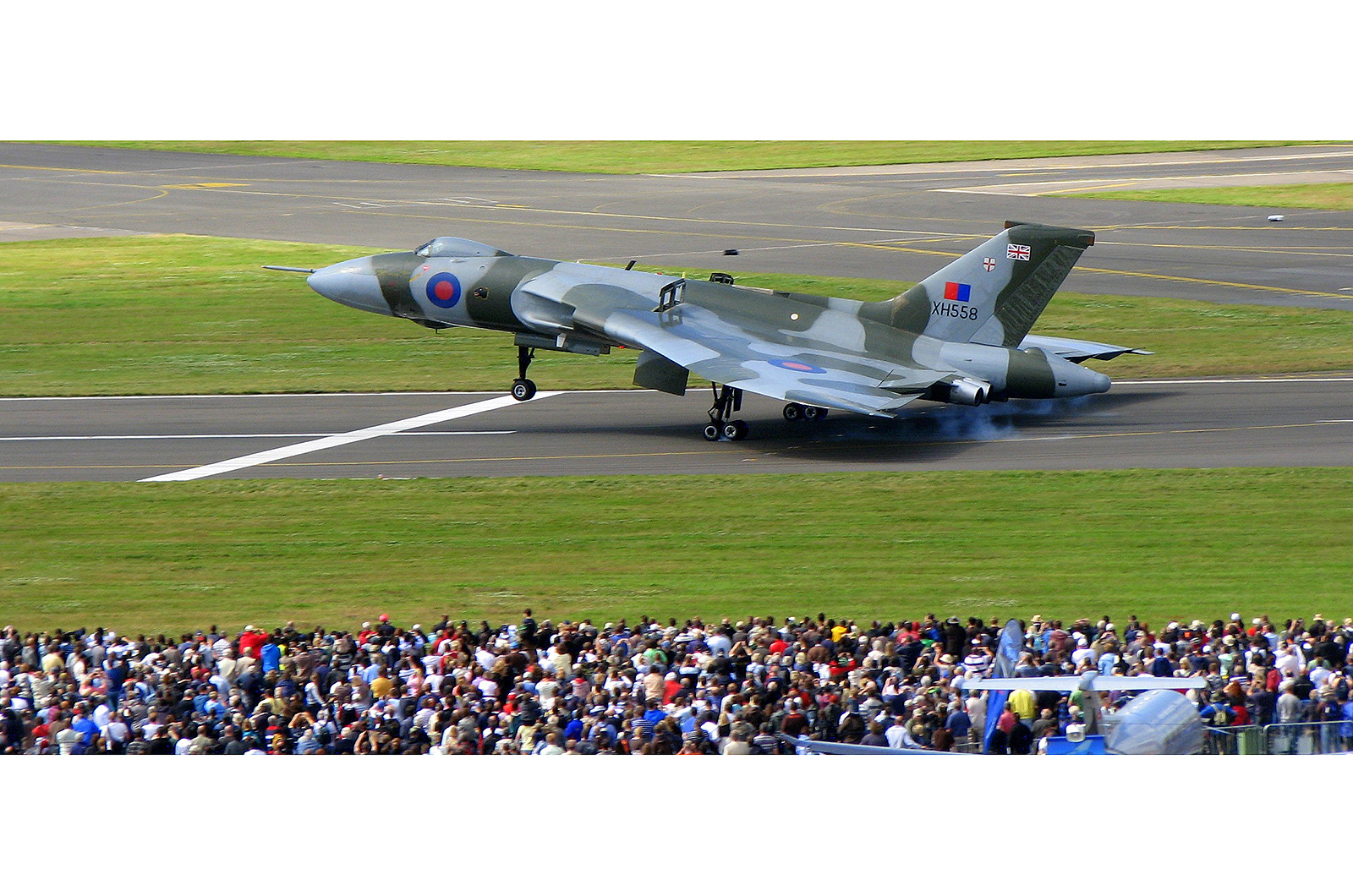
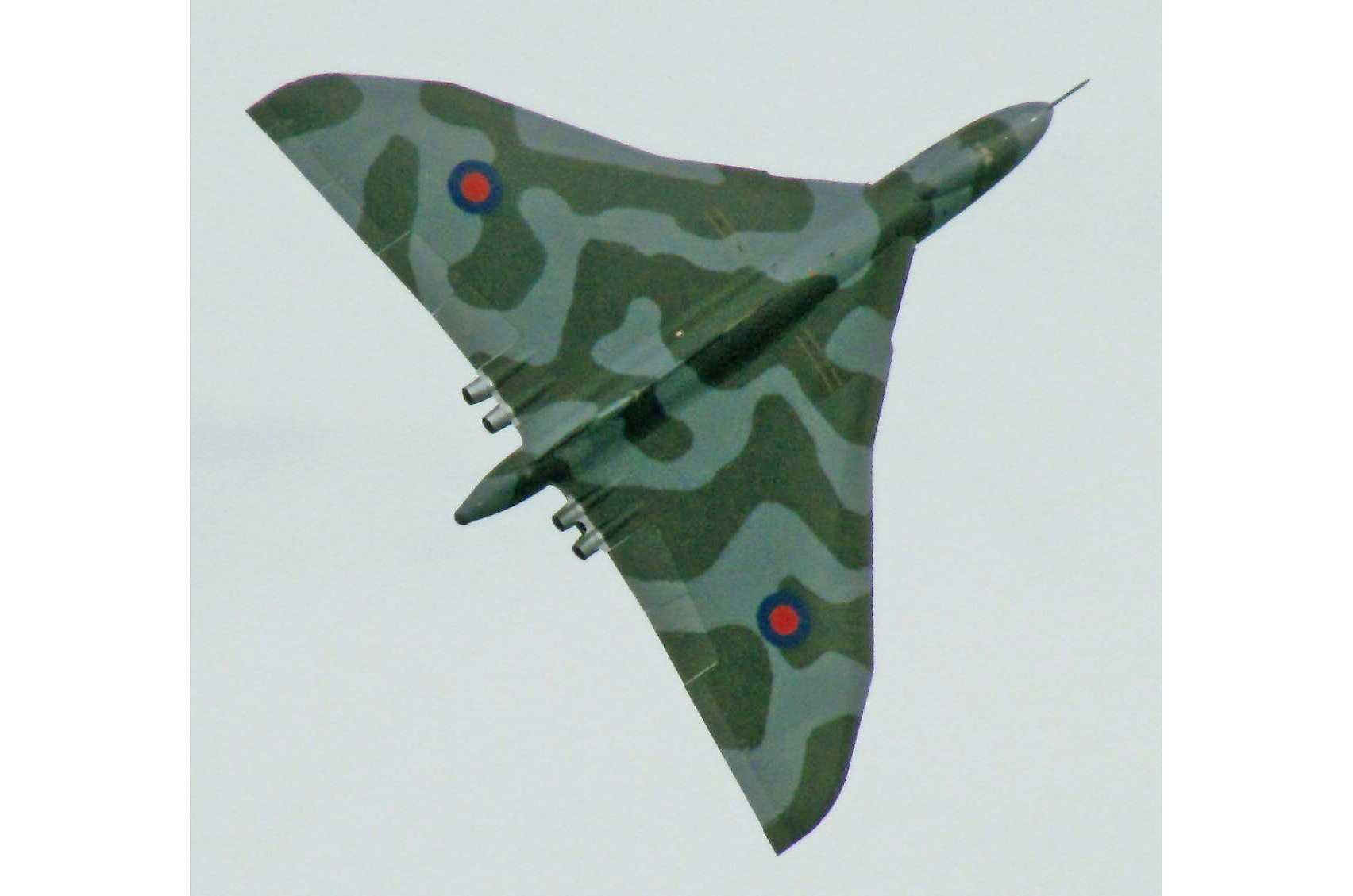
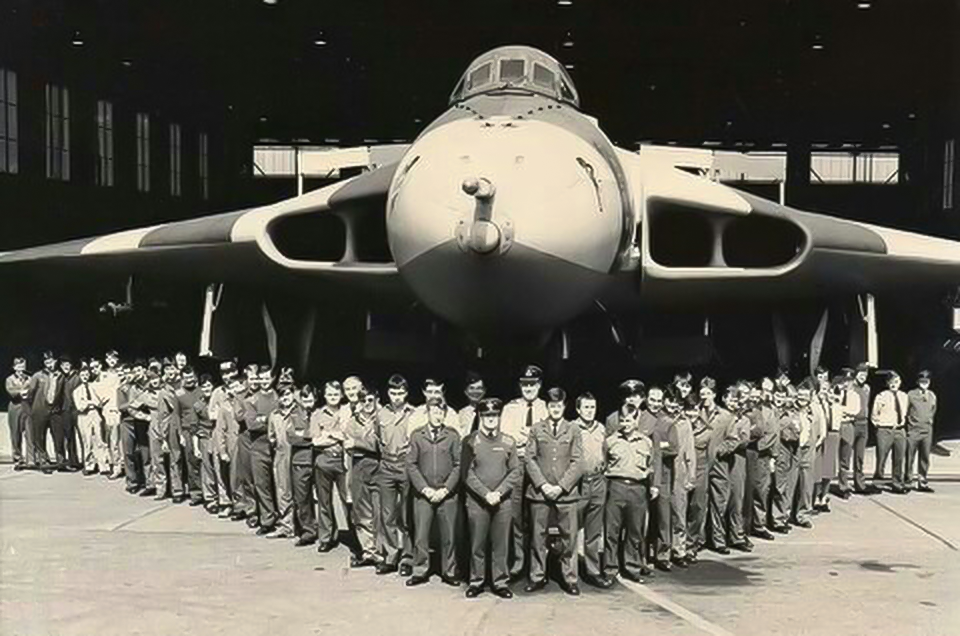
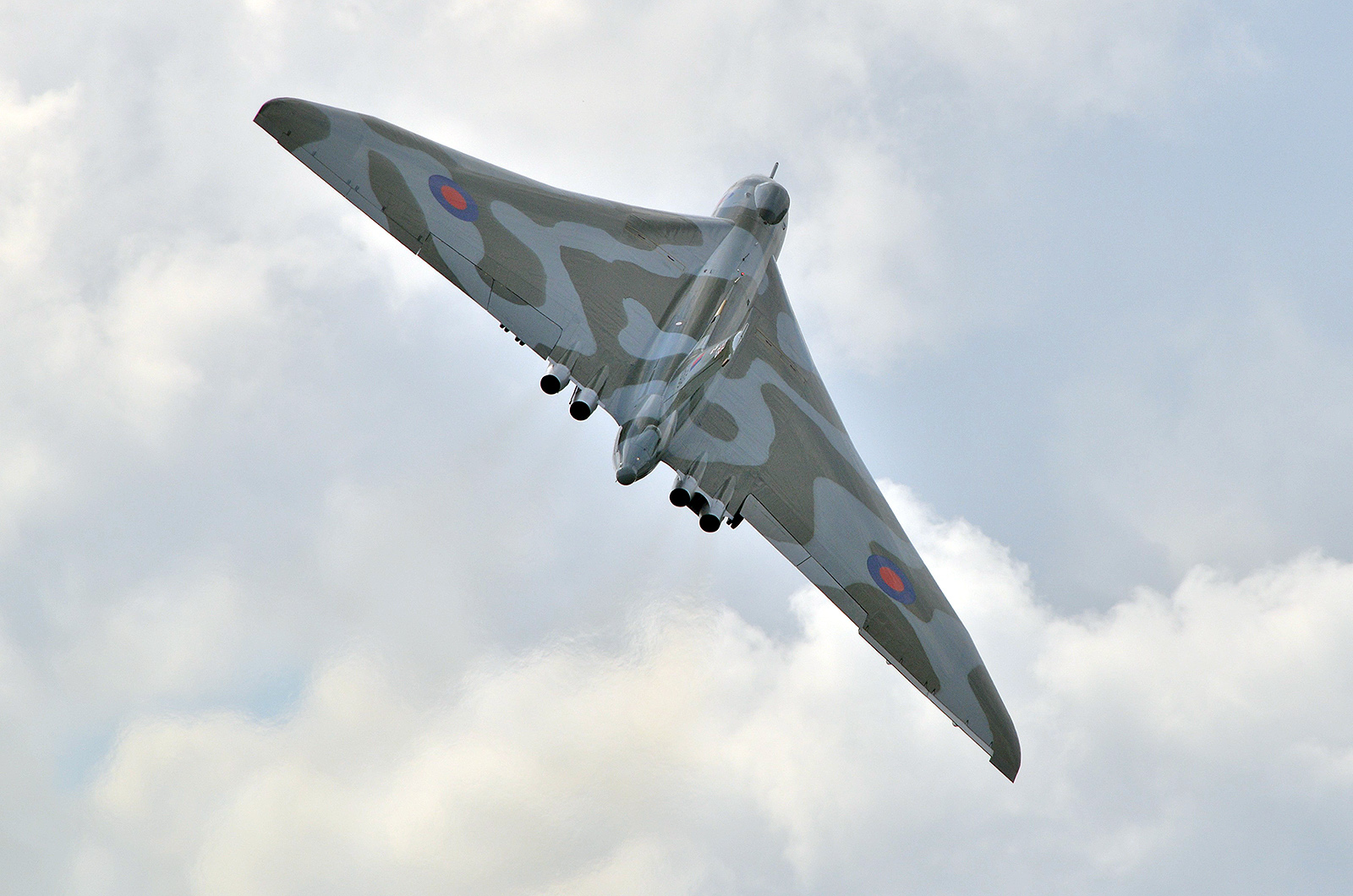
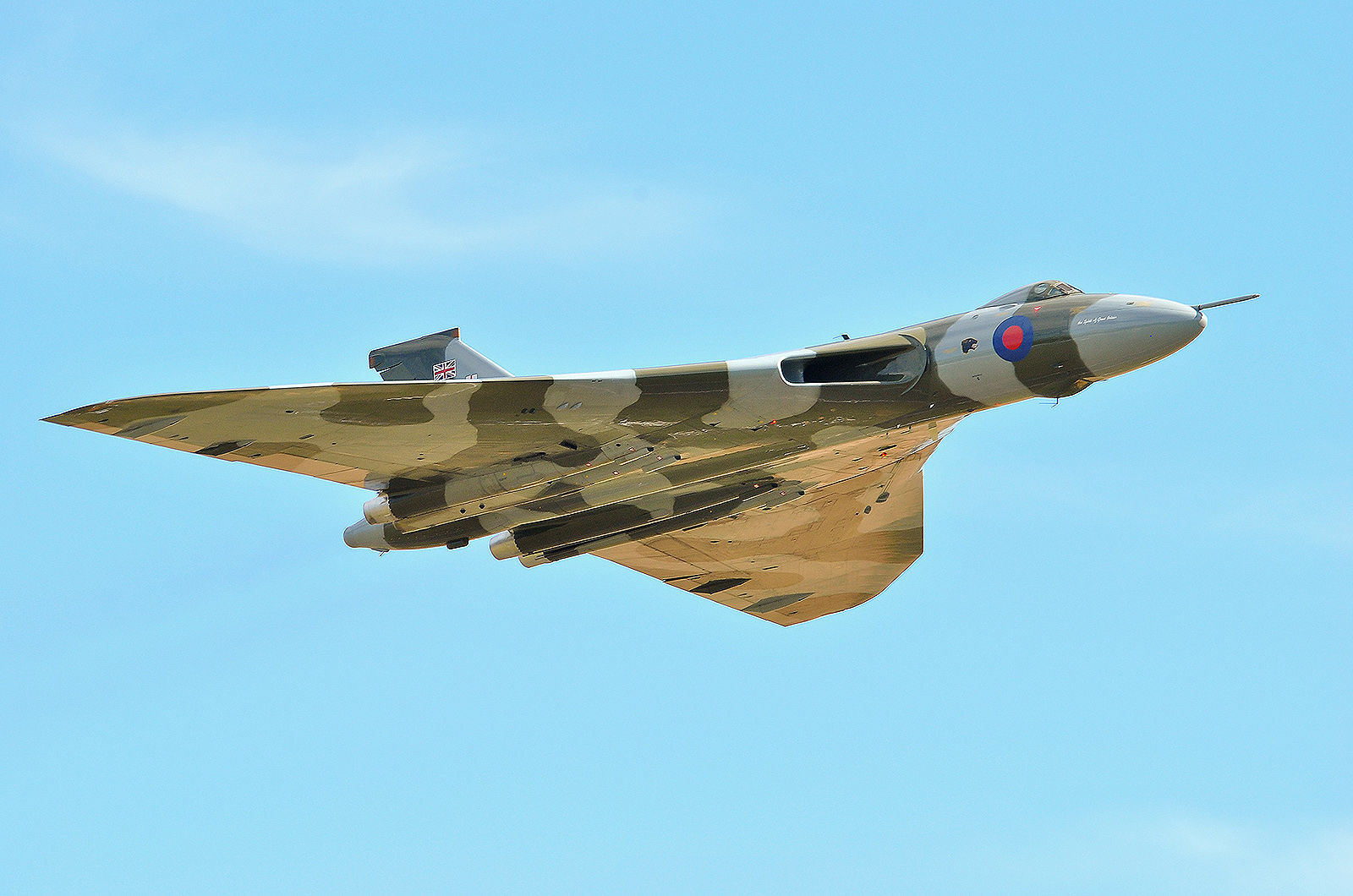
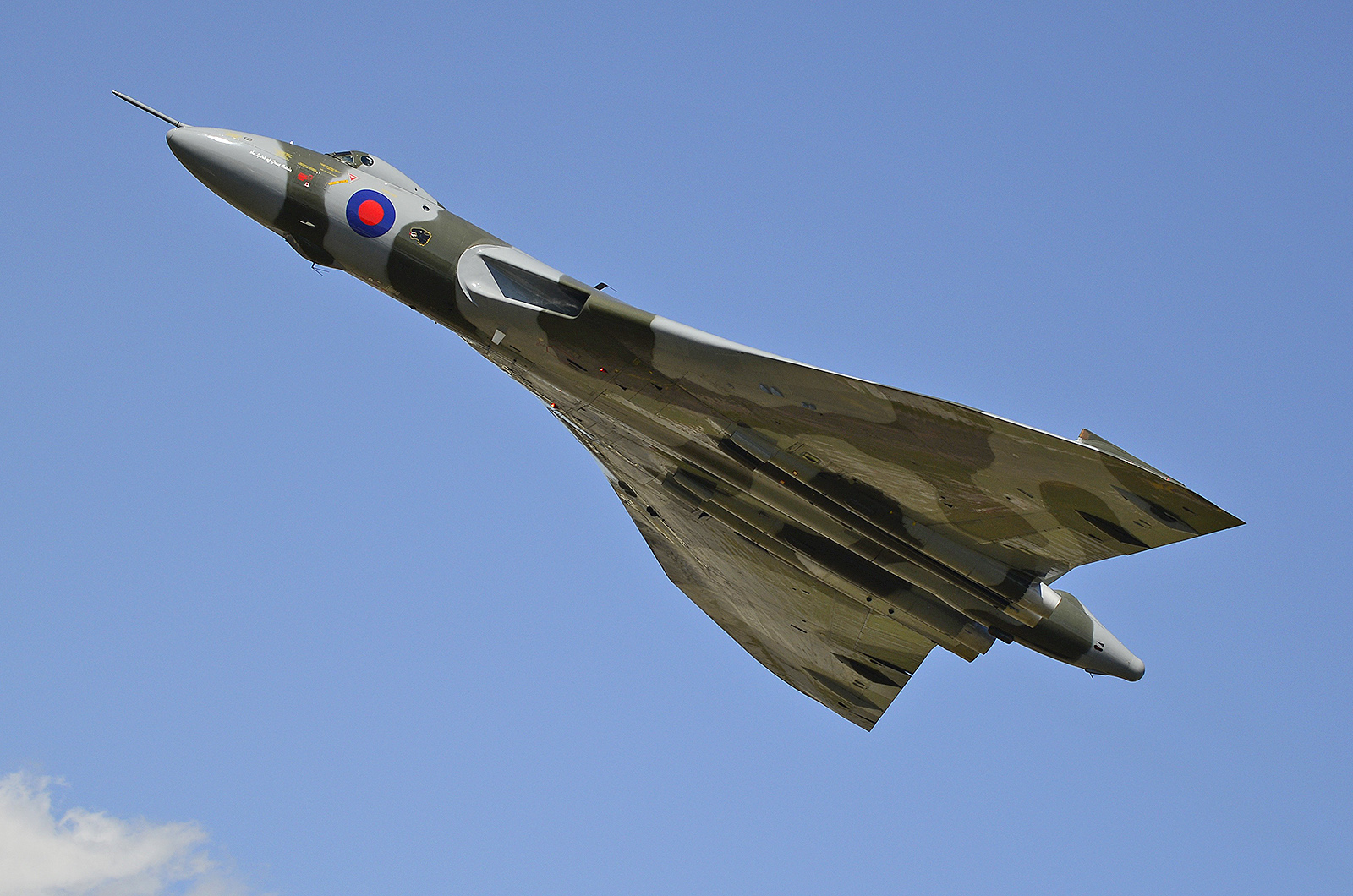
Of these, the Vulcan is the best known. Despite the grim primary reason for the Avro Vulcan bomber - nuclear warfare - the charismatic aircraft was, and is, much loved. Famous for its thunderous roar, massive delta wing and spritely performance, it developed a cult of devoted fans likely to last for hundreds of years.
The aircraft was a remarkable achievement, even more so considering work began as early as the 1940s. Here are ten incredible features of the Vulcan bomber:
10: Timing
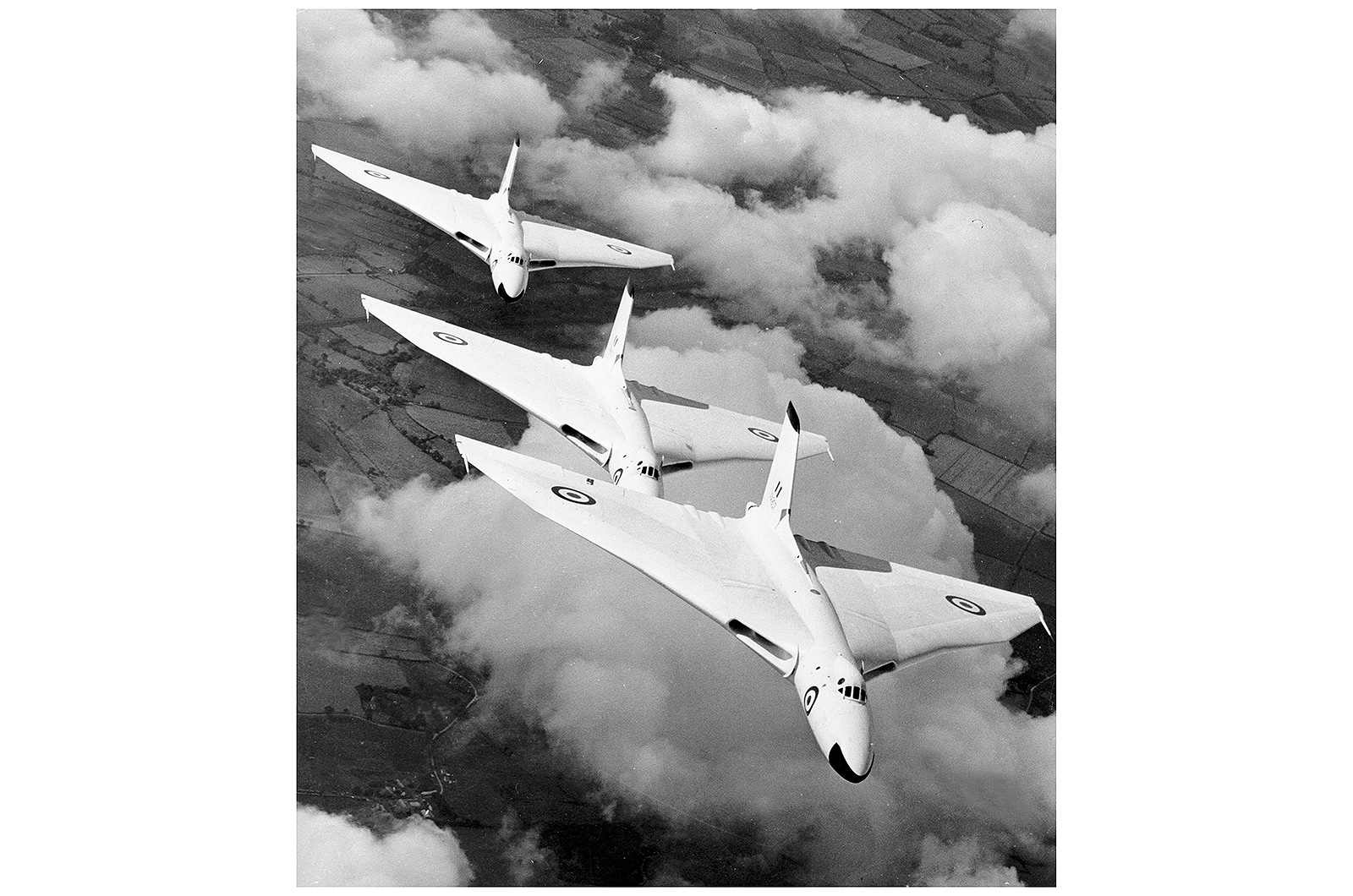
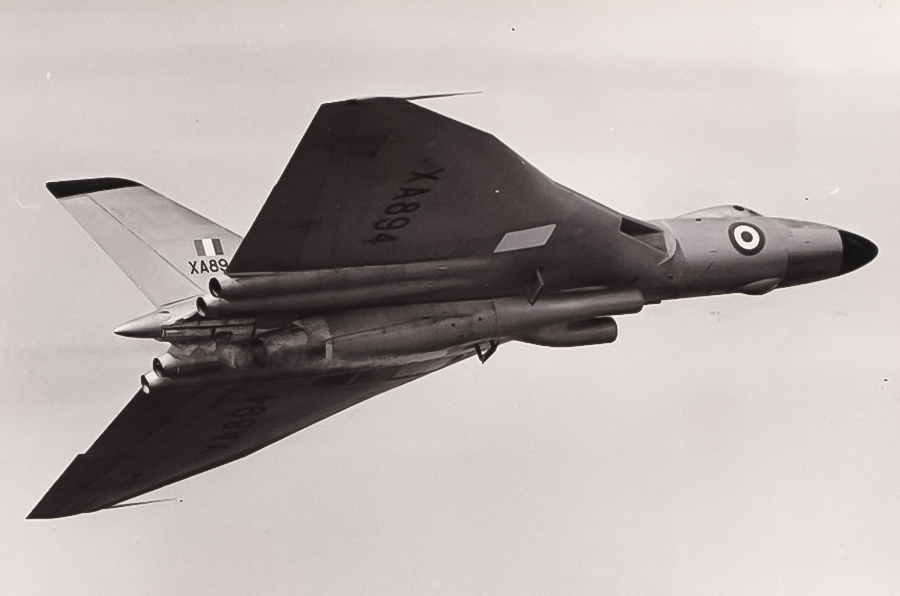
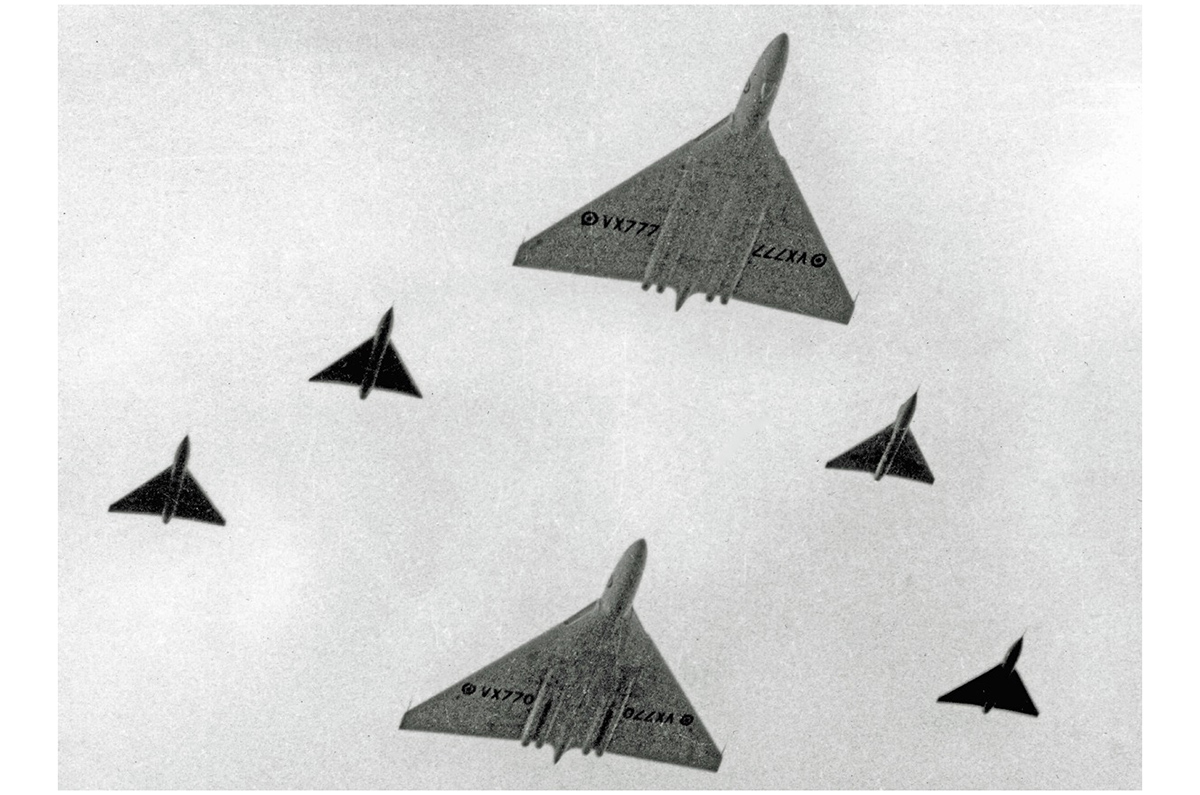
It is often noted that there were a mere ten years between the introduction of the angular Avro Lancaster bomber to the RAF in 1942, and the space-age Vulcan’s first flight on 30 August 1952. There is a reason this is often repeated, as this was an incredible achievement; in this short period, Avro had leapt from 282 mph bombers to ones capable of 646 mph!
Sir Sydney Camm, designer of the Hawker Hurricane, said of the cancelled TSR-2 bomber: "All modern aircraft have four dimensions: span, length, height, and politics. TSR-2 simply got the first three right." Camm missed out another important dimension: time. As well as getting the four dimensions Camm mentioned right, the Avro Vulcan also enjoyed excellent timing.
10: Timing
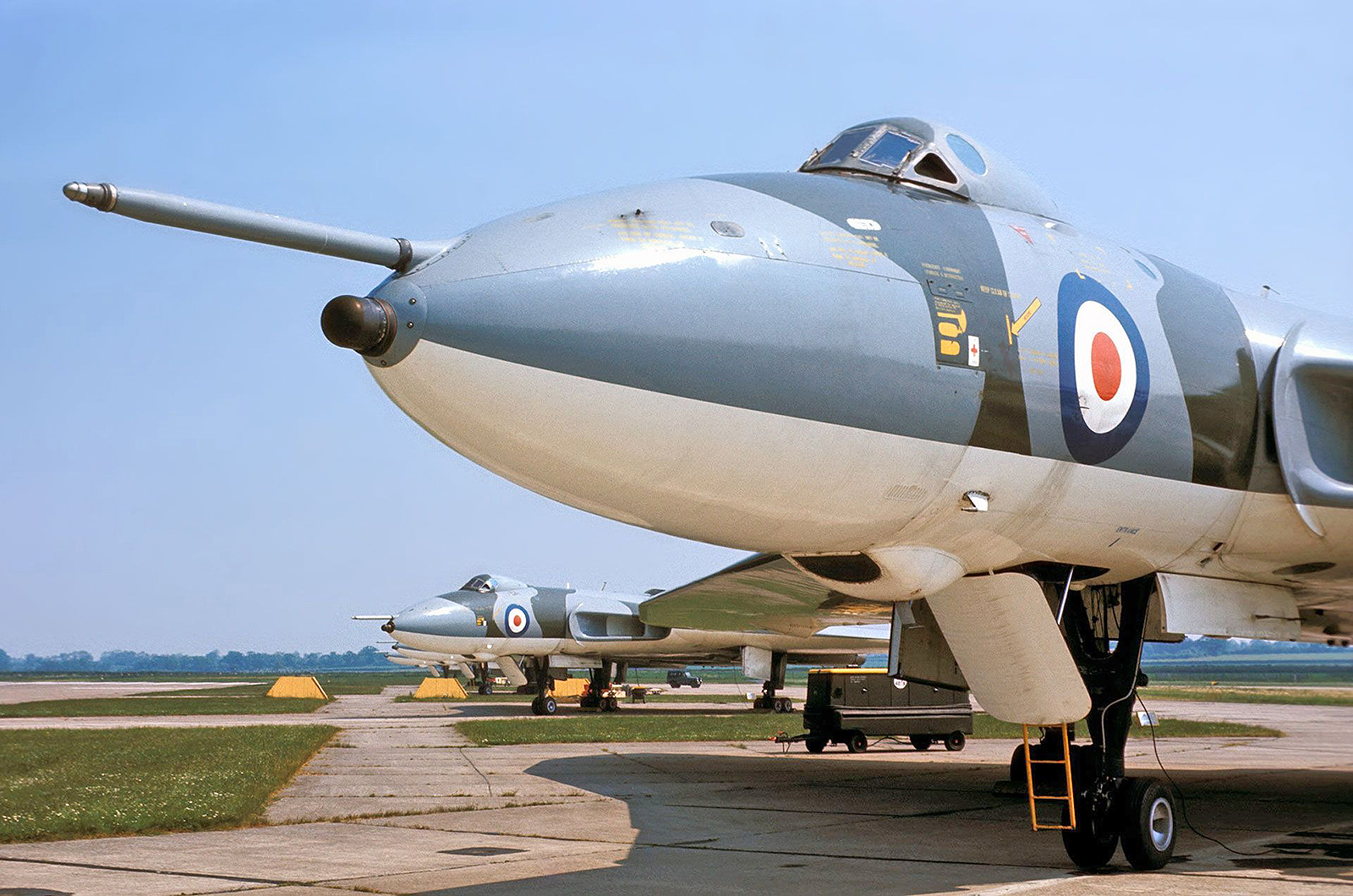
Another aspect of the Vulcan’s immaculate timing was that it was available as a part of the British independent nuclear deterrent force in the late 1950s, two years ahead of the Handley Page Victor. The Vulcan appeared at a critical moment in the Cold War.
The Vulcan was also lucky in arriving early enough to miss the controversial 1957 Defence White Paper, which (prematurely) decreed manned military aircraft obsolete. This paper effectively ended work on the later (Mach 3-capable) Avro 730 bomber/ reconnaissance aircraft.
9: Blue Steel
Despite the Vulcan’s impressive performance, the RAF knew the bomber would still be vulnerable to a new generation of Soviet surface-to-air missiles and air defence fighters. Flying directly over a well-defended target was particularly dangerous; what was needed was a ‘stand-off’ weapon launched a safer distance away from the target.
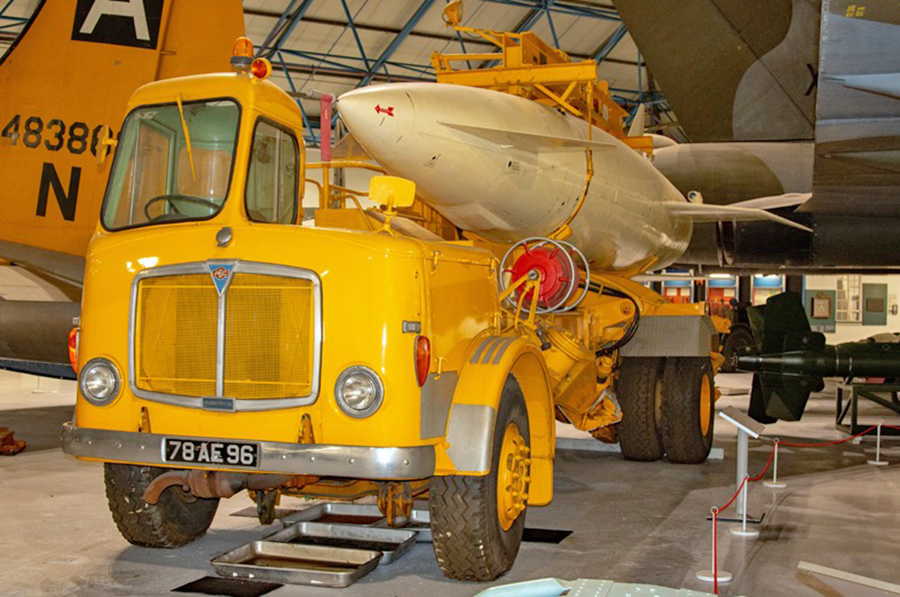
Avro, the manufacturer of the Vulcan, responded to this requirement by creating the Blue Steel missile. Blue Steel was part of the Rainbow Code series of names for British military projects, which included the rather brilliantly named Indigo Corkscrew.
Blue Steel was a rocket-propelled nuclear-armed missile launched from beneath the Vulcan. It was a massive weapon, 10.7 m (35 ft) long and weighing over three tons. Its warhead was the terrifying Red Snow thermonuclear weapon with a destructive effect akin to over one million tons of TNT.
The missile could reach colossal speeds of up to Mach 3. Blue Steel was only in service for seven years, in which it proved unreliable and cumbersome to prepare. It was retired on 31 December 1970, when the United Kingdom's strategic nuclear capacity passed to the Royal Navy’s Polaris submarine fleet.
8: Performance




Add your comment