
You may find yourself living in a shotgun shack; you may find yourself in another part of the world; you may find yourself behind the wheel of a large automobile; and you may find yourself in a stuffy photo studio waiting for the reveal of a new car; and you may ask yourself: "How did I get here?"
No, you're not David Byrne, frontman of new wave group Talking Heads (for those who may have missed the lyrical reference), but a motoring journalist on a car launch.
It's 5.30am and your alarm is blaring from across the room. You're in a strange hotel somewhere on the outskirts of Paris, trying to will yourself into forward movement so that you have time to get some caffeine into your system before the shuttle bus takes you to the launch venue.
So how did you find yourself here? Well, behind every page of Autocar lies a spreadsheet detailing every new car unveiling: what model it is, when and where the launch is taking place, who's going and when we're allowed to talk about it.
Co-ordinating the news section of the magazine, website and social media feeds is a complex spider's web of organisation, ruled by those competent enough to distribute the boots-on-the-ground legwork of those such as myself.
For Autocar, the reveal is the static unveiling of a new model (either at a private preview or a public event); the launch is when we get to drive that model, and those come a while later.
Once a journalist's name has been assigned to an event, there follows an email from the relevant car firm's PR department asking for passport details, dietary requirements (I'll eat anything, thanks) and whether we'd like airport parking (yes, please).
It's all elementary stuff, but it's necessary in order to get to the fun part.
Prior to the event, there will be a conversation within the editorial team about the nature of the event: which executives will be present to probe for news, what 'hook' we'll hang the story off and what opportunities there might be for gathering fun clips for social media.
We'll be mulling it all during the flight to the event, daydreaming about the Oscar we'll win for slamming a few car doors and videoing the tinny clinks they make. By the time we're at the hotel, fed and ready to turn in, it's close to midnight.
By 8am, we're on location at a studio somewhere else on the outskirts of a big city, trying not to think about all the near-misses we witnessed from the back of a minibus as it fought its way through the rush-hour traffic.
Proceedings kick off with a bit of downtime before the main press conference. Typically, journalists of different nationalities mingle with each other-forming cliques not unlike those you'll remember from school - while some opt to open their laptops, typing with one hand and tucking into a pastry with the other.
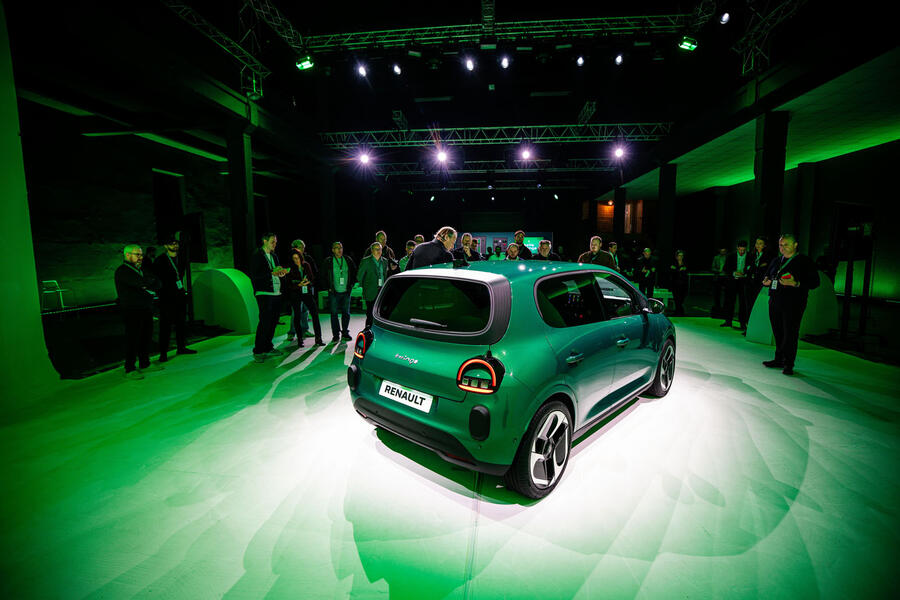
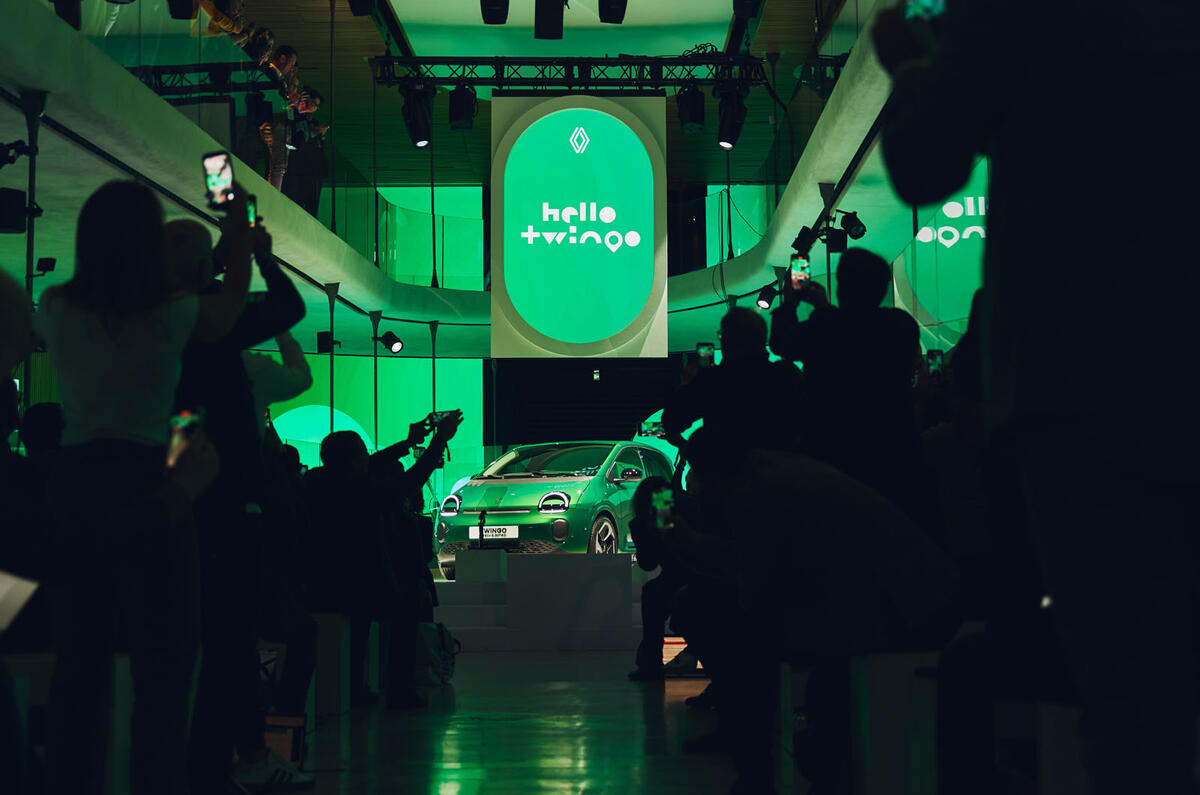
There's just about time to fire off some emails before we shuffle into the main room for a press conference, greeted by a who's who of, in this case, senior Renault executives, who are about to show us the new Twingo.
This bit, again, feels like being back at school, sat bolt-upright on a slightly uncomfortable bench paying great attention to the headmaster; today it's design boss Laurens van den Acker.