
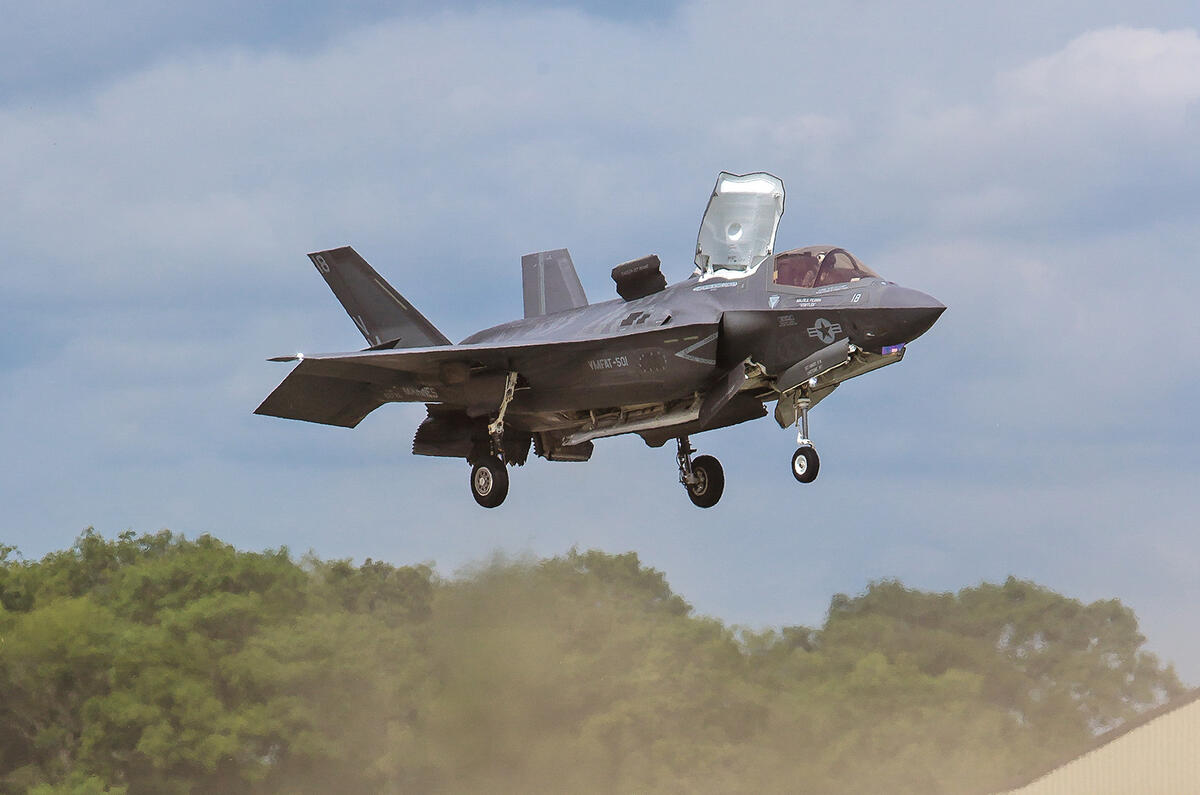

Runways are undesirable locations for military aircraft.
Being tied to miles of concrete gives jet aircraft a built-in vulnerability as well as restricting their flexibility. At sea, it is extremely difficult (and dangerous) to operate aircraft from the pitching deck of an aircraft carrier with its limited amount of deck space.
So, it is hardly surprising that designers have made great efforts in trying to produce vertical take-off-and-landing (VTOL) aircraft able to operate like helicopters. But creating such an aeroplane is exceptionally hard. These almost inevitably doomed projects have put some fascinating shapes into the sky. Demonstrating how fiendishly hard it is to develop a ‘jump jet’, is the fact that only three on this list of ten made it into service!
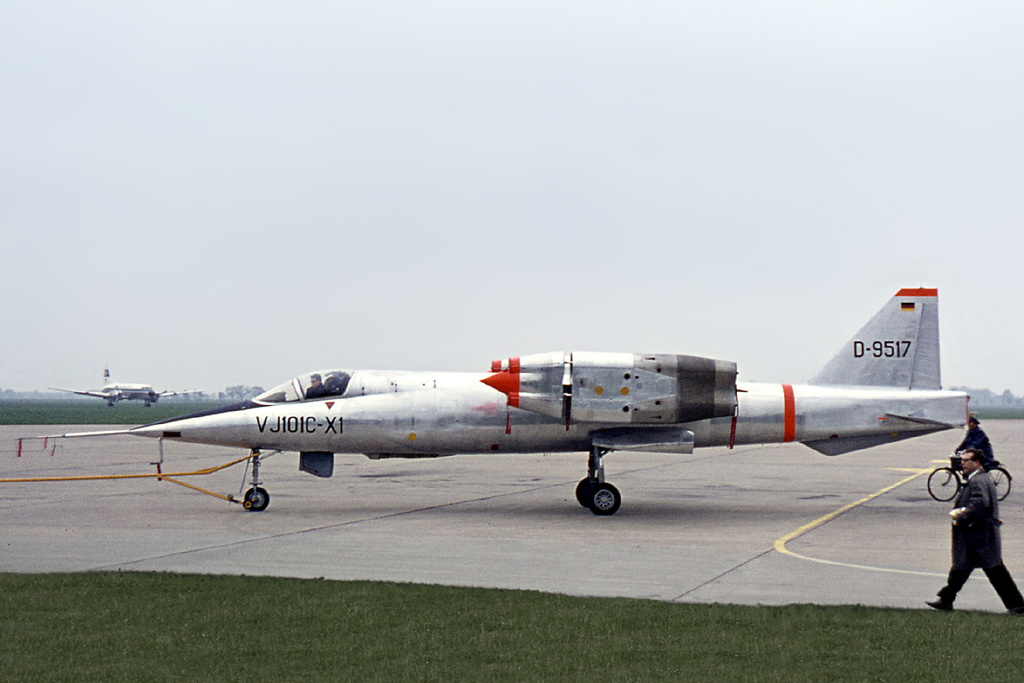
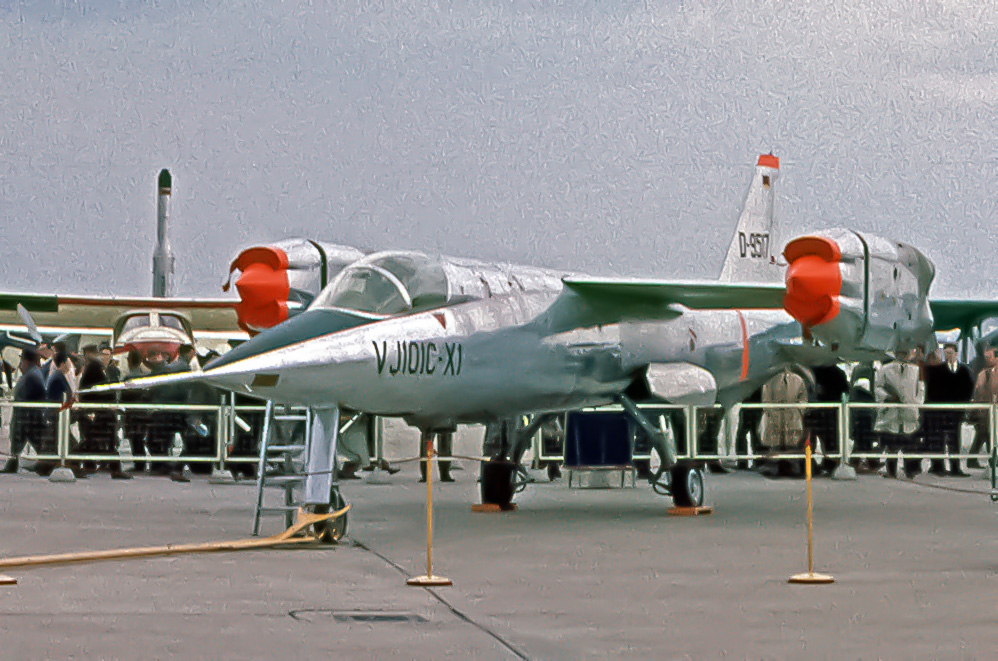
10: VFW VAK 191B
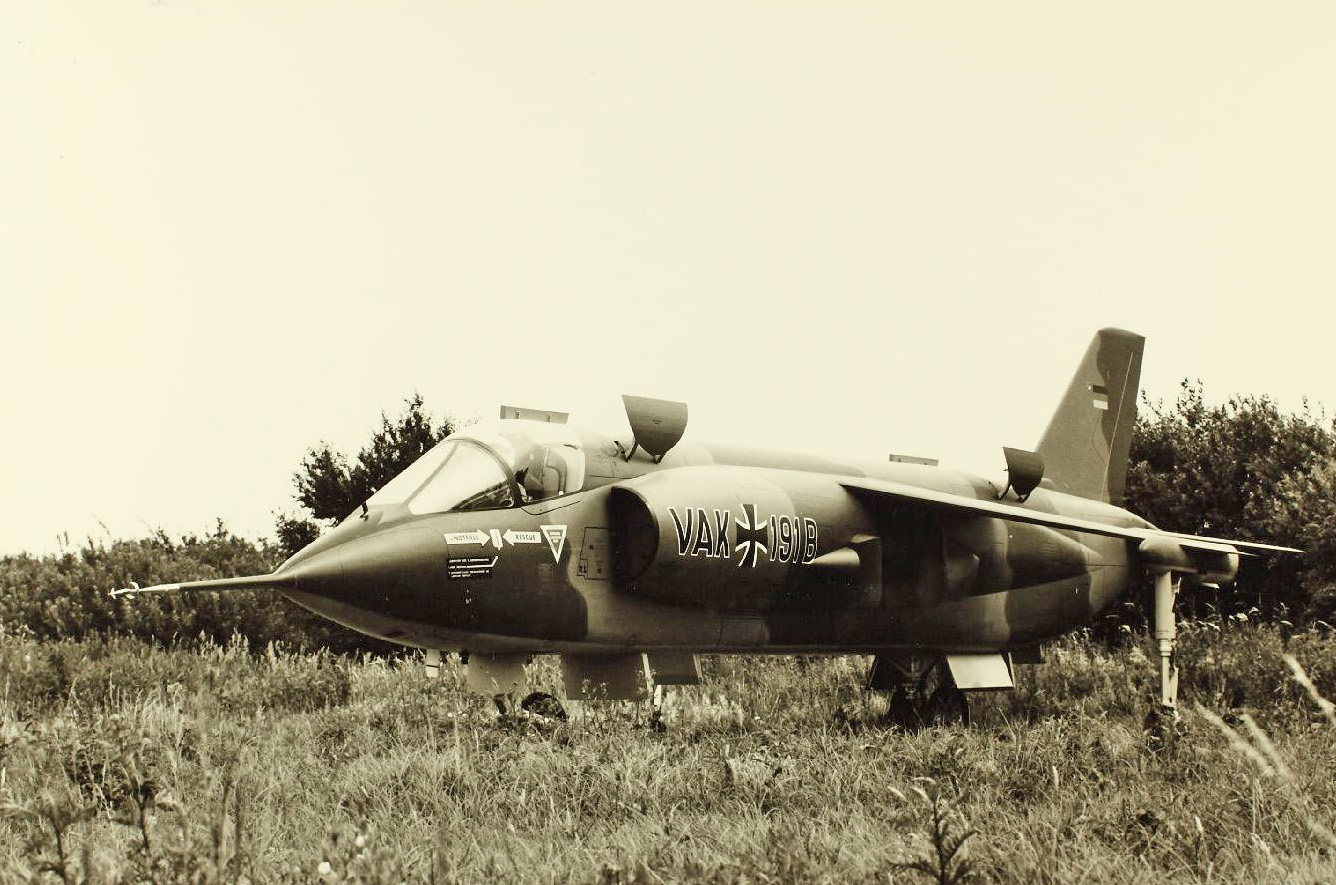
As with several aircraft on this list, the £192 million VAK-191 was an entry in NATO’s huge competition for a supersonic VTOL strike aircraft. The propulsion system, developed with the help of Rolls-Royce, used a Rolls-Royce/MAN Turbo RB.193 (similar to the Pegasus engine of the Harrier in concept) and two lift jets. The aircraft had an internal weapons bay.
When the NATO requirement was scrapped (after being technically won by the British Hawker P.1154), the VAK-191 flew on for research purposes as part of an ambitious US–West German fighter project. When this project was also canned, it was hard to justify the project, and the VAK-191 was axed by the West German government in 1972.
10: VFW VAK 191B
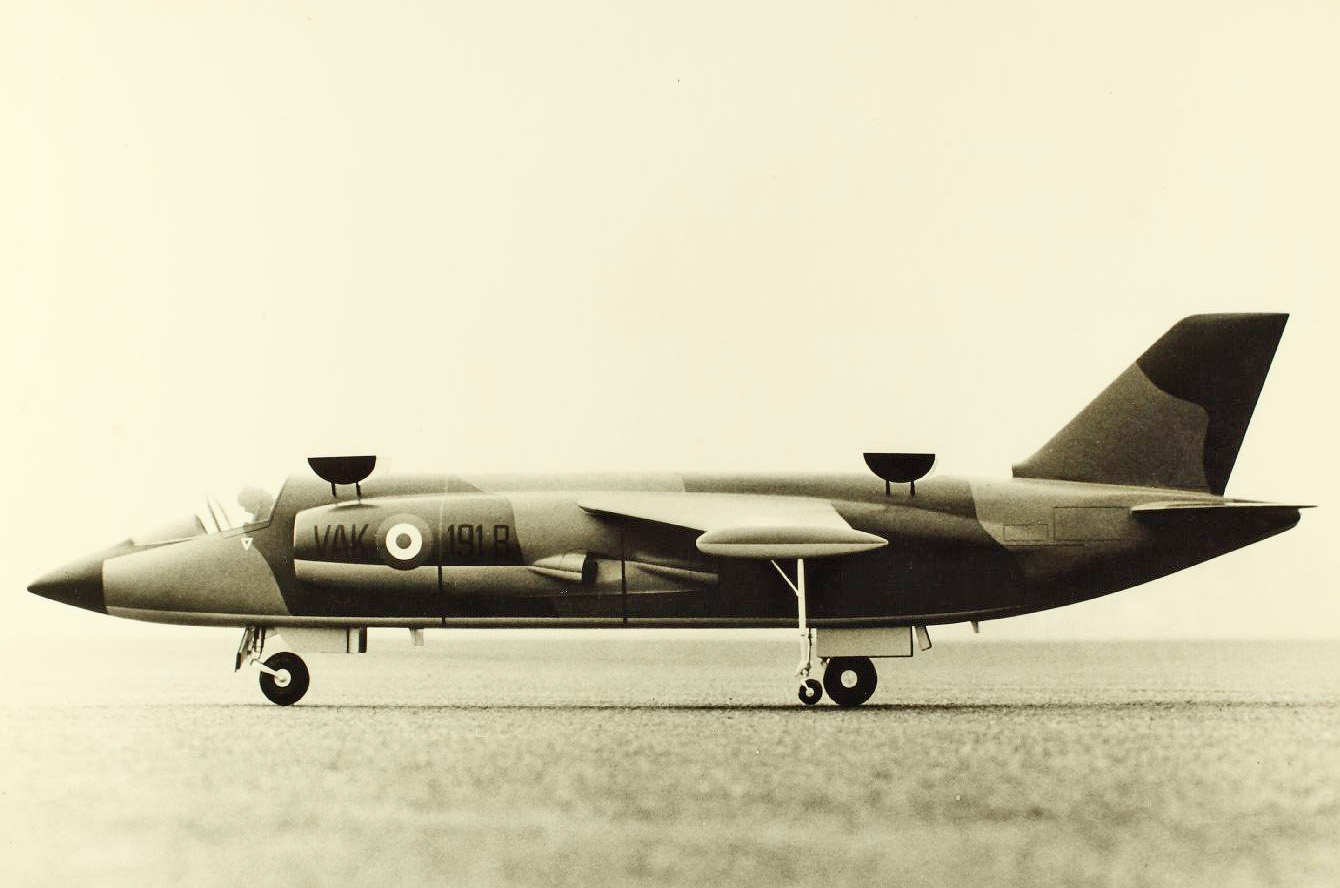
The best feature of the VAK 191B was the simple-to-implement propulsion system, using the Harrier’s approach of steerable jet thrust, plus two fixed lift-engines. It was a neat configuration, with much higher fineness-ratio than the tubby Harrier. The Fineness Ratio is the ratio of the length of a body to its maximum width, and a higher fineness ratio will be a skinnier aircraft better suited to high-speed flight.
Its worst features were its low thrust-to-weight ratio and its small wing, so wing-borne landing would have been tricky and its manoeuvrability extremely poor. It made a successful flight, but it would have needed substantial development to become an effective operational system. The requirement eventually became irrelevant and was filled by the Tornado.
9: ‘The Pentagon Easychair’ Ryan X-13 Vertijet
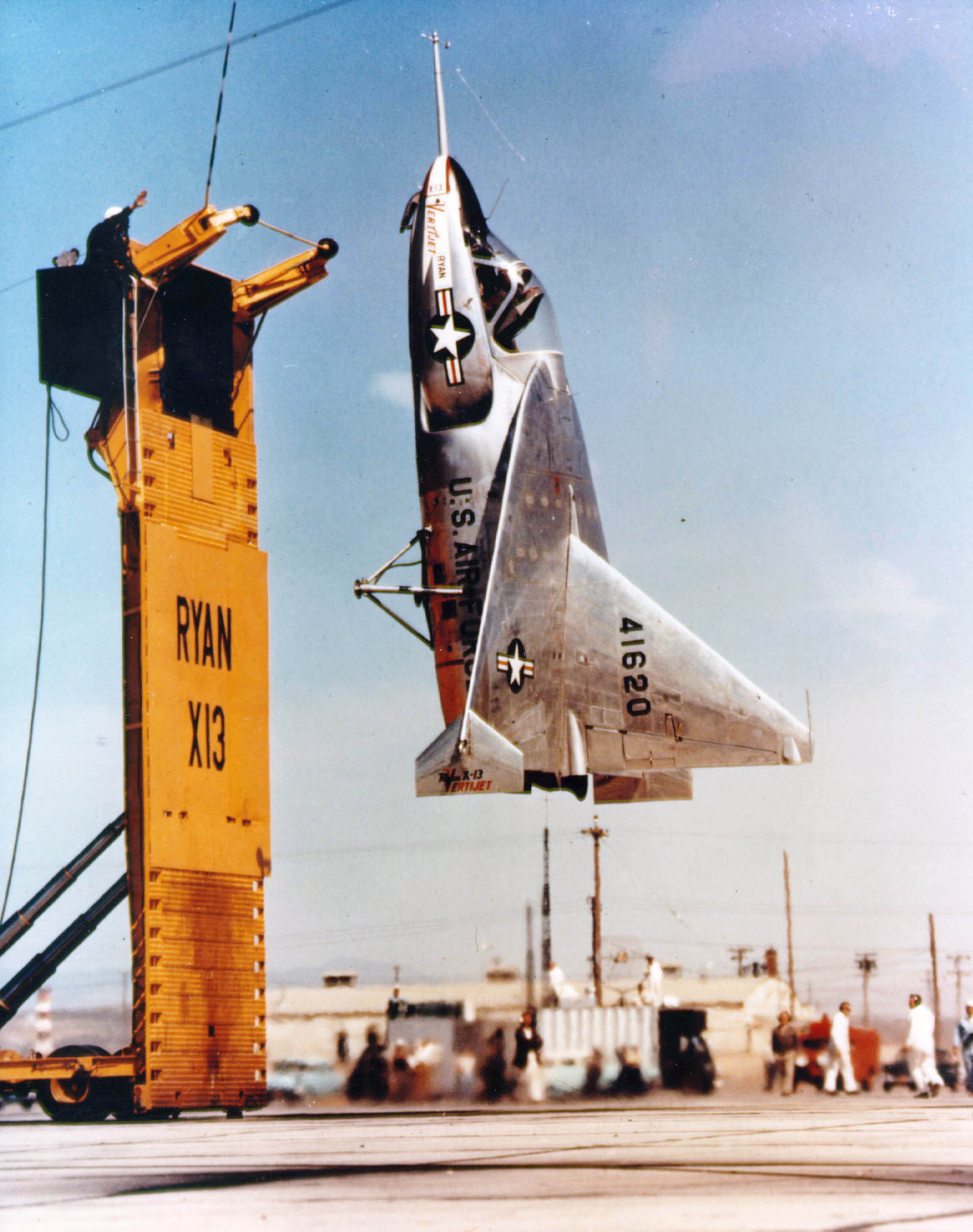
One way approach to vertical take-off and landing was the ‘tail-sitter’. The X-13 was more successful than its turboprop tail sitting brethren but was championing the wrong approach. This plane featured a Rolls-Royce Avon turbojet engine.
9: ‘The Pentagon Easychair’ Ryan X-13 Vertijet
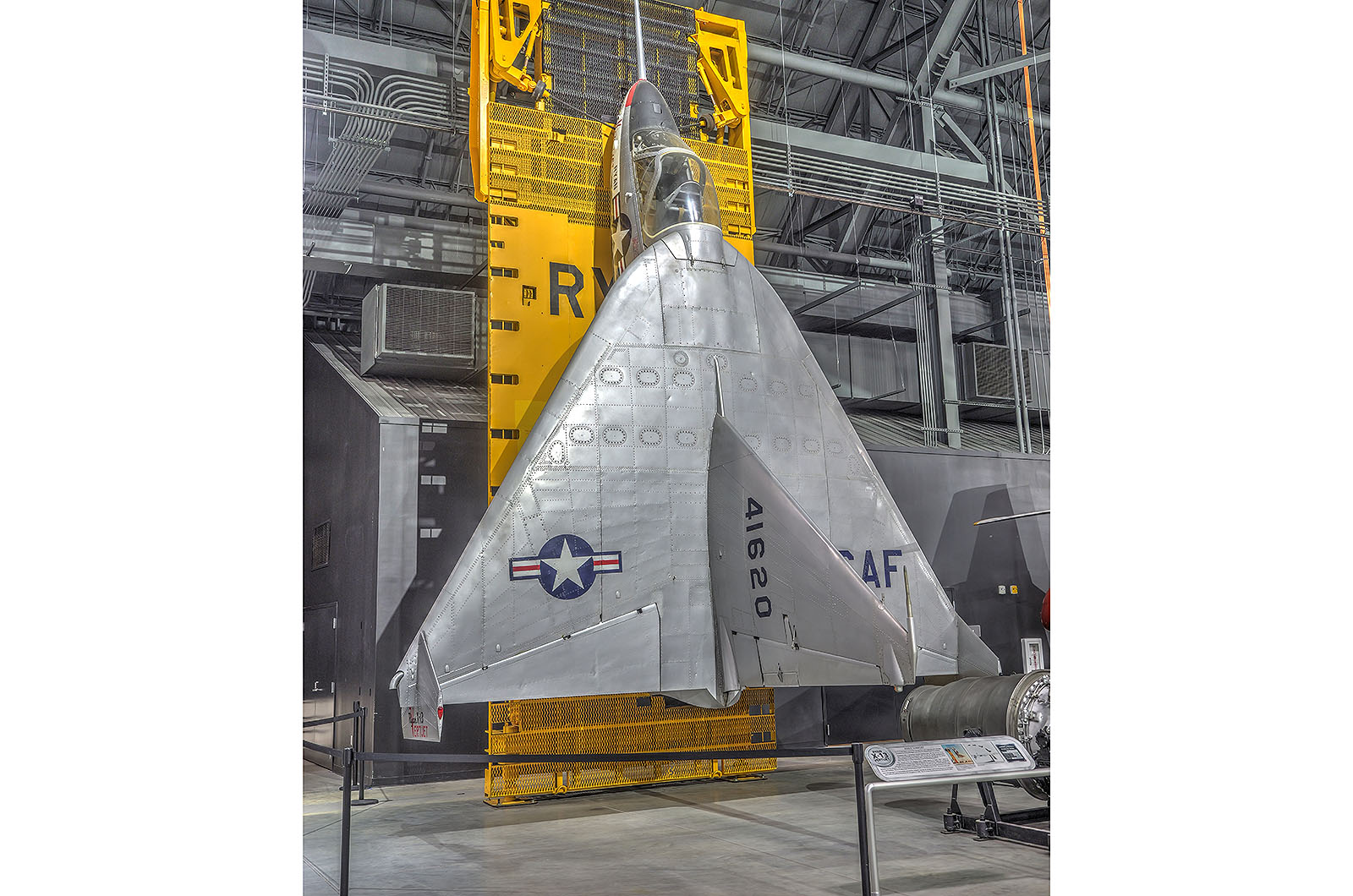
In an attempt to promote the aircraft, the X-13 once crossed the Potomac River and landed at the Pentagon, but it didn’t do much good as the military decided that it didn’t need the capability at the time.
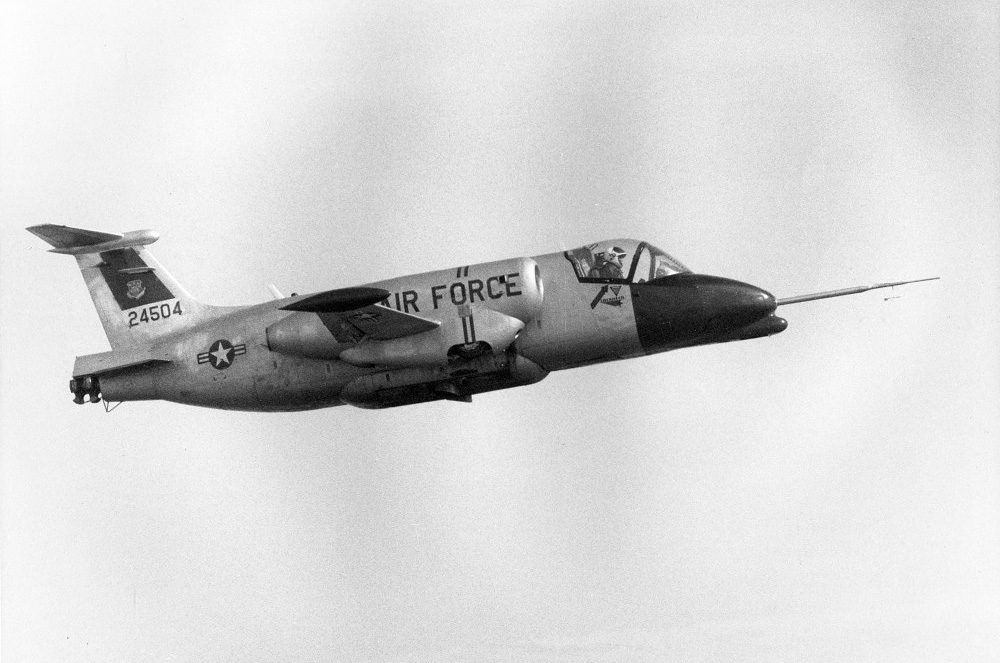
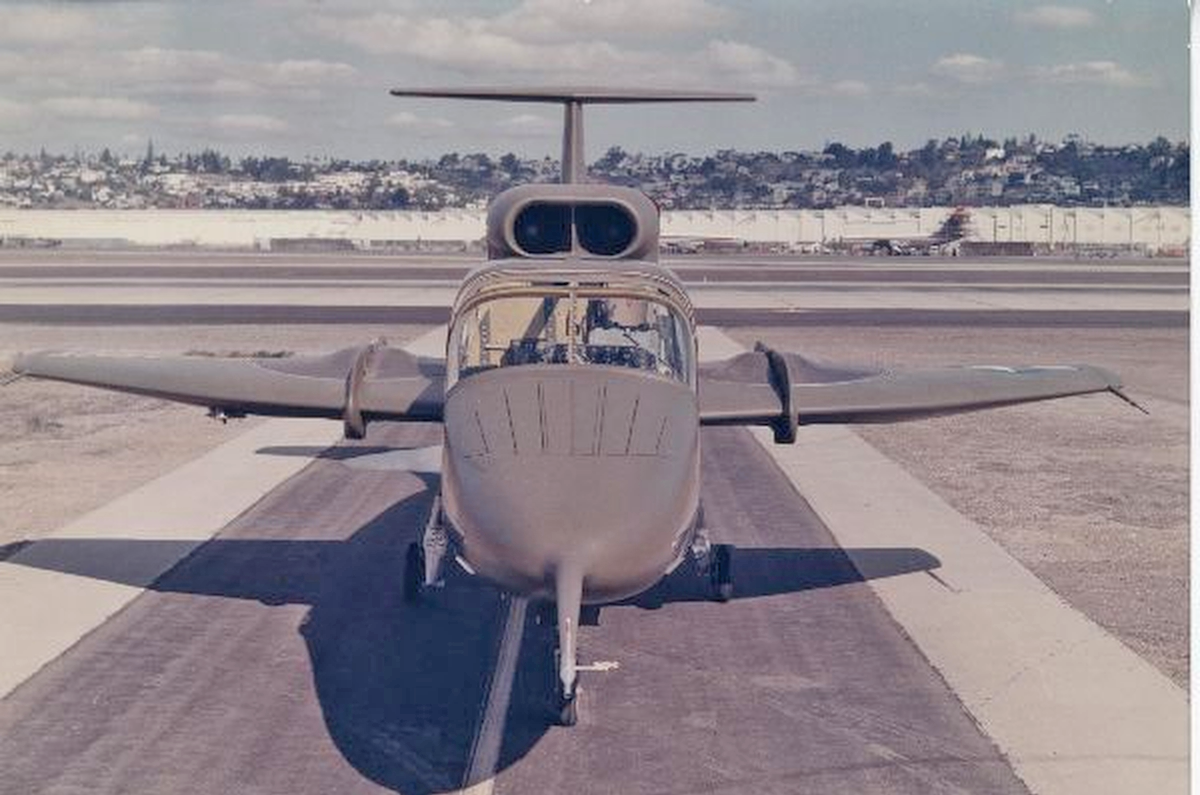
8: Lockheed XV-4 Hummingbird
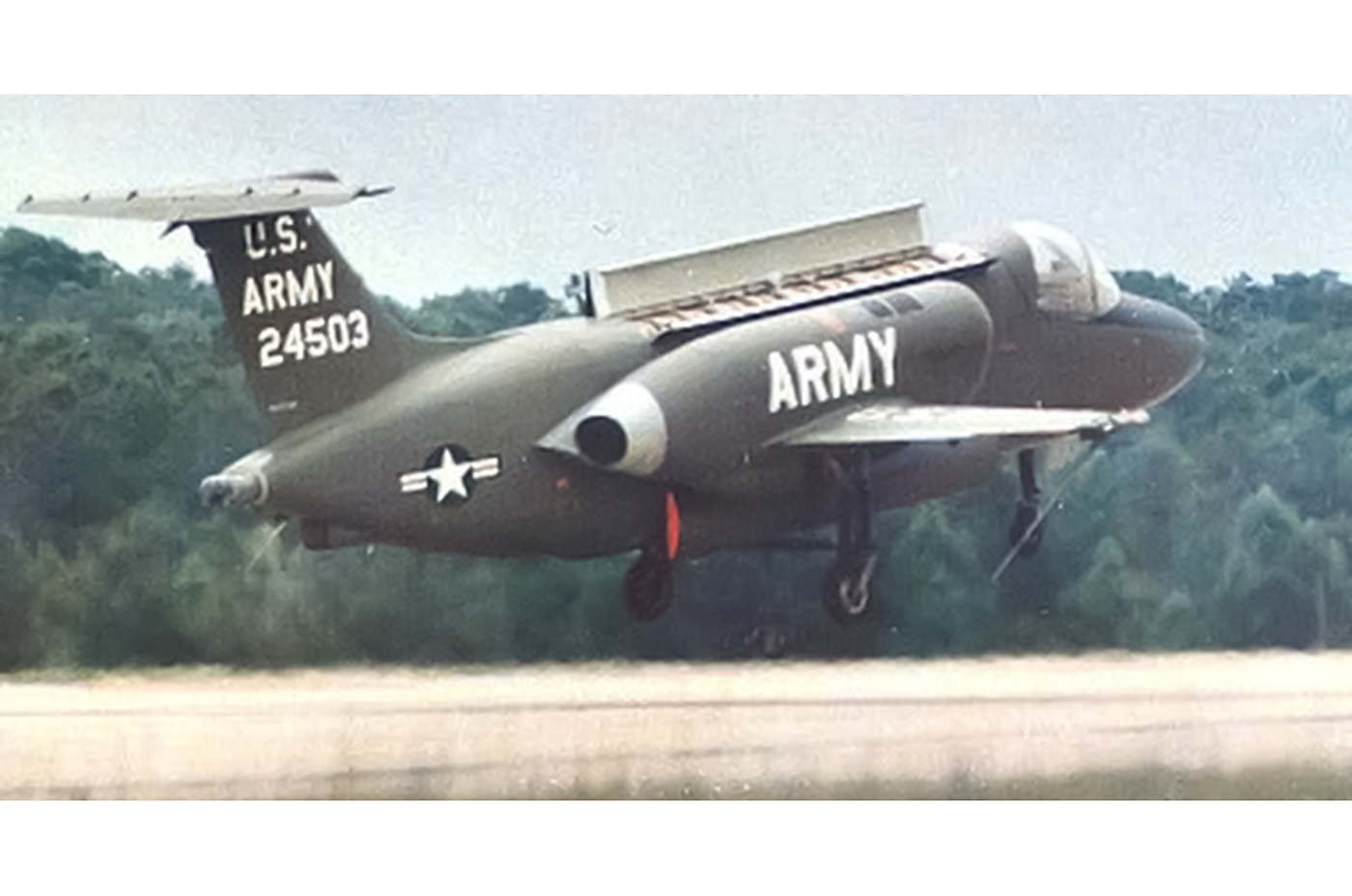
Intended as a target-spotting aircraft for the US Army, this is probably the worst aircraft on this list in terms of its effectiveness. The vertical lift came from thrust being vectored downward through multiple nozzles, but the thrust generated was far less than expected, which is perhaps why the concept moved from vertical to merely short take-off.



Add your comment