Some utterly brilliant engineering has gone into the grim task of creating bombers in Britain.
While many formidable British bombers did go into service, such as the Lancaster, Canberra and Victor, many promising designs fell by the wayside. These cancelled projects offer a tantalising glimpse into what could have been. This is such a fascinating subject, we could happily do another 10, and maybe we should soon. Here are 10 Cancelled British Bombers.
10: Short Sperrin
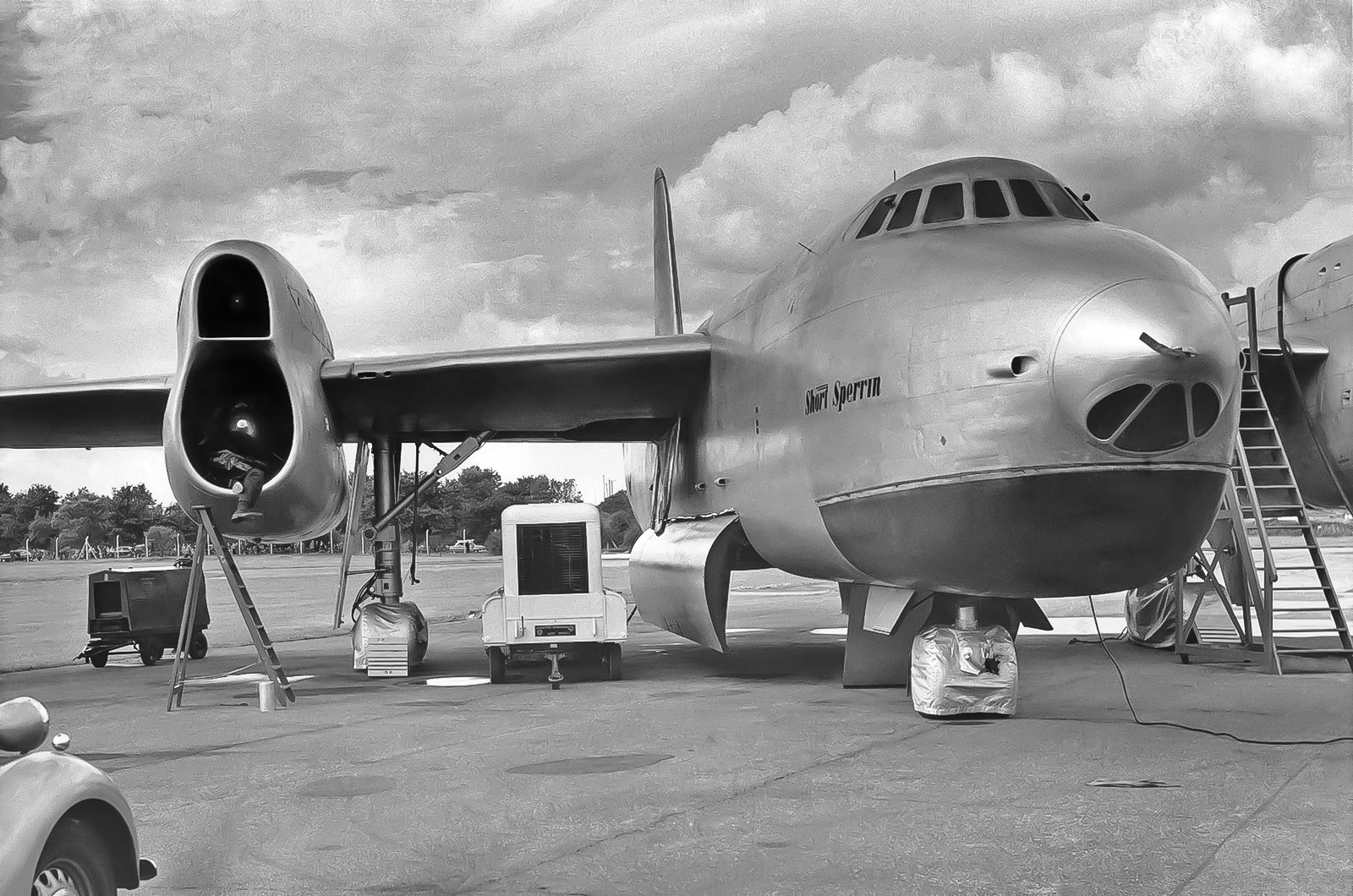
The Short Sperrin was a British experimental jet bomber developed in the late 1940s to early 1950s by Short Brothers. Conceived as an insurance policy during the development of the V-bomber force (Vulcan, Victor, and Valiant), the Sperrin was intended as a low-risk, relatively conventional alternative.
In the uncertain post-war technological climate, the British Air Ministry issued Specification B.35/46 calling for an interim bomber that could be more quickly and easily produced using proven technologies, in case the advanced V-bomber designs failed to deliver. The Sperrin’s most distinctive feature was its unusual engine configuration.
10: Short Sperrin
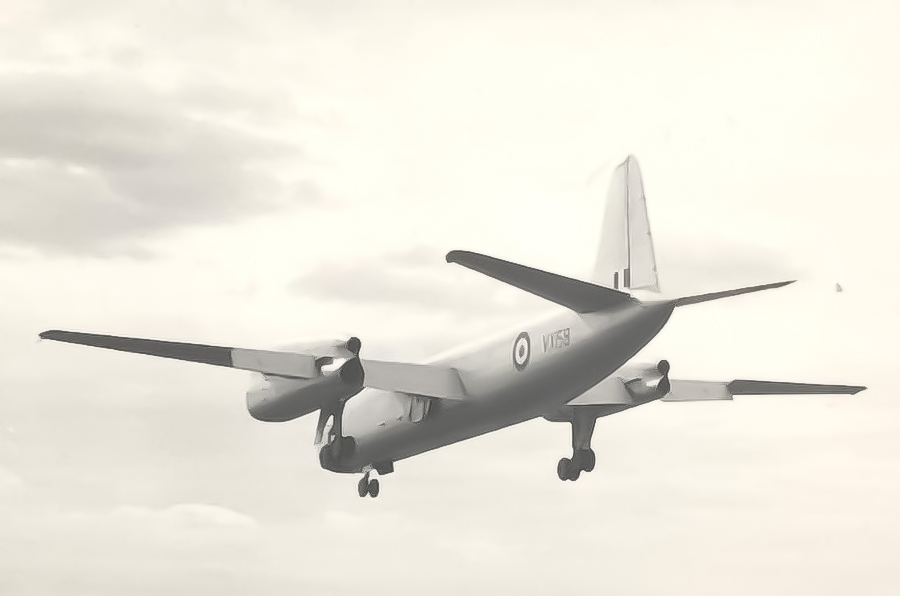
Unlike most bombers of the era, it was planned to be powered by four turbojets, mounted in paired nacelles under each wing — two engines per nacelle. This layout was not only aerodynamically unconventional but also increased drag, a compromise accepted for simplicity and redundancy. The aircraft’s conservative airframe design also contrasted sharply with the radical, crescent swept-wing or delta concepts of the Victor and Vulcan V-bombers.
Only two Sperrins were built, serving as testbeds rather than operational aircraft. Though it never entered service, the Sperrin played a vital role in validating systems and technologies, ensuring Britain had a fallback option. Its legacy lies more in its developmental support role than in front-line service, reflecting Cold War-era strategic caution.
9: BAE Systems Nimrod MRA4
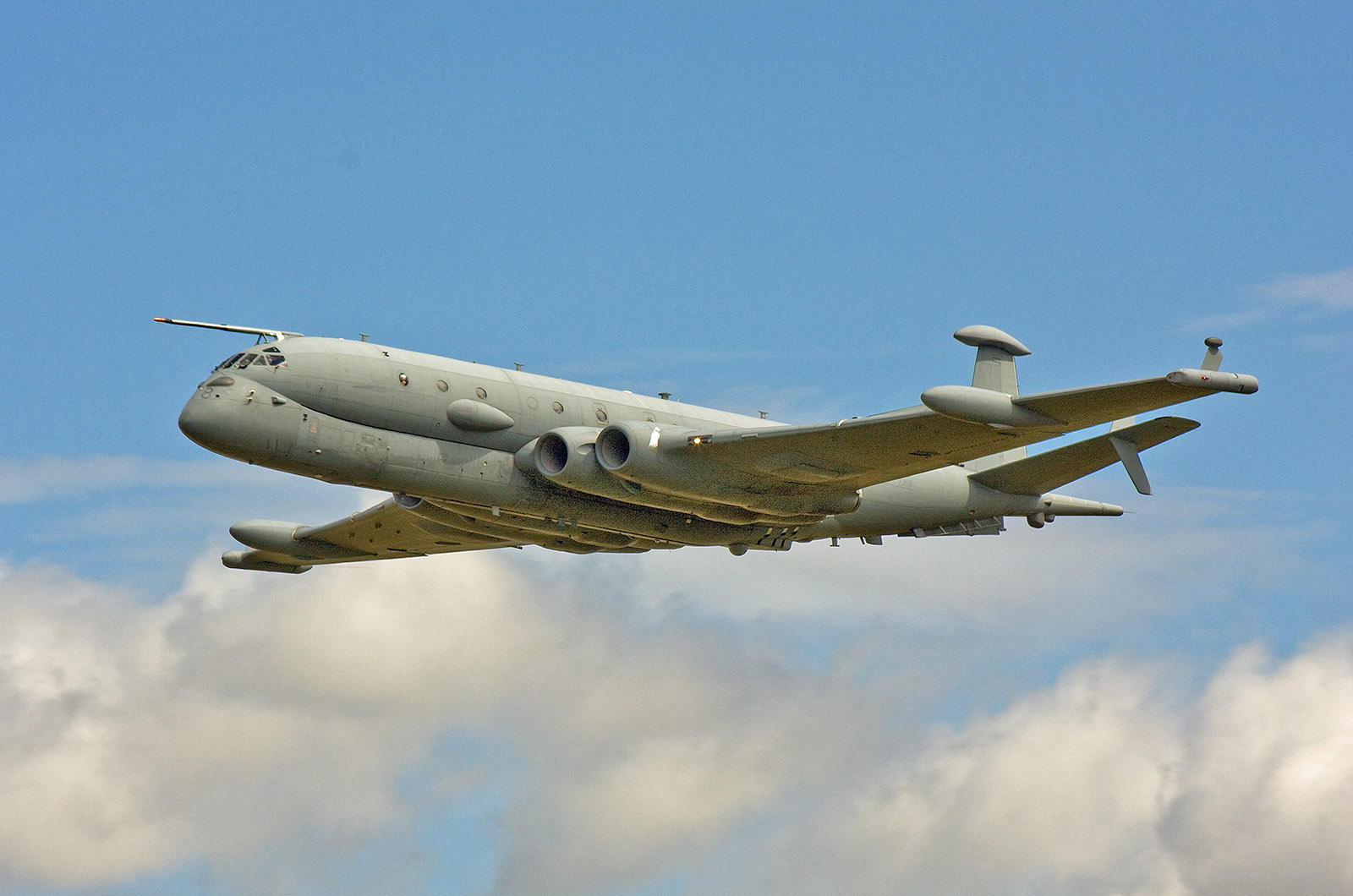
As the Nimrod MRA4 had a very serious attack role, we will count it as a bomber. The Nimrod MRA4 was the UK’s ambitious but doomed attempt to replace its ageing maritime patrol aircraft, the Nimrod MR2. It promised cutting-edge technology, improved endurance, and new mission capabilities. It was plagued by delays, cost overruns, and technical challenges from the start.
Despite integrating advanced systems, such as a glass cockpit, new sensors, and powerful BR710 engines, the MRA4 remained tethered to a 1950s de Havilland Comet airframe. The digital upgrades were impressive—but ageing hardware, shifting requirements, and a sluggish development pace meant it lagged behind modern alternatives. The RAF never received a single operational aircraft.
9: BAE Systems Nimrod MRA4
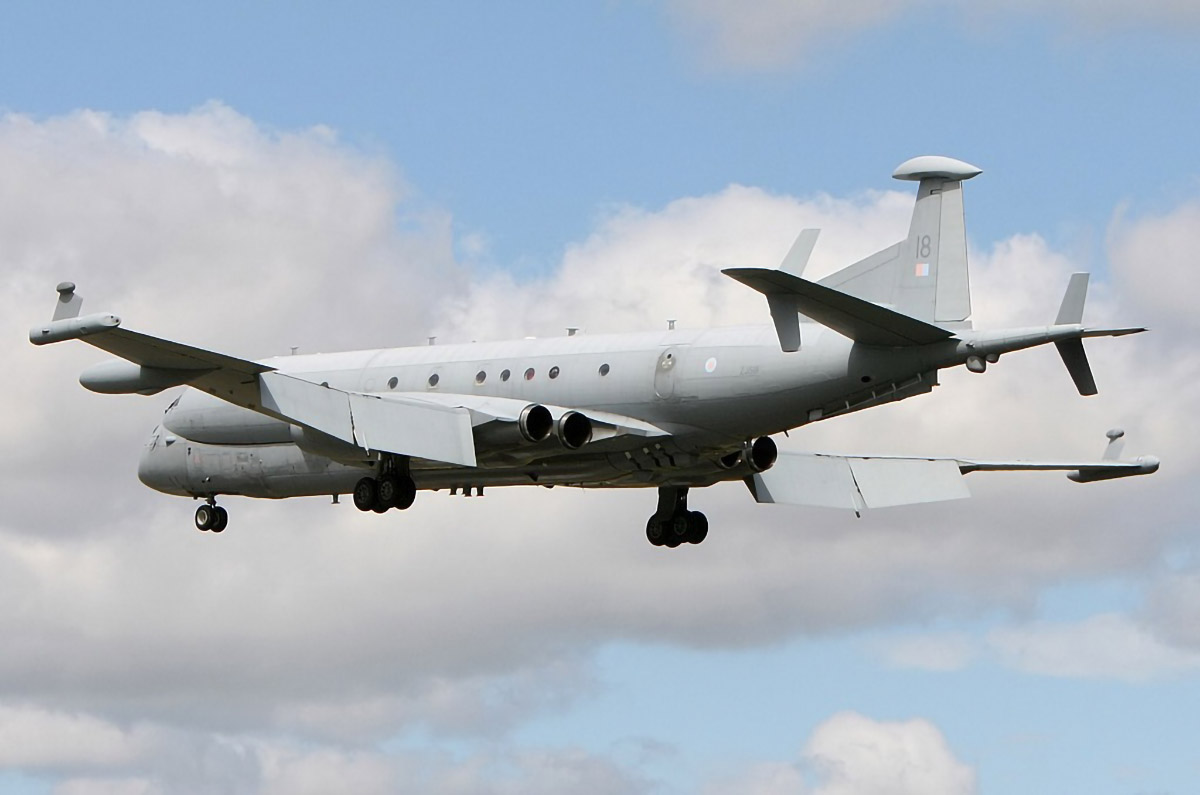
By 2010, after 14 years and around £4 billion spent, the programme was scrapped. The US-built P-8 Poseidon achieved what the MRA4 couldn’t: operational service and was much closer to being on time and on budget. While some MRA4 innovations influenced future platforms, the aircraft itself never flew an operational mission.
The cancellation left RAF crews disillusioned and the Kinloss airbase in Scotland gutted. Though many personnel rebounded into new roles, the episode became a textbook example of procurement failure. A blend of ambition, legacy constraints, and mismanagement, Nimrod MRA4 stands as a very expensive lesson in how not to develop a military aircraft.
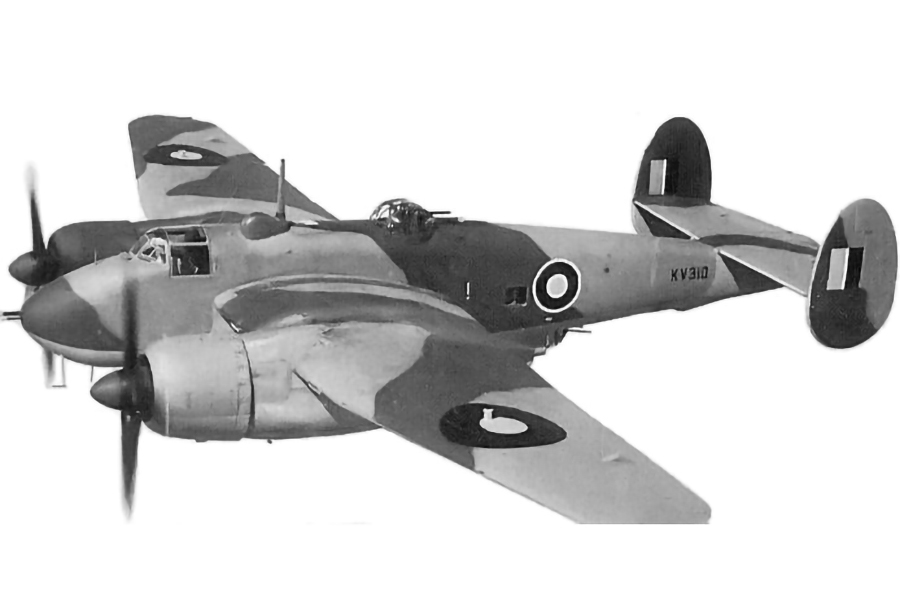
8: Vickers Warwick

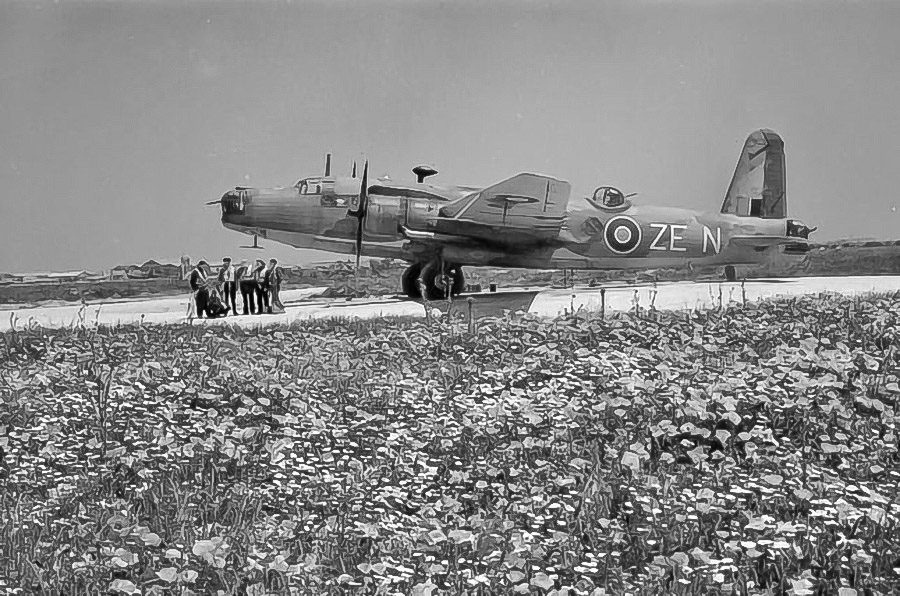
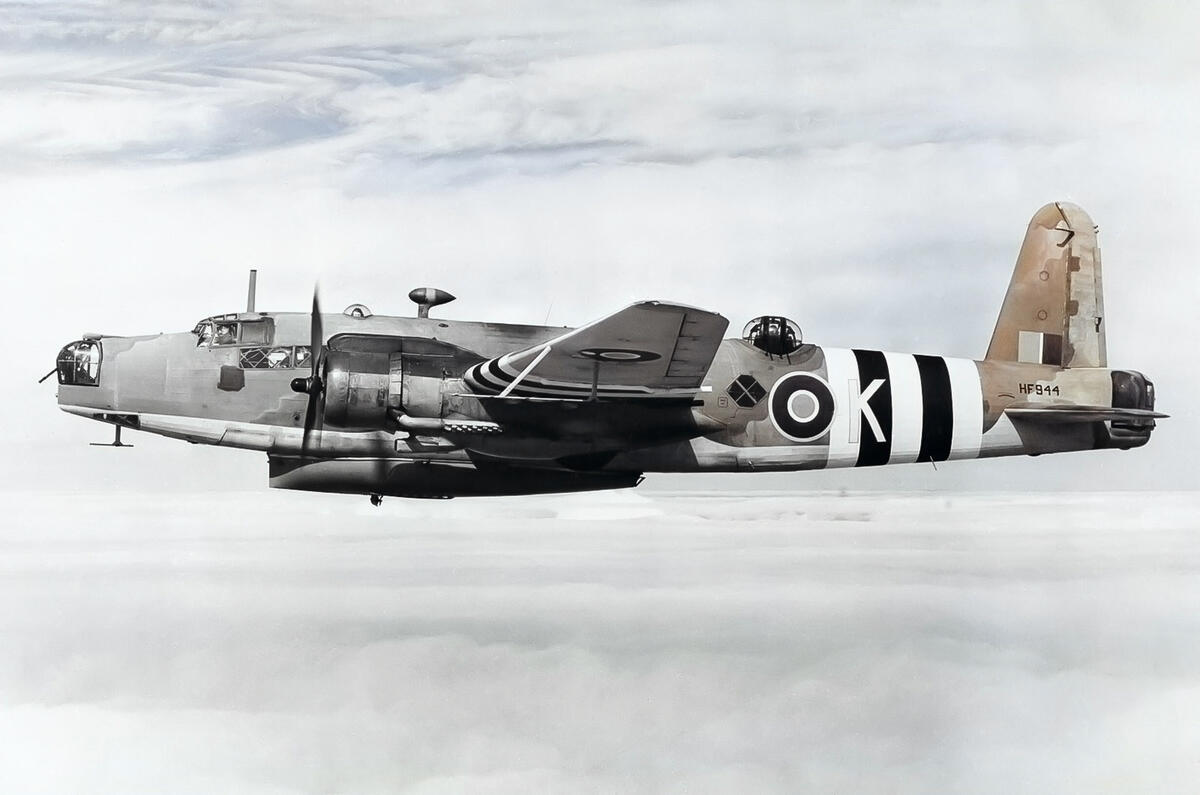
Intended to replace the Vickers Wellington, the Warwick was ultimately built in quite large numbers (846) and became the largest twin-engine British aircraft to enter service during the war. However, it never became operational as a bomber and only 57 were completed in bomber configuration.
The Warwick was killed as a bomber primarily due to questionable political decisions made at the highest level. In 1941, Winston Churchill decided that 3500 more aircraft than were currently on order needed to be built during 1942. This target could only be met by producing existing types rather than new ones.
8: Vickers Warwick

So, Vickers delayed the Warwick and continued to build the Wellington in large numbers. Ironically, this led to a reduction in Bomber Command’s total bomb-carrying capacity as more small bombers had to be built to meet Churchill’s arbitrary dictate and specifically delayed Warwick production by about a year.
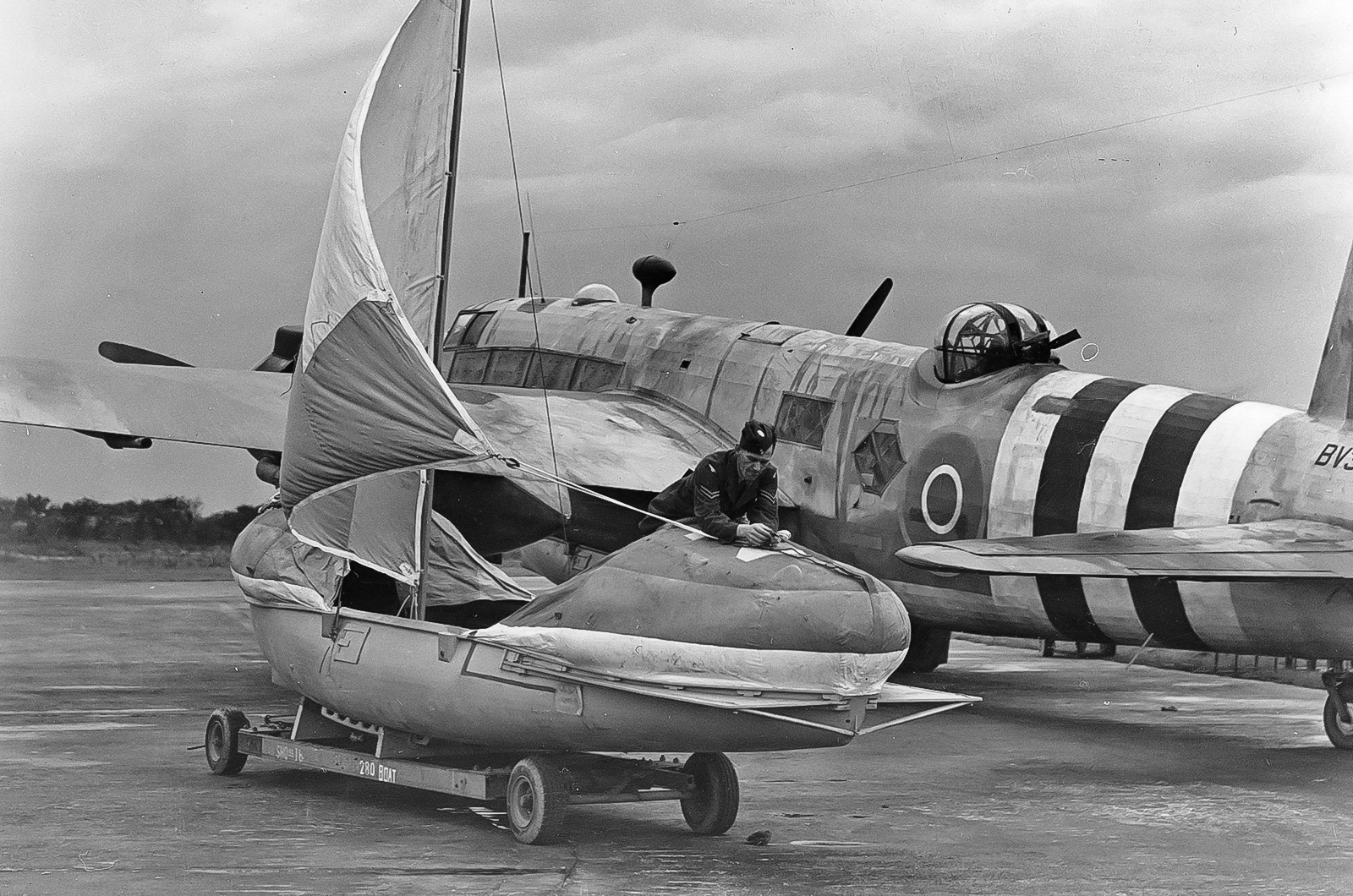
This delay effectively ended any chance of the Warwick bomber entering service, as better four-engine aircraft such as the Halifax had by then appeared, but the Vickers twin proved adaptable for other roles. Warwicks were used successfully as transports, air-sea rescue aircraft carrying an air-dropped lifeboat, and as maritime patrol aircraft with Coastal Command.
7: Hawker P.1103/P.1121

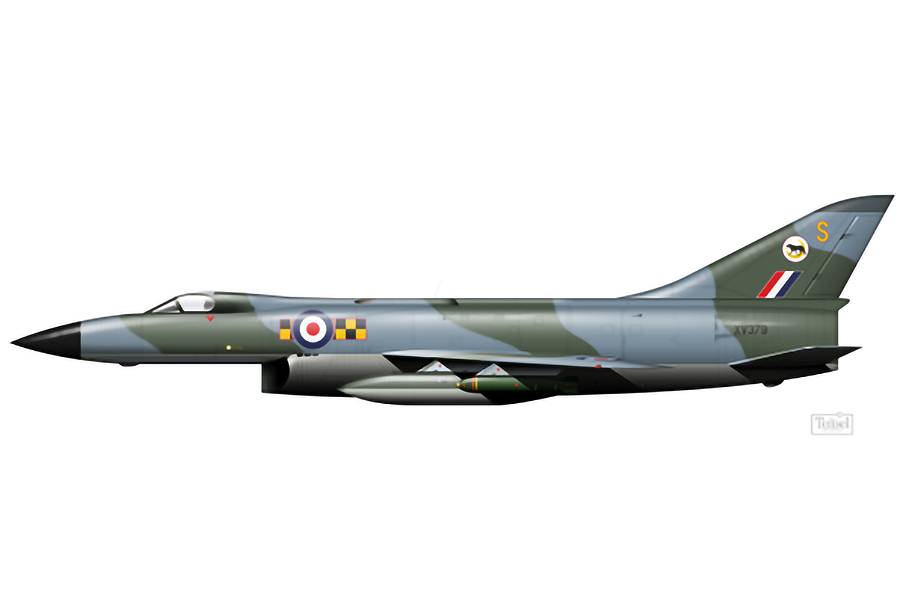
Hawker sought to evolve the successful Hunter into a supersonic fighter for Operational Requirement F.155. The resulting design, the P.1103, was radically different, with a new fuselage, larger wing, a powerful engine, chin intake, new radar, and a second seat for the operator—creating a new true multirole combat aircraft.
Planned armament included Red Top missiles, ADEN 30mm cannon, and rockets, offering both air superiority and ground-attack potential. Though booster rockets were proposed for improved climb rates, they were unlikely to see service. The P.1103’s projected performance included an amazing Mach 1.35 at sea level and impressive Mach 2.35 (some estimates were even higher) at altitude.
7: Hawker P.1121

Despite these qualities, the Ministry rejected it, doubting Hawker’s grasp of the emerging “weapon system” concept. Unfazed, Hawker privately continued with the P.1121, a refined single-seat development. Though promising, the 1957 Defence White Paper ended the RAF’s interest in manned interceptors, sealing the project’s fate after only limited progress.
The P.1121 would have inherited the Hunter’s superb handling, generous wing area, combined with an improved thrust-to-weight ratio. It likely would have excelled in dogfights and ground-attack missions alike. With export potential and multirole versatility, it might have outclassed the Lightning in flexibility—offering the RAF a truly capable supersonic strike and air-defence platform.
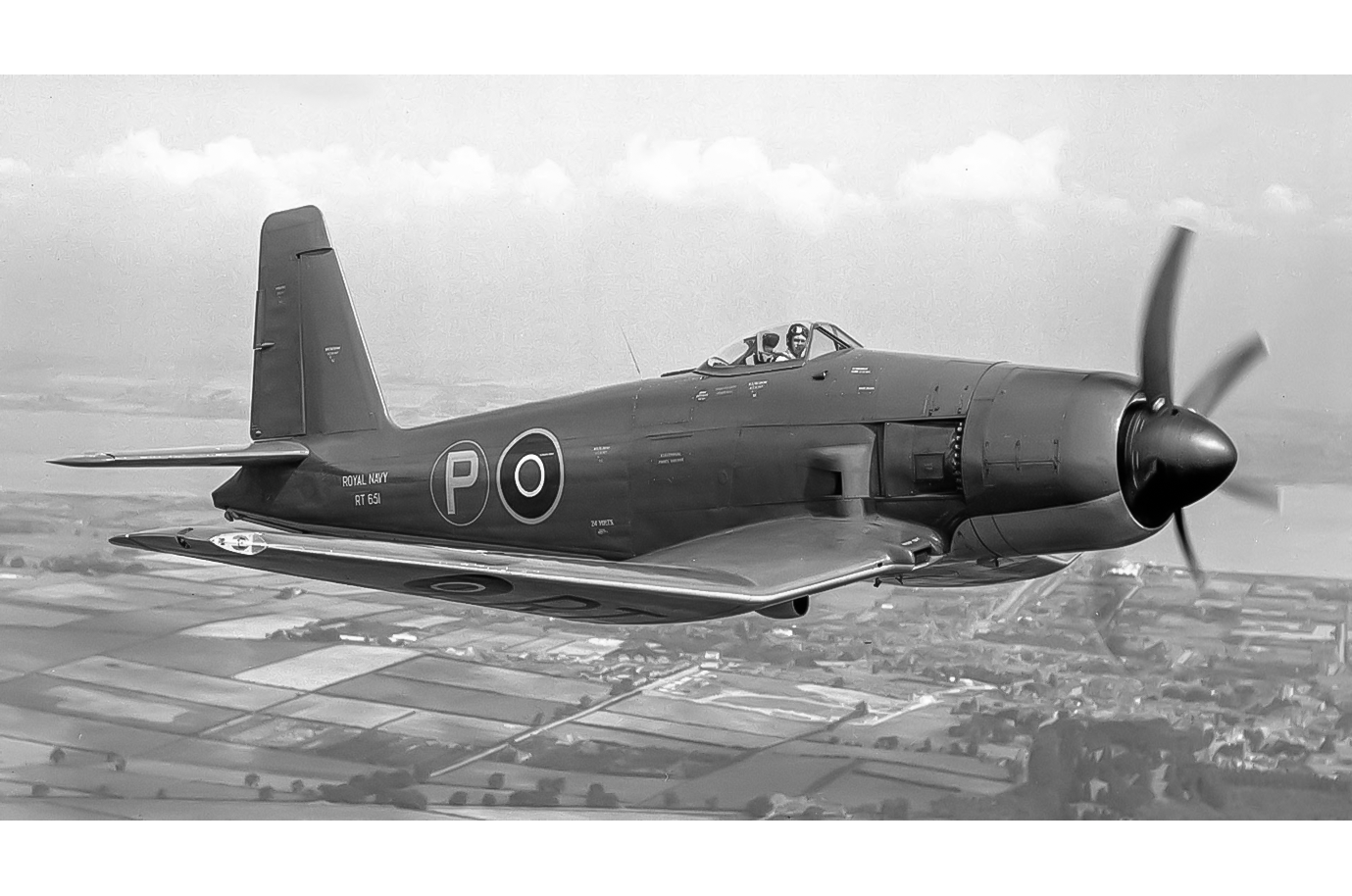
6: Blackburn B.48 Firecrest

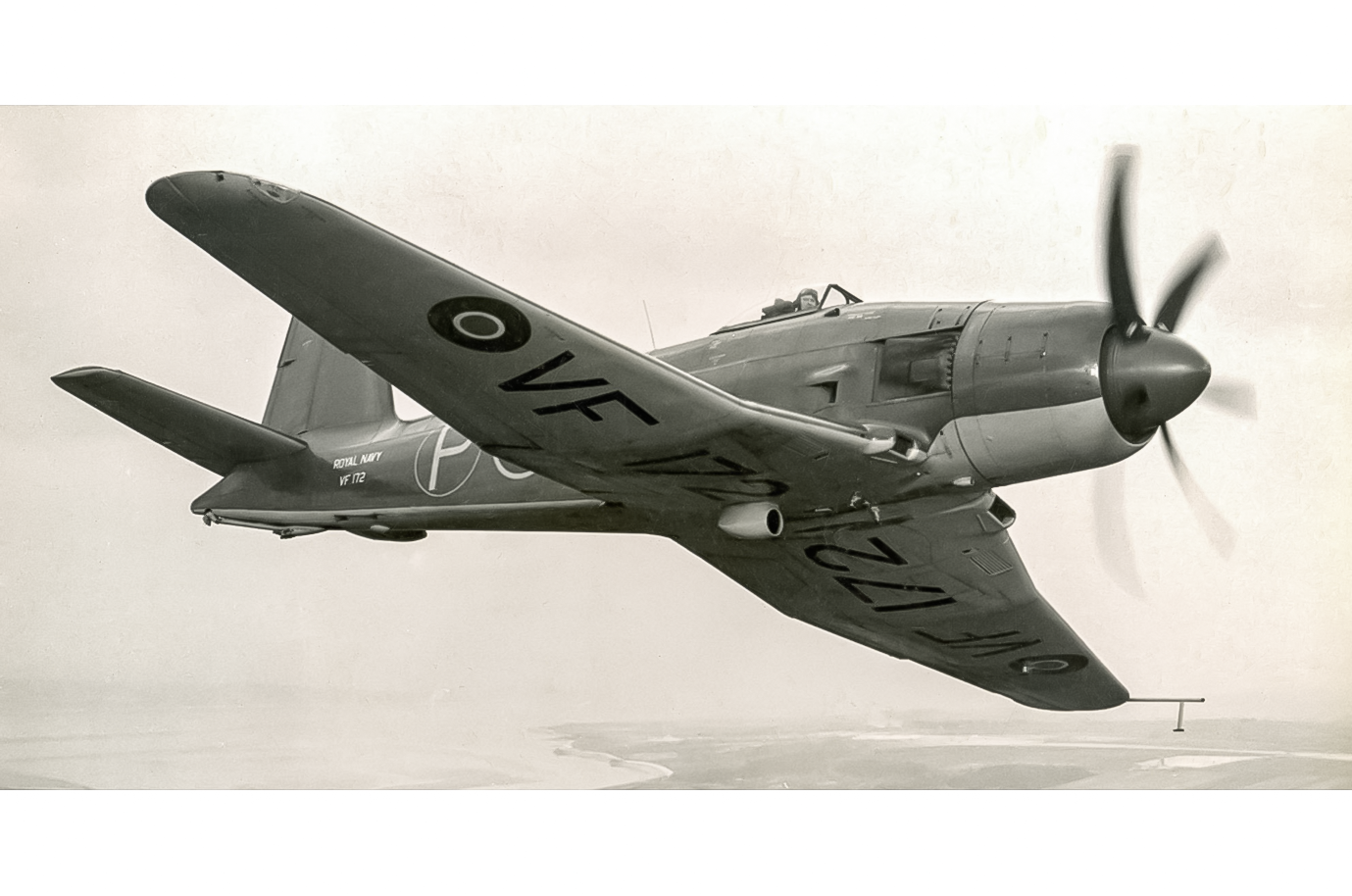
The Blackburn aircraft company is often lambasted as the worst British aircraft manufacturer there ever was, and though some will defend it or blame delays on the powers that be, the Firebrand naval strike fighter is often cited as a prime example of this incompetence. It was so troublesome, dangerous and late that it missed the war it was intended to fight in.
During the Firebrand’s long development, the idea of fitting a laminar flow wing was considered. This would make it faster and lighter. Additionally, it was decided that the cockpit should be moved forward to give the pilot a better view (a plan that would ultimately fail). Other changes were planned, and soon the concept deserved its own name, Firecrest.
6: Blackburn B.48 Firecrest

On paper, it was formidable, with a great engine, with more modern aerodynamics and the ability to carry bombs, cannon, torpedoes or unguided rockets. But when it first flew in 1947, five years after the Firebrand’s first flight, it soon turned out to be a bit more typically Blackburn than desired.
Faster, at an impressive 380mph, than the Firebrand and blessed with a marginally improved (but still poor) cockpit view, it still managed to disappoint thoroughly. The famous test pilot Captain Eric ‘Winkle’ Brown remarked it was even less manoeuvrable than its predecessor, with powered ailerons inducing unpleasantly “lumpy” controls, and carrier landings were a little too exciting.
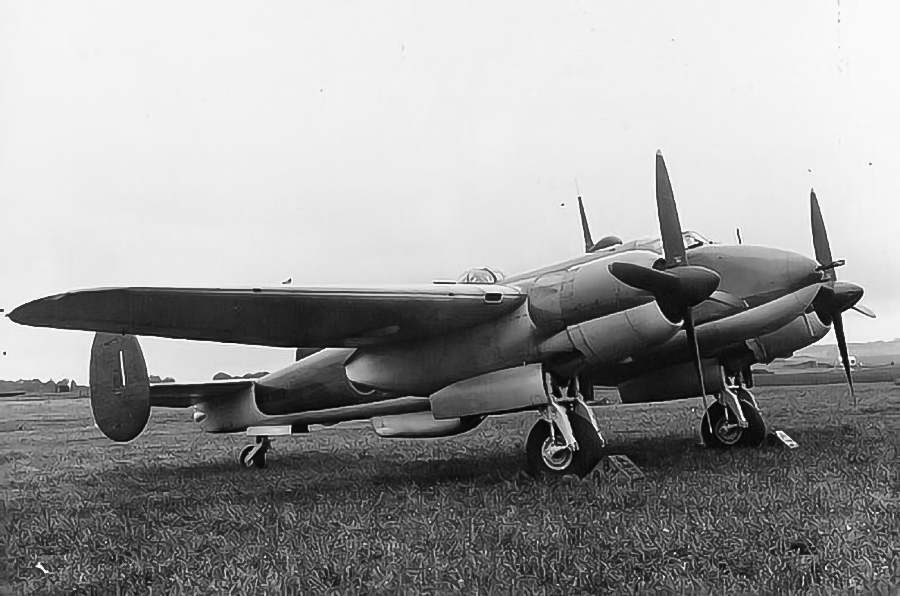
5: Bristol Buckingham

In early 1941, the Buckingham was considered one of the most important future types for the RAF, yet a mere three years later, despite achieving its performance targets, it was irrelevant and unwanted. A few were built, but it never entered active service and never flew a mission.
What went wrong? Conceived as a replacement for Bristol’s own Blenheim light bomber, the design took shape in the light of combat experience, which had shown the Blenheim with its light defensive armament to be horrifically vulnerable to fighters. Bristol proposed a faster and more heavily armed bomber derived from the successful Beaufighter.
5: Bristol Buckingham

Unfortunately, the improvement this offered was seen as inadequate by late 1940, and a redesign was undertaken utilising two very powerful Centaurus engines of 2400hp each. The prototype flew in February 1943 but was beset by stability problems, which delayed the appearance of the first production aircraft until early 1944.
By then, the superlative de Havilland Mosquito had been in service for years, delivering a higher performance, as well as being cheaper. The Buckingham simply became surplus to requirements. Of 400 ordered in 1941, 119 were built, most of which were converted to high-speed transports, which were little used.
4: BAE P.125

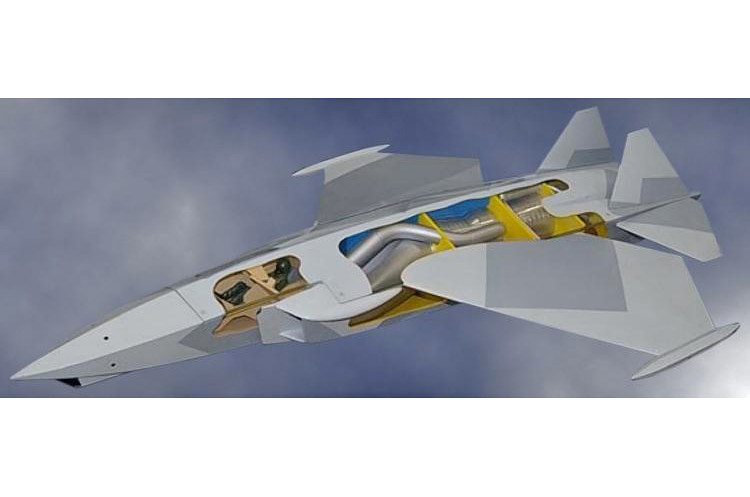
The long history of British expertise in stealth technology has not been discussed a great deal. Britain pioneered radar-absorbent material for aircraft, worked on reduced radar-observability for nuclear warheads in the early 1960s and was able to create a world-class stealth testbed in the Replica model. Prior to Replica, in the 1980s, Britain was working on an aircraft concept so advanced it was classified as a state secret until 2006: the BAE P.125.
This was a stealthy supersonic attack aircraft to replace the Tornado. It was to be available in both a short take-off and vertical landing (STOVL) version and a conventional variant. The conventional variant would feature a central vectoring nozzle; the STOVL version would have three vectoring nozzles. In some ways, the P.125 was more ambitious than the F-35; the aircraft was to have no pilot transparencies, with the reclined pilot instead immersed in synthetic displays of the outside world.
4: BAE P.125

The absence of a cockpit transparency on the P.125 was intended to protect the pilot from laser-dazzle weapons (a weapon inaccurately feared to be in widespread use by the Soviet Union). Even now, a synthetic worldview cockpit is considered a daunting technological prospect; in the 1980s, it was a bold ambition.
It is likely that this formidable interdictor would have been even less visible to radar than the F-35. Despite its 1980s vintage, many of its low-observable features are reminiscent of today’s latest fighters, while other features, such as its unorthodox wing design, are unique. The project was quietly dropped when Britain joined the Joint Strike Force programme in the 1990s, which gave birth to the F-35 Lightning II.
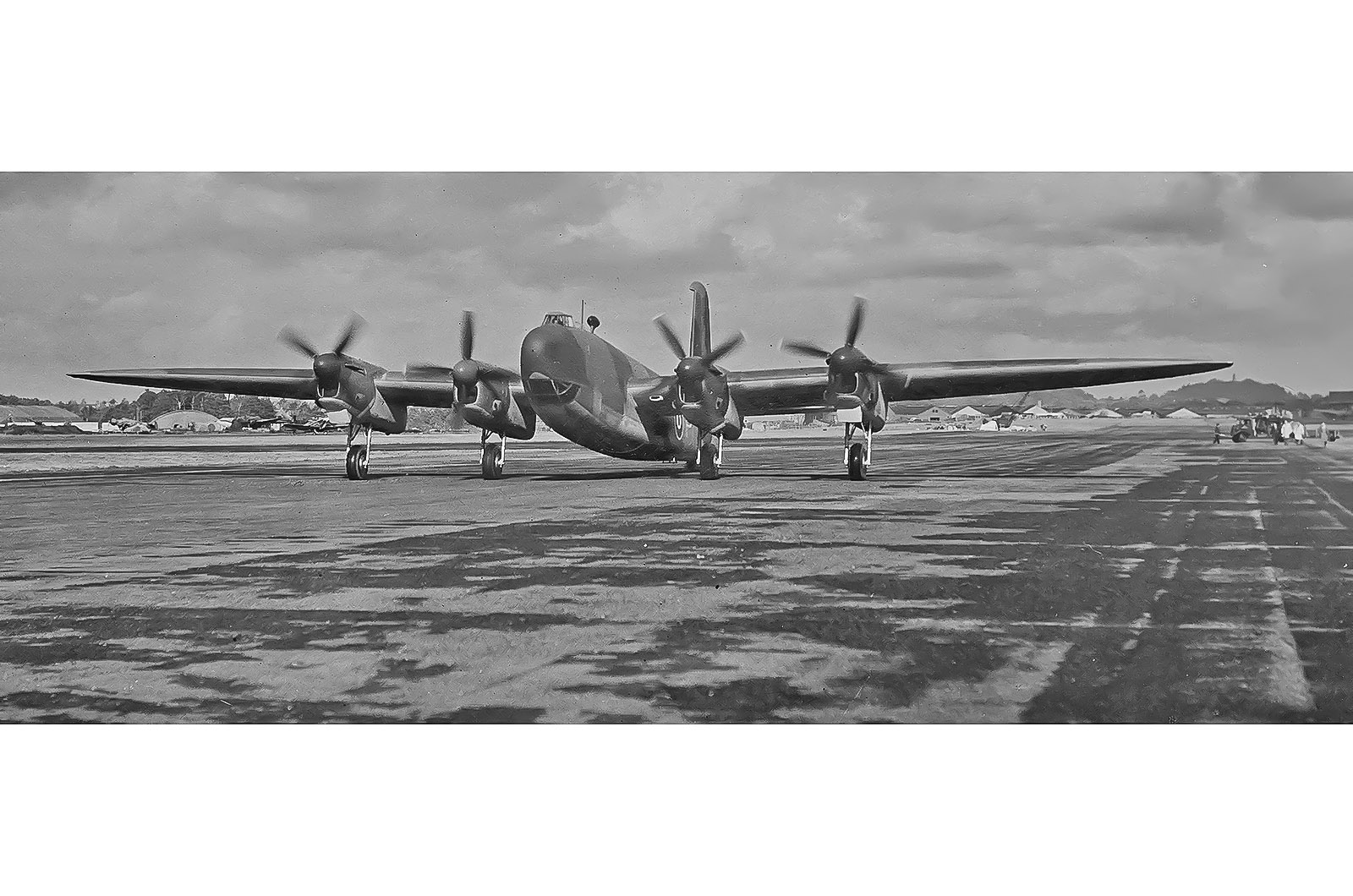
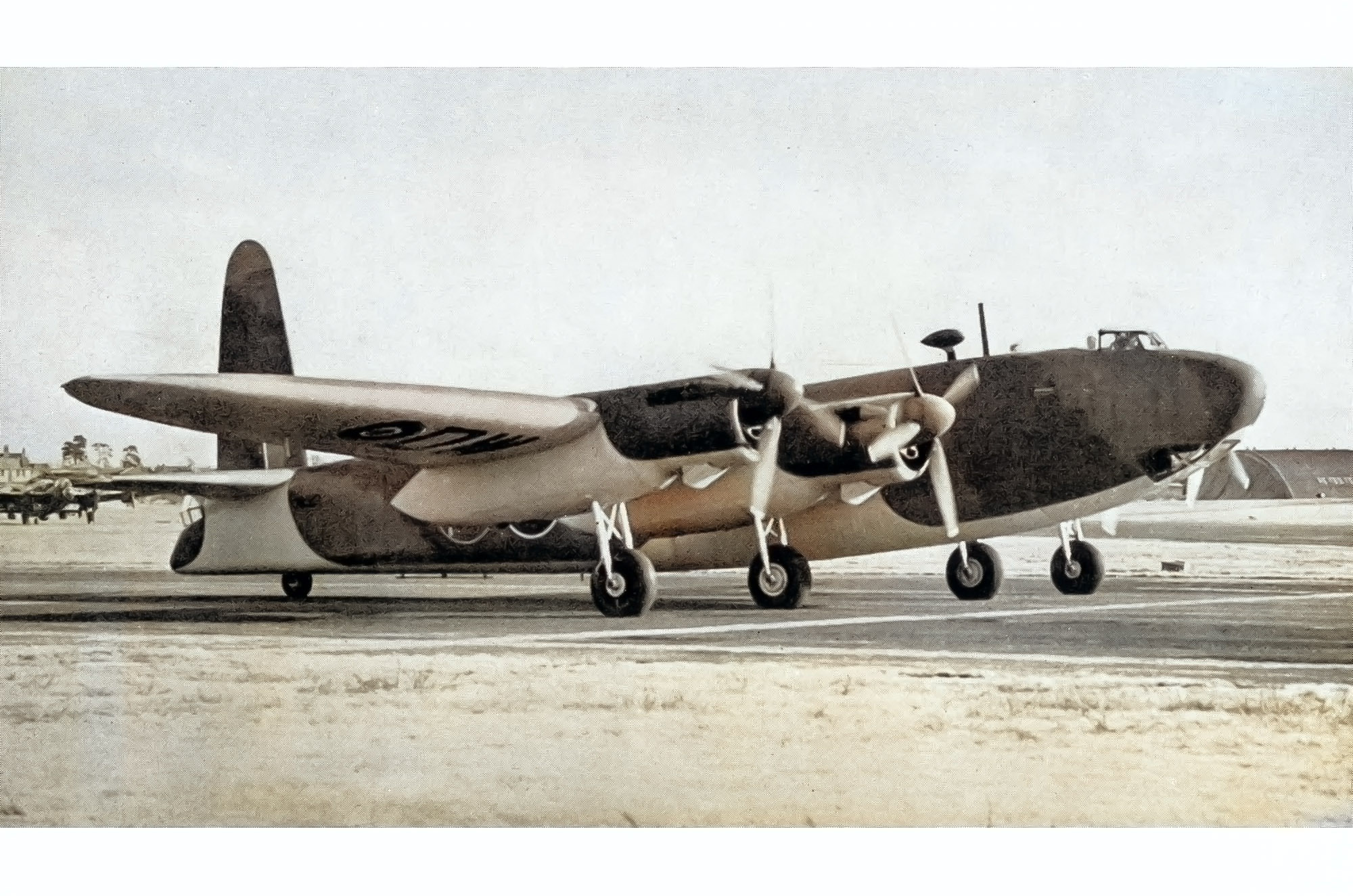
3: Vickers Windsor

An incredible looking aircraft, the Windsor derived from an Air Ministry requirement for a pressurised, long-range, high-speed bomber, not unlike the impressive Boeing B-29 Superfortress. The Windsor would not prove to be quite as successful, though it offered considerable potential.
First flown in October 1943, the Windsor featured a high-aspect ratio (long skinny) wing culminating in a Spitfire-like semi-elliptical shape. Four defensive 20-mm cannon mounted in barbettes in the engine nacelles were aimed by a gunner seated in the tail. By this time, the pressurisation requirement had been dropped, and the aircraft was regarded as a Lancaster replacement.
3: Vickers Windsor

Vickers’ unique patented geodetic construction was used to provide a strong wing without an internal spar, thus increasing room for fuel. It was also an unusually flexible structure requiring a remarkable undercarriage with a single wheel below each of the four engines to prevent the wing drooping too greatly whilst on the ground.
Although promising, time caught up with the Windsor. Only three prototypes were built before the end of the war, and although interest in a Rolls-Royce Clyde turboprop-powered variant promising spectacular performance lingered for a time, the Windsor was cancelled in November 1945 following Rolls-Royce’s decision to terminate development on the Clyde.
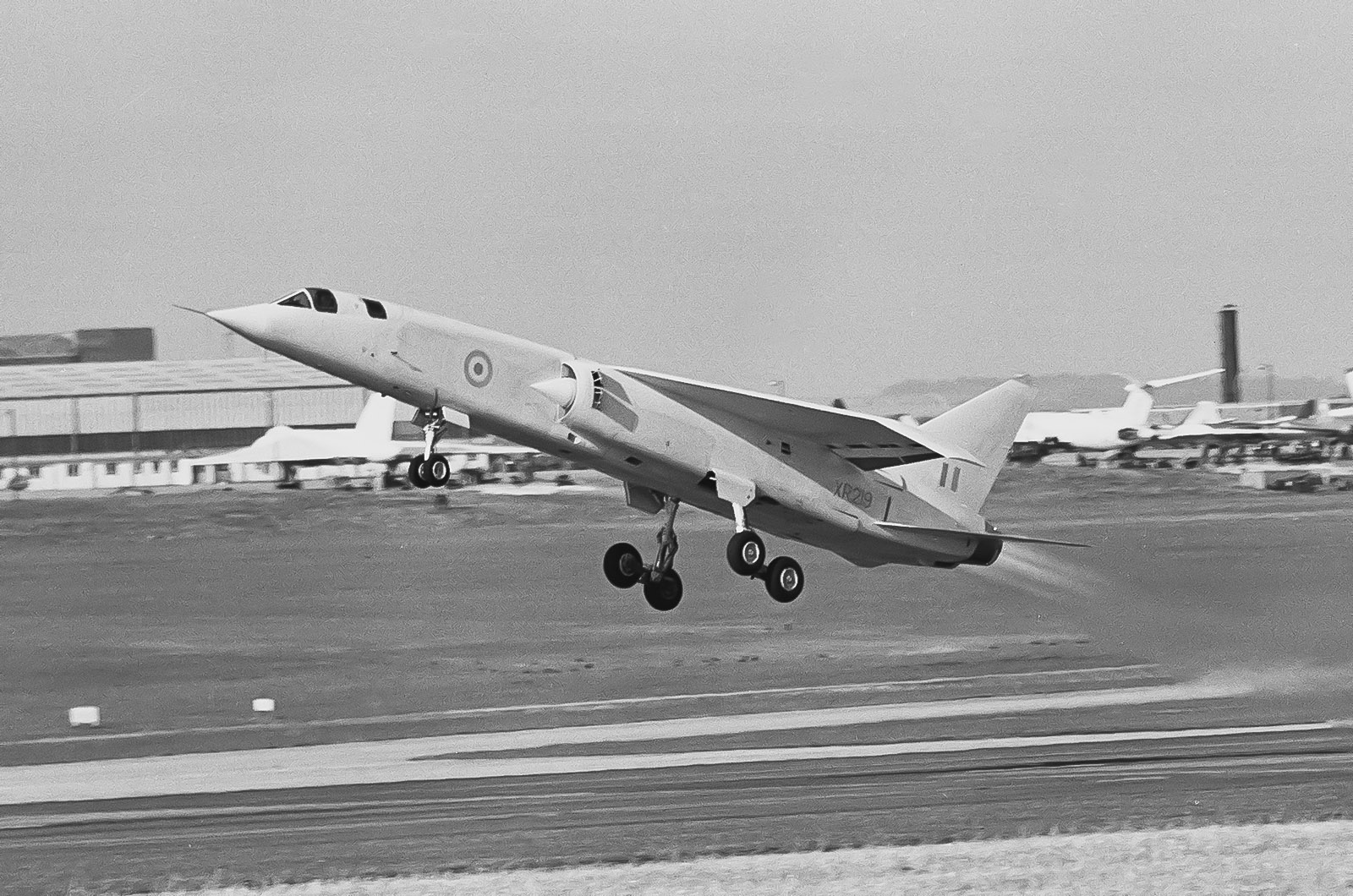
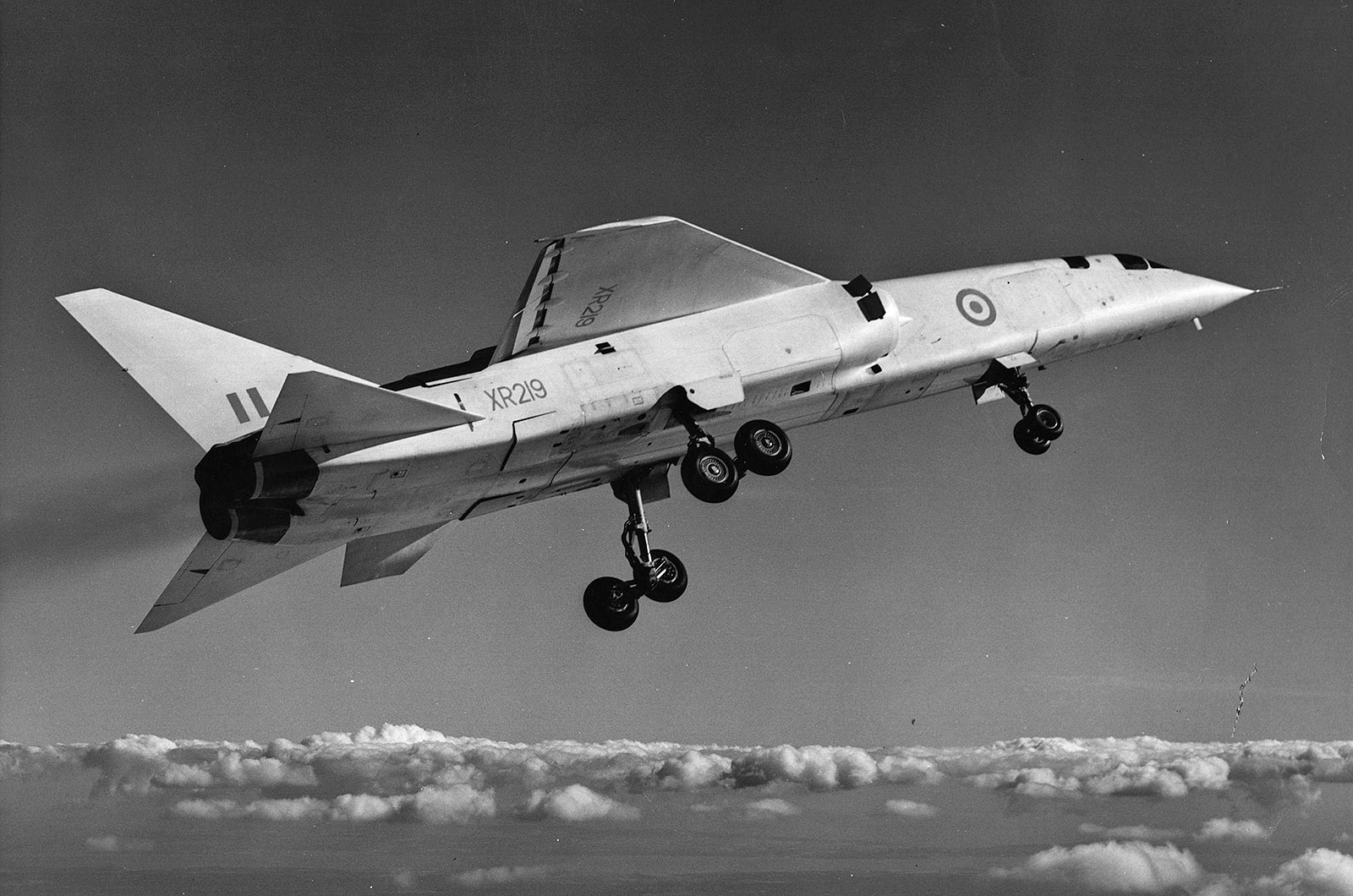
2: BAC TSR-2

The English Electric Canberra, the first British jet bomber, was a fabulous success, but it was clear in the 1950s that Soviet air defences were now so potent that a new aircraft of more than double the speed was needed. The Canberra was limited to around 0.86 times the speed of sound (Mach 0.86), and now the RAF desired an aircraft capable of Mach 2.
This alone was difficult to achieve, but it was also to have a long range, the ability to operate from short and imperfect runways, reach a high sustained speed and carry a serious internal weapon load that could include nuclear weapons. Not forgetting state-of-the-art systems, most of which would be developed along with the aircraft.
2: BAC TSR-2

Against the odds, the aircraft flew in 1964, and its raw performance was awe-inspiring. In a decision that can still cause a fiery or teary argument over sixty years later, TSR-2 was cancelled in 1965, largely on cost grounds. For some, the TSR-2 is seen as a great lost opportunity; to others, an expensive liability that was smartly avoided.
It will never be known what this aircraft would have achieved in reality; certainly, it had the potential for excellence. The cancellation was heartbreaking to those who had worked so hard on this impressive project. The planned replacement of US F-111s never happened, and the RAF had to wait for the Panavia Tornado in the 1980s for similar capabilities.
1: Avro 730

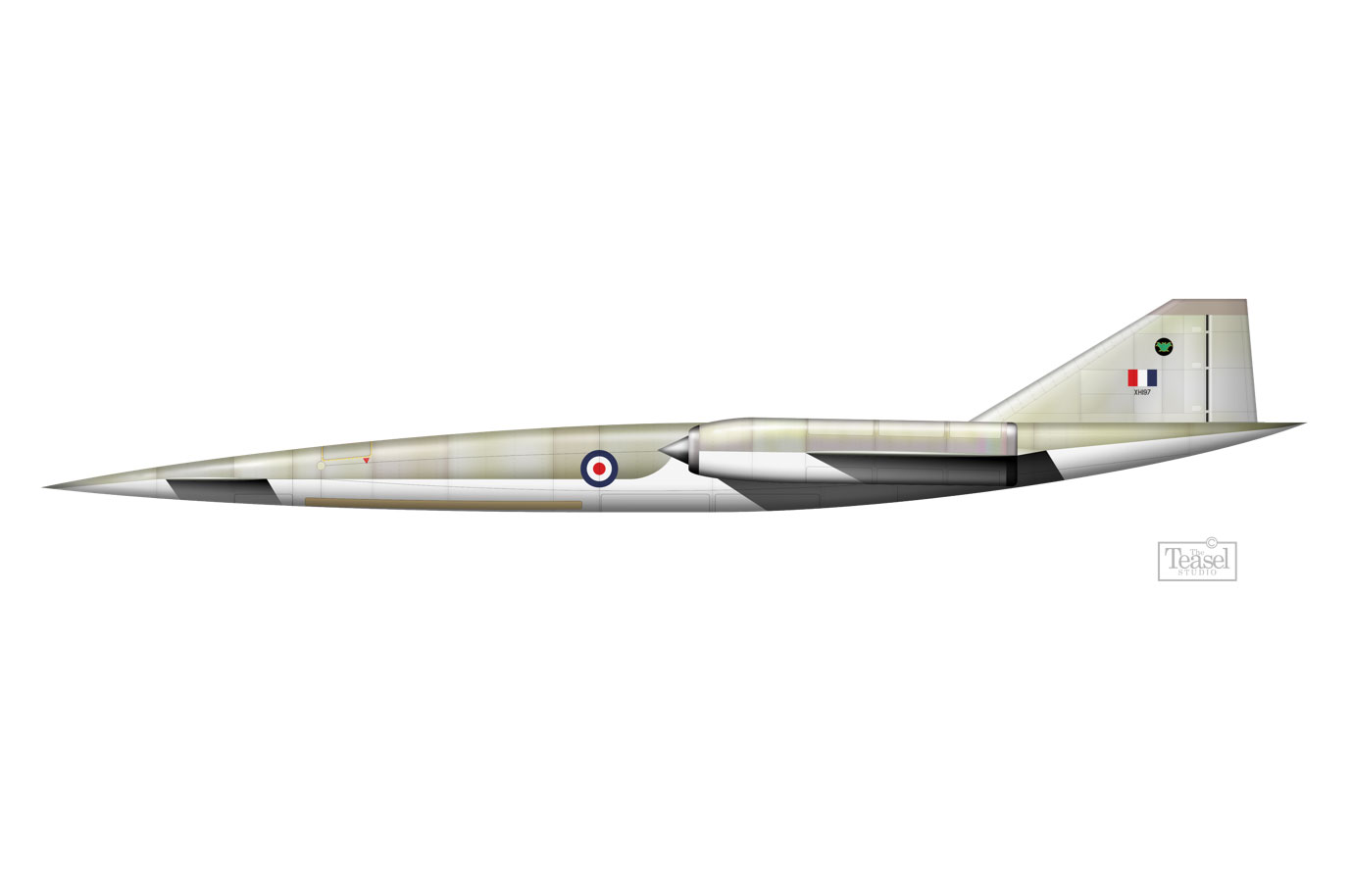
The most exotic and ambitious British bomber ever proposed, the Avro 730 was a Mach 3 reconnaissance and strategic bomber aircraft intended for the Royal Air Force. Originally designed for reconnaissance, it was later redesigned for the grim task of nuclear weapon delivery. Without a conventional cockpit or windows with a forward-view, landing and take-off would have been carried out with the help of a periscope…
Had it entered service, the Avro 730 would have replaced the V-bombers as Britain’s primary airborne nuclear deterrent. However, the 1957 Defence White Paper abruptly cancelled the programme. Officials believed the aircraft would be obsolete by service entry, vulnerable to advancing Soviet defences, and opted to prioritise missile development instead.
1: Avro 730

The Avro 730 would have featured a truly space-age, sleek, canard delta design of brazed-honeycomb stainless-steel construction. Extensive wind tunnel tests and the (disappointingly slow) Bristol 188 helped validate its materials and shape. A three-eighths-scale test aircraft was under construction at the time of cancellation.
Although the Avro 730 never flew, it remains a fascinating “what-if” of British aviation history. Its bold vision and fate encapsulate the tensions between innovation, policy and economic realism in Cold War Britain. It is also fascinating to see how the previously ever-increasing top speed of combat aircraft pretty much peaked in the Mach 2 range in the 1950s and has stayed there ever since.
Follow Joe Coles on Substack and X
If you enjoyed this story, please click the Follow button above to see more like it from Autocar
Photo Licence: https://creativecommons.org/licenses/by/4.0/deed.en

Add your comment