8

China’s original domestic car maker could be one of its most intriguing

Wherever you look around the world, to North America, Europe, Japan or elsewhere – you’ll find a different breakthrough first passenger car; that one mass-produced marvel that revolutionised mobility. Austin SevenFord Model TFiat Topolino. This week, the Autocar road test turns its focus on the maker of China’s equivalent automotive pioneer (or, perhaps, the closest approximation that Communist rule would allow at the time: the Changjiang Type 46 jeep of 1959).

This is Changan: China’s self-proclaimed oldest domestic car maker. The state-owned marque got into the commercial passenger car business properly in 1984 (with a little help from Suzuki) and last year became the first Chinese maker to pass the 30 million production watershed over its long history. It’s aiming to become a top 10 global car brand by the end of this decade and already has a global footprint to suit, having had a design centre in Turin since 2001 and a UK R&D base since 2010.

Of its several sub-brands, it has chosen to enter the UK with Deepal (cars will be badged ‘Changan Deepal’ here and ‘Deepal’ in other markets). Deepal was launched in 2023 as a technically progressive entity focusing on advanced digital technologies and electric and plug-in hybrid powertrains. It has a model line-up consisting mostly of crossover estates and SUVs, the first of which to be brought to UK shores is our test subject: the Changan Deepal S07.

The S07 is a mid-sized hatchback-cum-SUV that will face some of the market’s electric heavyweights: the Tesla Model Y, Polestar 2 and Skoda Enyaq. This, then, is a Chinese EV, but one designed in Turin, developed in Birmingham and manufactured (for right-hand-drive countries, at least) in Rayong, Thailand. 

Advertisement
Back to top

Already, it has assumed a different path from so many other cars of its ilk that we have tested over the past few years. So where will it take us next?

DESIGN & STYLING

8
Changan Deepal S07 review 2026 002

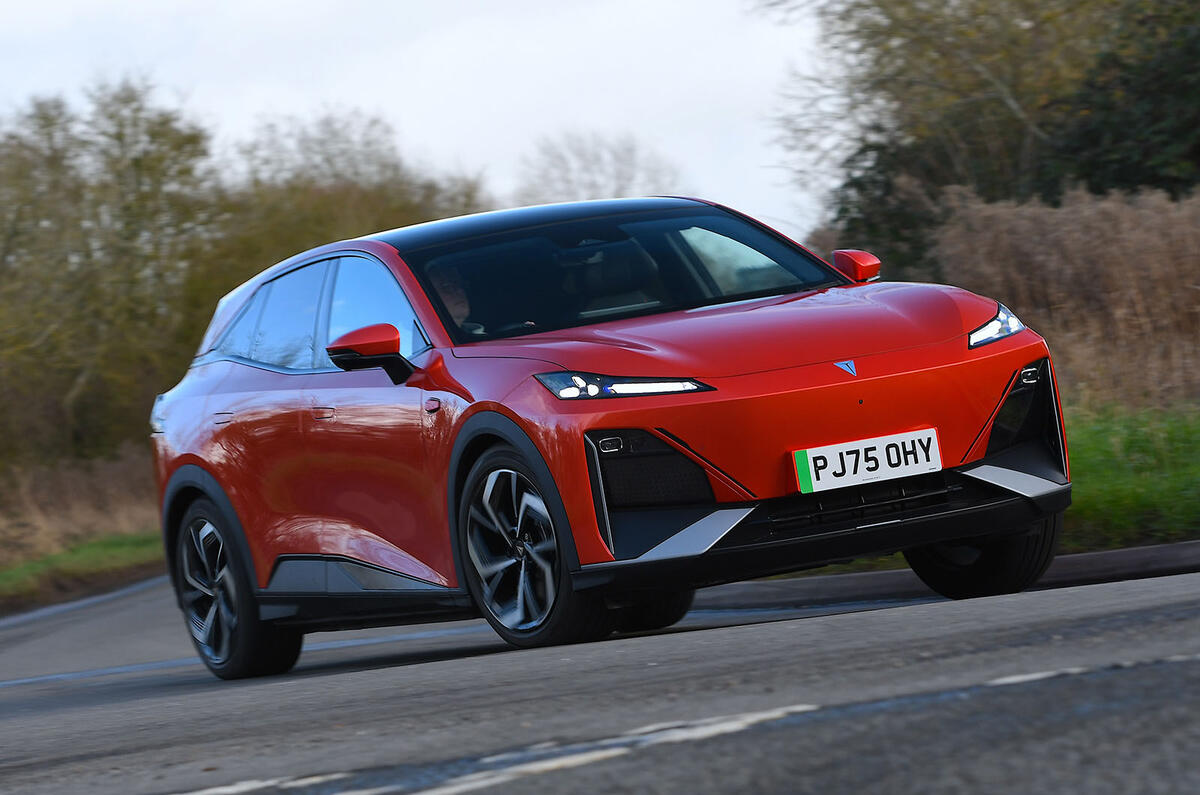
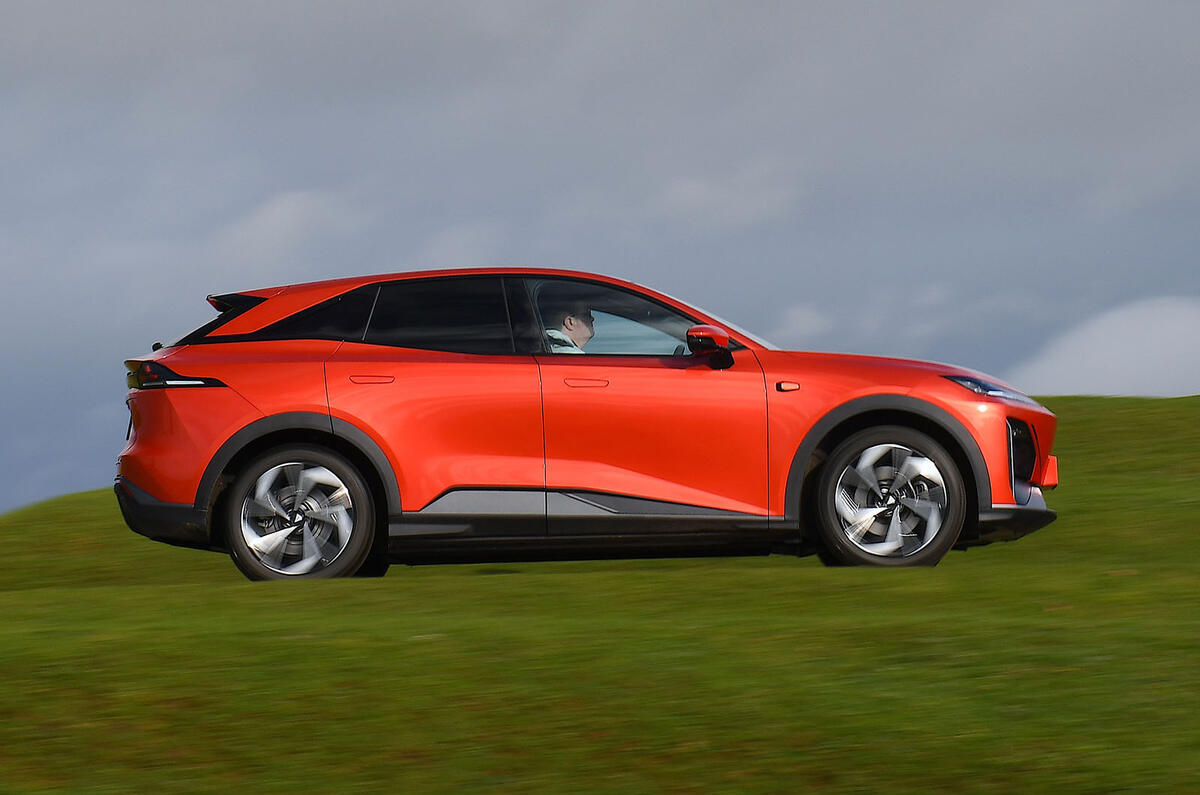
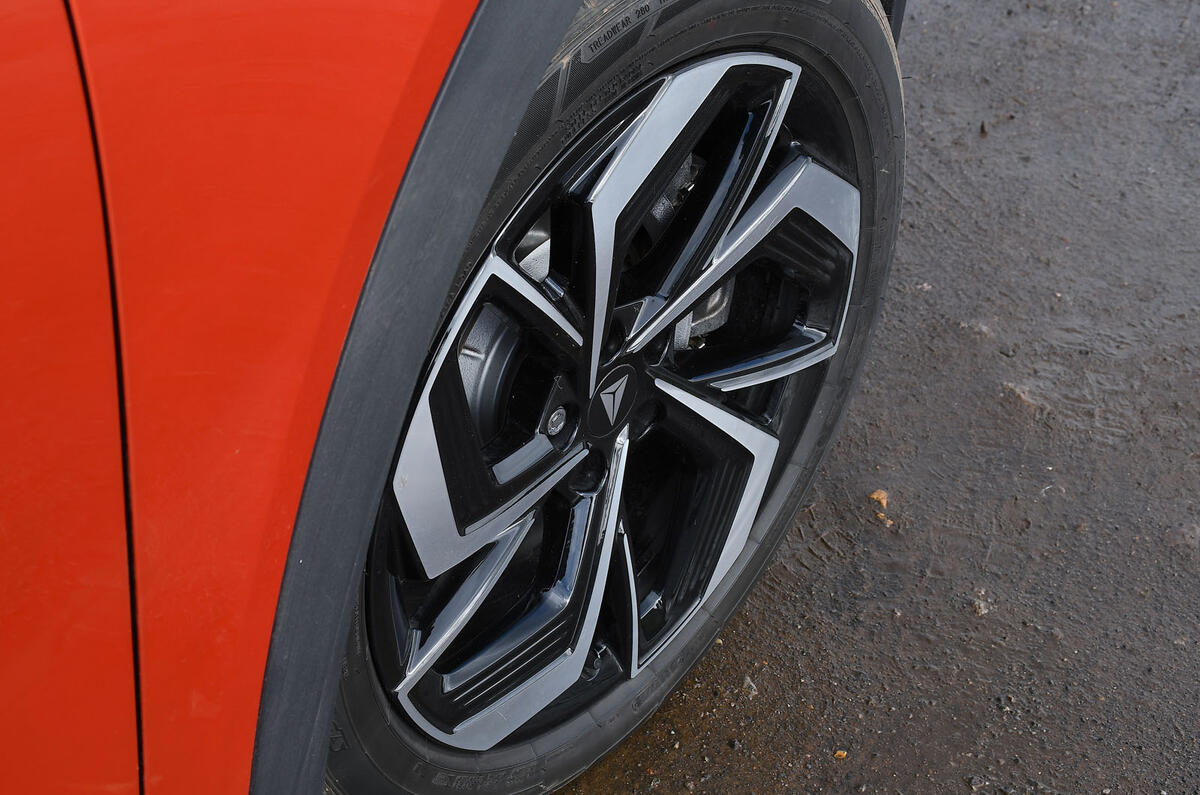
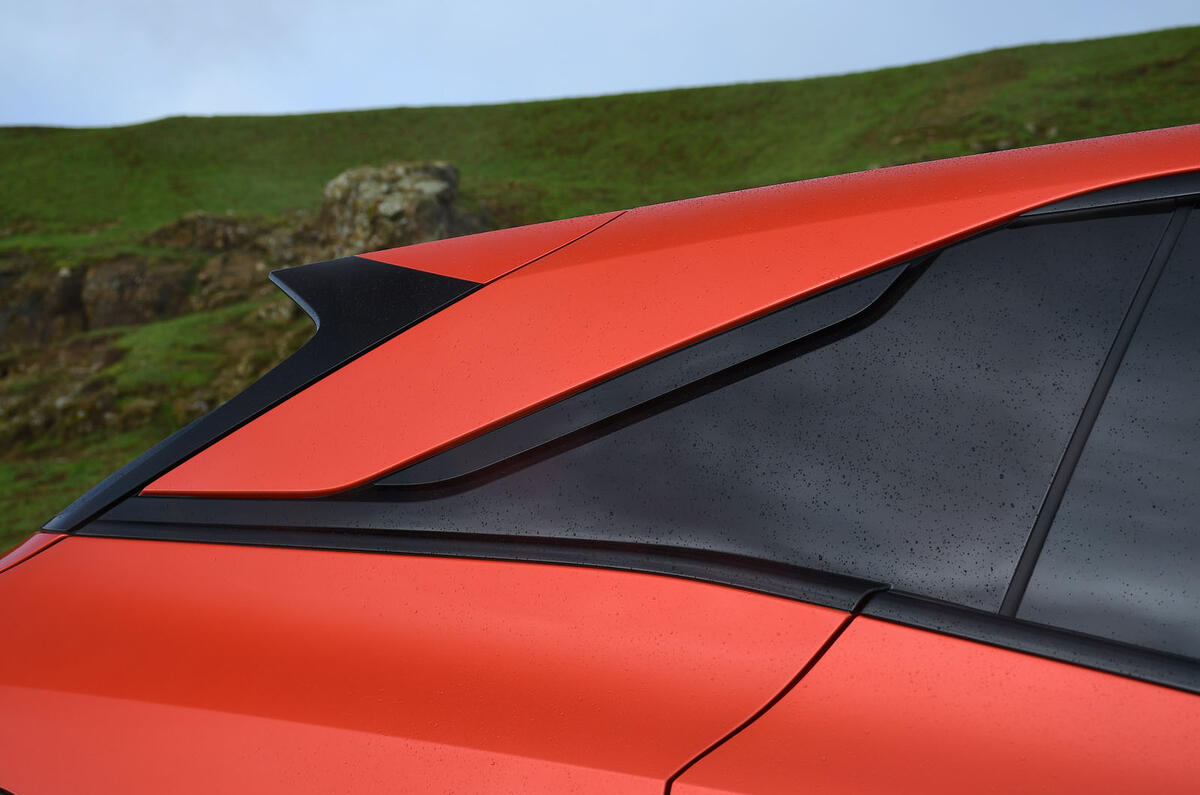
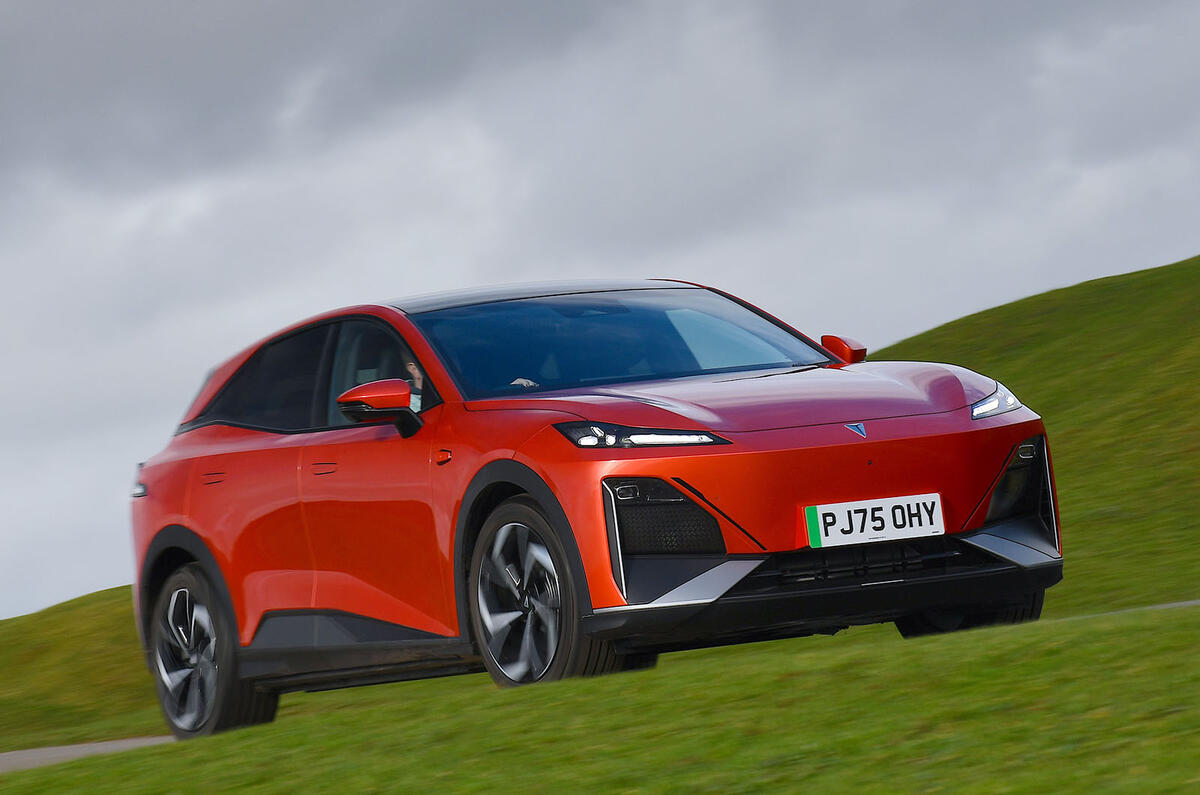
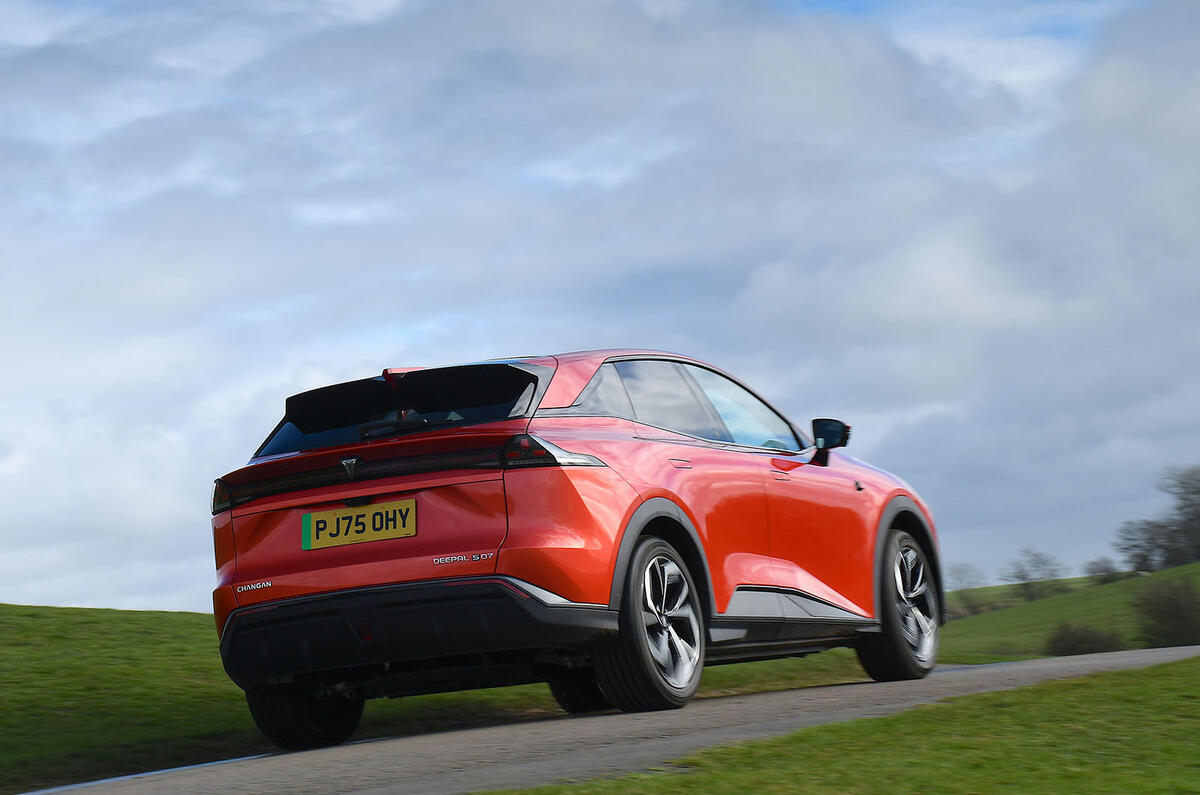
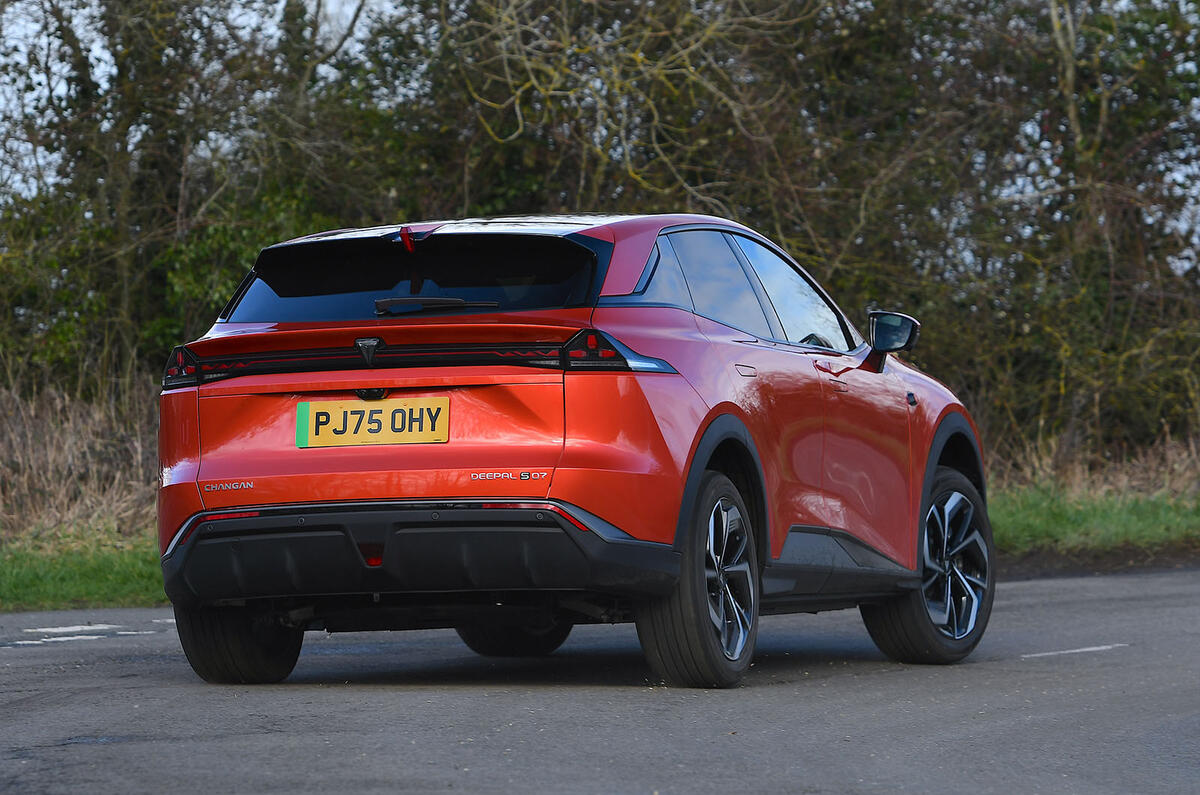
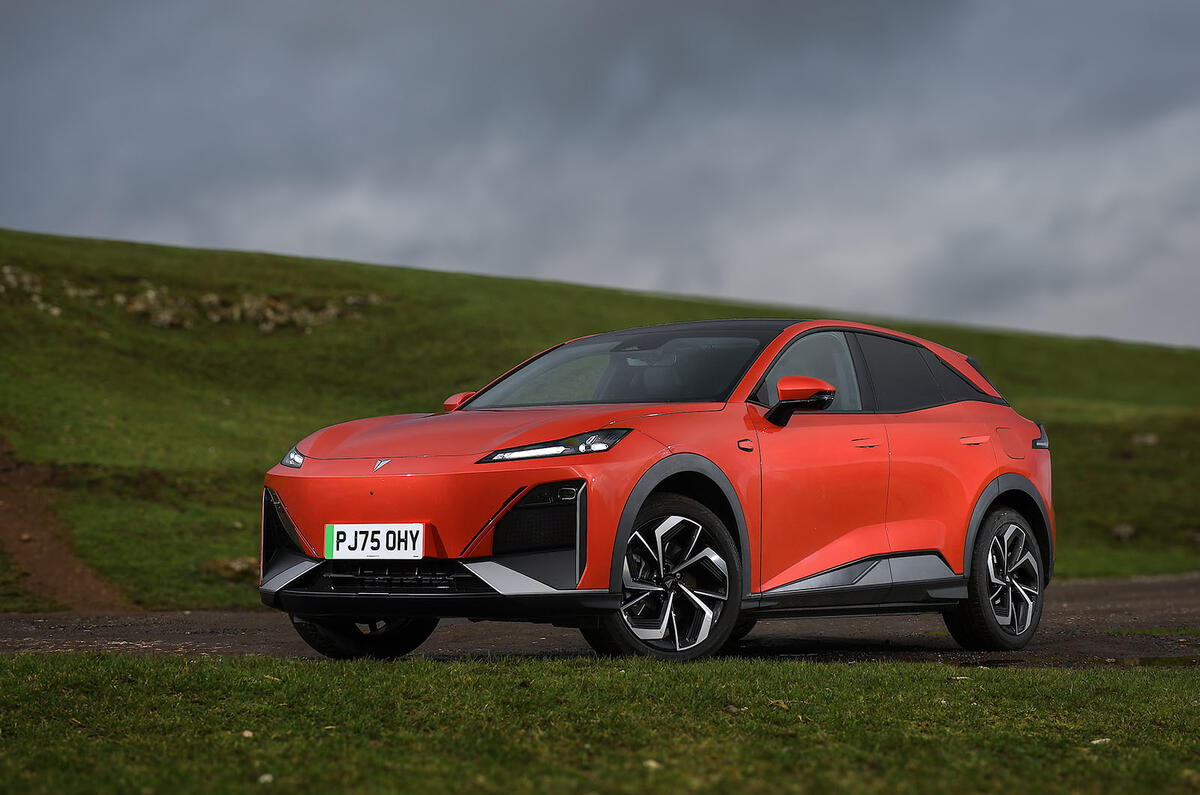
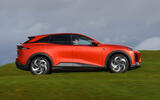
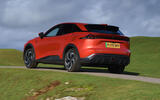
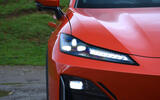
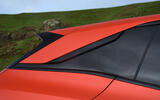
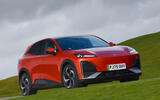
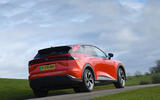
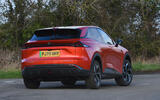
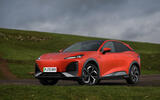
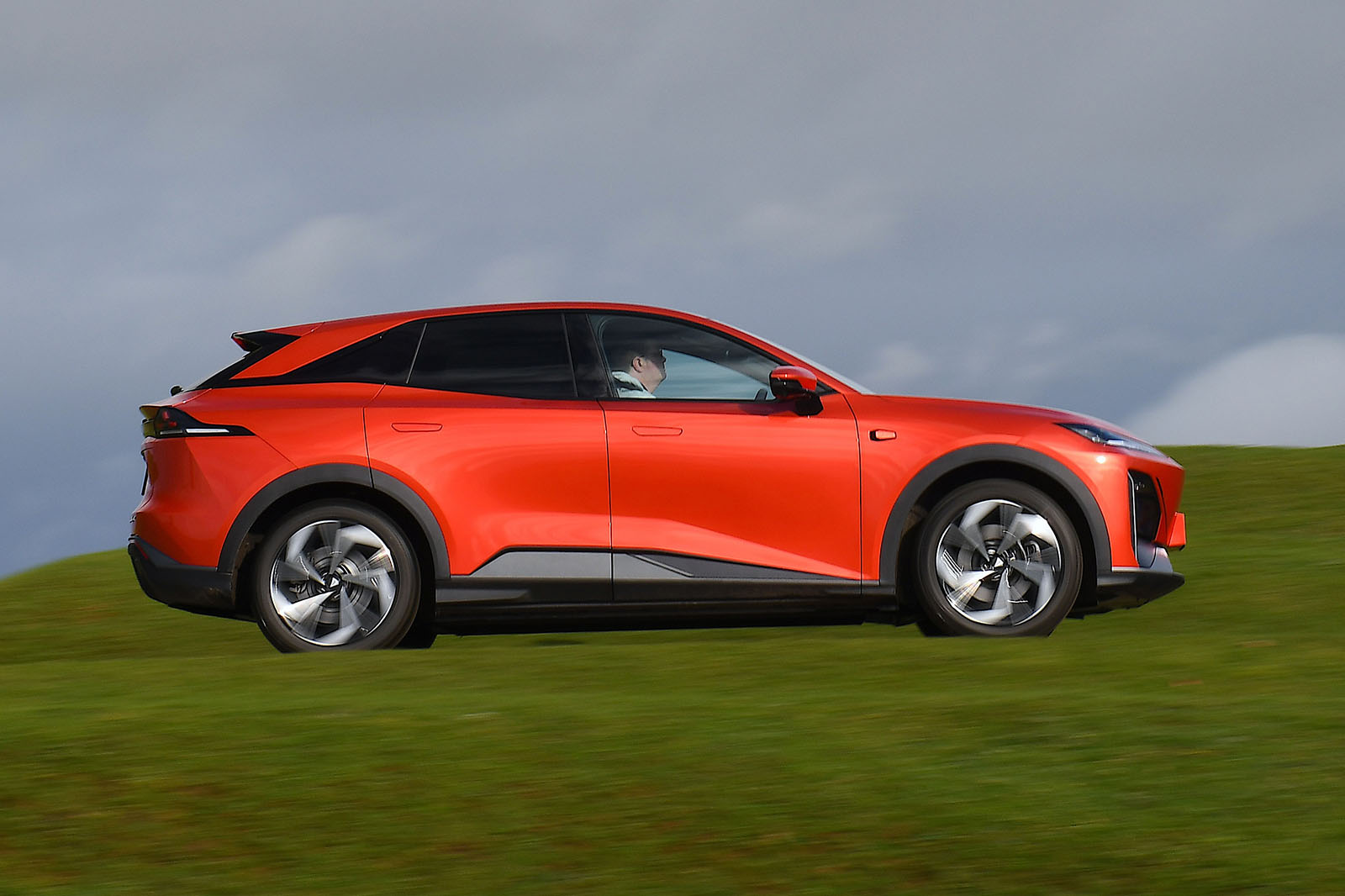
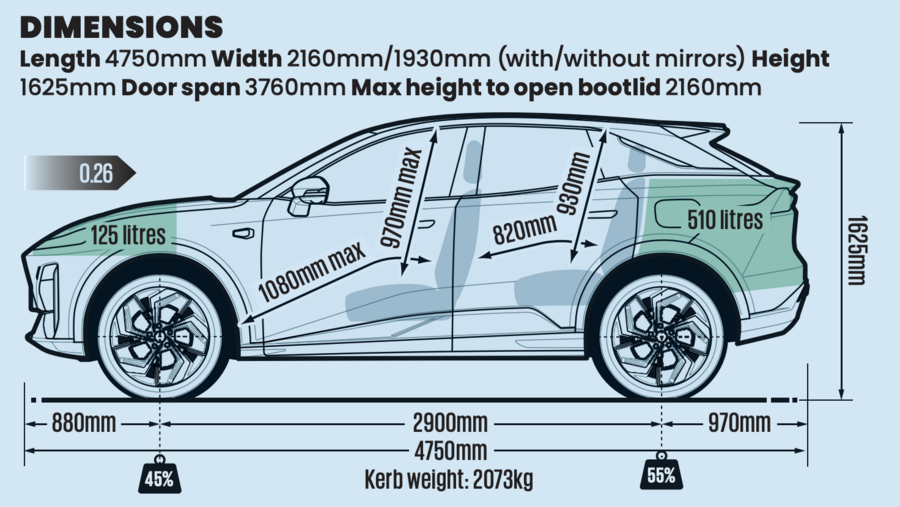
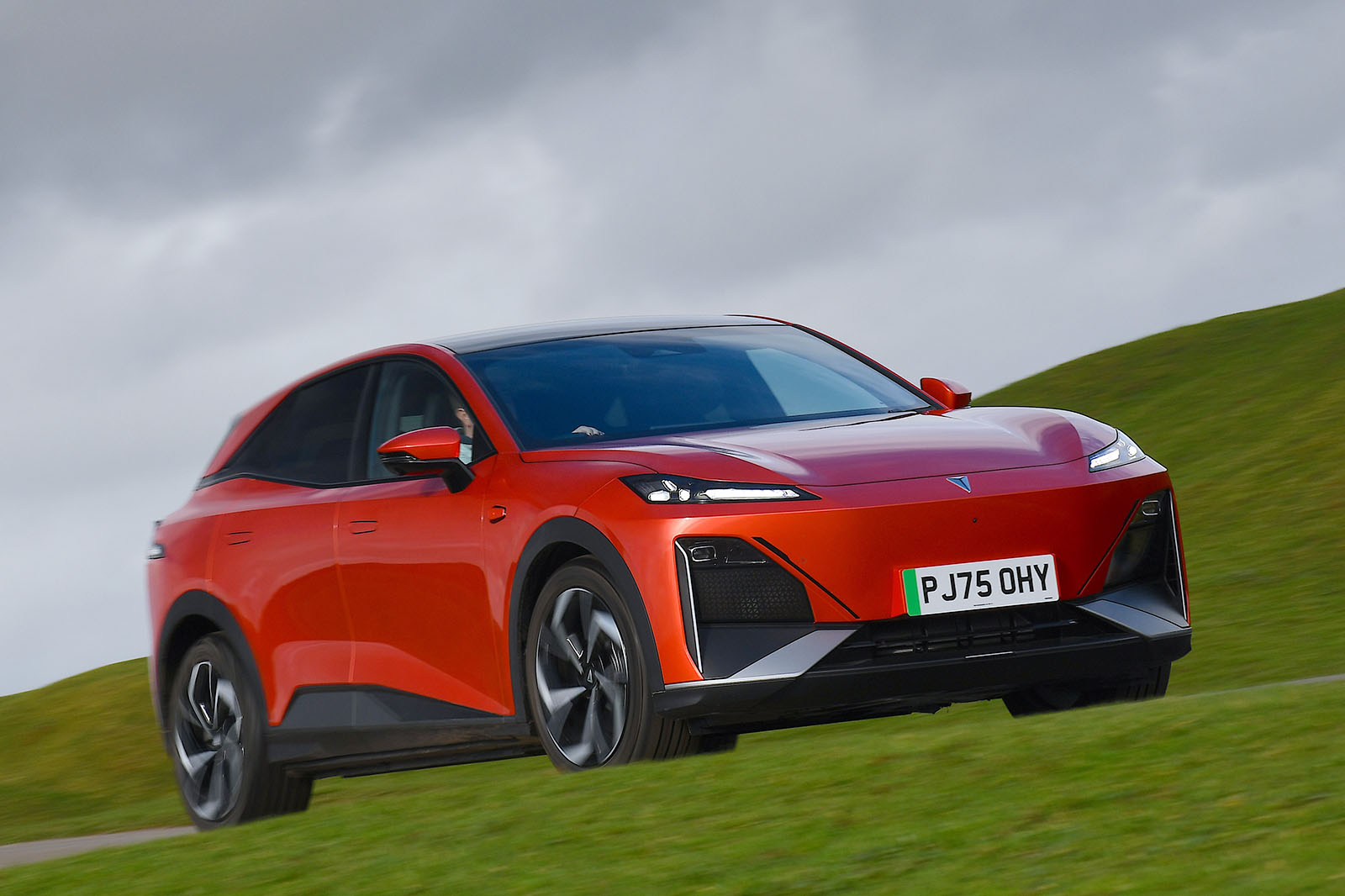
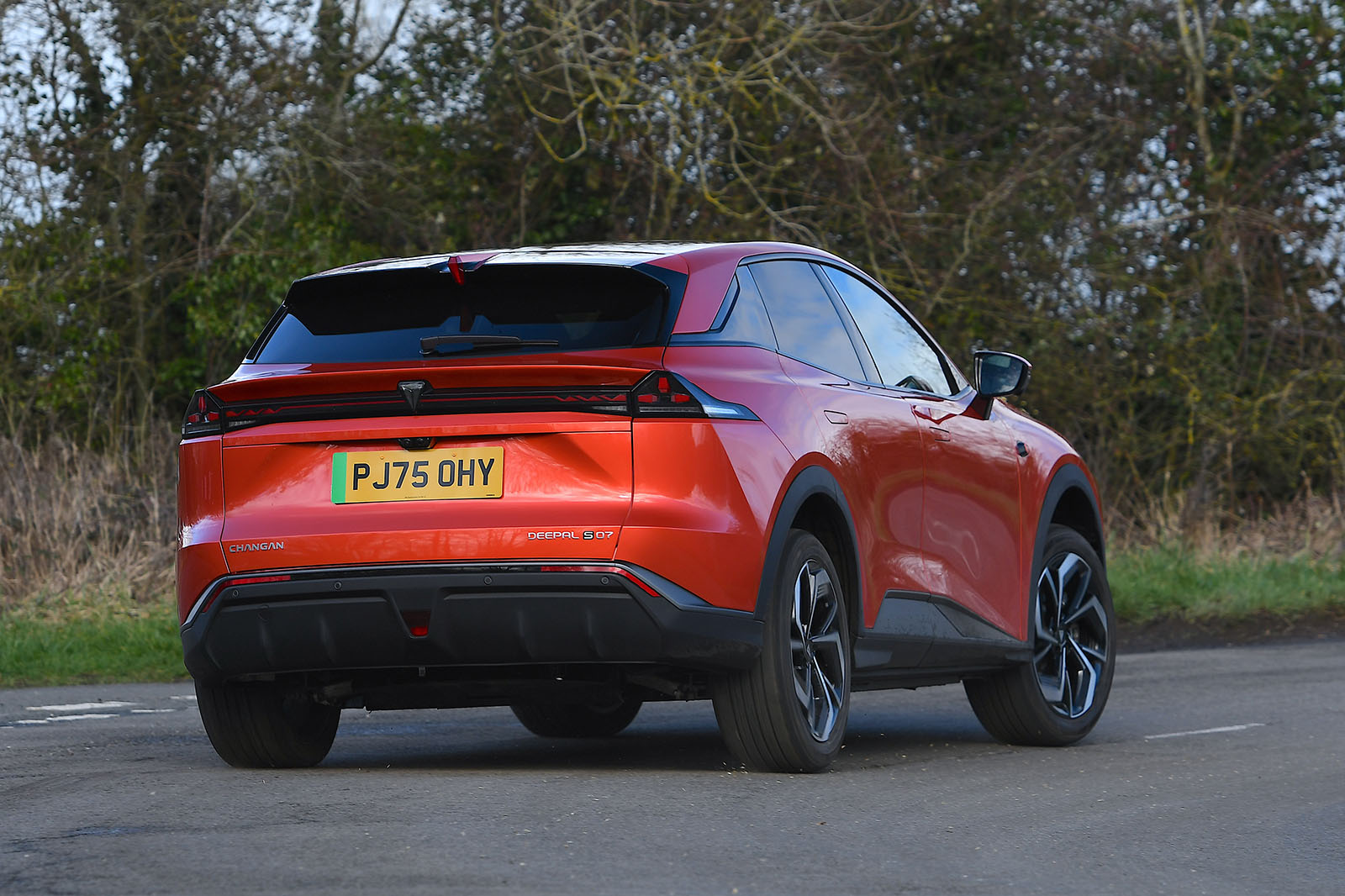
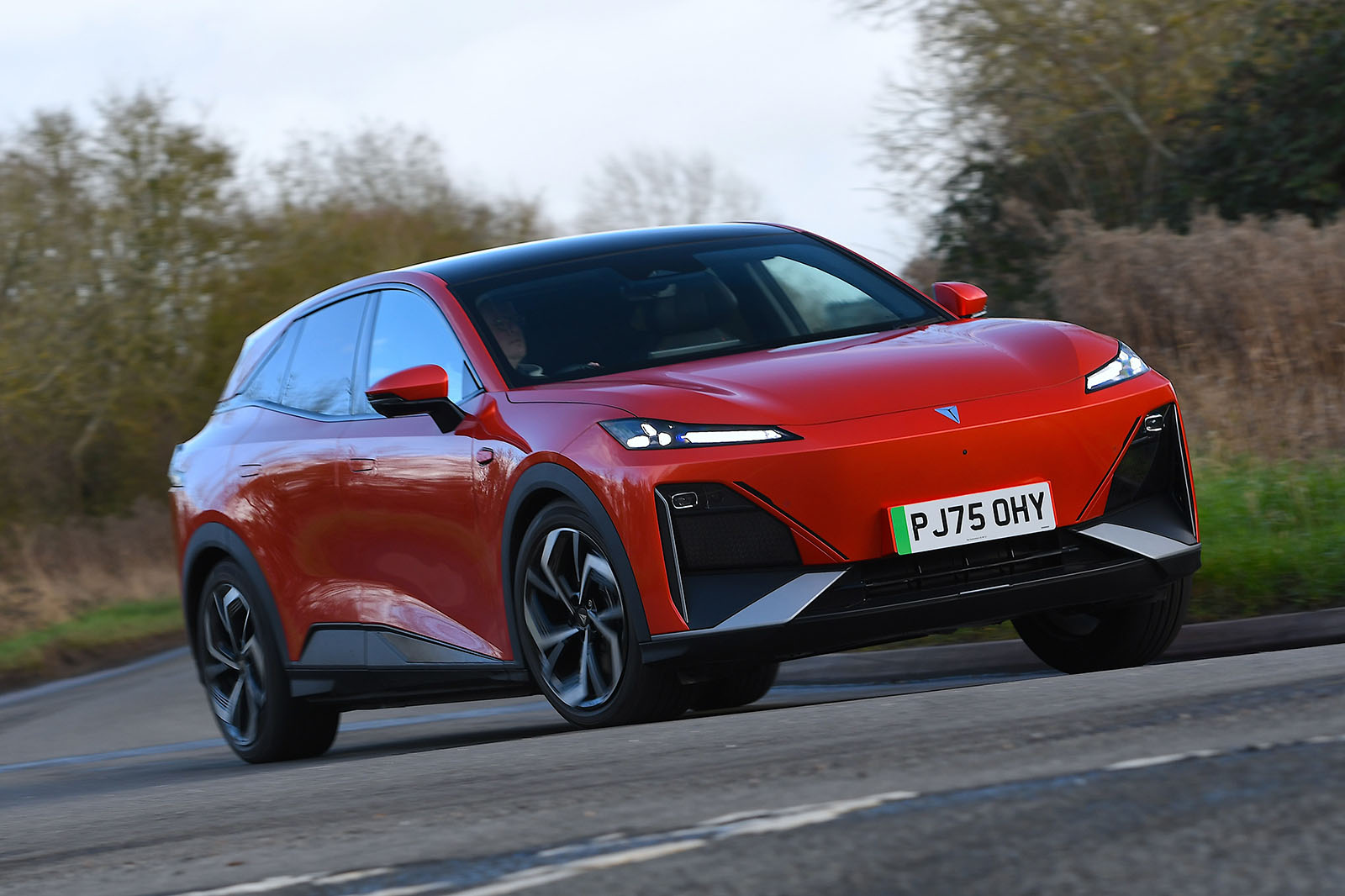
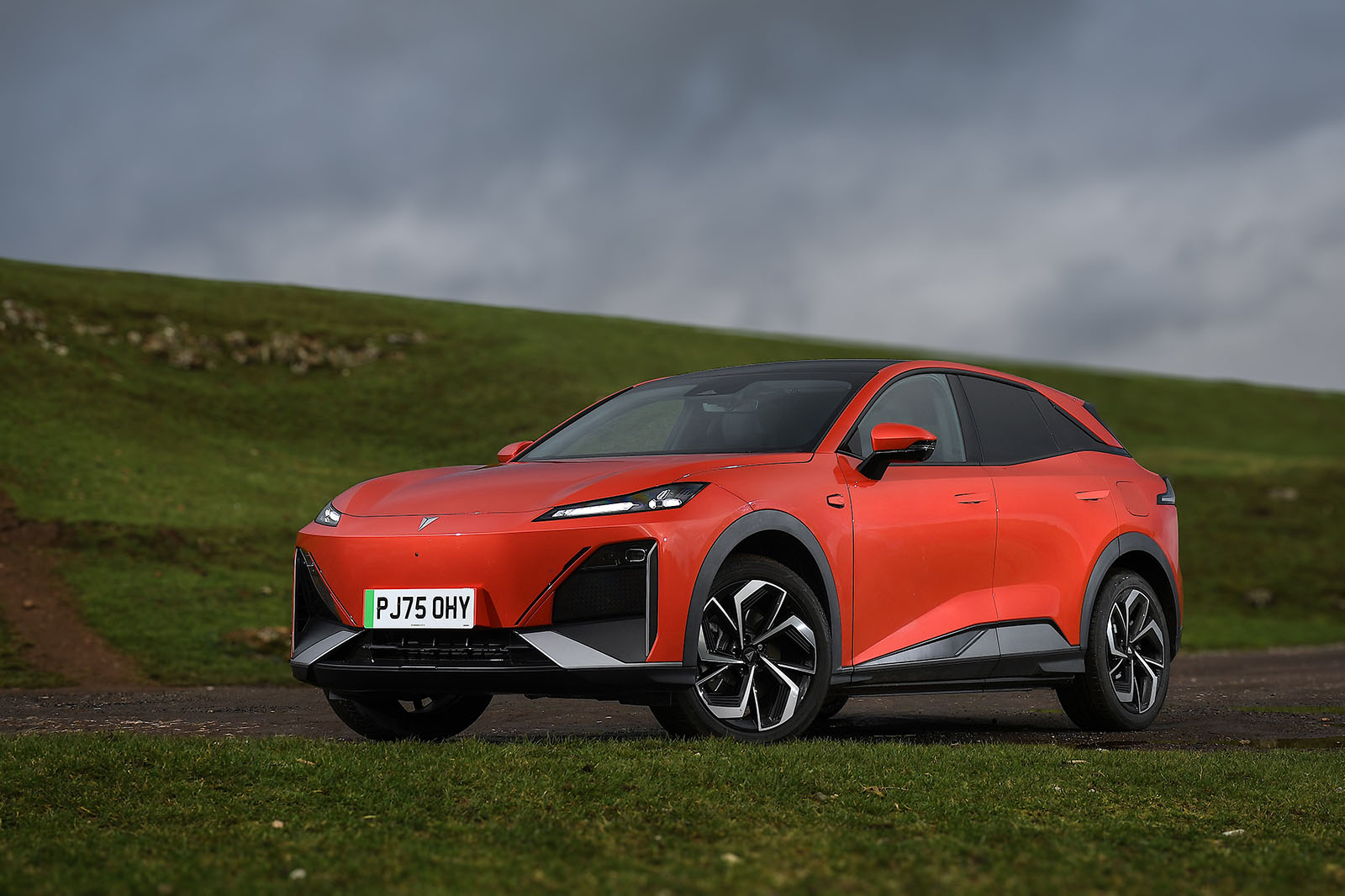
The S07 mirrors its chief rival from Tesla in terms of its major dimensions, and yet not at all aesthetically – nor, for that matter, the many spaceship-like other Chinese propositions (Xpeng G6BYD Sealion 7MG IM6). There is, rather, a distinctly European flavour about the S07’s broad-hipped, crossover-wagon styling, plus a sense of sculpture about its surfacing, and some sophistication in its detailing that all distinguish the car clearly. If Changan’s mission was to make a more Western-looking car here, perhaps better armed for initial success in export markets, we would suggest it has succeeded.

The S07 uses an all-steel unitary chassis, while its EPA1 platform is shared with the smaller Deepal S05. It’s available as a single-motor model only: a permanent magnet synchronous unit supplying a relatively modest 215bhp and 236lb ft to the rear wheels. Our car weighed 2100kg: almost 200kg heavier than the Tesla Model Y Long Range RWD we tested last year, but only slightly heavier than the equivalent Polestar 2 we tested in 2024.

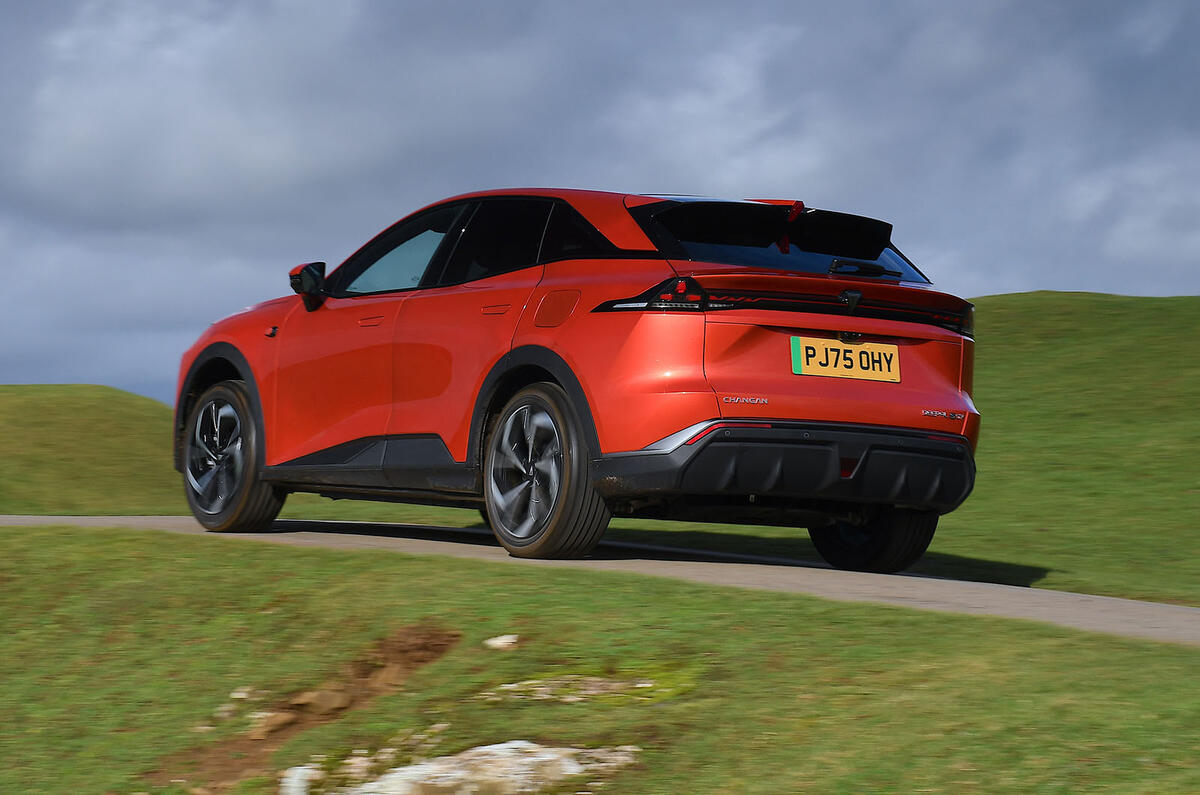
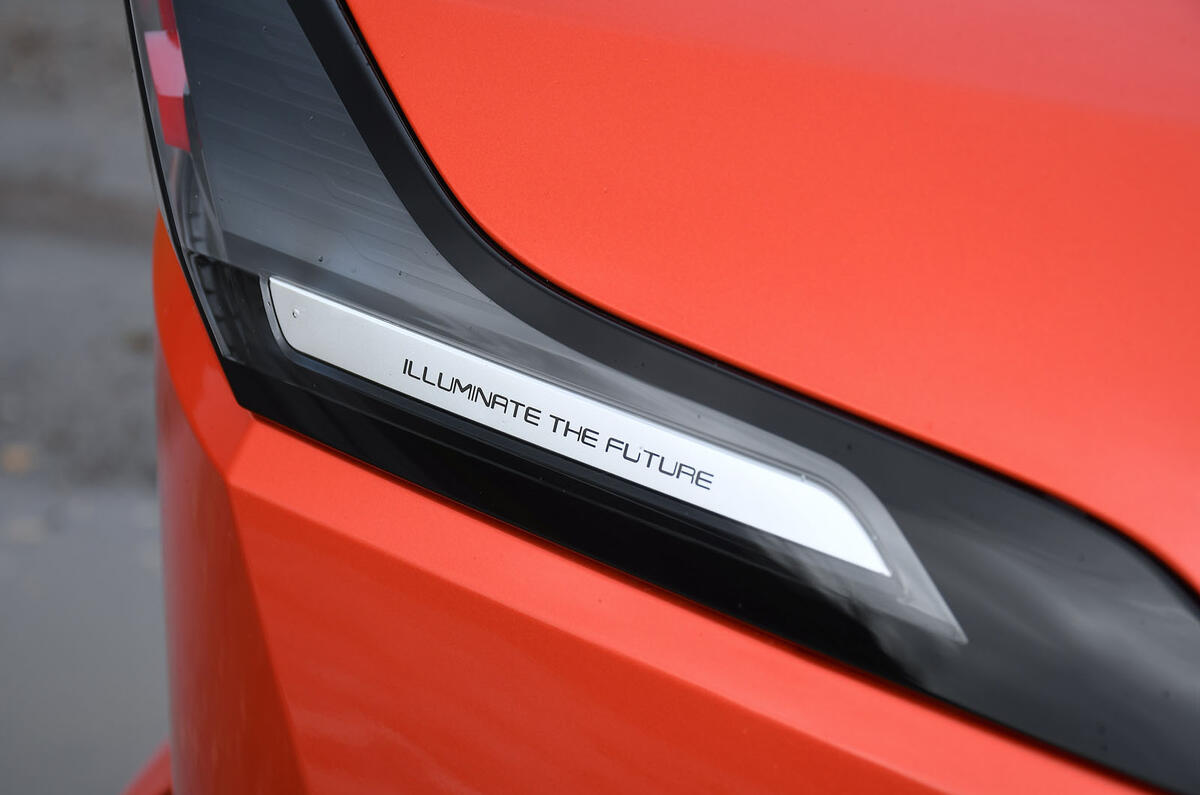
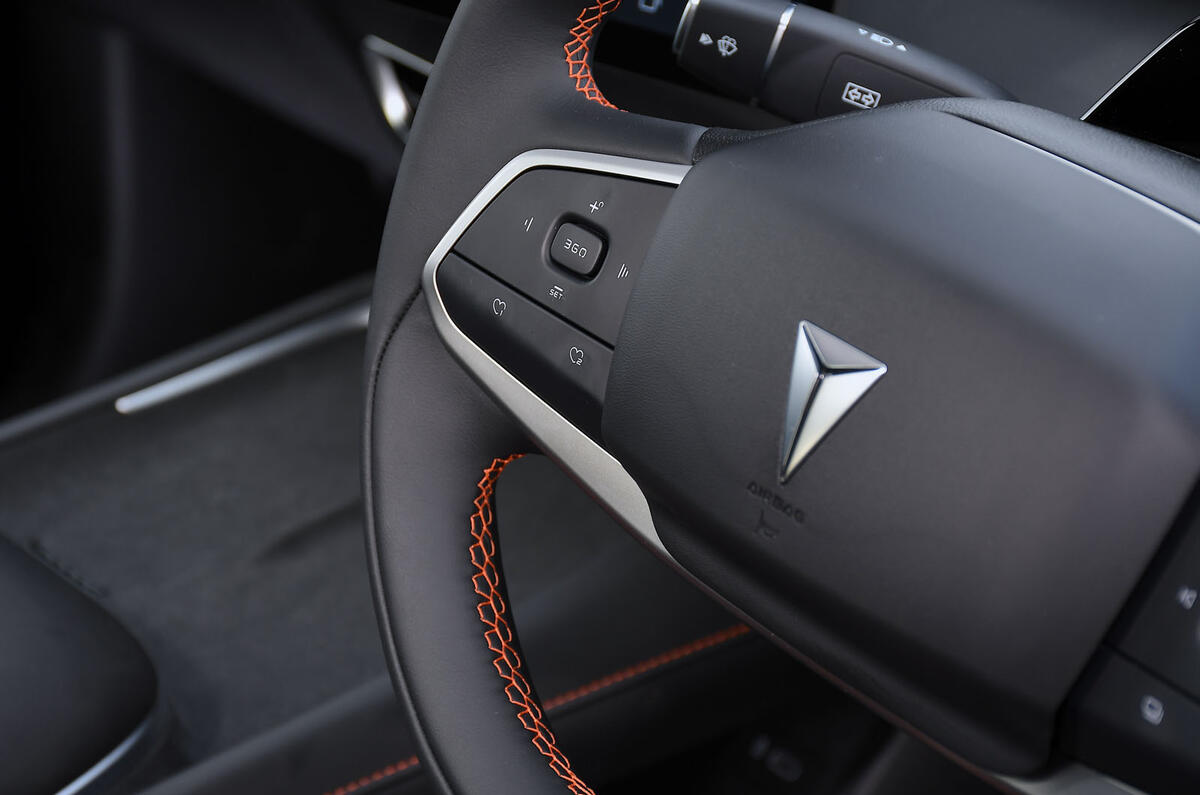
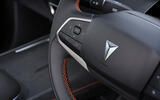
A full-width light bar with that illuminated triangular brand logo makes the rear end easily confusable with a Cupra Tavascan. And, for a new Chinese import, there’s clearly worse company to be in.

Both of those rivals offer comparable battery capacity. The S07’s nickel-manganese-cobalt drive battery, carried skateboard-style under the cabin floor in typical convention, has 80kWh of total capacity, 75kWh of which is usable.

Suspension is via struts at the front and a multi-link axle at the rear, under coil springs and conventional passive dampers. Power steering is a similarly conventional electromechanical set-up. And so the car’s running gear is fairly straightforward, although its rear-motor/rear-wheel-drive layout might be considered a dynamic selling point next to at least some £40,000 EVs.

INTERIOR

8
Changan Deepal S07 review 2026 011

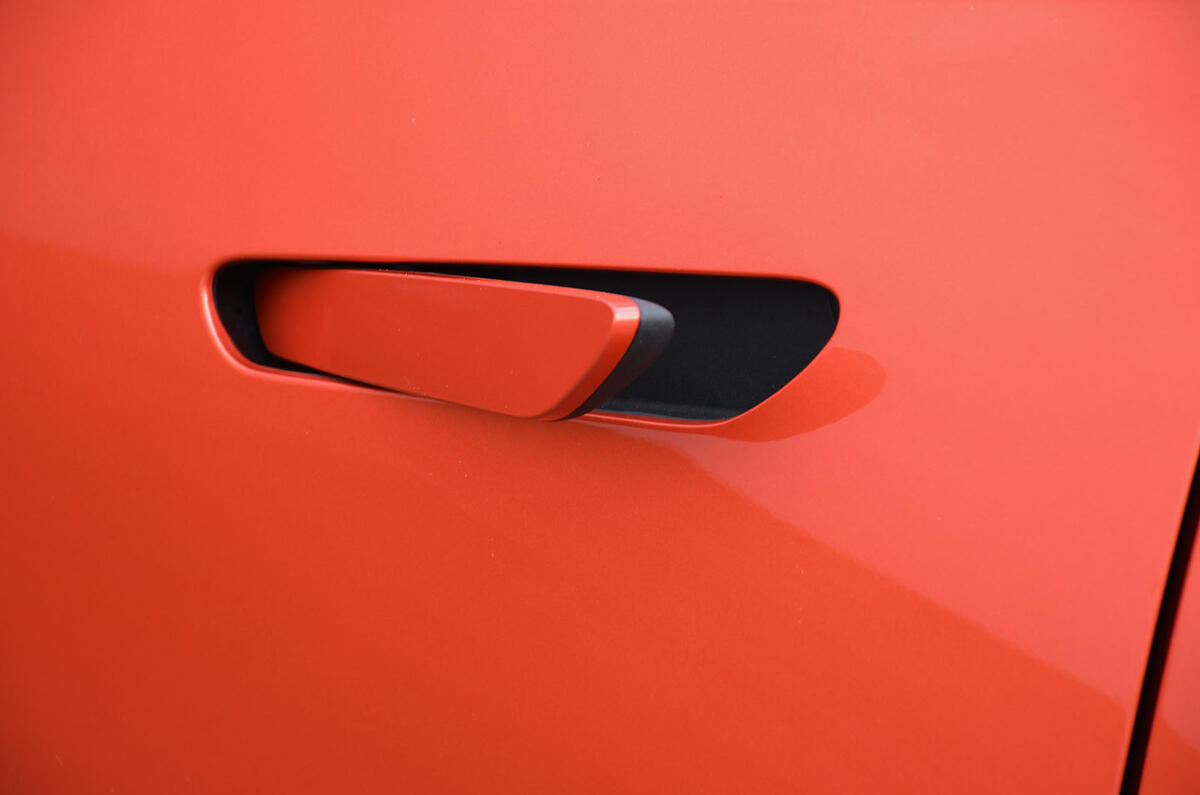
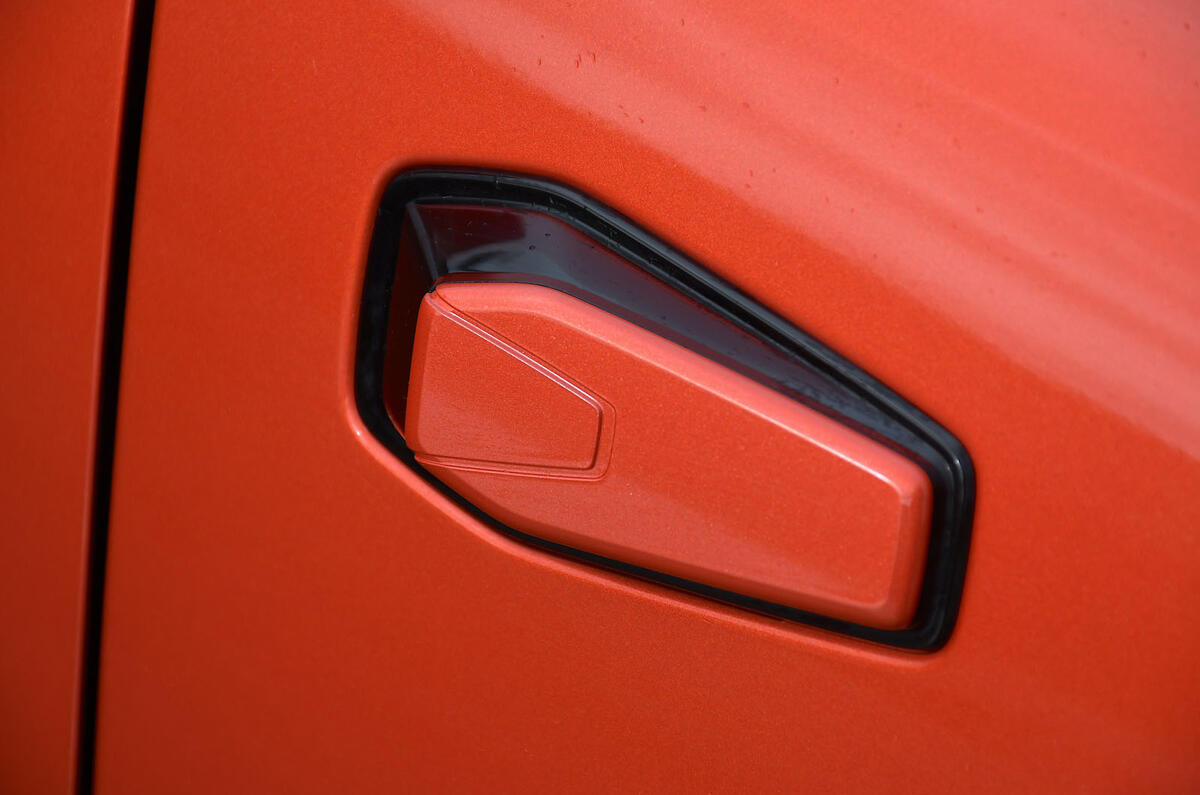
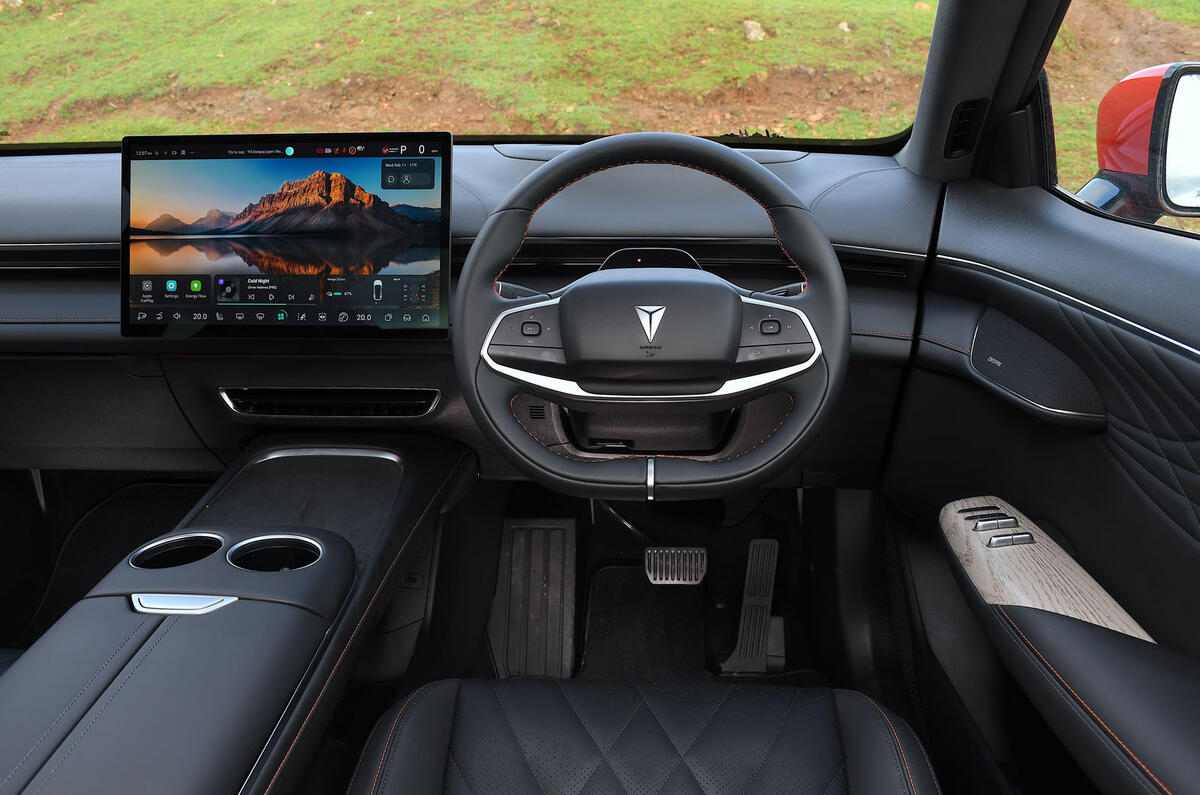
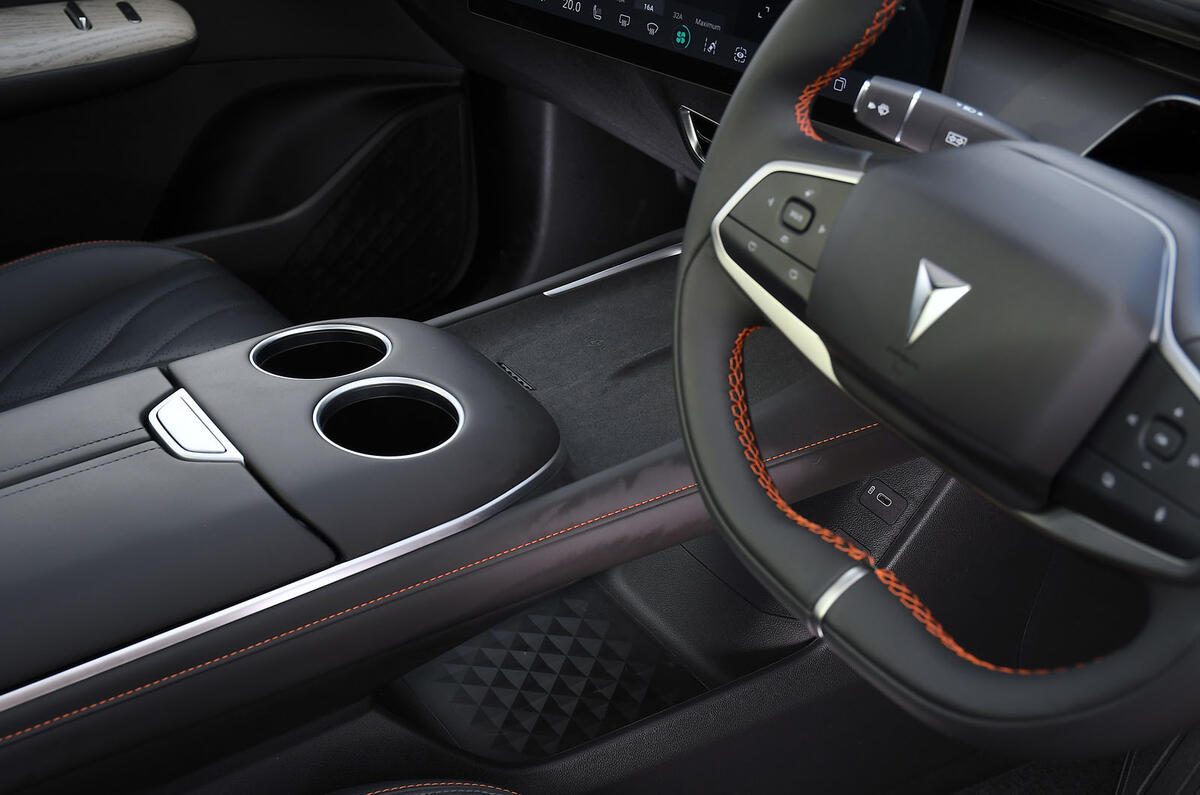
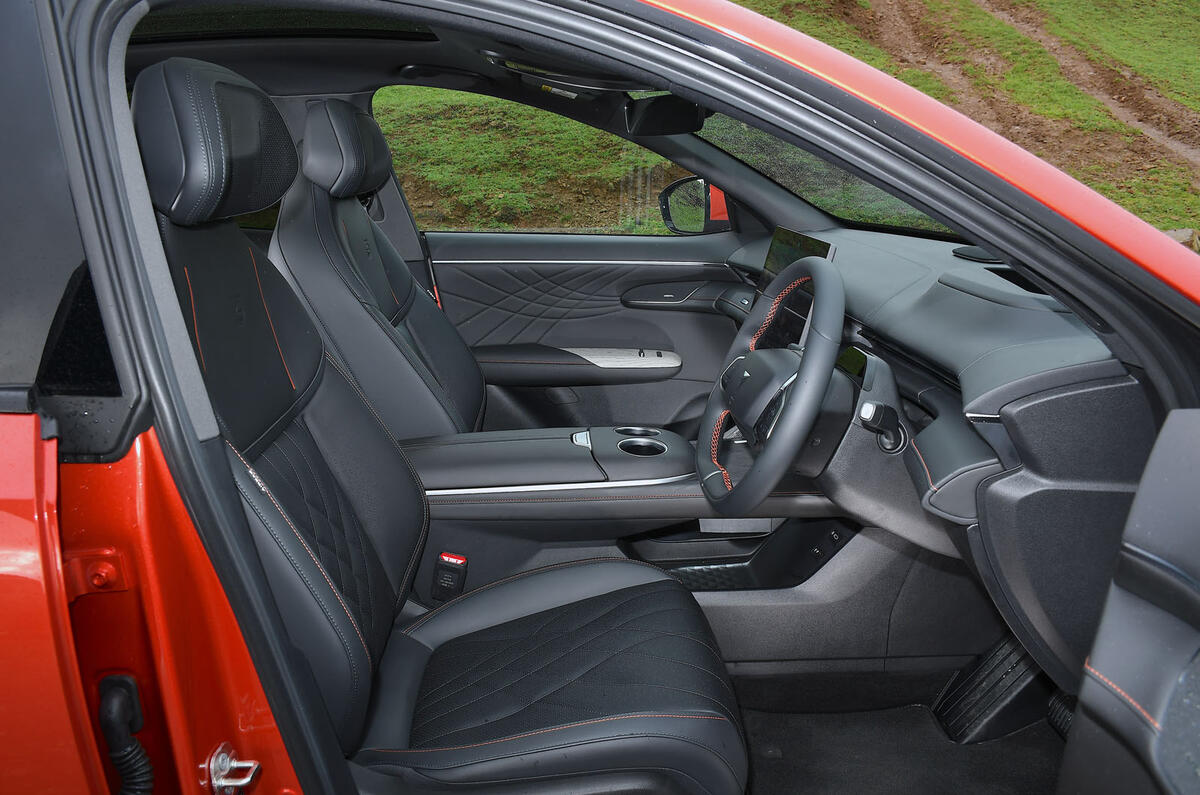
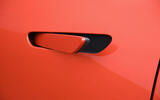
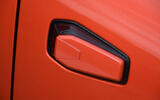
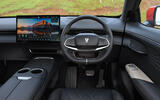
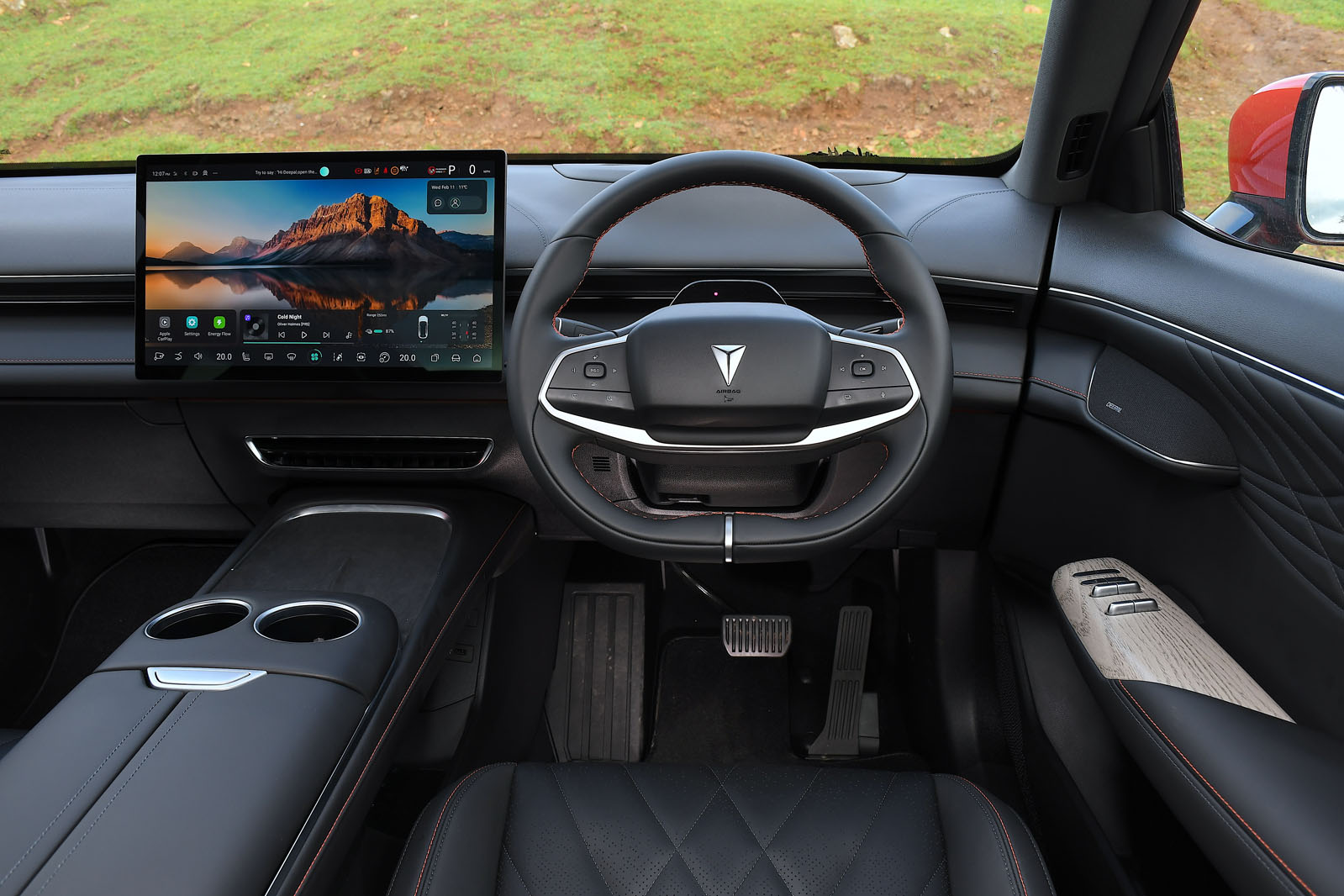
The S07 motors out a pop-out door handle as you approach it, and then admits you into a fairly sparse and simple yet solid-feeling and discreetly upmarket cabin.

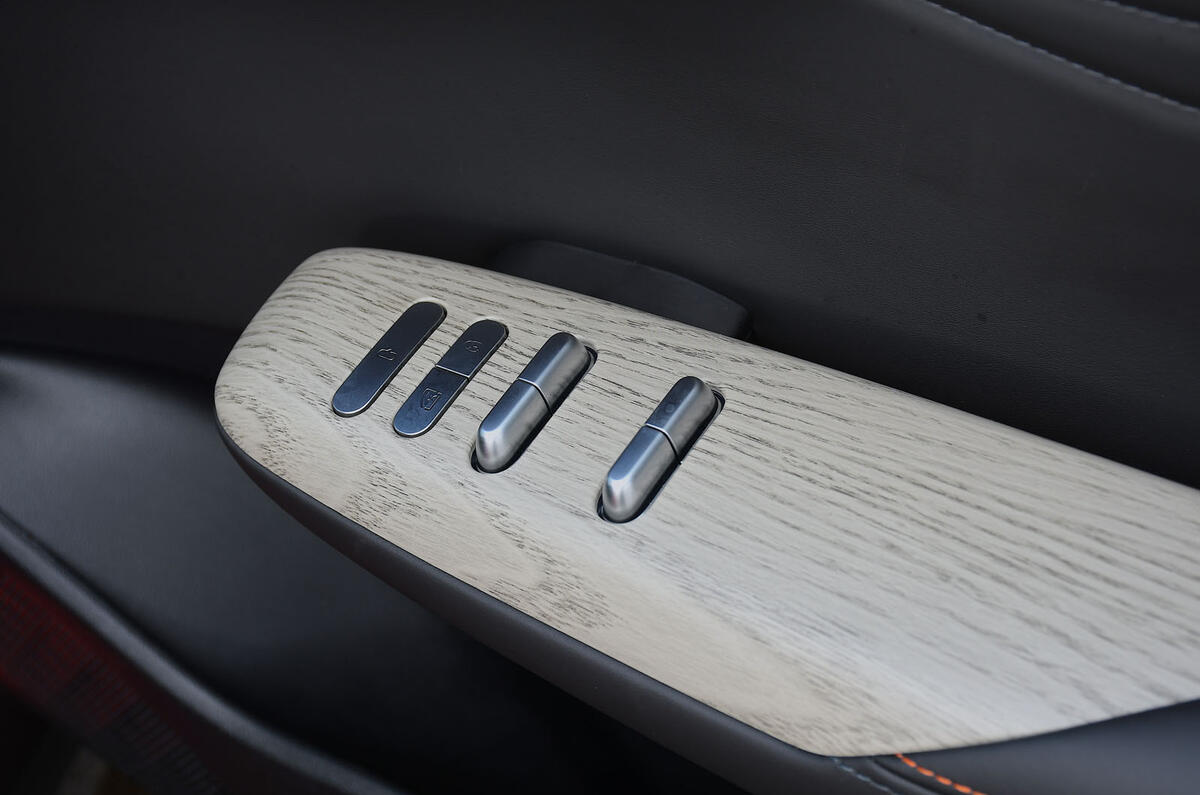
Many common modern interior design themes are apparent, and few secondary controls are included beyond column stalks for drive selection, turn indication, and wiper and headlight control.

The infotainment’s ‘scene modes’ include a party mode that rolls the windows down, plays loud music (via the external speakers and those inside) and flashes the headlights. I recommend getting out before activating it.

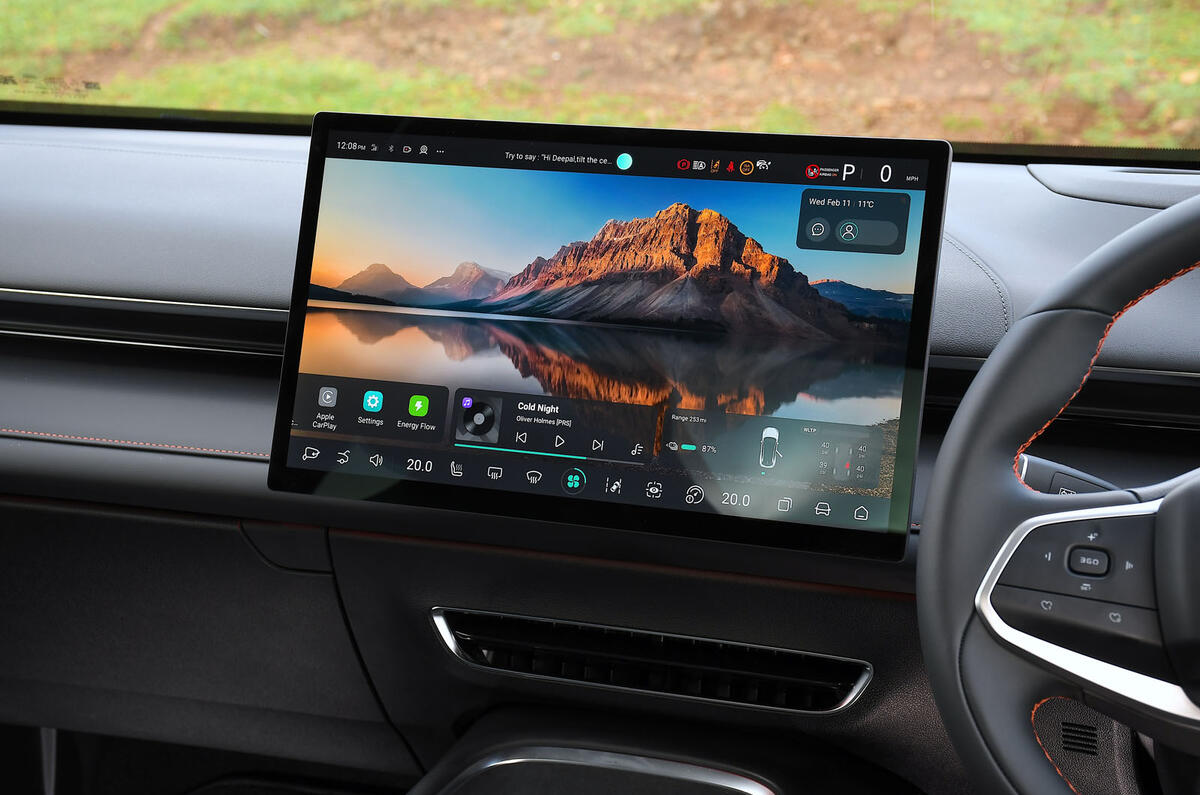
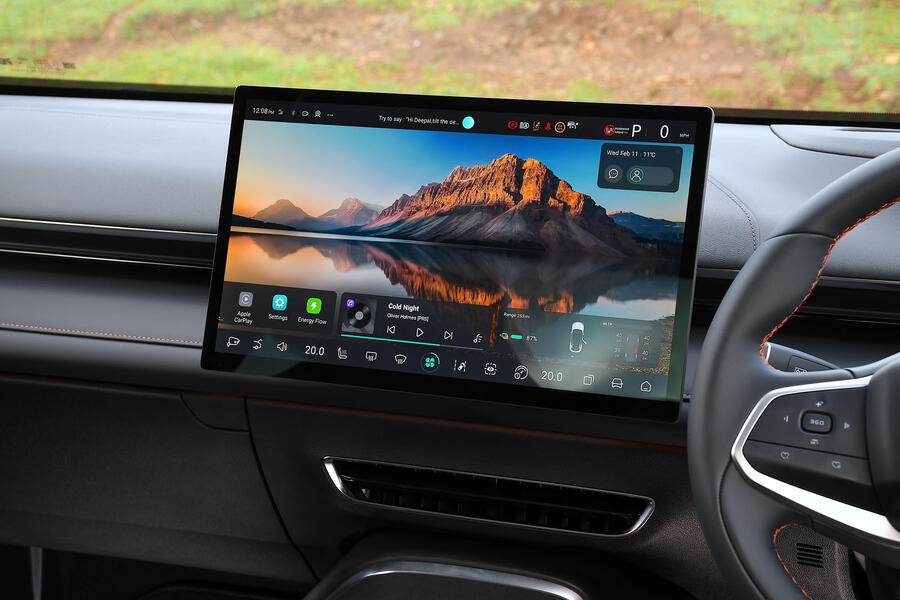
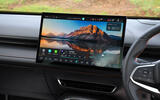
There’s no instrument screen at all – although, unlike in some rivals that rely entirely on their central multimedia display for instrumentation, the S07 does include a colour head-up display (it can convey augmented reality navigation directions, and makes a key contribution to keeping the driver’s eyes on the road). Otherwise, the car depends to a large extent on a couple of heart-marked ‘favourite’ buttons on the left-hand steering wheel spoke for easy access to key controls; and on a permanently displayed shortcut nav bar running along the foot of the 15.6in infotainment screen, whose contents the driver can customise. It’s the sort of simplified secondary control layout that has led many cars to grief over the past five years where usability while driving is concerned – but, because it can be configured so flexibly, the S07 actually neatly avoids making itself one of them (see ‘Multimedia’ overleaf).

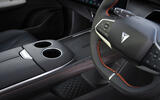
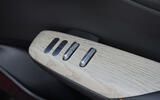
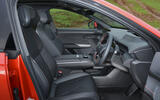
The front seats afford plenty of leg and head room for a 6ft 3in driver, and are broadly comfortable (great adjustable lumbar support, not quite enough thigh support). Their ‘vegan leather’ upholstery isn’t fooling anyone, but it’s pleasant enough to the touch and can be had in either white or orange as opposed to black. It is in plentiful supply on the door panels, fascia and centre console, lending the cabin an understated but convincing impression of quality that its few fixtures and fittings mostly manage to maintain.

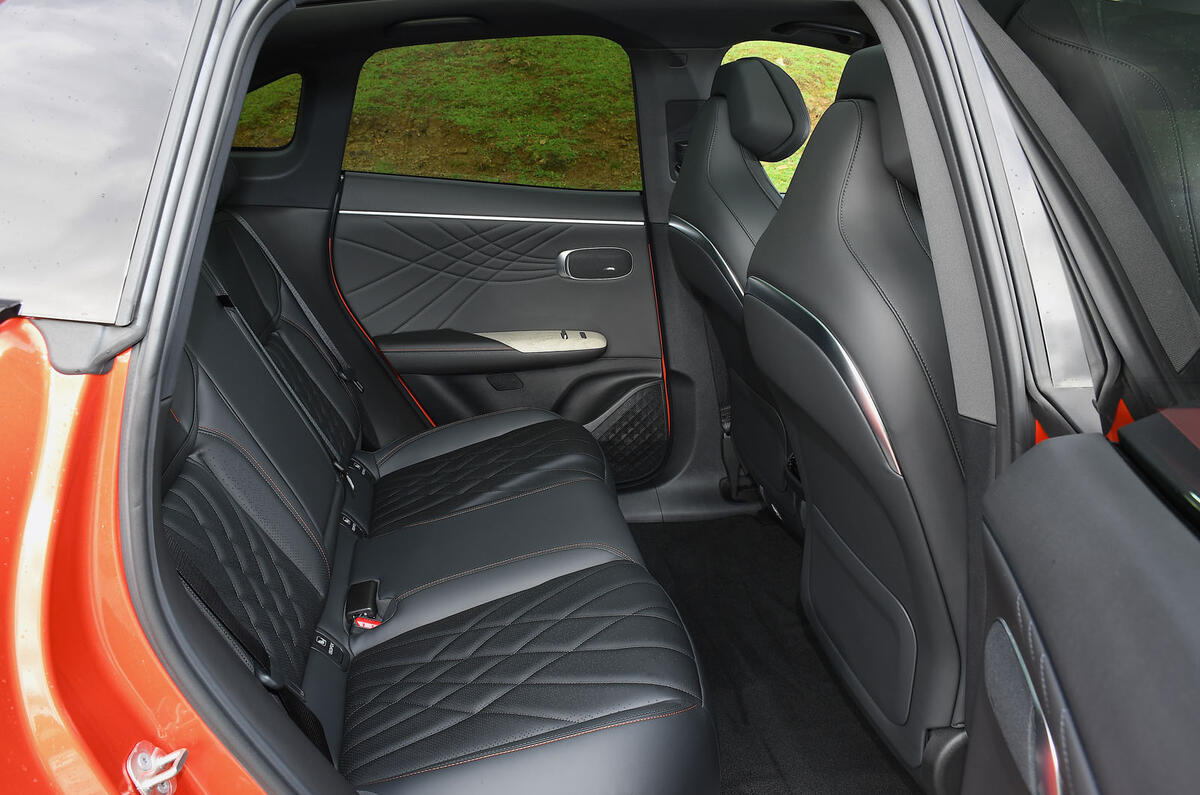
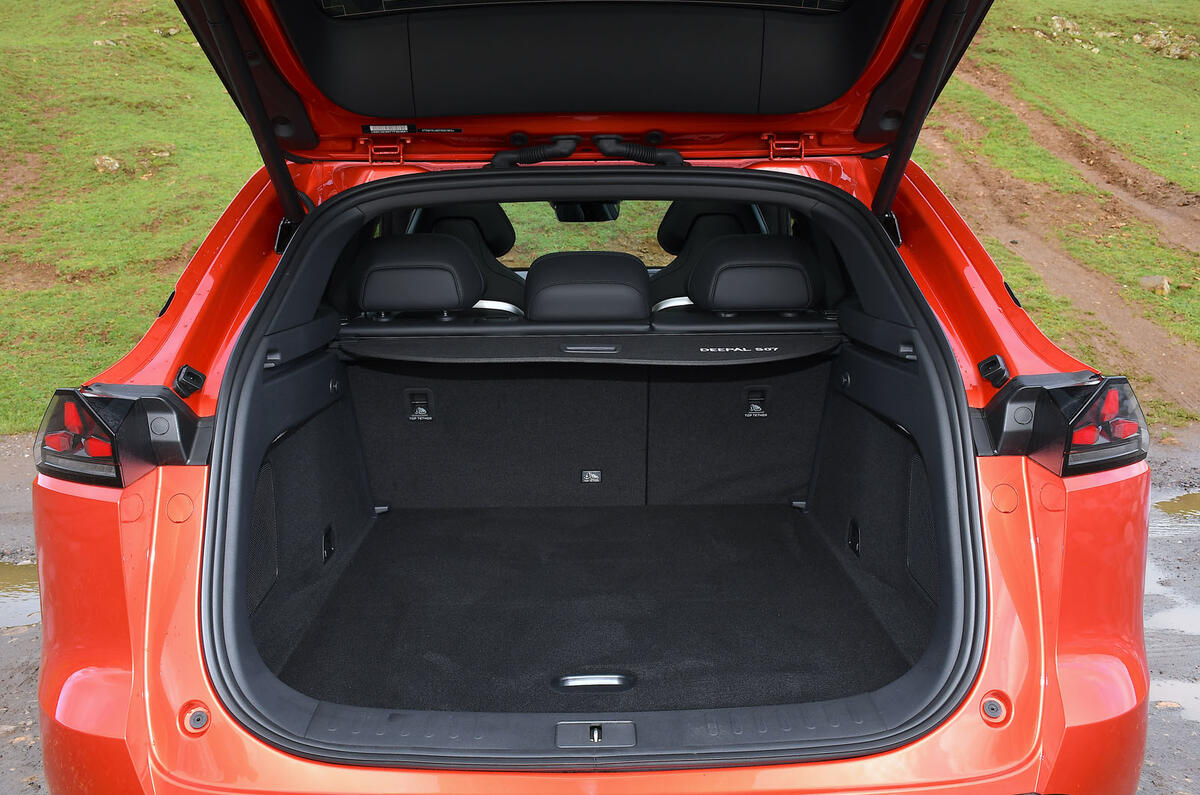
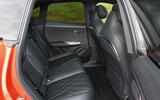
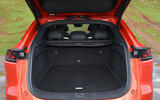
In the back, a standard-fit glass roof (whose roller cover can be controlled by back-seat travellers, for once) opens up the sense of space, which is objectively generous for average-size adults in terms of leg room, and generous enough for head room too. Boot space (just over 445 litres in the back, with a medium-sized frunk under the bonnet) is a little small by class standards, but probably still sufficient for the typical family.

Multimedia - 4.5 stars

Motorised multimedia displays are still likely to turn out to be a fad (notable purveyor BYD is now abandoning them), but the S07 brings its own take on the idea. This is the ‘sunflower’ screen: a 15.6in portrait-oriented installation that uses its gesture-recognition camera to pivot by 15deg either to the left or right of the ‘dead ahead’ to face its user, a little like a sunflower turning towards the light (you can simply fix the screen in one place if you prefer).

The system’s voice recognition system is quite good, understanding key commands that reduce driver distraction (such as ‘Hi Deepal, change the navigation mapping to north up’, or ‘turn on the demister’); but failing to recognise navigation destinations. You can also use gestures for certain key commands (putting your index finger to your lips mutes the audio system, for example).

The system offers a cooled, 40W wireless smartphone charger and wireless device mirroring that worked flawlessly for us, and makes getting in and out of the mirrored and native software modes easy.

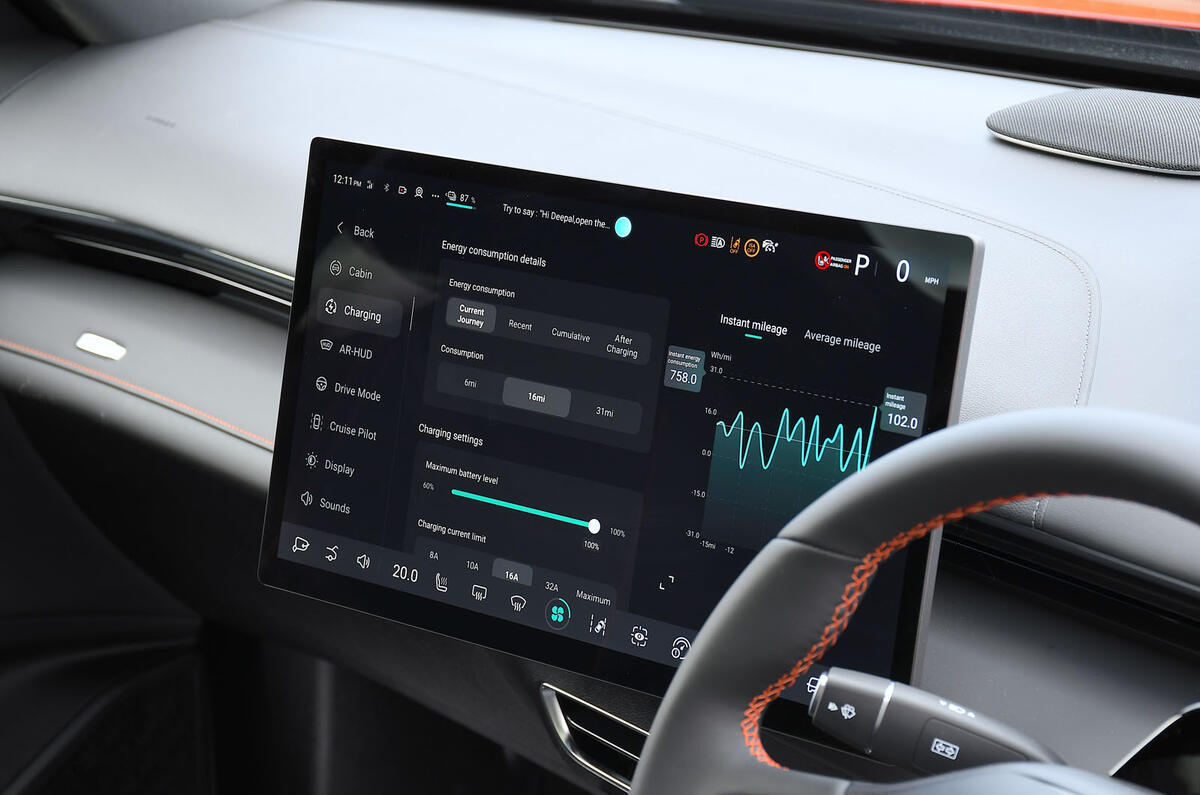
But the S07’s chief usability weapon is its customisable shortcut bar. Put a permanently displayed control for anything you like in here, whether ADAS functions, door mirror fold, rear wiper controls, or a trip computer shortcut. In many cases we would still prefer a physical button, but this is the next best thing.

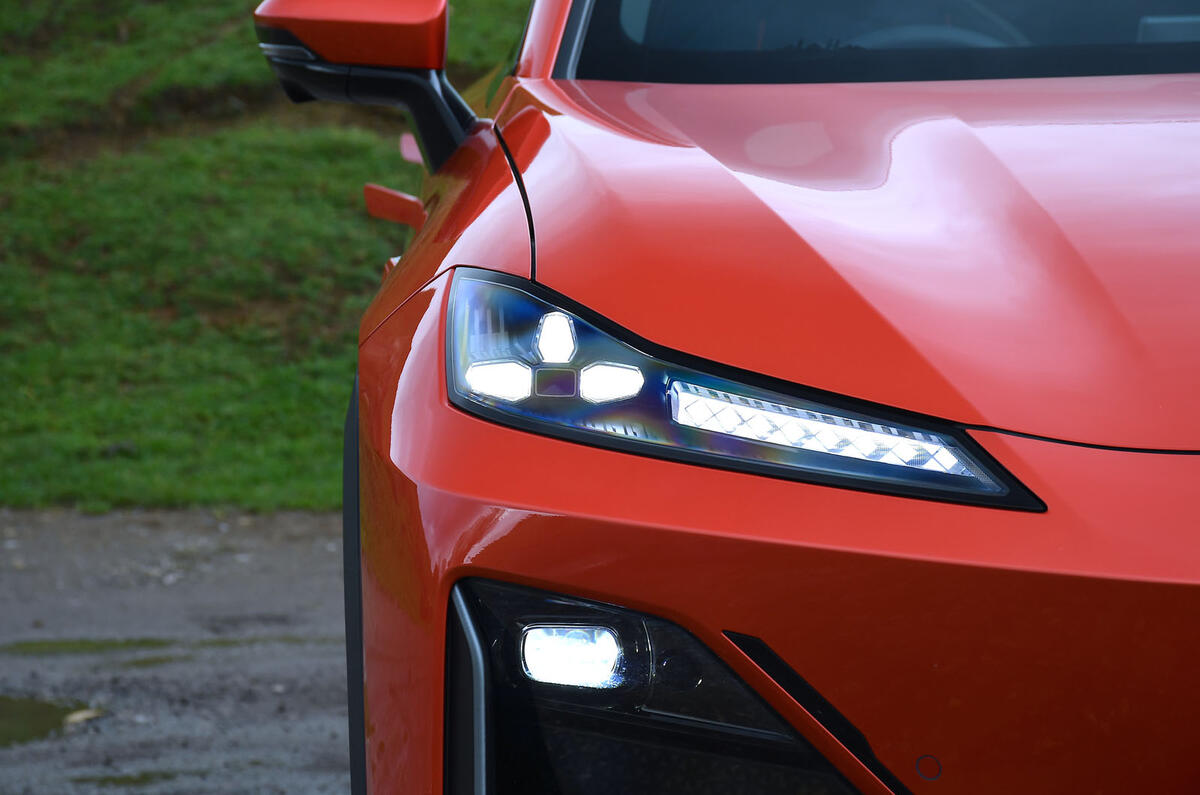
The system has a number of novel operating modes supposedly suited to when you need to leave a pet in the car for a short period, or to sleep, or even to camp (it can play music through an external speaker, and produce a light show at night with its LED headlights).

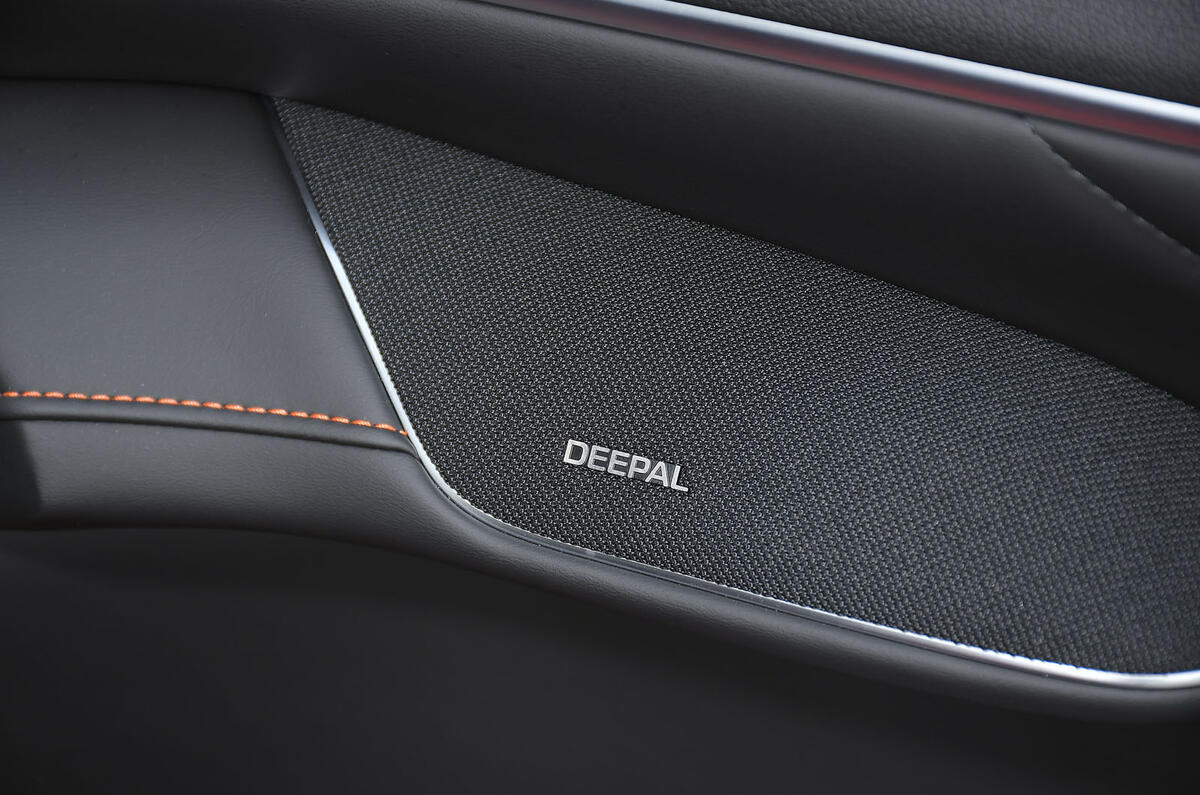
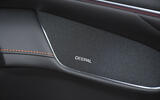
The 14-speaker audio system is impressively powerful and clear, and includes a headrest speaker that means you can take Bluetooth phone calls without disturbing your passengers.

ENGINES & PERFORMANCE

Changan Deepal S07 review 2026 022

On the road, the S07 has more oomph than it needs to get by, as well as decent drivability and some reasonably sophisticated refinement characteristics. But the one thing missing that it would need to identify itself as a youthful, assertive, thrusting car to drive is a bit more urgency.

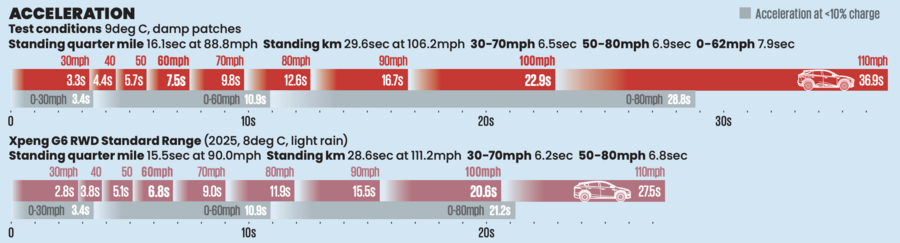
On a damp test day, our test car had traction in reserve, taking off without feeling in any way hurried even at full power (the torque being fed in progressively whatever you do with the accelerator). Getting to 60mph from rest in 7.5sec (0-62mph took 7.9sec) makes it precisely as quick as its maker claims; and getting from 30-70mph in 6.5sec allows for respectable, if not desperately brisk, real-world overtaking (Polestar 2 Long Range Single Motor: 5.0sec). The one accusation you could level here is that, if anything, the car’s outright performance just feels a bit unremarkable. Ordinary, even – although that needn’t necessarily be taken as a criticism.

Drive selection is via the right-sided column shifter, which puts you in mind of Mercedes’ old ones. A second downward nudge on it engages the piloted cruise control.

You can adjust drivability characteristics through a choice of four drive modes (Comfort, Eco, Sport, Customize). Go for Comfort and, while the accelerator pedal feels a little bit deadened, the lightish but progressive brake pedal and gentle trailing-throttle regen make for easy progress.

There is no paddle-shift manual control of regen, however. Customize mode includes a touchscreen slider that you can wind all the way up to 100%, or down to zero. But even when you do the latter, the car never adopts a full coasting mode; and it has no one-flick,  max-regen ‘B’ drive mode, either. Both are conspicuous omissions.

Even so, the ability to tune the brake and accelerator response, steering weight and regen makes Customize (which the car will remain in once you have selected and tuned it) the mode to use.

RIDE & HANDLING

Changan Deepal S07 review 2026 029

Earlier tests with the S07, both in the UK and abroad, left us a little underwhelmed by the car’s ride and handling manners - but perhaps it’s something of a slow burner. Because, on extended acquaintance, this car does seem to evidence some careful UK chassis development work. It has a well-honed blend of fairly settled ride comfort and credible ride isolation; good higher-speed directional stability; plenty of apparent lower-speed agility and poise; and a particularly mature kind of controllability and consistency about its chassis and controls. It’s quietly impressive all-round prospect, then, developed by people who have clearly taken some care, and who seem to be serving the right interests.

The weighbridge confirmed a modest rearward weight distribution, but you don’t feel this in the way the car rides. There’s no fore-aft pitching over speed bumps or on country roads, and the damping feels medium-firm but not tetchy, keeping control of the car’s mass pretty well.

Changan's engineers tell us they're working on steering-by-wire for future vehicles, although it will be a while before it makes it to production.

The S07 doesn’t roll much when cornering, and it grips with decent and consistent balance, holding a line without leaning on its electronics. Moreover, Changan trusts the driver enough to allow them to deactivate those electronics fully (in most rivals, you either can’t - or ‘off’ doesn’t mean anything of the sort). When you do, while there isn’t enough power to bring about exaggerated rear-driven antics, you can feel the S07’s chassis begin to rotate under power, and to demonstrate just enough throttle-adjustability to remind you what’s engaging about a rear-wheel-drive layout in the first place, and why you might prefer one.

Assisted Driving - 5 stars

The S07 has the European Union’s mandatory selection of ADAS functions and, if you leave them on, they can be a bit irksome (the driver monitoring especially). Even so, the option to turn down the volume of the various audible alerts makes a real difference to your stress level at the wheel – enough to wonder why more manufacturers don’t follow suit.

The multimedia system’s customisable nav bar can be set to contain controls to switch off all of the ADAS with one press each, however – still a rare and very welcome feature. Better still, the car bucks ADAS tuning norms by allowing all of its systems to remain in whatever condition you left them permanently, rather than defaulting to ‘on’ with every ignition cycle.

This makes a huge difference to everyday drivability and ease of use; it puts established driver preference back at the top of the list of safety priorities, where it ought to be; and we applaud it unreservedly. This is a car whose active safety systems can be configured once  and forever – praise be – and we sincerely hope other Deepal models follow that example.

MPG & RUNNING COSTS

8
Changan Deepal S07 review 2026 001

The S07 isn’t the first electric car of its kind to arrive on sale in the UK in a single trim and with no cost options at a little under the £40,000 price point. By taking that position, the company avoids the expensive car supplement of the current UK VED road tax regime, saving the owner more than £400-a-year. In tandem with the well-rehearsed benefit-in-kind-related argument, that means there’s a reason to choose this car over rivals whether you are a retail buyer or a fleet “user-chooser”.

Moreover, it is plenty of electric family car for the money, giving the S07 an advantage over European-made rivals worth at least a couple of thousands pounds, and more still when you consider its very generous standard equipment list.

The only option is a retractable towbar; and it's a no-cost one. If you add that, the S07 can tow a braked trailer of up to 1500kg.

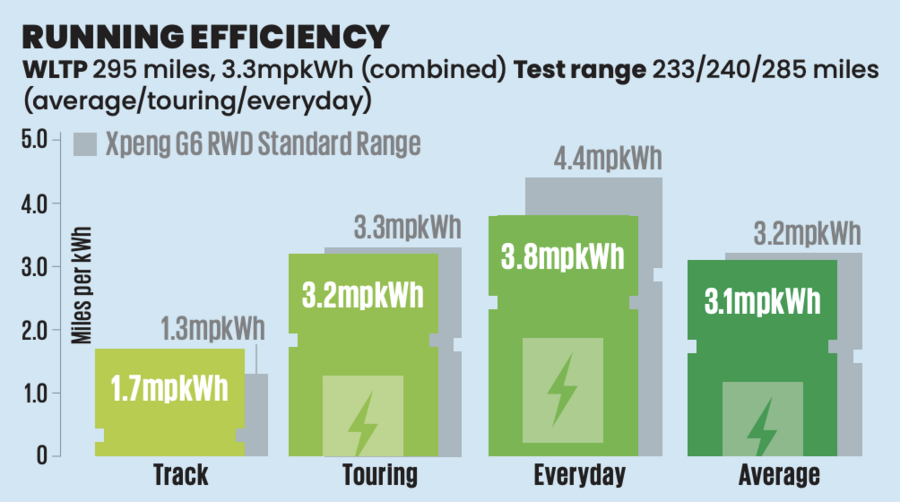
On range and efficiency, the S07 hits an acceptable, broadly competitive standard, but no better. The 3.2mpkWh returned on our touring efficiency test was roughly in line with a Tesla Model Y Long Range and an Xpeng G6, if a little behind a Polestar 2. Such economy translates to a range of 240 miles, which is certainly nothing to write home about. The S07 was slightly behind key rivals on our lower-speed ‘everyday’ test, meanwhile, scoring 3.8mpkWh, or 285 miles.

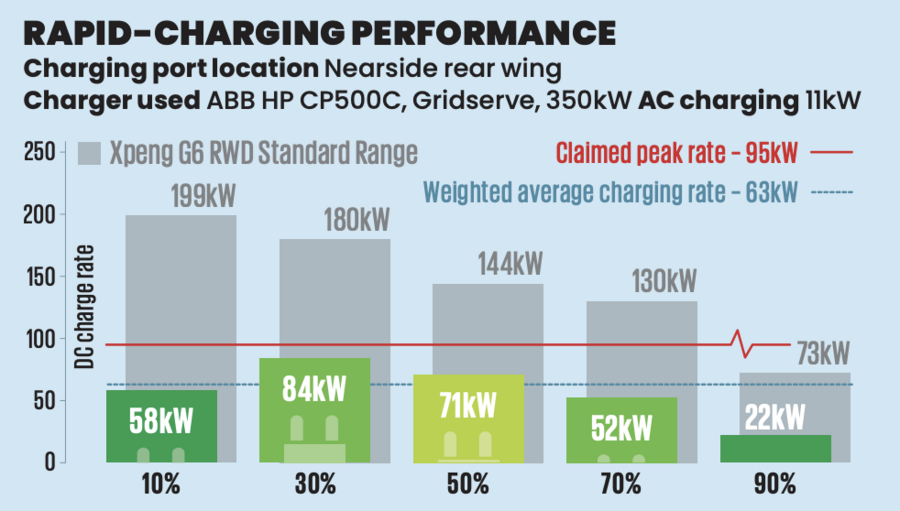
Owners will also need to be willing to tolerate similarly undistinguished DC rapid-charging performance. The S07 recorded a weighted average of 63kW in our testing, compared with 115kW for the Model Y Long Range RWD and 147kW for the G6.

VERDICT

8
Changan Deepal S07 review 2026 033

Given the firm’s long-standing presence in Europe, it’s curious that Changan’s UK arrival has taken this long – but it’s a development we should welcome.

On the one hand, it has let other brands define our perception of Chinese electric cars. On the other, perhaps Changan was wisely biding its time and honing its wares, given that it’s ended up producing a car so competent and considered.
The Deepal S07 isn’t any towering achievement, nor is it without clear areas for improvement (efficiency, range, cargo space, performance, regen control). But it is studiously well-rounded, great value and praiseworthy in areas where many Chinese rivals have toiled (exterior design, infotainment usability, ADAS, ride and handling).

It’s proof positive that Changan is worth serious consideration and deserves to make headway.

Matt Saunders

Matt Saunders Autocar
Title: Road test editor

As Autocar’s chief car tester and reviewer, it’s Matt’s job to ensure the quality, objectivity, relevance and rigour of the entirety of Autocar’s reviews output, as well contributing a great many detailed road tests, group tests and drive reviews himself.

Matt has been an Autocar staffer since the autumn of 2003, and has been lucky enough to work alongside some of the magazine’s best-known writers and contributors over that time. He served as staff writer, features editor, assistant editor and digital editor, before joining the road test desk in 2011.

Since then he’s driven, measured, lap-timed, figured, and reported on cars as varied as the Bugatti Veyron, Rolls-Royce PhantomTesla RoadsterAriel Hipercar, Tata Nano, McLaren SennaRenault Twizy and Toyota Mirai. Among his wider personal highlights of the job have been covering Sebastien Loeb’s record-breaking run at Pikes Peak in 2013; doing 190mph on derestricted German autobahn in a Brabus Rocket; and driving McLaren’s legendary ‘XP5’ F1 prototype. His own car is a trusty Mazda CX-5.