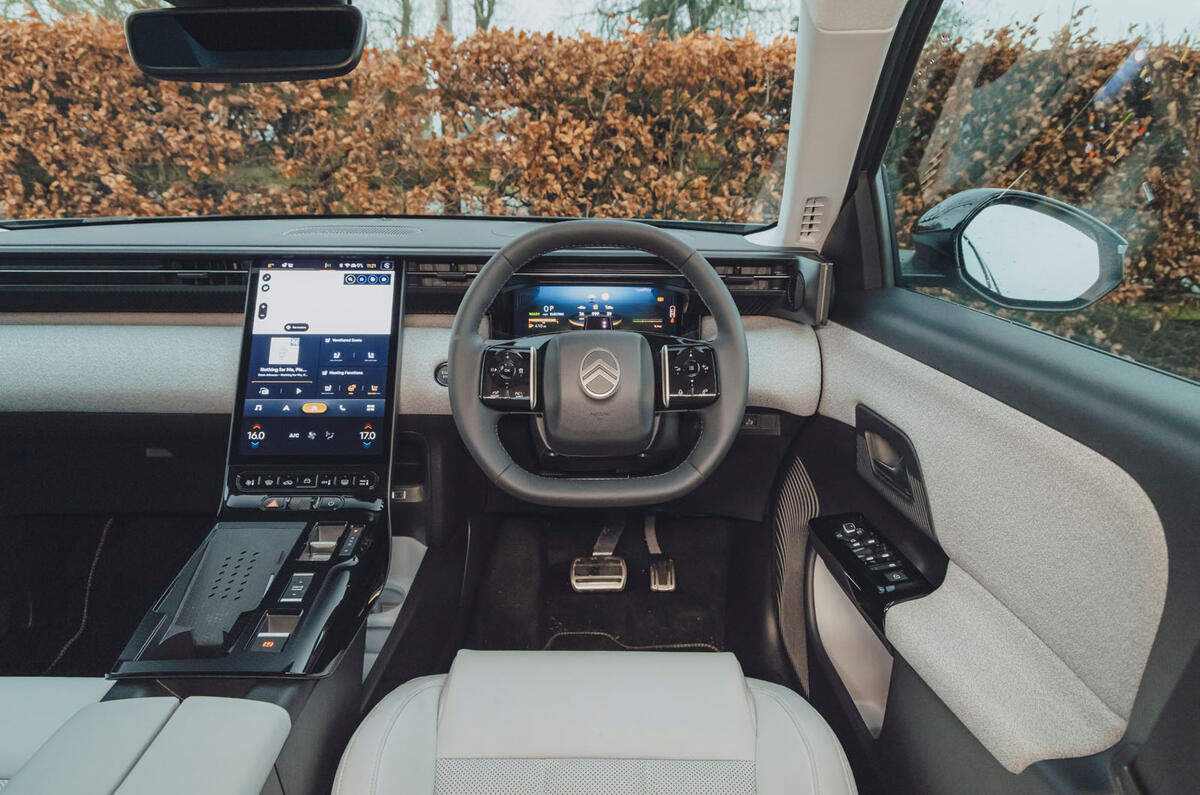
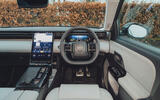
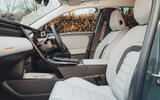
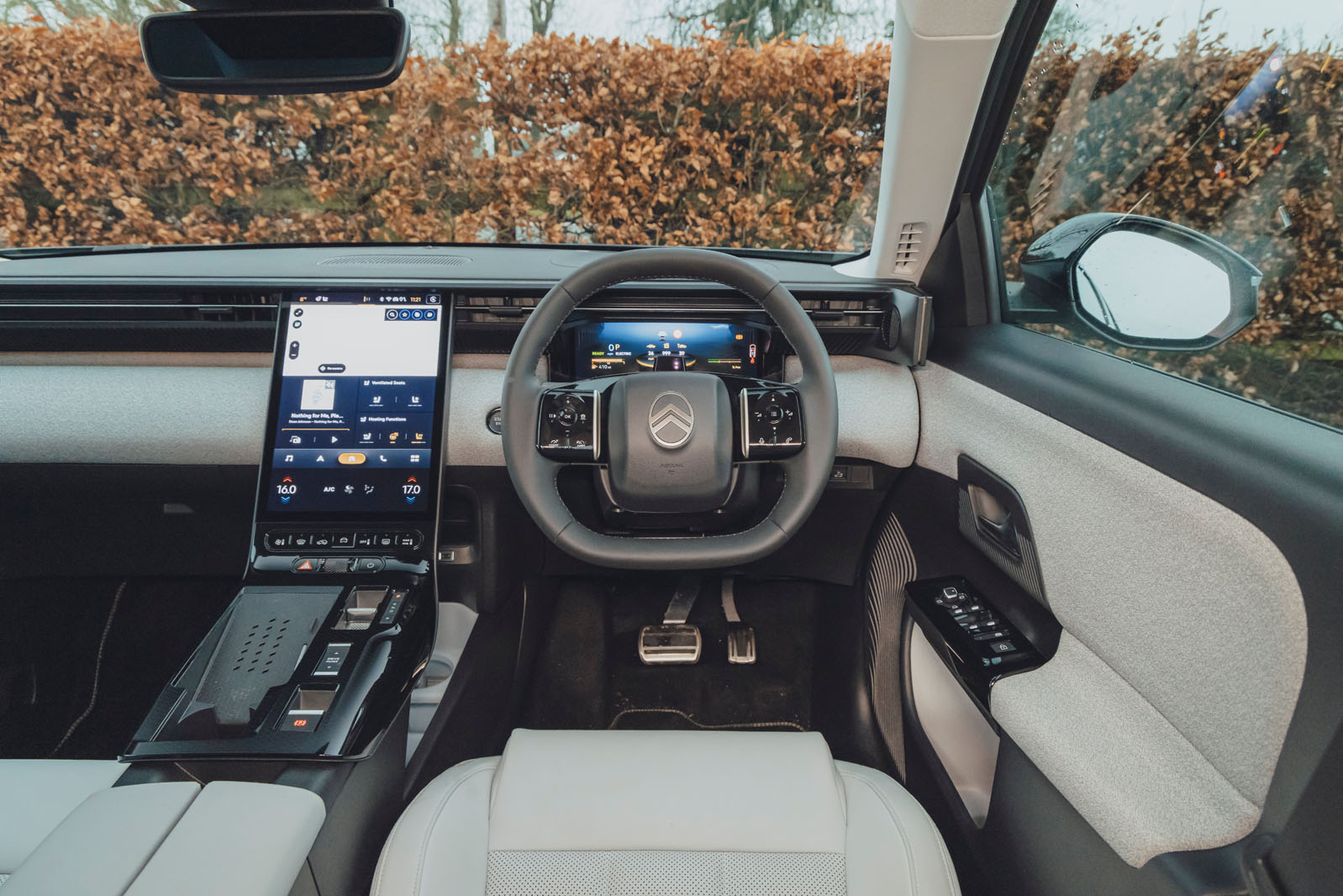
If there is one easy win against the flood of attractively priced Chinese PHEVs coming on the market, it’s to display a shred of originality in terms of interior design. And although the C5 Aircross has the obligatory dual screens, it doesn’t subscribe to the philosophy of extreme minimalism.
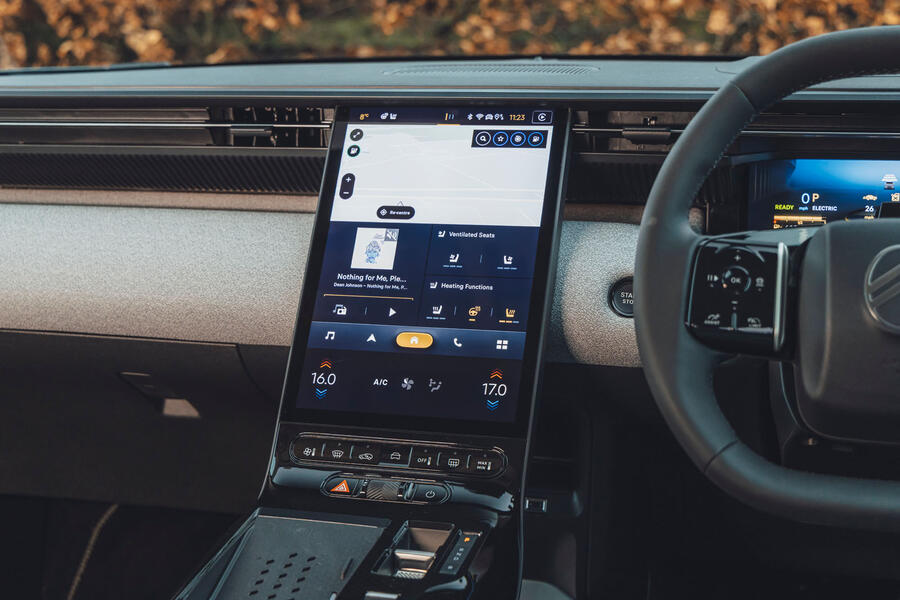
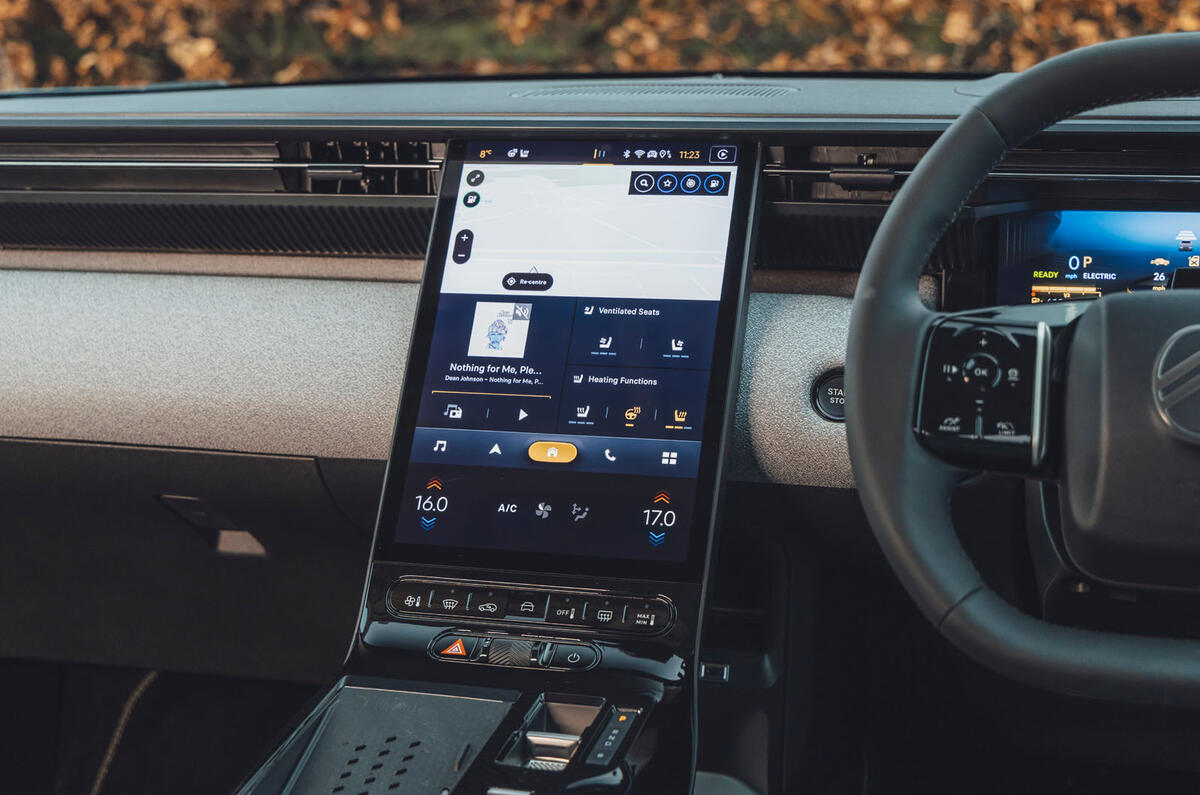
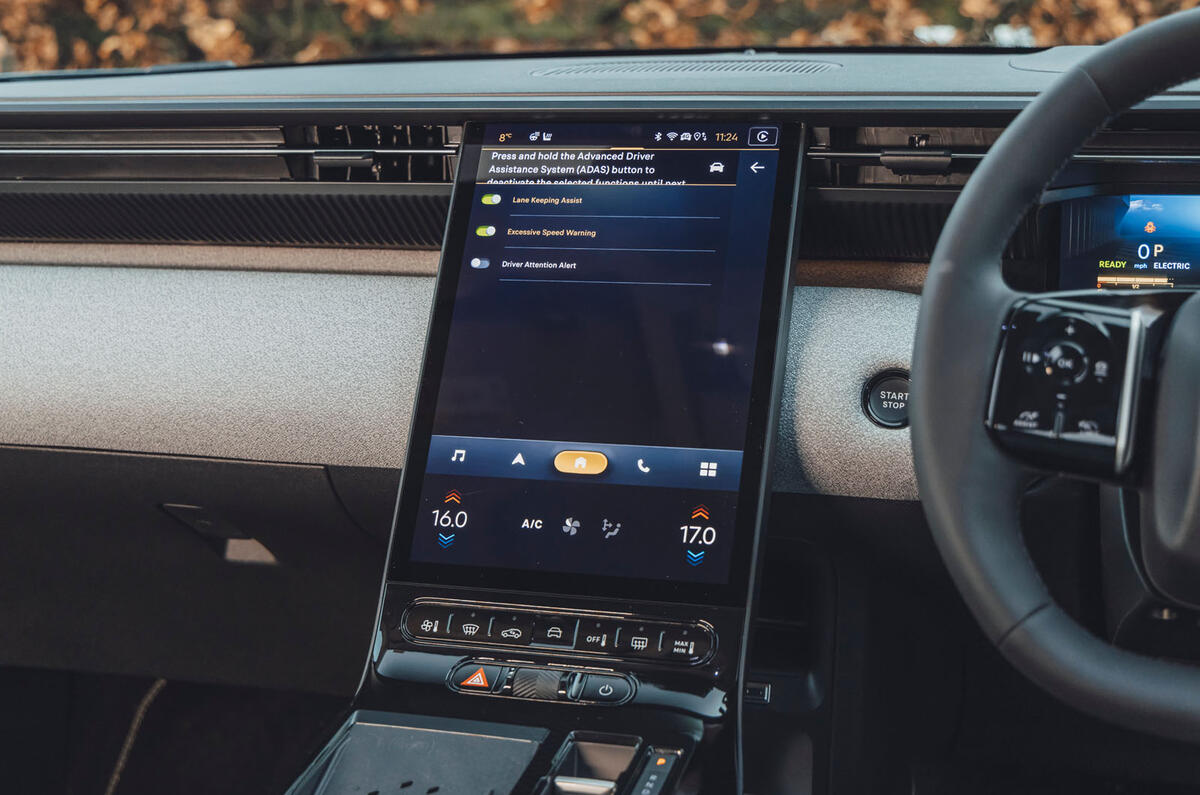
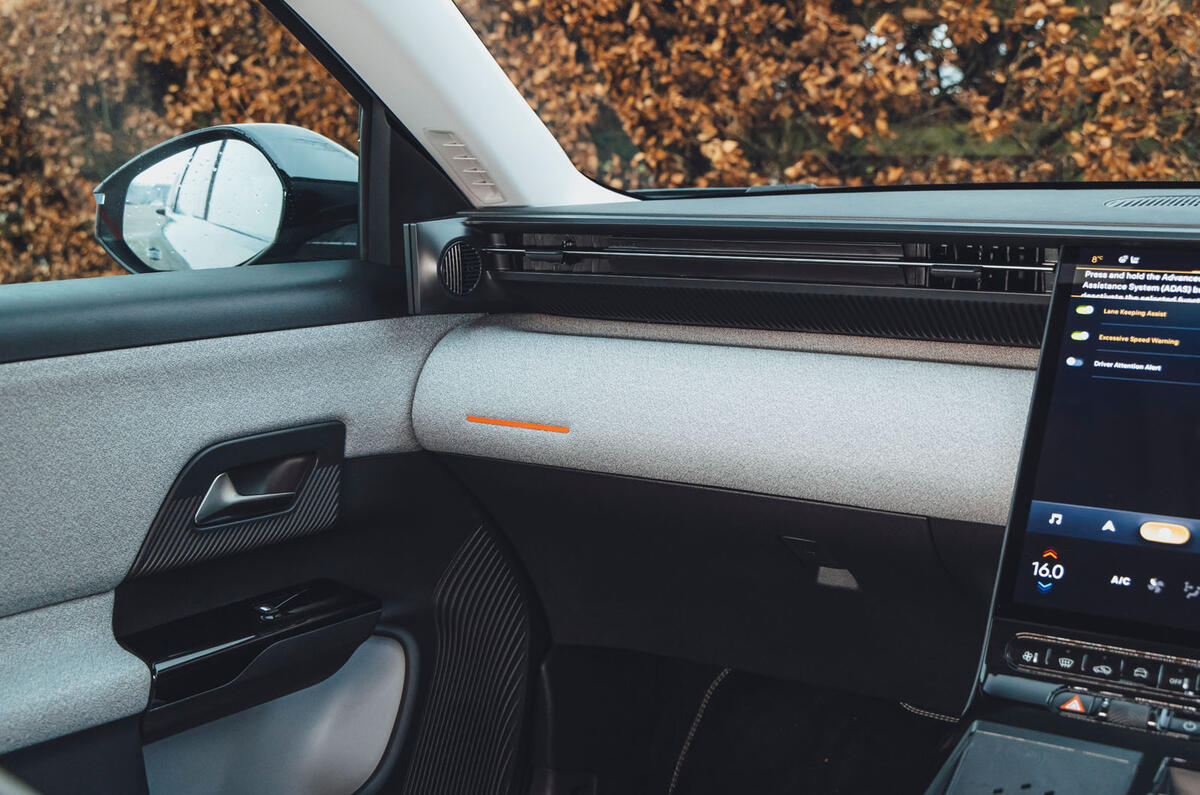
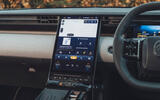
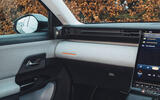
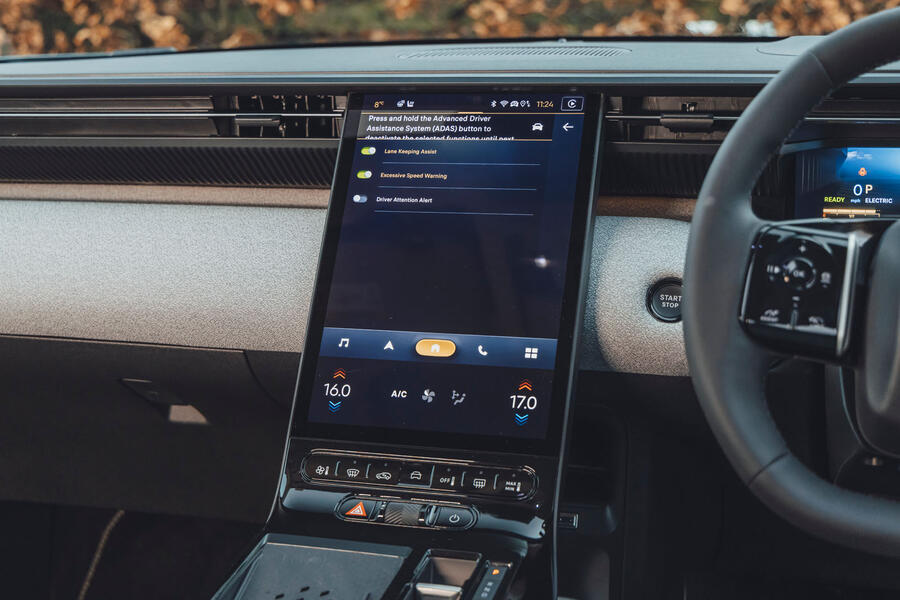
The main central touchscreen has a portrait orientation and flows into the centre console. Citroën calls this the ‘waterfall’ screen. The whole surface is gloss black plastic, so does attract fingerprints, but feels solid enough and is livened up with a neat pattern. Citroën has had some fun with the colours and materials too. To find hard plastic atop the dashboard and doors is a bit disappointing in this segment, but lower down the light grey fabric brightens up the cabin and is pleasant to the touch. As standard, Max trim gets dark blue faux leather and lower trims get black. The light-coloured plastic in the very practical centre console and door bins is made with offcuts from grapevines.
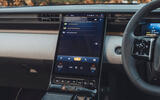
Citroën has so far been a relative sceptic of touchscreen-based controls, the C3, C4 and C5 X all retaining a good selection of physical controls. But like in the old C5 Aircross, many frequently used functions in the new car require use of the touchscreen. The temperature controls are permanently on the screen but the heated and cooled seats and the fan speed require you to either dive into a sub-menu or configure the home screen to display the relevant widgets. The latter works well, so long as you use the built-in navigation system. Once you open Apple CarPlay or Android Auto, those disappear. Given how big the screen is, you would think the software engineers could have come up with a way of integrating the phone mirroring into just the top third of the screen, but such an outbreak of common sense has yet to hit Poissy. Apart from that, the infotainment works fairly quickly and logically, with a good degree of customisation.
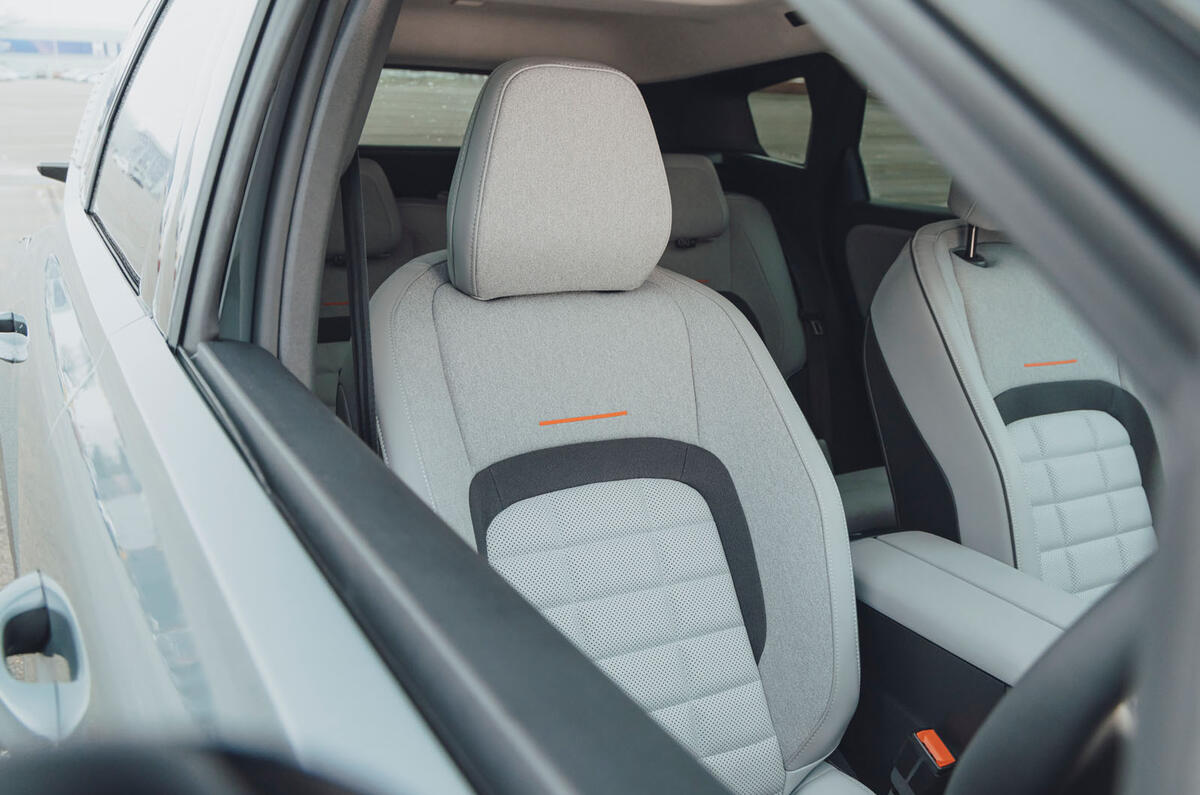
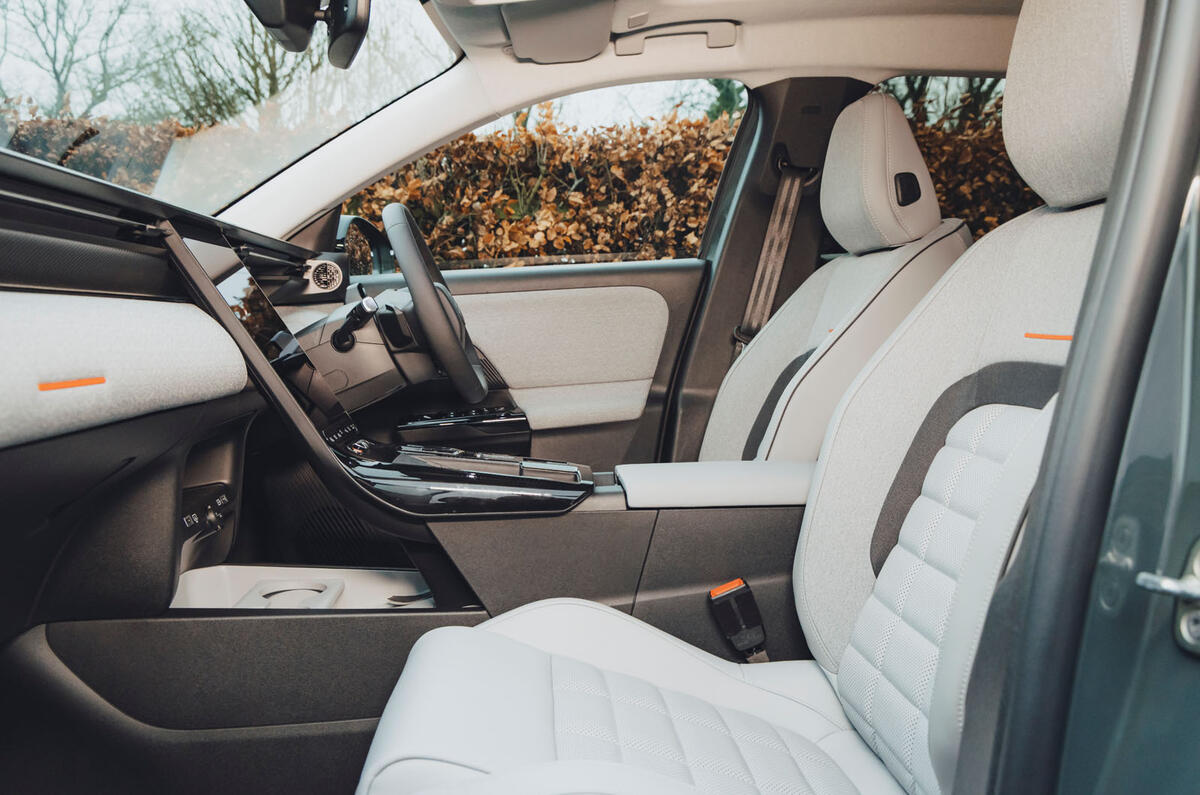
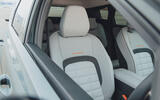
Every C5 Aircross is equipped with what Citroën calls ‘Advanced Comfort Seats’, which means little more than thick, soft padding, because on the entry-level versions they lack cushion tilt and adjustable lumbar support. Our Max trim test car with the optional ventilated and massaging seats was not lacking in features. Apart from the squab being a little short, they were quite supportive and widely adjustable.
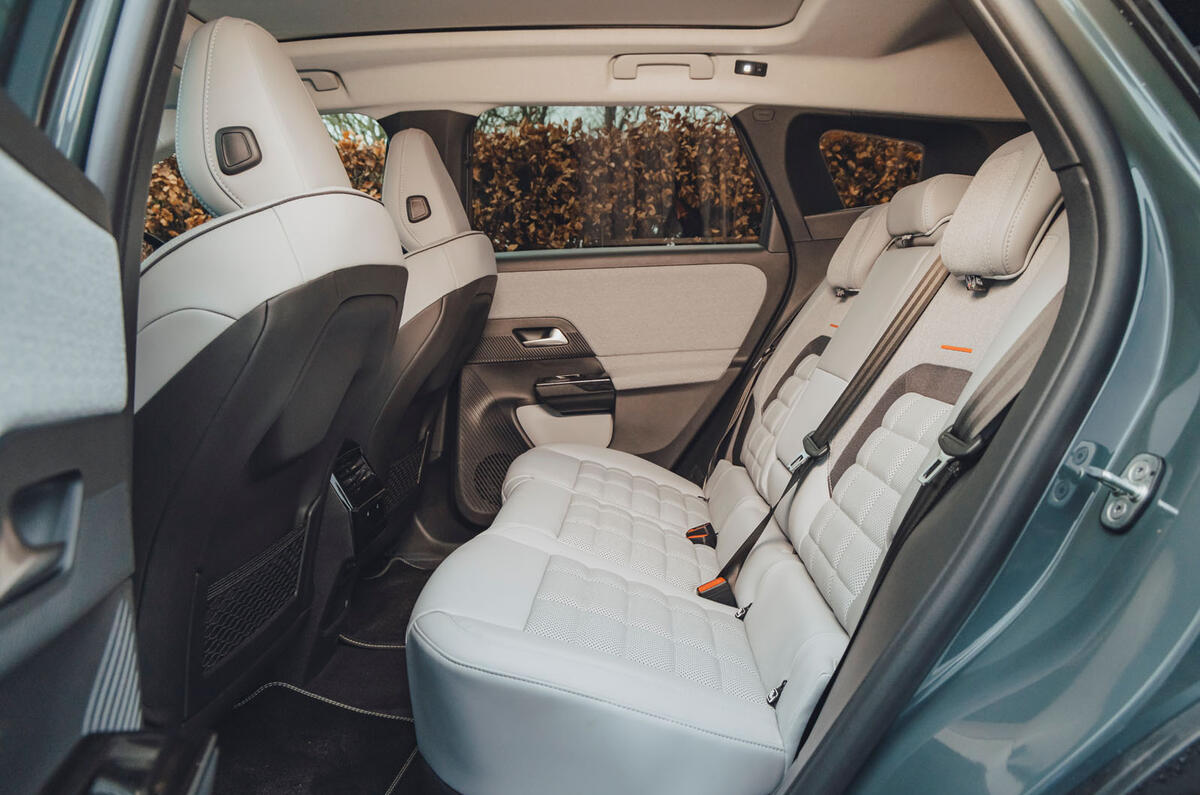
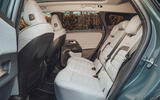
With 720mm of rear leg room, the new C5 Aircross is one of the more spacious options in the class, beating the Tiguan and getting very close to the Jaecoo 7 and Kia Sportage. Returning buyers may be disappointed by the loss of the old car’s three separate seats, however. There's now a more conventional bench with the middle seat clearly the least desirable. It doesn’t slide, either: only the backrest has limited adjustment.
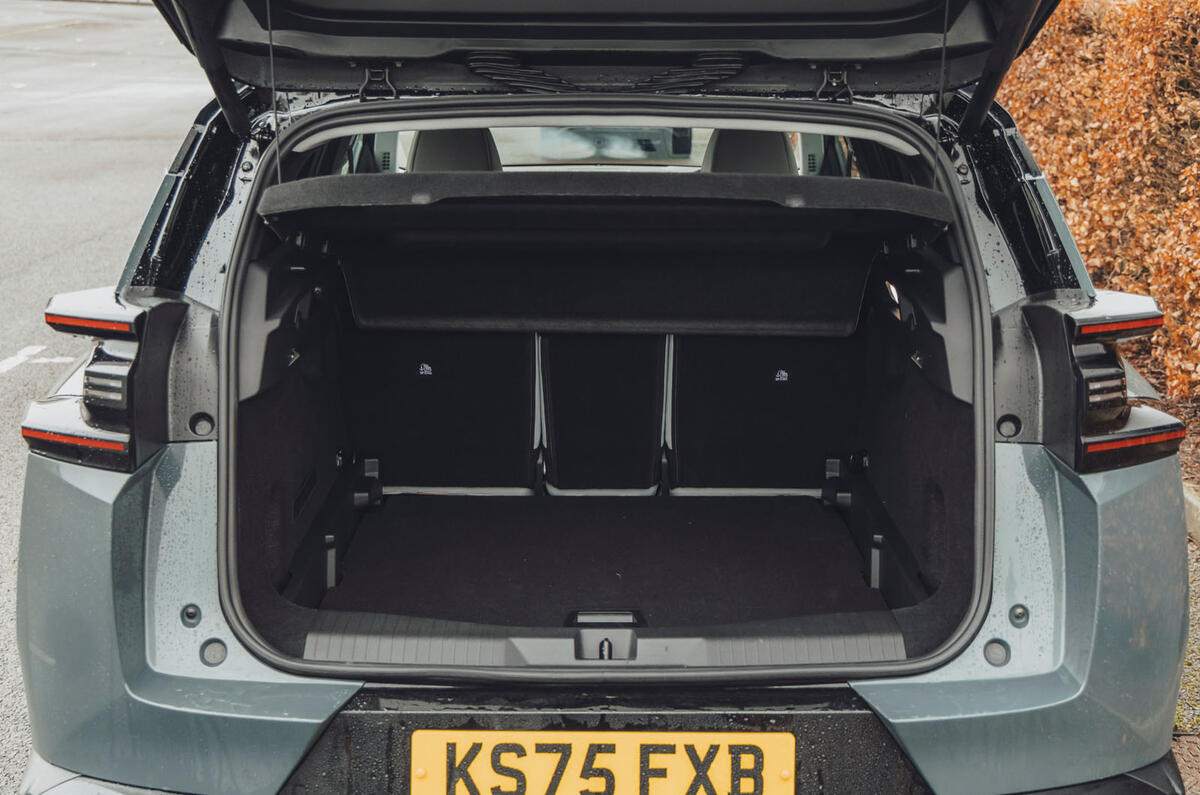
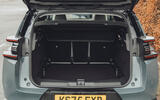
Similarly, the C5 Aircross has one of the biggest boots of the class: 565 litres trumps the PHEV versions of the Jaecoo 7 (412), Tiguan (490) and Hyundai Tucson (558) and matches the Chery Tiggo 7. (The boot in the Skoda Kodiaq is bigger still, at 745 litres.) It could be more practical, though. There are no remote releases for the rear seatbacks and the parcel shelf is complicated and bulky; it’s difficult to remove and it robs some rearward visibility.