6

Can France’s Formula 1-grade sports car brand successfully turn its hand to a sporty electric crossover?

The Alpine A390 is the car to put the ‘big’ into its maker’s latest strategy for big-time commercial success. It’s the second new-model installment in Alpine's plan to have a ‘dream garage’ of four all-electric performance cars on sale by 2030. And it might well have more sales potential than any of them, because, of all of its sibling models extant and forthcoming, this is ‘the practical one’.

More specifically, this is a five-seat, four-door, high-rise C-segment hatchback with a roomy boot and a four-wheel-drive powertrain as standard. It’s precisely the kind of car that other brands might call a crossover or SUV, although Alpine prefers not to - which is revealing enough itself about the positioning that the company is aiming for here.

Like the A290 hot hatchback before it, the A390 uses a shared Renault Group platform - but it builds in plenty of special hardware all of its own. Enough, in fact, to make it the first tri-motor performance EV in its class, as well as the first four-wheel-drive car in Alpine’s history.

So what might fully asymmetrical torque vectoring, new dimensions in electric performance and new levels of space and everyday usability be about to do for the Alpine brand?

Advertisement

DESIGN & STYLING

6
Alpine A390 review 2026 002

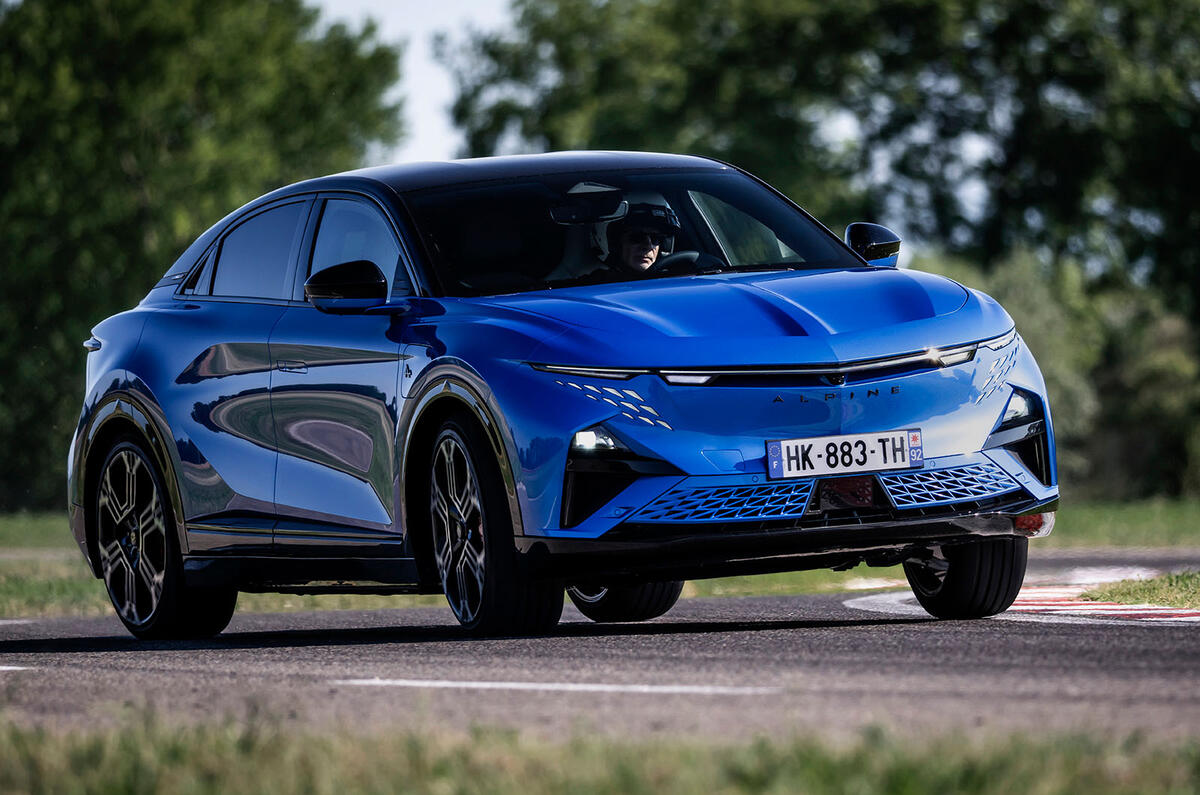
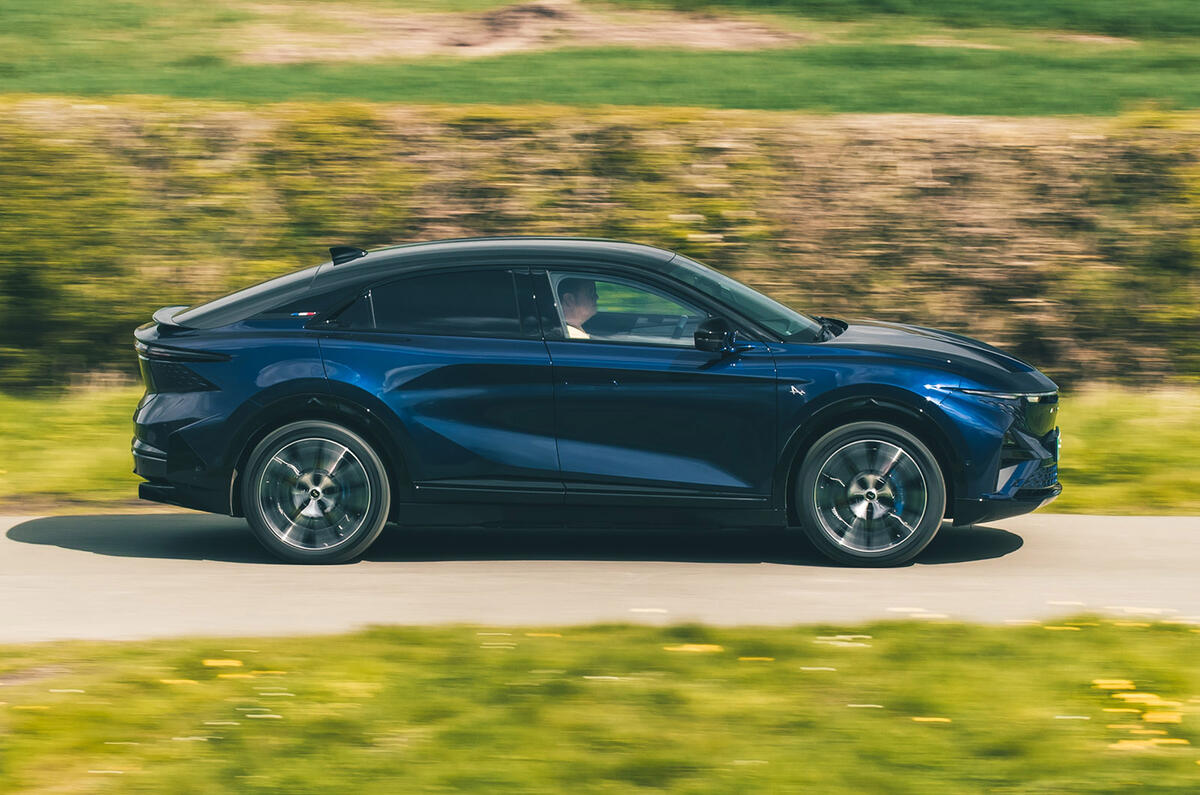
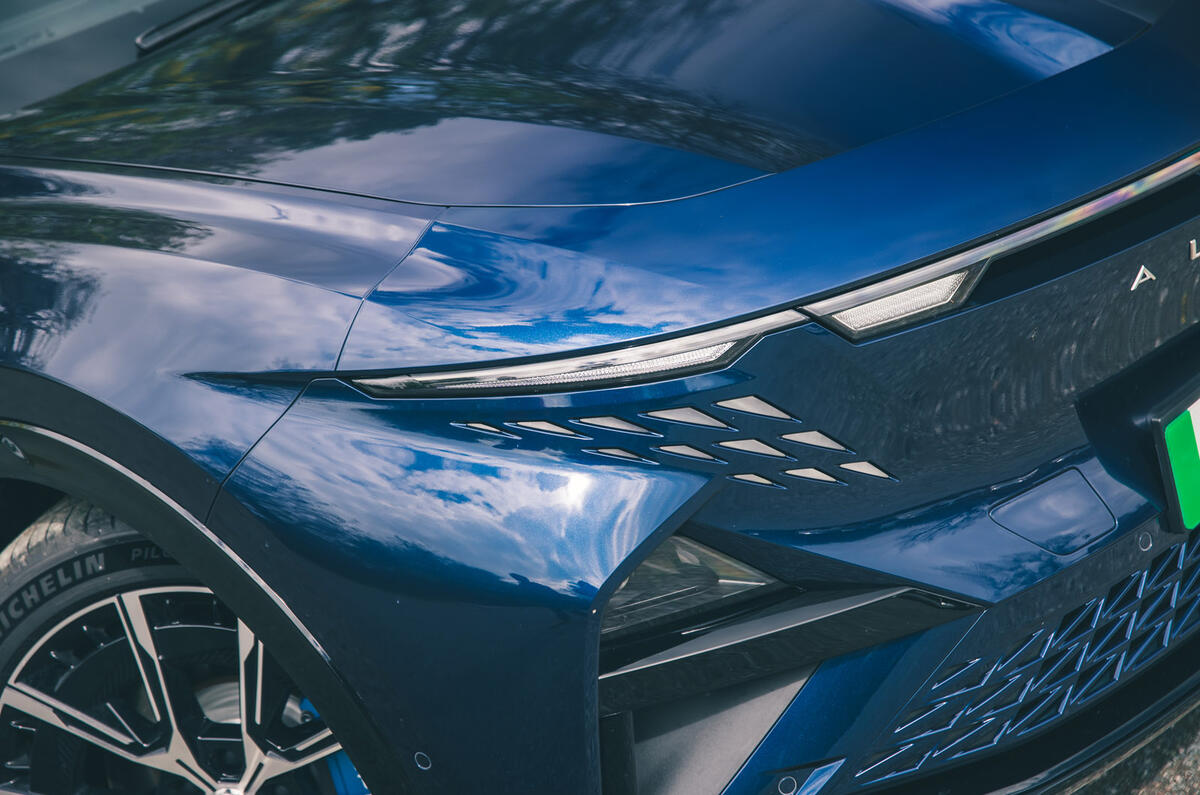
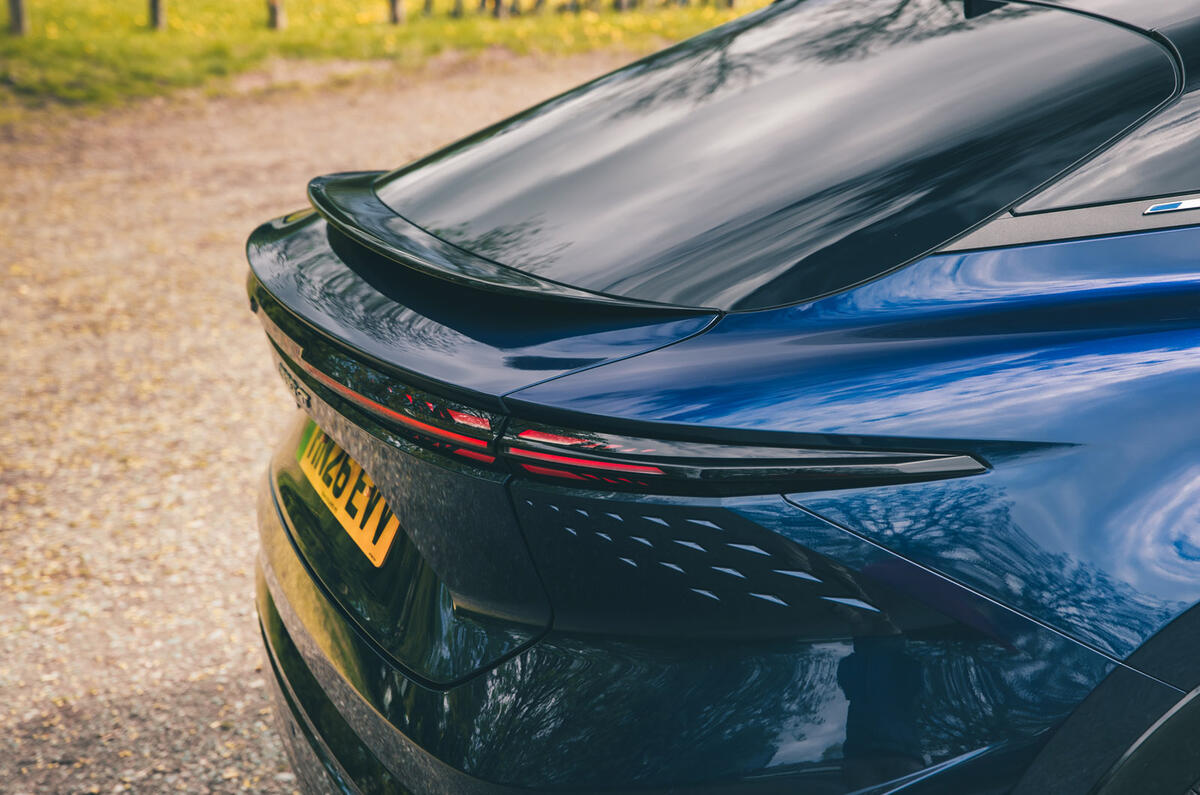
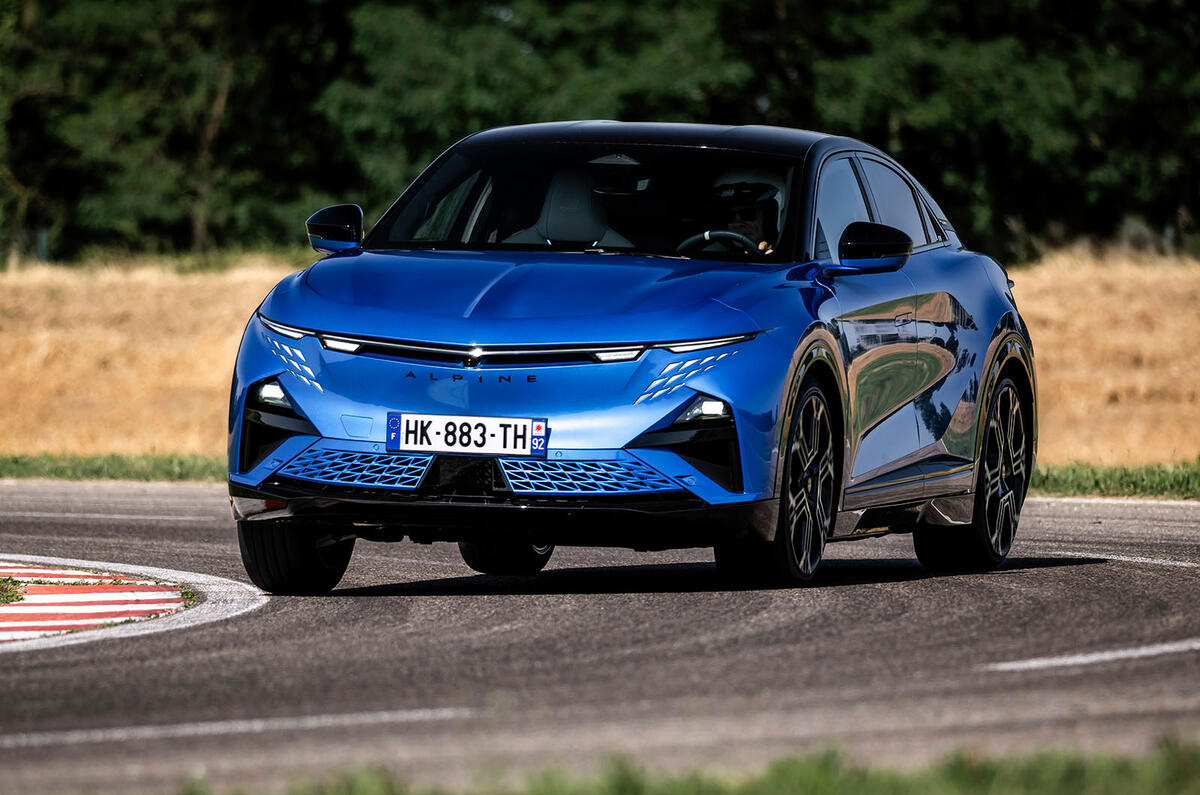
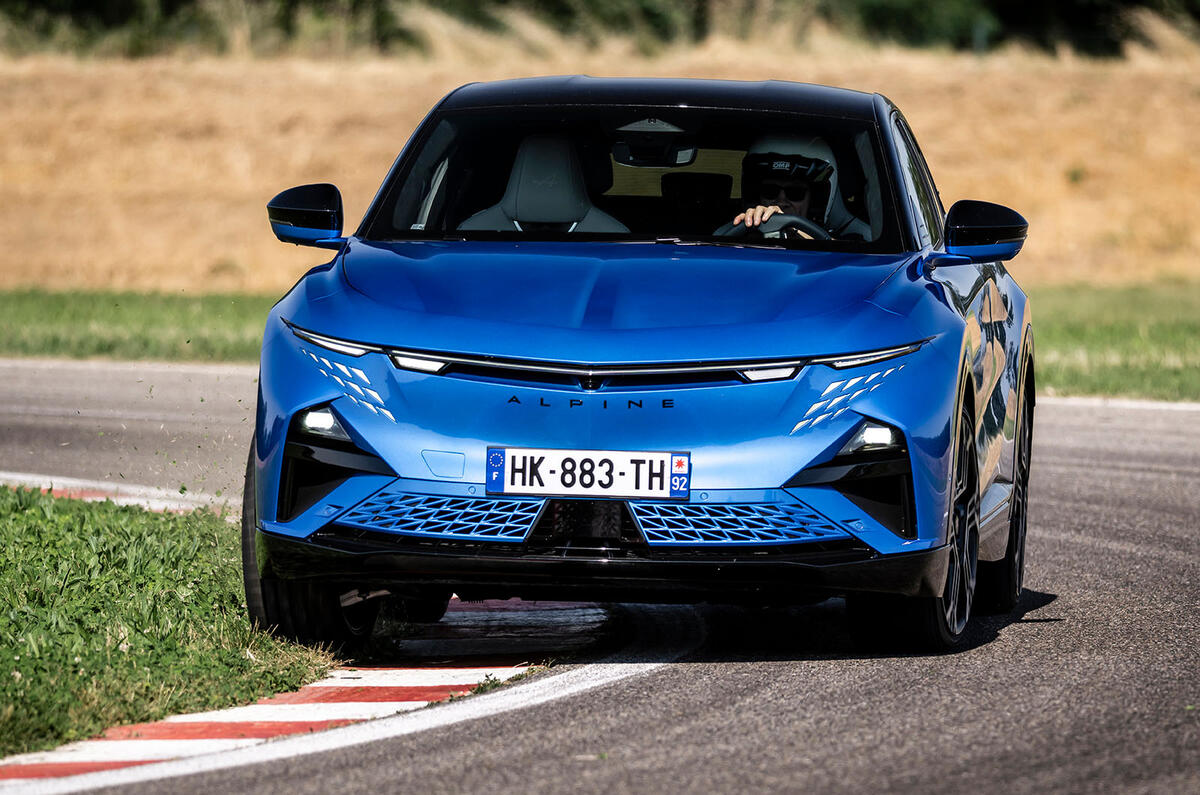
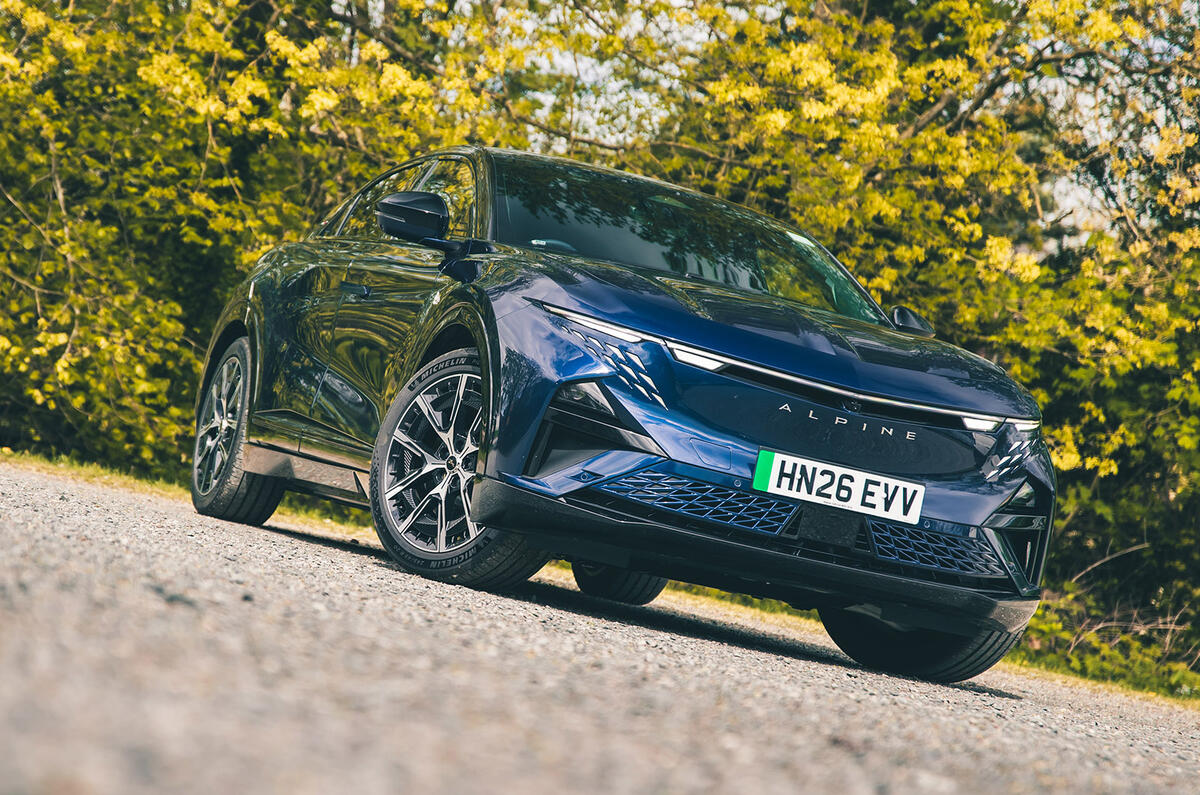
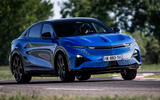
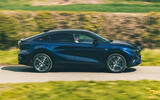
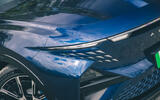
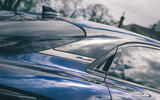
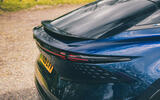
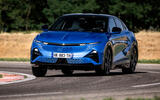
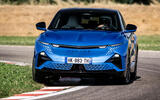
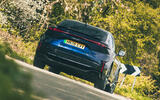
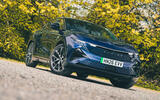
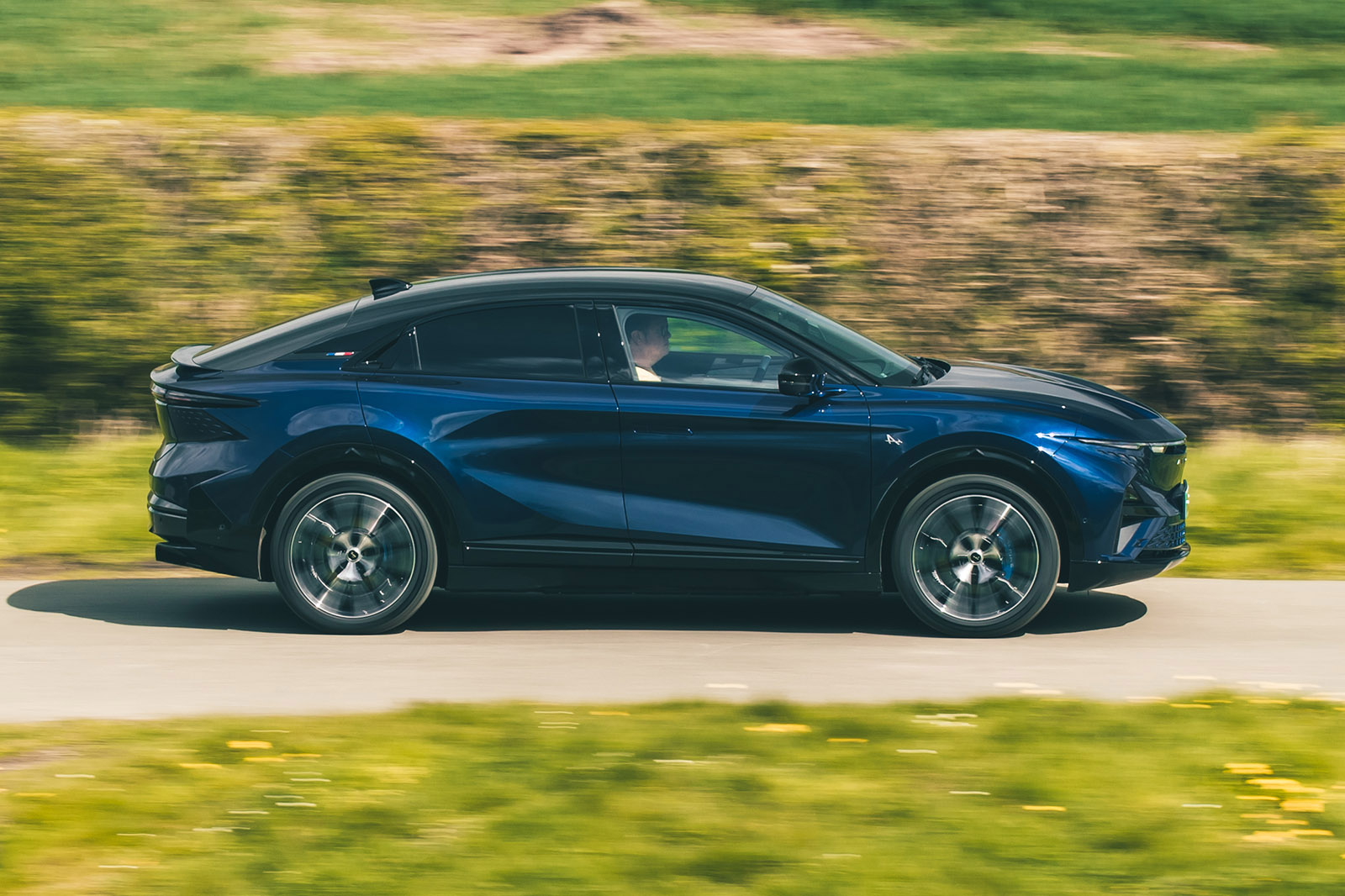
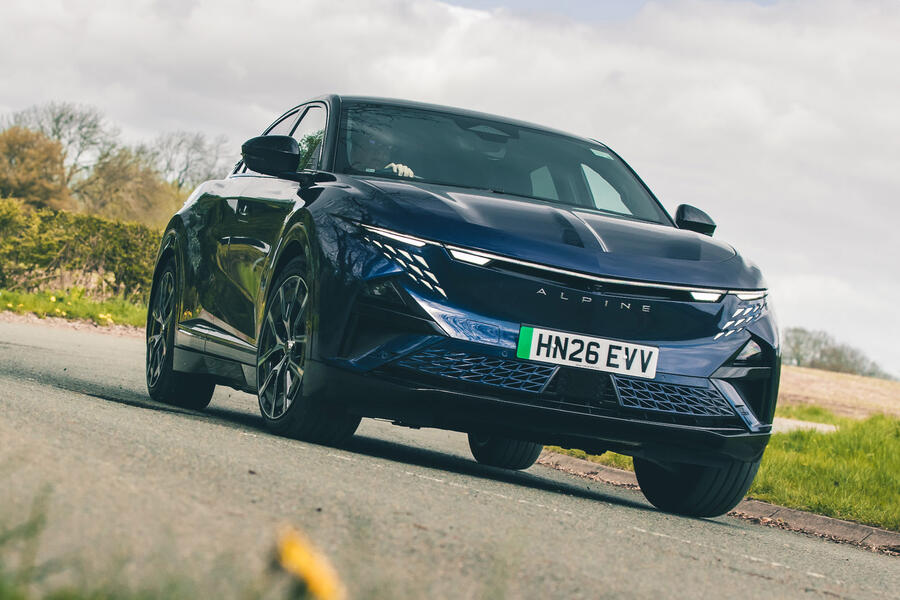
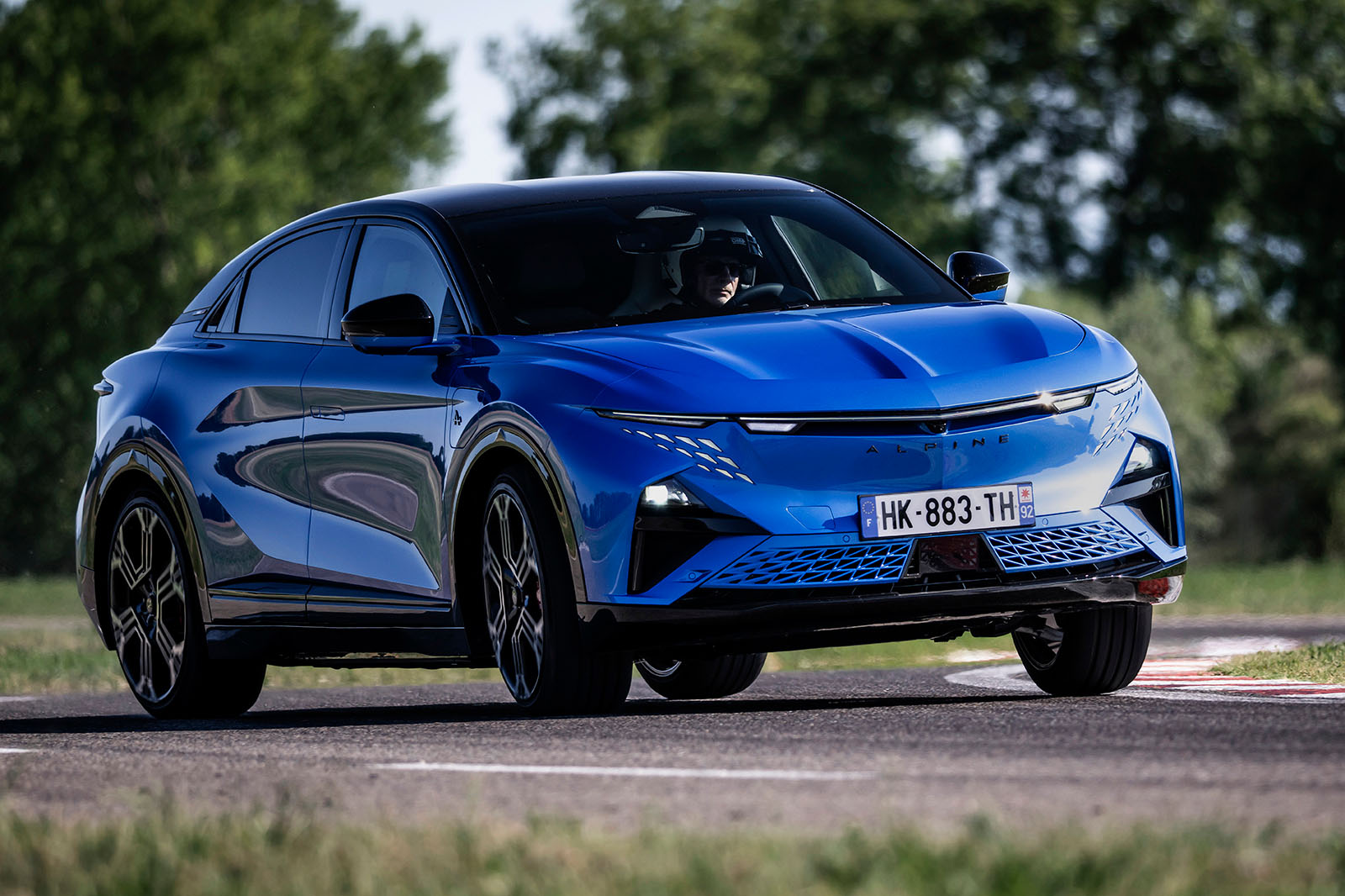
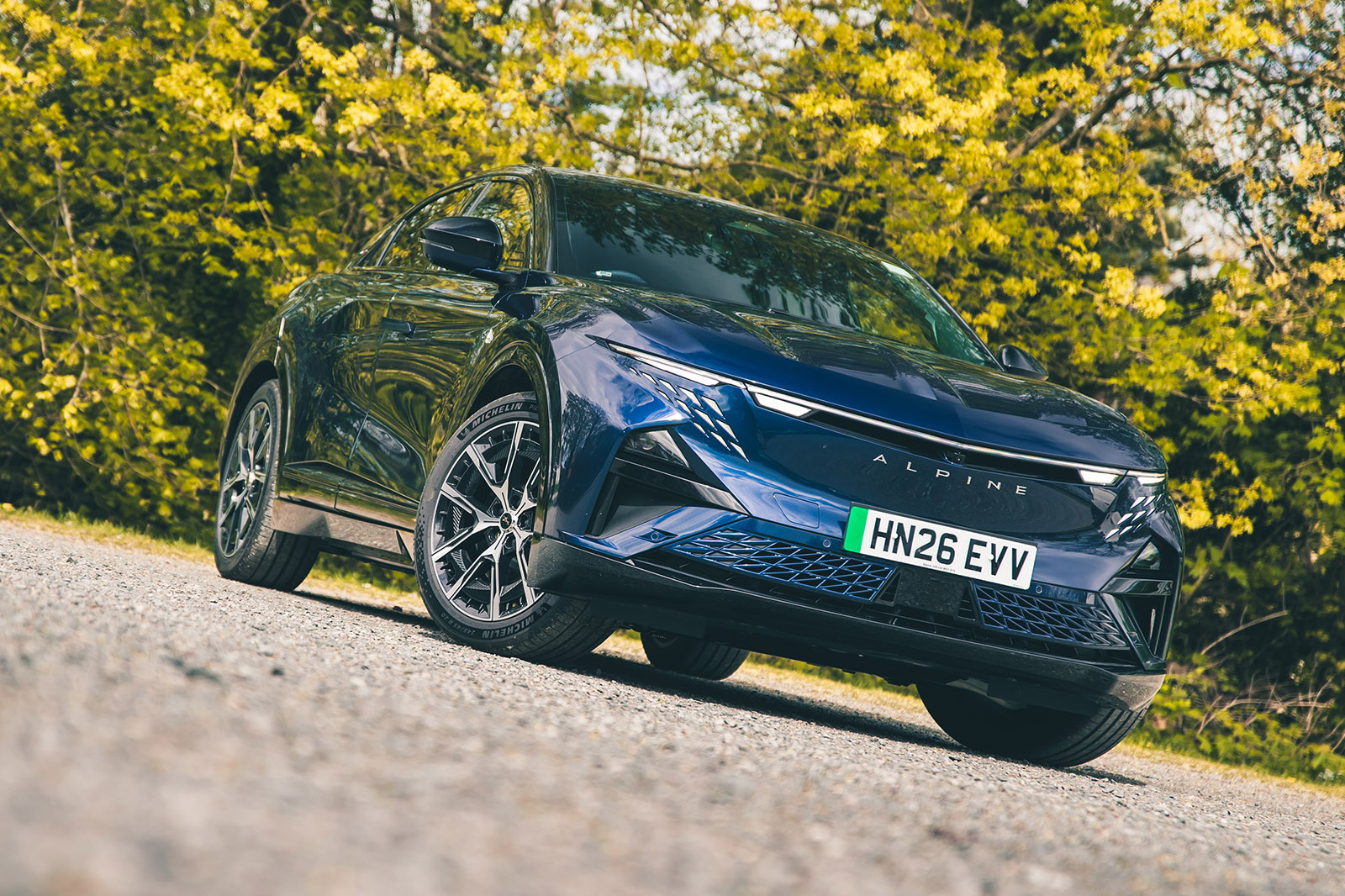
The A390 slots into the market segment where the likes of the Polestar 2 and Kia EV6 reside. The curving roofline, rakish pillars and short overhangs are very much intended to mark it out as a coupé of a sort - as well as a natural sibling of the Alpine A110 sports car. You can judge for yourself how successfully they achieve this.

The designers call the car a ‘sport fastback’ - using the kind of italicised fanfare, in Alpine’s press material, to suggest that it’s a wildly imaginative and distinct sort of vehicle type. But the word ‘crossover’ has, of course, been good enough for both the Polestar (which actually has a lower roofline than the A390) and the Kia – so, whether Alpine likes it or not, it will be good enough for us.

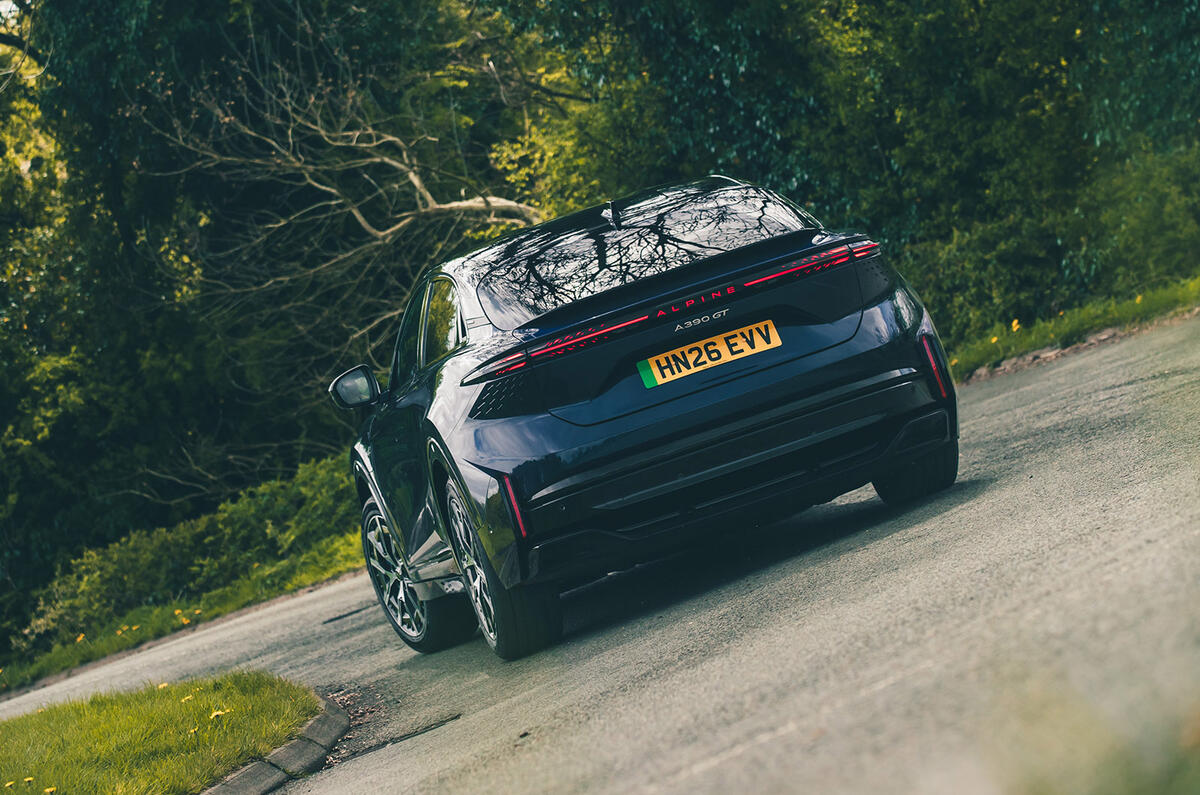
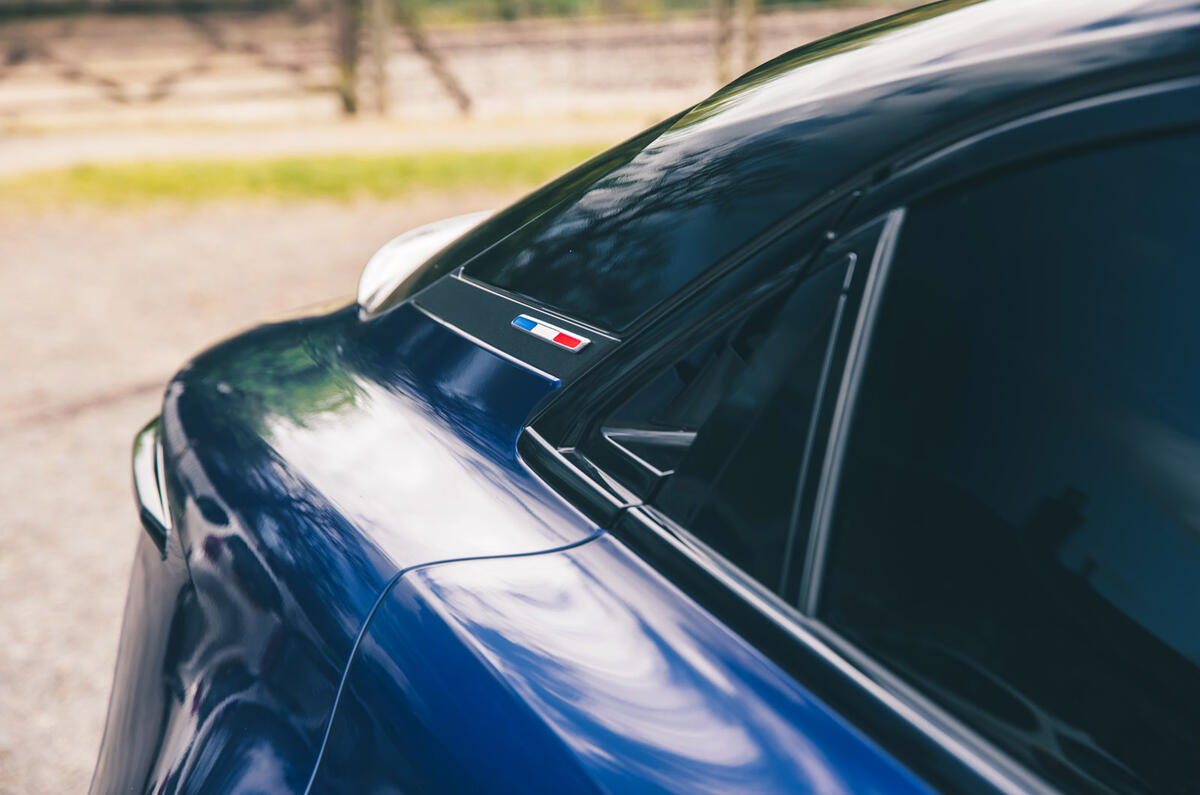
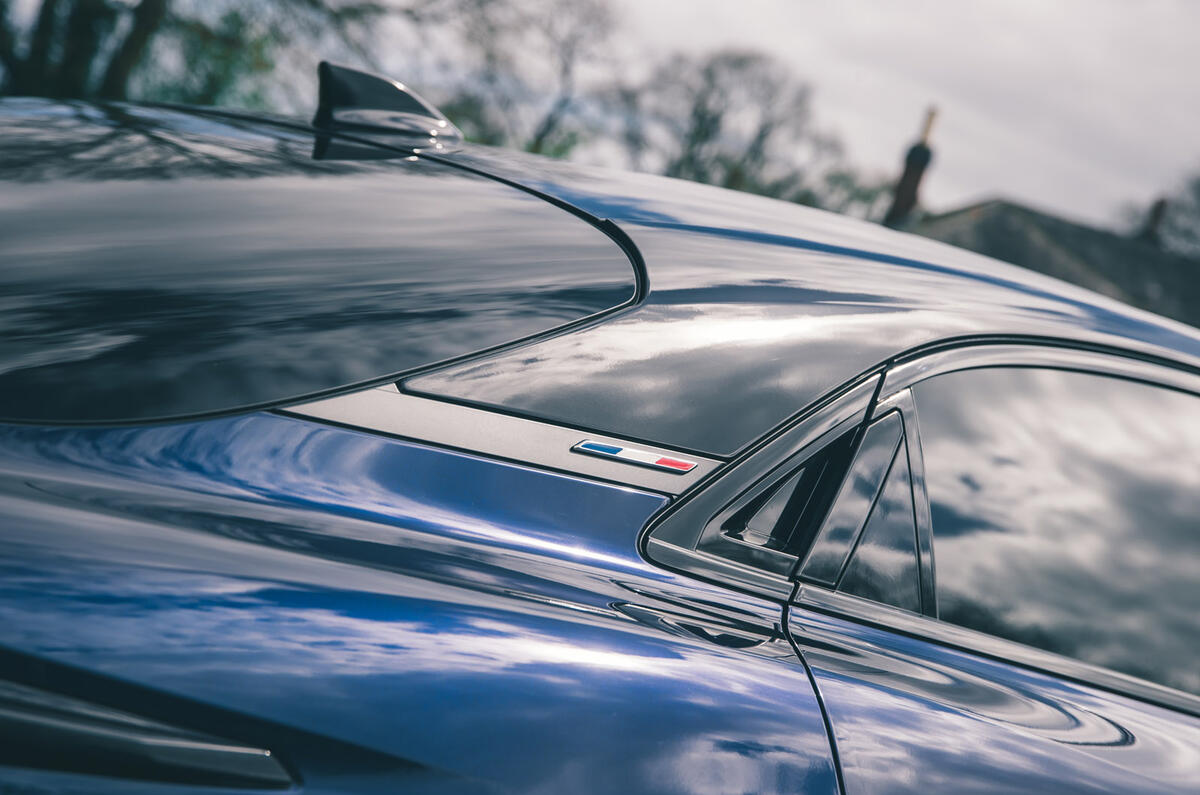
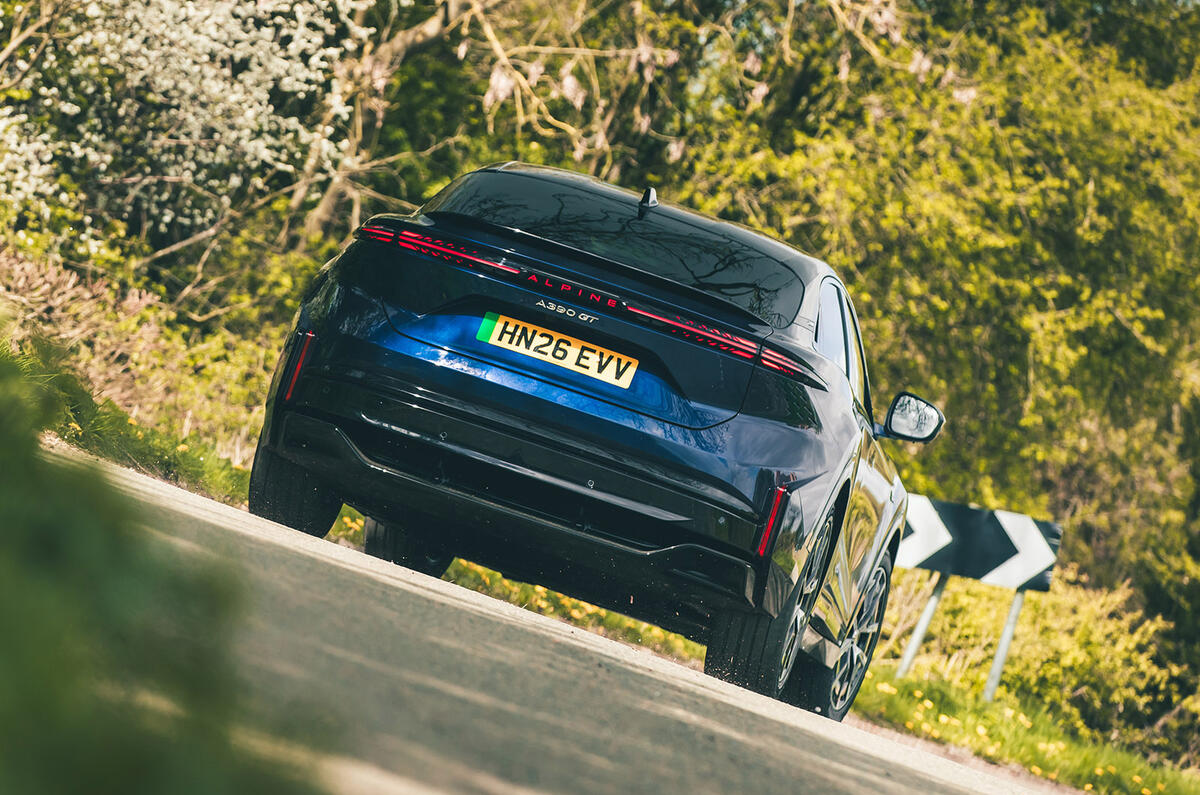
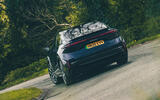
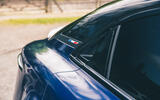
The gently tapering D-pillar is the one area where the A110 referencing of the exterior design actually lands. Especially if you pay £100 extra for 'Le Tricolore' French-flag badges.

The A390 adopts what used to be called the Ampr Medium platform (and before that the CMF-EV), which serves underneath Renault’s Megane and Scenic EVs and Nissan's Ariya and Leaf. It’s an all-steel unitary style-chassis architecture, which Alpine then augments with forged-aluminium suspension towers and motor subframes.
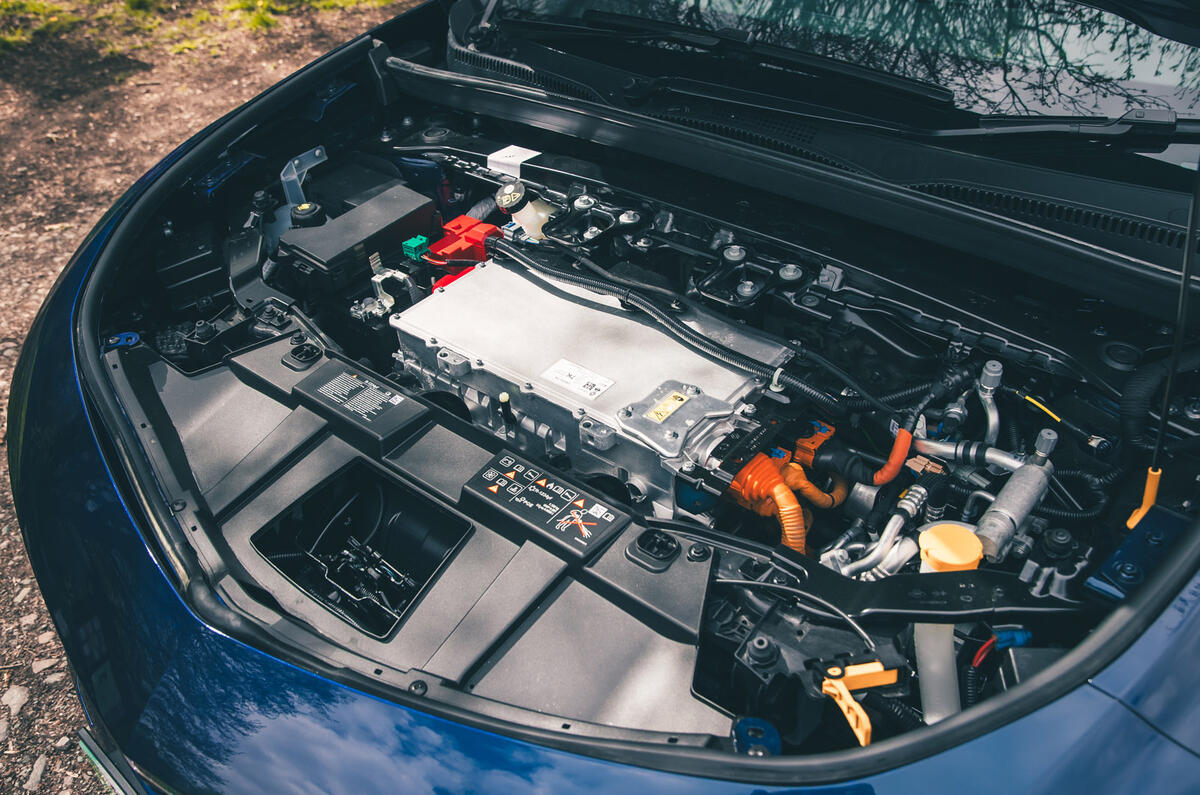
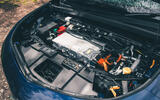
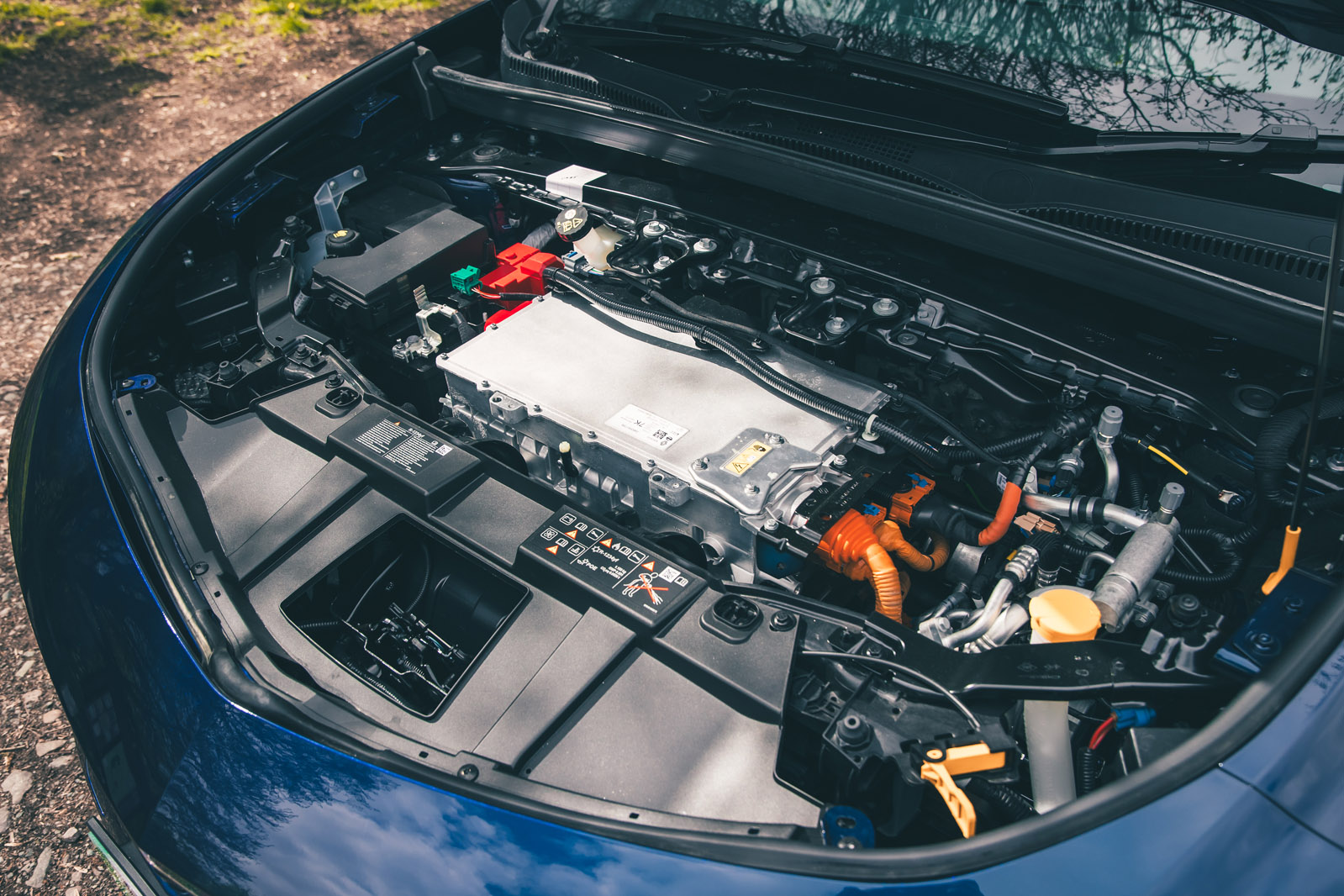
And the motor subframe at the rear of the car is the key departure, because, like the Tesla Model S Plaid and Maserati Granturismo Folgore, the A390 has three motors – one at the front, two at the back - for fully asymmetrical four-wheel drive. A third, separately excited, wound-rotor-style drive motor (without permanent magnets) powers the front axle. 

There are two distinct versions of the A390. In the less powerful, 396bhp GT version (as tested), each motor is rated to produce 132bhp, and while the front motor is slightly torquier than each at the rear, the combination of the two at the rear wheels puts almost two-thirds of the car’s motive thrust at its rear axle. In the upper-level, 463bhp GTS version, meanwhile, each motor is rated for 154bhp, but the potential torque distribution is similar to that of the GT.

Suspension isn’t quite Alpine-typical. Jean Rédélé was experimenting with double-wishbone suspension (useful for keeping camber angle consistent throughout greater wheel travel ranges) as early as the 1950s, and the modern A110 uses it front and rear. But the A390 uses strut-type suspension up front and a multi-link axle at the rear, just like its platform relations do; and it depends on Alpine’s particular tuning and on hydraulic suspension bumpstops for a point of difference. Alpine keeps it simple in other areas too: there’s no four-wheel steering and the dampers are passive for the most natural feel.

Lightness has also been a core Alpine strength, and it’s another reason to raise an eyebrow here. Our test car weighed in at 2156kg in running order, distributed almost exactly 50:50 front to rear - but making it only 5kg lighter than the Kia EV6 GT we tested in 2023 and nearly 140kg heavier than the last dual-motor Tesla Model Y we tested.

INTERIOR

7
Alpine A390 review 2026 015

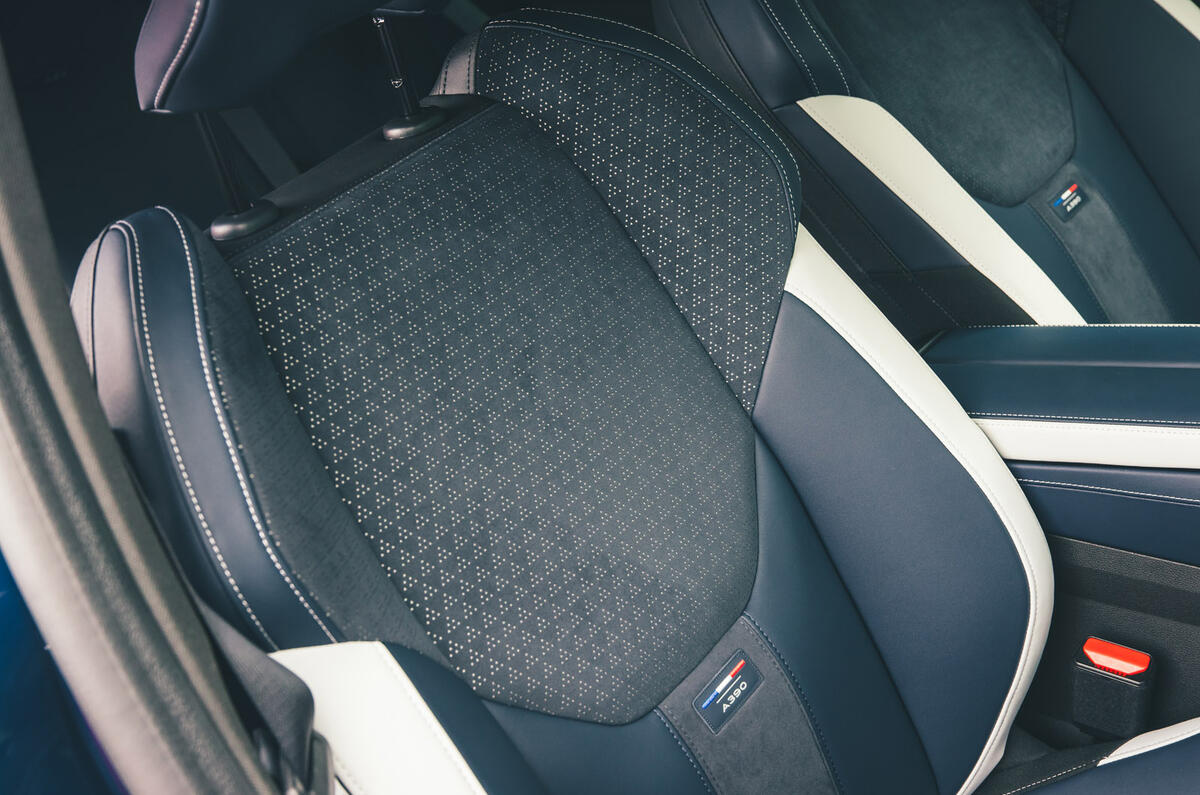
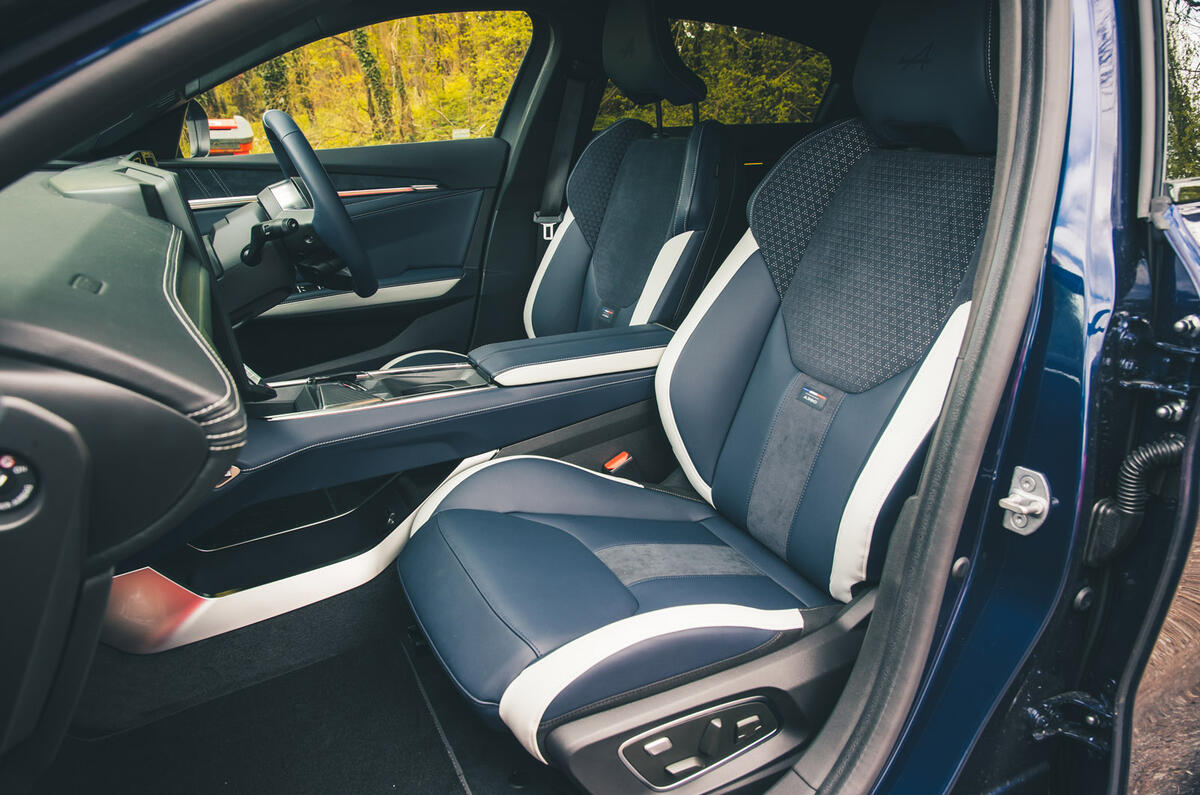
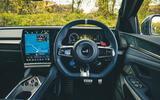
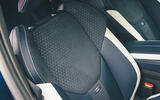
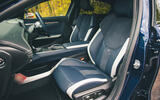
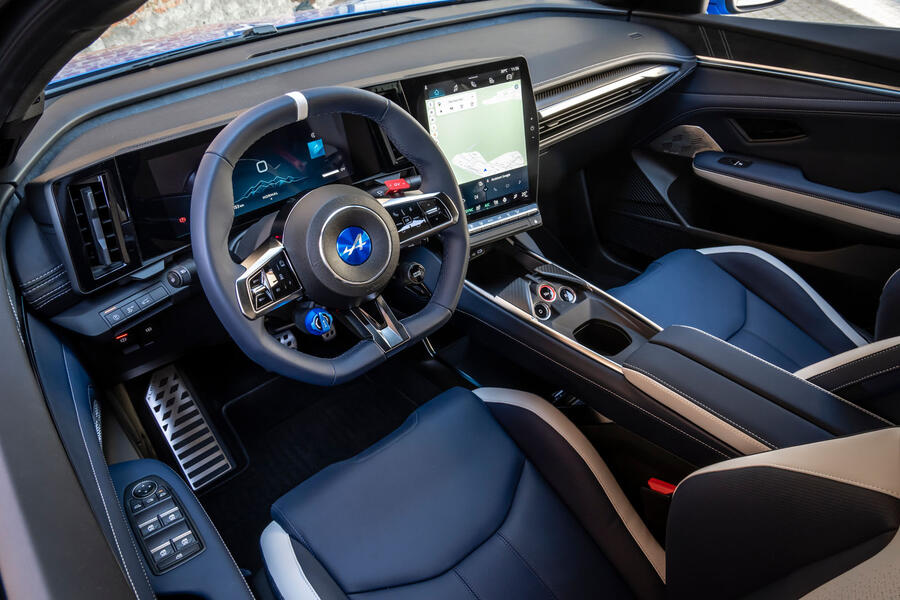
The A390’s interior blends the sporting and the convenient quite cleverly. The hip point of the front seats is of medium height; the standard cloth, leatherette and Alcantara chairs themselves only modestly bolstered, so you needn’t insert yourself with particular care (although more deeply bolstered sports seats by Sabelt can be added as an option).

Once you’re in, you find you’re sitting at what feels like a fairly normal vantage point, rather than a raised one, the slimness of the glasshouse and rakish angle of the A-pillar making it feel more snug and sports-car-like than it otherwise might. 

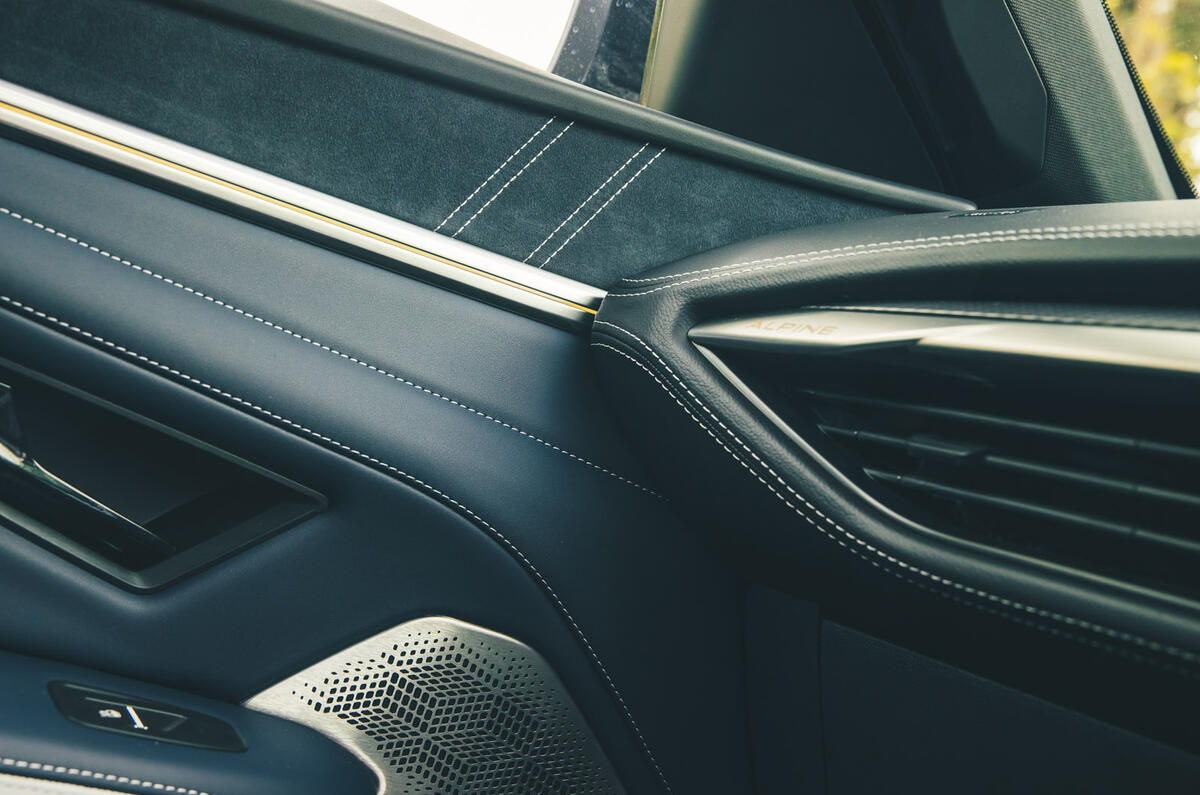
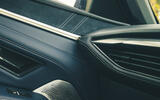
There may be plenty of Renault Scenic switchgear about the interior, but the way the Alcantara wraps around the door cards and into the upper dash is quite appealing, and most of the leatherette looks good and feels soft.

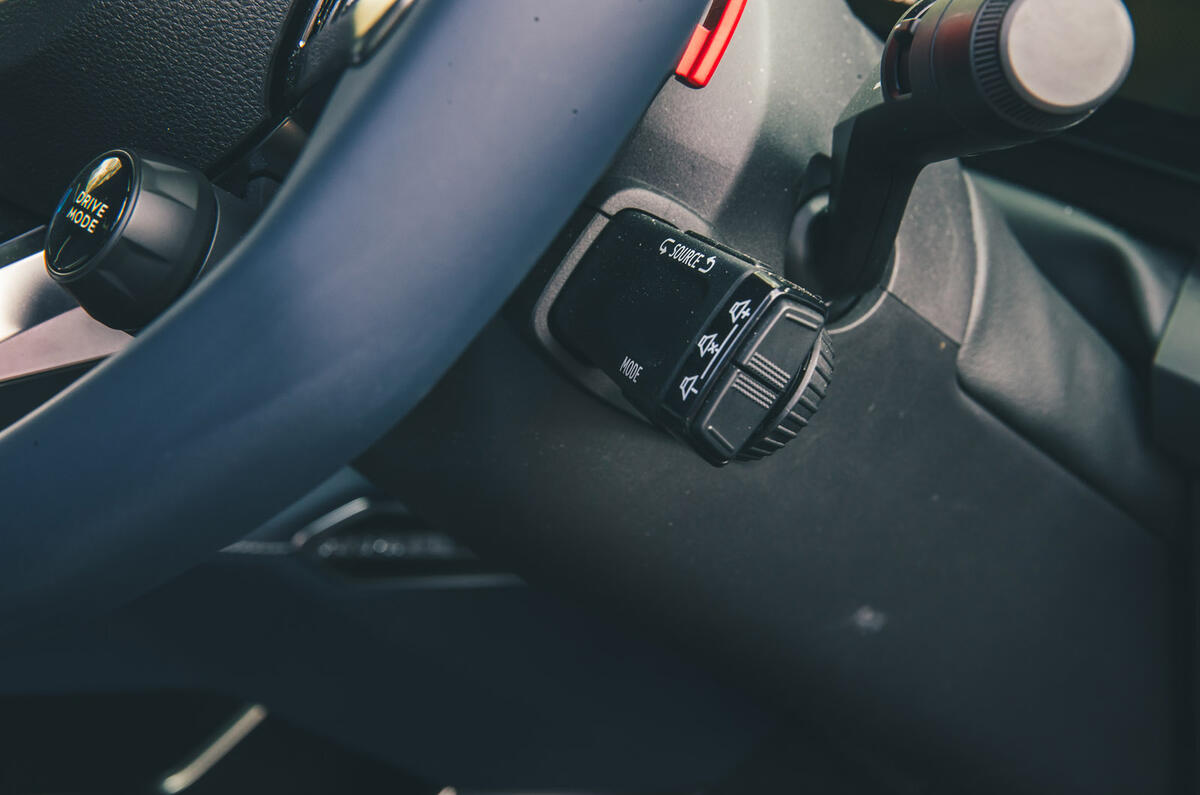
There are plenty of expensive materials and tactile surfaces, and Alpine uses satin chrome trim highlights well in a bid to create a premium ambience worth a £60k asking price. The effort is undone somewhat by the inevitable, plasticky-looking Renault-parts-bin window switches, column stalks and heater controls, which aren’t in keeping in a car priced like a BMW iX3. But we’d far rather have them, and regret that they don’t look and feel more expensive, than depend more on the car’s touchscreen interface, as plenty of £60k cars now make you do.

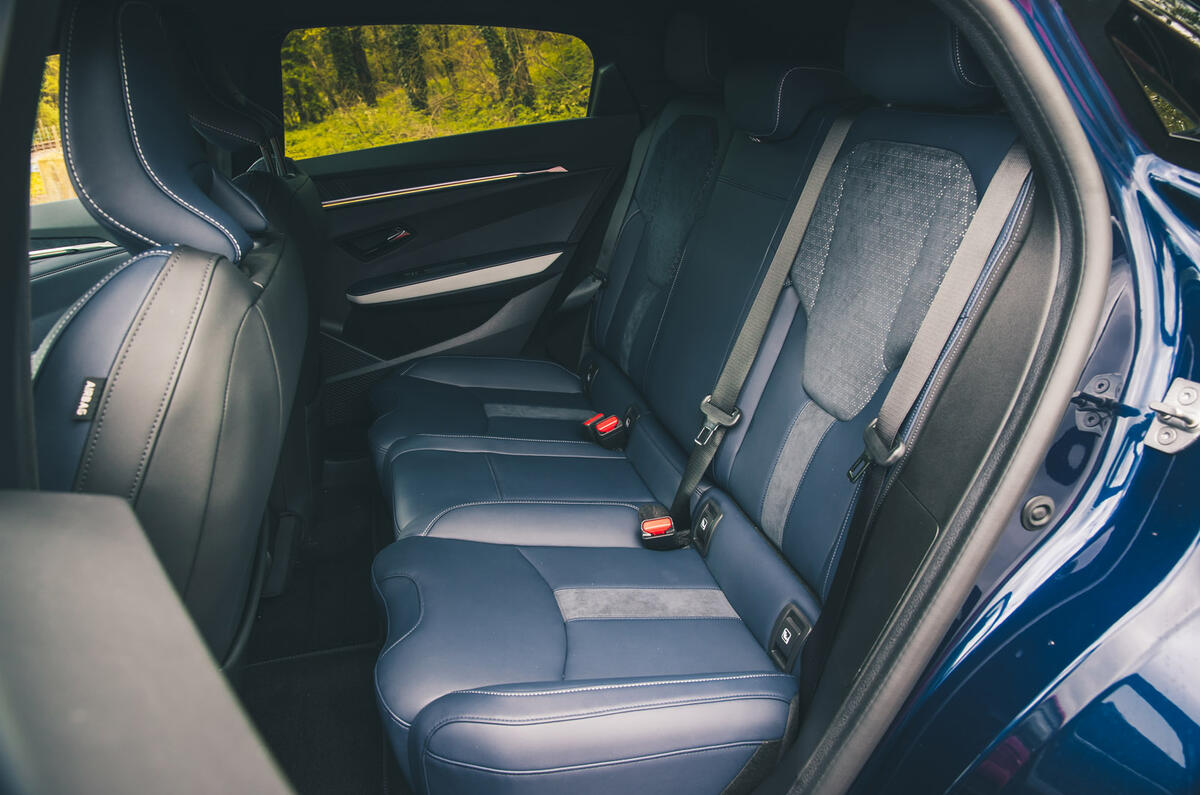
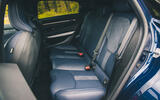
From a packaging perspective, the A390 is trying to juggle a tricky compromise: make the driving position feel sporty but leave room for a usable second row behind it and a battery underneath it, then squeeze the roofline tight over the top. It’s a tough challenge, but some rivals – most notably the Polestar 2 - meet it more successfully. By contrast with the Polestar, the A390’s rear feels small - short and flat in the seat cushion, with a high floor, and tight on head room and leg room.

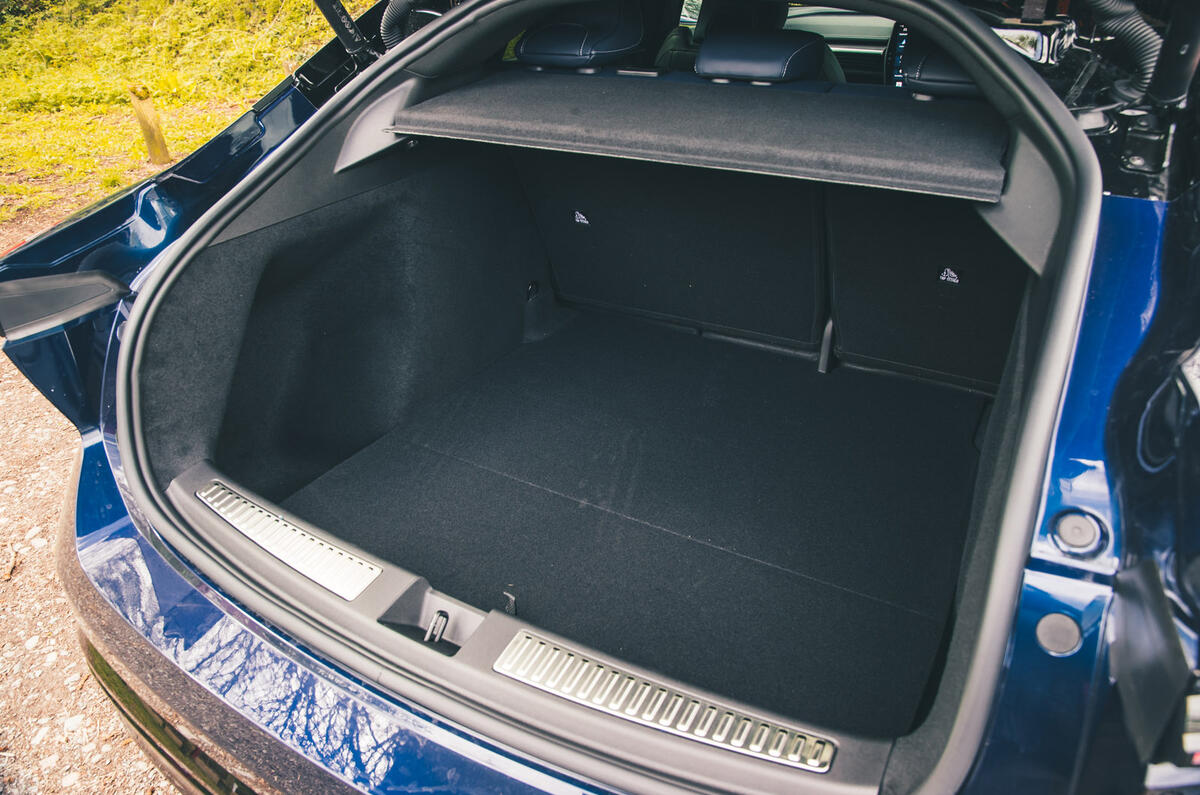
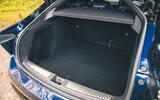
There's clearly more usable space here than the A290 offers, needless to say, and the 532-litre boot is large by class standards, so younger families could well find the car’s practicality levels generous enough. Even so, there's certainly a four-seat practicality compromise here that C-segment crossovers like this don’t typically impose. Enough that, if you’re likely to carry adults or older teenagers in the second row, you should expect a few complaints.

Multimedia - 4 stars

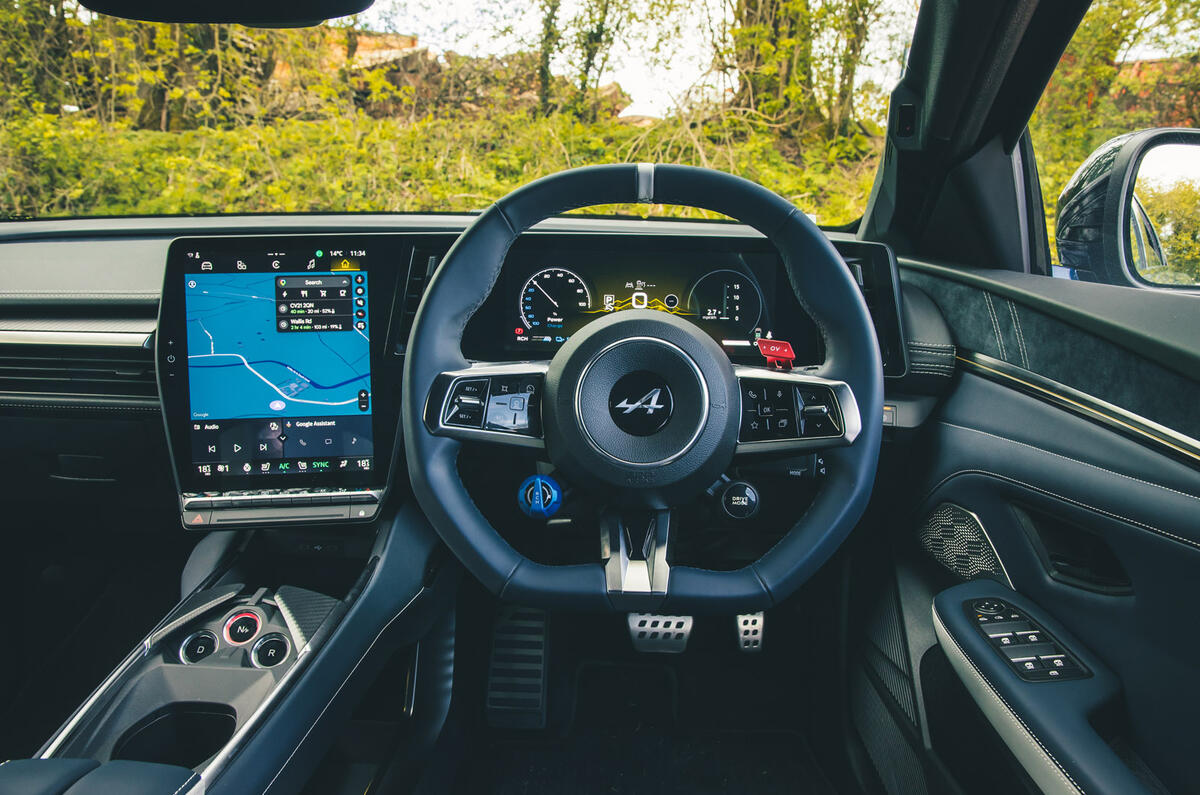
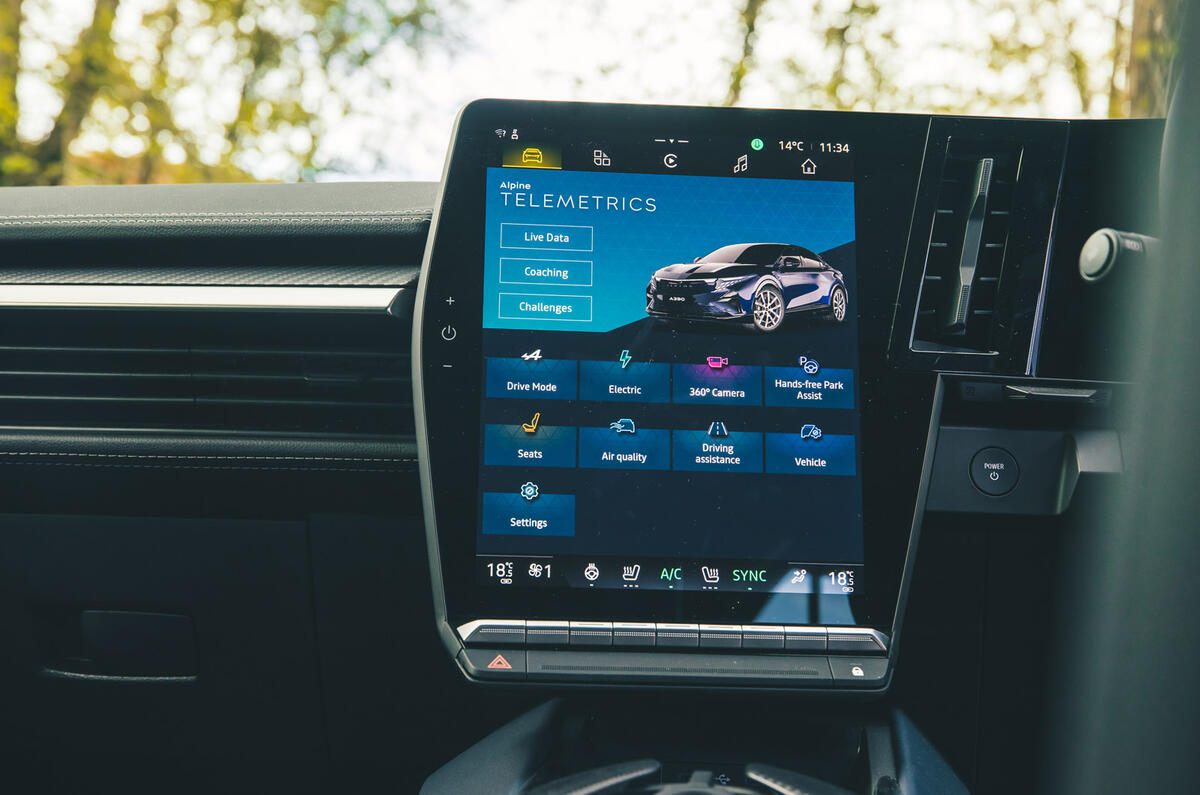
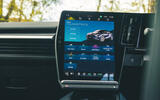
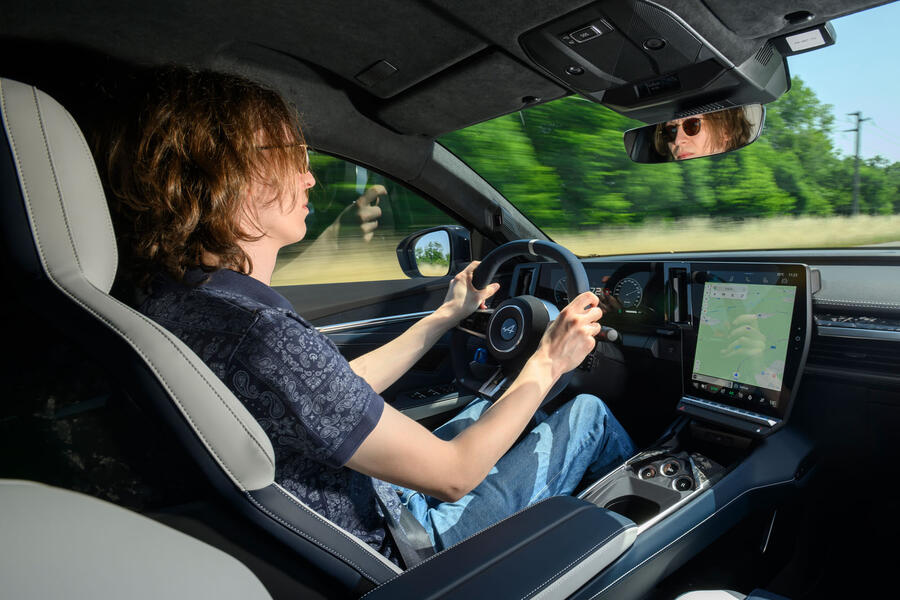
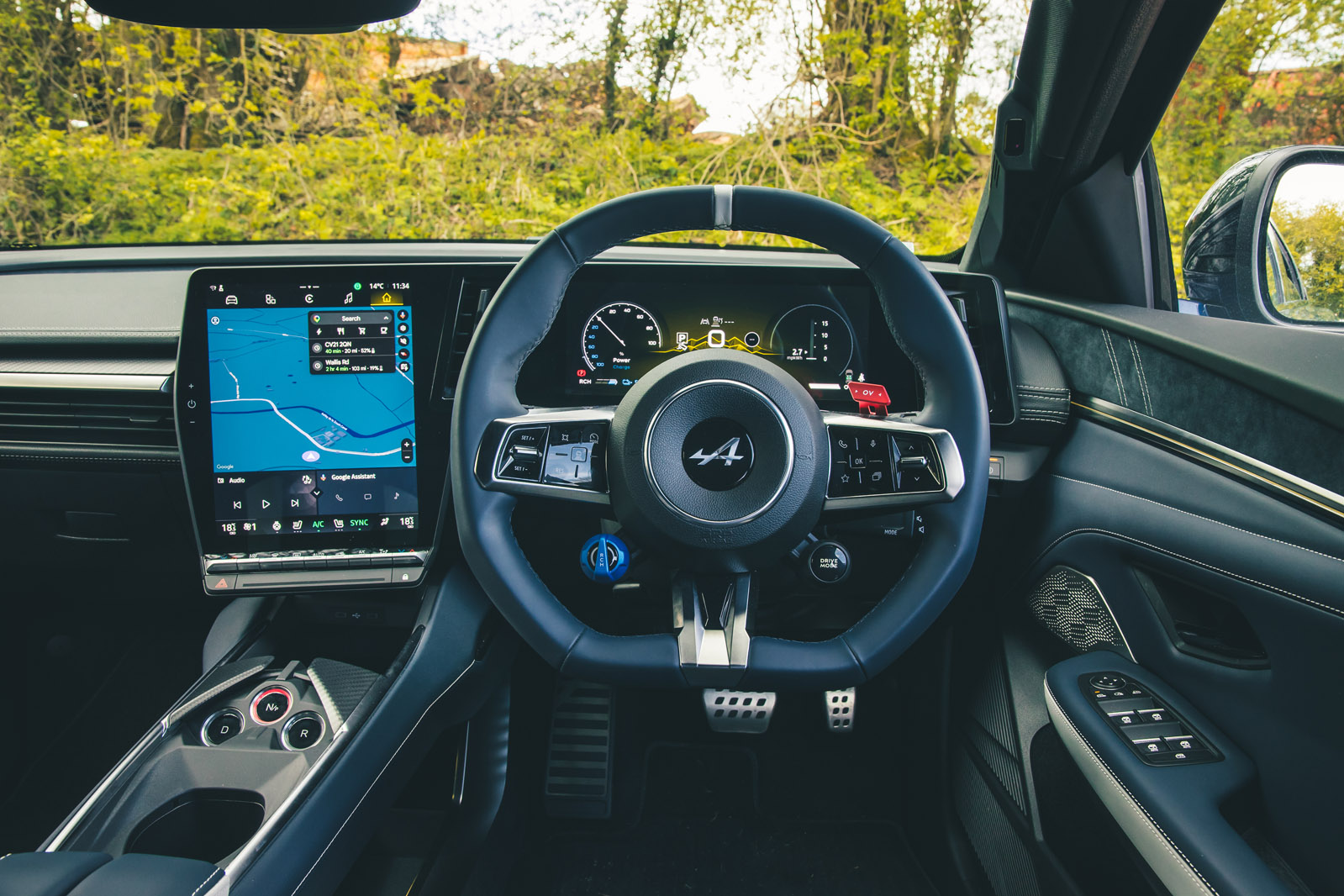
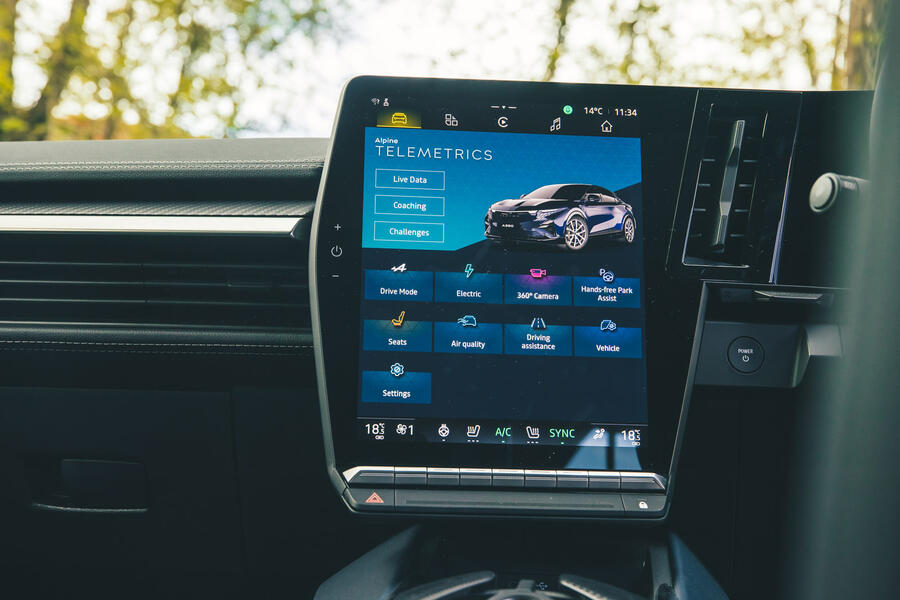
The A390's Google Android-powered, portrait-oriented, 12in touchscreen infotainment system is closely based on the equivalent Renault system, as seen in the Megane and Scenic, but it suffers not a mote by the association. It’s clearly laid out, with a good-sized primary navigation bar across the top of the screen and permanent HVAC controls across the bottom to augment the row of physical heater controls underneath.

Apple device mirroring support is included and works dependably well. The wireless phone charging pad recessed underneath the screen console isn’t cooled, however, and tends to overheat your phone.

Our test car’s Telemetrics Expert software (a £400 option) was also impressive. It gives detailed information about energy consumption and regenerative braking during road driving, plus useful data for track and performance driving, allowing you to keep close tabs on things like brake, motor and battery temperature and tyre pressure, in a way that EVs don’t typically permit.

ENGINES & PERFORMANCE

7
Alpine A390 review 2026 027

It may have 50% more motors than its rivals, but the A390 doesn’t set new standards in this section. But nor would Dieppe have expected it to, not least because we’re testing the lesser-of-two models here. So we won’t judge it too harshly.

An outright 0-60mph acceleration figure of close to 3.0sec would have been needed to top this class of fast, electric crossovers. But even if the A390 could have produced one (even the GTS version isn’t claimed to be that fast), it would feel like something of a hostage to fortune in a class where a new rival with an even more heroic power output seems to turn up every other month.

Motorway performance remains fairly strong, albeit not compared with bigger-hitting rivals (50-80mph in 3.7sec; Polestar 2 BST Edition 270: 3.2sec, Hyundai Ioniq 5 N: 2.5sec).

On our testing day, the A390 GT picked off 0-60mph in 4.6sec: 0-62mph in 4.9sec (just a tenth of a second slower than Alpine’s claim) and a standing quarter mile in 13.2sec. While respectable enough, those aren’t figures likely to make too many customers suddenly sit up and take notice who wouldn’t have been inclined to already – but they do make this a fast, responsive, energetic road car. 

On dry asphalt, our car had all the traction it needed – although, as our timing gear confirmed, its launch control system made little to no difference to its urgency off the line. It prefers to contrive fake Starship Enterprise noises and a warp-speed-themed display on the instrument screen than to actually recalibrate the torque delivery of the motors, push the limits of the tyres and electronics and lay down every drop of forward thrust going as you might expect from a car from a blue-chip European performance brand.

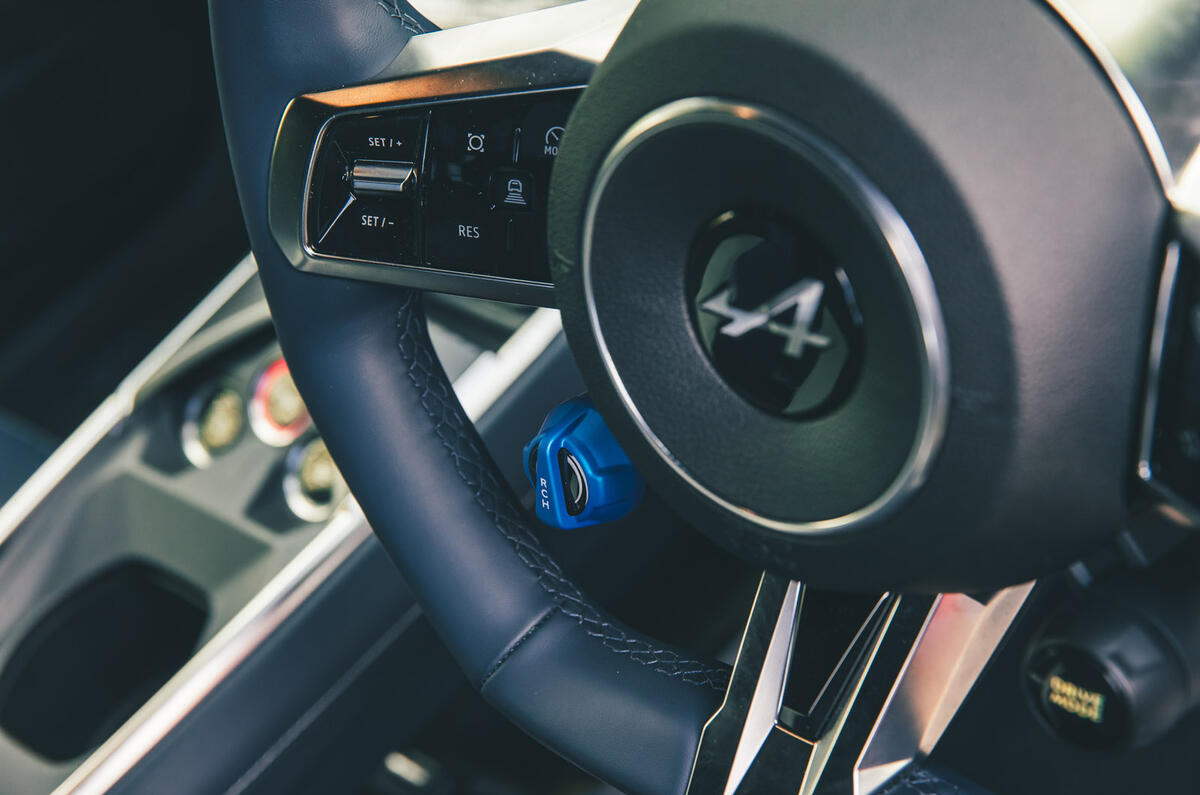
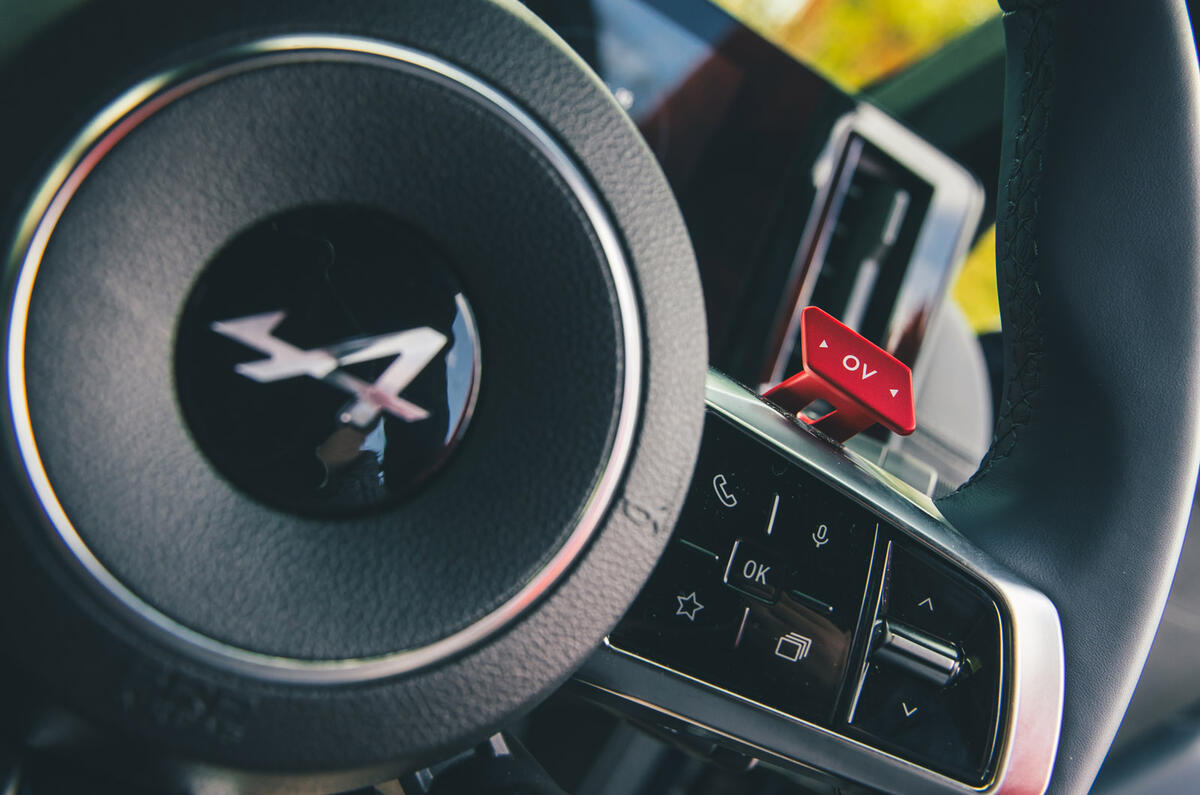
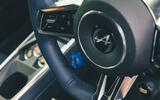
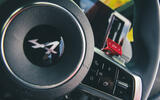
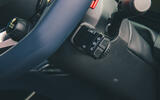
Like on the A290, regenerative braking is managed not via paddles but a toggle switch hung off the lower orbit of the steering wheel, which works intuitively enough - and also gives you direct access to a one-pedal driving mode. The slightly puerile, ‘OV’-marked overtake-mode button positioned opposite the regen toggle on that steering boss ostensibly just oversensitises the accelerator pedal, so we didn’t make much use of it.

RIDE & HANDLING

6
Alpine A390 review 2026 029

The A390’s promotional blurb makes much of its similarity of spirit to the A110, which turns out to be a rod for Dieppe’s own back where this car’s dynamic character is concerned. Can a 2156kg, slightly high-riding crossover be made to ride and handle anything like the most singular, enigmatic lightweight sports car of the last decade? Not for a minute.

The more damning fact is that, even by comparison with rivals, and even accounting for the influence of its three-motor driveline, the A390 doesn’t really handle like a truly special proposition. Because few reasonable adults will expect to get out of an A110 into an A390 and find a driving experience that really resembles what they’ve left behind. But they might have expected Dieppe to come up with a chassis compromise that feels supple and fluent, engaging and expressive and a bit alternative – the ‘Alpine’ solution among more one-dimensional, point-and-shoot opponents. But, on this evidence, it seems to have missed that target just as conspicuously.

Dieppe should have binned this car’s heavy three-motor driveline concept and just made a cheaper, fresher take on the I-Pace. To me, the Jaguar’s supple, pliant, biddable chassis is much closer to what an Alpine crossover EV should be like.

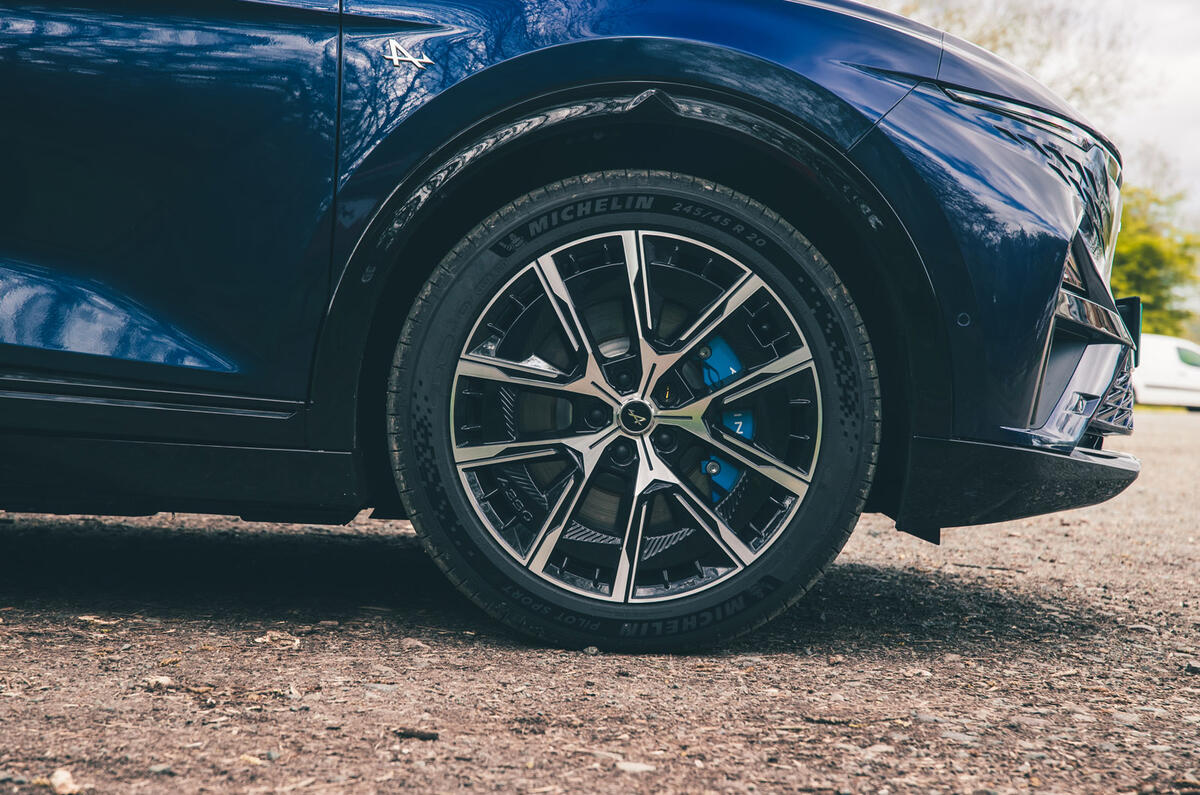
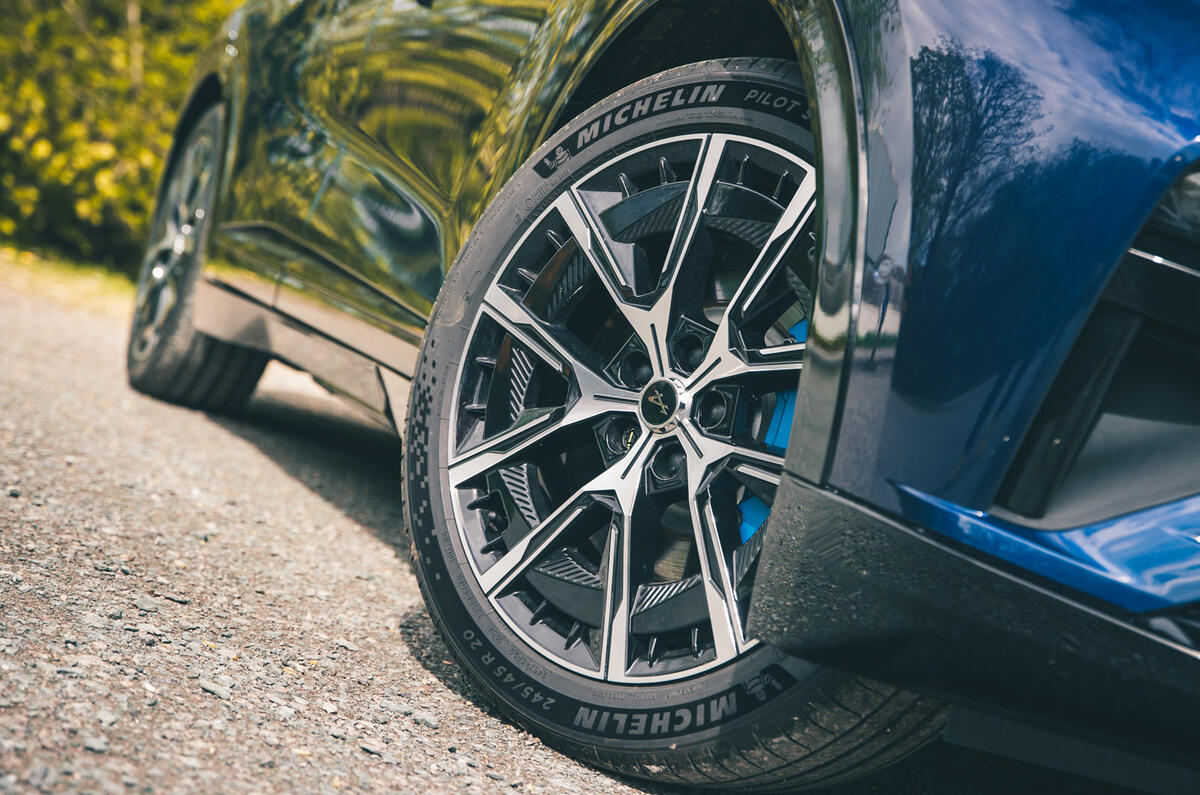
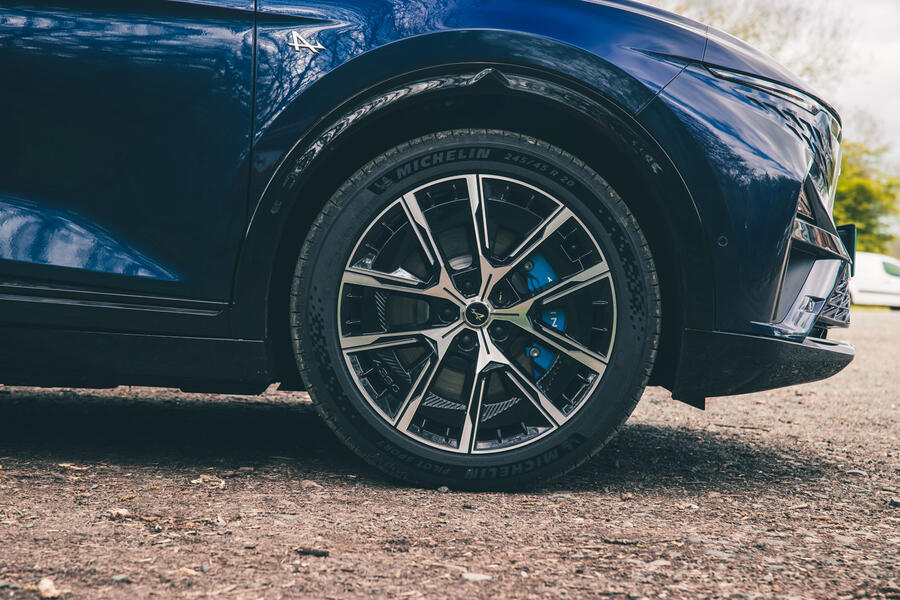
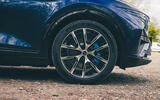
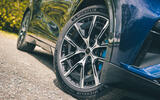
There is little more than a hint of the free-flowing, effortless dynamic poise of the A110 about the way the A390 tackles a country road. It isn't annoyingly firm-riding, we should add, and those hydraulic suspension bushings do deliver it quite a well-isolated secondary ride, letting it wear its 20in alloy wheels without thumping and crashing too often over sharp edges. But there’s simply too much mass to keep tabs on here, and too much vertical and lateral recalcitrance about the body control, to ever let the car’s bulk seem to breathe easy over its wheels at a brisk pace, as a great Alpine’s should.

A fairly fast-paced steering system and a wheelbase that’s quite short by class standards promise agility through tighter bends, and the A390 certainly commits to those bends with a note of eagerness, thanks to its light, positive-feeling power steering calibration. But from the turn-in phase onwards, the A390’s underlying chassis balance seems to be quite dull, and its torque vectoring seems to have limited capacity to really make it rotate through the apex – either under power, on a balanced throttle or with regen.

The steering is also sped rather quickly. This is again an attempt to draw a line to the A110, but here it isn't fully intuitive. In general, the steering probably feels Renault rather than Alpine, with a glassy sub-limit feel and slightly nervous responses off-centre. The A290's steering comes alive when you really lean on it, but the A390’s limits are much higher and it’s a much bigger car, meaning opportunities to do so are rarer.

Track notes - 3 stars

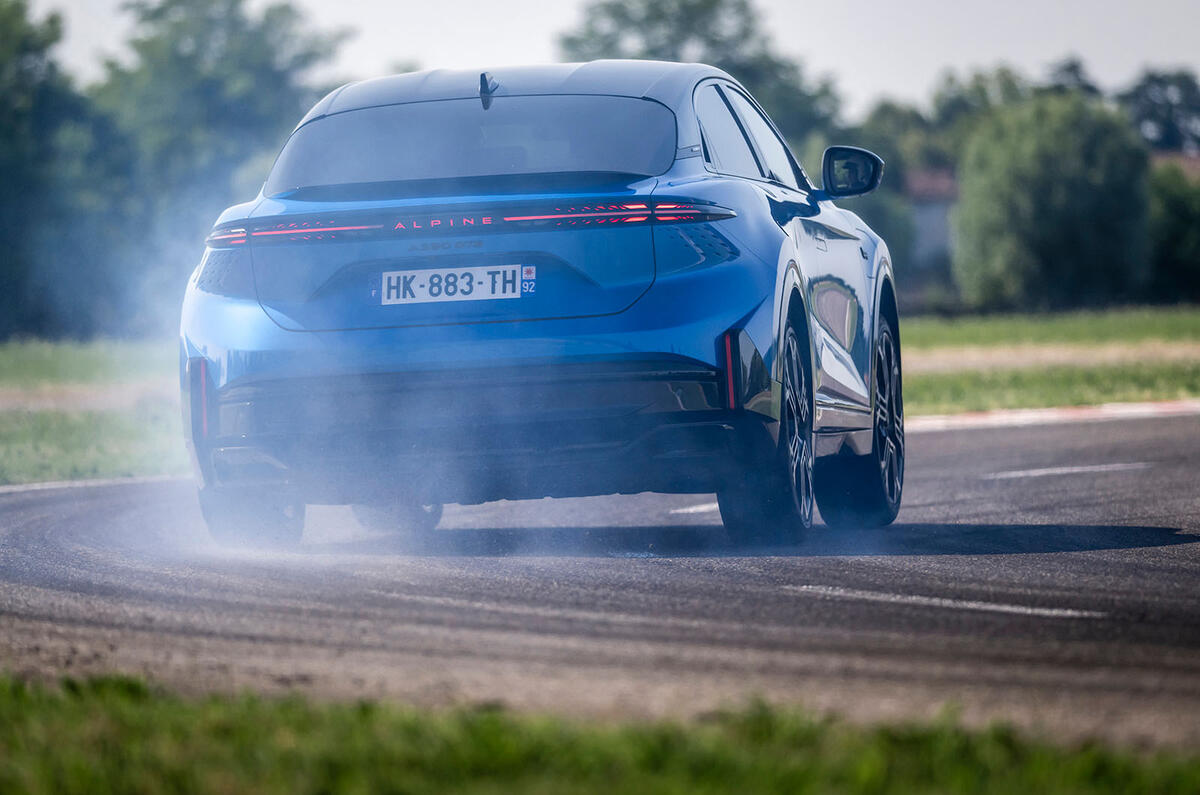
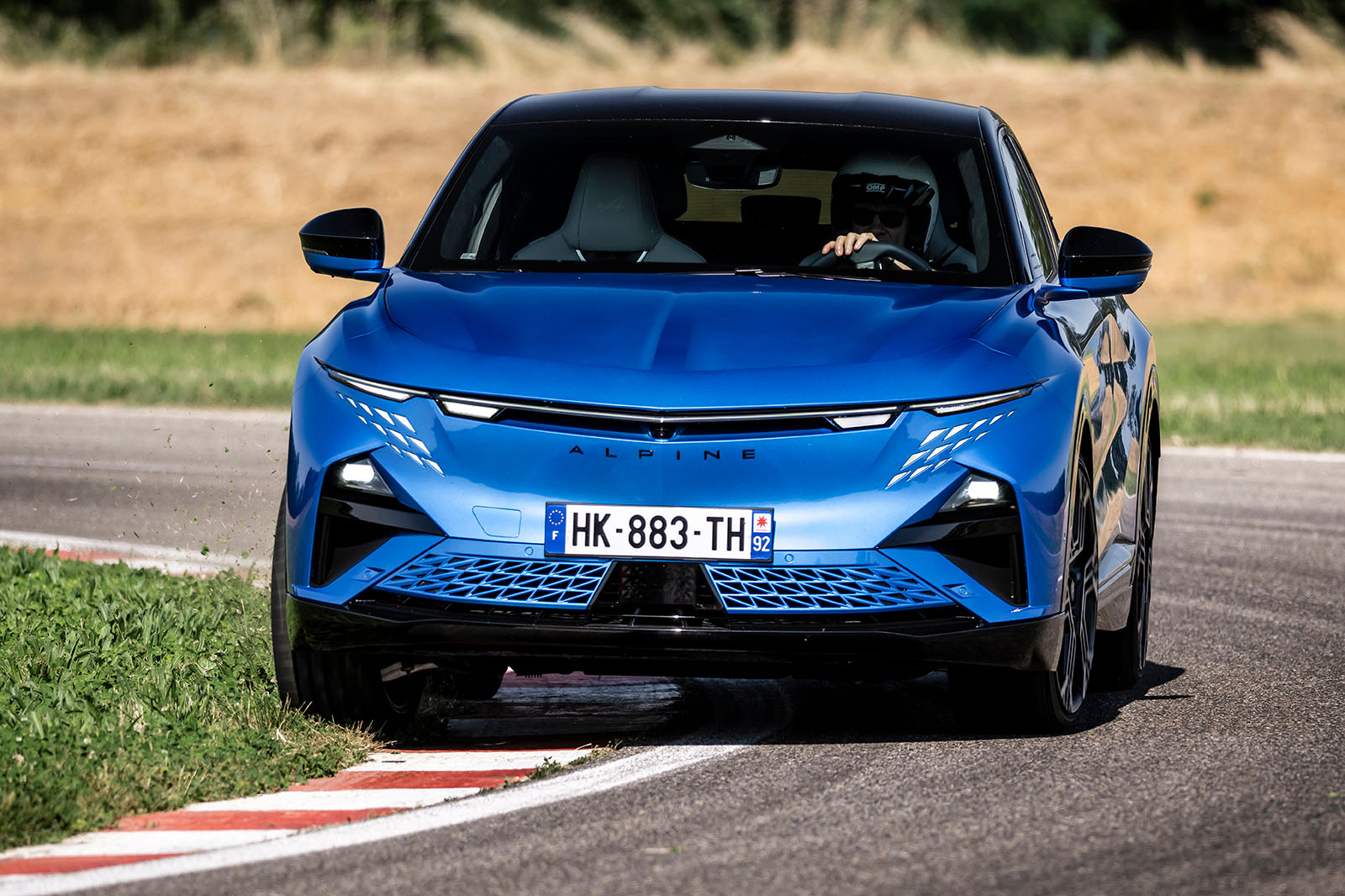
It was with some interest that we took to Horiba MIRA’s handling circuits in the A390, expecting a showing comparable with - possibly even better than - that of Hyundai’s mould-breaking Ioniq 5 N. The car fell some way short of those expectations, however.

Outright body control isn’t the problem: the A390 controls roll and pitch consistently well. Michelin Pilot Sport tyres give it plenty of lateral grip and don’t seem to be prone to overheating, taking track treatment well. While the soft, long-travel pedal feel isn’t the stuff of a keen driver’s waking dreams, the brakes themselves resist fade well and have enough power.

There’s simply not enough handling poise, steady-state chassis balance or torque-vectored throttle adjustability here to make the car much fun to drive. Alpine’s preference for plenty of lateral stiffness seems to invite mid-corner understeer; which, even with the ESC switched right off, you can’t really penetrate on dry Tarmac, whatever you do with the pedals or wheel.

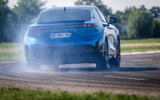
On the wet handling circuit, working with lower grip levels, some handling adjustability could be teased out. The A390 could be driven into a positive cornering attitude in a long corner – but, like a classic 4WD performance car, would drag itself straight again once we started applying opposite lock. It doesn’t offer user-configurable torque distribution, unlike the Ioniq 5 N.

MPG & RUNNING COSTS

5
Alpine A390 review 2026 001

The GT is available from a whisker over £61,000, with the GTS likely to tread well beyond £70,000 with the right options fitted. That leaves the A390 undercut by what we’d consider its closest rivals and with some very capable opposition at the price level actually chosen. You can have an Ioniq 5 N for mid-ranking A390 GT money, a fully loaded Polestar 2 Performance Pack for five figures less – or even an unoptioned Porsche Macan 4 Electric for what you might be asked to pay for a GTS. 

Alpine will argue that the A390's tri-motor powertrain is a unique selling point and justifies a premium all by itself – but that argument seems somewhat porous in light of the dynamic handling of this car, and especially given that rivals seem to conjure notably more athleticism from two motors and a clever active differential.

The list of rivals of comparable performance that would go farther on a charge may not be very long right now, but it will grow quickly.

Then there’s the A390’s 400V electrical architecture to consider, which made for only so-so rapid charging performance in our benchmark testing and equally undistinguished running efficiency, from which a real-world motorway range of only about 220 miles could be derived. 

VERDICT

6
Alpine A390 review 2026 030

Despite having almost a decade of modern car-making behind it and a Formula 1 team with its name on it, Alpine is still struggling to fully emerge from obscurity into the wider world. 

You can understand why the management would look to a car with broad sales appeal, like a mid-sized crossover, to kickstart its commercial fortunes. But such a car would also be devilishly hard to properly execute as any kind of convincing driver’s car, let alone one with this badge on its nose.

It seems odd to me that Alpine didn’t commit harder to a ‘comfort’ or ‘pure’ spec for the GT, leaving the spicier content for the GTS. I’d certainly appreciate a gentler ride, a comfier and more widely adjustable seat and a price starting with a five.

The end result here, although perfectly pleasant, fast enough and not entirely without dynamic appeal, just isn’t quite ‘Alpine’ enough. The dynamic qualities you expect of it - effortless, fluent composure at speed, and an abiding sense of litheness, leanness and agility through serpentine bends - are mostly notable by their absence. 

The A390 fills a gap, but there’s little inspiration about the way it does so.

Illya Verpraet

Illya Verpraet Road Tester Autocar
Title: Road Tester

As a road tester, Illya drives everything from superminis to supercars, and writes reviews and comparison tests, while also managing the magazine’s Drives section. Much of his time is spent wrangling the data logger and wielding the tape measure to gather the data for Autocar’s in-depth instrumented road tests.

He loves cars that are fun and usable on the road – whether piston-powered or electric – or just cars that are very fit for purpose. When not in test cars, he drives an R53-generation Mini Cooper S or a 1990 BMW 325i Touring.

Richard Lane

Richard Lane
Title: Deputy road test editor

Richard is Autocar's deputy road test editor. He previously worked at Evo magazine. His role involves travelling far and wide to be among the first to drive new cars. That or heading up to Nuneaton, to fix telemetry gear to test cars at MIRA proving ground and see how faithfully they meet their makers' claims. 

He's also a feature-writer for the magazine, a columnist, and can be often found on Autocar's YouTube channel. 

Highlights at Autocar include a class win while driving a Bowler Defender in the British Cross Country Championship, riding shotgun with a flat-out Walter Röhrl, and setting the magazine's fastest road-test lap-time to date at the wheel of a Ferrari 296 GTB. Nursing a stricken Jeep up 2950ft to the top of a deserted Grossglockner Pass is also in the mix.

Matt Saunders

Matt Saunders Autocar
Title: Road test editor

As Autocar’s chief car tester and reviewer, it’s Matt’s job to ensure the quality, objectivity, relevance and rigour of the entirety of Autocar’s reviews output, as well contributing a great many detailed road tests, group tests and drive reviews himself.

Matt has been an Autocar staffer since the autumn of 2003, and has been lucky enough to work alongside some of the magazine’s best-known writers and contributors over that time. He served as staff writer, features editor, assistant editor and digital editor, before joining the road test desk in 2011.

Since then he’s driven, measured, lap-timed, figured, and reported on cars as varied as the Bugatti Veyron, Rolls-Royce PhantomTesla RoadsterAriel Hipercar, Tata Nano, McLaren SennaRenault Twizy and Toyota Mirai. Among his wider personal highlights of the job have been covering Sebastien Loeb’s record-breaking run at Pikes Peak in 2013; doing 190mph on derestricted German autobahn in a Brabus Rocket; and driving McLaren’s legendary ‘XP5’ F1 prototype. His own car is a trusty Mazda CX-5.