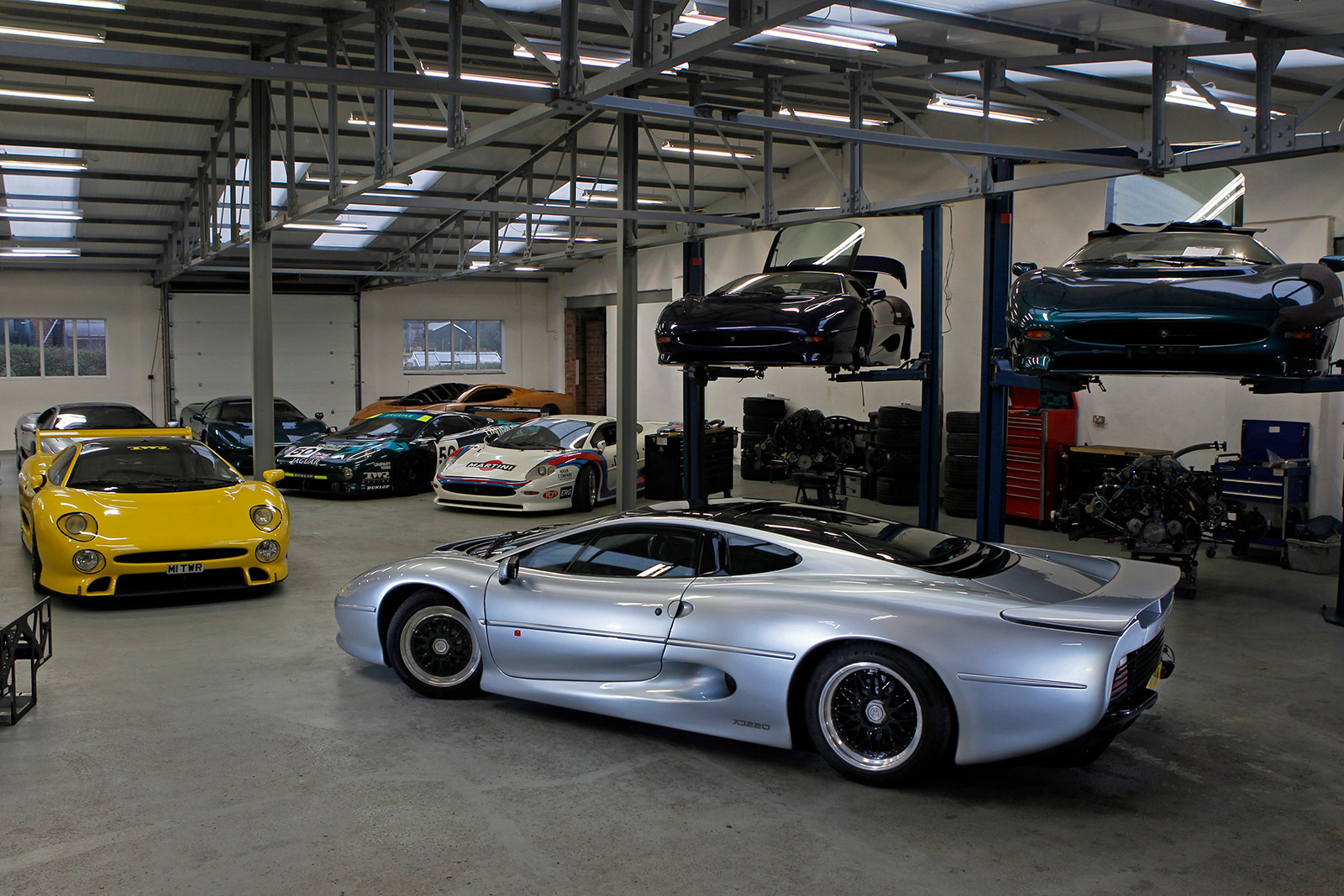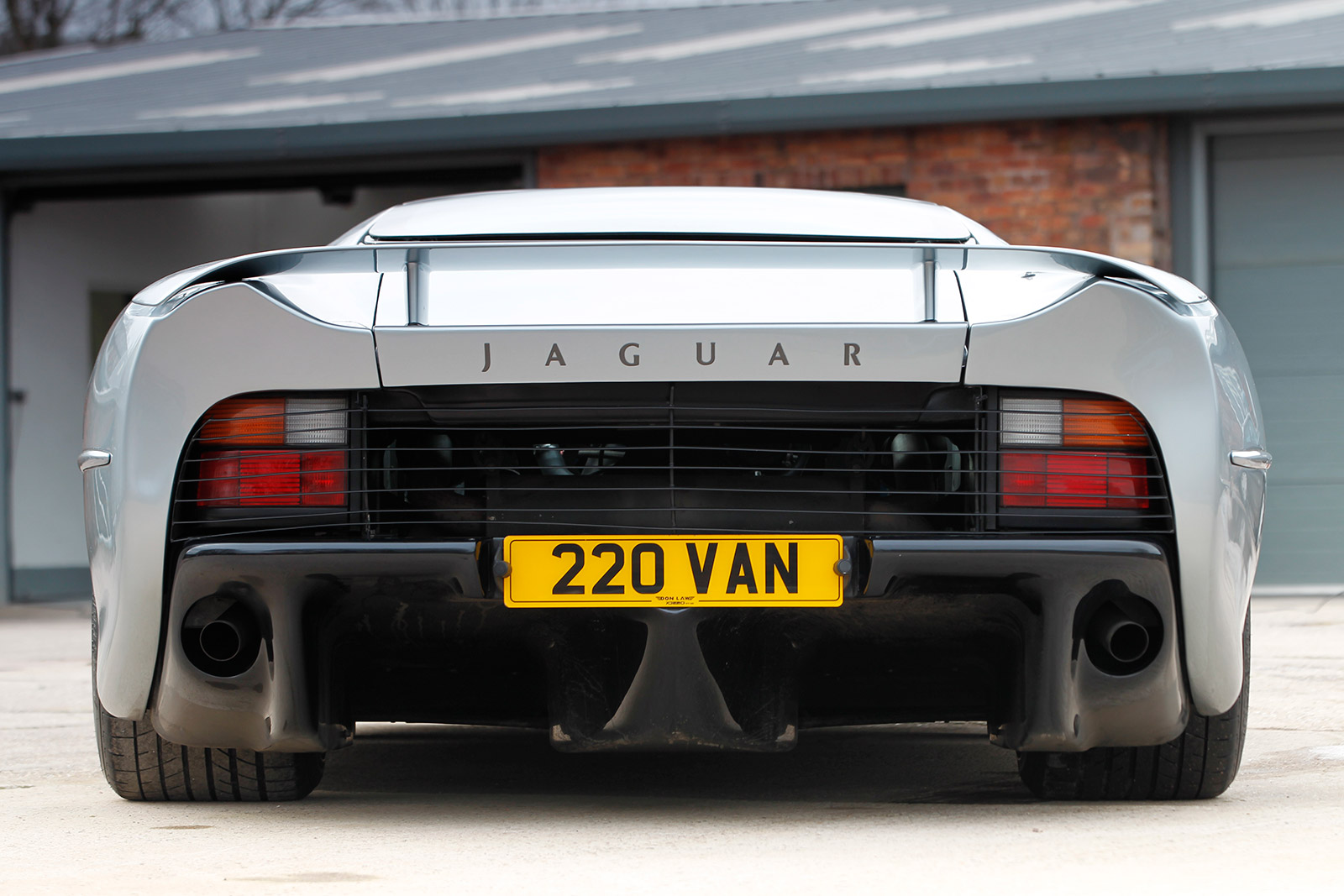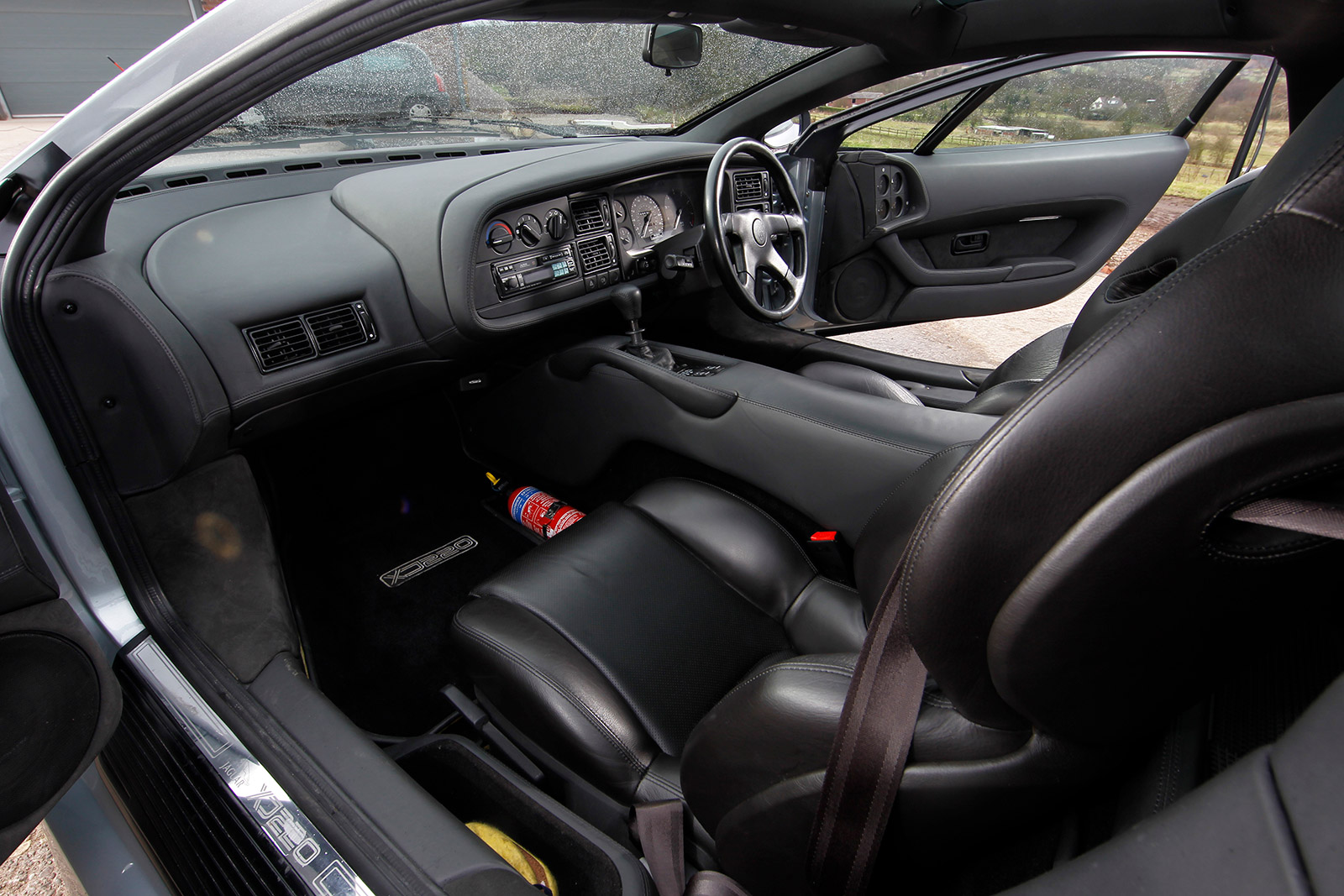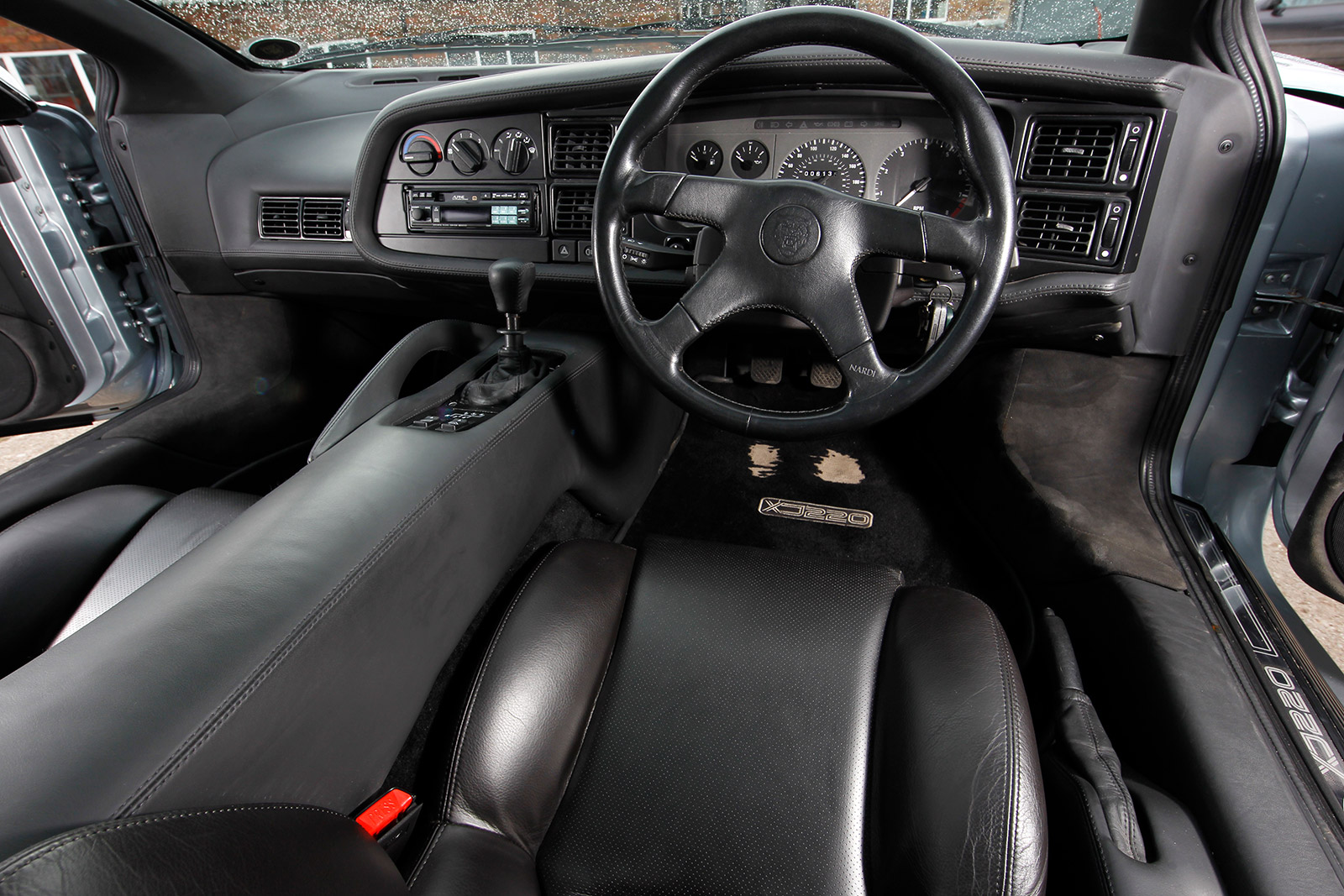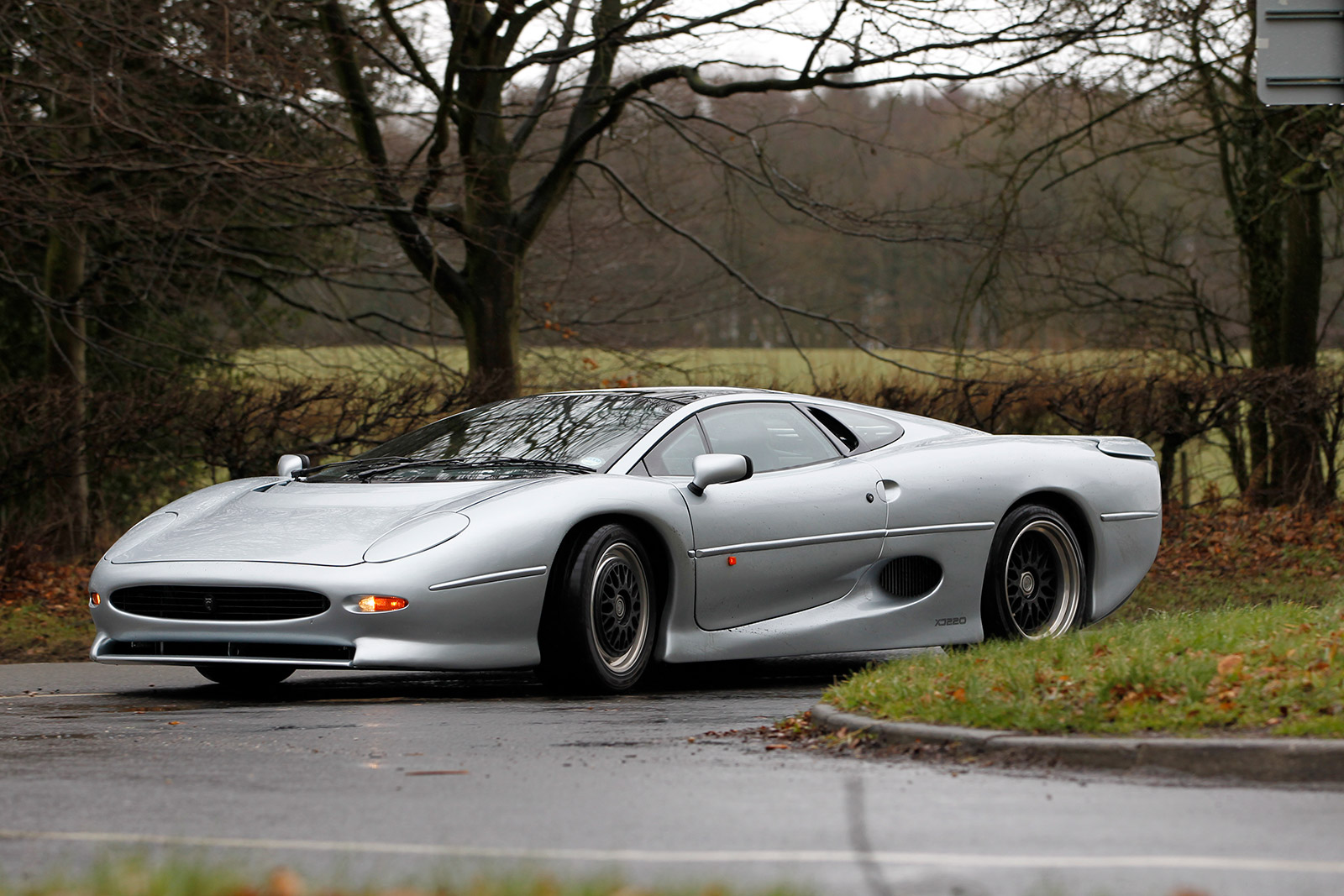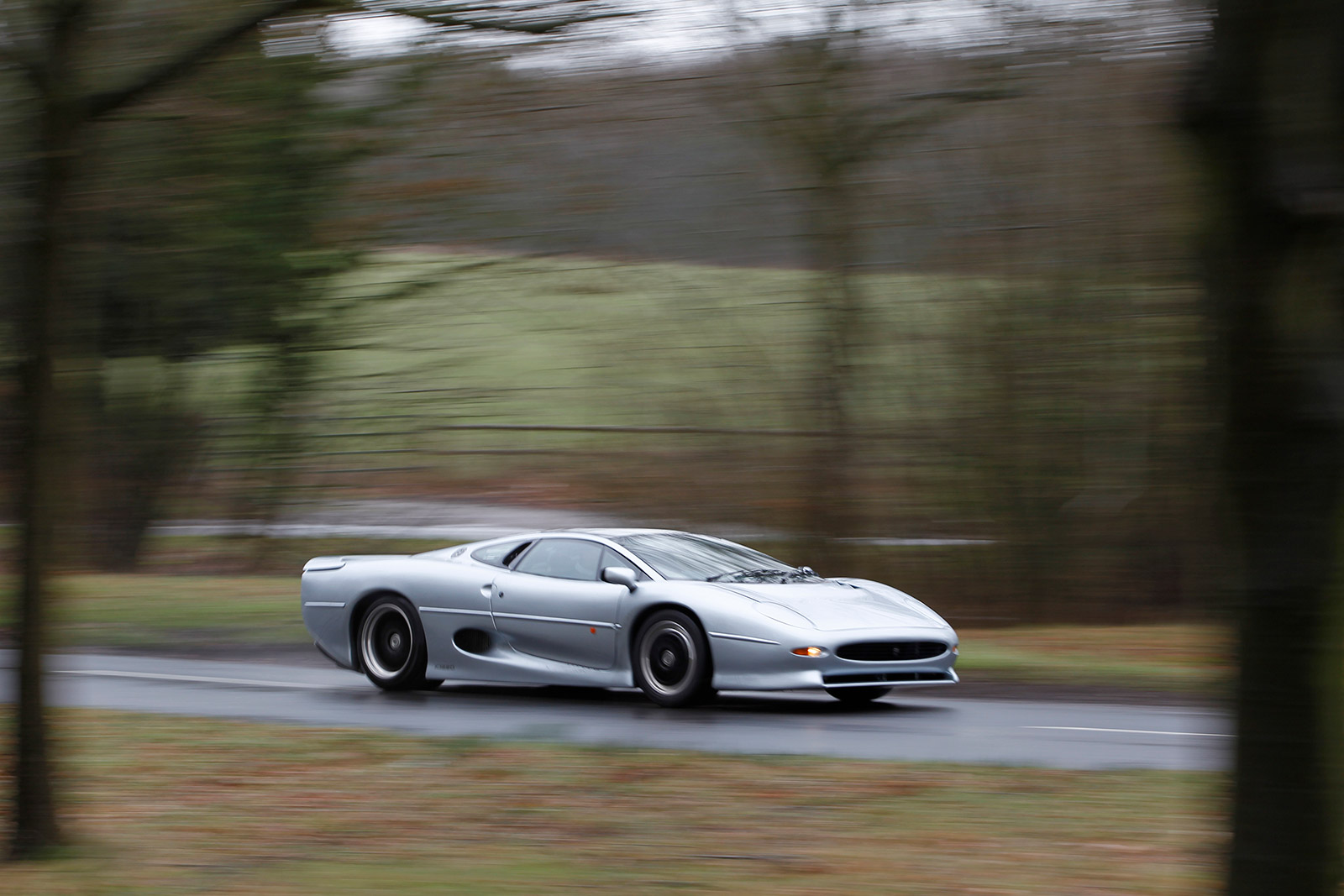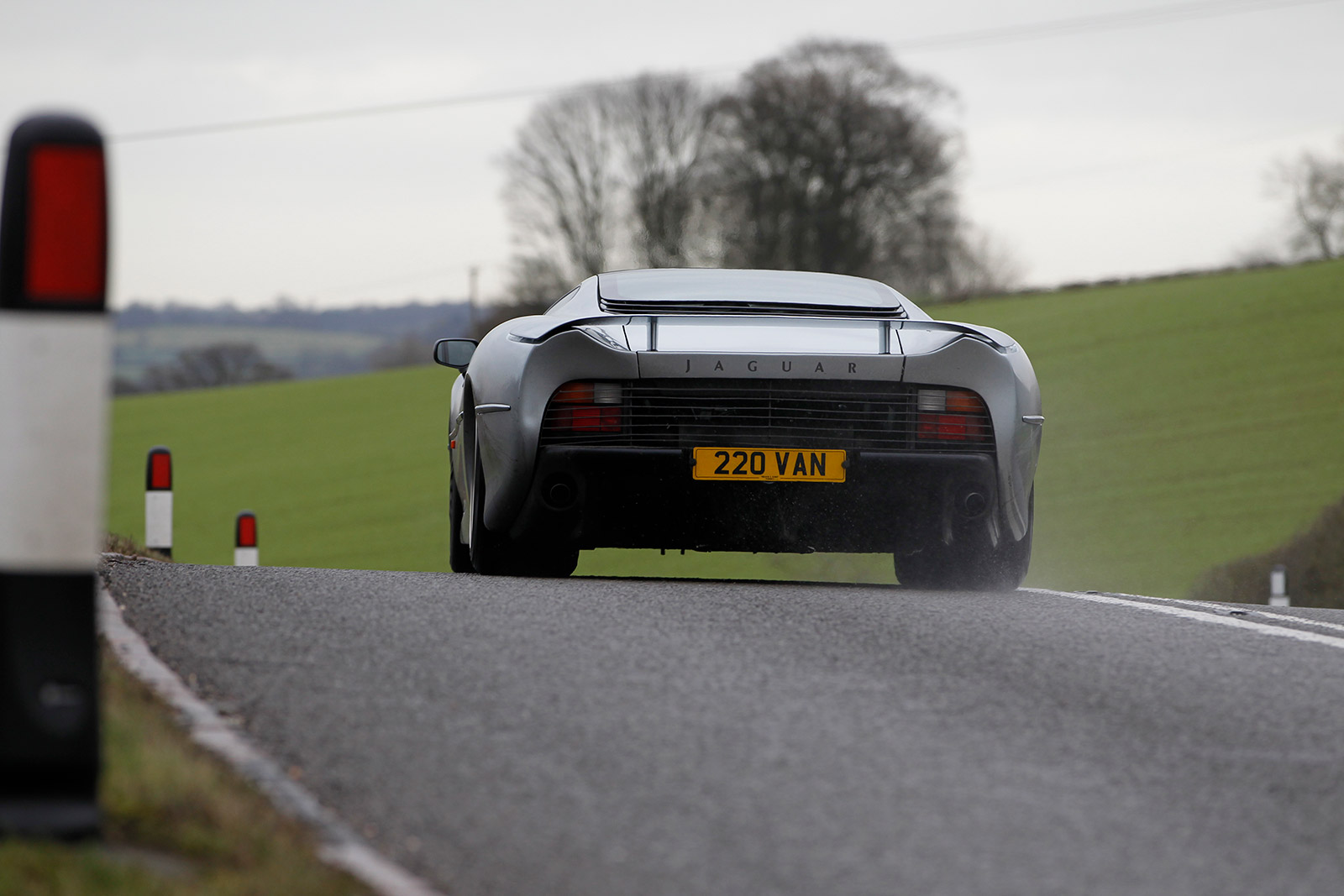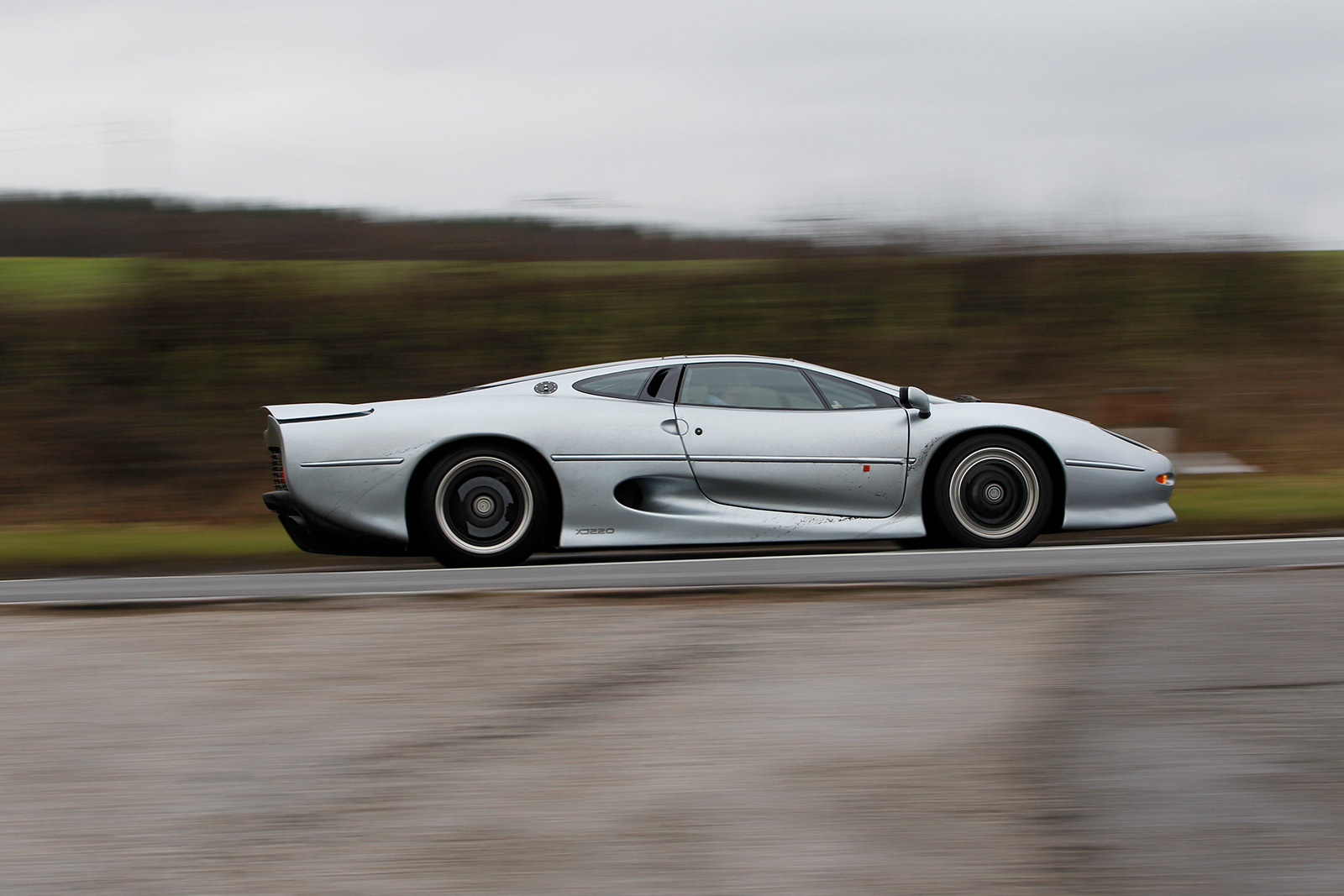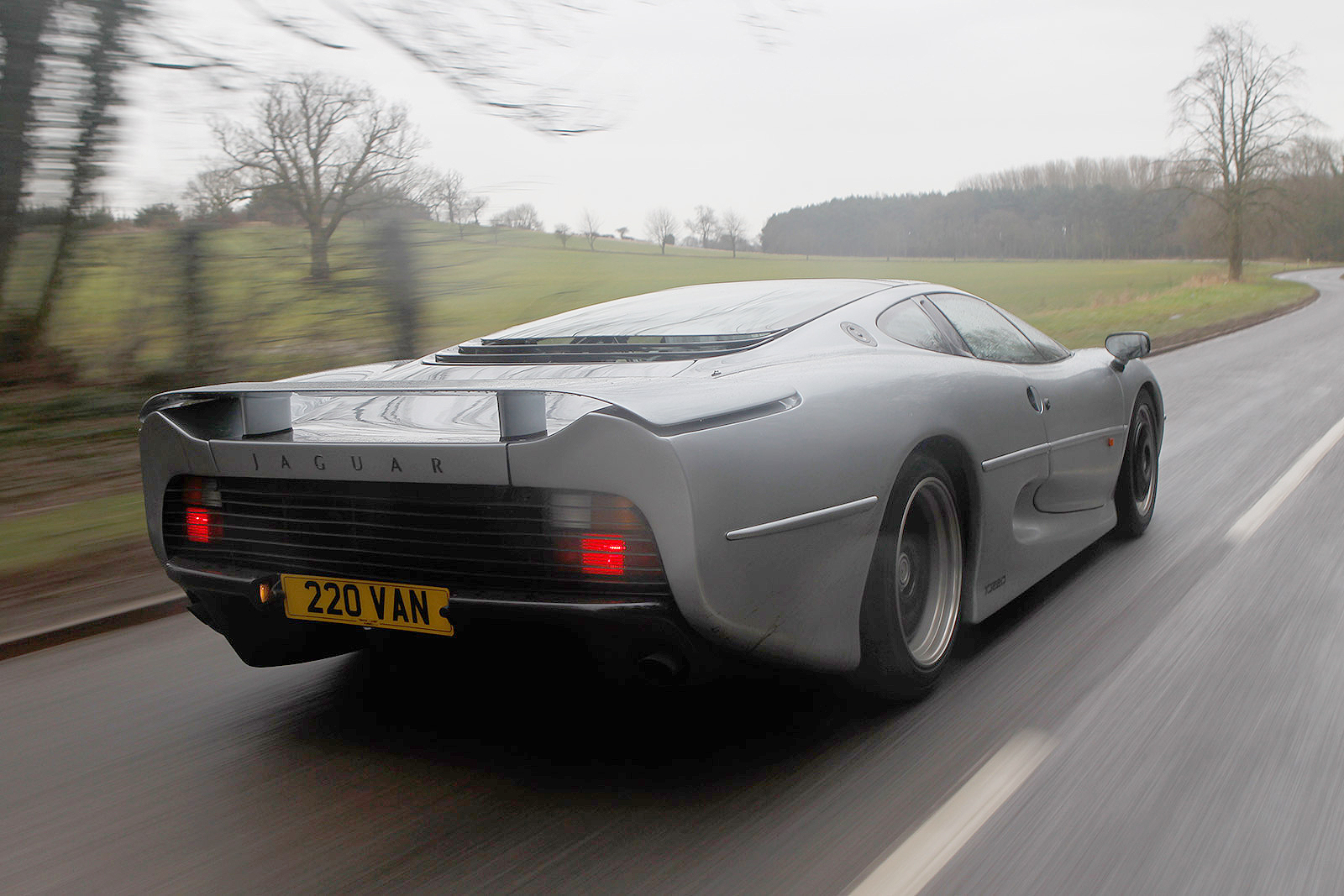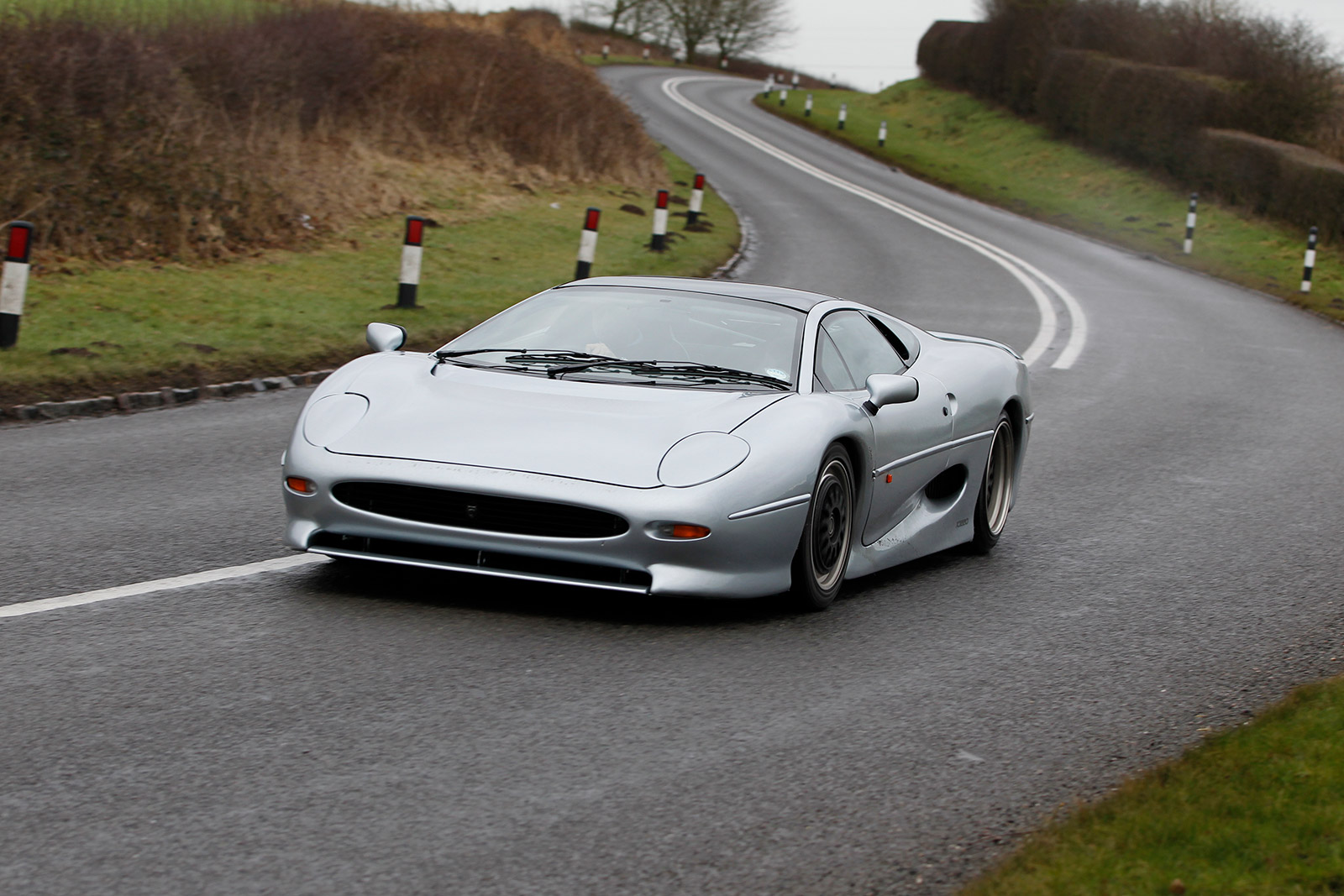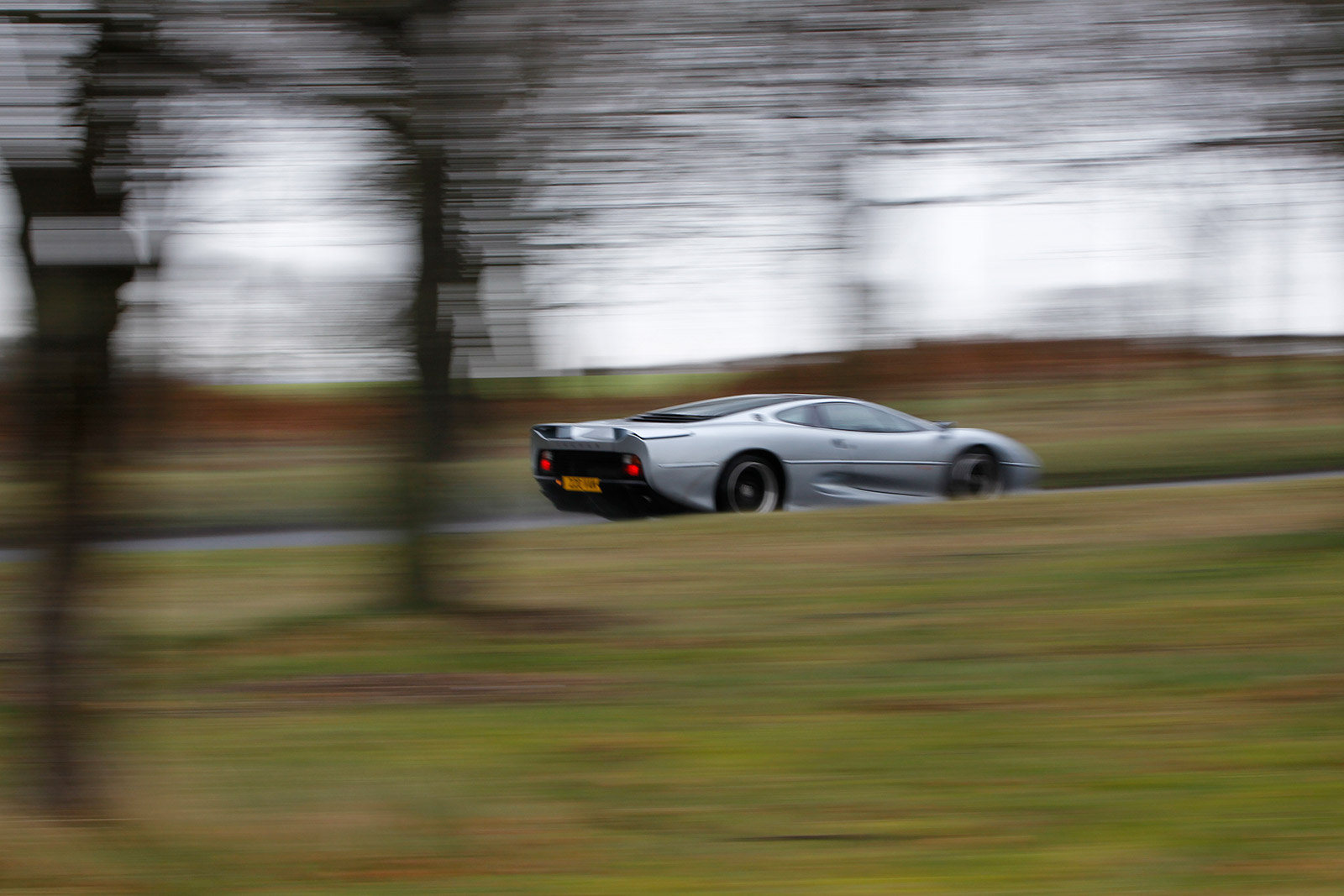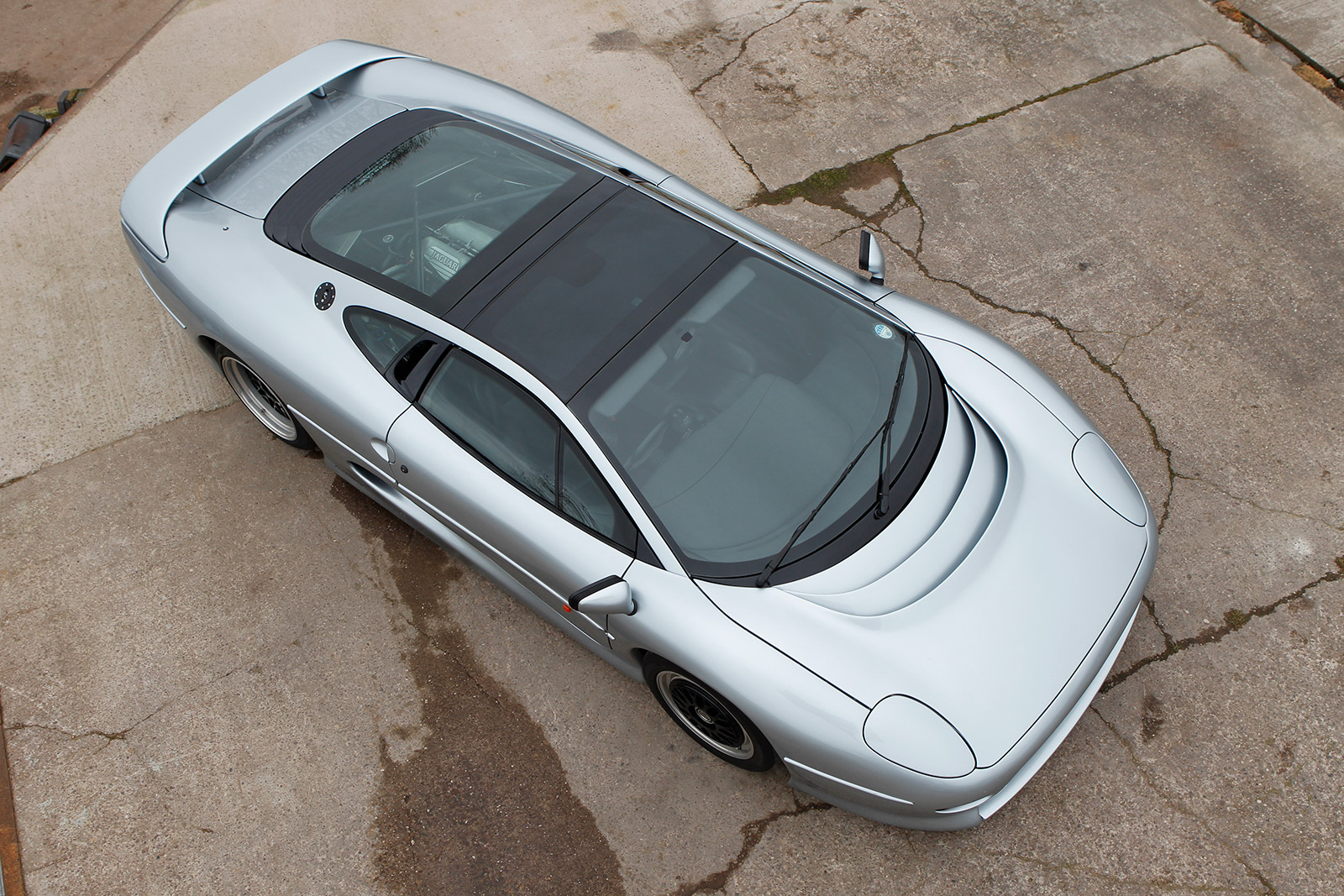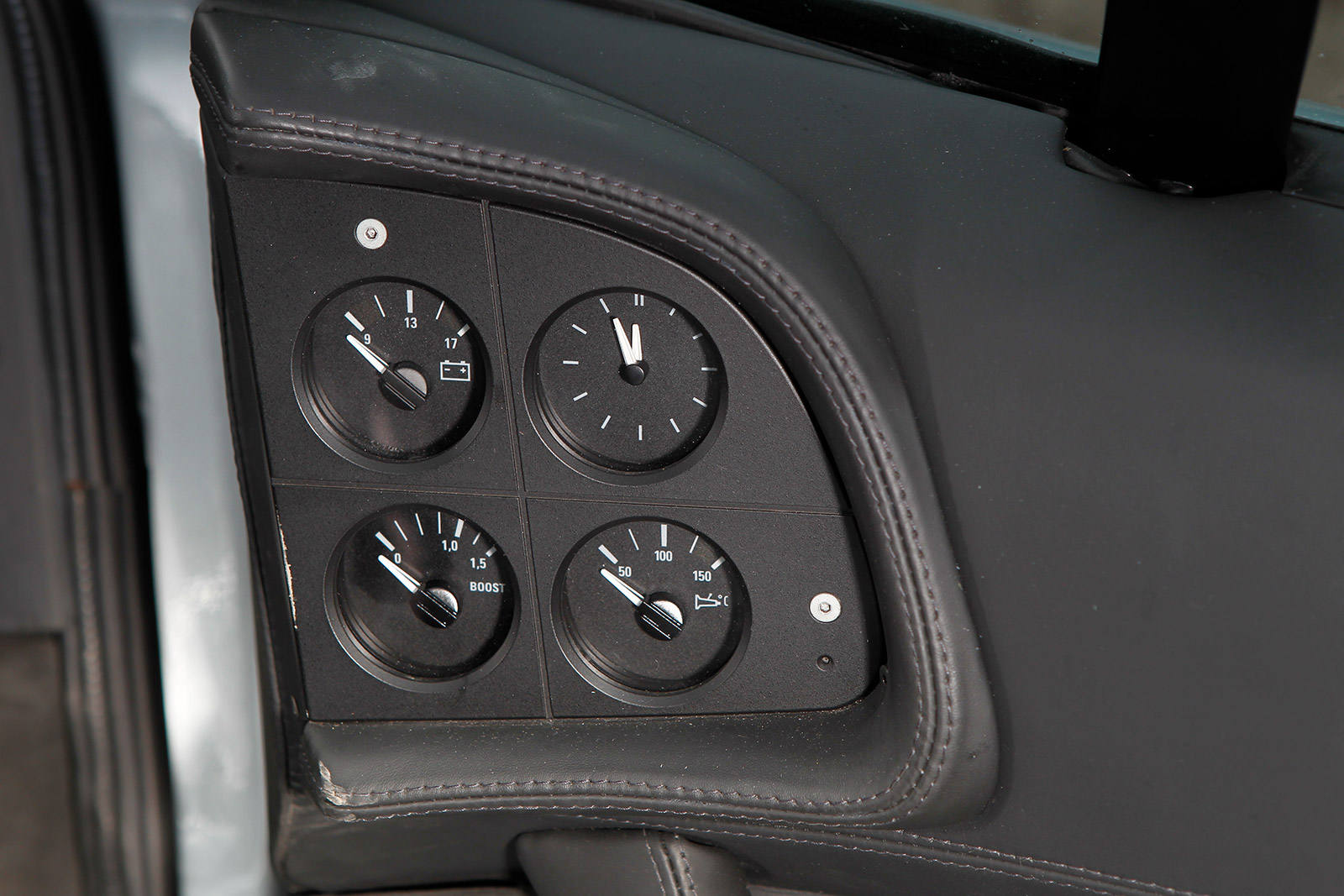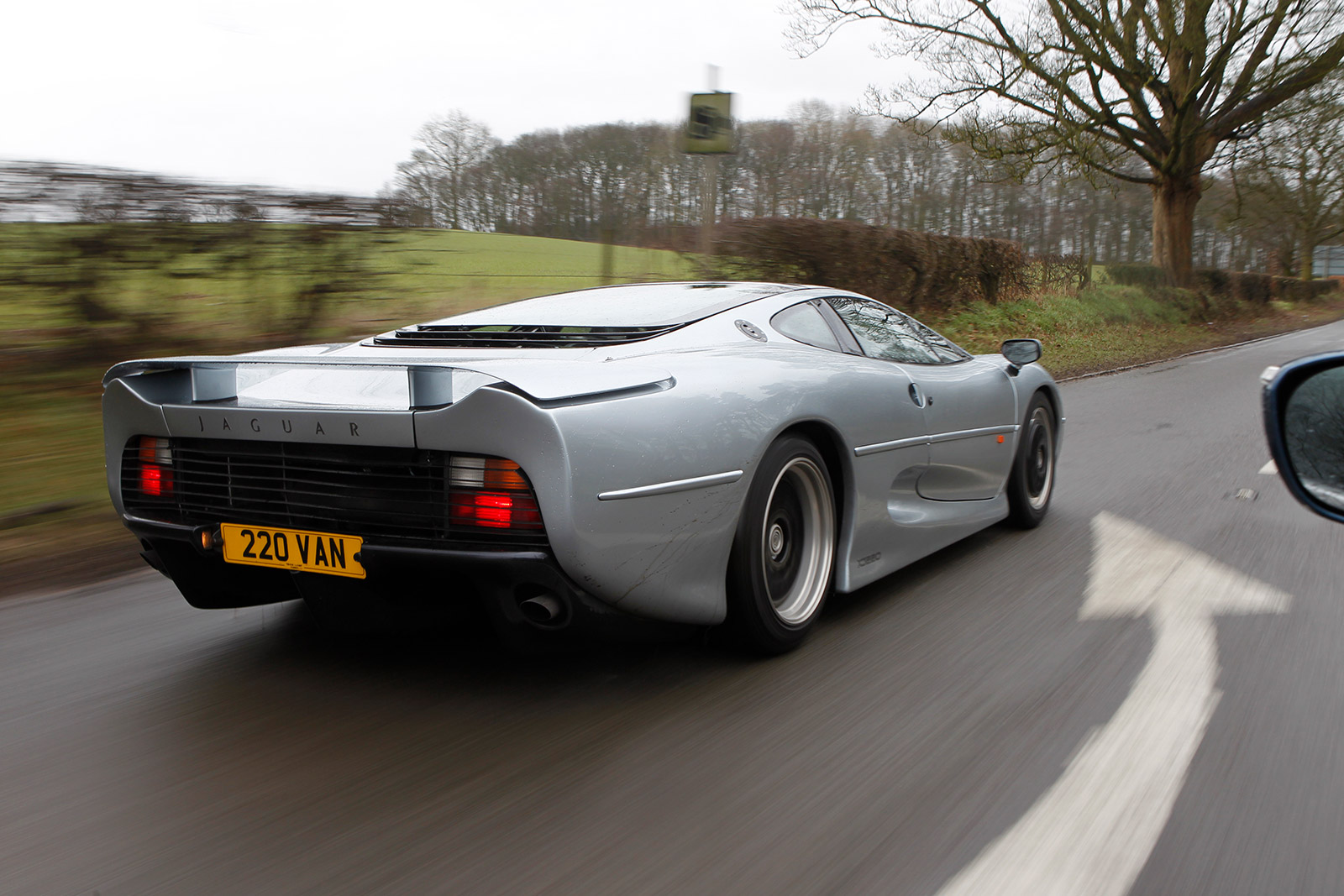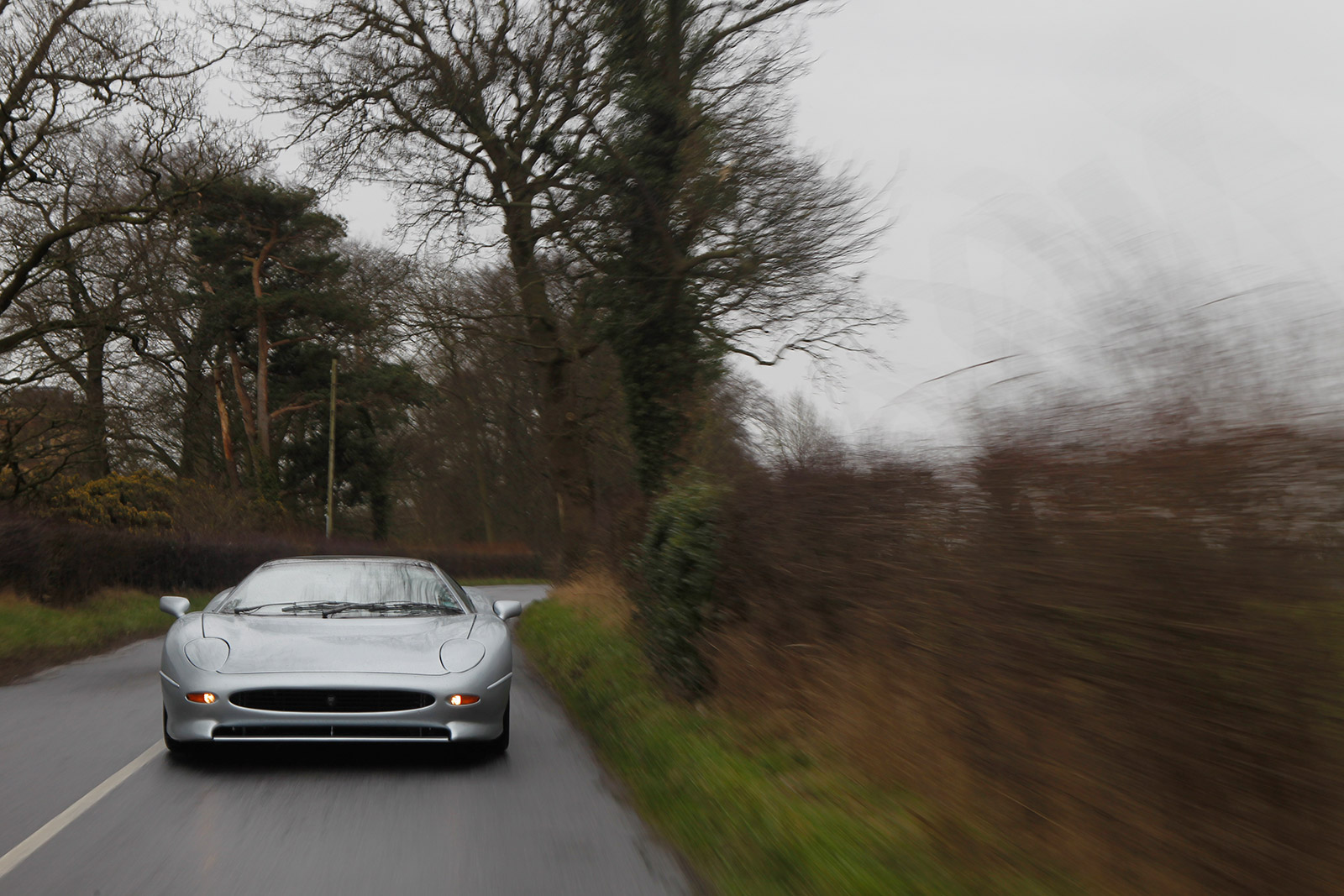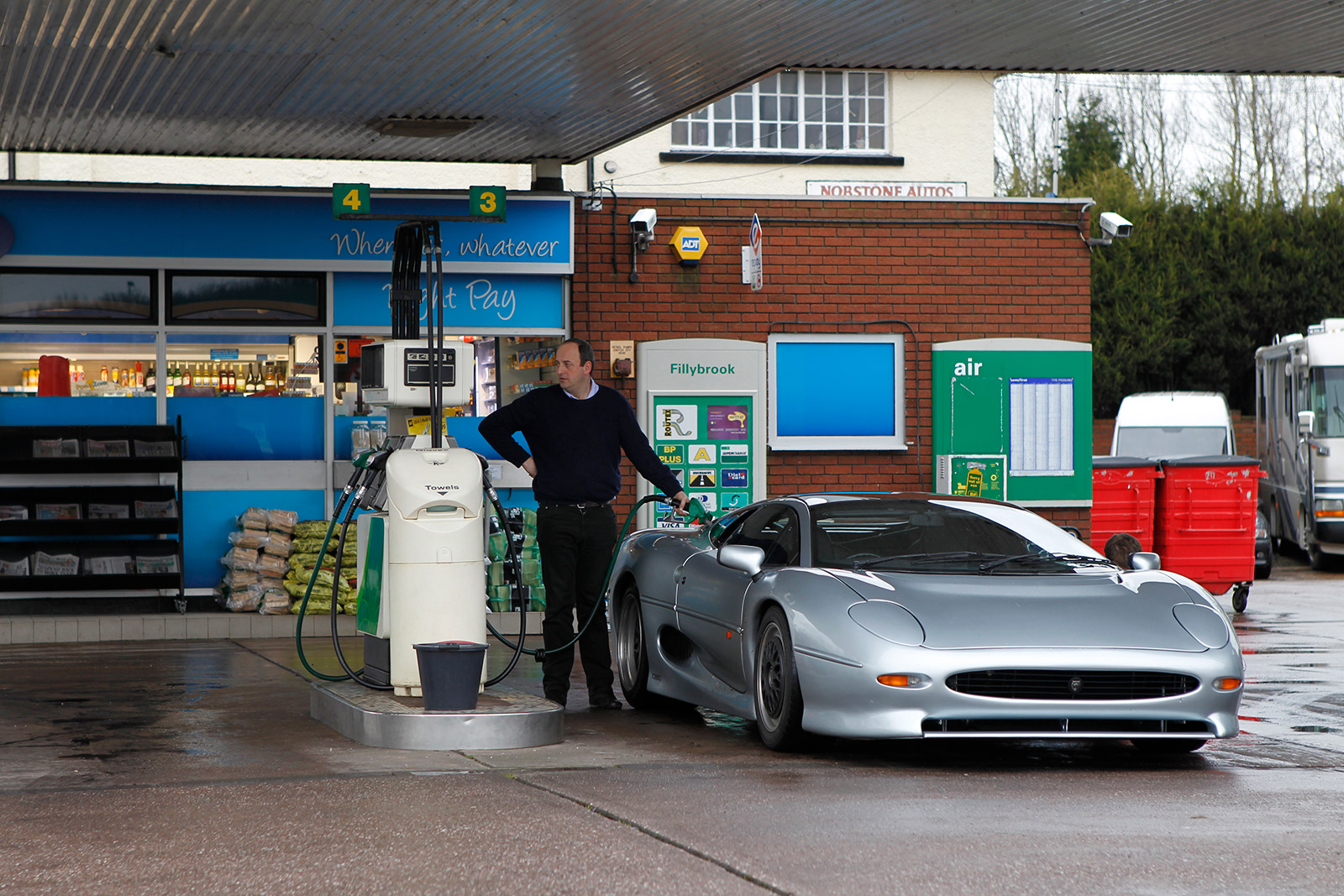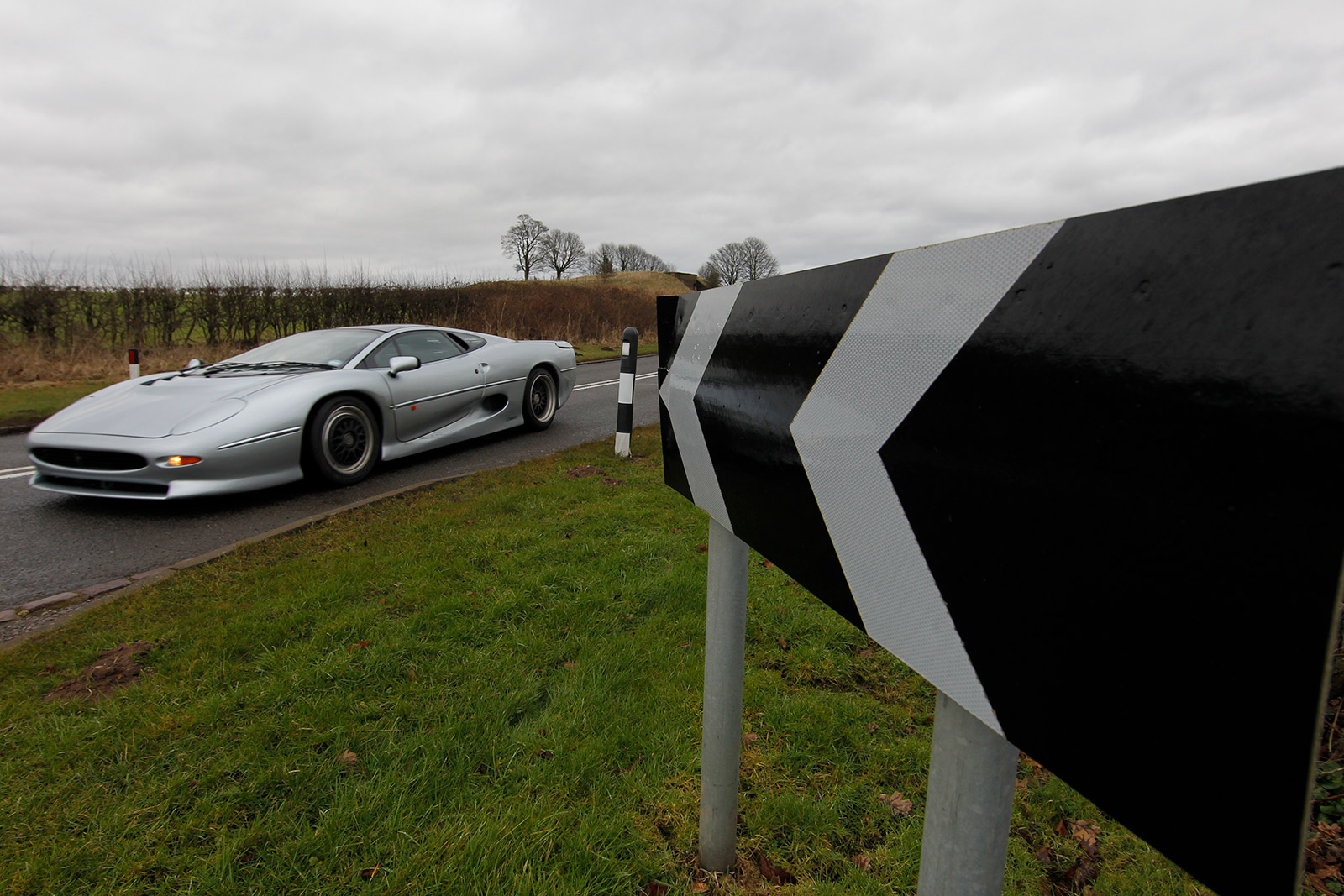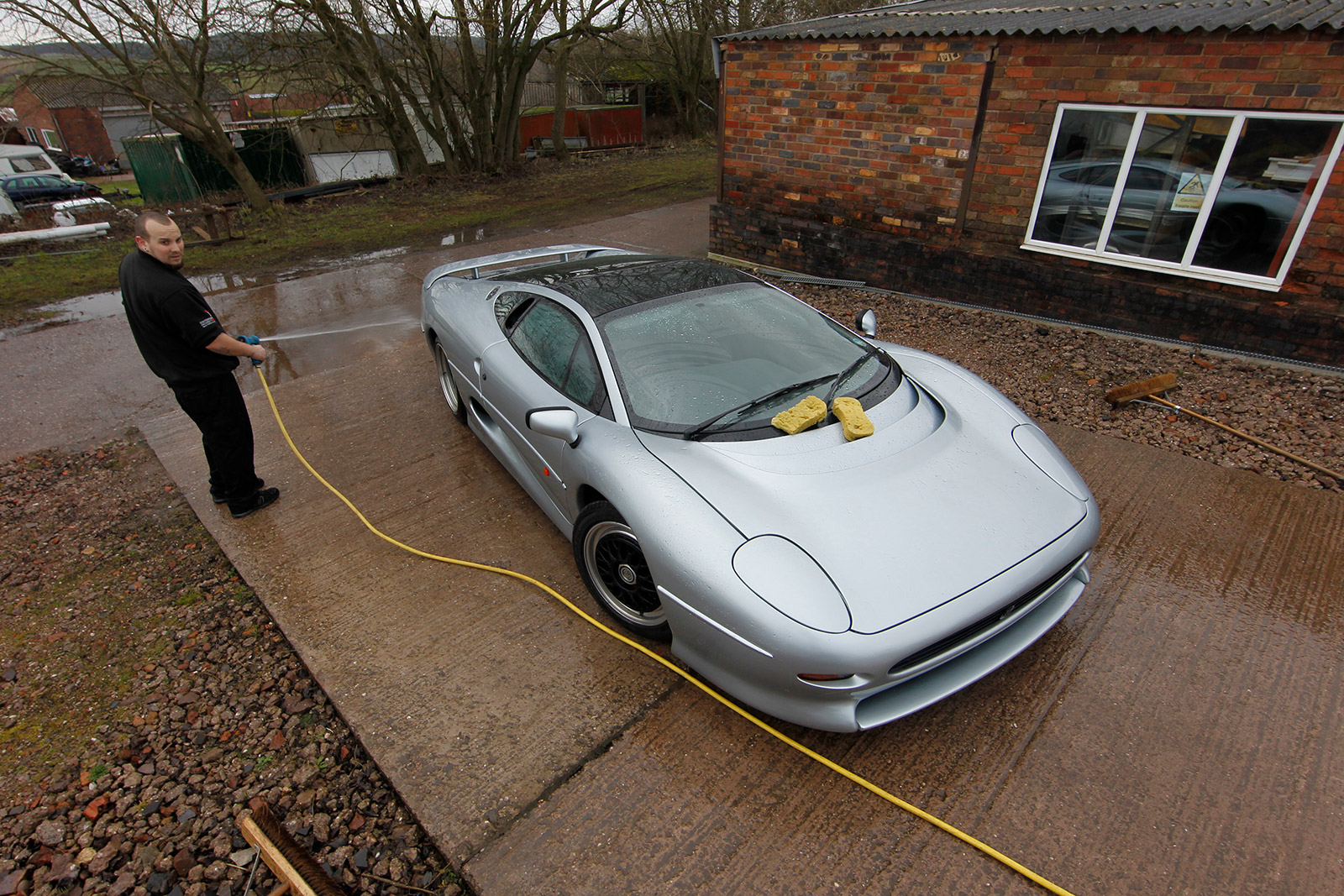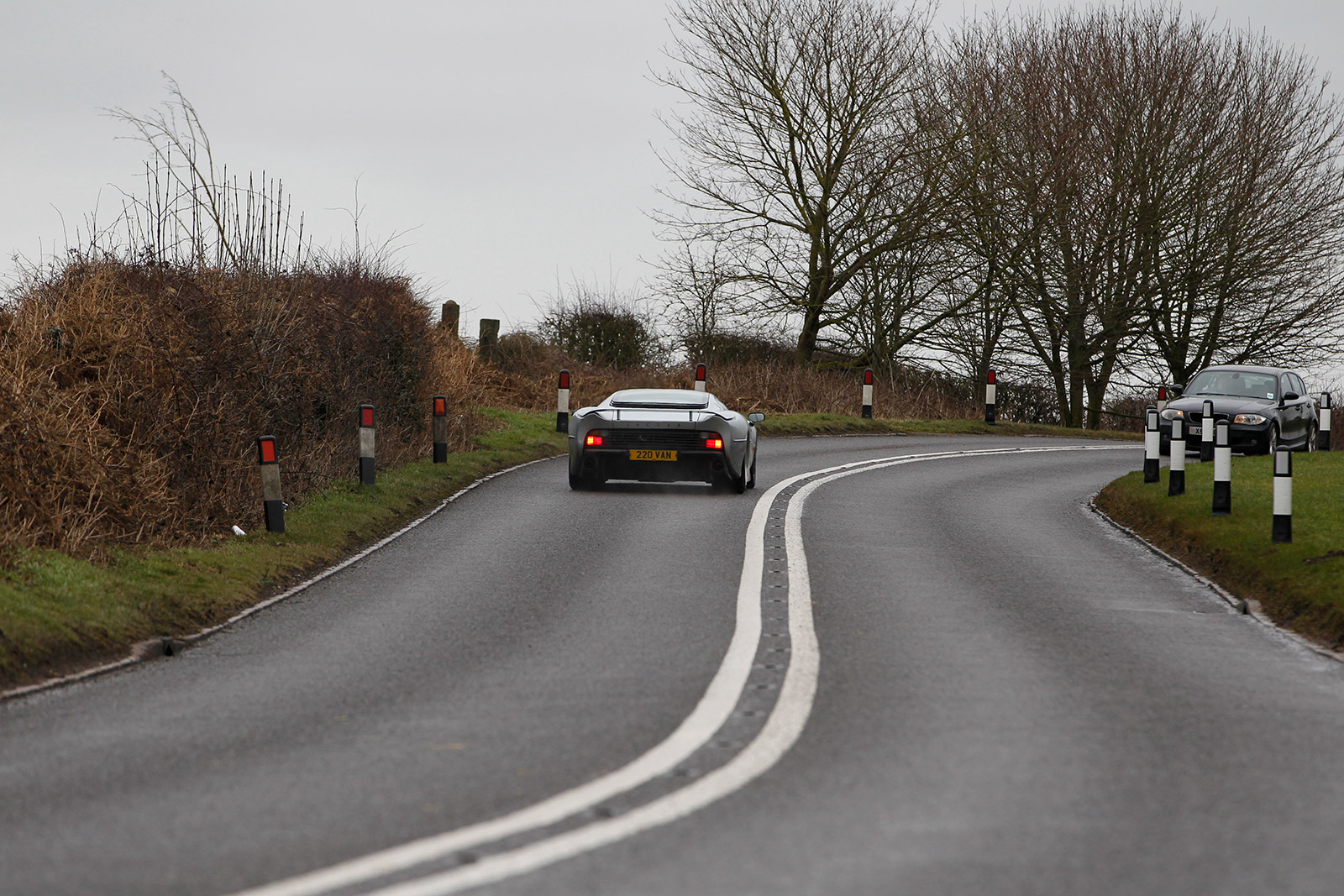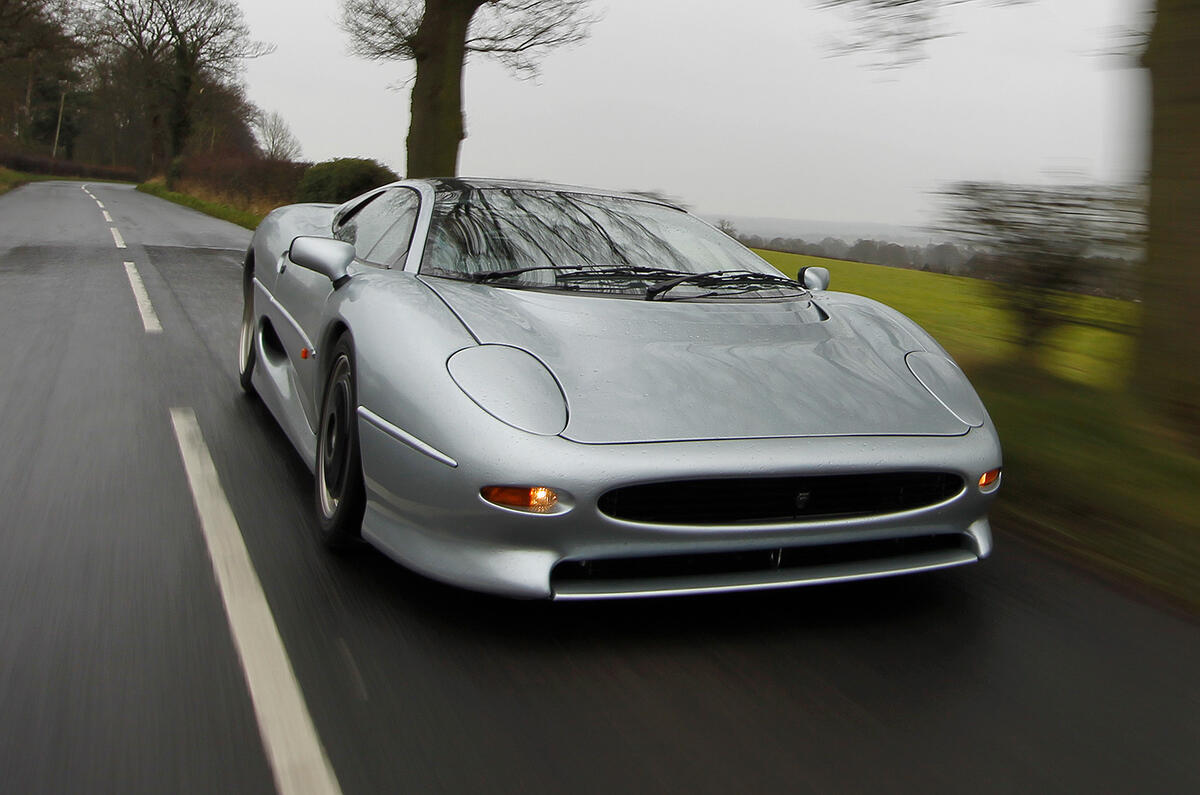

Over 30 years ago, Jaguar unveiled a groundbreaking car: the production version of the XJ220.
A machine whose sensuous looks were only exceeded by thumping twin-turbo performance. But the car is controversial, not least due to appalling bad timing and luck. But was all this unfair? Andrew Frankel investigates...
Thrill
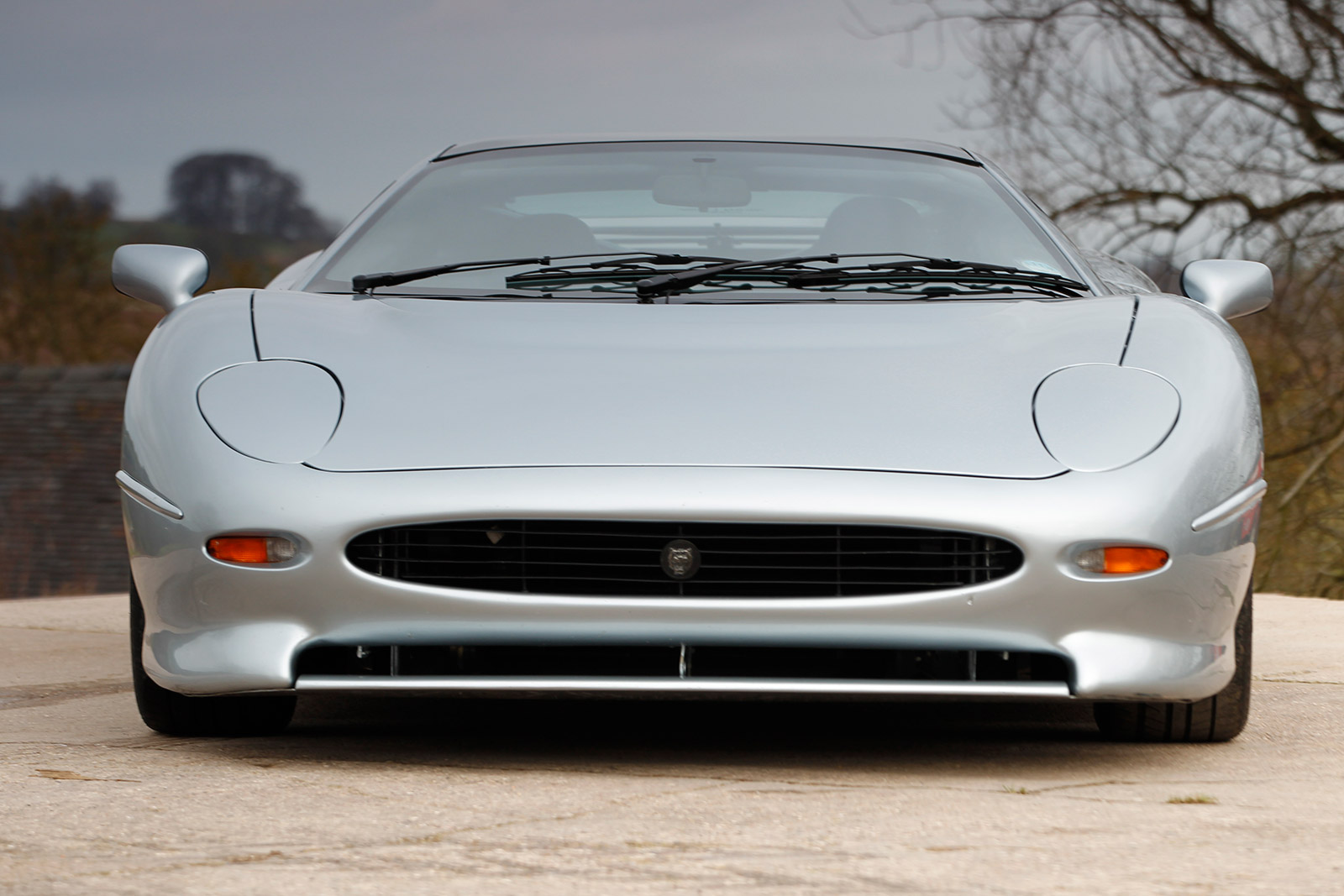
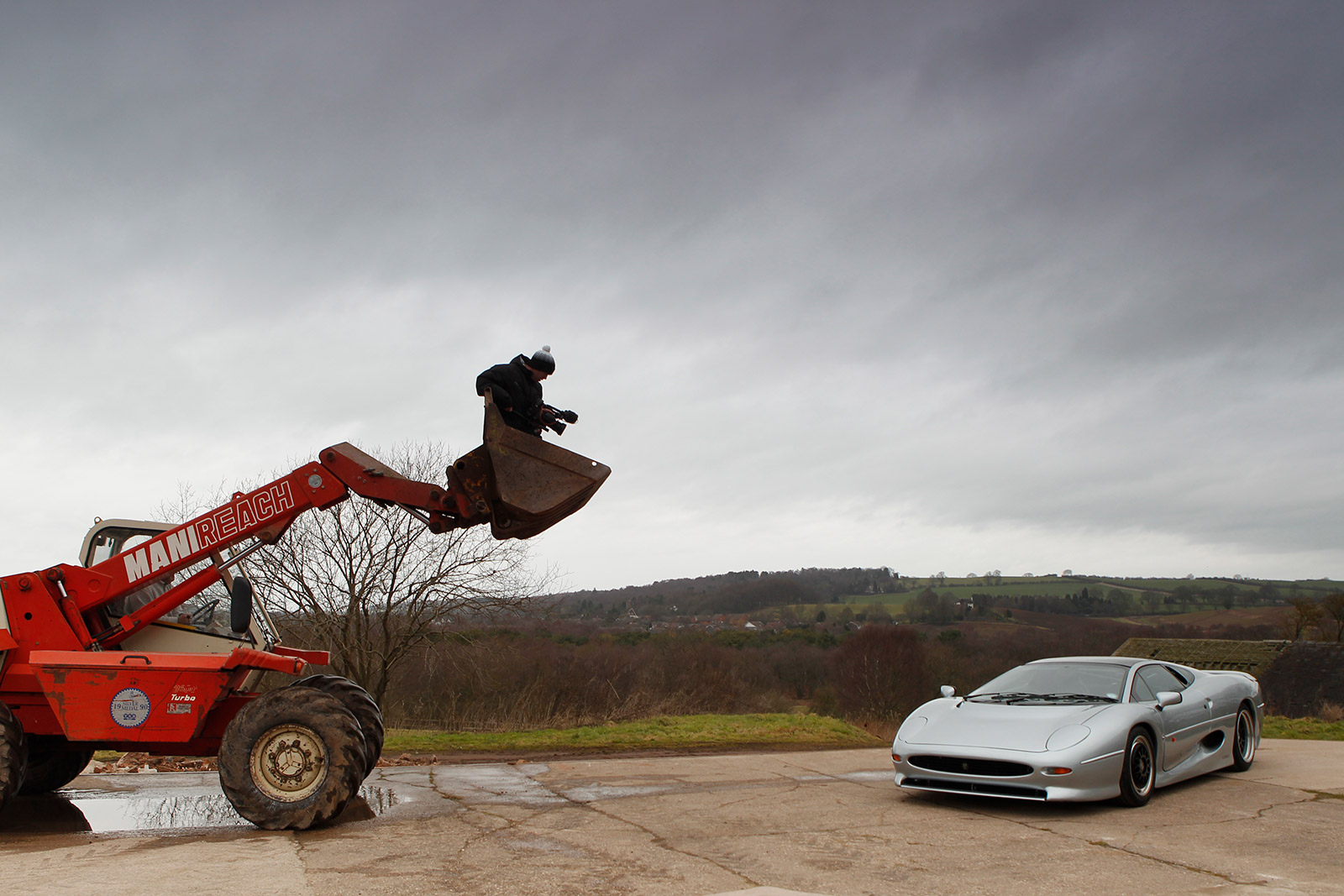
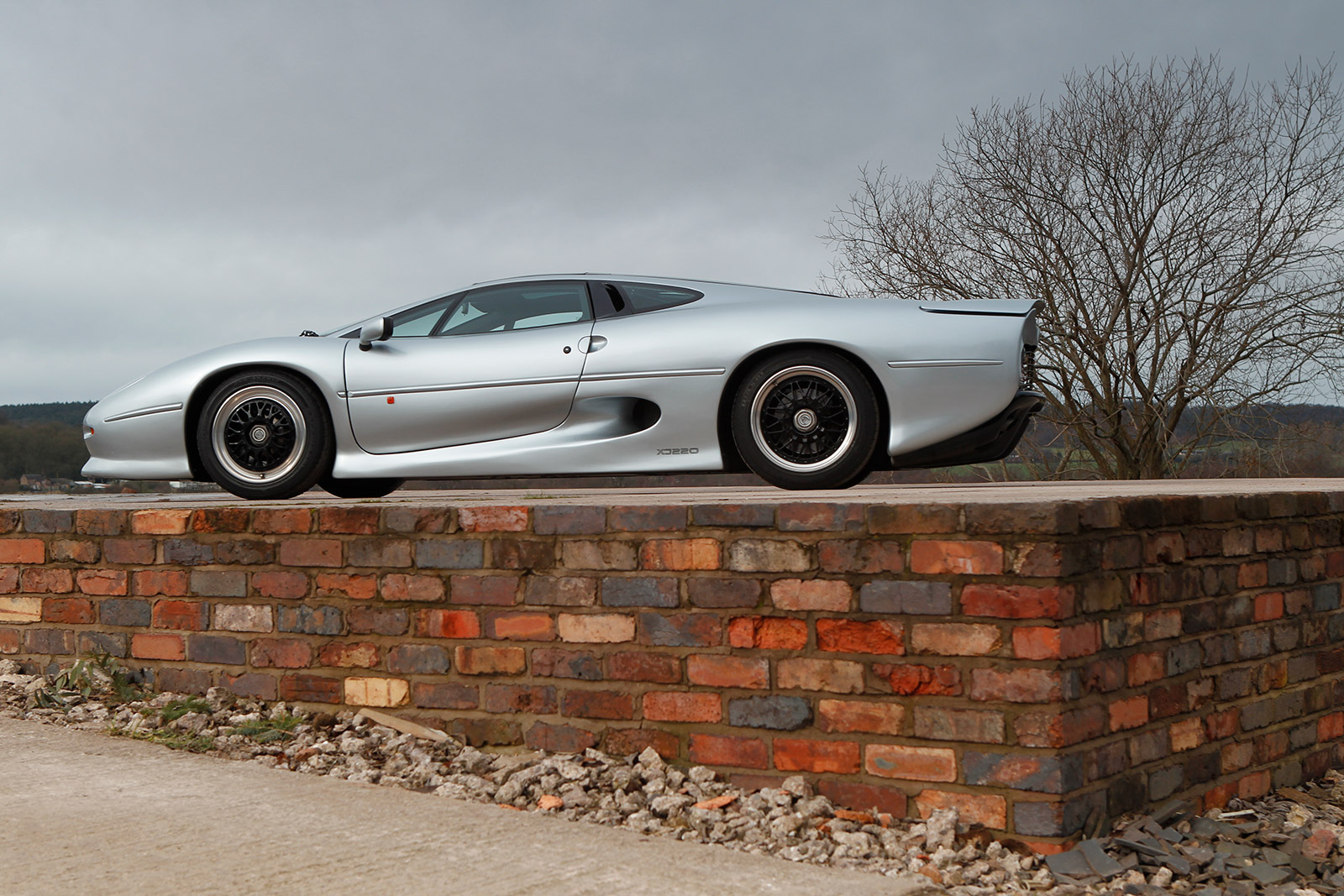
Say what you like about it (and plenty have), just looking at a Jaguar XJ220 provides a thrill you’d struggle to match driving most sports cars. A McLaren F1 is discreet to the point of invisibility, a Ferrari F40 a wasp next to a hornet. A Lamborghini Aventador is visually madder but that was never what let the XJ220 pull jaws south on every pavement it passed. The Jaguar’s still stronger draw is that to its sheer, shocking size, Keith Helfet’s design adds almost indescribable beauty.
Rarity
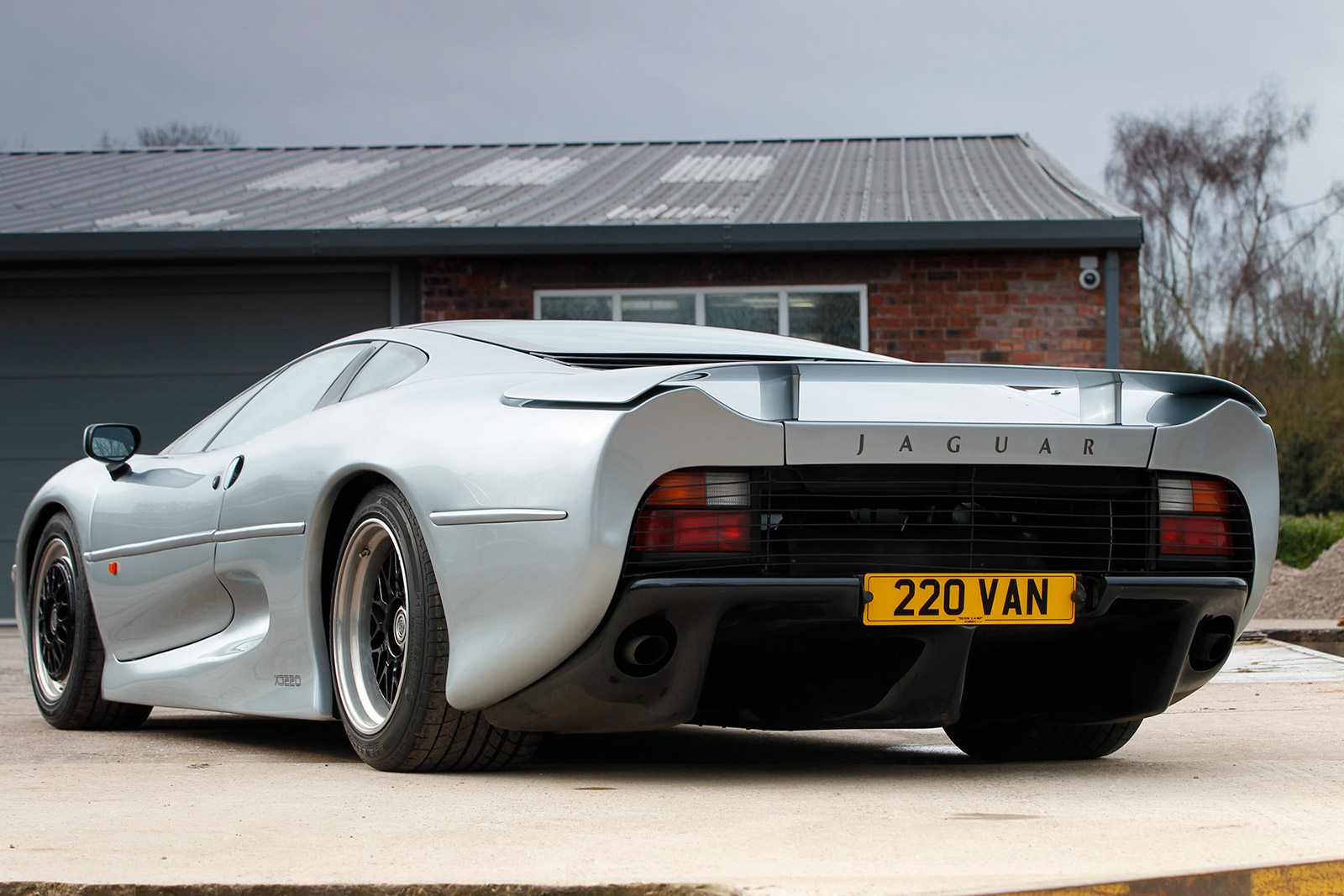
Now mix in colossal power, success at Le Mans as great as any Aston Martin’s of the last half century, and astonishing rarity. Just 283 were made, making it only fractionally less scarce than that legendarily endangered species, the 272-strong Ferrari 288GTO.
And yet despite its looks, power, pedigree and scarcity, despite even an engine that came straight from a Group C car just like the GTO, the XJ220 has spent most of the decades it has so far existed unloved by the public and something closer to an embarrassment to its creators.
Beginnings
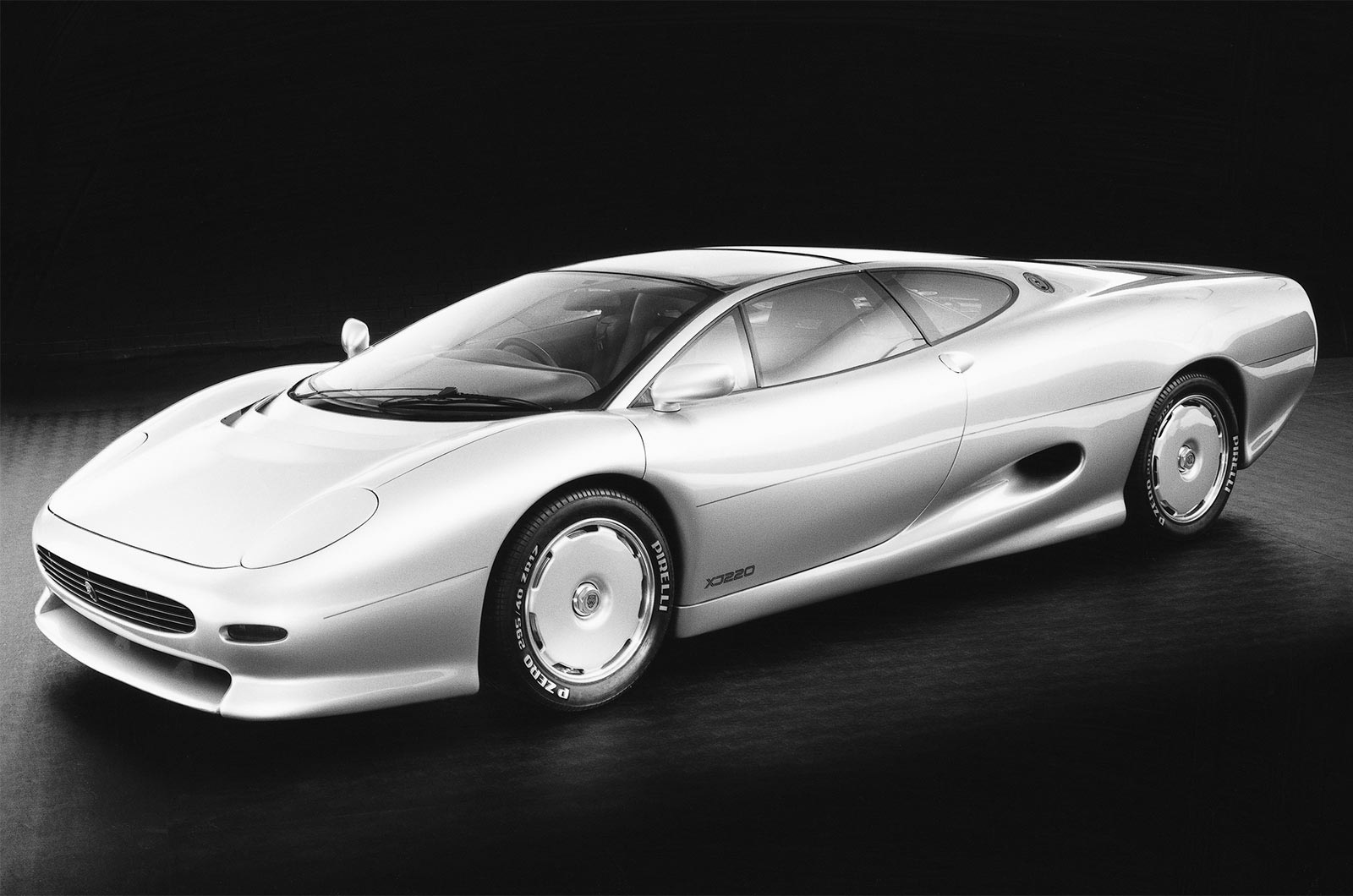
Now is not the time to twist knives into old wounds but, briefly, Jaguar showed a concept of a car called XJ220 at the 1988 Birmingham motor show (pictured). It was necessarily massive, to accommodate its four-cam V12 engine and four wheel drive system. In the crazy final thrashings of Margaret Thatcher’s bull market, the world went wild for it.
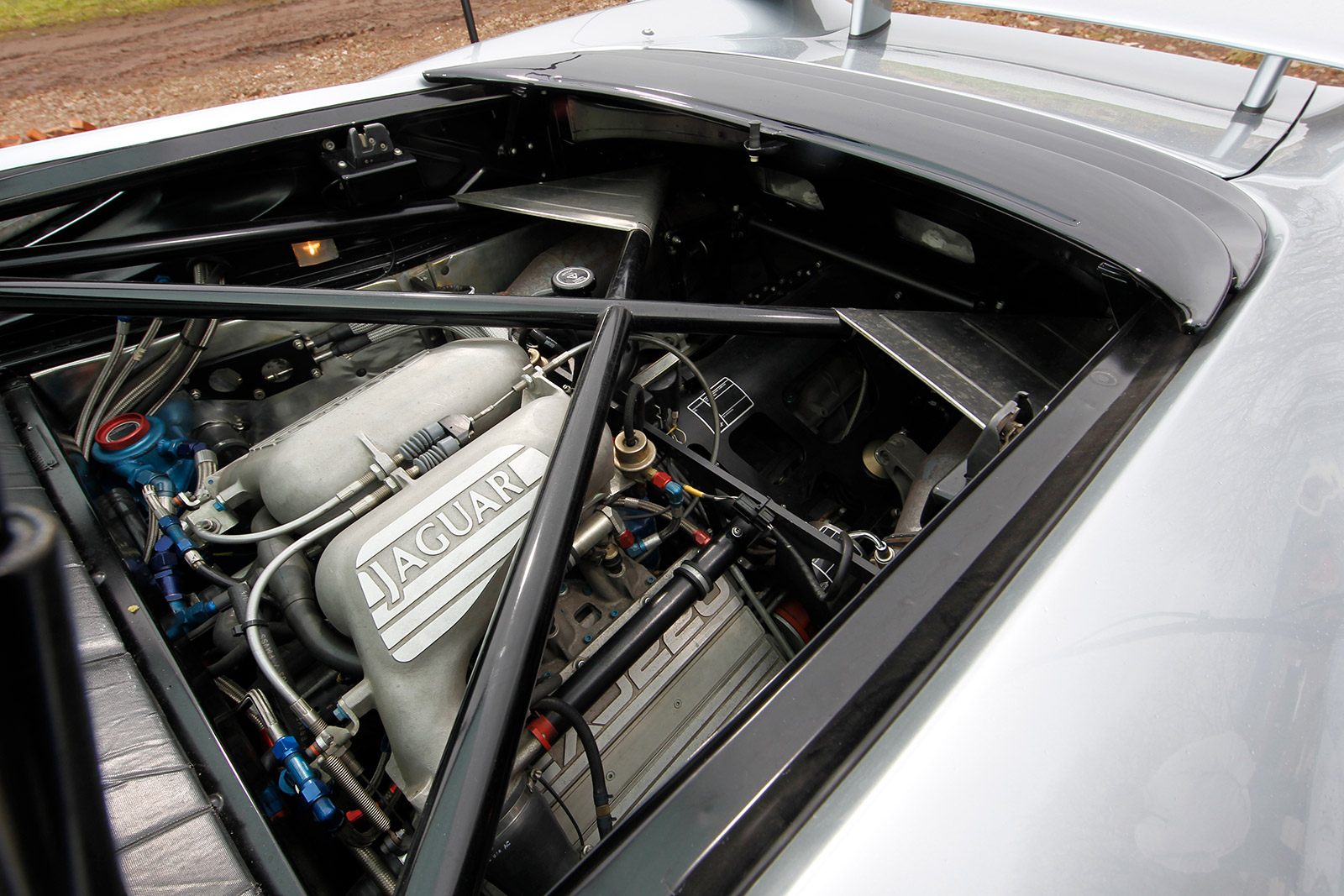
Jaguar asked Tom Walkinshaw (1946-2010) to see if it could be produced, who duly came up with the specification of the car we know today: a rear drive car with a bonded, riveted aluminium tub powered by an engine that had started life in the Metro 6R4 rally car, but developed by TWR into a formidable racing weapon used to win IMSA and Group C races in the back of the Jaguar XJR-10 and XJR-11 respectively.
Recession
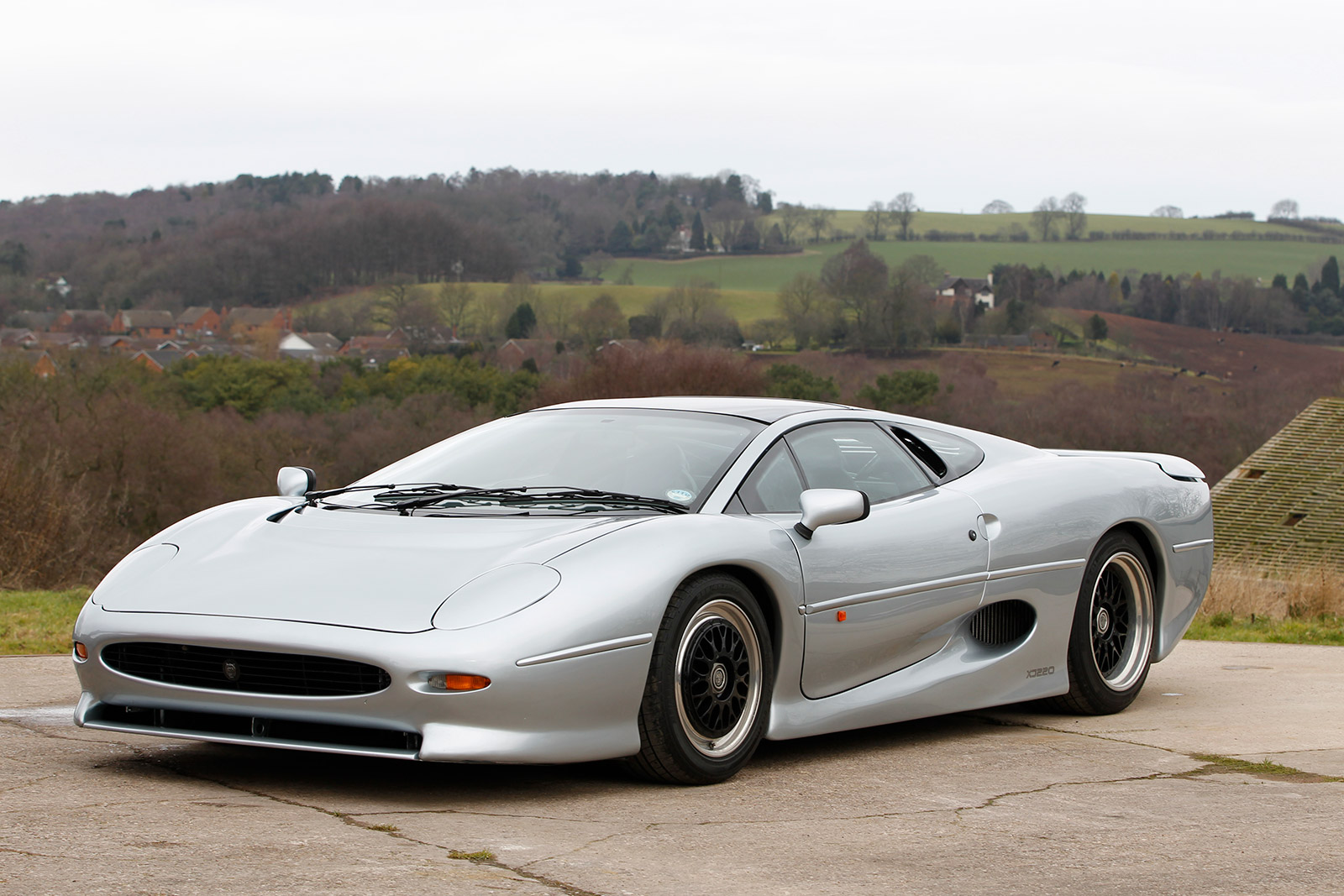
A run of 350 cars was commissioned, for which 350 £50,000 deposits were not hard to find. But by the time the car was developed and ready to be delivered, the global economy had caught a very heavy cold. Some of the 350 turned out to be speculators and tried to flee their commitment, while others were sincere customers who nevertheless found themselves lacking either the will or the way to pay for their new car.
Rather than take the hit, Jaguar sought to ensure its customers made good on their commitment, eventually winning in court.
The shadows
But victories were rarely more Pyrrhic than this: Jaguar had forced its investors to either to take their car or buy their way out of it, but not before dragging its name through the mud. And, in the meantime the attention of those who could afford to spend such sums on a mere car was being drawn inexorably south from the Midlands to a Surrey town called Woking, where an intriguing little project from McLaren was rapidly taking shape.