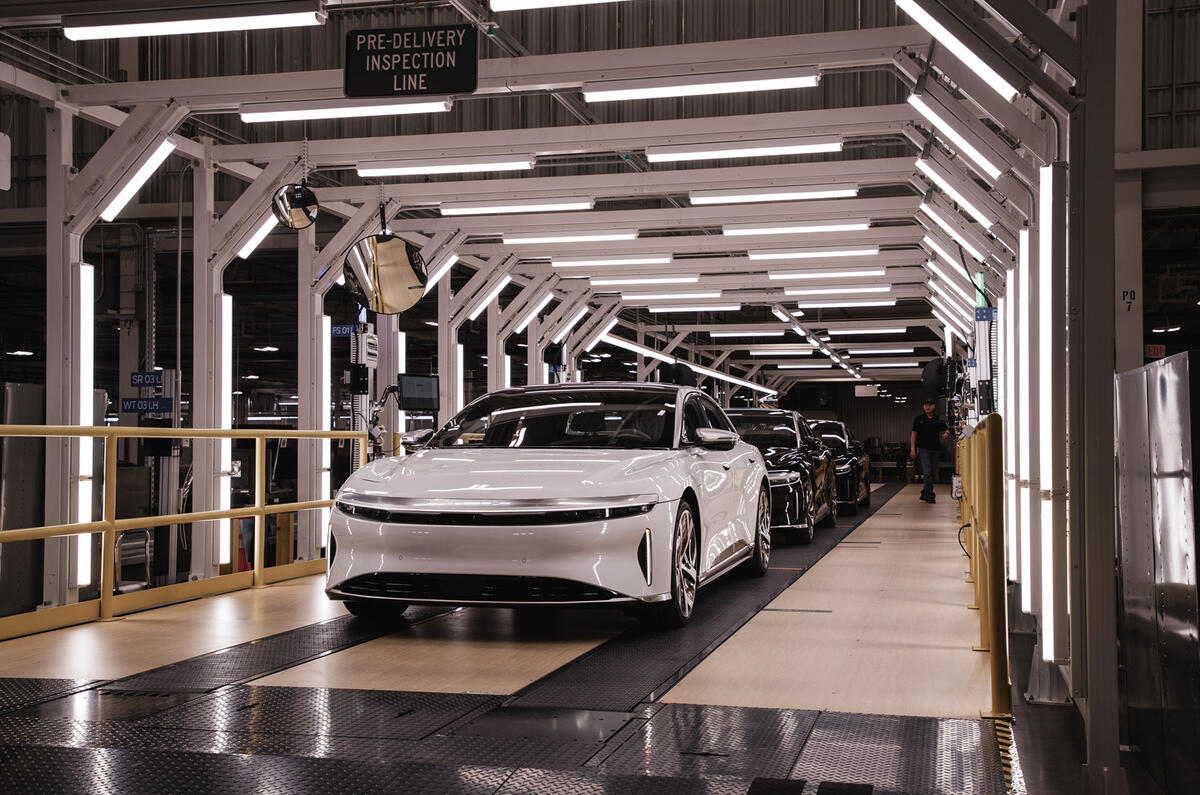

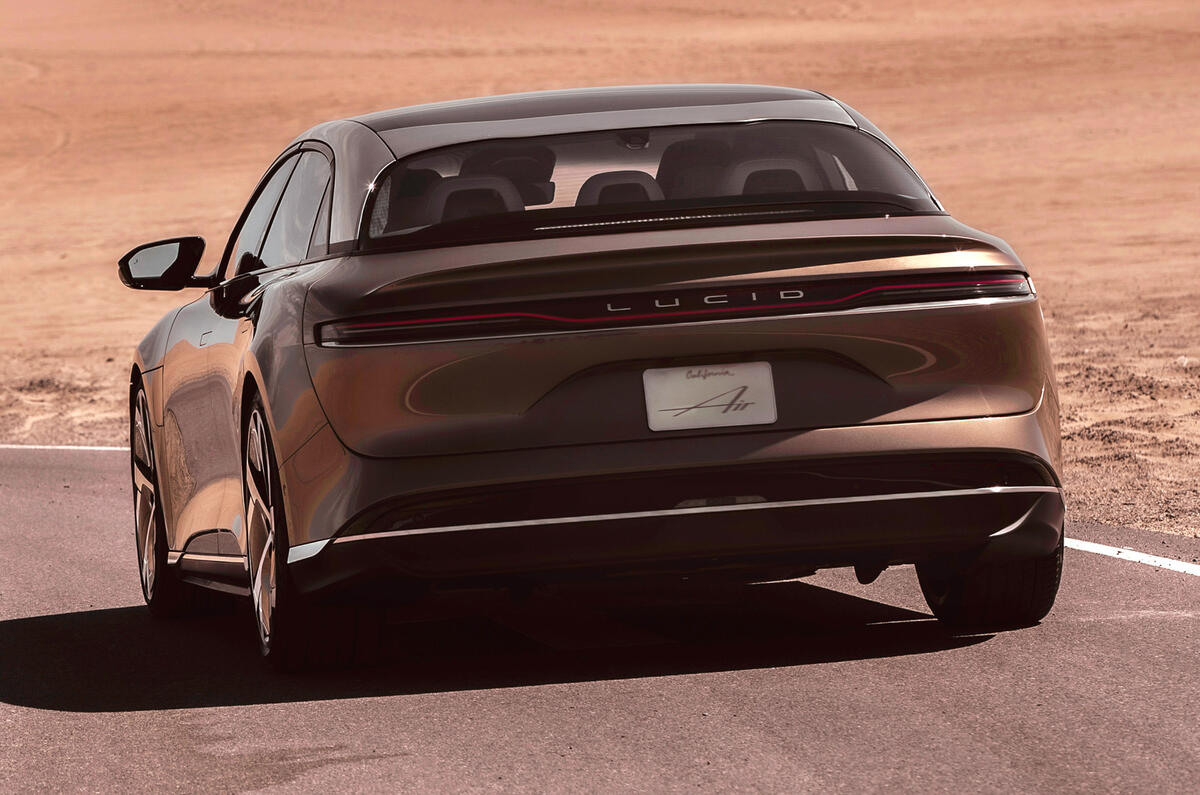
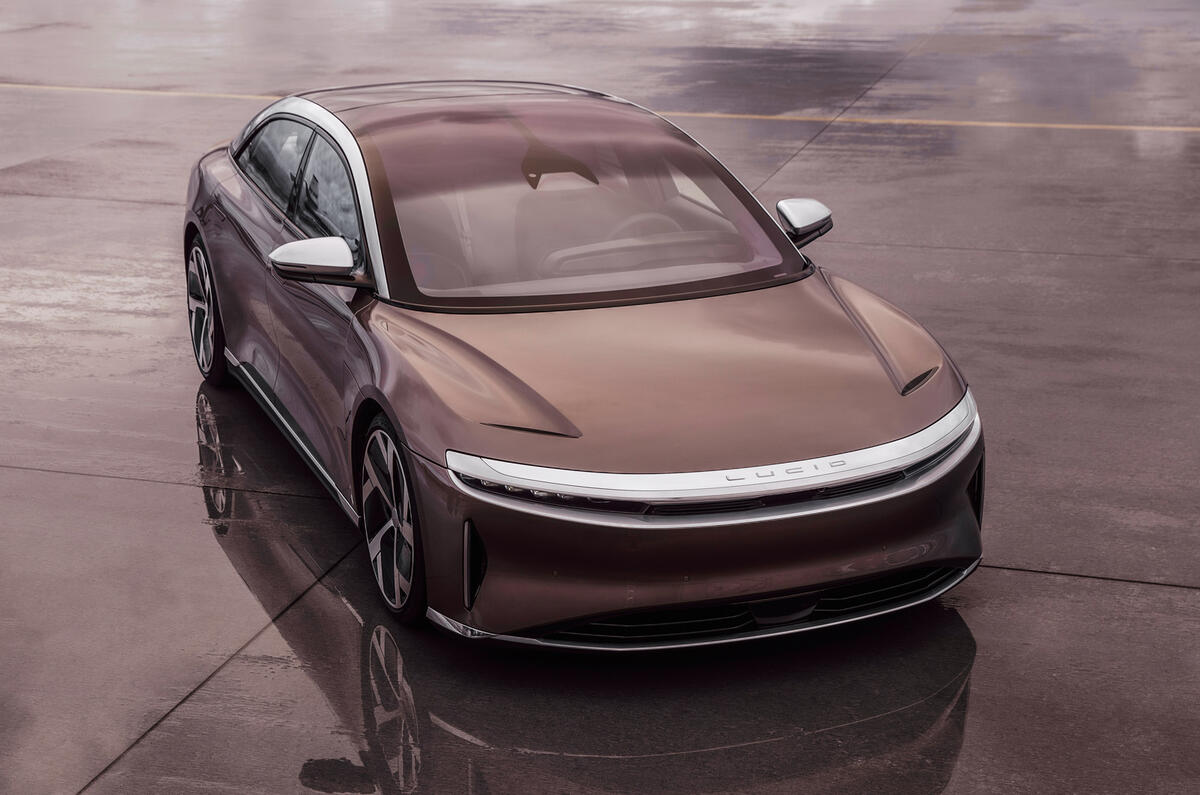
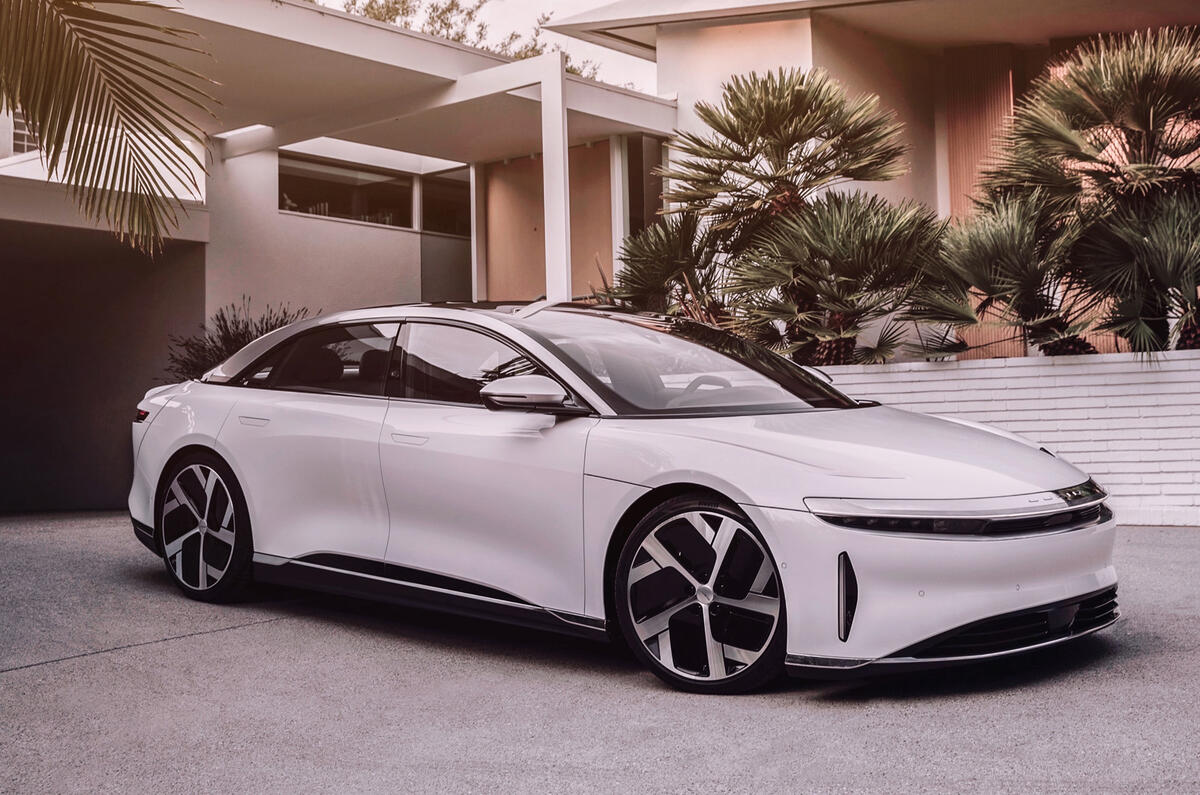
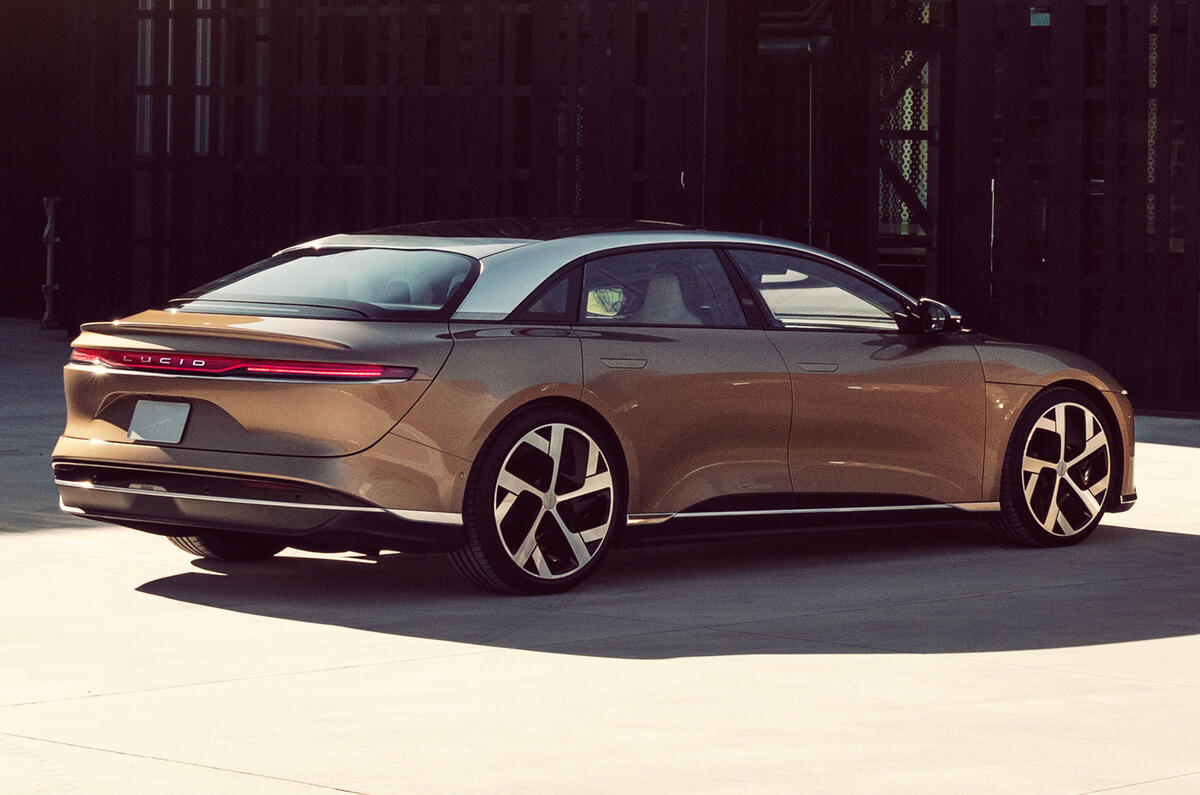
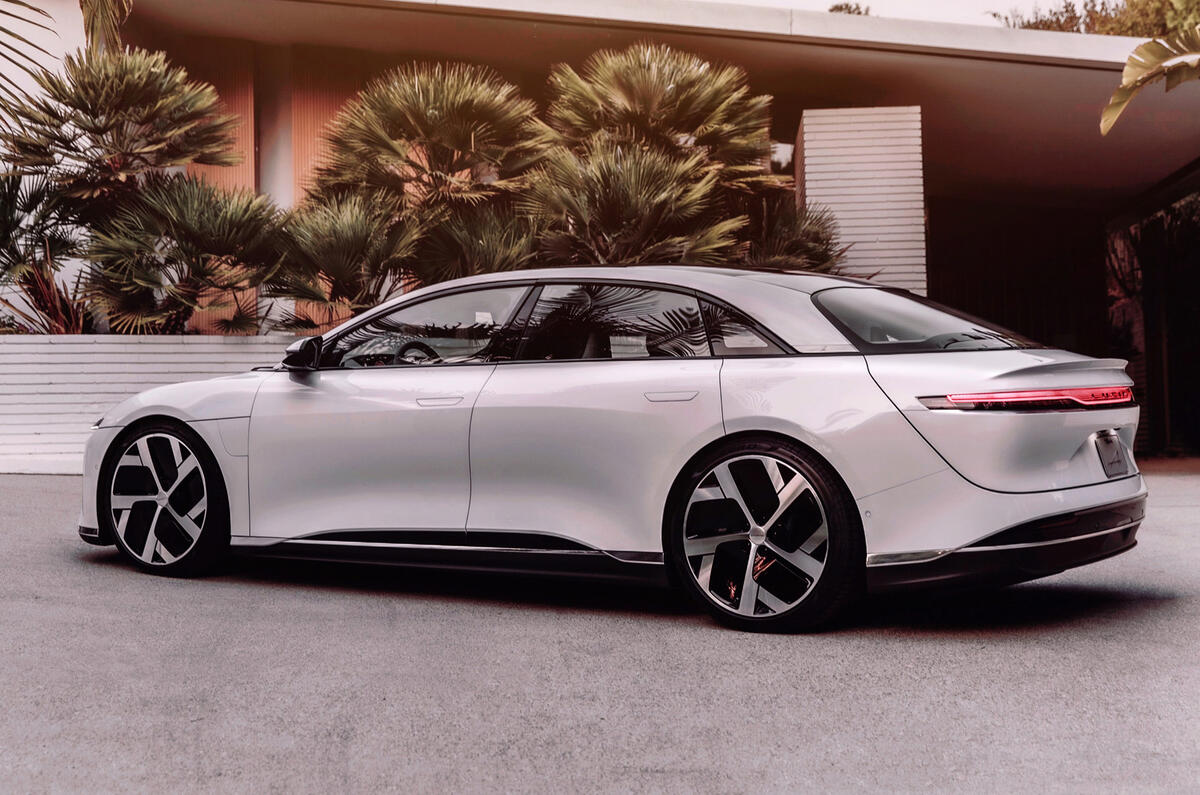
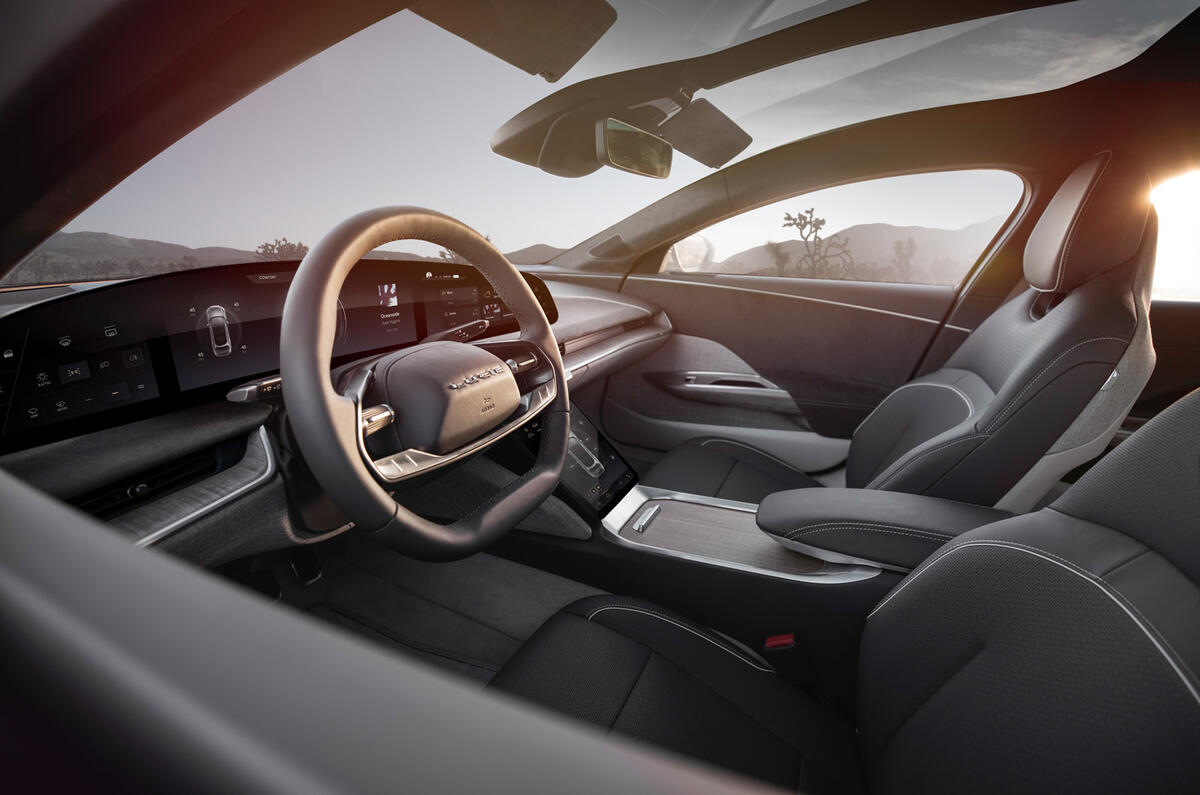
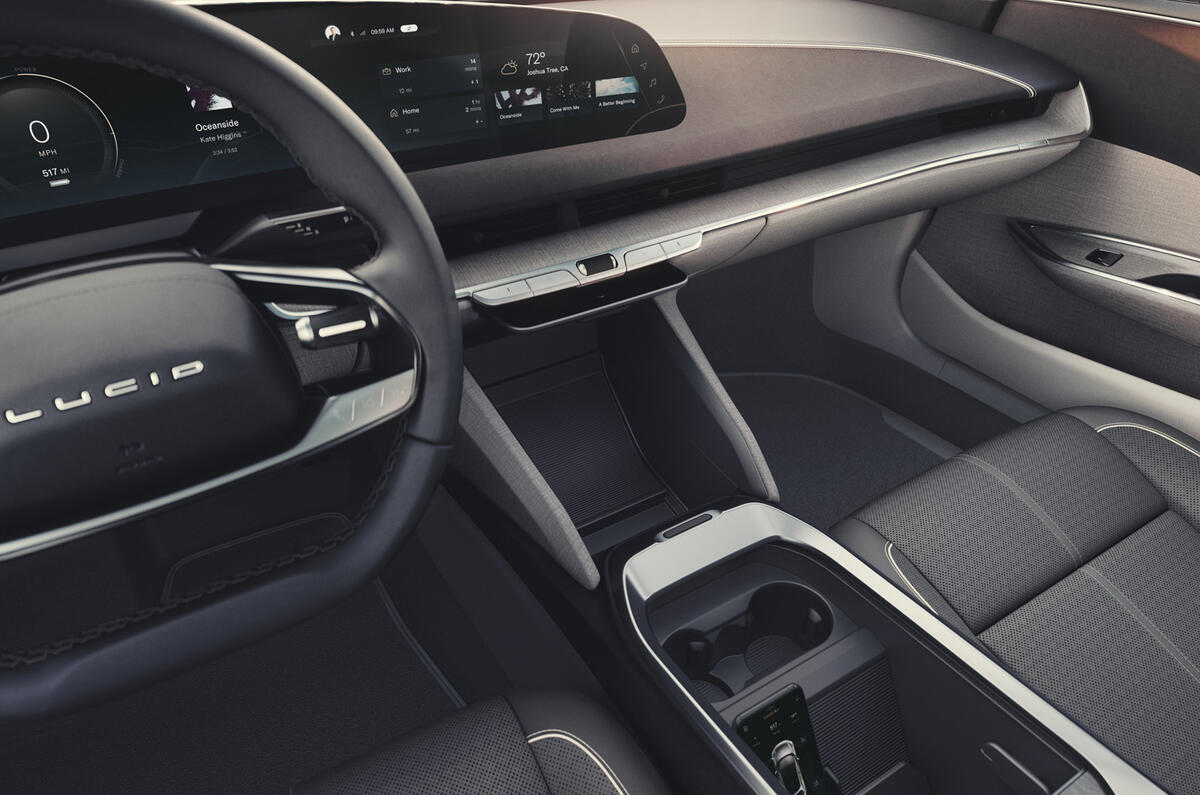
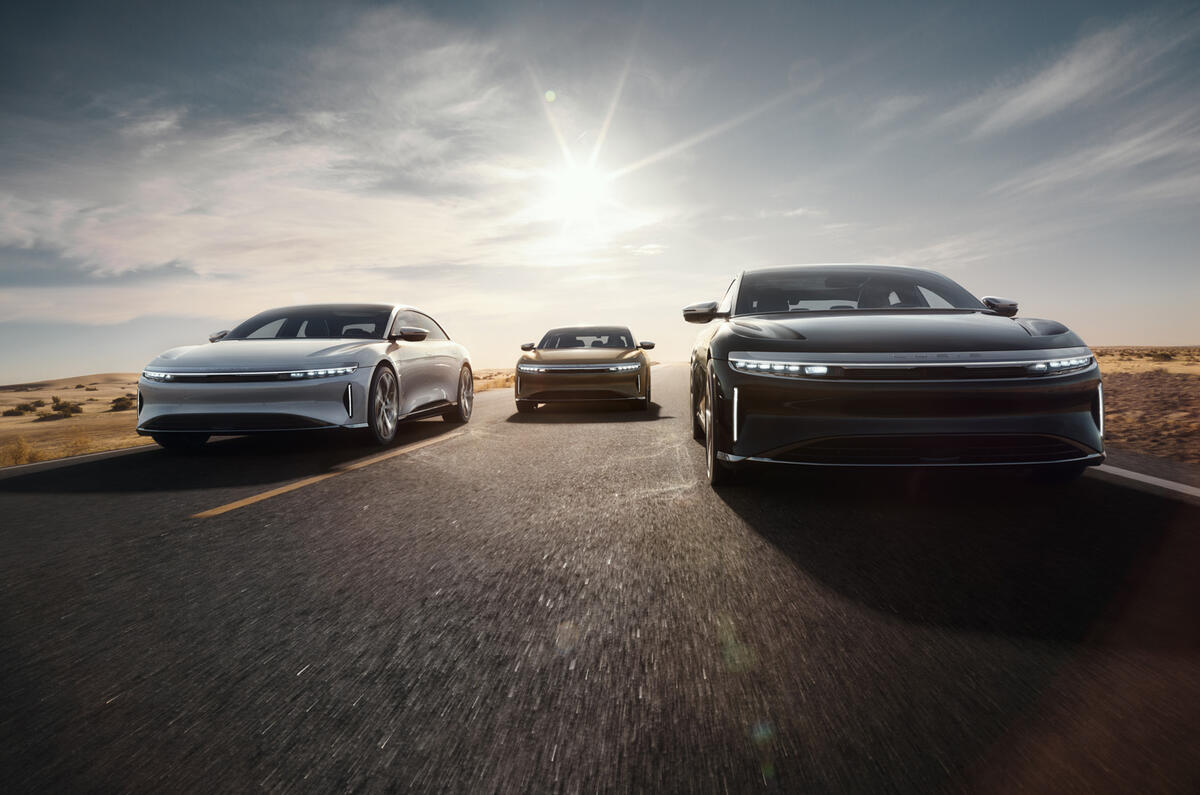
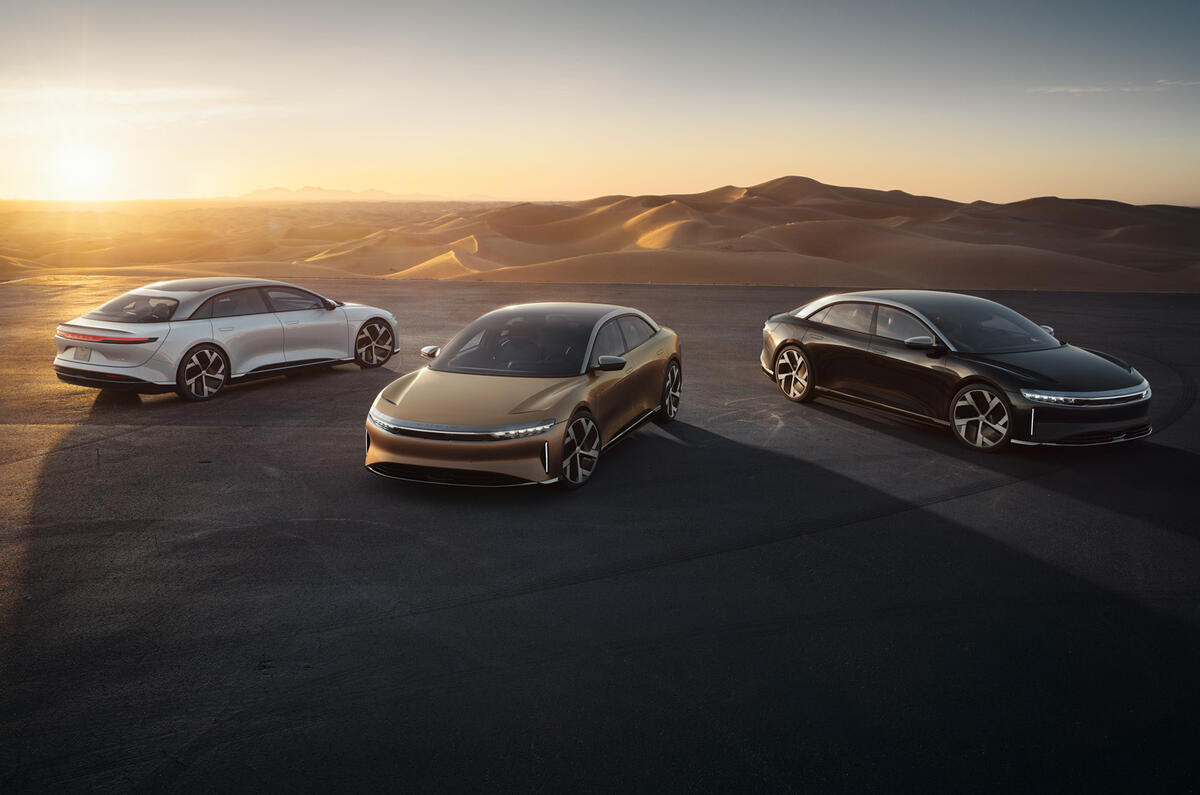
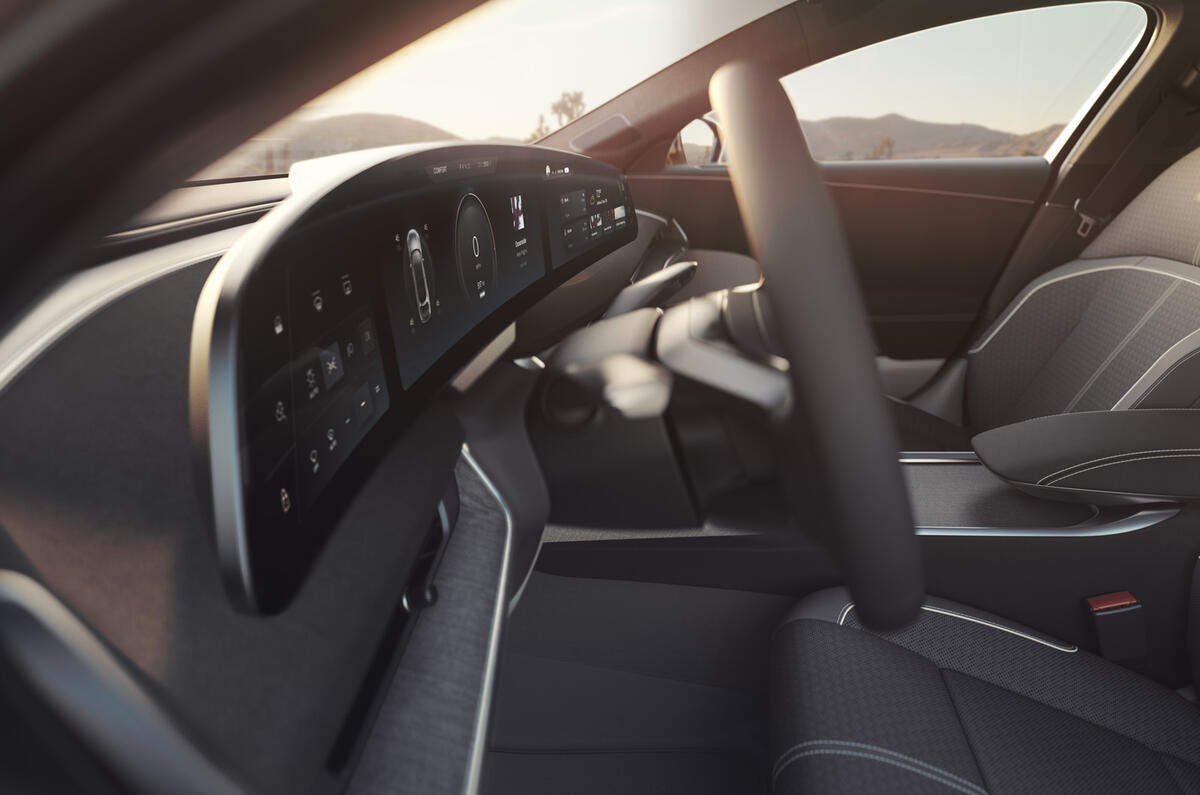
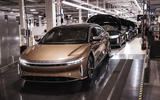
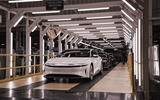
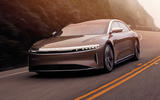
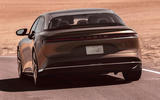
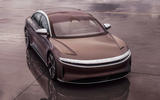
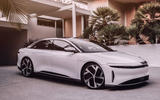
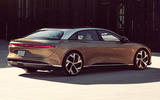
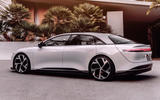
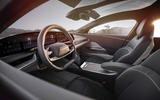
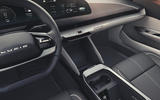
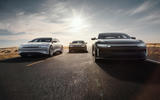
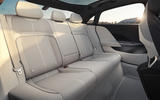
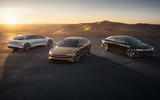
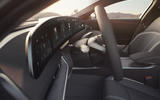
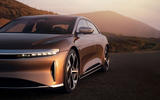
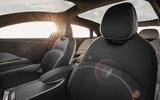
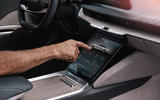
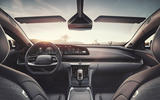
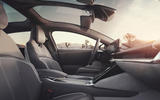

California-based EV start-up Lucid has begun production of its Air saloon, an electric performance saloon with up to 1065bhp and a claimed maximum range of more than 500 miles.
The first cars off the line are the top-spec, limited-run Dream Edition models, which will be with their customers at the end of October. Grand Touring, Touring, and Air Pure variants will follow, with Lucid claiming to have taken 13,000 reservations already.
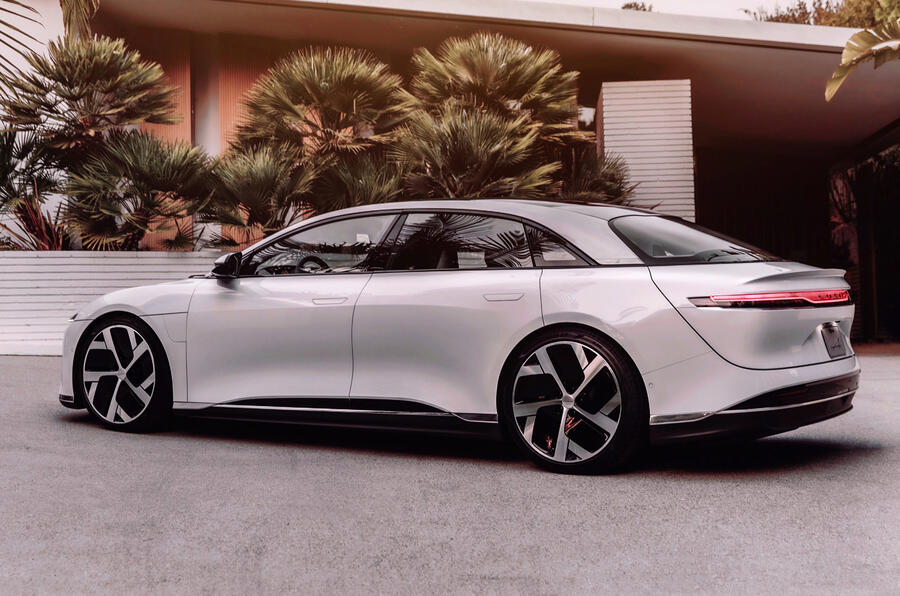
The marque’s debut model is claimed to be “the most aerodynamic luxury car in the world”, with a drag co-efficient of just 0.21 - 0.01 less than the new Mercedes-Benz S-Class, for reference. With an (unrestricted) top speed of 235mph, it will be the fastest electric production car on sale.
Lucid said the Air can cover a quarter-mile sprint in as little as 9.9sec, making it the first electric saloon to break the 10-second barrier, and adds that it can achieve this feat on a “consistent, repeatable basis”.
The Air will be available in four trim levels to start with. The standard car, available from $52,100 (£40,040) including the US’s EV tax credit, uses a single electric motor to send 395bhp to the rear wheels and is capable of a claimed 240-mile range from a 75kWh battery pack supplied by Samsung.
The Touring model bumps power up to 612bhp, range to 406 miles and the list price to $87,500 (£67,250), while the Grand Touring packs 789bhp, costs $131,500 (£101,060) and is capable of 516 miles on the US market's EPA consumption cycle.
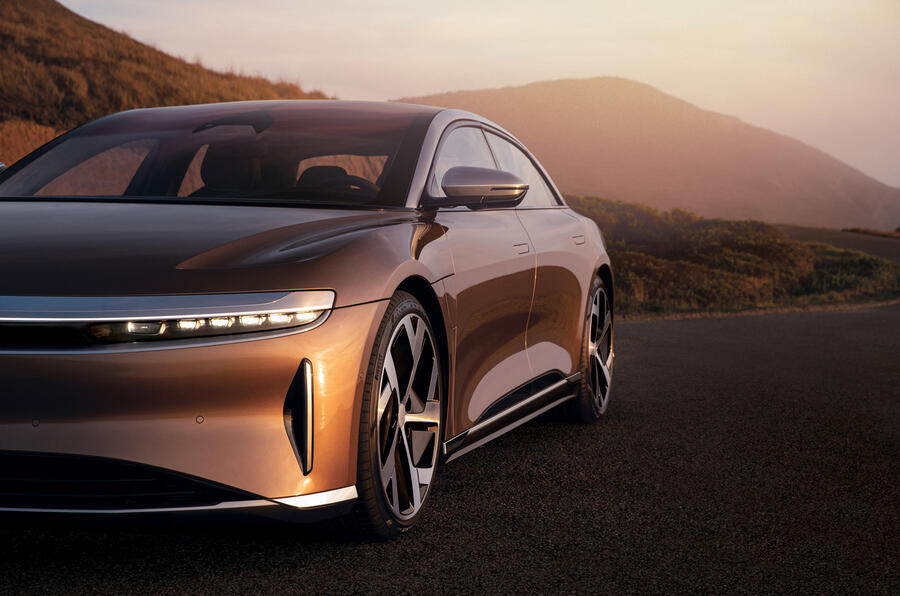
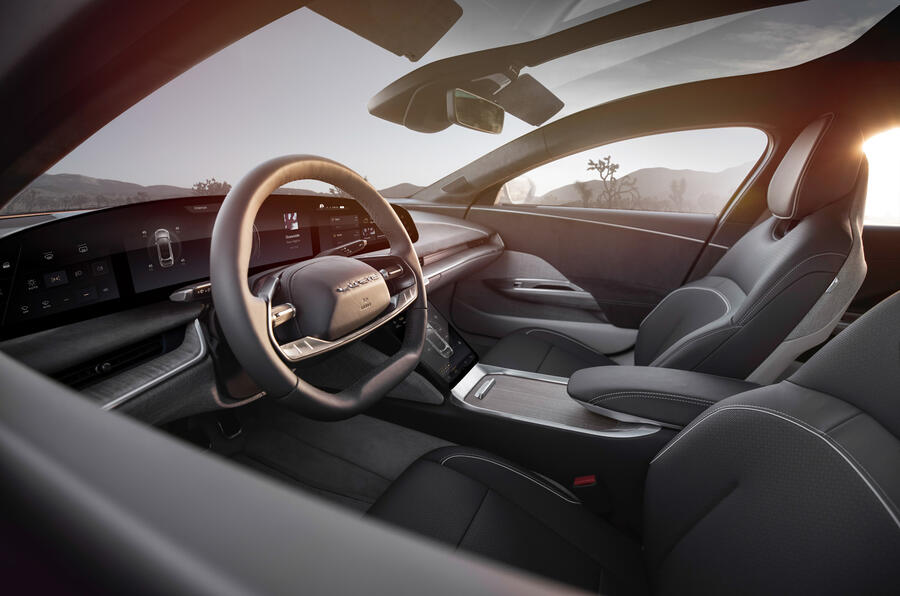
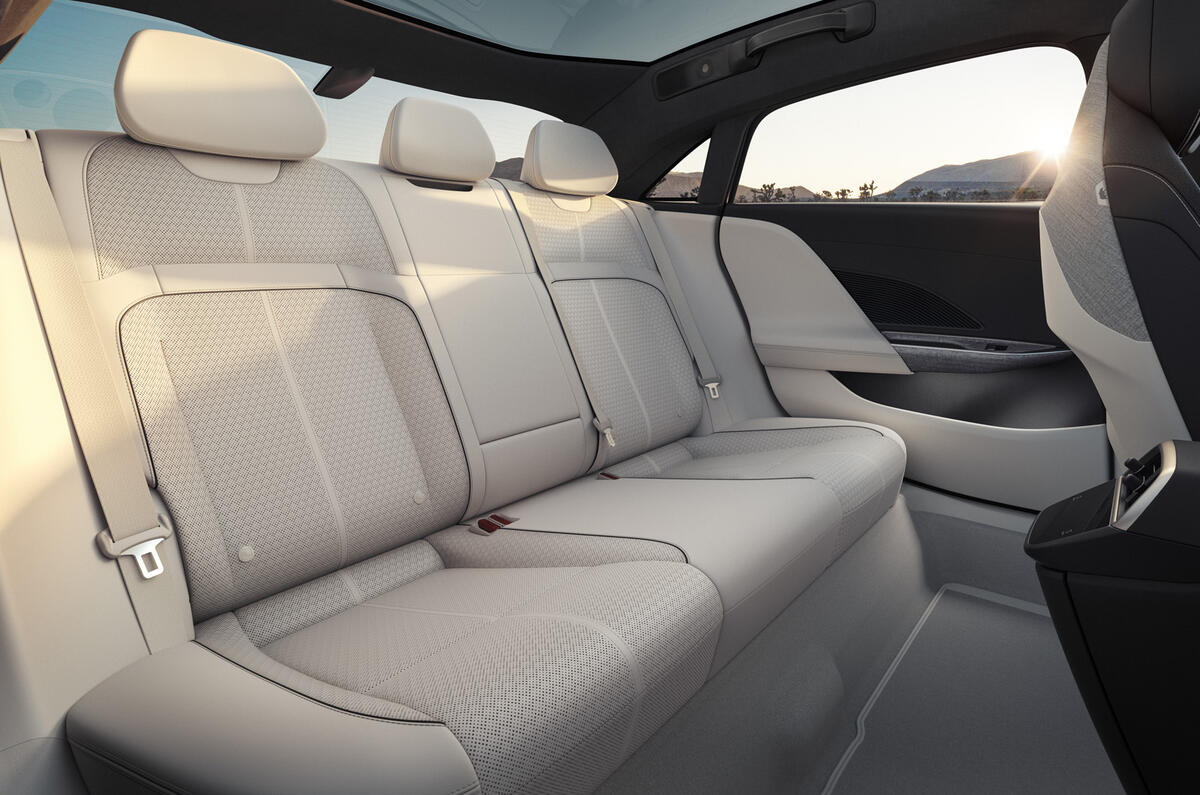
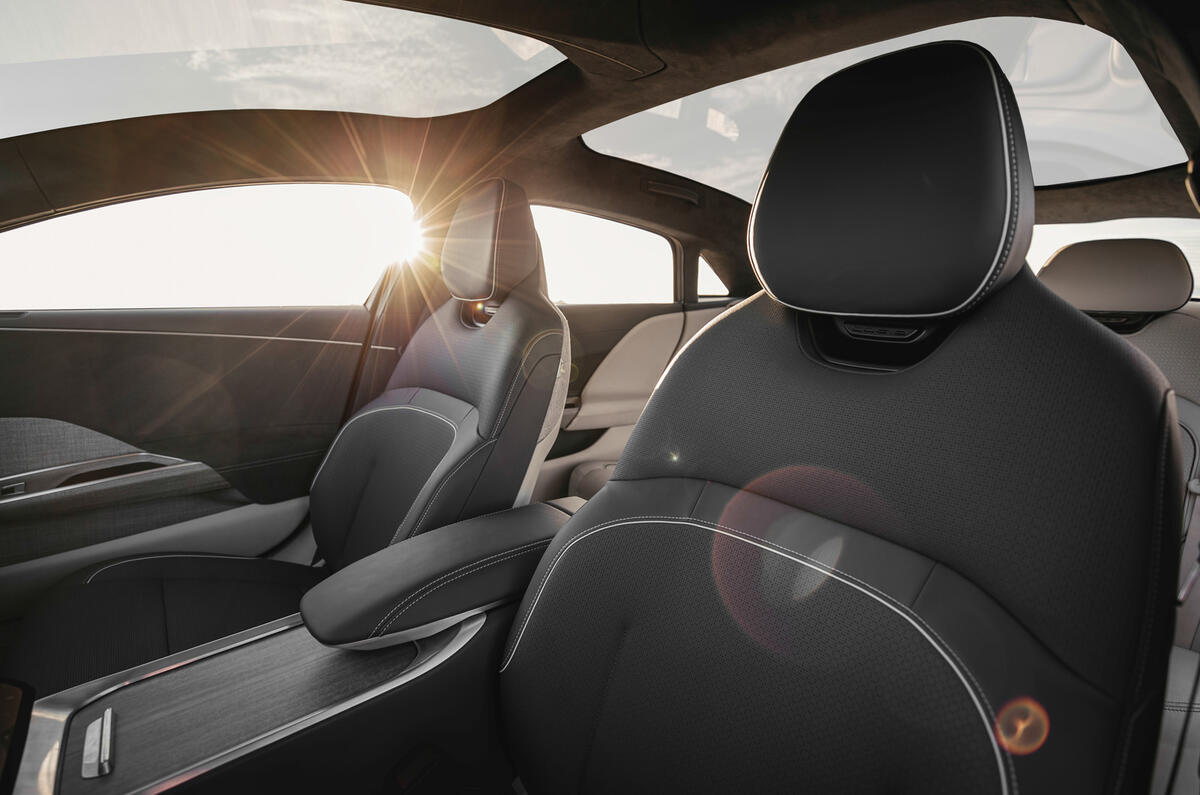
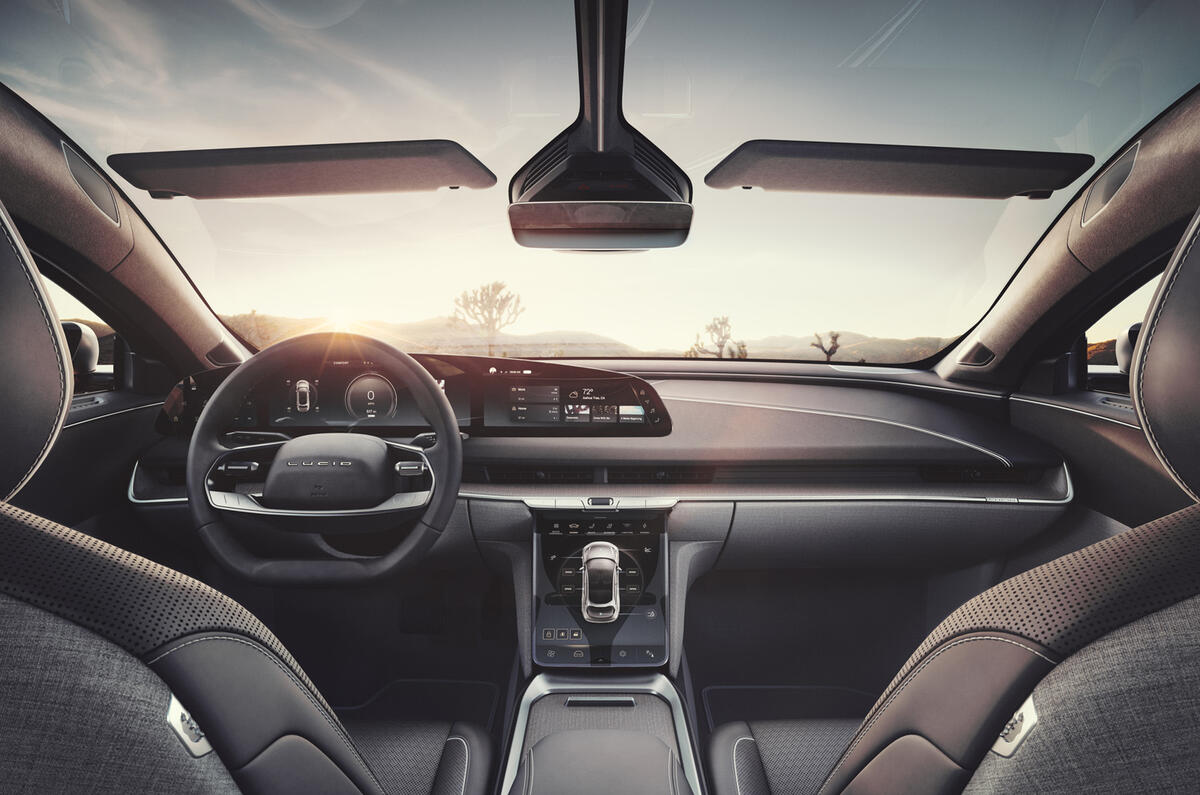
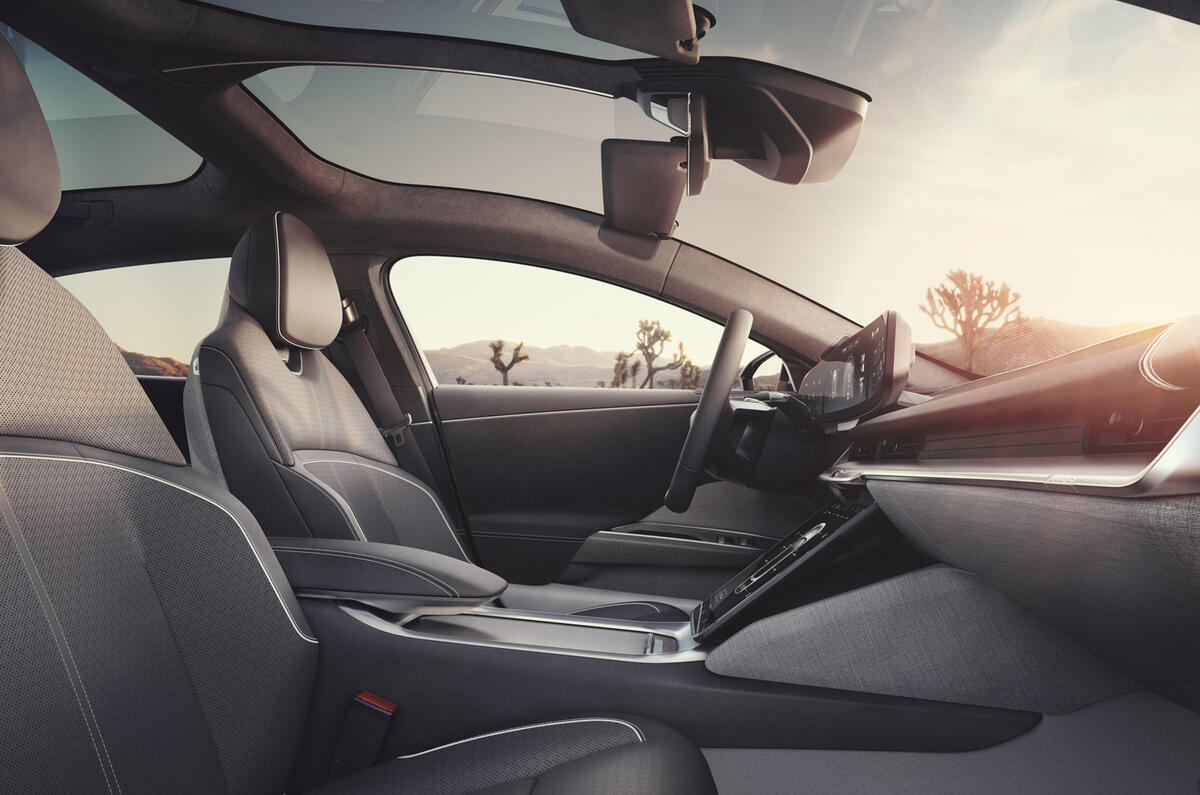
The full 1065bhp output is restricted to the $161,500 (£124,130), four-wheel-drive Dream Edition, which is capable of sprinting from 0-60mph in 2.5sec. It also brings a bespoke interior design trimmed in leather and eucalyptus wood, and a set of unique 21in wheels. Just 520 examples will be available – a nod to its 520-mile claimed range.
All variants are claimed to be capable of recuperating 300 miles of range in just 20 minutes at a DC fast charger, making the Air “the fastest-charging electric vehicle ever offered”, according to Lucid.
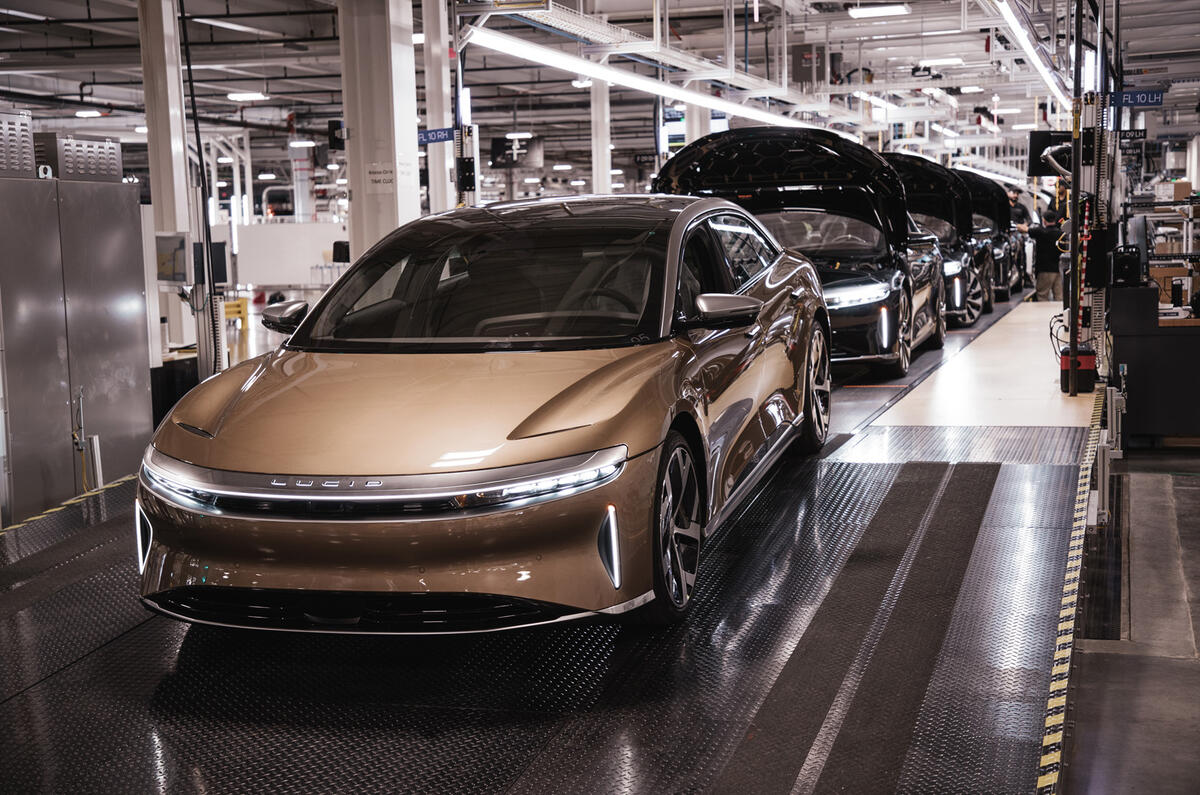
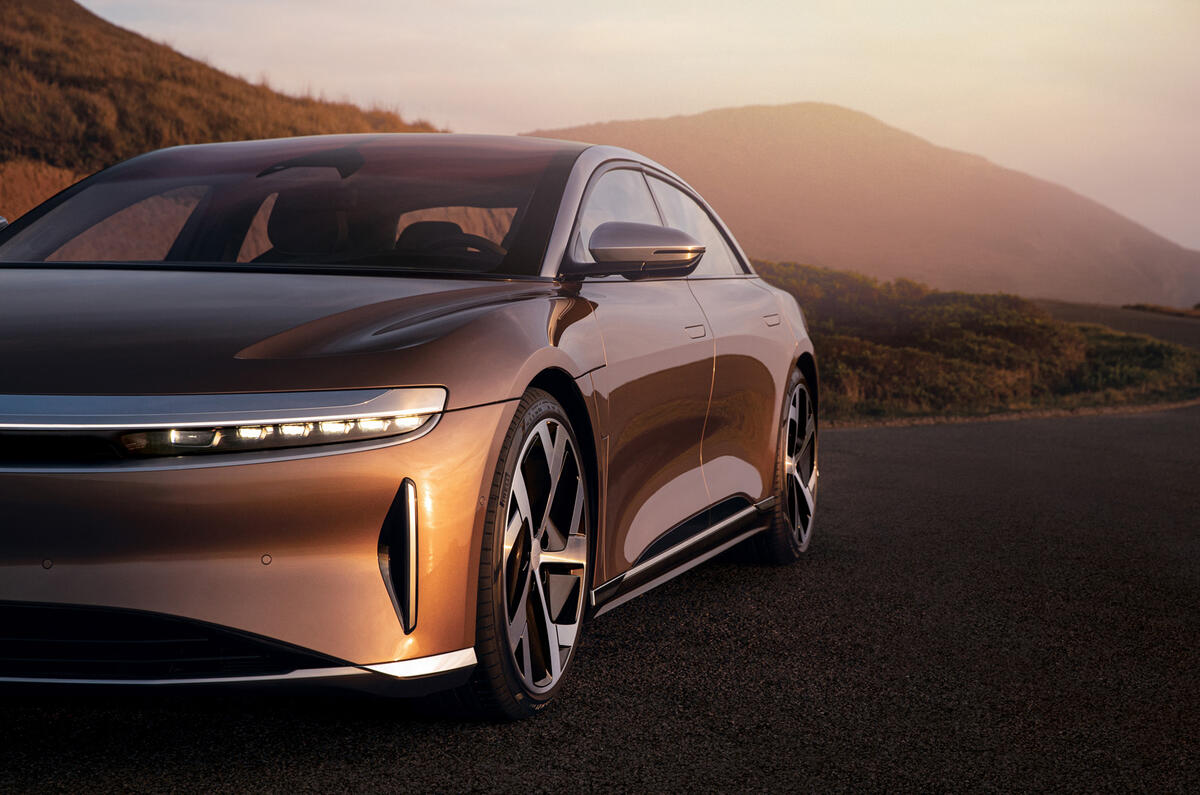
The Air has been brought to production largely unaltered from the futuristic prototype first displayed in 2016, and retains its distinctive wraparound front light bar, which uses a ‘micro lens array’ system comprising thousands of individual, digitally controlled ‘light channels’ to offer bright, precise and flexible illumination.