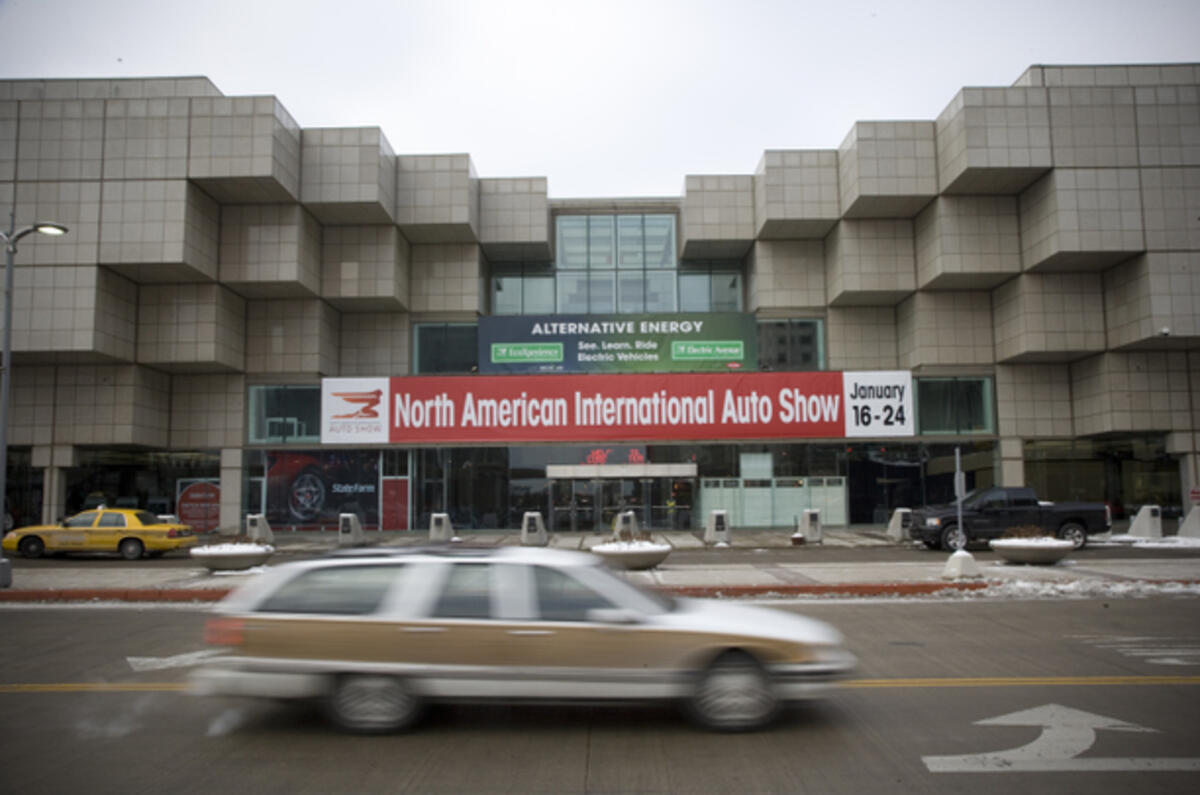
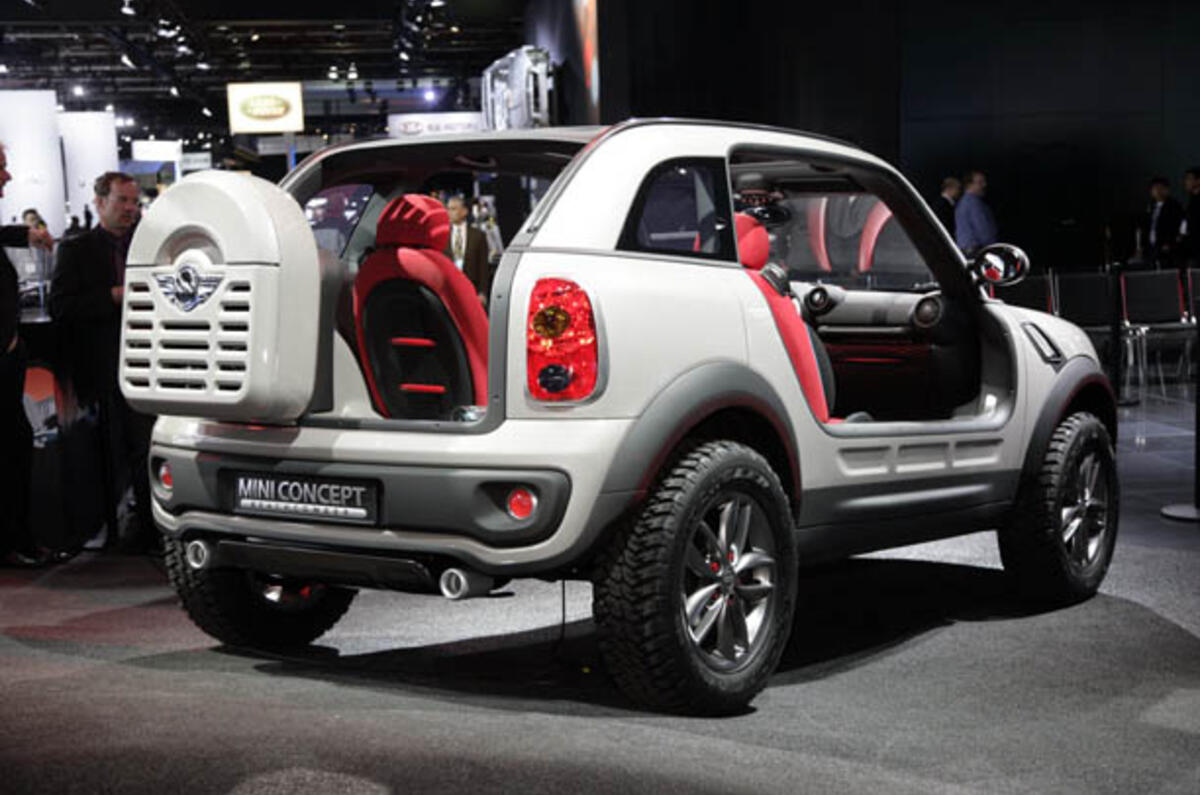
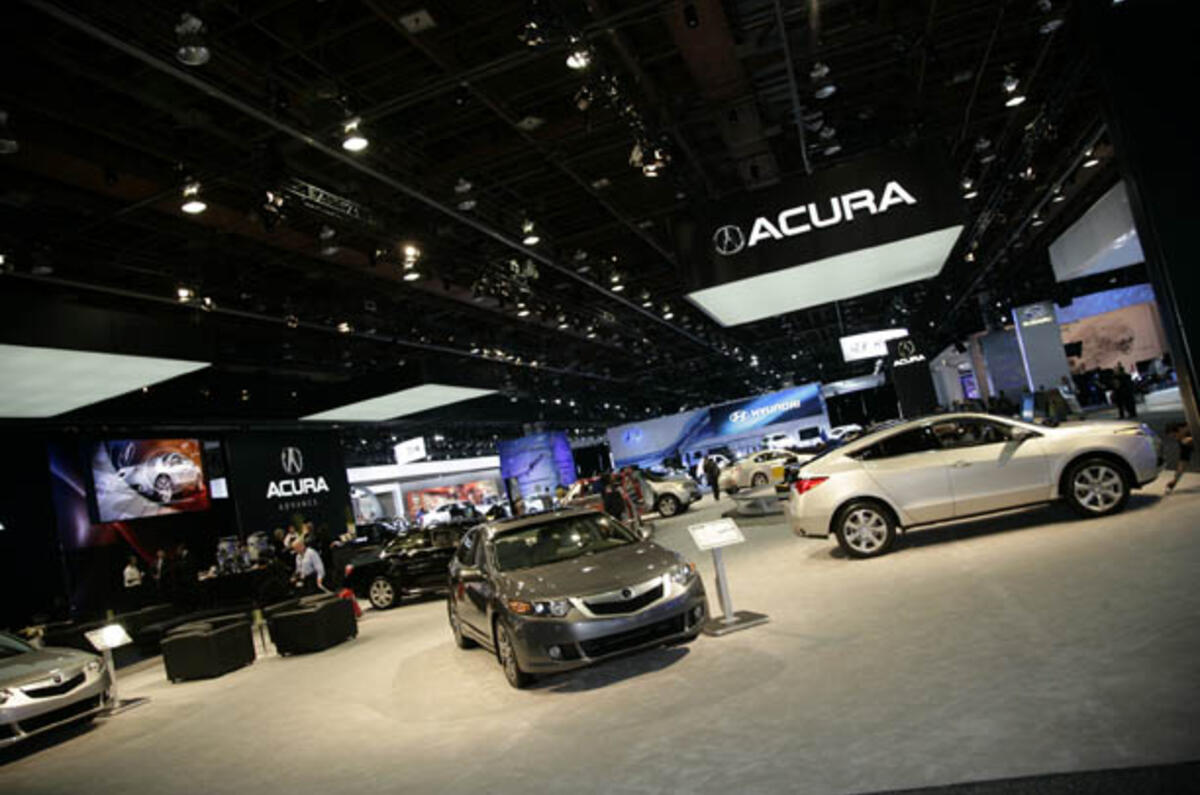
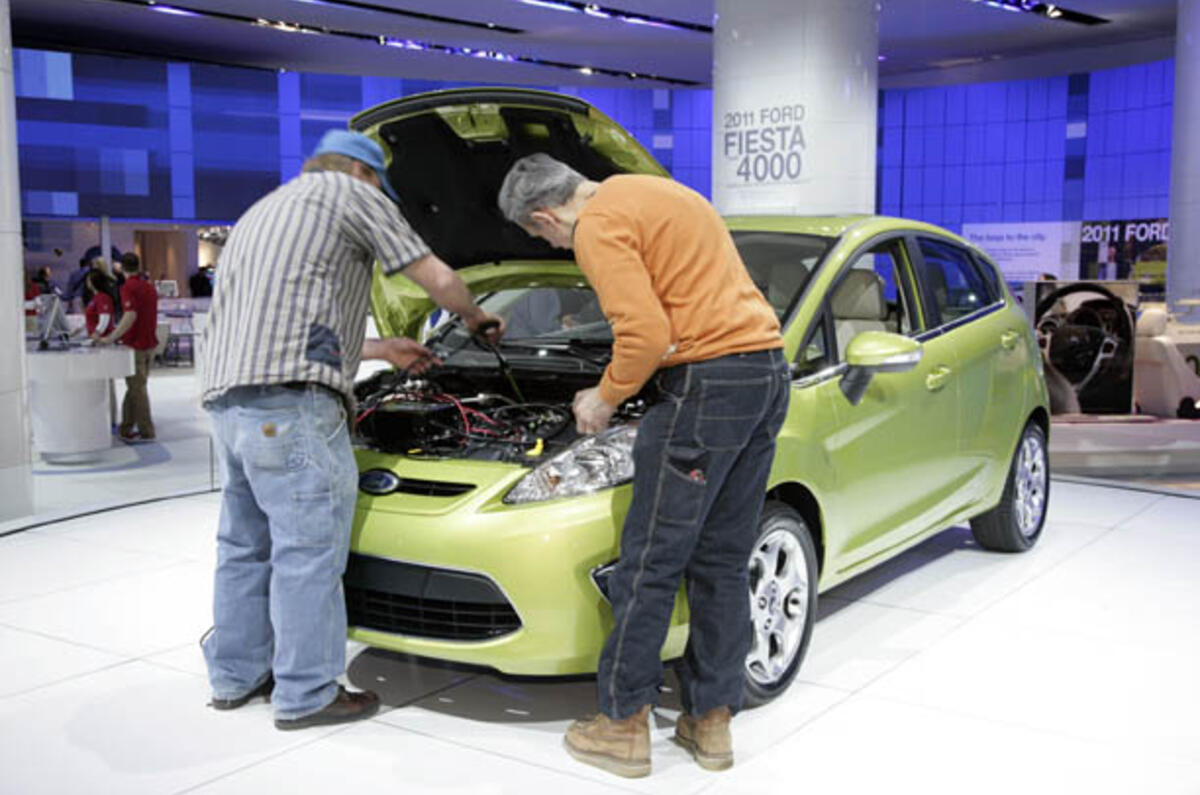
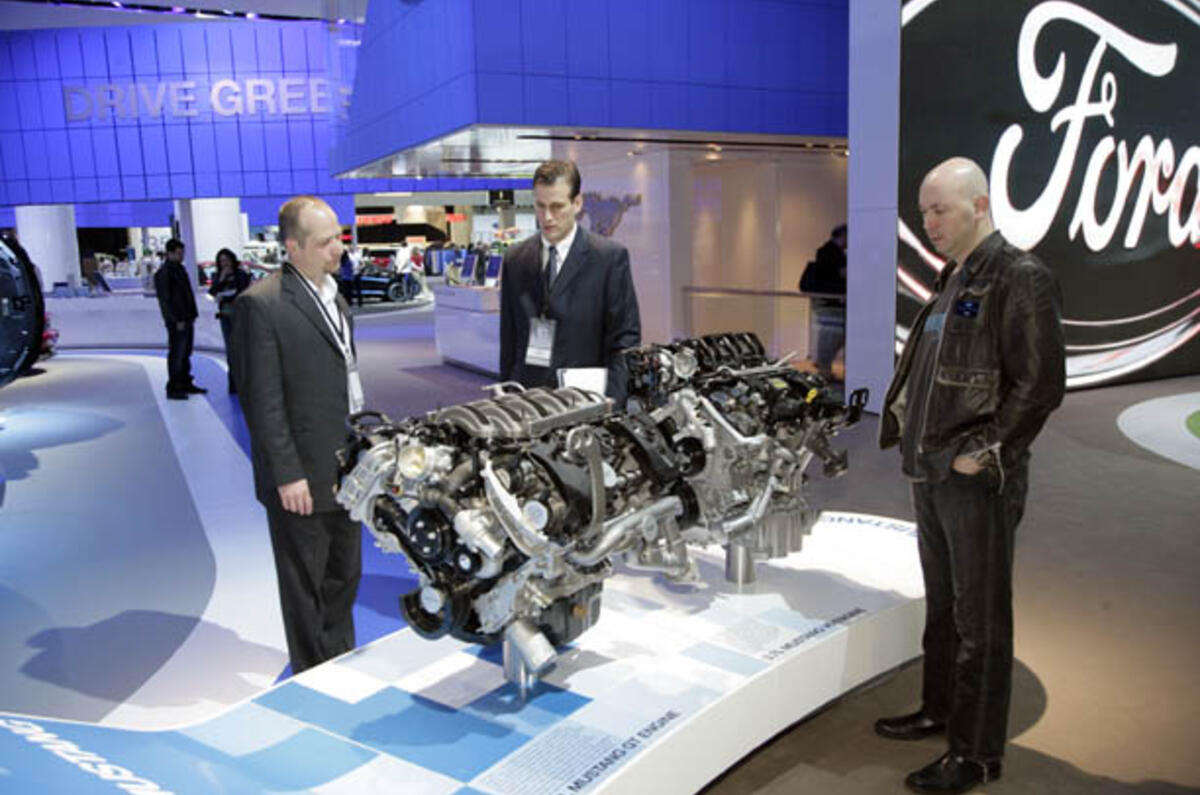
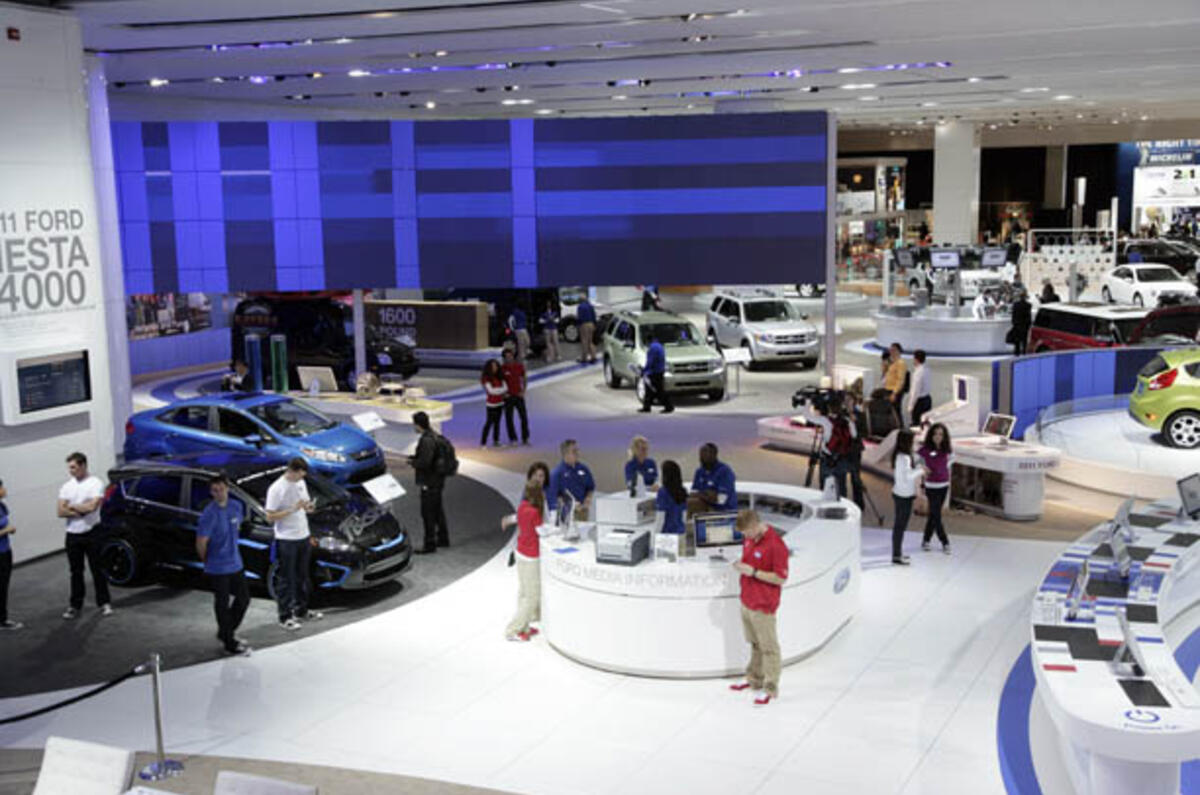
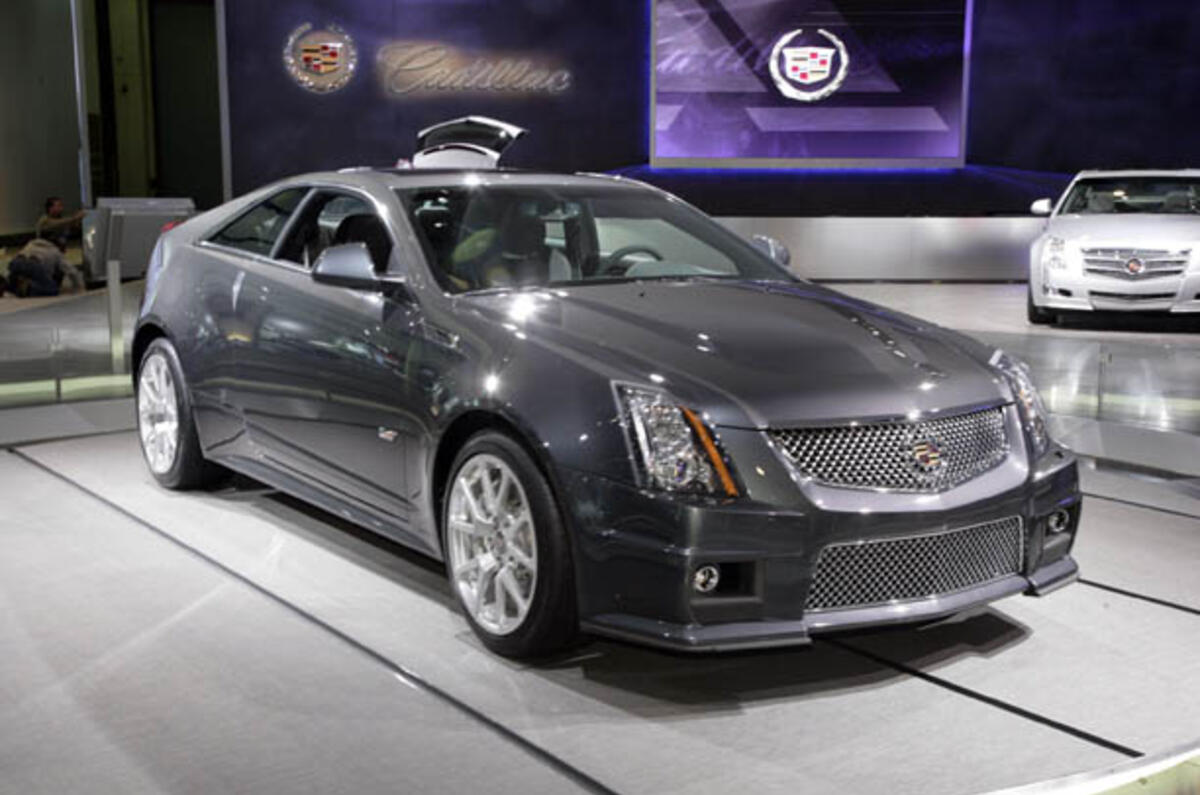
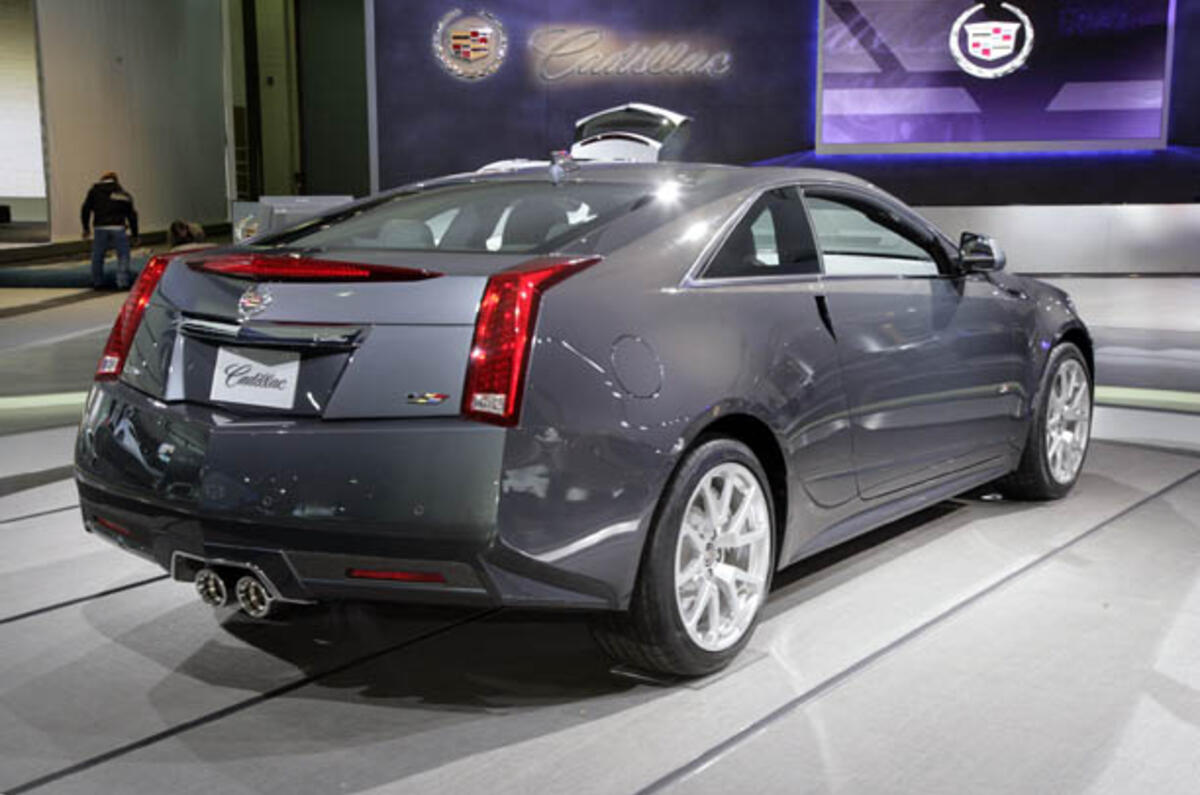

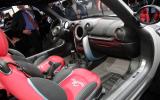


Ask yourself the following question: what would you have said a year ago if you’d learned that in 2010, at the Detroit Motor Show, the latest Ferraris and Maseratis would be exhibited as part of a vast Chrysler group exhibit, with Ram trucks on one side, Jeep off-roaders on the other, and a new Lancia Delta – familiar except for its new Chrysler badge and grille – would be parked just yards away on the same piece of carpet?
Obviously, you wouldn’t have believed it. Yet this week in the Motor City it happened. Such have been the monumental changes in the car industry this past 18 months that practically anything seems possible.
See the latest videos from Detroit
Who got it right and wrong?
Fiat now controls Chrysler, but for US consumption it has to look the other way around, so the Fiat Group is using all its assets – including the great marques of Modena and Maranello – to give legs to the extraordinary new deal. It made one of the most remarkable motor industry sights of modern times, but we’d better get used to it. Mercurial Fiat chief Sergio Marchionne clearly intends to spare no resource to make his dubious enterprise work (where mighty Daimler failed) though he did seem err badly on the first day of the show by hob-nobbing too long with visiting US politicians and failing to turn up at a scheduled call for local press and TV, leaving slighted hacks spitting chips. He now has fence-mending to do.
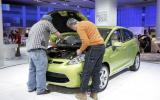
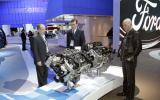
Ford, by heavy contrast, got it exactly right. They used the hugely popular architect of their strengthening sales and fiscal recovery, Alan Mulally, to unveil the undoubted star of the show, a very pretty and very plausible third generation Focus, and then announced that both the regular (albeit very frugal) versions and a new battery-powered model would be manufactured right there in Michigan from late 2010 – because cost-cutting efficiencies and a new deal with the United Auto Workers union have made the manufacture of cheaper cars viable in the US again.
The Focus makes its appearance just as Americans are deciding that they really must embrace smaller cars for good (Ford marketeers expect a high proportion of F-series pick-ups as trade-ins) and as the price of petrol takes a climb from which there will be no return.
Detroit industry analysts (some looking down-at-heel because the industry has decided it can do without them) say Ford is benefiting greatly from positive buyer sentiment, as the only one of the American Big Three not to have taken bail-out billions from the US government. And to have a simple, plausible and already-half-delivered ‘One Ford’ plan which will bring Europe’s Fiesta, Focus and Mondeo – and their offshoots – to the US more or less unaltered. By contrast GM’s stand was as quiet as a grave, even though it contained a decent-looking Aveo RS and the GMC Granite, a very promising MPV concept based on the Chevrolet Orlando.
Europeans left in the shade
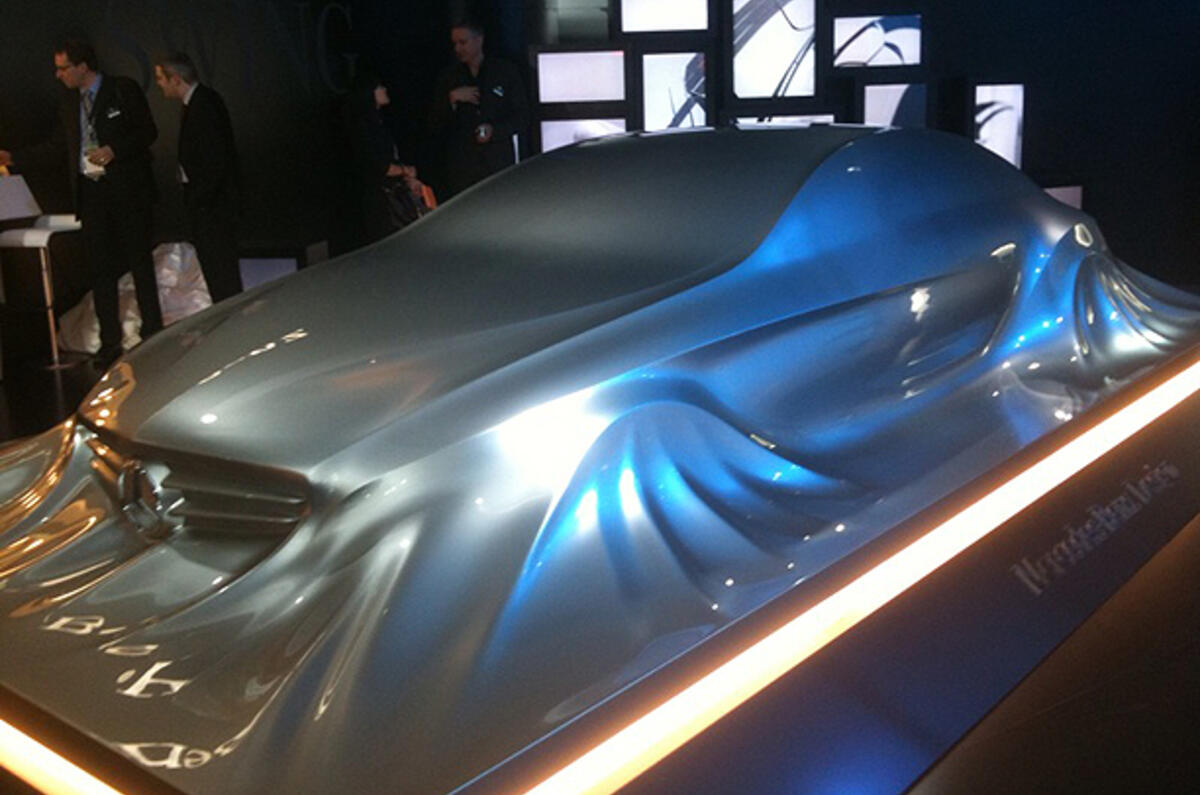
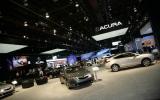
Though America seems to be warming again to European design (GM also trumpeted a new Buick Regal, which is actually a turbocharged Opel/Vauxhall Insignia) the European marques themselves were bit players at 2010 Detroit. Bentley’s Mulsanne looked impressive, but not quite as good as the standard-setting Rolls-Royce Ghost. Audi revealed a TT-sized mid-engined electric coupe, VW showed a pretty two-door Jetta and BMW has the electric 1-series, but all were out of the mainstream. There was a pretty Yaris-sized Toyota concept and a production-ready Honda CRZ hybrid (disappointing after the exuberance of the much-disoplayed concept) and Kia and Hyundai did their best.