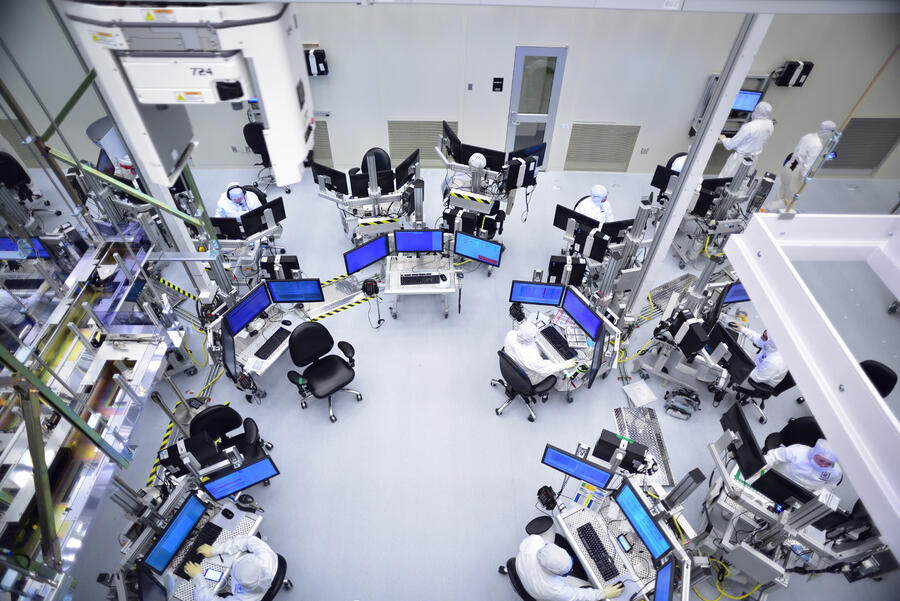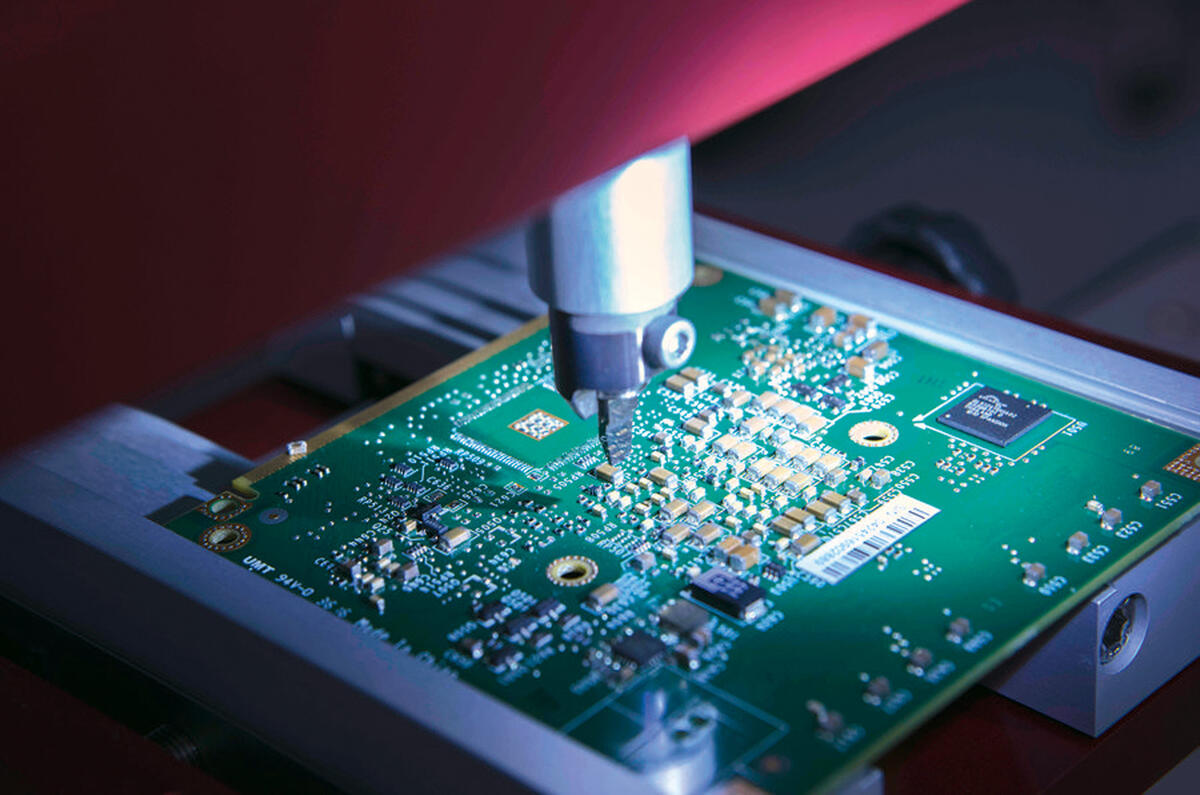
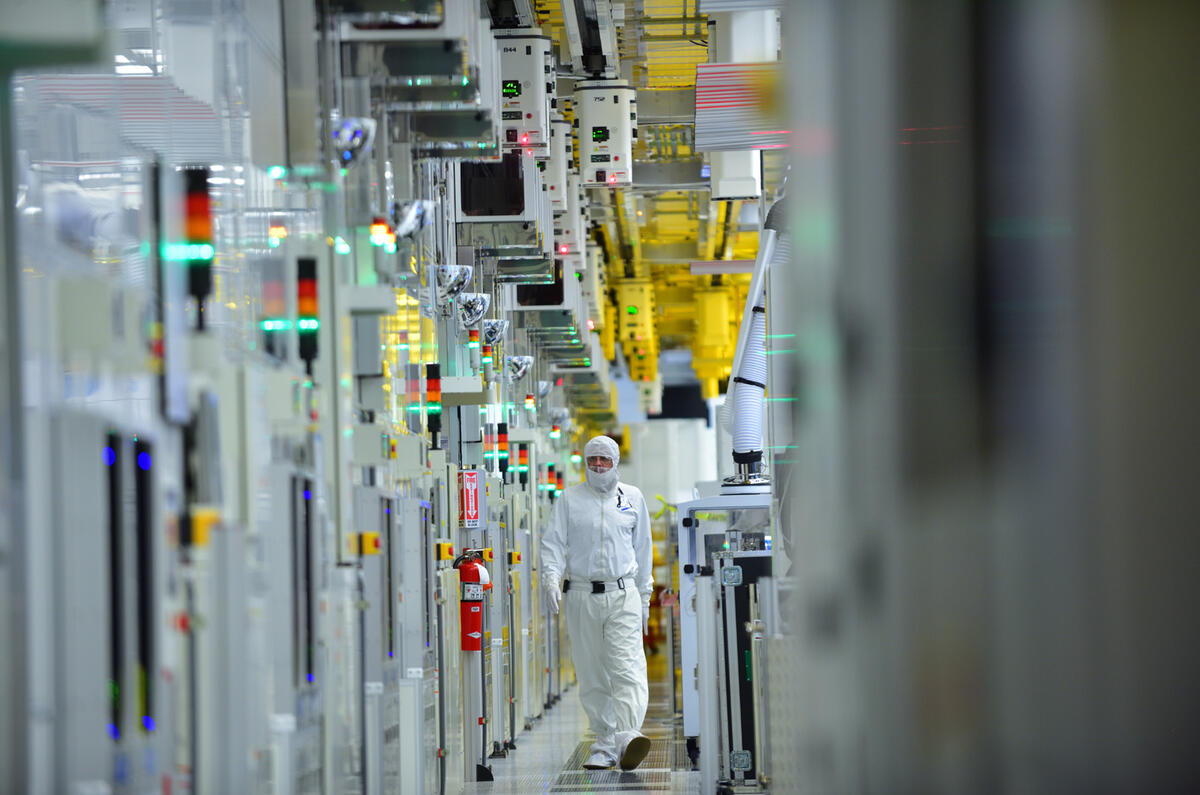





Twelve months ago, most people wouldn’t have heard of semiconductors. But now they dominate the topic of conversation for car makers, with the global shortage affecting factory production at most car firms.
It couldn’t have come at a worse time, just as the car world was trying to bounce back from the effects of the pandemic. Autocar Business Live recently ran a webinar on the topic, with guests Mike Hawes, CEO of the Society of Motor Manufacturers and Traders, and Ian Henry, an industry analyst and owner of AutoAnalysis.
Why are semiconductors so important to car manufacturers?
MH “It’s almost getting to the stage of what doesn’t it do. The obvious thing is what a driver will see, in terms of the infotainment and what’s behind that. But beneath the bonnet and beneath the shell of the vehicle, they are controlling thousands of systems.
“People associate it with the shift in autonomy and connectivity that’s taking place, and it’s also about engine management and emission controls, safety systems and increasingly – as we go towards electrified vehicles – power control technologies become critical. I think the averagecar has 1400-1500 chips and some of them are up to 3000 now. If there’s a shortage, you can see how endemic that is to the vehicle, never mind the industry.”
How did we get to this point?
IH “It began a bit over a year ago when we had all the shutdowns in the industry. Car companies cut their parts ordering across their whole supply chain because they didn’t want a build-up of stock.
“Then when production volumes began to pick up and the car companies went back to their suppliers, they discovered that because everyone was working from home and buying more phones and more laptops, the chip industry had switched capacity utilisation from the auto sector to tech. I think the car industry was caught having taken its eye off the ball.”
MH “Globally, the automotive industry takes about 15% of semiconductor output, whereas personal electronics are something approaching 50%. So you can see if you’re a semiconductor manufacturer, especially in a pandemic, where’s the safest bet in terms of your customer base.
“We hope at some stage that balance is going to shift. You can’t continue to buy TVs and screens and games and new phones while we’re all in lockdown. But, undoubtedly, there’s no easy answer. And I think in the short to medium term, things could get worse before they get better.”