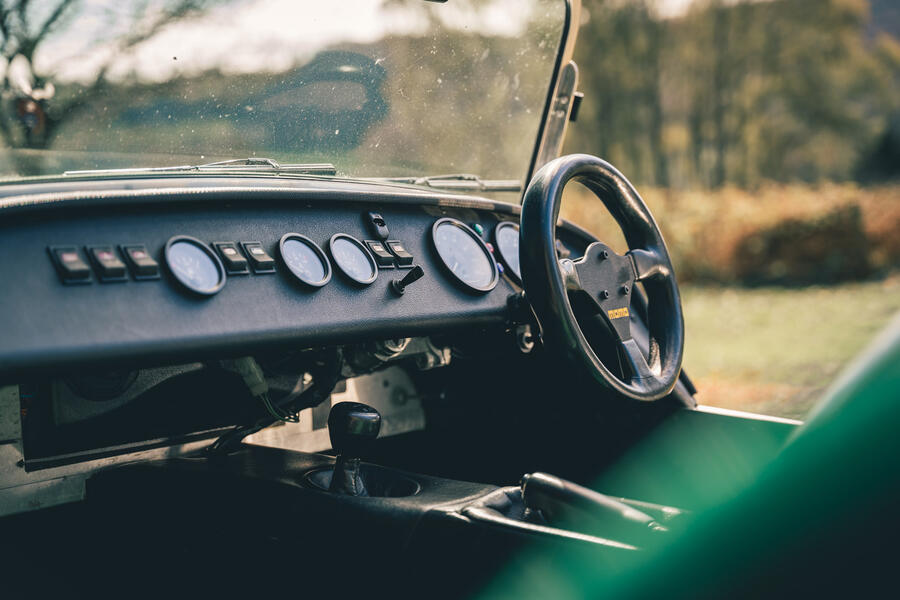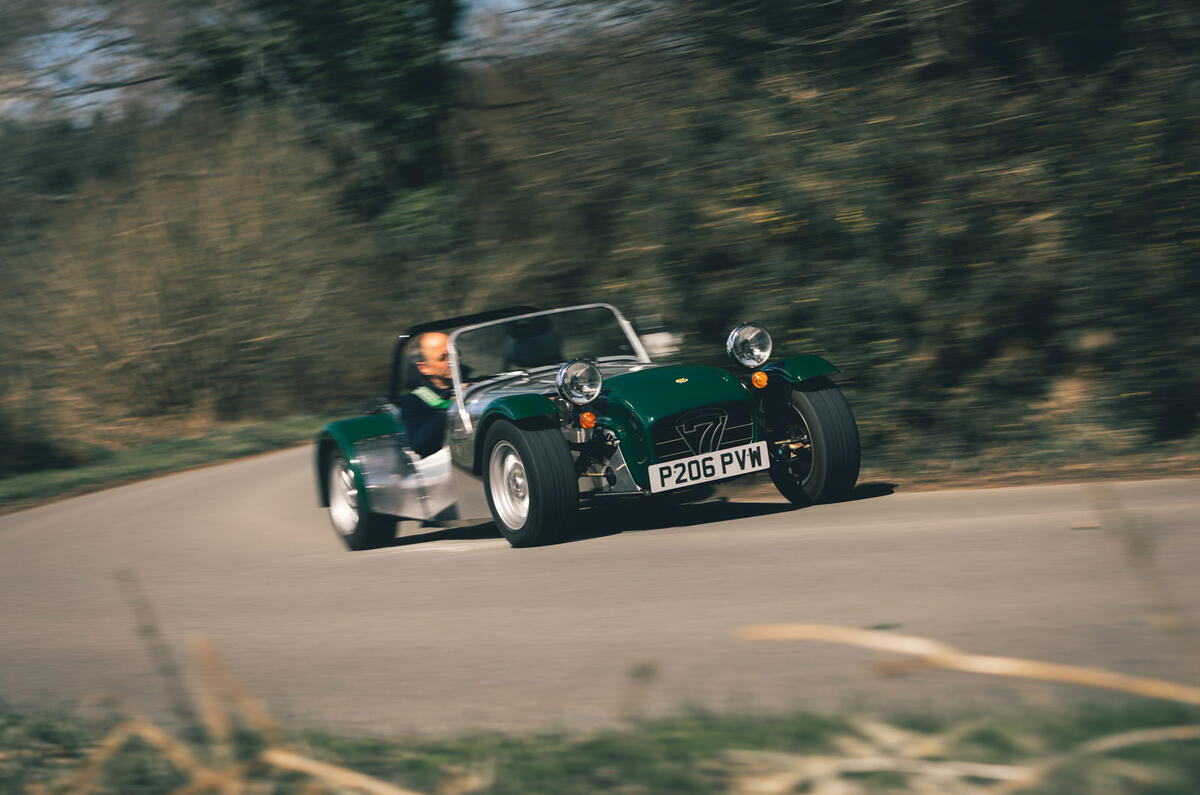
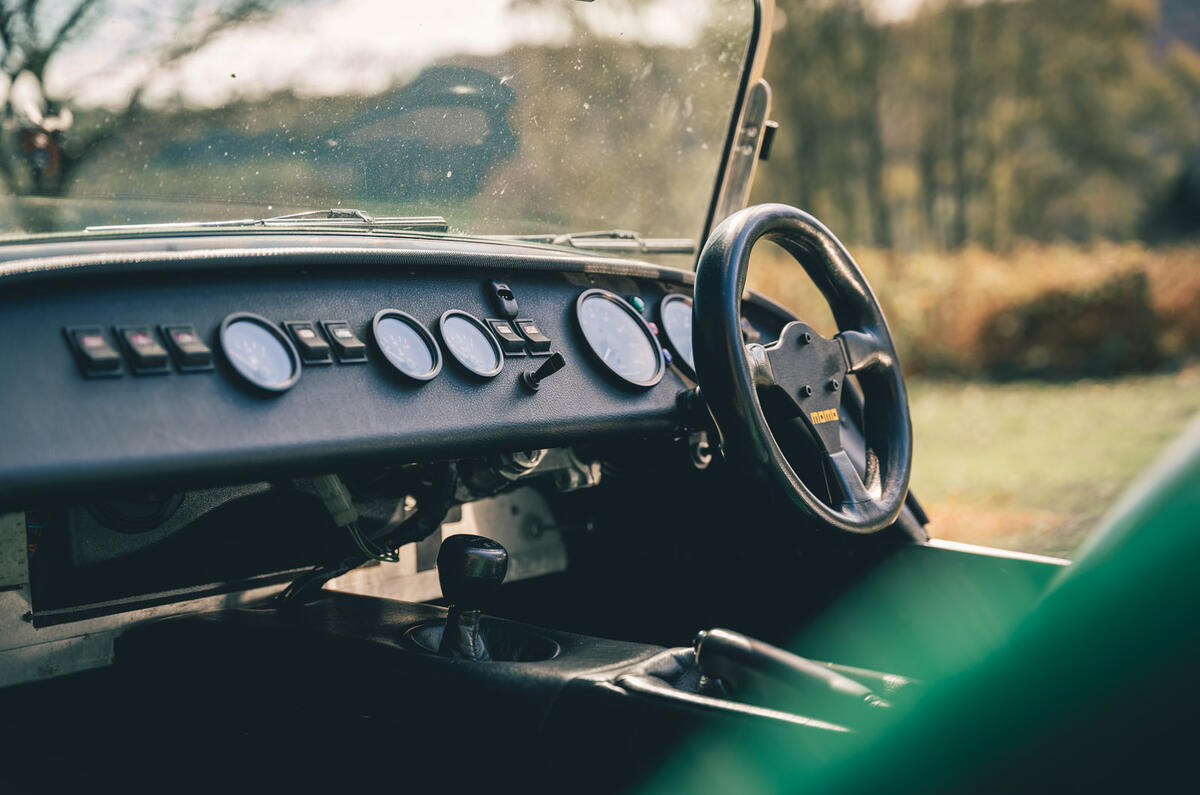
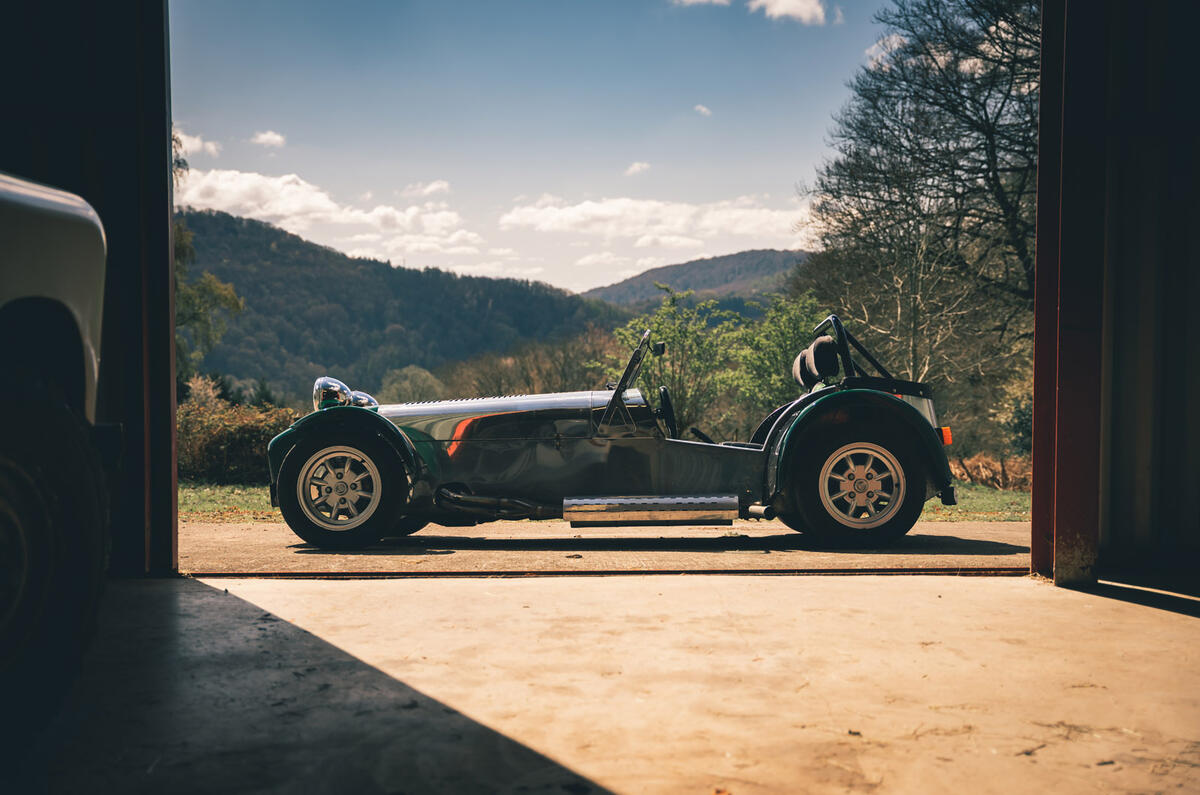
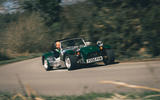


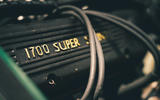



It’s some time in 1986. Your correspondent is both 20 years old and an idiot. An idiot on a race track for only the second time in his life. Three things point to impending disaster: the track is Goodwood, then and now one of the least forgiving in the land; the car is a Caterham Super Sprint, over which his gauche and inexperienced limbs exercise at best approximate control; and, fatally, he has a bunch of mates watching from the pits.
So when he comes around to the chicane at the end of his very first lap, he decides to show them what he and his car can do. Which is to reverse into an earth bank at great speed, with terminal consequences for the car. And had it not been for the helmet that he had been forced to jam on his head before heading out, undoubtedly terminal for him, too.
In the event, it’s said helmet and not the cranium beneath that splits in two as it impacts the Caterham’s low and potentially lethal (in these circumstances) old rollover bar.
That was 35 years ago; 35 years in which nothing – not owning another Caterham, building a third, racing a fourth and driving some hundreds more – has been able to remove that unfinished business from my head.
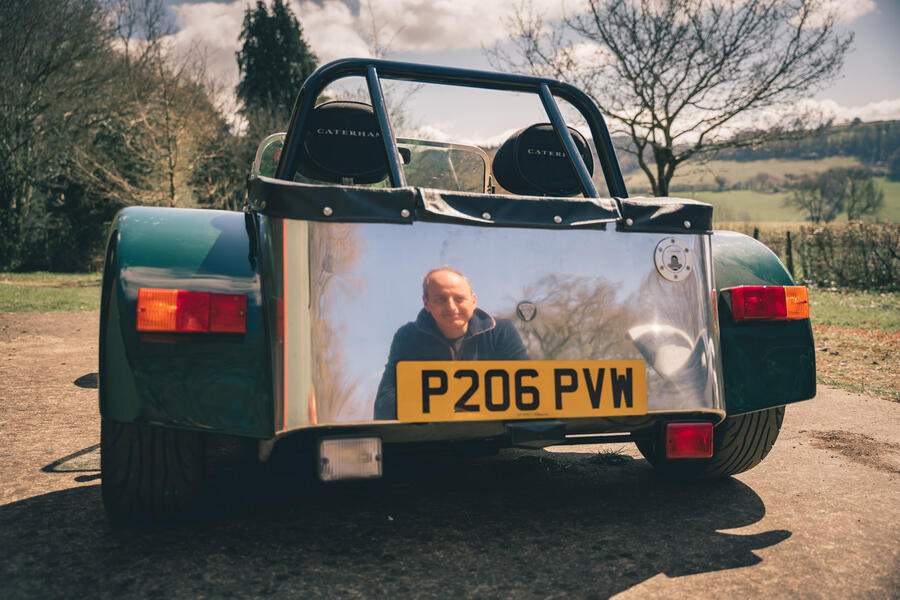
Then, last summer as we emerged from the first lockdown, I drove the new Super Seven, with its classic appearance, 135bhp output and Jenvey throttle bodies looking just like the pair of Weber carburettors that used to jut proudly from the offside of my old Seven’s bonnet.
I loved that car, not least because it reminded me powerfully that when a car looks right, sounds right and behaves in the right way, I don’t actually give a damn how quick it is.
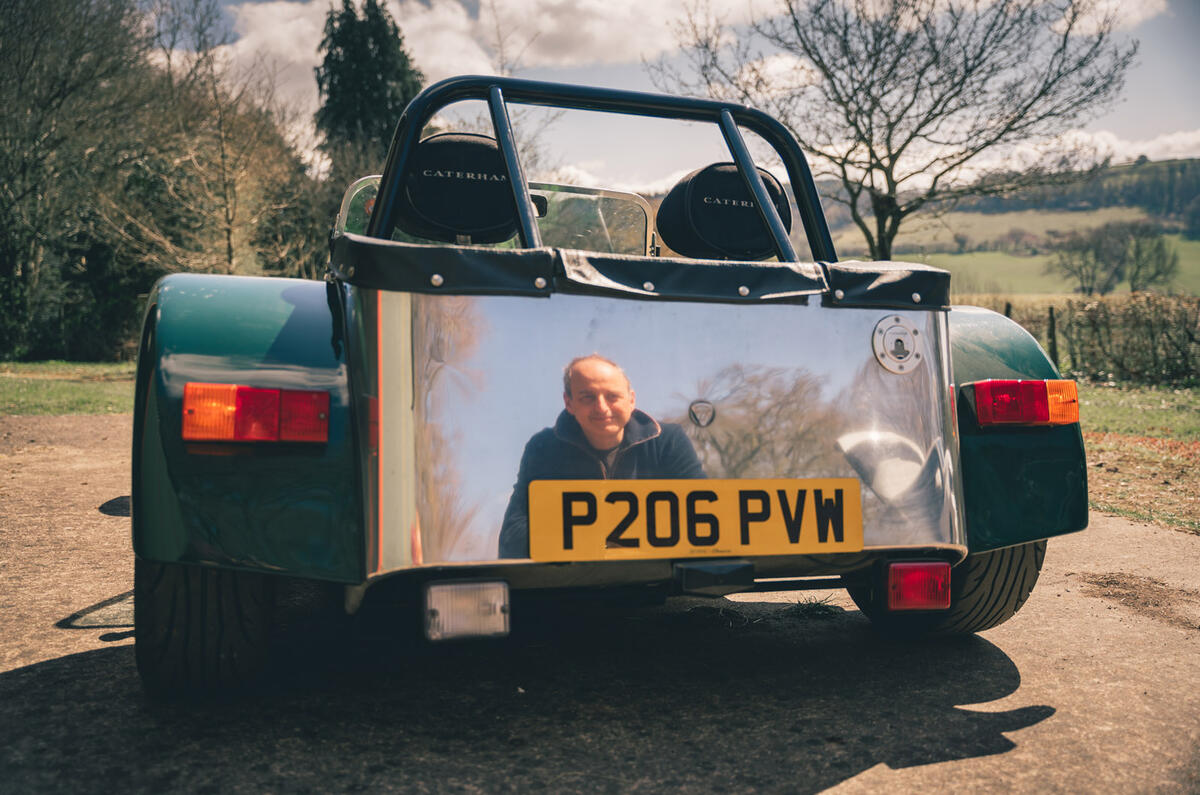
But they took it away again, and I hated that. If that and more recent lockdowns had taught me anything about myself, it was only to confirm that what I love most in cars is a simple, honest machine that knows what it’s for and does that job better than anything else. So the only way to make sure that no one ever took a Caterham away from me again was to go out and buy one.
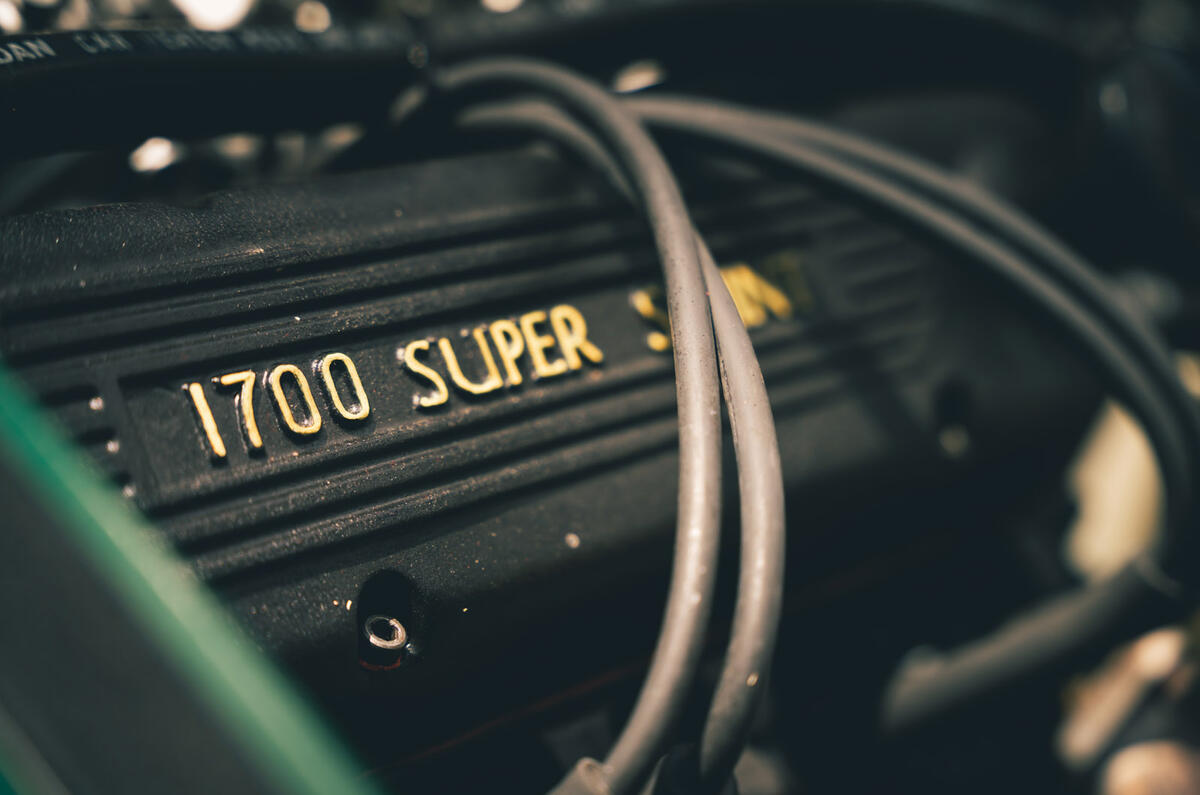
It couldn’t just be any old Caterham, though. It had to be one that would finish the business that had been put so violently on hold at Goodwood all those years ago. Which meant just one thing: it needed a Crossflow engine.
To a certain sort of (probably older) enthusiast, the word ‘Crossflow’ produces sighs of delight, to others blank expressions. So at the risk of boring the former to inform the latter, the Crossflow was a version of Ford’s old Kent engine where the mixture was breathed in one side and then spat out of the other. You would have thought that was always an obvious way to do it, but apparently not.